

The blue skies and azure seas of Okinawa, combined with the heartwarming local culture, have nurtured the traditional and emotionally rich “Okinawa Soba.” This bowl of noodles is more than just a dish; it’s an embodiment of the life, history, and culture of the Okinawan people. From the cozy family dining tables to the long-established local shops beloved by the community, Okinawa Soba is an irreplaceable presence that colors both everyday life and special occasions. However, simply eating Okinawa Soba isn’t enough to fully appreciate its value. This is because each bowl carries the secret recipes passed down through generations by Okinawan grandmothers, the love of families, and the way of life of the islanders.
So, let’s embark on a journey to explore the deep allure of Okinawa Soba. From the subtle differences between Soki Soba and Okinawa Soba, tips for recreating authentic flavors at home, the cultural backdrop of the food ingrained in people’s lives, to hidden local gems recommended by residents, this article covers everything related to Okinawa Soba. Additionally, we’ll introduce arrangement recipes to enjoy Okinawa Soba even more, the significance of eating it on special days, and must-visit Soki Soba restaurants for tourists. Take this opportunity to savor the essence of Okinawan warmth and rich culinary culture encapsulated in each bowl of Okinawa Soba.
If you wish to delve into the profound world of Okinawa Soba, this article will serve as the perfect gateway. Through Okinawa Soba, you can feel the history, culture, and bonds of the Okinawan people, while adding new discoveries and joy to your own lifestyle. Let’s unravel the endless stories embedded in Okinawa Soba together.
What is Soki Soba?
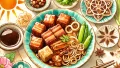
When discussing Okinawan cuisine, Soki Soba is indispensable. This dish, loved for its rich flavor and unique taste, has long been a favorite among visitors to Okinawa. The charm of Soki Soba lies not only in its deliciousness but also in its satisfying nature. With each bite, the tenderness of the soki (pork spare ribs) and the deep flavor of the broth spread through your mouth. This dish, born from Okinawa’s warm climate and abundant nature, allows visitors to experience the history and culture of the region.
The Appeal of Soki Soba, Okinawa’s Soul Food
Soki Soba is widely known as the soul food of Okinawa. The reason for its widespread popularity is its simple yet profound flavor and universal appeal that pleases all who try it. Each bowl of Soki Soba encapsulates the lifestyle and culture of the Okinawan people. The meticulously prepared broth reflects the blessings of the Okinawan sea and land, while the tenderly stewed soki offers a heartwarming taste that evokes family care. Through this dish, one can glimpse the rich nature and warm lives of Okinawan people.
The Differences Between Soki Soba and Okinawa Soba
Soki Soba and Okinawa Soba are often confused, but they have distinct differences. The main difference lies in the ingredients. Soki Soba uses soki (pork spare ribs), whereas Okinawa Soba is not restricted to a specific type of pork. Additionally, Soki Soba is characterized by the way the soki is stewed, emphasizing its tenderness and flavor. In contrast, Okinawa Soba highlights the taste of the broth and the texture of the noodles. Understanding these differences allows for a deeper appreciation of the diversity and regional characteristics of Okinawa Soba.
The History and Cultural Background of Soki Soba
The history of Soki Soba is deeply intertwined with Okinawa’s history. Once a luxurious dish enjoyed by royalty and nobility, Soki Soba gradually spread among the common people over time and has now become a representative of Okinawan cuisine. The cultural background of this dish reflects the lives, history, and relationship with nature of the Okinawan people. Through Soki Soba, one can gain a deeper understanding of Okinawa’s history, environment, and people’s lives. Additionally, Soki Soba has distinct regional characteristics, allowing one to taste the unique local culture and environment.
Basic Soki Soba Recipe
Known for its rich flavors, Soki Soba is a staple of Okinawan cuisine that attracts many people. Here, we introduce a basic Soki Soba recipe that can be easily recreated at home, allowing you to enjoy the taste of Okinawa anytime.
Required Ingredients
The most important ingredients for making Soki Soba are, of course, the soki (pork spare ribs) and the special noodles. Here, we provide tips on selecting the best ingredients to create a delicious Soki Soba.
Choosing the Right Soki (Pork Spare Ribs)
Choosing the right soki is crucial for making excellent Soki Soba. Ideally, select soki that is thick and has a good balance of fat and lean meat. Fresh meat with moderate fat content will become tender and juicy when stewed.
Noodles and Other Ingredients
Soki Soba noodles are typically medium-thick, flat noodles. Choosing noodles with good elasticity enhances their interaction with the broth, allowing you to enjoy an authentic flavor. Other necessary ingredients include broth made from kombu and bonito flakes, soy sauce, salt, and sugar. Additionally, prepare toppings like green onions and pickled ginger.
Step-by-Step Instructions
Making delicious Soki Soba is surprisingly simple. Here, we detail the basic steps for preparing it.
Preparing the Soki
Proper preparation of the soki is crucial to remove any unpleasant odor and achieve tenderness. First, blanch the soki in boiling water to remove impurities from the surface. Then, rinse them with clean water and stew them in the prepared broth. This process allows the umami of the soki to infuse into the broth, forming a rich foundation of flavor.
Making the Broth
The broth is a critical component that determines the taste of Soki Soba. Slowly extract the umami from kombu and bonito flakes by simmering them in water. Turn off the heat just before boiling, add bonito flakes, and let it sit for a few minutes to create a clear and deep-flavored broth.
Cooking the Noodles
The key to cooking the noodles is to achieve an al dente texture. Boil the noodles in plenty of water, timing it so they are neither too hard nor too soft. Once cooked, immediately rinse them in cold water to remove excess starch.
Tips: Preparing and Stewing Soki (Pork Spare Ribs)
Here are some tips to make your Soki Soba even more delicious. Pay special attention to the preparation and stewing of the soki.
Adjusting Stewing Time and Heat
To make the soki tender and the broth flavorful, stew the soki slowly over low heat for a long time. Adjust the heat as needed and stew until the soki is tender enough to be easily pulled apart with chopsticks.
Enhancing the Flavor
To enhance the flavor of Soki Soba, you can add not only kombu and bonito flakes to the broth but also pork bones and chicken carcasses. This adds a richer taste. Additionally, adding a small amount of Okinawan awamori (local liquor) at the end can enhance the flavor and give it a unique aroma.
Creative Recipes with Soki
As a representative dish of Okinawan cuisine, Soki Soba can be enjoyed in various creative ways. Here are some unique recipes using soki that can bring a fresh breeze to your daily meals.
How to Make Meltingly Soft Cartilage Soki
Cartilage soki is characterized by its incredibly tender cartilage. In this recipe, we aim for a surprisingly tender and juicy finish by slowly simmering the cartilage at a low temperature for an extended period. The key is managing the cooking time and temperature. Simmer the cartilage over low heat until it becomes completely soft. Finally, season it with a soy sauce-based sauce, and you can enjoy it over rice or on its own.
Recipe for Grilled Soki
Grilled soki offers a delightful contrast with a crispy exterior and a tender interior by grilling the stewed soki until the surface is crisp. Sprinkle a small amount of sugar before grilling to achieve a caramelized and aromatic finish. This preparation pairs perfectly with beer or awamori, creating a special dish reminiscent of Okinawa’s night markets.
Okinawa-Style Udon Using Local Ingredients
This Okinawa-style udon recipe uses Okinawan ingredients, including soki, to create a healthy and nutritious dish. Instead of using Okinawa soba noodles, this recipe uses udon and combines soki, vegetables, and seaweed. The broth is made from kombu and bonito flakes, resulting in a gentle flavor. The broth, enriched with the umami of the ingredients, and the chewy udon provide a new texture and taste.
Healthy Version of Soki Soba
For those conscious of their health, this healthy version of Soki Soba uses lean meat and increases the amount of vegetables to reduce calories while maintaining nutritional balance. Pre-cook the soki to remove excess fat and use a variety of colorful vegetables to ensure ample vitamins and minerals. The broth is made exclusively from seafood, avoiding animal fats, to create a healthy yet deeply flavorful Soki Soba. Through these creative recipes, discover new charms of Soki Soba and enjoy the diversity of Okinawan cuisine.
The Secrets of Dashi
In Okinawan cuisine, especially Soki Soba, the broth (dashi) is a crucial element that determines the overall flavor. Here, we introduce methods to easily prepare authentic dashi at home and share quick recipes for enjoying delicious dishes even on busy days.
How to Easily Make Authentic Dashi at Home
Making authentic dashi at home significantly impacts the taste of Okinawan cuisine. Here, we explain the methods and key points.
Traditional Dashi Ingredients
Traditional Okinawan dashi primarily uses kombu (kelp) and katsuobushi (bonito flakes). Kombu adds depth and umami to the dish, while katsuobushi provides a unique flavor and taste. By simmering these ingredients in water slowly, you can create a clear and rich-tasting dashi.
Ways to Enhance Dashi
If you want to deepen the traditional dashi flavor, there are several enhancement methods. For example, adding dried sardines or shiitake mushrooms can create a more complex dashi. Additionally, using vegetable scraps or fish bones can help you make a flavorful dashi without waste. Trying these enhancements can make your homemade dashi even more delicious and unique.
Quick Recipes Using Store-Bought Dashi
Using store-bought dashi is very convenient when you want to enjoy Okinawan cuisine on busy days. Here, we share tips for making delicious quick recipes.
Recommended Store-Bought Dashi
There are various types of store-bought dashi, but it’s important to choose one suitable for Okinawan cuisine. For example, dashi blended with katsuobushi and kombu, or those with a distinctive dried sardine flavor, are recommended. Using these dashi products allows you to easily recreate authentic flavors.
Tips for Quick but Delicious Recipes
Even when using store-bought dashi, there are tips to make your dishes even tastier. One tip is to add a small amount of Okinawan awamori (local liquor) to the dashi. This enhances the flavor and adds depth to the dish. Also, cutting vegetables and ingredients into smaller pieces helps them absorb flavors more quickly. By employing these small techniques, you can create satisfying Okinawan dishes even in a short time.
Recommended Toppings and Ways to Enjoy
Okinawan Soki Soba can be enjoyed in various ways, not only through its basic recipe but also through different toppings and eating styles. Here, we introduce traditional toppings, new attempts, and tips to make Soki Soba even more delicious.
Traditional Toppings
Traditional toppings for Soki Soba include pickled ginger, chopped green onions, dried sardines, and kamaboko (fish cake). These toppings enhance the flavor of Soki Soba while adding visual appeal. The tanginess of pickled ginger and the aroma of green onions perfectly complement the rich flavor of the soki, stimulating the appetite even more.
New Attempt: Fuuchiba Soba
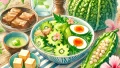
Fuuchiba Soba is a new take on Soki Soba using fuuchiba (bitter melon), a traditional Okinawan vegetable. The bitterness of fuuchiba adds a new flavor dimension to Soki Soba. Fuuchiba is rich in antioxidants and is also good for health, making it a recommended topping not only for its taste but also for its health benefits.
Tips to Make Soki Soba Even More Delicious
To make Soki Soba even more delicious, consider the way you cut and present ingredients, and the use of condiments.
Cutting and Presenting Ingredients
The way ingredients are cut can significantly affect the texture and flavor of Soki Soba. For example, cutting soki into bite-sized pieces makes it easier to eat, and chopping vegetables finely helps their flavors infuse into the soup more easily. Paying attention to the presentation, by arranging colorful toppings beautifully, enhances the visual appeal and stimulates the appetite.
Using Condiments to Enhance the Flavor
Condiments can effectively enhance the flavor of Soki Soba. Besides the usual green onions and pickled ginger, adding island chili peppers or Koregusu (Okinawan black sugar vinegar) can add a kick and deepen the flavor. These condiments bring out the best in Soki Soba, providing new taste discoveries for those enjoying the dish.
Incorporating these toppings and tips can transform Soki Soba into an even more delicious and enjoyable dish. Try customizing this traditional Okinawan dish in your own way and savor it.
Interesting Tidbits About Enjoying Okinawa Soba
Okinawa Soba is not just about its delicious taste; it’s a dish deeply rooted in the lives and culture of the Okinawan people. Here, we share some interesting tidbits for enjoying Okinawa Soba more deeply and introduce popular Soki Soba restaurants loved by locals.
Tips Directly from Okinawan Grandmothers
The tips passed down from Okinawan grandmothers (obaa) are filled with generations of wisdom. For example, the unique steps in preparing soki are crucial for determining the flavor of Soki Soba. When making dashi, grandmothers emphasize soaking kombu in water overnight to carefully draw out the umami. Learning these traditional tips enables you to recreate authentic Okinawa Soba at home.
The Role of Soki Soba in Okinawan Homes
Soki Soba as a Home-Cooked Dish
In Okinawan homes, Soki Soba holds a significant place as an everyday home-cooked dish. It is often lovingly prepared during weekends when the family gathers or for special celebrations. Thus, Soki Soba goes beyond being just a meal; it plays a vital role in strengthening family bonds.
Soki Soba for Holidays and Special Occasions
In Okinawa, it is customary to eat Soki Soba on special occasions like New Year’s or festivals. On these days, families and relatives gather to share Soki Soba, sharing their festive spirits. The Soki Soba enjoyed on such special days has a unique taste and is an irreplaceable part of Okinawan culture.
Popular Soki Soba Restaurants in Okinawa
Locally Recommended Soki Soba Restaurants
Okinawa is home to many Soki Soba restaurants loved by locals. These establishments uphold traditional recipes while adding their unique twists to Soki Soba. The Soki Soba from these locally loved restaurants carries the distinctive flavors of their regions, offering new discoveries to visitors.
Popular Soki Soba Restaurants Among Tourists
There are also many Soki Soba restaurants popular among tourists visiting Okinawa. These restaurants often provide tourist-friendly menus, including English options, to allow more people to enjoy Okinawa Soba. The location and atmosphere of these popular tourist spots also add to their charm, offering an excellent opportunity to experience Okinawan culture and cuisine.
Through these tidbits, one can understand how vital Okinawa Soba is in the lives of the Okinawan people. Enjoying Okinawa Soba means more than just savoring a delicious meal; it’s an opportunity to connect with Okinawa’s history, culture, and the warmth of its people.
Q&A: Questions and Answers About Okinawa Soba
What is the difference between Soki Soba and Okinawa Soba?
The main difference between Soki Soba and Okinawa Soba lies in the ingredients used. Soki Soba includes soki (pork spare ribs), while Okinawa Soba does not have specific restrictions on the type of pork used, incorporating various cuts. Additionally, Soki Soba is characterized by the tenderness and flavor of the soki, whereas Okinawa Soba focuses on the flavor of the broth and the texture of the noodles.
What are the tips for making authentic Soki Soba at home?
The key to making authentic Soki Soba at home is carefully preparing the dashi and properly treating the soki. Slowly extract the dashi using kombu and katsuobushi, and pre-boil the soki in hot water to remove impurities. This process ensures a clear and rich-flavored broth and tender, flavorful soki.
What are the recommended toppings for Soki Soba?
Recommended toppings for Soki Soba include pickled ginger, chopped green onions, dried sardines, and kamaboko (fish cake). These toppings enhance the flavor of Soki Soba and add a vibrant appearance. Additionally, adding fuuchiba (bitter melon) offers a healthy and unique taste experience.
Why do people eat Okinawa Soba on special occasions?
In Okinawa, it is customary to eat Okinawa Soba on special occasions like New Year’s or festivals. This tradition brings family and relatives together to share a meal, deepening bonds and sharing celebratory feelings. Okinawa Soba eaten on special days has a unique taste, making it an irreplaceable part of Okinawan life.
How to choose a popular Soki Soba restaurant in Okinawa?
When choosing a popular Soki Soba restaurant in Okinawa, it’s good to refer to local recommendations and reviews. Restaurants loved by locals often maintain traditional recipes while adding their unique twists, offering regional flavors to enjoy. There are also many tourist-favorite spots, and choosing based on the location and scene can enhance your satisfaction.
The Ultimate Guide to Enjoying Okinawa Soba
Okinawa Soba is a representative dish of Okinawa, known for its unique flavor and rich history. This blog will highlight the key points to fully enjoy the charm of Okinawa Soba.
Start by understanding the differences between Soki Soba and Okinawa Soba. Soki Soba is characterized by pork spare ribs, while Okinawa Soba uses various cuts of pork and focuses on the broth’s flavor and the noodles’ texture. Both are emblematic of Okinawan food culture, and choosing based on your mood and preference is recommended.
Next, learn the tips for making authentic Soki Soba at home. Take your time to extract dashi from kombu and katsuobushi, and treat the soki carefully with a hot water bath to remove impurities. This ensures a rich flavor and tender soki.
To make Soki Soba even more delicious, consider the recommended toppings. Traditional toppings like pickled ginger, chopped green onions, and kamaboko are great, and for the health-conscious, adding fuuchiba (bitter melon) is a good option.
In Okinawan homes, Soki Soba is enjoyed as an everyday home-cooked dish, especially on weekends when families gather or during celebrations. This tradition highlights how Okinawa Soba is more than just a meal; it plays a vital role in connecting people.
Finally, when choosing a Soki Soba restaurant in Okinawa, refer to local recommendations and reviews. From local-favorite spots to tourist-popular venues, Okinawa offers a variety of Soki Soba restaurants. Selecting based on the region and occasion can lead to new discoveries of Okinawa Soba’s charm.
Okinawa Soba is deeply rooted not only in its taste but also in the history, culture, and everyday lives of the Okinawan people. Use this guide to fully savor the profound appeal of Okinawa Soba.
コメント