
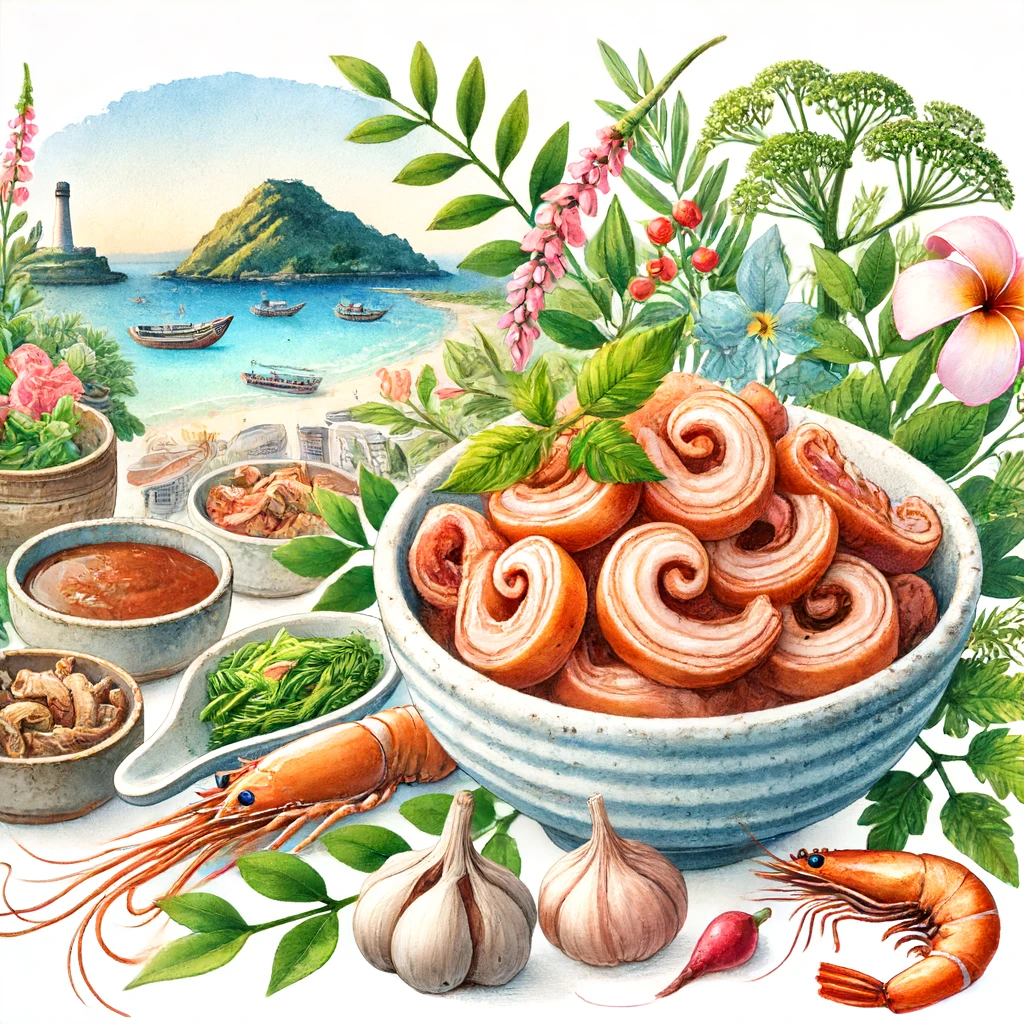
When you think of Okinawan cuisine, vibrant seafood, vegetables, and unique spices come to mind. Among these delights, there’s a hidden gem that deserves special attention: “mimiga.” This dish, made from pig’s ears, is an essential part of Okinawan dining. Let’s delve into why this unusual ingredient holds such a cherished place in Okinawan cuisine and uncover the secrets behind its popularity.
At first glance, mimiga might seem like a daring choice, but its charm lies in its unique texture. The crunchy and chewy consistency, coupled with its deep, rich flavor, leaves a lasting impression. However, before enjoying it, you might wonder, “How do you handle the hair?” or “What’s the best way to prepare it?” To answer these questions, we’ll cover everything from basic preparation techniques to easy and delicious recipes anyone can try. Additionally, we’ll explore modern takes on mimiga that blend traditional flavors with contemporary culinary trends.
Mastering the art of mimiga cooking will make you an Okinawan cuisine connoisseur. Beyond its intriguing texture, mimiga boasts impressive nutritional benefits that contribute to beauty and health. Through this blog, you’ll discover the endless possibilities of mimiga and how it can enhance your culinary repertoire.
While mimiga is deeply rooted in Okinawan food culture, its uses extend beyond traditional recipes. It’s gaining attention as a trendy ingredient in modern cuisine, appearing in dishes like Italian pasta and Asian stir-fries. In this article, we’ll guide you from the basics of mimiga to innovative ideas that will expand your cooking repertoire. Embark on a journey to rediscover the depth of Okinawan cuisine through this seemingly unconventional ingredient. You might just become a fan of this fascinating and delicious food.
What is Mimiga?
Among the many unique elements of Okinawan cuisine, “mimiga” stands out. This ingredient refers to pig’s ears, known for their distinctive crunchy texture. Mimiga is a staple in Okinawan food culture and has been beloved by locals for generations. But what history lies behind this intriguing ingredient, and why does it continue to captivate people?
The Origin and History of Mimiga
Mimiga’s history is deeply intertwined with Okinawan food culture. It originally gained popularity as a way to utilize every part of the pig, ensuring nothing went to waste. During the post-war period, when food was scarce, using the entire pig became crucial. This led to the ear being recognized as a valuable ingredient, with unique preparation methods emerging over time. Mimiga has grown from these historical roots to become a representative element of Okinawan cuisine.
Nutritional Value and Health Benefits of Mimiga
Mimiga isn’t just a curiosity; it’s packed with nutrients and offers significant health benefits, making it an excellent choice for beauty and dieting.
Rich in Vitamins and Minerals
Mimiga is rich in B vitamins and minerals. Particularly, its high collagen content is beneficial for maintaining skin health and beauty. These nutrients are abundant in the unique tissues of the pig’s ear, allowing you to efficiently intake them by eating mimiga.
Perfect for Dieting and Beauty
Mimiga is a low-calorie ingredient that provides a satisfying eating experience. Its abundance of collagen makes it a great choice for those focusing on beauty. The chewy texture encourages more chewing, which can stimulate the feeling of fullness and help prevent overeating. Enjoying mimiga without guilt is one of its significant attractions, especially for those watching their diet.
In this way, mimiga combines a rich cultural history with high nutritional value and health benefits. As a special part of Okinawan cuisine, mimiga is definitely worth trying.
Preparing and Cooking Mimiga: The Basics
To enjoy mimiga at its best, proper preparation is essential. This process is crucial to bringing out the unique charm of mimiga. In this section, we will detail the important steps you need to take before cooking mimiga, including how to properly singe the hair, boil, and cut it.
Preparing Mimiga: From Singeing the Hair to Boiling
The preparation of mimiga is fundamental and significantly impacts the final taste. Here, we will go over the initial steps of singeing the hair and the correct way to boil it.
Tips for Singeing the Hair
When singeing the hair on mimiga, direct heat works best. Hold the pig’s ear over an open flame and carefully burn off all the hair. Be cautious not to overdo it and ensure that the heat is distributed evenly. After singeing, rinse the ear under running water and use tweezers to remove any remaining hairs. This process not only removes the hair but also cleans the surface of the ear, ensuring a sanitary ingredient for cooking.
Proper Boiling Technique
After removing the hair, the next step is boiling the mimiga. Bring a large pot of water to a boil, then add the mimiga and simmer gently over low heat. During this time, skim off any scum that rises to the surface and let it simmer for about an hour. This will remove any odors and soften the mimiga. Once boiled, rinse the mimiga in cold water to cool it down and remove excess fat.
Basic Boiling and Cutting Techniques for Mimiga
After the initial preparation, the proper boiling and cutting techniques are essential to maximize the flavor of mimiga. Mastering these techniques will bring out the best in this unique ingredient.
How to Check the Doneness
You can determine if mimiga is properly boiled by its color and texture. The boiled mimiga should be soft and have a uniform color. Additionally, when pinched with tweezers, it should have a slight resilience, indicating the right level of doneness.
Varieties and Tips for Cutting
After boiling, cut the mimiga into manageable pieces. Generally, it is either finely chopped or thinly sliced. The cutting method can change the texture, so choose according to the dish you are preparing. Finely chopping allows flavors to penetrate well, while thin slicing maintains the chewy texture. Select the cutting style based on the type of dish and your personal preference.
By mastering these basic preparation and cooking techniques, you can fully enjoy the deliciousness of mimiga. For those interested in Okinawan cuisine, these tips are invaluable.
Delicious Mimiga Recipes
Among Okinawan home-cooked dishes, mimiga is particularly popular. Its unique texture and flavor captivate many people. Here, we introduce delicious recipes that make the most of mimiga. These recipes are easy to make at home, allowing you to discover new ways to enjoy this fascinating ingredient.
Mimiga with Peanut Sauce
This recipe combines the crunchy texture of mimiga with the rich flavor of peanuts for a delightful dish.
Ingredients and Preparation
- 200g of mimiga (prepared)
- 50g unsalted peanuts
- 2 tablespoons soy sauce
- 1 tablespoon mirin
- 1 teaspoon sugar
- A pinch of white sesame seeds
- Chopped green onions for garnish
First, boil the mimiga. Lightly toast the peanuts or use store-bought roasted peanuts. Prepare the other seasonings in advance.
Mixing Tips
Finely chop the mimiga and coarsely crush the peanuts. In a bowl, mix the soy sauce, mirin, and sugar until well combined. Add the mimiga and peanuts to the bowl and mix thoroughly to ensure even flavor distribution. Finally, sprinkle with sesame seeds and garnish with chopped green onions before serving.
Mimiga with Spicy Cod Roe
This addictive dish combines the chewy texture of mimiga with the spicy kick of cod roe.
Choosing the Right Cod Roe
The key to this recipe is selecting high-quality cod roe. The balance of spiciness and umami is crucial. Choose fresh, flavorful cod roe to enhance the overall taste of the dish.
Mixing Technique
After boiling, cut the mimiga into bite-sized pieces. Remove the skin from the cod roe and lightly break apart the roe. In a bowl, gently mix the mimiga with the cod roe. The key here is to mix gently to avoid breaking the roe too much. Optionally, add a small amount of soy sauce or sesame oil to enhance the flavor.
These recipes highlight the best of mimiga, combining traditional Okinawan flavors with new culinary possibilities. From everyday meals to special occasions, these recipes will broaden your culinary horizons. Give them a try and enjoy the unique taste of mimiga in your cooking.
Innovative Mimiga Recipes
To bring the traditional Okinawan ingredient, mimiga, closer to our everyday meals, we present some creative recipes. By utilizing the unique texture of mimiga and incorporating modern twists and international cuisines, you will discover new and exciting flavors.
Modern Style Recipes
Here are some contemporary recipes using mimiga that go beyond the boundaries of traditional Okinawan cuisine. Let’s introduce new culinary possibilities.
How to Make Mimiga Poke
Poke is a traditional Hawaiian fish salad, but in this recipe, mimiga takes center stage. First, thinly slice the prepared mimiga and marinate it in soy sauce, sesame oil, mirin, and a bit of sugar. Then, thinly slice onions, cucumber, and avocado, and mix them with the marinated mimiga. Finish off the dish by topping it with chopped seaweed and white sesame seeds. This dish brings a touch of Hawaiian breeze to your table. The texture of mimiga pairs perfectly with the marinade, offering a new way to enjoy Okinawan cuisine.
New Takes on Mimiga Salad
A mimiga salad is a refreshing dish that leverages the crunchy texture of mimiga. Thinly slice the prepared mimiga and mix it with summer vegetables like tomatoes, onions, and cucumber. The dressing is simple, made from lemon juice, olive oil, salt, and black pepper. The key to this salad is the combination of the crunchy mimiga and the freshness of the vegetables. It is a healthy and satisfying dish.
International Dishes with Mimiga
Here are some international recipes featuring mimiga. Enjoy this traditional Okinawan ingredient in cuisines from around the world.
Asian-Style Stir-Fried Mimiga
This recipe incorporates mimiga into Asian stir-fries. Sauté garlic and ginger, then add the prepared mimiga and stir-fry quickly over high heat. Season with soy sauce, oyster sauce, and a bit of sugar, and finish with a drizzle of sesame oil. Adding bell peppers or red peppers not only enhances the dish’s color but also improves its nutritional balance. This recipe brings out a new flavor profile for mimiga, highlighting spiciness and savory notes.
Italian-Style Mimiga Pasta
This recipe features mimiga in an Italian pasta dish. Combine cooked pasta with sautéed garlic and mimiga, cherry tomatoes, and basil in olive oil, and season with salt and black pepper. The unique texture of mimiga pairs wonderfully with the fresh flavors of tomatoes and basil. This fusion of Italian simplicity and Okinawan uniqueness creates a new and exciting pasta dish.
Through these innovative recipes, we hope you can appreciate the endless possibilities of mimiga. Step beyond traditional Okinawan cuisine and open the door to a new world of flavors.
Tips and Q&A for Cooking Mimiga
While mimiga dishes allow you to enjoy traditional Okinawan flavors, those trying them for the first time might have some questions. Here, we provide answers to common questions about mimiga cooking and tips to ensure you don’t make any mistakes.
Frequently Asked Questions and Answers About Mimiga Cooking
Let’s clear up some common questions you might have when cooking with mimiga.
Q&A About Preparation
How do you remove the hair from mimiga effectively?
The easiest way to remove hair from mimiga is to singe it over direct flame. Rotate the ear to ensure even burning, then rinse with water and use tweezers to remove any remaining hairs.
How long can prepared mimiga be stored?
Prepared mimiga can be stored in the refrigerator for 2-3 days or in the freezer for about a month. Make sure to wrap it tightly to prevent exposure to air.
Q&A About Cooking Techniques
How long should mimiga be boiled to make it tender?
To make mimiga tender, simmer it gently over low heat for about an hour. Skim off any scum and let it simmer slowly to remove any unpleasant odor and make it soft.
What seasonings go well with mimiga?
Mimiga pairs well with soy sauce, vinegar, mirin, and sesame oil. For a bit of a kick, you can also use awamori (Okinawan rice liquor).
Tips for Successfully Cooking Mimiga
Let’s go over some key points to make your mimiga dishes even more delicious.
Boiling Tips
When boiling mimiga, start with cold water and gradually heat it up. Sudden high heat can make it tough, so let it simmer slowly over low heat. Once boiled, immediately cool it in cold water to remove any remaining odor.
Tips for Making Dressed Dishes
When making dressed dishes with mimiga, thinly slice it to ensure it mixes well with the seasonings. Add the seasonings just before serving to prevent the dish from becoming watery. Mix gently to ensure the flavors are evenly distributed.
With just a few tips, your mimiga dishes can be significantly improved. Use these Q&A and tips to fully enjoy the charm of Okinawan cuisine.
Okinawan Cuisine and Mimiga
Okinawan cuisine is loved for its uniqueness and rich flavors. Among these, mimiga stands as a symbol of both tradition and innovation. Here, we explore the role mimiga plays in Okinawan food culture.
Enjoying Mimiga in Okinawan Food Culture
Mimiga plays a significant role in Okinawan cuisine, and its usage has evolved over time.
The Role of Mimiga in Traditional Okinawan Meals
In Okinawa, the concept of “mottainai” (waste not, want not) is deeply ingrained, and mimiga exemplifies this principle. Using every part of the pig, including its ears, reflects the wisdom and ingenuity of the Okinawan people. Traditionally, mimiga has been enjoyed in various dishes such as stews, salads, and dressed dishes. These recipes are staples not only in daily meals but also during festive occasions and special events.
Modern Uses of Mimiga in Okinawan Cuisine
In modern Okinawan cuisine, new recipes featuring mimiga are continually being created. While respecting traditional flavors, innovative cooking methods and combinations with foreign ingredients bring out new aspects of mimiga. For example, dishes like Italian pasta or Asian salads with mimiga blend international flavors with Okinawan essence and have gained popularity.
The Place of Mimiga in Okinawan Cuisine
Mimiga holds an important place in Okinawan cuisine, and its role continues to evolve.
Combining Mimiga with Other Okinawan Ingredients
In Okinawan cuisine, combining mimiga with local ingredients such as goya (bitter melon), shima togarashi (local chili peppers), and umibudo (sea grapes) creates unique flavors. These combinations enhance the taste of mimiga and contribute to the distinctive food culture of Okinawa.
New Trends in Mimiga in Okinawan Cuisine
Recently, the nutritional value of mimiga has been reassessed with the rise of health-consciousness. Its high collagen content, in particular, has drawn attention as a beneficial ingredient for beauty and health. Moreover, younger generations are discovering new ways to enjoy mimiga, sharing innovative dishes and desserts featuring mimiga on social media.
The role of mimiga in Okinawan cuisine spans from tradition to innovation. Its unique texture and flavor symbolize the charm of Okinawan cuisine, ensuring it will continue to be loved by many.
Q&A About Cooking Mimiga
What is the most important point to pay attention to when preparing mimiga?
The most important aspect of preparing mimiga is how you singe the hair. By evenly burning the hair over direct flame, you can efficiently remove it. Performing this step carefully will ensure that the subsequent cooking process goes smoothly.
What are the tips for boiling mimiga to make it tender?
The key to making mimiga tender is to boil it slowly over low heat. Simmering it for about an hour will help remove any unpleasant odors while retaining the unique crunchy texture of mimiga.
What seasonings pair well with mimiga?
Mimiga pairs exceptionally well with soy sauce, vinegar, mirin, and sesame oil. These seasonings enhance the umami flavor of mimiga, allowing it to be used in a variety of dishes.
What are the points to consider when making dressed mimiga dishes?
When making dressed mimiga dishes, it’s important to thinly slice the mimiga to ensure it mixes well with the seasonings. Additionally, adding the seasonings just before serving helps prevent the ingredients from becoming watery.
Are there any precautions for storing mimiga dishes?
When storing mimiga dishes, make sure to seal them tightly to prevent exposure to air. For refrigeration, mimiga can be stored for 2-3 days, and for freezing, about a month. Especially when freezing, it’s important to wrap it properly to maintain its quality.
Conclusion
Here is a complete guide to rediscovering the charm of Okinawan cuisine. Mimiga, a traditional Okinawan ingredient, is known for its unique texture and nutritional value, making it an indispensable part of Okinawan food culture for centuries. This guide covers everything from basic information about mimiga to its preparation, basic cooking methods, and a variety of recipes.
First, we delve into the history and nutritional value of mimiga, highlighting its richness in vitamins and minerals, making it ideal for diets and beauty. Next, we provide a detailed explanation of mimiga’s preparation methods and basic cooking techniques. From singeing the hair to the correct way of boiling, we cover all the points needed for beginners to handle mimiga easily.
The recipe collection offers a wide range of dishes, from traditional “Peanut Mimiga” to modern adaptations like “Mimiga Poke,” and even international recipes incorporating mimiga such as “Italian Pasta.” Through the tips and answers to common questions about mimiga cooking, we guide you to easily create delicious mimiga dishes.
Finally, we explore the culture of enjoying mimiga in Okinawa, discussing its role and new trends in Okinawan cuisine. We focus on the combination of mimiga with other distinctive Okinawan ingredients and how it is utilized amid the rising health-conscious and international culinary trends.
Through this guide, we hope you can deeply explore the rich world of mimiga and rediscover the infinite possibilities of Okinawan cuisine. Mimiga is not just a food ingredient in Okinawan cuisine but a symbol of culture, history, and innovation. We hope this guide will spark your interest in Okinawan cuisine even further.


コメント