
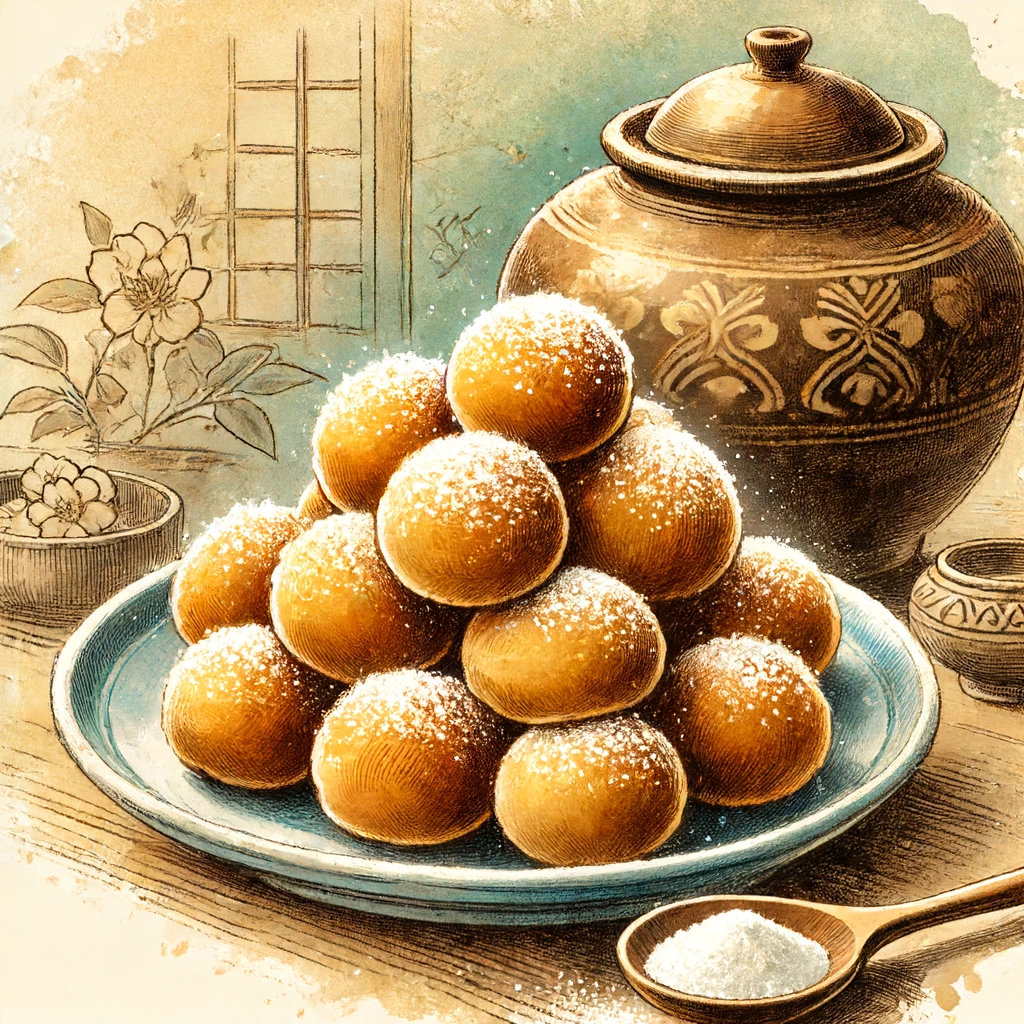
When you think of Okinawa’s azure seas and white sandy beaches, one local treat that warms your heart along with these beautiful landscapes is the traditional sweet known as “Sata Andagi.” Also referred to as the “smiling pastry,” Sata Andagi boasts a crispy exterior and a fluffy interior. Its unique texture and taste are unforgettable after the first bite. However, when attempting to recreate this soulful Okinawan treat at home, many people encounter various questions and challenges. “How do I achieve that perfect texture?” “How should I store it?” While making Sata Andagi is fun, it comes with minor dilemmas. This article will guide you through the basic steps of making Sata Andagi, share tips for enhancing its flavor, and provide storage methods and shelf life information to help you become more familiar with this delightful treat. Additionally, we will introduce dessert ideas featuring Sata Andagi to make your time with family and friends more special and recommend Sata Andagi specialty stores to visit during your Okinawa trip. Let’s explore the magic behind this little treat and its significant role in Okinawan homes and festivals, bringing smiles to people’s faces.
- What is Sata Andagi?
- Basic Sata Andagi Recipe
- Recipe Variations
- Frequently Asked Questions and Solutions
- Enjoying Sata Andagi Even More
- Q&A: Common Questions About Sata Andagi
- Your Complete Guide to Enjoying Sata Andagi
What is Sata Andagi?
When you think of Okinawan cuisine, dishes like Goya Champuru or Taco Rice might come to mind. However, the world of Okinawan sweets also holds deep charm. Among these, “Sata Andagi” holds a special place for Okinawans. This treat, characterized by its crispy exterior and moist interior, is beloved in Okinawan households for celebrations and as a tea-time snack.
The History and Significance of Sata Andagi in Okinawa
Origin and Tradition
The origin of Sata Andagi dates back to the Ryukyu Kingdom era. The name derives from the Okinawan words for “sugar” and “fry,” and it was enjoyed as a luxurious treat by the royalty and nobility due to its generous use of sugar. Over time, it became a common homemade treat in Okinawa, with traditional methods being preserved and various adaptations being explored.
Role in Okinawan Homes and Festivals
In Okinawan homes, making Sata Andagi is an important time for bonding with family and friends. Especially during festivals and New Year’s celebrations, families gather to fry Sata Andagi, sharing happiness together. This treat plays a vital role in strengthening family ties, making it an essential part of Okinawan culture.
Why is it called the “Smiling Pastry”?
Origin of the Name
Sata Andagi is called the “smiling pastry” because the dough splits open during frying, resembling a smiling face. This unique feature is beloved by Okinawans and symbolizes spreading smiles through this sweet treat.
Cultural Background of Spreading Smiles
Okinawans cherish the moments of joy and relaxation that come from eating Sata Andagi. This treat symbolizes happy times with family and friends, reflecting the warm-hearted spirit of Okinawan people. Through Sata Andagi, you can feel the culture, history, and warmth of Okinawa.
Basic Sata Andagi Recipe
Learning how to make Sata Andagi, Okinawa’s traditional treat, is a gateway to exploring the depths of Okinawan cuisine’s charm. This simple yet deeply flavorful treat is easy to make at home.
Essential Ingredients
Choosing Ingredients and Substitutes
To make Sata Andagi, you need flour, sugar, eggs, and oil as the basic ingredients. Using cake flour ensures a crispy texture. Okinawan brown sugar enhances the flavor, but if unavailable, white sugar or brown sugar can be substituted. Ensure the eggs are at room temperature for better integration into the dough.
Measuring Ingredients Accurately
Accurate measurement of ingredients is crucial in baking. Using a digital scale to measure in grams ensures consistent results. Sifting flour before measuring ensures the correct amount.
Detailed Steps and Tips
Tips for Mixing the Dough
When mixing the dough, it’s important to combine the ingredients evenly but not overmix, which can make the dough tough. Stop mixing as soon as the ingredients are just combined.
Ideal Dough Consistency
The ideal consistency for Sata Andagi dough is similar to an earlobe’s softness. If the dough is too soft, it will lose shape, and if too firm, it will be dry inside when fried. The dough should hold its shape when lightly pinched.
Tips for Frying Temperature and Time
Importance of Temperature Control
The ideal oil temperature for frying Sata Andagi is 170°C to 180°C. Maintaining this temperature ensures a crispy exterior and fluffy interior. Use a thermometer to constantly monitor the oil temperature.
Judging When It’s Done
Fry Sata Andagi until the surface is uniformly golden brown. As they fry, they naturally rotate, ensuring even coloring. Frying takes about 3-5 minutes, but adjust based on color and size.
Recipe Variations
Once you’ve mastered the basic Sata Andagi recipe, you can enjoy various variations. Here, we introduce recipes using brown sugar, peanut butter, and okara (soy pulp), adding new flavors and nutrition to the traditional taste.
Recipe with Brown Sugar
Choosing Brown Sugar
When selecting brown sugar, focus on quality and origin. Okinawan brown sugar is known for its rich flavor and depth. Choose dark, flavorful brown sugar for Sata Andagi.
Making Dough with Brown Sugar
The dough with brown sugar follows the basic recipe but requires extra care to prevent clumping. Break or finely crush the brown sugar before adding it to the dough. Adjust the quantity to enhance flavor and color.
Recipes with Peanut Butter or Cocoa
Recommended Amounts
When adding peanut butter or cocoa, balance is key. Use about one tablespoon of peanut butter per 100g of dough. For cocoa powder, use one to two tablespoons.
When to Add the Ingredients
Mix peanut butter or cocoa powder with part of the liquid ingredients (e.g., eggs) before incorporating into the dough. This ensures even distribution. Cocoa powder, in particular, can clump, so this step is essential.
Healthy Okara Recipe
Preparing and Storing Okara
Squeeze excess moisture from okara before use. Freeze unused okara to keep it fresh. Fluff the okara before adding it to the dough.
Benefits of Adding Okara
Adding okara increases dietary fiber content, making a healthier Sata Andagi. While it makes the dough firmer, using the right amount ensures a delicious and healthy treat.
Frequently Asked Questions and Solutions
Here are common issues and solutions in making Sata Andagi, from beginners to advanced bakers. Knowing these tips will help everyone make delicious Sata Andagi.
Adjusting Dough Consistency
Adjusting Ingredient Ratios
If the dough is too firm, add a small amount of liquid (milk or water) to soften it. Conversely, if too soft, add flour gradually. The ingredient ratio directly affects texture, so adjust carefully.
Improving Mixing Techniques
Mixing techniques also affect dough consistency. Mix gently to incorporate air, stopping as soon as the ingredients are combined. Overmixing makes the dough tough.
Dealing with Cracking or Lack of Cracks
Adjusting Dough Temperature
Room-temperature dough ensures even cracking. Using ingredients straight from the fridge can prevent even heating. Bring all ingredients to room temperature before starting.
Fine-tuning Frying Oil Temperature
High oil temperature causes rapid exterior hardening and excessive cracking. Low temperature prevents even heating, causing no cracks. Maintain oil temperature at 170°C to 180°C for ideal cracking.
Preventing Dough from Sticking to Hands
Preparing Hands and Handling Dough
Wet or lightly oil your hands to prevent dough from sticking. This makes shaping easier. Handle dough gently, avoiding excessive pressure.
Using Tools
To avoid sticky hands completely, use tools like an ice cream scoop or spoon. These tools allow uniform dough portions without direct handling, enhancing hygiene.
Enjoying Sata Andagi Even More
Enjoying Sata Andagi goes beyond eating them. Explore storage methods, variations, and visiting specialty stores in Okinawa to fully appreciate this treat.
Storage Methods and Shelf Life
Choosing Proper Storage Containers
Use airtight containers to store Sata Andagi, keeping them fresh by blocking moisture. Ensure they are fully cooled before storing.
Differences Between Room Temperature and Refrigeration
Sata Andagi is best stored at room temperature, but refrigeration is possible for high temperatures or long-term storage. Let refrigerated ones return to room temperature before eating to restore texture.
Dessert Ideas with Sata Andagi
Simple Topping Ideas
Enhance Sata Andagi with toppings like ice cream, fruit, or whipped cream for a simple dessert. Drizzle with chocolate or caramel sauce for a flavor twist.
Creative Sweets Recipes
Use Sata Andagi in
desserts like sliced and toasted or crumbled in parfaits. Try Sata Andagi-based tiramisu or cheesecake for new dessert experiences.
Introducing Okinawa’s Sata Andagi Specialty Stores
Recommended Specialty Stores
Okinawa has several Sata Andagi specialty stores. These offer traditional and innovative variations. Check store information beforehand and enjoy each store’s unique features.
Choosing and Visiting Specialty Stores
Consider the variety of Sata Andagi, store atmosphere, and accessibility when choosing stores. Visiting specialty stores offers authentic flavors and a direct experience of Okinawan culture.
Q&A: Common Questions About Sata Andagi
How should I store Sata Andagi, and what is their shelf life?
Store Sata Andagi in an airtight container at room temperature to keep them fresh for several days. For high temperatures or long-term storage, refrigeration is an option, but return to room temperature before eating. They typically last 3-5 days at room temperature and about a week in the fridge.
What can I do if my dough is too hard?
If the dough is too hard, add a small amount of liquid (milk or water) to adjust it. Mix gently to incorporate air and avoid overmixing, which makes the dough tough.
How can I achieve the perfect cracks in Sata Andagi?
Ensure the dough is at room temperature for even cracking. Maintain oil temperature at 170°C to 180°C for ideal frying. High oil temperature causes excessive cracking, while low temperature prevents cracking.
What are some recommended variations for Sata Andagi?
Try recipes with brown sugar, peanut butter, cocoa, or okara. These add unique flavors and textures, making Sata Andagi more enjoyable.
Why should I visit Sata Andagi specialty stores in Okinawa?
Visiting specialty stores offers authentic flavors made by skilled artisans and a direct experience of Okinawan culture. Enjoy the wide variety and unique features of each store.
Your Complete Guide to Enjoying Sata Andagi
Sata Andagi, Okinawa’s traditional sweet, is a “smiling pastry” with a crispy exterior and moist interior. Its history dates back to the Ryukyu Kingdom era, and it symbolizes family and festival connections.
The basic Sata Andagi recipe is simple yet requires certain techniques. The ingredients include flour, sugar, eggs, and oil. Using brown sugar enhances the flavor. Mix the dough gently, incorporating air, and fry at 170°C to 180°C until golden brown.
Enjoy variations with brown sugar, peanut butter, cocoa, and okara for diverse flavors. Brown sugar adds depth, peanut butter and cocoa appeal to all ages, and okara makes a healthy option.
Proper storage extends Sata Andagi’s shelf life. Use airtight containers and store at room temperature for several days. Explore dessert ideas by adding toppings or incorporating Sata Andagi into other sweets.
Visiting Okinawan specialty stores allows you to taste authentic Sata Andagi and experience the culture. These stores offer traditional and innovative treats, each with unique features.
Through this blog, we’ve covered the basics, variations, and storage methods to maximize Sata Andagi’s charm. This treat is more than just a pastry; it’s a significant part of Okinawan history, culture, and people’s hearts. Whether making it at home or visiting specialty stores, feel the warmth of Okinawa through Sata Andagi.


コメント