
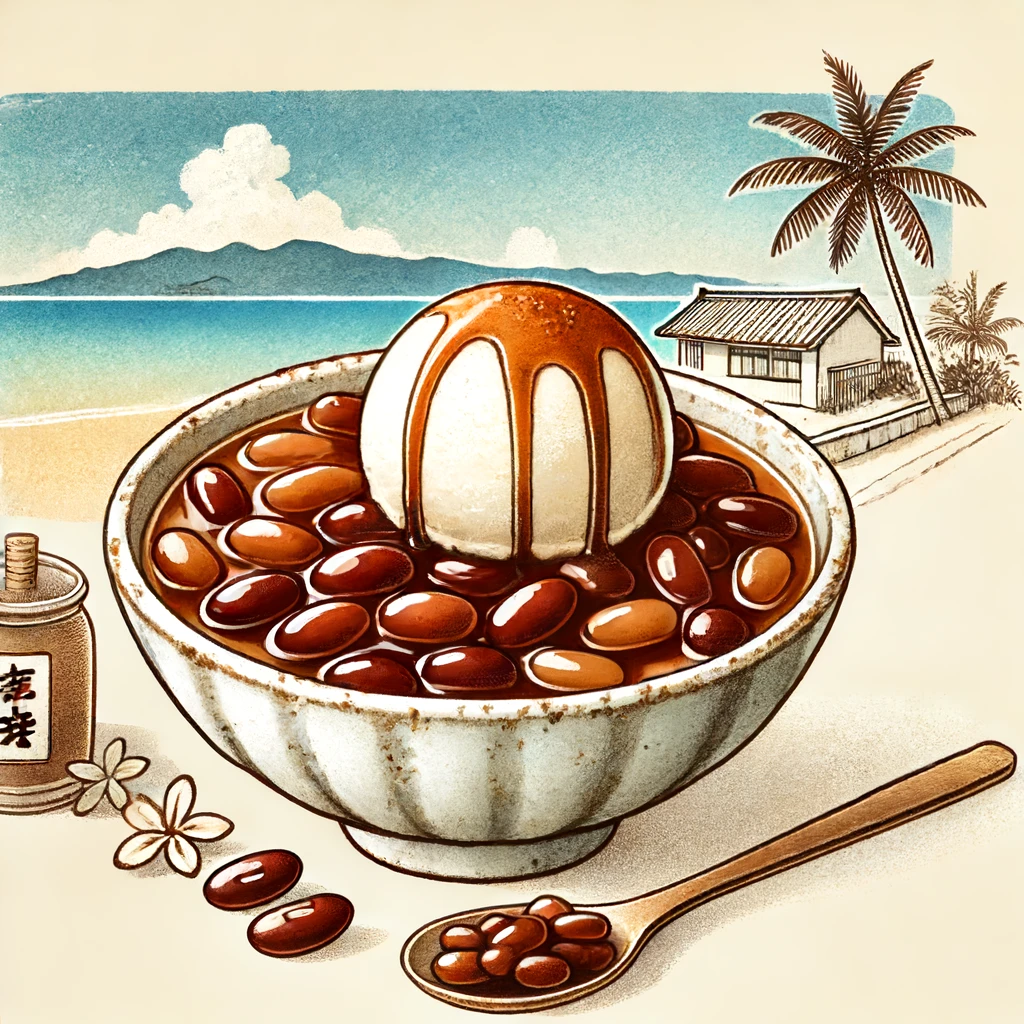
When you think of Okinawa’s blue seas and white sandy beaches, there’s a local, flavorful sweet treat that perfectly complements that picturesque scenery. This treat is Okinawa Zenzai. The sweet, heartwarming flavor of this dessert, made from kidney beans grown under the Okinawan sun and brown sugar harvested from the naturally rich islands, captures the hearts of all who visit. In this article, we delve deep into the allure of Okinawa Zenzai, inviting you into its simple yet profound world. From the basic recipe, easy cooking methods using a rice cooker, seasonal variations, to tips for adjusting sweetness and topping ideas, we’ll show you how to fully enjoy Okinawa Zenzai. In the summer, it’s perfect chilled for a refreshing treat, and in winter, it warms you up with its comforting heat. Okinawa Zenzai is a dessert that can be enjoyed all year round. Additionally, we’ll cover how to adjust the sweetness to individual preferences and provide easy variations you can make at home. Our Q&A section will address common questions, making it simple for even beginners to create. Okinawa Zenzai is more than just a sweet dessert; it’s a special treat filled with the history, culture, and nature of Okinawa, offering a taste of the island’s warmth with every bite. Through this article, discover new charms of Okinawa Zenzai and try recreating its taste in your own kitchen. With each bite, feel the Okinawan breeze and let its deep flavors captivate you.
- What is Okinawa Zenzai?
- Basic Okinawa Zenzai Recipe
- Variation Recipes
- Tips and Tricks for Ingredient Selection
- Enjoying Okinawa Zenzai
- Q&A: Frequently Asked Questions About Okinawa Zenzai
- The Charm and Enjoyment of Okinawa Zenzai
What is Okinawa Zenzai?
Okinawa Zenzai is a unique traditional sweet from Okinawa Prefecture that continues to captivate many with its distinctive flavor and food culture. Unlike mainland zenzai, Okinawa’s version is typically enjoyed cold, featuring a unique sweetness and texture. This region-specific dessert is deeply rooted in the lives of the local people and is a highlight for tourists visiting Okinawa.
The History and Cultural Significance of Okinawa Zenzai
The Origins of Okinawa Zenzai
The origins of Okinawa Zenzai are said to date back to the Ryukyu Kingdom era. During this period, various cultures and ingredients were introduced to Okinawa through trade with China and Southeast Asia. Zenzai evolved uniquely to fit the climate and food culture of Okinawa and has been cherished as a traditional sweet ever since. Over its long history, Okinawa Zenzai has become more than just food; it has become a part of cultural identity.
Role in Festivals and Events
Okinawa Zenzai plays an important role during festivals and special events. During New Year celebrations and traditional events, families and communities gather to enjoy this special dessert together, strengthening bonds. It is also often served when entertaining relatives or friends, symbolizing warm hospitality. These practices show that Okinawa Zenzai holds significant meaning beyond being just a meal for the people of Okinawa.
Differences Between Okinawa Zenzai and Mainland Zenzai
Differences in Ingredients and Flavor
The most noticeable difference between Okinawa Zenzai and mainland Zenzai lies in the ingredients and taste. While mainland Zenzai primarily uses azuki beans, Okinawa Zenzai uses kidney beans, and its unique sweetness comes from brown sugar. This brown sugar, made from sugarcane grown in Okinawa’s warm climate, has a deep flavor and rich sweetness, giving Okinawa Zenzai its distinctive taste.
Cultural Background of Eating Styles
The way Okinawa Zenzai is eaten also differs from the mainland version. In Okinawa, it is common to enjoy Zenzai cold, especially as a cool dessert in the hot season, adapting to the warm Okinawan climate. In contrast, mainland Zenzai is often eaten warm, cherished as a hot dessert during the cold season. Thus, Okinawa Zenzai reflects the unique food culture deeply rooted in the region’s climate and traditions.
Basic Okinawa Zenzai Recipe
Okinawa Zenzai is a representative sweet of Okinawa Prefecture, combining simplicity with deep flavors and culture. Here, we introduce an easy-to-follow basic recipe and tips for deliciousness.
Essential Ingredients
Ingredient List and Substitutes
To make Okinawa Zenzai, you’ll need kidney beans, brown sugar, salt, and optionally, rice flour dumplings or sweet potatoes. While kidney beans are known for their distinctive sweetness and texture, azuki beans or chickpeas can be used as substitutes if they are unavailable. Okinawan brown sugar is recommended, but regular sugar or maple syrup can be used as alternatives, though the flavor will differ, so it’s best to use brown sugar whenever possible.
Tips for Choosing Ingredients
When selecting ingredients, choose fresh, high-quality beans. Beans that don’t easily break down when cooked are ideal, and fragrant brown sugar will enhance the Zenzai’s flavor. Additionally, adding a pinch of salt enhances the sweetness and depth of flavor.
Step-by-Step Cooking Instructions
The Importance of Preparation
Preparation before making Zenzai greatly impacts the final flavor. Soaking kidney beans overnight reduces cooking time and ensures the beans are soft throughout. This extra step significantly improves the taste of the Zenzai.
Proper Cooking and Timing
Once the beans are well-soaked, transfer them to a large pot with plenty of water and bring to a boil. After boiling, discard the water and add fresh water to boil again. This process, called “aku-nuki” (removing scum), is necessary to eliminate the beans’ bitterness and odor. Then, add brown sugar and a little salt, and continue to simmer until the beans are tender. The cooking time varies depending on the type and size of the beans but generally takes about 1.5 to 2 hours. Be careful not to overcook, as the beans should maintain a certain firmness.
Made this way, Okinawa Zenzai offers a simple yet deep flavor, perfect for getting through the hot Okinawan summer. Try this easy-to-make recipe at home.
Variation Recipes
Okinawa Zenzai can be enjoyed in various ways by adding different twists to the basic recipe. Here, we introduce a variety of recipes, from an easy rice cooker method to flavorful brown sugar variations and hot Zenzai with rice flour dumplings.
Easy Rice Cooker Okinawa Zenzai
Rice Cooker Settings and Tips
When making Okinawa Zenzai using a rice cooker, it’s best to select the “porridge” mode instead of the regular “cook” mode. The porridge mode is set to a temperature and time suitable for slowly simmering the beans, bringing out their natural sweetness and texture. Depending on your rice cooker model, modes like “slow cooking” or “stew” might also be suitable, so check your cooker’s manual for the best settings.
How to Add Ingredients and Precautions
When adding ingredients to the rice cooker, ensure the beans are evenly spread on the bottom and then add the brown sugar and water. It’s important to add enough water to completely cover the beans. Be aware that brown sugar might stain the rice cooker’s inner pot, so either use a designated pot for this purpose or clean it immediately after cooking.
Richly Flavored Brown Sugar Zenzai
Types and Selection of Brown Sugar
Brown sugar significantly influences the flavor of Okinawa Zenzai. Various types of brown sugar are available, but Okinawan brown sugar is particularly known for its rich flavor and deep sweetness. Choosing pure brown sugar made only from sugarcane will give you an authentic taste.
Adjusting the Amount of Brown Sugar
Adjust the amount of brown sugar based on your preferred sweetness. Typically, use about 100 grams of brown sugar per cup of beans, but you can add less for a milder sweetness or more for a richer taste. As brown sugar dissolves during cooking, taste and adjust gradually.
Hot Zenzai with Rice Flour Dumplings
How to Make Rice Flour Dumplings
Adding rice flour dumplings to Okinawa Zenzai provides a chewy texture and visual appeal. Mix rice flour with water until it reaches the consistency of an earlobe, then shape into small balls and boil. Once the dumplings float, transfer them to cold water to cool before adding to the Zenzai.
When to Add Rice Flour Dumplings
It’s best to add rice flour dumplings to the Zenzai just before it’s done. Overcooking can cause the dumplings to break apart, so add them at the last minute to enjoy their chewy texture.
Tips and Tricks for Ingredient Selection
Choosing the right ingredients is crucial for making delicious Okinawa Zenzai. Here, we explain how to select kidney beans and brown sugar, suggest substitutions using common household ingredients, and provide alternatives for those with allergies.
Choosing Kidney Beans and Brown Sugar
How to Identify Quality Kidney Beans
Kidney beans are the star ingredient in Okinawa Zenzai. Choose beans that are vibrant in color and uniform in size. Opt for beans with few blemishes and an even hardness to achieve a beautiful color and consistent softness when cooked. Fresh beans with good storage conditions enhance the Zenzai’s flavor.
Characteristics and Flavor of Brown Sugar
Brown sugar adds depth and flavor to Okinawa Zenzai.
Choose brown sugar with a strong aroma and deep color. Okinawan brown sugar is especially rich in flavor, adding unique sweetness and a toasty aroma to the Zenzai. Less refined brown sugar often provides a more natural sweetness and flavor.
Alternative Ingredients and Customization Tips
Adapting with Household Ingredients
Okinawa Zenzai’s charm lies in its flexibility to adapt with various household ingredients. For example, azuki beans or chickpeas can replace kidney beans, and maple syrup or honey can substitute brown sugar, offering different flavor profiles. Adding fruits or nuts as toppings can enhance the visual appeal and nutritional value of the Zenzai.
Substitutes for Allergy Considerations
For those with allergies or dietary restrictions, alternative ingredients are important. For example, rice flour or tapioca flour can replace rice flour dumplings to make gluten-free Zenzai. If allergic to beans, tofu or agar can be used to mimic the texture. These substitutions allow more people to enjoy the charms of Okinawa Zenzai.
Enjoying Okinawa Zenzai
Okinawa Zenzai offers various ways to enjoy it throughout the year. Adding seasonal variations enhances its flavor and enjoyment for every occasion.
Cooling Down in Summer
Making Cold Zenzai
Cold Zenzai is perfect for hot summer days. After making the Zenzai, chill it well in the refrigerator before serving. Adding ice increases the coolness. This cold Zenzai is ideal for refreshing on hot days.
Recommended Summer Toppings
Topping summer Zenzai with fruits or ice cream enhances its flavor. Tropical fruits like mango, pineapple, and kiwi pair well with the sweetness of Zenzai, creating a vibrant summer look. Adding vanilla ice cream introduces creaminess and coolness, making it a perfect summer dessert.
Warm Version for Winter
Warming Hot Zenzai
Hot Zenzai warms you up during the cold winter. Simply heat the Zenzai and serve it warm. Adding ginger juice warms you from the inside, making it an excellent winter treat.
Perfect Winter Ingredients and Spices
Adding seasonal ingredients like sweet potatoes, chestnuts, or apples makes winter Zenzai more flavorful. Adding spices like cinnamon or star anise introduces a wintery aroma, enhancing the depth of Zenzai’s flavor. These additions make hot Zenzai perfect for winter enjoyment.
Q&A: Frequently Asked Questions About Okinawa Zenzai
What are the main differences between Okinawa Zenzai and mainland Zenzai?
Okinawa Zenzai mainly uses kidney beans and is sweetened with brown sugar, served cold. Mainland Zenzai uses azuki beans and is sweetened with sugar, typically served warm. The main differences lie in the ingredients and serving style.
What can be used instead of kidney beans for Okinawa Zenzai?
If kidney beans are unavailable, azuki beans or chickpeas can be used. However, the flavor and texture will differ, resulting in a different taste.
What can be used instead of brown sugar?
Maple syrup, honey, or regular sugar can replace brown sugar. While the flavor will change, these substitutes still add sweetness.
What is the key point when making Okinawa Zenzai?
The most important aspect is selecting quality kidney beans and brown sugar. High-quality ingredients significantly enhance the Zenzai’s flavor. Adjusting the sweetness to your preference is also crucial.
Is Okinawa Zenzai delicious both cold and warm?
Yes, Okinawa Zenzai is delicious both cold and warm. Cold Zenzai is refreshing in summer, and warm Zenzai provides comfort in winter. Enjoy it according to the season or your personal preference.
The Charm and Enjoyment of Okinawa Zenzai
Okinawa Zenzai is a beloved sweet in Okinawa Prefecture, known for its unique sweetness and flavor. Using kidney beans and brown sugar as main ingredients, it is typically enjoyed cold but can also be served warm according to the season and preference.
The biggest difference between Okinawa Zenzai and mainland Zenzai lies in the beans and sweeteners used. Okinawa uses kidney beans and brown sugar, creating a distinctive flavor. Choosing quality kidney beans involves selecting vibrant, uniform beans. Fragrant, dark-colored brown sugar is recommended for its rich flavor.
The basic recipe is simple: cook kidney beans until soft, then sweeten with brown sugar. Various adaptations are possible, including using a rice cooker or substituting brown sugar with maple syrup. Adding seasonal fruits or rice flour dumplings as toppings enhances both the appearance and flavor.
The key to making delicious Okinawa Zenzai is adjusting the sweetness to your liking. You can adjust sweetness not only by changing the amount of brown sugar but also by using honey or maple syrup. Cold Zenzai is perfect for summer, while warm Zenzai is ideal for winter.
Okinawa Zenzai, with its simple yet deep flavor, offers a taste of Okinawa’s culture and history. From basic to variation recipes, try making it at home using this blog as a guide. Enjoy the rich flavor and sweetness of Okinawa Zenzai in your own home.


コメント