
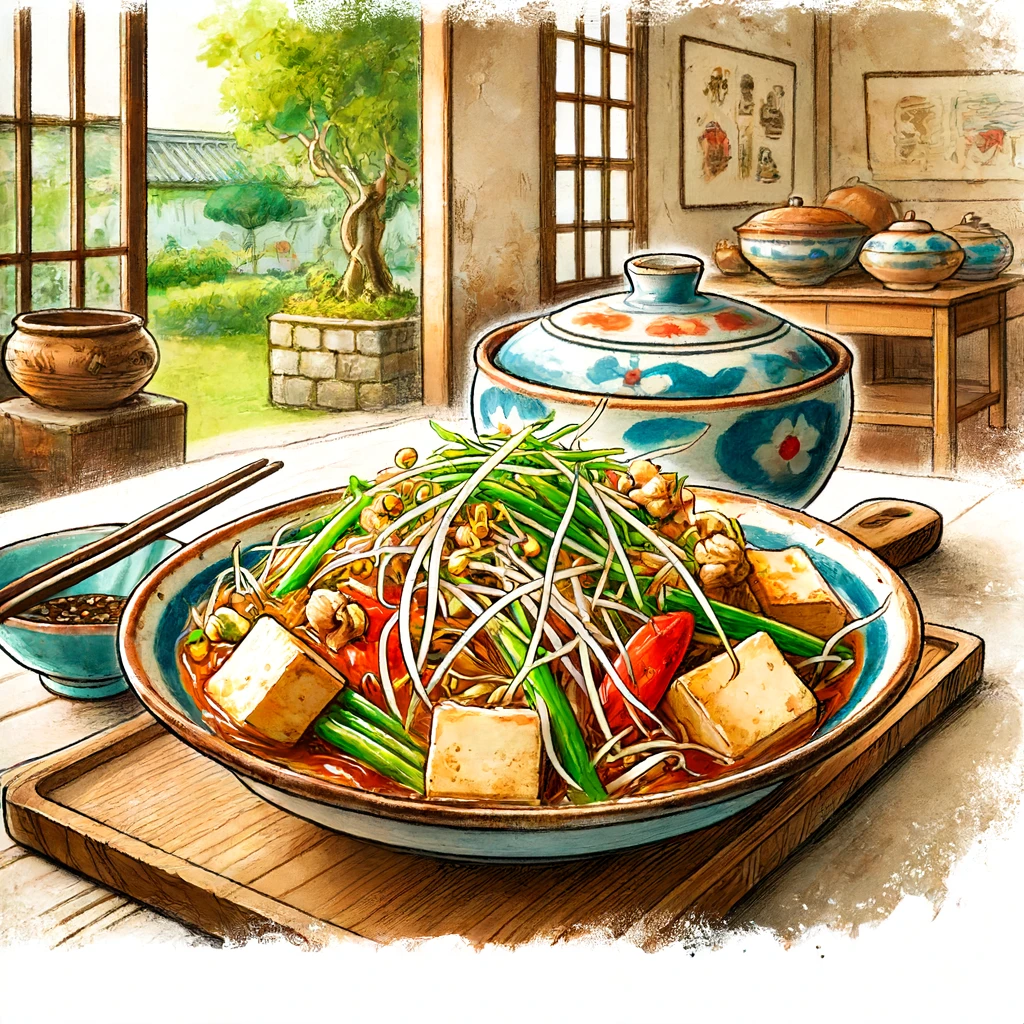
Under the warm Okinawan sun, the home-cooked dish “Fu Champloo” is nurtured to perfection. This dish encapsulates the rich nature and everyday life of Okinawa’s people. Despite its simplicity, its depth is infinite. Starting with basic ingredients like tofu, bean sprouts, garlic chives, and pork, Fu Champloo evolves with countless variations unique to each household, truly symbolizing Okinawan food culture. However, it’s more than just a dish; it embodies the lives, history, and spirit of the Okinawan people.
In this article, we will start with the basic recipe for Fu Champloo and then introduce healthy variations and allergy-friendly recipes that anyone can easily make. Additionally, we’ll share side dishes that perfectly complement Okinawan cuisine and cooking tips to make your dishes even more delicious. We also include heartwarming stories and recommended recipes from our readers. Through Fu Champloo, we aim to create a space where readers can connect and share new discoveries and joys.
Even with just one dish, Fu Champloo, Okinawan food culture is deep and expansive. We hope this article deepens your love and understanding of Okinawan cuisine. And if this article sparks even a little interest in Okinawan food culture and Fu Champloo, there could be no greater joy. So, let’s dive into the world of Okinawan home cooking with Fu Champloo together.
What is Fu Champloo?
Fu Champloo is a quintessential Okinawan home-cooked dish, with its name deriving from the Okinawan dialect word “Champloo,” which means “to mix.” This dish is made by stir-frying accessible ingredients such as vegetables, tofu, eggs, and sometimes meat or seafood, resulting in a nutritionally balanced and easy-to-make meal that many people love. Despite its simplicity, Fu Champloo offers endless variations depending on the ingredients and cooking methods used, representing the richness of Okinawan food culture.
The History of Fu Champloo
The exact origins of Fu Champloo are unclear, but it is considered a culmination of Okinawan culinary culture developed over a long history. During the Ryukyu Kingdom era, various foreign cultures intermingled, and Fu Champloo evolved uniquely while incorporating ingredients from these different cultures. This dish also developed during the post-war food shortage era in Okinawa as a way to nourish people with limited ingredients, and it has deeply rooted itself in the daily lives of Okinawans ever since.
Basic Ingredients of Fu Champloo
The essential ingredients for making Fu Champloo include tofu, bean sprouts, garlic chives, eggs, and vegetables like bitter melon. These ingredients form the base of Fu Champloo, each adding its distinct texture and flavor to the dish. Especially, bitter melon, a symbol of Okinawan summer, imparts a unique bitterness to Fu Champloo. Tofu, often firm and hearty island tofu in Okinawa, adds richness and volume to the dish.
Varieties and Regional Characteristics of Fu Champloo
Fu Champloo comes in various versions depending on the ingredients and cooking methods used. For example, Goya Champloo, popular in summer, features the bitter flavor of bitter melon. There are also simpler versions with tofu and bean sprouts as the main ingredients, as well as luxurious versions with spam, pork, or sea grapes. Each region has its own unique ingredients and seasoning methods, with recipes passed down and cherished in households and regions. This diversity is one of the reasons Fu Champloo is so beloved in Okinawan cuisine.
Basic Fu Champloo Recipe
Fu Champloo is synonymous with Okinawan home cooking, known for being easy to make and delicious. This section introduces the basic recipe for Fu Champloo along with its variations.
Necessary Ingredients
To make Fu Champloo, you need basic ingredients like tofu, bean sprouts, garlic chives, and pork. These can be easily found at supermarkets.
Main Ingredients and How to Choose Them
The main ingredient, tofu, is often firm island tofu in Okinawa, but depending on your region, you can substitute with silken or firm tofu. For pork, choose lean cuts like loin or belly to make a healthier Fu Champloo.
Seasonings and Appropriate Quantities
The basic seasonings include soy sauce, mirin, sake, salt, and pepper. Using these in the right amounts enhances the flavors of the ingredients. Generally, for 100g of pork, use 1 tablespoon each of soy sauce, mirin, and sake as a guideline.
Cooking Steps
While the cooking process for Fu Champloo is simple, there are a few key points to ensure delicious results.
Preparation of Ingredients
Drain the tofu in advance and lightly wash the vegetables like bean sprouts and drain them well. Cut the pork into bite-sized pieces and marinate them with seasoning for better flavor.
Cooking Tips and Tricks
Heat oil in a frying pan, stir-fry the pork until fragrant, then add the vegetables and stir-fry quickly. Finally, crumble the tofu and add it, adjusting the seasoning to taste. Stir-fry over high heat quickly for best results.
Variation Recipes
Fu Champloo can be customized with the ingredients you have on hand. Here are some variation ideas.
Fu Champloo with Different Meats
Besides pork, you can enjoy different flavors of Fu Champloo by using chicken or beef. Adjust the seasoning amounts based on the type of meat used.
Seafood Fu Champloo
In Okinawa, Fu Champloo with seafood is also popular. Using octopus, squid, or shrimp can add rich ocean flavors to the dish. As seafood cooks quickly, pay attention to the timing of adding them.
Vegetarian Fu Champloo
For a healthy version, you can make Fu Champloo using only vegetables like bean sprouts, cabbage, and bell peppers. Enjoy a light and refreshing flavor by utilizing the natural moisture of the vegetables.
Fu Champloo’s simplicity allows for infinite variations. We encourage our readers to try creating their own original Fu Champloo.
Tips to Make Fu Champloo Even Tastier
The soul food of Okinawa, Fu Champloo, is simple yet profound. Here are some tips to make this dish even more delicious. By experimenting with ingredient combinations, seasoning techniques, and finishing touches, you can elevate your Fu Champloo to the next level.
Creative Ingredient Combinations
The charm of Fu Champloo lies in its diversity. By combining ingredients with different textures and flavors, you can enjoy a variety of tastes in one dish. For instance, if you want a crunchy texture, increase the amount of bean sprouts and garlic chives. Adding colorful vegetables can also make the dish visually appealing. Fresh ingredients are key, so use locally sourced, fresh produce whenever possible to bring out richer flavors.
Seasoning Techniques and Flavor Adjustments
An important aspect of Fu Champloo’s flavor is the way seasonings are added. Typically, soy sauce, mirin, and sake form the base, but adjusting their ratios can change the depth and sharpness of the flavor. Adding a small amount of sugar can also mellow out the taste. It’s crucial to add seasonings gradually and taste as you go to achieve the perfect balance.
Secret Finishing Touches
Adding a finishing touch can enhance the overall flavor of Fu Champloo. For instance, a small amount of sesame oil can add a nutty aroma and deeper flavor. In Okinawa, sometimes a bit of Awamori (local Okinawan liquor) is added to impart a unique taste. Other options include adding miso or doubanjiang for different variations. These secret ingredients can make your Fu Champloo even more special.
Use these tips to create your unique Fu Champloo. The combination of ingredients, the way you use seasonings, and the finishing touches will be the key to transforming your dish into something extraordinary.
Okinawan Food Culture and Fu Champloo
Okinawan food culture has evolved uniquely due to its history and geographical factors. Within this context, Fu Champloo is more than just a dish; it symbolizes Okinawan culinary heritage. Here, we will explore the cultural significance of Fu Champloo, its compatibility with other Okinawan dishes, and the unique ways locals enjoy it.
Cultural Significance of Fu Champloo
Fu Champloo is deeply connected to the daily lives of Okinawans. Each household has its own recipe, reflecting family traditions and cultural heritage. The diverse ingredients used in Fu Champloo tell the story of Okinawa’s long history of cultural exchanges. This dish plays a crucial role in linking the lives, history, and culture of Okinawan people.
Compatibility with Other Okinawan Dishes
Fu Champloo pairs excellently with other Okinawan dishes. For example, enjoying it with Goya Champloo or Jimaami Tofu allows you to savor the distinct flavors of Okinawa more deeply. It also pairs wonderfully with Awamori, making for a satisfying meal. A table centered around Fu Champloo offers a full experience of Okinawan cuisine.
Unique Local Enjoyment of Fu Champloo
For locals, Fu Champloo is an essential part of everyday meals. However, there are unique ways to enjoy it seasonally with different ingredients. For example, Goya Champloo is popular in summer with bitter melon, while
in autumn, sweet potatoes or pumpkins might be used. During local festivals and events, special versions of Fu Champloo are often made, preserving Okinawan culture and traditions.
Through Fu Champloo, we aim to understand the depth of Okinawan food culture and convey its charm to many. As web writers, it is our mission to spread the wonders of Okinawan food culture and Fu Champloo to the world. We will continue to provide high-quality content to achieve this.
Frequently Asked Questions
Answering common questions about Fu Champloo helps clear readers’ doubts and encourages them to incorporate it into their daily meals. These insights will deepen understanding and appreciation of Fu Champloo.
What are some side dishes that go well with Fu Champloo?
Fu Champloo is a versatile dish that pairs well with various side dishes. Recommended Okinawan side dishes include Jimaami Tofu, sea grapes, and Mimigaa (pig ear salad). These side dishes enhance the flavors of Fu Champloo and offer a deeper experience of Okinawan food culture. Pairing it with rice, noodles, or Awamori makes for a satisfying meal.
What is the calorie count of Fu Champloo?
The calorie count of Fu Champloo varies depending on the ingredients and cooking methods used, but generally, it ranges from 300 to 500 calories per serving. Using more tofu and vegetables and less oil can make it a healthier option. Balancing the choice of ingredients and cooking methods allows you to enjoy a nutritious and lower-calorie Fu Champloo.
Can you make allergy-friendly Fu Champloo?
Yes, Fu Champloo can be adapted to be allergy-friendly. By avoiding allergens and using alternative ingredients, you can enjoy this dish safely. For instance, you can make recipes without eggs, wheat, or dairy for those with specific allergies. When making allergy-friendly Fu Champloo, ensure to check the ingredients and use utensils free from allergens.
These questions and answers aim to clarify common doubts about Fu Champloo and ensure readers can enjoy it with confidence. By preserving the traditional taste of Okinawa while adapting to modern dietary needs, we hope to introduce the charm of Fu Champloo to a wider audience.
Reader Recipe Suggestions and Feedback
Engaging with readers through our blog is crucial. Reader-submitted recipes, stories about Fu Champloo, and questions enrich our content and attract a wider audience. This section encourages reader participation.
Readers’ Recommended Fu Champloo Recipes
We welcome Fu Champloo recipes from our readers. By sharing unique recipes and adaptations from different regions and households, we can explore the diversity and charm of Fu Champloo more deeply. Whether it’s a recipe using special ingredients or a healthy twist, we encourage you to share your favorites. Featuring readers’ recipes will surely reveal new ways to enjoy Fu Champloo.
Stories About Fu Champloo from Our Readers
Each family or region may have special memories or stories associated with Fu Champloo. We invite readers to share heartwarming or interesting tales about Fu Champloo. Stories about family bonds, fun times with friends, successes, or even failures in cooking will help us rediscover the cultural value and significance of Fu Champloo.
Recipe Q&A Section
If you have any questions about Fu Champloo recipes, feel free to use this section. Whether it’s about cooking methods, ingredient substitutions, or seasoning choices, all questions are welcome. Sharing knowledge with experts and other readers will gather more information and ideas, making Fu Champloo preparation more enjoyable and fulfilling. Through your questions, we aim to deepen and share our collective knowledge about Fu Champloo.
Reader-submitted recipes, stories, and questions make our blog more engaging and valuable. This section strengthens our connection with readers and deepens their love and understanding of Okinawan Fu Champloo.
Q&A: Frequently Asked Questions About Fu Champloo
What are the basic ingredients for Fu Champloo?
The basic ingredients for making Fu Champloo include tofu, bean sprouts, garlic chives, and pork. These ingredients are readily available at supermarkets. By adding different ingredients based on regional and household preferences, you can enjoy various versions of the dish.
What are some side dishes that pair well with Fu Champloo?
Fu Champloo pairs well with Okinawan side dishes like Jimaami Tofu, sea grapes, and Mimigaa. These side dishes enhance the flavors of Fu Champloo and offer a deeper experience of Okinawan food culture.
What is the calorie count of Fu Champloo?
The calorie count of Fu Champloo varies based on the ingredients and cooking methods used, but it typically ranges from 300 to 500 calories per serving. To make a healthier version, use more tofu and vegetables and less oil.
Can you make allergy-friendly Fu Champloo?
Yes, you can make allergy-friendly Fu Champloo by choosing ingredients that avoid allergens and using substitutes. Ensure to check ingredients and use allergen-free utensils for safe preparation.
What are the key points in cooking Fu Champloo?
Key points for making delicious Fu Champloo include using fresh ingredients, adding appropriate amounts of seasonings, and stir-frying quickly over high heat. Adding finishing touches like sesame oil or Awamori can also deepen the flavor.
Conclusion
Fu Champloo, a representative of Okinawan home cooking, is loved for its simplicity and diversity. The basic ingredients include tofu, bean sprouts, garlic chives, and pork, with endless variations enjoyed in different regions and households. Recommended side dishes include Okinawan staples like Jimaami Tofu and sea grapes. The calorie count is relatively low, ranging from 300 to 500 calories per serving, and allergy-friendly versions can be easily made. Key cooking tips include using fresh ingredients, appropriate seasoning, and quick stir-frying over high heat. Adding finishing touches like sesame oil or Awamori can further enhance the dish.
Our blog invites readers to share their Fu Champloo recipes, stories, and questions. By exploring the diversity of Fu Champloo and connecting readers, we aim to share new discoveries and joys. Our goal is to spread the charm of Okinawan food culture and Fu Champloo to a wider audience. Join us in this journey to rediscover the pleasures of Okinawan life, culture, and cuisine through Fu Champloo.


コメント