
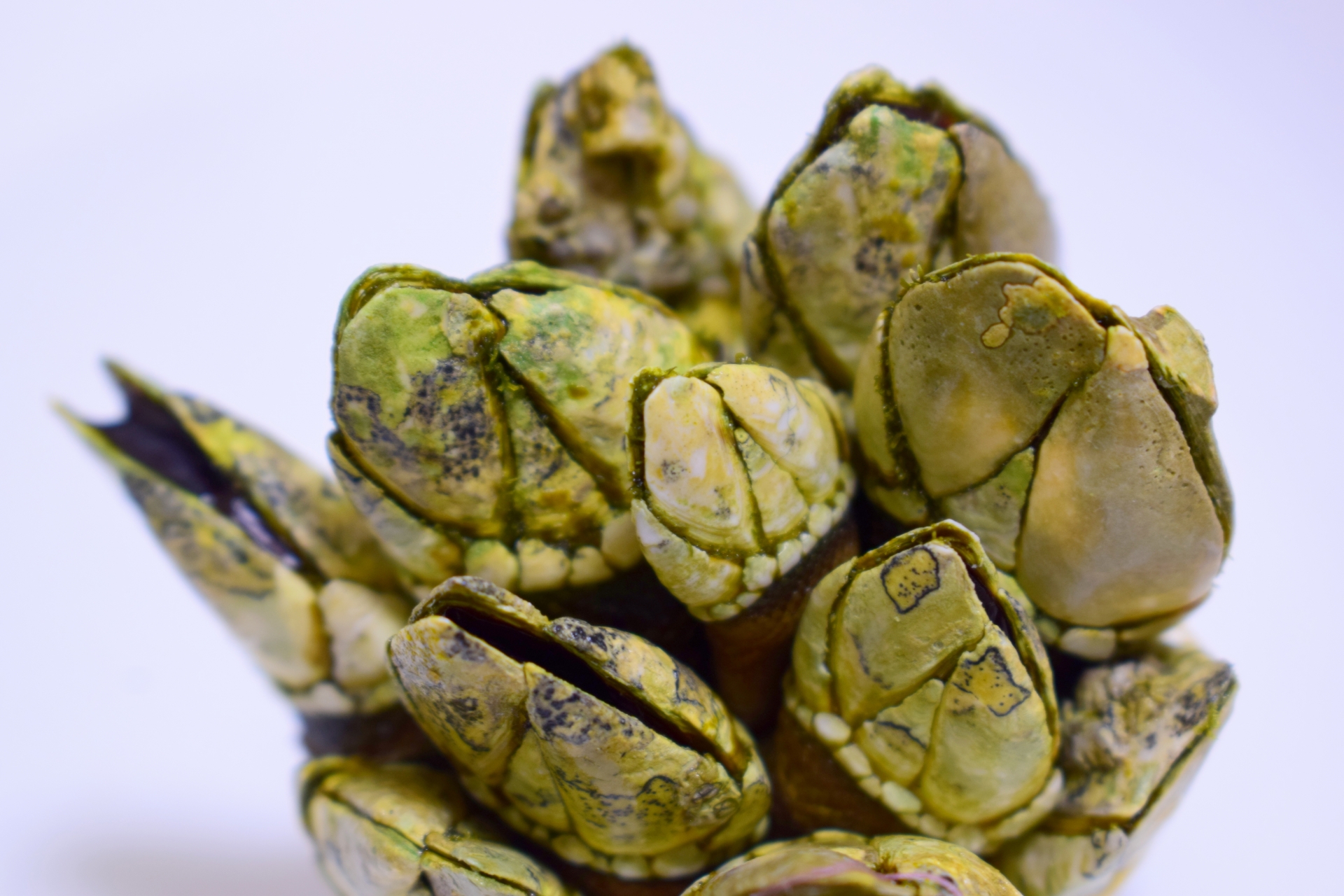
The radiant seas of Okinawa nurture countless forms of life. Among these, the “Kamenote” is not just a simple seaweed. Named for its shape that resembles a turtle’s hand, this seaweed holds a special place in Okinawa’s culinary traditions. However, its value extends beyond its deliciousness. Rich in nutrients that contribute to health, Kamenote supports our bodies from within. Additionally, its sustainable use plays a crucial role in protecting Okinawa’s natural environment and significantly impacts the future of local communities.
In this article, we will focus on the boundless potential of Kamenote. Starting with simple recipes that even beginners can try, we will explore its high nutritional value and numerous health benefits. Furthermore, we will delve into sustainable utilization methods and conservation efforts within local communities, considering what we can do to protect Okinawa’s seas and its resources.
Okinawan cuisine is deeply rooted in the bounties of the sea, including Kamenote. Through this article, by rediscovering the charm of Kamenote and practicing its sustainable use, each of us can play an essential role in preserving Okinawa’s beautiful nature and culture for future generations. There is much to learn from Kamenote, which goes beyond being merely a food ingredient, demonstrating our deep respect and responsibility towards our environment and lives. Let’s embark on a journey together to explore the profound world of Kamenote, one of the treasures of Okinawa’s sea.
What is Kamenote?
Kamenote is a life that thrives in Okinawa’s blue sea. Although this uniquely named organism is a type of seaweed, it gets its name from its shape, which resembles a turtle’s hand. Those who have visited Okinawa’s seas might have seen its distinctive appearance. Kamenote has been used as both food and medicine by the people of Okinawa for a long time. With its unique texture and high nutritional value, it remains beloved by many even today.
Ecology and Characteristics of Kamenote
Kamenote is a seaweed that grows attached to rocky areas, often found in places where the waves are gentle. It is characterized by its deep green color and its shape, which looks like an open palm. In the ecosystem, it plays a significant role as a perfect hiding spot for small marine creatures. Additionally, through photosynthesis, it provides an important function of supplying oxygen.
Origin and Meaning of the Name
The name “Kamenote” comes from its shape, which looks like a turtle’s hand. In Okinawan dialect, it is called “Kamenote,” and its unique form evokes a sense of familiarity, making it loved by many. Moreover, in Okinawa’s culture, Kamenote is sometimes seen as a symbol of longevity and happiness, adding to its special significance.
The Importance of Kamenote in Okinawa
In Okinawa, Kamenote holds value beyond being just seaweed. From a culinary perspective, its unique texture and high nutritional value have made it a staple in various dishes for centuries. The minerals and vitamins it contains are known to contribute to health maintenance. Furthermore, Kamenote symbolizes the natural beauty and rich ecosystem of Okinawa and plays an essential role in environmental conservation. Thus, Kamenote is a precious resource with significant importance in Okinawan cuisine, health, and environmental preservation.
Culinary Culture of Kamenote
Nurtured by the rich nature of Okinawa, Kamenote holds a special place in Okinawan cuisine with its unique texture and nutritional value. The significance of Kamenote in Okinawan food culture goes beyond being a mere ingredient, embodying deeper meanings. The recipes using Kamenote have been developed over a long history and passed down to the present day.
Traditional Okinawan Dishes Using Kamenote
Kamenote plays a crucial role in traditional Okinawan cuisine. A prime example is “Kamenote Miso Soup.” This soup, with Kamenote as the main ingredient, is cherished in Okinawan households for its unique texture and ocean aroma. Additionally, Kamenote salads and tempura are popular, allowing people to enjoy its distinctive chewy texture.
Introduction of Representative Kamenote Dishes
There are various dishes made with Kamenote, but “Kamenote Tempura” and “Kamenote Salad” are particularly loved for their taste and texture. Kamenote Tempura combines the crispy coating with the juicy texture of Kamenote, creating a perfect harmony. On the other hand, Kamenote Salad, with its simple preparation method, adds vibrant green and crispy texture to the table.
History and Cultural Background of Kamenote Dishes
The history of Kamenote dishes is intertwined with the history of Okinawa’s nature and the lives of its people. For a long time, Okinawa has integrated the blessings of the sea into daily life, developing a unique culinary culture. Due to its rich nutritional value and ease of use, Kamenote has been a cherished ingredient in many households. Moreover, Kamenote dishes were also served as special treats during festivals and significant occasions, holding a special place in the hearts of Okinawan people. Thus, Kamenote cuisine, nurtured by the history and culture of Okinawa and the lives of its people, has been passed down to the present.
How to Cook Kamenote
The bounty of the Okinawan sea, Kamenote, is an indispensable ingredient in Okinawan cuisine due to its unique texture and flavor. The key to cooking Kamenote is to preserve its unique texture and taste. Here, we will introduce cooking methods to make Kamenote dishes more delicious and enjoyable with new approaches.
Basic Preparation and Cooking Methods of Kamenote
Proper preparation before cooking Kamenote is crucial. First, wash it thoroughly with seawater or saltwater to remove sand and salt. Then, remove the hard parts and cut them into bite-sized pieces. Basic cooking methods include boiling, mixing, and stir-frying, but for boiling, quickly blanching in high heat helps maintain Kamenote’s original texture.
Simple and Delicious Kamenote Recipes
One easy and delicious recipe using Kamenote is “Kamenote Vinegared Dish.” After boiling and cooling Kamenote, cut it finely and mix with cucumber and myoga, seasoning with ponzu or soy sauce. This dish, with its refreshing taste and the chewy texture of Kamenote, adds color to the dining table.
Modern Recipe Variations with Kamenote
A modern recipe variation using Kamenote is “Kamenote Garlic Butter Stir-fry.” After boiling and thoroughly draining Kamenote, heat garlic and butter in a frying pan and stir-fry the Kamenote. Adding a little soy sauce at the end enhances the flavor, creating a dish with a perfect match of the savory aroma and Kamenote’s texture. Thus, Kamenote can be widely used, from traditional Okinawan dishes to modern variations. Discover new charms of Kamenote and incorporate it into your cooking.
Nutritional and Health Benefits of Kamenote
A gift from Okinawa’s sea, Kamenote is not only unique in texture but also packed with nutrients and offers significant health benefits, potentially revolutionizing our diet. Let’s take a closer look at the health impacts of consuming Kamenote.
Nutrients Contained in Kamenote
Kamenote is rich in essential nutrients such as vitamins A and C, calcium, and iron. Particularly, iron is a vital nutrient for women’s health, making Kamenote an excellent source. The dietary fiber in Kamenote is effective for promoting digestion and preventing constipation, contributing to daily health maintenance.
Health Benefits of Kamenote
The nutrients in Kamenote provide various health benefits. Rich iron intake helps prevent anemia, while vitamins A and C boost immunity and maintain skin health. Additionally, Kamenote is low in calories yet filling, making it an ideal ingredient for those on a diet. By incorporating Kamenote into your daily diet, you can contribute to your health maintenance.
Precautions When Eating Kamenote
There are some precautions to take when eating Kamenote. Being a marine organism, it may contain high salt content, so thorough washing to remove salt is crucial. Also, due to the high mineral content, it’s important to avoid excessive consumption and to balance it with other foods. By adhering to appropriate portions and proper preparation, you can maximize Kamenote’s health benefits.
Sustainable Use of Kamenote
Kamenote, nurtured by the sea of Okinawa, is loved for its unique shape and nutritional value. However, its popularity can impact its natural habitat. Sustainable use is essential for our future and Kamenote’s. Here, we will discuss sustainable methods and community efforts for utilizing Kamenote.
Overharvesting and Environmental Impact of Kamenote
Overharvesting Kamenote significantly impacts the marine ecosystem. Kamenote serves as a hiding place for small marine creatures, so a decrease in its numbers can disrupt the ecosystem’s balance. Additionally, Kamenote contributes to the sea’s purification, and its decline would be a significant loss for maintaining the sea’s health.
Sustainable Harvesting and Utilization of Kamenote
Sustainable harvesting of Kamenote involves adhering to appropriate timing and methods. Harvesting should consider Kamenote’s growth cycle, limiting the amount collected at specific intervals. Developing cultivation techniques for Kamenote post-harvest is also crucial to reduce environmental strain while ensuring continuous use of Kamenote.
Community Efforts in Kamenote Conservation
Promoting sustainable use of Kamenote requires community-wide efforts. In Okinawa, various activities are undertaken to understand Kamenote’s importance and aim for its protection and sustainable use. Examples include educational programs teaching children about Kamenote’s significance and community conservation activities involving local residents. These efforts play a vital role not only in Kamenote’s protection but also in preserving Okinawa’s rich nature for the future.
Summary and Suggestions
Kamenote, nurtured by Okinawa’s blue sea, is more than just an ingredient. It offers profound lessons and insights across multiple aspects, from Okinawa’s culinary culture and history to environmental conservation. By learning from Kamenote, we can propose ways to contribute to preserving and developing Okinawan food culture, incorporating valuable feedback from readers to build a richer Kamenote culture together.
What We Can Learn from Kamenote
From its ecology to harvesting and cooking, Kamenote teaches us about living in harmony with nature, sustainable resource use, and health contributions. These lessons are not limited to Kamenote but extend to all life and resources on Earth, reminding us of our respect and responsibility.
Proposals for Preserving and Developing Okinawan Food Culture
Okinawan food culture is supported by the diverse bounties of the sea, including Kamenote. To preserve and further develop this rich culture, it is essential to cherish local ingredients and develop new cooking methods. For instance, by adapting traditional Kamenote dishes and creating new recipes, we can convey the charm of Okinawan cuisine to younger generations.
Responding to Readers’ Questions and Comments
This blog values responding to readers’ questions and comments on various topics related to Kamenote. Questions about cooking methods, suggestions for sustainable use, and more are welcome. By listening to readers’ voices, we aim to protect and nurture Okinawa’s sea and culture together, which is the mission of this blog.
Q&A about Kamenote
Where can I find Kamenote?
Kamenote can be found in markets in regions with rich marine resources, such as Okinawa, and specific supermarkets. It is also available at online stores specializing in seafood. When selecting fresh Kamenote, choose those with vibrant colors and a firm texture.
How should I prepare Kamenote before cooking?
Before cooking, Kamenote needs thorough washing to remove salt and sand. Soak it in water or diluted saltwater for a few hours to desalinate. Then, cut it into appropriate sizes for cooking.
What are the health benefits of eating Kamenote?
Kamenote is rich in nutrients like iron, vitamins A and C, and calcium. These nutrients help prevent anemia, boost immunity, and maintain skin health. Additionally, Kamenote is low in calories and high in dietary fiber, making it suitable for those on a diet.
How can Kamenote be used sustainably?
Sustainable use of Kamenote involves avoiding overharvesting and only taking necessary amounts. Collaborating with local communities and environmental organizations to protect Kamenote habitats and participating in conservation efforts are also effective. When buying Kamenote products, choose those harvested sustainably.
What is a beginner-friendly recipe using Kamenote?
A simple and delicious recipe for beginners is “Kamenote Vinegared Dish.” Boil and cool Kamenote, then finely cut and mix with cucumber and myoga. Season with ponzu or soy sauce for a refreshing dish that showcases Kamenote’s unique texture and flavor.
In Conclusion
Kamenote, a gift from the sea of Okinawa, deeply rooted in Okinawan culinary culture, is known for its high nutritional value and unique texture, used in various dishes. However, its environment is susceptible to overharvesting and environmental destruction, making sustainable use a significant future challenge.
Kamenote cooking methods are diverse, allowing for a rich taste experience with simple preparations. From beginner-friendly “Kamenote Vinegared Dish” to the more elaborate “Kamenote Garlic Butter Stir-fry,” its uses are wide-ranging. The vitamins and minerals in Kamenote are essential for health, especially its rich iron content, which is beneficial for women.
However, enjoying Kamenote responsibly involves sustainable use, avoiding overharvesting, minimizing ecological impact, and working with local communities to protect Kamenote. While Kamenote plays a role in Okinawan culinary culture, preserving its value for the future requires conscious efforts from each of us.
This blog has explored the charm of Kamenote, the environmental issues surrounding it, and suggestions for sustainable use. By appreciating Kamenote and its rich flavor and culture, our daily choices have a significant impact. Through Kamenote, we can learn the importance of living in harmony with nature and put this into practice.


コメント