
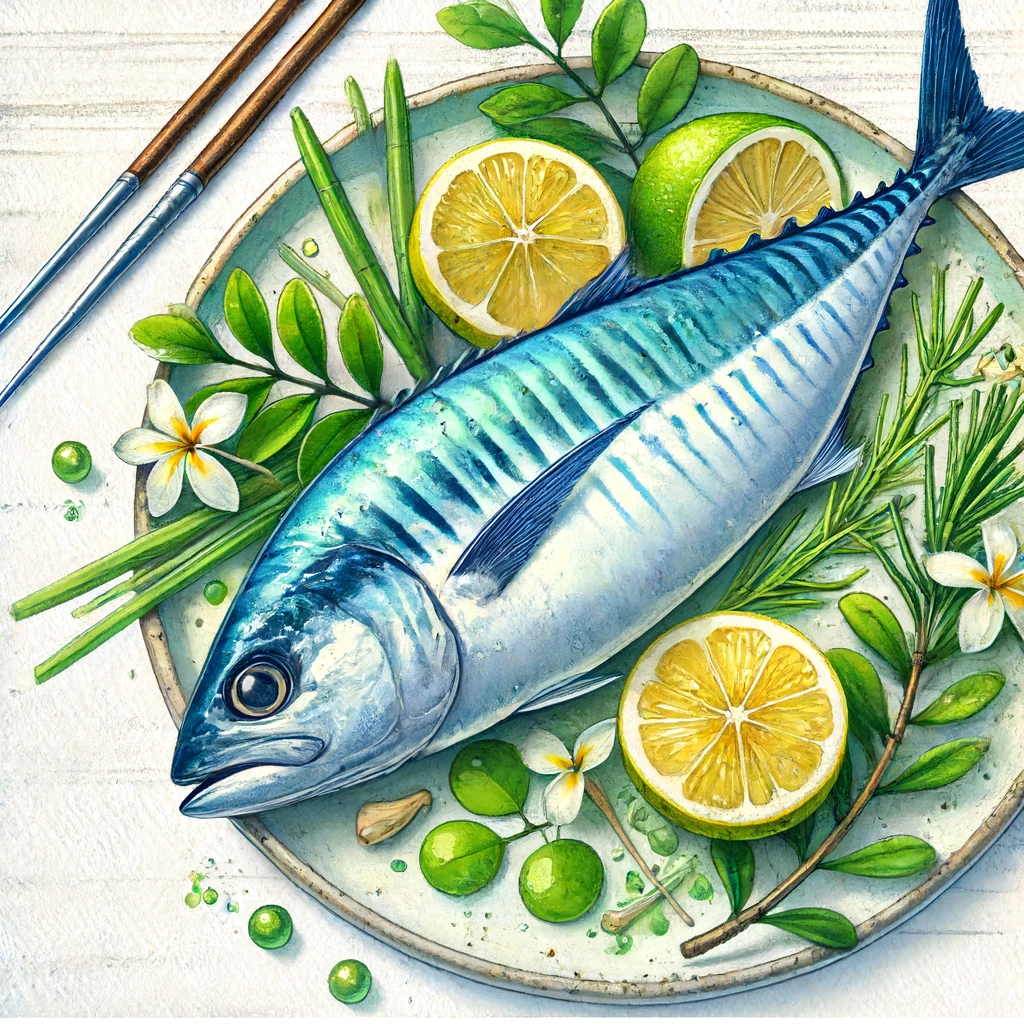
The rich seas of Okinawa have nurtured a hidden culinary gem known as “Mibai.” This small fish encapsulates the lifestyle, history, and culture of the people of Okinawa. Its delicate yet subtly sweet flavor enhances the charm of Okinawan cuisine. But its appeal goes beyond just taste; Mibai is also highly valued for its health and nutritional benefits, making it an indispensable part of modern diets.
When you hear “Okinawan fish, Mibai,” what dishes come to mind? Grilled with salt, miso soup, sashimi… Simple yet profound, Mibai dishes enrich everyday meals. By discovering modern recipes and easy-to-make ideas at home, the joy of cooking expands even further.
In this article, we will provide comprehensive information on how to fully enjoy Mibai, starting from its basic details, how to select and store it, to recommended cooking methods. Through Mibai dishes, you can experience Okinawan culture and the lives of its people, and appreciate the joy of eating from a new perspective. Additionally, in our Q&A section on health and nutrition, we will delve into the specific benefits of eating Mibai, highlighting its value in daily meals.
Mibai is more than just an ingredient. It is a cultural treasure formed by Okinawa’s nature and the wisdom of its people, a key to deeply connecting with Okinawa through food. Through this article, feel the limitless possibilities of Mibai and bring a fresh breeze into your culinary life. Enjoy the blessings of Okinawa’s sea at your home table to your heart’s content.
Introduction
Okinawa’s food culture occupies a unique position within Japan due to its long history and diverse cultural influences. Surrounded by beautiful seas, Okinawa has developed a rich culinary tradition based on seafood. Among these, the fish known as “Mibai” is indispensable to Okinawan dining tables. This blog will explore the traditional food culture of Okinawa, the place of Mibai within it, and the charms of this beloved fish.
Okinawa’s Traditional Food Culture and the Role of Mibai
The Diversity of Okinawan Cuisine
Okinawan cuisine boasts a rich food culture born from its unique climate and history. Known as a land of longevity, Okinawa features many dishes using healthy ingredients like vegetables, seaweed, and tofu, but the diverse seafood nurtured by the sea is essential. Particularly, Mibai is indispensable in traditional Okinawan cuisine, with a wide range of uses.
The Historical Background of Mibai
Mibai has had a deep connection with the people of Okinawa for a long time. Historically, the seas of Okinawa have provided an abundance of seafood, including Mibai, which has been a vital part of the local diet. Mibai has been cherished for its unique taste and high nutritional value since ancient times. Additionally, Mibai is known by different names depending on the region, reflecting the local history and culture.
What is Mibai? Understanding Its Appeal
Among the many fish inhabiting Okinawa’s seas, Mibai stands out for its unique flavor and versatility. Here, we delve into the basic information about Mibai and its significance in Okinawan cuisine.
Basic Information About Mibai
Mibai might be unfamiliar to some, but it is a common fish in Okinawan waters. Typically 20cm to 30cm in length, Mibai has a slender body and a bluish-green hue. It mainly resides around coral reefs, and its flesh is white, tender, and subtly sweet. In Okinawa, various dishes are made with Mibai, especially sashimi, stews, and fried dishes.
The Importance of Mibai in Okinawan Cuisine
Mibai holds a significant place in Okinawan cuisine due to its unique flavor and tender texture. The people of Okinawa have maximized the blessings of the sea through this fish, building a food culture deeply rooted in the region. For example, Mibai dishes often grace tables during traditional celebrations or special occasions, indicating that Mibai is a special entity beyond just an ingredient for the people of Okinawa. Furthermore, Mibai’s high nutritional value, particularly its high protein and low-fat content, has led to a re-evaluation of its worth in modern health-conscious diets.
Understanding Mibai is also understanding the rich marine ecosystem of Okinawa. Through this fish, one can appreciate the history of coexistence between the people and the sea, and the depth of the food culture. Knowing Mibai’s allure is also connecting with Okinawa’s culture, history, and daily life.
Basic Information About Mibai
Okinawa’s seas are home to various fish species, and among them, “Mibai” is especially beloved. Due to its distinctive appearance and taste, Mibai is highly valued in Okinawan cuisine. This section will detail the types and characteristics of Mibai and how to distinguish them.
Types and Characteristics of Mibai
There are several types of Mibai, each with unique characteristics. In Okinawa’s seas, “Akamibai” and “Shiromibai” are particularly well-known. Akamibai, as its name suggests, has a reddish hue and a rich flavor. On the other hand, Shiromibai has tender flesh and a mild taste. Each type of Mibai suits different dishes, and preferences vary among chefs.
How to Identify Mibai
Several points help identify Mibai, with color and shape being the most important. Akamibai has a distinctive red tint, while Shiromibai is paler and has a more slender shape. Additionally, checking the transparency of the eyes and the firmness of the skin can help determine freshness. Fresh Mibai has clear eyes and firm skin.
Comparing Different Types of Mibai
The main differences between Akamibai and Shiromibai lie in their taste and suitable dishes. Akamibai’s rich flavor makes it ideal for stews and miso soups, while Shiromibai’s mild and tender flesh is perfect for sashimi and steamed dishes. Understanding these characteristics is essential for choosing the best cooking method for each type of Mibai.
By knowing the types and characteristics of Mibai, you can select the best ways to enjoy each fish. Embrace the blessings of Okinawa’s sea by understanding Mibai and incorporating it into your cooking.
The Origin and Meaning of the Name
The name “Mibai” is widely known as one of the representative fish of Okinawa’s sea. However, opportunities to learn about the meaning and origin of this name are surprisingly rare. Additionally, the name Mibai varies across different regions in Okinawa. This section delves into the background of the name “Mibai” and the regional differences in its naming.
The Etymology of “Mibai”
The name “Mibai” originates from the Okinawan language. It is said to be a combination of “Mi,” meaning “to see,” and “Bai,” meaning “fish,” suggesting it was named for its particularly beautiful appearance. Another theory is that “Mi” means “good” or “delicious,” praising the fish’s taste.
Regional Name Variations
Even within Okinawa, Mibai is known by different names depending on the region. For example, in some areas, it is called “Gurukun,” though this name is more widely known for another fish in Okinawa. Thus, depending on the region, “Mibai” and “Gurukun” might be used interchangeably or distinctly. These name differences reflect regional language usage and perceptions of the fish.
Understanding the background and regional variations of its name helps appreciate Mibai’s role in Okinawan culture and history. When visiting Okinawa, enjoying the different names for Mibai in each region adds to the cultural experience.
How to Cook Mibai
Mibai, representing the bounty of Okinawa’s sea, has long enchanted people with its unique flavor and texture. To fully enjoy its taste, proper preparation is essential. This section explains the basic preparation methods for Mibai, how to fillet it, and the tips and precautions for preparing it.
Basic Preparation Methods
Proper preparation is crucial for maintaining the fish’s freshness and enhancing its flavor. Start by thoroughly washing the inside and outside of Mibai and removing any blood and internal organs. This step is essential to eliminate any odor and ensure cleanliness before cooking.
How to Fillet Mibai
Filleting Mibai involves a few key steps. First, stabilize the fish to prevent it from slipping, and use a knife to make a cut from behind the head down to the belly in one smooth motion. Remove the internal organs and wash the inside thoroughly. Mibai, being relatively small, requires careful handling to preserve the texture of the flesh.
Tips and Precautions for Preparation
The most crucial point in preparing Mibai is maintaining its freshness. Loss of freshness will make it challenging to bring out the best flavor, no matter how carefully it is prepared. Also, when removing the internal organs, avoid breaking them, as this can cause a strong odor. After preparation, proceed with cooking or store it appropriately to maintain freshness.
Proper preparation and careful handling of Mibai will maximize its natural flavors and enhance the quality of your dishes.
Traditional Okinawan Dishes Featuring Mibai
In
Okinawa’s food culture, Mibai has long been used in various dishes, its unique flavor and texture elevating traditional Okinawan cuisine. This section explores representative Okinawan dishes using Mibai and their traditional cooking methods.
Representative Okinawan Dishes Using Mibai
Mibai can be enjoyed in various ways, such as sashimi, stews, and fried dishes, but in Okinawa, it is particularly beloved in dishes like “Grilled Mibai with Salt” and “Mibai Miso Soup.” Grilling Mibai with salt allows the skin to become crispy while keeping the inside tender and juicy. Mibai miso soup, where Mibai’s umami blends into the soup, is an essential dish in Okinawan home cooking.
Traditional Cooking Methods
Traditional cooking methods for Mibai, while seemingly simple, carry a depth of technique. For “Grilled Mibai with Salt,” start by thoroughly preparing Mibai, lightly salt the outside, and grill it slowly over charcoal or on a grill, achieving a crispy outside and juicy inside. Controlling the heat is crucial for bringing out the best flavor. In “Mibai Miso Soup,” drawing out Mibai’s essence is key, which enhances the soup’s richness. Slowly simmering after adding Mibai maximizes its flavor.
These traditional methods, though simple, fully utilize Mibai’s potential. Trying these dishes at home is a great way to experience Okinawa’s food culture. Enjoy the deliciousness of Mibai and appreciate the depth of Okinawa’s rich maritime traditions.
Modern Ways to Enjoy Mibai
While Mibai is a traditional ingredient in Okinawan cuisine, modern kitchens are exploring more creative and innovative ways to enjoy it. Here, we introduce new ways to savor Mibai with contemporary twists, including modern recipes and creative dishes.
Modern Recipe Adaptations
Mibai’s versatility allows it to be adapted into various contemporary dishes. For example, “Mibai Ceviche” is a South American dish adapted with Mibai, where thin slices of Mibai are marinated in lime juice, olive oil, salt, and coriander, resulting in a fresh and flavorful dish. “Mibai Carpaccio” also brings out the freshness of Mibai with olive oil, lemon, sea salt, and black pepper.
Creative Dishes Using Mibai
Expanding Mibai’s possibilities even further are creative dishes like “Mibai Tartar Sauce” or “Mibai Risotto.” Mibai Tartar Sauce involves finely chopped Mibai mixed with tartar sauce, served on crackers or baguette slices for a unique appetizer. Mibai Risotto uses Mibai broth to cook the risotto, topped with sautéed Mibai for a sophisticated dish infused with ocean flavors.
These modern recipes and creative dishes highlight new aspects of Mibai, introducing Okinawan food culture to a broader audience. Embracing traditional flavors while incorporating modern culinary trends, enjoying Mibai in contemporary ways reveals new dimensions of Okinawan cuisine.
Easy Home Recipes with Mibai
Mibai, a traditional fish of Okinawa, has captivated many with its unique flavor. Why not explore Okinawa’s food culture through easy-to-make Mibai dishes at home? Here, we introduce beginner-friendly recipes and ideas for incorporating Mibai into everyday meals.
Beginner-Friendly Recipes
Grilled Mibai with Salt
Ingredients: 2 medium Mibai, a pinch of salt, 1 lemon slice (for garnish)
- Clean the Mibai and lightly salt the surface.
- Grill over medium heat until both sides are nicely charred.
- Serve on a plate with a lemon wedge.
This simple recipe allows you to enjoy the pure taste of Mibai. Adjust the salt and grilling time to your preference.
Easy Idea Dishes
Curry-Flavored Fried Mibai
Ingredients: 4 small Mibai, flour, 1 tsp curry powder, a pinch of salt, 1 egg, breadcrumbs, oil for frying
- Clean the Mibai and pat dry.
- Mix flour and curry powder, coat the Mibai, and sprinkle with salt.
- Dip in beaten egg, then coat with breadcrumbs.
- Fry in 180°C oil until crispy.
The curry aroma enhances the appeal of this fried dish, making it a perfect snack or beer accompaniment.
These recipes make it easy to enjoy the charm of Mibai at home. Incorporate Okinawa’s food culture into your daily meals, discover new flavors, and add variety to your culinary repertoire.
Tips and Tricks for Cooking Mibai
As a gift from the sea of Okinawa, Mibai’s freshness is paramount. Here, we introduce tips for choosing Mibai and selecting it by season. By following these points, you can deepen the flavors of your Mibai dishes.
Choosing Mibai
Selecting fresh Mibai is crucial for cooking success. Freshness affects not only the flavor but also the safety of the ingredients, requiring special attention.
How to Spot Fresh Mibai
To identify fresh Mibai, check a few key points. First, look at the eyes; fresh Mibai have clear, transparent eyes, while dull or sunken eyes indicate poor quality. Next, examine the skin; vibrant color and moist surface signify good quality. Additionally, gently press the flesh to ensure it is firm and rebounds quickly. Following these tips ensures you select the freshest Mibai.
Seasonal Selection of Mibai
Mibai’s flavor varies with the season. For example, from autumn to winter, Mibai is fattier and perfect for grilling or stewing. In summer, Mibai is leaner and better suited for sashimi or ceviche. Selecting Mibai according to the season allows you to enjoy its unique seasonal flavors.
Using fresh, high-quality Mibai enhances the enjoyment of Okinawa’s marine bounty. Following these selection tips is the first step to creating delicious Mibai dishes.
Cooking Considerations
When cooking Mibai, proper storage and preparation are crucial for maximizing its flavor. Correct handling ensures the fish’s freshness and enhances your dishes’ quality.
Storage Methods and Duration
Maintaining Mibai’s freshness is vital, especially if immediate cooking is not possible. After cleaning and gutting, wash the inside and outside thoroughly and pat dry. Wrap tightly in plastic wrap and store in the refrigerator, preserving freshness for 1-2 days. For longer storage, portion and vacuum-seal or wrap tightly and freeze. Frozen Mibai can be stored for about a month, but it is best to cook it as soon as possible.
Preparation Before Cooking
Proper preparation before cooking is essential for Mibai. If using frozen Mibai, thaw it in the refrigerator several hours before cooking to prevent texture loss. Wash and pat dry again before cooking. For grilling, lightly salt the surface and let it sit to draw out moisture, achieving a crispy skin. For stews or soups, a quick sear can remove any odor, enhancing the dish’s depth of flavor.
Following these storage and preparation methods keeps Mibai fresh and delicious, ensuring a great culinary experience.
Tips for Enhancing Mibai Dishes
Enhancing Mibai dishes involves thoughtful seasoning, presentation, and how to enjoy them at the table. Here are tips to make the most of Okinawa’s marine delicacies.
Seasoning Tips
Proper seasoning is key to bringing out Mibai’s unique flavor. Keep it simple to highlight the fish’s natural taste. For grilling, a light sprinkle of sea salt accentuates Mibai’s sweetness and umami. In stews or soups, use kombu or bonito broth for a delicate flavor. For sashimi, pair with ponzu or a special soy-based sauce to enhance Mibai’s freshness. Focus on complementing the fish’s flavor, not overpowering it.
Presentation and Dining Enjoyment
Aesthetics matter in enjoying delicious food. When plating Mibai dishes, add colorful vegetables or garnishes for visual appeal. For example, grilled Mibai can be served with lemon slices or fresh greens for a vibrant look. Sharing stories about Mibai and its culinary uses enriches the dining experience, making meals more enjoyable. Share knowledge and cooking tips with family and friends, deepening appreciation for Okinawan food culture.
These simple yet thoughtful details enhance Mibai dishes’ appeal. Focusing on natural flavors, beautiful presentation, and shared dining experiences maximizes the enjoyment of Mibai.
Q&A for Enjoying Mibai
To fully understand and appreciate Mibai, we answer common questions in a Q&A format, covering general information, cooking methods, and health and nutrition aspects.
Q&A: Answering Common Questions About Mibai
General Questions About Mibai
What kind of fish is Mibai?
Mibai is a small fish native to Okinawan waters, known for its unique flavor. It is a staple in traditional Okinawan cuisine, offering a delicate yet sweet taste.
When is the best season for Mibai?
Mibai is caught year-round, but it is particularly delicious and fatty from autumn to winter, offering a richer flavor during this period.
Cooking Questions
What are recommended cooking methods for Mibai?
Simple preparations are best to highlight Mibai’s unique flavor. Grilling with salt, stewing, and sashimi are particularly suitable, allowing you to enjoy the fish’s natural taste.
Health and Nutrition Questions
What nutrients are found in Mibai?
Mibai is a healthy choice, high in protein and low in fat. It also contains omega-3 fatty acids, beneficial for heart health, as well as vitamin D and calcium, promoting bone health.
What are the health benefits of eating Mibai?
Regular consumption of Mibai provides high-quality protein and omega-3 fatty acids, which support cardiovascular health. It is also low in fat, making it an excellent choice for a healthy diet.
This Q&A deepens understanding of Mibai, highlighting how to enjoy it fully. Enjoying Mibai connects you with Okinawa’s nature and culture and contributes to a healthy lifestyle.
Conclusion
Mibai is more than just a food ingredient; it is deeply rooted in Okinawan culture, history, and daily life. Through this small fish, you can gain a deeper understanding of Okinawa’s culture and incorporate its rich flavors and health benefits into your everyday meals.
Deepening Understanding of Okinawan Culture Through Mibai
Mibai and the People of Okinawa
Mibai has long played a significant role in the lives of the Okinawan people. Through this fish, you can see the deep relationship between the sea and the people, respect for the natural environment, and the wisdom and cooking methods passed down through generations. Mibai dishes symbolize family bonds and community connections.
Mibai Cuisine as Culture
Mibai cuisine reflects Okinawan history and culture in its preparation, cooking, and dining. Traditional methods vary by region, each designed to maximize Mibai’s flavor. Through these dishes, you can learn and appreciate the wisdom and life philosophy of Okinawan people.
The Appeal of Incorporating Mibai into Daily Life
Health Benefits of Mibai Dishes
Mibai is a healthy food, high in protein and low in fat. Its rich omega-3 fatty acids support cardiovascular health and brain function. Regularly incorporating Mibai dishes into your diet ensures delicious and health-conscious eating.
Enjoying Mibai Cooking at Home
Cooking Mibai at home is an excellent opportunity to enhance culinary skills. Starting with simple seasonings and gradually adding personal touches allows for creative and original dishes. Sharing Mibai meals with family and friends fosters communication and appreciation for food culture.
Knowing and appreciating Mibai enhances your culinary life with its health benefits and rich cultural experiences. Enjoying Mibai dishes respects regional traditions and helps convey their value to future generations.

コメント