

The gift from the clear blue seas of Okinawa, “Aasa”. This intriguing seaweed, known for its unique slimy texture, holds a wealth of hidden power for both our health and culinary enjoyment. Aasa has been a valued part of Okinawan cuisine for centuries, and its appeal extends far beyond local traditions. Even in today’s busy world, incorporating Aasa into our diet can enhance our meals, making them richer and healthier. In this article, we’ll start with the basics of Aasa, covering how to choose fresh Aasa, proper storage methods, and simple recipes you can try at home. We’ll also share ideas on how to seamlessly integrate Aasa into your daily meals. For those seeking both health and deliciousness, Aasa is the perfect ingredient. Experience the allure of Aasa that brings a refreshing touch to our dining tables through this article.
What is Aasa? – A Blessing from the Seas of Okinawa
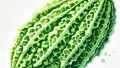
The blue seas of Okinawa are full of hidden treasures, with Aasa being one of the most notable. Locally cherished for its health benefits and delightful taste, this seaweed is not only visually appealing but also packed with nutrients, earning it the nickname “vegetable of the sea”. Through Aasa, an essential part of Okinawan cuisine, we get a glimpse of the richness of Okinawan nature and the local way of life.
Basic Information About Aasa
Aasa is a type of seaweed renowned for its distinctive texture and flavor. It grows naturally in the waters around Okinawa, with the harvesting season mainly from spring to early summer. The name “Aasa” comes from the Okinawan dialect meaning “something that exists”, indicating its long-standing presence in the lives of Okinawans.
Origin and Meaning of the Name
The name “Aasa” is derived from the Okinawan word “Asha”, which means “rough shore”, evoking the rocky coastal areas where it thrives. This name reflects Aasa’s resilience, providing abundant benefits despite its harsh natural habitat.
Types and Characteristics of Aasa
There are several types of Aasa, each with unique flavors and textures. Some varieties have long, soft leaves, while others have broader leaves with a fluffier texture. Aasa’s distinctive sliminess and strong sea flavor add depth and a unique taste to Okinawan dishes.
Nutritional Value and Health Benefits of Aasa
Aasa is not only delicious but also renowned for its high nutritional value. It is rich in vitamins and minerals essential for maintaining good health.
Main Nutritional Components
Aasa contains a well-balanced array of nutrients such as vitamin A, vitamin C, calcium, and iron. It is particularly rich in iron compared to other vegetables and fruits, playing a vital role in supporting blood health.
Health Benefits
Consuming Aasa can boost immunity, prevent anemia, and improve skin health. The dietary fiber in Aasa helps regulate the digestive system, contributing to overall daily health maintenance.
Aasa, a rich blessing from Okinawan nature, is a valuable ingredient supporting our health and culinary pleasure. By understanding and maximizing Aasa’s appeal, we can enrich our daily meals.
How to Choose and Store Aasa
To fully enjoy dishes made with Aasa, knowing how to choose fresh Aasa and store it properly is crucial. Selecting high-quality Aasa and storing it correctly preserves its nutritional value and taste for longer periods.
How to Identify Fresh Aasa
When selecting fresh Aasa, pay attention to color and smell. High-quality Aasa has a vibrant green color and a fresh sea scent. Fresh Aasa should feel firm and elastic when touched. Avoid Aasa that is discolored, lacks sliminess, or has an unpleasant odor. These tips help in identifying quality Aasa.
Storage Methods for Aasa
Storage methods for Aasa differ between dried and fresh Aasa. Proper storage practices help maintain Aasa’s flavor and nutrition for extended periods.
Storing Dried Aasa
Dried Aasa should be stored in a cool, dry place away from direct sunlight and high humidity. Keeping it in an airtight container preserves its quality for a long time. Rehydrating dried Aasa brings it close to its fresh texture and flavor. When using dried Aasa, only take the needed amount and rehydrate it in water or lukewarm water.
Storing Fresh Aasa
Freshness is key for fresh Aasa. Store it promptly in the refrigerator after purchase and consume it as soon as possible. To store fresh Aasa, drain the water, place it in a clean storage container, and keep it in the vegetable compartment of the refrigerator. This method helps maintain its freshness for several days.
By properly choosing and storing Aasa, you can always use it in its best condition for cooking. Enjoy the abundant nutrition and unique flavor of Aasa at your home table.
Okinawan Dishes Using Aasa
In Okinawan cuisine, Aasa’s unique flavor and texture make it an indispensable ingredient in many dishes. Here, we introduce the preparation and basic uses of Aasa in cooking, along with popular Aasa recipes.
Preparation and Basic Uses of Aasa
Proper preparation of Aasa before cooking significantly impacts the final dish. Correctly handling Aasa brings out its best flavor.
Key Points for Preparation
When preparing Aasa, first wash it thoroughly to remove seawater salt and sand. For dried Aasa, rehydrate it in water or lukewarm water and drain well before use. It’s important to retain Aasa’s sliminess while removing excess sea scent.
Basic Cooking Methods Using Aasa
Aasa can be used in various dishes such as stews, soups, salads, and tempura. When using fresh Aasa, cook it briefly to preserve its vibrant color and texture. For dried Aasa, rehydrate it before adding it to salads or soups.
Popular Aasa Recipes
Aasa-based dishes bring vibrant flavors and textures to Okinawan tables.
Aasa Soup
Aasa Soup features Aasa as the main ingredient in a simple yet flavorful broth. Combining Aasa with pork, tofu, and vegetables creates a dish rich in flavor and nutrition. Ingredients can be adjusted based on the season or personal preference.
Aasa Tempura
Aasa Tempura offers a crispy exterior and juicy interior, highlighting Aasa’s unique texture. Lightly coat rehydrated Aasa in tempura batter and fry until crisp. Enjoy with salt or tempura sauce.
Aasa Rice Balls
Aasa Rice Balls are perfect for picnics or lunchboxes. Finely chop rehydrated Aasa and mix it with rice to make onigiri, providing a delightful taste of the sea with every bite.
Through these Aasa-based Okinawan dishes, add new flavors and nutrition to your daily meals. Explore the endless possibilities Aasa offers in your culinary adventures.
Creative Dishes with Aasa
Aasa, with its unique flavor and nutritional value, can be used in a variety of creative dishes. From simple home-cooked meals to modern culinary ideas, the world of Aasa cooking is ever-expanding.
Easy Aasa Dishes to Make at Home
Aasa-based dishes are easy to make, adding a fresh touch to your daily meals.
Aasa Salad
Aasa Salad combines fresh vegetables and Aasa into a nutritious dish. Mix rehydrated Aasa with chopped tomatoes, cucumbers, and lettuce, then dress with olive oil and lemon juice for a simple, refreshing salad. The crispness of vegetables and the unique texture of Aasa make for a delightful combination.
Aasa Smoothie
Aasa Smoothie is a perfect healthy drink for breakfast or a snack. Blend rehydrated Aasa with bananas, apples, spinach, or other fruits and vegetables for a nutrient-packed smoothie. The seaweed’s unique flavor enhances the fresh taste of the fruits and vegetables.
Modern Cooking Ideas Using Aasa
Modern dishes using Aasa offer new enjoyment in daily meals.
Aasa Pasta
Aasa Pasta blends Italian and Okinawan cuisine. Sauté rehydrated Aasa in olive oil with garlic and chili, then mix with cooked pasta. Sprinkle with Parmesan cheese for a harmonious blend of sea flavors and rich cheese.
Aasa Frittata
Aasa Frittata is ideal for breakfast or brunch. Mix rehydrated Aasa with spinach, tomatoes, onions, and eggs, then cook in a skillet. Aasa’s subtle saltiness enhances the egg dish, resulting in a satisfying meal with the combined flavors of vegetables.
These creative Aasa dishes bring new excitement and nutrition to your daily meals. Maximize Aasa’s potential and experiment with various dishes to brighten your dining table.
Guide to Buying Aasa
When considering incorporating Aasa into your cooking, knowing where and how to buy it is crucial. Here, we provide specific information on where to purchase Aasa and how to buy it online.
Places to Buy Aasa
Aasa is a common ingredient in Okinawa and can be easily found in local supermarkets and food stores. It is also available in stores specializing in regional specialties and health foods across Japan. In major cities, you can find dried Aasa in Asian food stores and international markets. When purchasing, check for freshness and quality, and if possible, verify the origin and harvest period.
How to Buy Aasa Online
With the rise of online shopping, you can now purchase Okinawan specialties, including Aasa, from anywhere in Japan. The advantage of online shopping is accessing high-quality Aasa from Okinawa no matter where you are. Choose reliable online shops and review product ratings, delivery methods, and customer feedback before purchasing. Also, note the different storage requirements for dried and fresh Aasa to ensure proper handling after purchase.
Refer to this guide to select quality Aasa and fully enjoy the blessings of Okinawa’s sea. Whether buying locally or online, find the best way to obtain Aasa that suits your needs.
Tips for Enjoying Aasa
Aasa’s unique texture and flavor bring new discoveries and joy to everyday meals. However, some tips are needed to maximize its appeal. Here, we share tips for cooking with Aasa and ideas for incorporating it into your daily diet.
Cooking Tips with Aasa
The key to cooking with Aasa is to highlight its unique flavor while balancing it with other ingredients. Due to its sliminess and strong sea flavor, simple seasoning is recommended. For example, dress Aasa salad with just olive oil and lemon juice to let its natural flavor shine. When cooking, add Aasa towards the end to preserve its vibrant color and texture.
Ideas for Incorporating Aasa into Daily Meals
To incorporate Aasa into your daily diet, use it in various meal settings. For breakfast, try Aasa smoothies or rice balls to easily add nutrition. For lunch and dinner, include Aasa in salads, soups, or main dishes to diversify your meals and support a healthy diet. As Aasa is a long-lasting ingredient, keep it on hand to prepare healthy meals quickly, even on busy days.
Use these tips to enjoy the gifts of the Okinawan sea in your daily diet. Aasa’s unique texture and flavor will bring a fresh touch to your table and support a healthy lifestyle.
Q&A: About Aasa (Seaweed)
What is Aasa?
Aasa is a type of seaweed used mainly in Okinawa, known for its unique sliminess and sea flavor. It has a vibrant green color and is rich in nutrients beneficial for health and beauty.
What are the main nutritional components and health benefits of Aasa?
Aasa contains nutrients such as vitamin A, vitamin C, calcium, and iron. These components help boost immunity, prevent anemia, and improve skin health.
What should I look for when selecting fresh Aasa?
When selecting fresh Aasa, look for a vibrant green color, firm texture, and a fresh sea scent. These qualities indicate fresh and high-quality Aasa.
Can you share some popular recipes using Aasa?
Popular dishes with Aasa include Aasa Soup, Aasa Tempura, and Aasa Rice Balls. These dishes highlight Aasa’s unique flavor and texture, allowing you to experience Okinawan culinary culture.
What are some simple ways to incorporate Aasa into daily meals?
Simple ways to incorporate Aasa include adding it to smoothies, salads, or as an ingredient in miso soup or other soups. These methods easily add Aasa’s nutrition to your diet, enhancing both flavor and health benefits.
Conclusion
Enhancing Health and Taste with Aasa – Bringing the Blessings of the Okinawan Sea to Your Table
Aasa, nurtured by the blue seas of Okinawa, is a beautiful green seaweed essential to Okinawan cuisine for its unique sliminess and sea flavor. Rich in vitamins A, C, calcium, and iron, Aasa offers health benefits such as boosted immunity and improved skin health.
When selecting fresh Aasa, look for vibrant green color, firm texture, and a fresh sea scent. Proper storage is crucial: store dried Aasa in a cool, dark place and fresh Aasa in the refrigerator.
Aasa can be used in a variety of dishes. Traditional recipes like Aasa Soup, Aasa Tempura, and Aasa Rice Balls highlight its unique taste and texture. Creative recipes like Aasa Salad, Aasa Smoothie, Aasa Pasta, and Aasa Frittata add new flavors to everyday meals.
You can buy Aasa at local supermarkets in Okinawa, specialty stores, or online. When buying online, choose reputable shops and check product reviews and delivery methods.
Cooking tips for Aasa include using simple seasonings to highlight its natural flavor and adding it at the end of cooking to preserve its texture. Incorporate Aasa into your daily meals with smoothies, salads, and soups for a healthy and flavorful diet.
Embrace the gift of the Okinawan sea by incorporating Aasa into your daily meals. Its unique texture and flavor will enrich your dining experience and support a healthier lifestyle. Enjoy the blessings of Aasa to discover new culinary delights and achieve a more nutritious diet.

コメント