
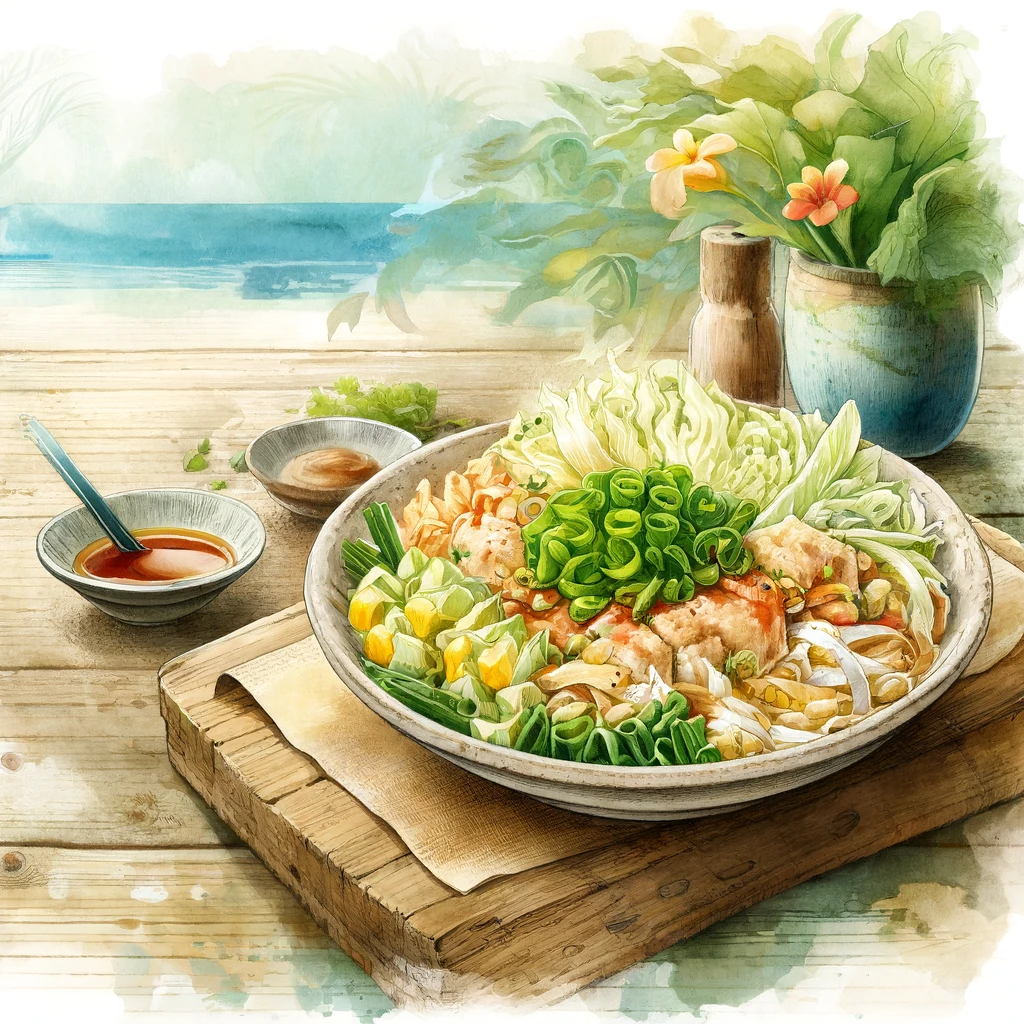
From the kitchens of Okinawa to those around the world, “Hirayachi” is a captivating dish that blends tradition and innovation. This single plate captures the warm sunshine of Okinawa, its rich nature, and the heartwarming stories of its people. Whether you’re a first-time cook, looking to recreate a taste of home, or an experienced chef seeking deeper variations, Hirayachi is a wonderful dish that will stimulate your creativity. We will guide you from the basics of Hirayachi to its profound culinary depths.
From the history and cultural background of Hirayachi, to the meaning behind its name, and a simple recipe that anyone can try. We also explore various adaptations incorporating seasonal vegetables and international flavors, unique suggestions for enjoying with family and friends, and recipes catering to special dietary needs like gluten-free and vegan. You’ll also find tips on storage and pairing Hirayachi with other Okinawan dishes to fully savor its essence.
Hirayachi is more than just a meal; it connects people and conveys culture through food. We want to share how this everyday Okinawan dish strengthens family bonds, fosters friendships, and leads to new discoveries. We hope this blog helps you deepen your understanding of Okinawan culture through Hirayachi and discover new ways to enjoy cooking. Let’s dive into the enchanting world of Hirayachi together.
Introduction to Hirayachi
Okinawa’s rich culinary culture boasts a variety of traditional dishes, among which “Hirayachi” holds a special place. This dish, though simple, is a culinary bridge connecting the hearts of Okinawan people, steeped in history and culture.
What is Hirayachi? An Overview
Hirayachi is a traditional Okinawan dish similar to a savory pancake, primarily made with a wheat flour batter mixed with vegetables and meat, then cooked to perfection. It is characterized by its unique texture and flavor, with recipes varying by region, but its simplicity makes it loved by all generations.
The History and Cultural Background of Hirayachi
Hirayachi has ancient roots as a family dish in Okinawa. Originally made for special occasions and celebrations, it is now enjoyed as a daily meal. Its ingredients are closely tied to Okinawa’s lifestyle, culture, and natural environment.
Its Place in Okinawan Cuisine
Hirayachi has established itself as a staple in Okinawan home cooking. Passed down through generations, these recipes are crucial in strengthening family bonds. Utilizing local ingredients, it is a key player in preserving Okinawa’s food culture.
Why is it Called “Hirayachi”? Understanding the Name
The name “Hirayachi” reflects its appearance and cooking method, but it also embodies the emotions and history of the Okinawan people.
The Meaning and Origin of the Name
In Okinawan dialect, “Hirayachi” means “flat fried thing.” This name comes from spreading the batter thinly and cooking it, reflecting its simple preparation method.
The Significance of the Name for Okinawan People
Beyond describing its shape and method, the name “Hirayachi” encompasses the lifestyle, culture, and familial love of Okinawans. Eating Hirayachi means experiencing the warm hearts and rich culture of Okinawa.
Basic Recipe and Preparation
Here is how to make Hirayachi, a heartwarming Okinawan dish. Its simplicity is its charm, and once you master the basic recipe, the possibilities for variations are endless.
Ingredients Needed
Hirayachi can be made easily with readily available ingredients. The basic components are flour, water, salt, and optionally, vegetables and meat.
Ingredient List and How to Get Them
- Flour: 200g (easily found in supermarkets)
- Water: About 160ml (use cold water)
- Salt: 1 teaspoon (for seasoning)
- Vegetables like cabbage and green onions, and meats like bacon or pork (optional)
These ingredients are all easy to find at your local supermarket or market.
Substitutable Ingredients
If flour is unavailable, you can substitute it with all-purpose flour or whole wheat flour. Vegetables and meats can be adjusted based on availability and preference. For vegans, tofu or mushrooms can replace meat.
Step-by-Step Instructions
While the basic method for making Hirayachi is simple, a few key points can ensure it turns out delicious.
Preparation and Key Tips
- Bring all ingredients to room temperature.
- Finely chop vegetables and meat in advance.
- Mix flour and salt, then gradually add water to make the batter.
Cooking Method and Temperature Control
- Preheat a frying pan over medium heat and lightly oil it.
- Pour the batter thinly, add the toppings.
- Cover and cook over medium heat for 5 minutes, then flip and cook for another 3 minutes.
Tips and Tricks for Delicious Hirayachi
Perfecting Hirayachi involves managing the texture and seasoning.
How to Achieve the Best Texture
Adjusting the batter’s water content can create a crispy or chewy texture. For a crispy result, use less water; for a chewy texture, use more.
Flavor Variations
In addition to salt, adding soy sauce or dashi can enhance the flavor. Topping with sauces, mayonnaise, or green seaweed can add enjoyable variations.
Hirayachi is a simple yet profound dish with various possibilities. Once you master the basic recipe, explore creating your unique version.
Hirayachi Recipe Variations
One of Hirayachi’s appeals is its versatility. Based on the basic recipe, you can create different versions with various ingredients and seasonings to suit your taste.
Diverse Variation Ideas
Hirayachi can be infinitely adapted according to seasons and preferences. Here, we introduce variations using seasonal vegetables and international flavors.
Seasonal Vegetable Variations
Using seasonal vegetables, you can enjoy colorful and nutritious Hirayachi. In spring, try new onions and asparagus; in summer, tomatoes and okra; in autumn, mushrooms; in winter, cabbage and spinach. Utilizing seasonal vegetables enhances the dish’s appeal with vibrant colors and textures.
Incorporating International Flavors
Introducing exotic flavors to Hirayachi creates entirely new culinary experiences. For example, adding curry powder makes an Indian-style Hirayachi, while chili sauce and coriander create a Thai-style version. International spices and herbs can transform Hirayachi into a culinary journey around the world.
Recommended Ingredients and Toppings
Another enjoyment of Hirayachi is choosing the ingredients and toppings. From traditional ingredients to modern toppings, we introduce various options.
Traditional Ingredients
Traditional Hirayachi often includes pork, green onions, bean sprouts, and cabbage. These ingredients add depth and flavor, evoking the taste of Okinawan homes. The umami of pork and the crispiness of vegetables create a satisfying dish.
Modern Topping Suggestions
Adding modern toppings brings new flavors and textures to Hirayachi. Avocado, salmon, and cream cheese are excellent options. Toppings like cheese, mayonnaise, and spicy sauces can create a casual yet rich Hirayachi.
Through these variation recipes, Hirayachi shows its endless possibilities as a canvas for your creativity. Why not try creating your original Hirayachi?
Suggestions for Enjoying Hirayachi
Hirayachi is known for its versatility, fitting various scenes from family gatherings to parties and outdoor activities.
Enjoying at Home in Okinawa
In Okinawan homes, Hirayachi is seen as a dish that brings people together, playing an essential role in strengthening family bonds.
Serving Methods for Family Gatherings
At family gatherings, Hirayachi is placed at the center of the table. Everyone chooses ingredients and enjoys the process of making it together. This process enhances conversations and strengthens family bonds, creating memorable moments.
How Locals Enjoy It
For locals, Hirayachi is an everyday delight. Using local vegetables and fresh seafood, it is a great way to taste Okinawa’s natural blessings. At traditional festivals and community gatherings, Hirayachi symbolizes local unity and cultural connection.
Using Hirayachi for Parties and Snacks
Hirayachi is perfect for parties and snacks due to its simplicity. Preparing various ingredients and letting guests make their own can liven up any gathering.
Easy Snack Recipes
Making mini Hirayachi for parties creates easy-to-eat snacks. Prepare small vegetables, cheese, and ham, letting guests choose their ingredients for a fun and engaging experience.
Enjoying Outdoors
Hirayachi is also ideal for outdoor activities. Cooking it at camps or picnics is simple and enjoyable. With portable grills or camping stoves, cooking Hirayachi outdoors enhances the dining experience in nature. Preparing ingredients beforehand allows for easy cooking on-site, making meals even more special. Especially under the stars or in scenic campgrounds, Hirayachi becomes an unforgettable experience.
Outdoor Hirayachi-making involves everyone in ingredient preparation and cooking around the fire, fostering communication and connections. This activity strengthens bonds with family and friends, while also deepening one’s connection to nature.
As shown, Hirayachi seamlessly fits into any scene with its versatile appeal. From small family gatherings to large parties and outdoor adventures, Hirayachi offers a rich culinary experience. Why not incorporate this traditional Okinawan flavor into your daily life and enjoy the bonds and joy it brings?
Frequently Asked Questions About Hir ayachi
Hirayachi, loved for its simplicity and deliciousness, often raises some common questions. Here, we provide detailed answers about allergy-friendly recipes, storage methods, and pairing Hirayachi with other Okinawan dishes.
Is There an Allergy-Friendly Recipe?
We introduce ways to enjoy Hirayachi for those with allergies.
Gluten-Free and Vegan-Friendly Variations
For gluten-free options, substitute wheat flour with rice flour or tapioca flour. These gluten-free flours allow you to enjoy Hirayachi without worries. For vegans, replace animal-based ingredients with plenty of vegetables, tofu, or tempeh to create a delicious and nutritious Hirayachi.
Substitute Ingredients for Allergy Sufferers
For those with specific food allergies, finding alternative ingredients is crucial. For example, if allergic to eggs, use a batter made from water and flour (or substitute flour). Those allergic to nuts or seafood can use vegetables and meats without these allergens.
Storage Methods and Shelf Life
Questions often arise about how to store leftover Hirayachi.
Refrigeration Method
Hirayachi can be stored in the refrigerator in an airtight container or wrapped in plastic wrap. For refrigerated storage, it is best to eat within 2-3 days.
Freezing Tips
For long-term storage, freezing is suitable. Cool the Hirayachi before putting it in a food storage bag, removing as much air as possible before sealing. When ready to eat, thaw naturally and reheat in a toaster or oven for best results.
How to Pair with Other Okinawan Dishes
Hirayachi can be enjoyed alongside other Okinawan dishes.
Full Course Suggestions Including Hirayachi
Hirayachi can be the main dish in a full course meal with Goya Champuru, Okinawa Soba, and Umi Budou. This combination allows you to savor the depth of Okinawan food culture.
Recommended Okinawan Drinks
To complement Hirayachi, Sanpin tea or Shikwasa juice is recommended. These drinks enhance the flavor of Hirayachi and offer a deeper experience of Okinawan culture.
These answers to common questions will help you enjoy Hirayachi even more.
Summary
Hirayachi, a traditional Okinawan dish, offers deep flavors and endless variations despite its simplicity. This blog covers everything from the basics of Hirayachi, its preparation, various recipes, enjoyment methods, to frequently asked questions.
We explore Hirayachi’s origin, cultural background, and name meaning, understanding its place in Okinawan home cooking. Detailed instructions on making Hirayachi, from necessary ingredients to steps and tips for delicious results, are provided. We also address allergy-friendly recipes, storage methods, and shelf life to ensure everyone can enjoy Hirayachi safely.
Introducing seasonal vegetable and international flavor variations, we expand Hirayachi’s versatility. We suggest traditional home enjoyment methods, party, and outdoor uses, and how to pair Hirayachi with other Okinawan dishes and drinks, doubling the meal’s enjoyment.
Finally, by answering common questions about gluten-free, vegan adaptations, ingredient substitutes, and storage tips, we support readers in deeply understanding and safely enjoying Hirayachi.
We hope this blog helps you rediscover the charm of Hirayachi and incorporate Okinawa’s rich food culture into your dining table. This simple yet profound dish will surely provide new culinary enjoyment.


コメント