
- The Beautiful Seas and Blue Skies of Okinawa: A Culinary Heritage
- What is Inamuduchi? An Introduction to Okinawa’s Traditional Seasoning
- The Flavor Characteristics and Appeal of Inamuduchi
- Main Uses of Inamuduchi
- Representative Okinawan Dishes with Inamuduchi
- The Nutritional Value and Health Benefits of Inamuduchi
- How to Choose and Store Inamuduchi
- Inamuduchi Recipe Ideas
- The History and Cultural Background of Inamuduchi
- How to Purchase Inamuduchi
- Enjoy the Flavors of Okinawa at Home with Inamuduchi
- Inamuduchi Q&A
- Conclusion
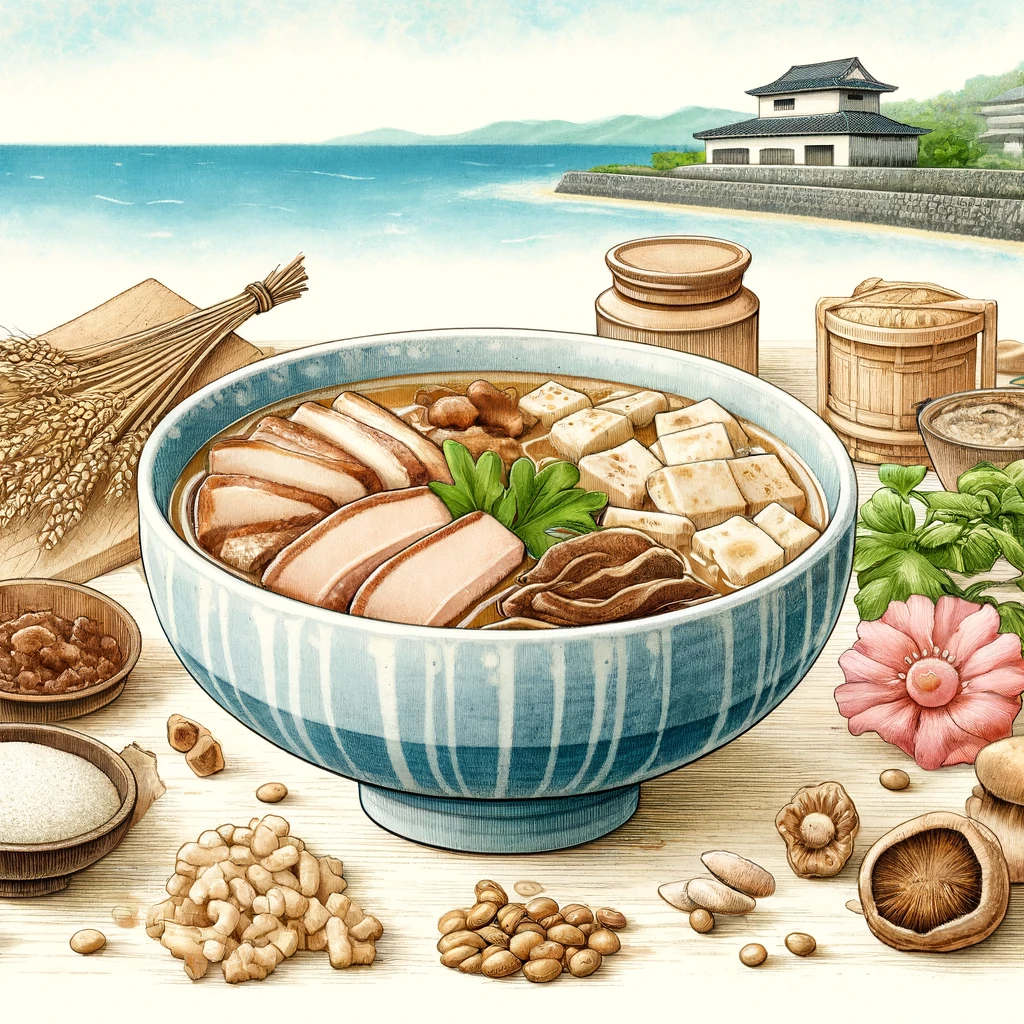
The Beautiful Seas and Blue Skies of Okinawa: A Culinary Heritage
The stunning seas and blue skies of Okinawa, nurtured by rich nature, have given birth to a unique culinary culture that stands out even within Japan. One of the most indispensable seasonings in Okinawan cuisine is “Inamuduchi.”
Inamuduchi is a traditional seasoning made by fermenting soybeans. It boasts a history and cultural heritage dating back approximately 400 years to the Ryukyu Kingdom era. Its unique flavor and rich taste enhance the deliciousness of Okinawan dishes such as rafute, goya champuru, and mimiga, adding depth and savor to the cuisine.
But Inamuduchi’s appeal doesn’t end there. It is also gaining attention as a fermented food, rich in high-quality protein, vitamins, minerals, and probiotics, making it an excellent ingredient for health.
Why not incorporate Inamuduchi into your dining table? It’s a versatile seasoning that can be adapted not only to Okinawan cuisine but also to dishes like takikomi gohan, pasta, and ethnic foods. Using Inamuduchi can transform your usual dishes into ones with Okinawan flavors, adding new colors to your meals.
This article will comprehensively introduce the charm of Inamuduchi. From its meaning and origin, manufacturing method, nutritional value, and health benefits, to its usage, representative dishes, selection and storage methods, and recipes, we will cover all aspects of Inamuduchi.
Experience the food culture of Okinawa through Inamuduchi. It will surely bring a fresh breeze to your culinary life. Let’s step into the world of Inamuduchi together!
What is Inamuduchi? An Introduction to Okinawa’s Traditional Seasoning
Inamuduchi is one of Okinawa’s traditional seasonings, indispensable in Okinawan cuisine for its unique flavor and rich taste. This article will explain in detail the meaning and origin of Inamuduchi, its ingredients, and the manufacturing method. For those interested in Okinawan cuisine or looking for new seasonings, this content is a must-read. Using Inamuduchi, you can enjoy authentic Okinawan cuisine at home. Please read this article to discover the charm of Inamuduchi.
The Meaning and Origin of Inamuduchi
What does the term Inamuduchi mean? Here, we will explain the etymology and formation of the word Inamuduchi, as well as the background and history of its creation.
The Etymology and Formation of the Word “Inamuduchi”
The word “Inamuduchi” is written as “inamuduchi” in Okinawan dialect. “Inamu” means “straw mat,” and “duchi” means “miso.” Therefore, Inamuduchi originates from the word “straw mat miso.” This indicates that Inamuduchi is a traditional seasoning made by fermenting soybeans on straw mats. The formation of this word reflects that Inamuduchi is made using traditional methods.
The Background and History of Inamuduchi’s Creation
Inamuduchi was born deeply connected to Okinawa’s climate and natural conditions. Okinawa’s subtropical climate, which is hot and humid, posed challenges for food preservation. Fermenting soybeans to enhance their preservation led to the creation of Inamuduchi. Its history is long, dating back to the Ryukyu Kingdom era about 400 years ago. It is said that the technique of making miso, which came from China, was adapted to Okinawa’s climate and natural conditions, establishing its unique manufacturing method. With its long history, Inamuduchi continues to be loved as an important seasoning supporting Okinawan food culture.
Ingredients and Manufacturing Method of Inamuduchi
Next, let’s take a closer look at the ingredients and manufacturing method of Inamuduchi. What raw materials is Inamuduchi made from? What are the characteristics of the traditional manufacturing process and fermentation process?
The Main Ingredients of Inamuduchi
The main ingredient of Inamuduchi is soybeans. It is common to use soybeans grown in Okinawa, but sometimes soybeans from other regions are used. In addition to soybeans, barley koji, salt, and awamori may be added. The proportion of these ingredients varies depending on the manufacturer. The taste and flavor of Inamuduchi are greatly influenced by the quality of the ingredients and their proportions.
The Traditional Manufacturing Process of Inamuduchi
The manufacturing process of Inamuduchi is divided into three main stages. First, soybeans are steamed and mashed, then mixed with barley koji. Next, this mixture is spread out on a straw mat and sun-dried. The sun-drying period varies depending on the climate but usually takes about one week to ten days. Finally, the sun-dried mixture is transferred to a barrel, where salt and awamori are added, and it is fermented. This fermentation period varies depending on conditions such as temperature and humidity, but it usually takes about 2 to 3 months. Although the traditional manufacturing process is time-consuming, it produces a deep, rich flavor.
The Essential Fermentation Process in Inamuduchi Making
The most important aspect of making Inamuduchi is the fermentation process. Fermentation breaks down the proteins in soybeans into amino acids, creating umami components. Additionally, microorganisms such as yeast and lactic acid bacteria produced during fermentation create Inamuduchi’s unique flavor. The progress of fermentation is greatly influenced by environmental conditions such as temperature and humidity. Skilled artisans determine the optimal timing for finishing Inamuduchi by carefully observing the fermentation progress. The profound flavor unique to fermented foods is a testament to the craftsmanship and experience of these artisans.
The Flavor Characteristics and Appeal of Inamuduchi
Inamuduchi is an indispensable seasoning in Okinawan cuisine, but what exactly does it taste like? Here, we will explain the unique flavor and aroma of Inamuduchi and why it is essential in Okinawan cuisine. By understanding the characteristics and appeal of Inamuduchi’s taste, you can gain a deeper appreciation and enjoyment of Okinawan cuisine. Additionally, by increasing the repertoire of dishes using Inamuduchi, you can recreate the taste of Okinawa at home. Please explore the world of Inamuduchi’s flavor.
The Unique Flavor and Aroma of Inamuduchi
The taste of Inamuduchi is complex and profound, making it difficult to describe in a single word. Here, we will delve into the factors that form the flavor of Inamuduchi and the characteristics and appeal of its aroma.
Factors Forming the Flavor of Inamuduchi
The flavor of Inamuduchi is formed by the umami components generated during soybean fermentation. During the fermentation process, the proteins in soybeans are broken down, producing glutamic acid and other umami components. Additionally, microorganisms such as yeast and lactic acid bacteria produced during fermentation impart unique flavors. The taste of Inamuduchi is a perfect balance of saltiness, umami, acidity, and sweetness, providing a deep, rich flavor. Adding awamori contributes a unique aroma and flavor from alcohol fermentation, creating an even more complex taste.
The Characteristics and Appeal of Inamuduchi’s Aroma
Inamuduchi’s appeal lies not only in its taste but also in its unique aroma produced during fermentation. The aroma of Inamuduchi is a rich fragrance typical of fermented foods, with a slightly strong impression. This aroma is thought to come from the barley koji and awamori used in Inamuduchi. The mixture of the sweet sake-like aroma from barley koji and the alcohol aroma from awamori creates Inamuduchi’s unique fragrance. This aroma adds depth to dishes and stimulates the appetite, making it an indispensable part of Okinawan cuisine.
Why Inamuduchi is Essential in Okinawan Cuisine
Many Okinawan dishes use Inamuduchi. Here, we will explain the secret behind Inamuduchi’s ability to enhance the taste of Okinawan cuisine and introduce representative Okinawan dishes that cannot be made without Inamuduchi.
The Secret Behind Inamuduchi Enhancing Okinawan Cuisine
One reason Inamuduchi is indispensable in Okinawan cuisine is its rich umami. The amino acids and umami components in Inamuduchi add depth and richness to dishes. Especially in dishes using animal proteins like pork and chicken, Inamuduchi’s umami is essential. Additionally, the unique aroma of Inamuduchi imparts complex flavors to dishes, enhancing the taste of Okinawan cuisine. Using Inamuduchi creates the juicy, rich taste characteristic of Okinawan dishes.
Representative Okinawan Dishes That Cannot Be Made Without Inamuduchi
While Inamuduchi is used in many Okinawan dishes, some cannot be made without it. One example is rafute, braised pork belly. Rafute is pork belly seasoned with Inamuduchi and simmered slowly, with the umami of Inamuduchi infusing the pork, resulting in a melt-in-your-mouth texture. Another staple is champuru, a stir-fried dish, where Inamuduchi enhances the sweetness and umami of vegetables like goya and tofu. Other dishes include nakami soup, made with pork offal, and tebichi, simmered pig trotters, where Inamuduchi plays a crucial role. Inamuduchi is the key seasoning that defines the taste of Okinawan cuisine.
Main Uses of Inamuduchi
Inamuduchi is
a versatile seasoning used in various Okinawan dishes, from soups and stews to stir-fries and salads. Here, we will detail the main uses of Inamuduchi, offering specific cooking methods and tips. Knowing how to use Inamuduchi will expand your Okinawan cuisine repertoire and allow you to incorporate it into everyday dishes. Explore the diverse uses of Inamuduchi and enjoy the flavors of Okinawa at home.
Using Inamuduchi in Soups and Stews
Inamuduchi adds depth and richness to soups and stews. Here, we will explain how to make soups and stews using Inamuduchi.
How to Make Soup with Inamuduchi
A representative soup using Inamuduchi is miso soup. Inamuduchi-infused miso soup features a perfect blend of the umami of ingredients and the flavor of Inamuduchi. The method is the same as regular miso soup: prepare the broth, cook the ingredients, and dissolve Inamuduchi into it. Adjust the amount of Inamuduchi to taste. You can also vary the ingredients to enjoy different versions of Inamuduchi soup. Combine pork, vegetables, tofu, and other ingredients to create your favorite Inamuduchi soup.
How to Cook Stews with Inamuduchi
Inamuduchi is also essential for seasoning stews. It pairs well with animal proteins like pork and chicken. Cooking stews with Inamuduchi is similar to regular stews: add Inamuduchi when simmering the ingredients. Since Inamuduchi is high in salt, use less soy sauce or salt in your stew. Adding Inamuduchi at the end of cooking enhances the umami and creates a richer flavor.
Using Inamuduchi in Stir-Fries and Salads
Inamuduchi can also be used in stir-fries and salads. Here, we will introduce tips for cooking stir-fries and making salads with Inamuduchi.
Tips for Cooking Stir-Fries with Inamuduchi
A prime example of a stir-fry with Inamuduchi is champuru. Champuru is a stir-fried dish of vegetables, tofu, meat, and Inamuduchi. The tip for cooking stir-fries with Inamuduchi is to add it after reducing the heat. Inamuduchi can burn easily if the heat is too high. Mix well after adding Inamuduchi to blend it with the ingredients. The result is a delicious stir-fry with perfectly intertwined flavors of the ingredients and Inamuduchi.
How to Make Salads with Inamuduchi
Inamuduchi can also be used for seasoning salads. Inamuduchi salads bring out the sweetness and umami of vegetables. Simply mix boiled vegetables with Inamuduchi. Add Inamuduchi gradually while tasting. You can also enjoy different flavors by adding sesame oil, soy sauce, or vinegar. Recreate the taste of Okinawan homes with Inamuduchi salads.
Other Applications in Cooking
Inamuduchi is versatile and can be used in various dishes beyond soups, stews, stir-fries, and salads. Here, we will introduce ideas for using Inamuduchi in rice dishes and making sauces or dips.
Ideas for Rice Dishes with Inamuduchi
Inamuduchi can be used in rice dishes. For example, “Inamuduchi takikomi gohan” is a rice dish infused with the umami of Inamuduchi. Add Inamuduchi to the rice with your favorite ingredients such as chicken, burdock, carrots, and shiitake mushrooms. Other rice dishes include “Inamuduchi onigiri” and “Inamuduchi fried rice.” Enjoy the taste of Okinawa with Inamuduchi rice dishes.
Making Sauces and Dips with Inamuduchi
Inamuduchi can also be used for making sauces and dips. For example, “Inamuduchi tare” is a sauce made by mixing Inamuduchi with soy sauce, sake, and mirin, perfect for grilled meat or saba shioyaki. “Inamuduchi mayonnaise” is a dip made by mixing Inamuduchi with mayonnaise, ideal for vegetable sticks or fried foods. Using Inamuduchi in sauces and dips adds depth and richness to dishes, elevating everyday meals.
Representative Okinawan Dishes with Inamuduchi
Inamuduchi is indispensable in Okinawan cuisine, with several well-known dishes featuring this seasoning. Here, we will explain representative Okinawan dishes such as rafute, goya champuru, and mimiga, where the umami and flavor of Inamuduchi shine. By making these dishes, you can recreate the authentic taste of Okinawa at home. Enjoy the charm of Inamuduchi through these iconic Okinawan dishes.
Rafute (Braised Pork Belly)
Rafute is one of Okinawa’s signature dishes, featuring pork belly braised with Inamuduchi. Here, we will explain the cooking method and the role of Inamuduchi in rafute and tips for making it delicious.
Cooking Method and the Role of Inamuduchi in Rafute
To cook rafute, cut pork belly into bite-sized pieces and parboil. Then, simmer the pork with sautéed vegetables, Inamuduchi, sugar, sake, and water. Inamuduchi enhances the umami of the pork and adds a rich flavor. Its fermentation properties also help tenderize the meat. Rafute, with its perfect blend of Inamuduchi’s umami and pork’s richness, is a signature Okinawan dish.
Tips for Making Delicious Rafute
To make delicious rafute, follow these three tips:
- Use pork belly with plenty of fat. The fat’s umami blends with Inamuduchi, creating a deeper flavor.
- Simmer the pork until it becomes tender. Short cooking times can make the meat tough.
- Balance the seasoning with Inamuduchi and sugar. Too much Inamuduchi can make the flavor too strong, so adjust to your taste.
Following these tips will help you create a delicious rafute.
Goya Champuru
Goya champuru is a representative summer dish in Okinawa, featuring goya (bitter melon), eggs, and pork stir-fried together. Here, we will explain how to make goya champuru, the use of Inamuduchi, and its nutritional value and health benefits.
How to Make Goya Champuru and Use of Inamuduchi
To make goya champuru, cut goya in half lengthwise, remove the seeds, and slice thinly. Stir-fry with pork until cooked, then add beaten eggs. Season with Inamuduchi to finish. Inamuduchi balances goya’s bitterness and enhances the umami of the pork. The combination of eggs and Inamuduchi creates a mellow taste, making goya champuru uniquely Okinawan.
The Nutritional Value and Health Benefits of Goya Champuru
Goya champuru is a nutritious dish with several health benefits. Goya is rich in vitamin C, carotene, and dietary fiber, offering antioxidant properties and promoting healthy skin. The bitter compound, momordicin, in goya is said to help lower blood sugar levels. Inamuduchi’s soy isoflavones can help prevent osteoporosis. Goya champuru is not only delicious but also nutritionally beneficial.
Mimiga (Pork Ear Salad)
Mimiga is a salad made by boiling pork ears and finely chopping them, then mixing with vinegared miso. Here, we will explain how to cook mimiga, the role of Inamuduchi, and tips to enhance its texture and flavor.
How to Cook Mimiga and the Role of Inamuduchi
To cook mimiga, boil pork ears and cut them into bite-sized pieces. Prepare vinegared miso by mixing Inamuduchi with vinegar, sugar, and mirin. Mix the pork ears with the vinegared miso. Inamuduchi enhances the umami of the dressing and makes the pork ears tender. Mimiga, with its unique blend of Inamuduchi’s umami and acidity, is a quintessential Okinawan appetizer.
Tips to Enhance Mimiga’s Texture and Flavor
To enhance mimiga’s texture and flavor, follow these two tips:
- Boil the pork ears thoroughly to ensure tenderness.
- Balance the vinegared miso with Inamuduchi, vinegar, sugar, and mirin. Too much Inamuduchi can overpower the flavor, so adjust to taste.
Following these tips will help you create a delicious mimiga.
Other Regional Dishes Using Inamuduchi
In addition to rafute, goya champuru, and mimiga, there are many other Okinawan dishes using Inamuduchi. Here, we will introduce examples of soup and noodle dishes with Inamuduchi.
Examples of Soup Dishes with Inamuduchi
A representative soup dish with Inamuduchi is “soki soba.” Soki soba is a rich pork rib soup combined with Okinawa soba noodles, where adding Inamuduchi deepens the flavor. Another example is “hirayachi,” a soup made with pork offal, where Inamuduchi reduces the
odor and enhances the umami. Inamuduchi soup dishes are staples in Okinawan home cooking.
Examples of Noodle Dishes with Inamuduchi
A representative noodle dish with Inamuduchi is “Okinawa soba.” Okinawa soba features thick noodles in a broth made from pork and seafood, with Inamuduchi added for a distinctive Okinawan flavor. Another example is “somen champuru,” stir-fried somen noodles with Inamuduchi, resulting in a rich, mellow dish. Noodle dishes with Inamuduchi are popular items in Okinawan regional cuisine.
The Nutritional Value and Health Benefits of Inamuduchi
Inamuduchi, essential in Okinawan cuisine, is also noted for its high nutritional value and health benefits. Here, we will explain the nutritional components of Inamuduchi and its health benefits as a fermented food. Inamuduchi not only tastes great but also positively impacts health. Incorporating Inamuduchi into your diet can lead to a delicious and healthy lifestyle. Learn about the nutritional value and health benefits of Inamuduchi to make the most of this exceptional seasoning.
Nutritional Components in Inamuduchi
Inamuduchi, made from fermented soybeans, is rich in nutrients. Here, we will explain the protein and amino acids, as well as the vitamins and minerals in Inamuduchi.
Protein and Amino Acids in Inamuduchi
Inamuduchi is rich in high-quality protein. The soy protein in Inamuduchi contains a balanced array of essential amino acids, efficiently supplying those that the body cannot synthesize. Additionally, the protein in Inamuduchi is broken down during fermentation, making it highly digestible. Consuming Inamuduchi can support muscle maintenance, enhance physical strength, and promote healthy skin.
Vitamins and Minerals in Inamuduchi
Inamuduchi is also rich in vitamins and minerals. It contains abundant B vitamins, which are crucial for energy metabolism and nervous system function. Additionally, it contains minerals such as calcium, iron, and zinc. Calcium supports bone health, iron prevents anemia, and zinc boosts immune function. Inamuduchi is a treasure trove of vitamins and minerals.
Health Benefits of Inamuduchi as a Fermented Food
Inamuduchi is also gaining attention for its health benefits as a fermented food. Fermented foods are known for their beneficial effects on gut health, and Inamuduchi is no exception. Here, we will explain the role of probiotics in Inamuduchi and its effects on digestion and gut health.
The Role of Probiotics in Inamuduchi
As a fermented food, Inamuduchi is rich in beneficial bacteria such as lactic acid bacteria and yeast. These probiotics help suppress harmful bacteria in the gut and promote a healthy gut environment. Additionally, probiotics are said to enhance immune function. The probiotics in Inamuduchi are often heat-resistant, meaning they can survive cooking and reach the gut alive. Consuming Inamuduchi can help improve gut health and boost immunity.
Digestive and Gut Health Benefits of Inamuduchi
Inamuduchi is beneficial for digestion and gut health. The enzymes in Inamuduchi aid digestion, while the dietary fiber promotes bowel movements and helps prevent constipation. Additionally, the probiotics in Inamuduchi break down harmful substances in the gut, improving gut health. Consuming Inamuduchi can enhance digestive function and support a healthy gut environment.
In conclusion, Inamuduchi is a high-nutrient, health-beneficial seasoning essential in Okinawan cuisine. Its protein, vitamins, and minerals help maintain various bodily functions, while its probiotic content supports gut health. Knowing the nutritional value and health benefits of Inamuduchi, you can incorporate it into your diet for a delicious and healthy lifestyle. Make the most of Inamuduchi and enjoy its benefits.
How to Choose and Store Inamuduchi
Choosing high-quality Inamuduchi is crucial for making delicious dishes, and proper storage is essential as it is a fermented food. Here, we will explain how to select good Inamuduchi and the best methods for storage, including shelf life. Knowing how to choose and store Inamuduchi will allow you to enjoy its flavor for longer. Learn these tips to create delicious Okinawan dishes with Inamuduchi.
How to Choose High-Quality Inamuduchi
The quality of Inamuduchi significantly affects its taste and aroma. Here, we will explain how to judge Inamuduchi’s quality by its color and aroma and how to check the manufacturer and ingredient labels.
Judging Inamuduchi’s Quality by Color and Aroma
High-quality Inamuduchi can be judged by its color and aroma. Look for a rich brown color with a glossy finish. Avoid blackish or overly light-colored Inamuduchi, as these may indicate over-fermentation or under-fermentation. The aroma should be rich and fermented, characteristic of high-quality Inamuduchi. Weak or overly sour aromas may indicate improper fermentation. Check both color and aroma to select high-quality Inamuduchi.
Checking the Manufacturer and Ingredient Labels
To judge the quality of Inamuduchi, check the manufacturer and ingredient labels. Choose Inamuduchi from reputable Okinawan manufacturers known for traditional methods. Look for simple ingredient lists: soybeans, barley koji, salt, and awamori. Avoid products with additives or preservatives, as these can affect the flavor. Checking the manufacturer and ingredient labels ensures you choose safe, high-quality Inamuduchi.
Proper Storage Methods and Shelf Life of Inamuduchi
As a fermented food, Inamuduchi requires proper storage. Here, we will explain suitable containers and storage places and how to handle Inamuduchi after opening, including its shelf life.
Suitable Containers and Storage Places for Inamuduchi
Inamuduchi is sensitive to moisture and light, so it should be stored in suitable containers. Use airtight glass jars, ceramic, or plastic containers. Store in a cool, dark place away from direct sunlight, such as the vegetable compartment of a refrigerator. Inamuduchi absorbs moisture easily, so consider adding a desiccant to the container. Proper storage containers and places help maintain Inamuduchi’s quality.
Handling Inamuduchi After Opening and Shelf Life
After opening, use Inamuduchi as soon as possible. If properly sealed and refrigerated, it can last 1-2 months. Use clean utensils when handling to prevent contamination. If white mold or a sour smell appears, it may be spoiled, so discard it. Unopened, Inamuduchi lasts about one year, but use it within 1-2 months after opening. Proper handling and storage extend Inamuduchi’s shelf life and maintain its quality.
In conclusion, choosing high-quality Inamuduchi and storing it properly is crucial for enjoying its flavor. Check the color, aroma, manufacturer, and ingredients to select the best Inamuduchi. Store in airtight containers in a cool, dark place, and use it quickly after opening. Learn these tips to enjoy delicious Inamuduchi longer. Use this guide to choose and store Inamuduchi for your Okinawan dishes.
Inamuduchi Recipe Ideas
Inamuduchi is a versatile seasoning that can be used in various dishes. Here, we will introduce simple home recipes and creative cooking ideas with Inamuduchi. Using Inamuduchi can transform ordinary dishes into Okinawan flavors. We will also share unexpected recipe ideas to expand your cooking repertoire. Discover new flavors with Inamuduchi and enjoy Okinawan taste at home.
Simple Home Recipes with Inamuduchi
Inamuduchi is perfect for easy home cooking. Here, we will introduce recipes for Inamuduchi takikomi gohan and snacks.
How to Make Inamuduchi Takikomi Gohan
Inamuduchi takikomi gohan is a simple recipe that transforms plain rice into Okinawan-flavored rice. Wash rice and add it to the rice cooker. Replace the water with 1-2 tablespoons of Inamuduchi, then add your favorite ingredients like chicken, pork, burdock, carrots, and shiitake mushrooms. Cook as usual. The rice absorbs Inamuduchi’s umami, creating a rich, flavorful dish. Onigiri made from this rice are perfect for bento.
Snack Recipes with Inamuduchi
Inamuduchi is great for making snacks. For example, “Inamuduchi miso nuts” are nuts coated with Inamuduchi, soy sauce, mirin, and sugar, then baked. The combination of Inamuduchi’s umami and the nuts’ aroma makes a perfect beer snack. Another example is “Inamuduchi miso cheese,” a dip made by mixing Inamuduchi with cream cheese. Serve with vegetable sticks or fried foods. Snacks made with Inamuduchi add flavor and fun to home drinking.
Creative Cooking with Inamuduchi
Inamuduchi can be used in a variety of dishes, including Western and ethnic cuisines. Here, we will introduce Inamuduchi pasta sauce recipes and ideas for ethnic dishes.
Inamuduchi Pasta Sauce Recipe
Inamuduchi pasta sauce is an idea recipe for easy, Japanese-style pasta. Sauté garlic in olive
oil, then add Inamuduchi, soy sauce, and mirin. Mix well and toss with cooked pasta. Recommended ingredients include bacon, mushrooms, and komatsuna. The umami of Inamuduchi and the texture of pasta create a delicious, rich dish. Using Inamuduchi transforms regular pasta into Okinawan-style pasta.
Ethnic Cooking with Inamuduchi
Inamuduchi can also be used in ethnic cooking. For example, “Inamuduchi miso curry” is an easy twist on curry by adding Inamuduchi. The umami and richness of Inamuduchi deepen the curry’s flavor, making it milder. Another example is “Inamuduchi miso pizza,” using Inamuduchi as pizza sauce. The combination of Inamuduchi’s umami and cheese’s richness creates a unique Okinawan pizza. Inamuduchi enhances the flavor of ethnic dishes.
In conclusion, Inamuduchi is a versatile seasoning that can be used in various dishes. From takikomi gohan and snacks to pasta and ethnic dishes, the possibilities with Inamuduchi are endless. Use Inamuduchi to add Okinawan flavor to your everyday cooking. Discover new flavors and enjoy diverse recipes with Inamuduchi.
The History and Cultural Background of Inamuduchi
Inamuduchi is essential in Okinawan cuisine, with a long history deeply intertwined with Okinawa’s food culture. Here, we will explain the origin and development of Inamuduchi and its impact on Okinawan food culture. Knowing the history of Inamuduchi deepens your understanding of Okinawan cuisine and enhances your appreciation for this seasoning. Discover the history and cultural background of Inamuduchi to feel closer to Okinawan cuisine.
The Origin and Development of Inamuduchi
Inamuduchi has been a traditional seasoning in Okinawa for a long time. Here, we will explain the birth of Inamuduchi and its connection with Okinawa’s food culture and the development and transmission of Inamuduchi’s manufacturing techniques.
The Birth of Inamuduchi and Its Connection with Okinawa’s Food Culture
The origin of Inamuduchi dates back about 400 years to the Ryukyu Kingdom era. At that time, Okinawa engaged in active trade with China and Southeast Asia, bringing various cultures and techniques. One of these was the technique of making fermented soybean seasonings. This technique was adapted to Okinawa’s climate and natural conditions, leading to the creation of Inamuduchi. Inamuduchi was valued for its preservative properties in Okinawa’s hot and humid climate. It also played a crucial role in enhancing the flavors of Okinawa’s ingredients. The birth of Inamuduchi significantly influenced the development of Okinawa’s food culture.
The Development and Transmission of Inamuduchi’s Manufacturing Techniques
The manufacturing techniques of Inamuduchi have evolved over many years. Initially, the process was simple, involving only soybean fermentation. Over time, ingredients like barley koji and awamori were added, enriching the flavor. The manufacturing techniques of Inamuduchi have been passed down through families and communities, creating regional variations. Today, while factory production is common, traditional methods are still practiced by artisans. The manufacturing techniques of Inamuduchi are a valuable heritage supporting Okinawan food culture.
The Impact of Inamuduchi on Okinawan Food Culture
Inamuduchi has greatly influenced Okinawan food culture. Here, we will explain how Inamuduchi contributed to the diversity of Okinawan cuisine and its role in the development of Okinawan food culture.
The Contribution of Inamuduchi to the Diversity of Okinawan Cuisine
Inamuduchi has significantly contributed to the diversity of Okinawan cuisine. The flavor of Inamuduchi varies by region. For example, Inamuduchi from northern Okinawa is known for its strong awamori flavor, while southern Okinawa’s Inamuduchi is sweeter. These regional differences in Inamuduchi have created a variety of flavors in Okinawan cuisine. Inamuduchi also pairs well with various ingredients, expanding the possibilities of dishes. Using Inamuduchi maximizes the appeal of Okinawa’s ingredients.
The Role of Inamuduchi in the Development of Okinawan Food Culture
Inamuduchi has played a crucial role in the development of Okinawan food culture. Its preservative properties and ability to enhance umami and richness have allowed Okinawans to utilize various ingredients creatively. Inamuduchi was also essential in creating the unique flavors of Okinawan home cooking. Each household’s Inamuduchi contributed to the diversity of Okinawan cuisine. Additionally, Inamuduchi’s compatibility with rice, the staple food of Okinawans, made it a key seasoning. Inamuduchi has supported and advanced Okinawan food culture.
In conclusion, Inamuduchi has developed in close connection with Okinawan food culture. Its creation significantly influenced Okinawa’s culinary development, and its manufacturing techniques have been passed down through generations. Inamuduchi has created a variety of flavors in Okinawan cuisine and played a crucial role in its development. Knowing the history and cultural background of Inamuduchi deepens your understanding of Okinawan cuisine and enhances your appreciation for this seasoning. Explore the history and cultural background of Inamuduchi and savor Okinawan cuisine.
How to Purchase Inamuduchi
For those outside Okinawa, finding a reliable way to purchase Inamuduchi can be challenging. Here, we will explain how to buy Inamuduchi, both locally in Okinawa and through online shops. Knowing where and how to purchase Inamuduchi allows you to enjoy it anywhere. We will also share tips and advice for ordering Inamuduchi online, ensuring you can buy this delicious seasoning with confidence. Learn how to purchase Inamuduchi and enjoy authentic Okinawan cuisine at home.
Where to Buy Inamuduchi Locally in Okinawa
In Okinawa, Inamuduchi can be purchased from various places. Here, we will explain where to buy Inamuduchi in Okinawan markets and supermarkets and at souvenir shops.
Inamuduchi in Okinawan Markets and Supermarkets
Various brands of Inamuduchi are available in Okinawan markets and supermarkets. In markets like the “First Makishi Public Market” or the “Okinawa Prefecture Products Association,” you can find local brands of Inamuduchi. These markets often have tasting corners, allowing you to sample before purchasing. Supermarkets also offer various sizes of Inamuduchi, making it easy to choose the right one for your needs. When buying locally, check the expiration date to ensure freshness.
Inamuduchi at Souvenir Shops
Inamuduchi can also be purchased at Okinawan souvenir shops. Places like Naha Airport and Kokusai Street have many specialty stores and souvenir shops offering various brands of Inamuduchi. These shops also sell Inamuduchi-based snacks and products. Gift sets of Inamuduchi make great souvenirs. Ask store staff for recommendations when shopping in souvenir shops.
How to Order Inamuduchi Online
For those living outside Okinawa, ordering Inamuduchi online is a convenient option. Here, we will introduce online shops selling Inamuduchi and provide tips for ordering online.
Online Shops Selling Inamuduchi
Many online shops sell Inamuduchi. Official Okinawan websites like “Okinawa Prefecture Products Association” or “Okinawa Story” offer various brands. Major online retailers like Amazon and Rakuten also have many Inamuduchi sellers. Read product descriptions carefully, check prices, shipping costs, and expiration dates before purchasing. Customer reviews can also be helpful.
Tips for Ordering Inamuduchi Online
When ordering Inamuduchi online, consider these points. As a fermented product, Inamuduchi is sensitive to temperature changes. Choose refrigerated or frozen delivery options. Inamuduchi is also heavy, so shipping can be costly. Ordering in bulk can save on shipping costs. Since Inamuduchi has a relatively short shelf life, use it soon after arrival. Store opened Inamuduchi in the refrigerator and use it within 1-2 months. Follow these tips for a smooth online purchase of delicious Inamuduchi.
In conclusion, Inamuduchi can be purchased locally in Okinawa and through online shops. When buying locally, visit markets, supermarkets, and souvenir shops. For online purchases, read product descriptions carefully and consider shipping and storage. Knowing how to purchase Inamuduchi allows you to enjoy authentic Okinawan cuisine at home. Savor the flavors of Okinawa with delicious Inamuduchi.
Enjoy the Flavors of Okinawa at Home with Inamuduchi
Inamuduchi is an indispensable seasoning in Okinawan cuisine, known for its unique flavor and deep taste. This article has thoroughly explained the meaning and origin of Inamuduchi, its manufacturing process, nutritional value and health benefits, usage, representative dishes, selection and storage methods, recipe ideas, historical and cultural background, and purchasing information. By understanding the charm and importance of Inamuduchi in Okinawan cuisine, and experiencing Okinawan food culture through dishes made with Inamuduchi, your everyday meals will become richer. Use this article as a guide to enjoy the taste of Okinawa at home with Inamuduchi.
The Charm and Importance of Inamuduchi in Okinawan Cuisine
Inamuduchi is a seasoning deeply connected to Okinawan food culture, with immense charm. It has a unique flavor and deep taste, making it an essential part of Okinawan cuisine. Inamuduchi is an excellent seasoning that adds umami and richness, enhancing the taste of various dishes. It is a crucial element in Okinawan food culture, essential for discussing the flavors of Okinawa.
The charm of Inamuduchi goes beyond its taste. It is also noted for its health benefits as a fermented food. The probiotics in Inamuduchi are said to improve gut health, and the vitamins, minerals, and dietary fiber it contains positively impact the body.
Additionally, Inamuduchi tells the story of Okinawa’s history and culture. The manufacturing technique of Inamuduchi has been passed down from the Ryukyu Kingdom era about 400 years ago, deeply intertwined with Okinawa’s climate and culture. Eating dishes made with Inamuduchi is also an experience of touching Okinawa’s history and culture.
Thus, Inamuduchi is a comprehensive food ingredient with flavor, health benefits, and historical and cultural significance. Its importance in Okinawan cuisine is undeniable, and it is a vital part of Okinawa’s food culture. Understanding the charm of Inamuduchi will deepen your appreciation and love for Okinawan cuisine.
Experience Okinawan Food Culture with Inamuduchi Dishes
Inamuduchi is an indispensable seasoning in Okinawan cuisine, but it can also be easily used at home. By making dishes with Inamuduchi, you can experience Okinawan food culture.
This article has introduced representative Okinawan dishes using Inamuduchi, such as rafute, goya champuru, and mimiga. However, Inamuduchi can also be used in various other dishes. Additionally, recipe ideas for using Inamuduchi in takikomi gohan, snacks, pasta, and ethnic dishes have been provided. Inamuduchi can transform your usual dishes into Okinawan flavors.
When cooking with Inamuduchi, it is essential to pay attention to its selection and storage methods. Choosing high-quality Inamuduchi and storing it properly will allow you to enjoy it for longer. Purchasing and ordering information for Inamuduchi has also been provided, making it easy for those living outside Okinawa to obtain it.
Try experiencing Okinawan food culture through dishes made with Inamuduchi. The unique flavor and deep taste of Inamuduchi will enrich your everyday meals. Sharing dishes made with Inamuduchi with family and friends will also allow you to enjoy Okinawan food culture together.
Okinawan food culture cannot be discussed without Inamuduchi. Understanding the charm of Inamuduchi and experiencing Okinawan food culture through dishes made with it will deepen your appreciation and love for Okinawa. Use this article as a guide to enjoy the taste of Okinawa at home with Inamuduchi. You are sure to become a fan of Inamuduchi.
Inamuduchi Q&A
What are the main ingredients of Inamuduchi?
The main ingredients of Inamuduchi are soybeans, barley koji, salt, and awamori. Soybeans are the primary ingredient, while barley koji, salt, and awamori are used as supplementary ingredients. The proportion of these ingredients varies depending on the manufacturer.
Name three representative Okinawan dishes using Inamuduchi.
Three representative Okinawan dishes using Inamuduchi are:
- Rafute (Braised Pork Belly): Pork belly seasoned with Inamuduchi and simmered slowly.
- Goya Champuru: Stir-fried goya (bitter melon) with eggs and pork, seasoned with Inamuduchi.
- Mimiga (Pork Ear Salad): Boiled and finely chopped pork ears mixed with vinegared miso made with Inamuduchi.
What are the nutritional value and health benefits of Inamuduchi?
Inamuduchi is rich in high-quality protein, vitamins, and minerals. As a fermented food, it contains probiotics that can improve gut health. The enzymes in Inamuduchi aid digestion, and the dietary fiber promotes bowel movements and helps prevent constipation.
What are the key points for choosing Inamuduchi?
When choosing Inamuduchi, pay attention to the following points:
- Select those with a rich brown color and glossy appearance.
- Choose Inamuduchi with a rich, fermented aroma typical of high-quality fermented foods.
- Opt for products from reputable Okinawan manufacturers known for traditional methods.
- Select Inamuduchi with simple ingredients, avoiding those with additives or preservatives.
Briefly explain the origin and history of Inamuduchi.
The origin of Inamuduchi dates back about 400 years to the Ryukyu Kingdom era. It is said that the technique of fermenting soybeans, which came from China, was adapted to Okinawa’s climate and natural conditions, leading to the creation of Inamuduchi. Valued for its preservative properties in Okinawa’s hot and humid climate, Inamuduchi has also been an important seasoning for enhancing the flavors of Okinawan ingredients. With a long history, Inamuduchi continues to be loved as an essential part of Okinawan food culture.
Conclusion
The traditional Okinawan seasoning “Inamuduchi” is an indispensable ingredient in Okinawan cuisine, known for its unique flavor and deep taste. Made primarily from soybeans, with barley koji, salt, and awamori, Inamuduchi has a history and culture dating back to the Ryukyu Kingdom era about 400 years ago.
Inamuduchi is used in representative Okinawan dishes such as rafute, goya champuru, and mimiga, adding umami and richness to the cuisine. As a fermented food, Inamuduchi is rich in high-quality protein, vitamins, minerals, and probiotics, making it beneficial for health.
When selecting Inamuduchi, pay attention to color, aroma, manufacturer, and ingredients to choose high-quality products. Store it in airtight containers in a cool, dark place, and use it quickly after opening. Inamuduchi is a versatile seasoning that can be adapted to dishes beyond Okinawan cuisine, including takikomi gohan, pasta, and ethnic dishes.
Inamuduchi can be purchased locally in Okinawa at markets, supermarkets, and souvenir shops, and it is also available for order online. Enjoy the taste of Okinawa at home with Inamuduchi and experience Okinawan food culture through your cooking. Once you discover the charm of Inamuduchi, you are sure to become a fan.

コメント