
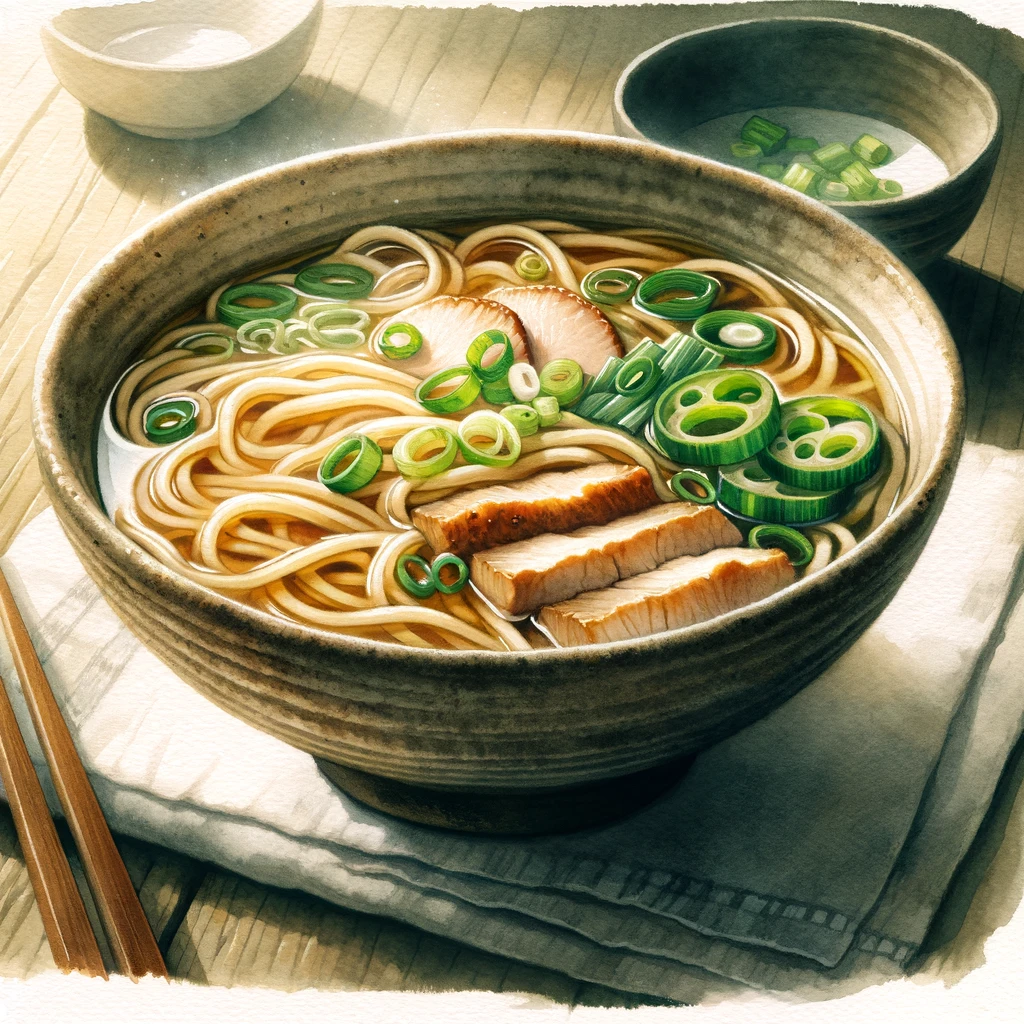
The beautiful sea, white sandy beaches, and clear blue sky of Miyako Island in Okinawa create a paradise-like atmosphere. Born from this island paradise is the traditional local dish, “Miyako Soba.”
Miyako Soba is characterized by its thick, firm noodles, a light yet rich broth, and simple but flavorful toppings. This dish embodies the natural beauty of Miyako Island in its taste.
For over 400 years, Miyako Soba has been made on Miyako Island, deeply connected to the lives of the island’s people. Over its long history, this dish has been refined and continues to captivate many.
Miyako Island, a popular tourist destination, boasts numerous restaurants where you can enjoy delicious Miyako Soba, from beloved local eateries to spots favored by tourists. The chance to savor authentic Miyako Soba is one of the island’s unique pleasures.
However, the charm of Miyako Soba isn’t limited to dining out. You can also create authentic Miyako Soba at home. With the right recipes for the noodles, broth, and toppings, you can recreate the authentic taste at home. Adding your unique twist can make for an original Miyako Soba experience.
Miyako Soba is also noted for its nutritional balance, making it a healthy meal option. Pair it with side dishes featuring local ingredients for an even more satisfying meal.
This blog will thoroughly explore the charm of Miyako Soba. From its history and features to delicious ways to enjoy it, information about popular restaurants, and recipes for making it at home, this blog has everything you need to know about Miyako Soba.
Through Miyako Soba, you can experience the beautiful nature and culture of Miyako Island and feel the warmth of its people. The more you read, the more you’ll crave Miyako Soba. Let’s embark on a journey to discover the allure of Miyako Soba together!
- What is Miyako Soba?
- History of Miyako Soba
- The Taste of Miyako Soba
- How to Enjoy Miyako Soba
- Nutritional Value of Miyako Soba
- Famous Miyako Soba Restaurants
- Miyako Soba Recipes
- Q&A
- Conclusion
What is Miyako Soba?
Miyako Soba is a traditional dish from Miyako Island in Okinawa Prefecture. Made using unique ingredients and cooking methods of the island, this soba stands out even among other Okinawa soba varieties. The noodles, broth, and toppings harmonize perfectly, evoking the rich nature and history of Miyako Island. Let’s delve deeply into the charm of Miyako Soba.
Definition and Characteristics of Miyako Soba
Miyako Soba is a local dish that has been traditionally eaten in Miyako Island, Okinawa. It is distinguished by its unique noodles, broth, and toppings, which are prepared using the island’s traditional methods. This dish, with its distinct taste, is loved by locals and tourists alike.
Characteristics of Miyako Soba Noodles
The noodles of Miyako Soba are made from wheat flour cultivated on Miyako Island using a unique method. These flat, somewhat thick, straight noodles are characterized by their low water content and strong firmness, providing a great texture. The noodles are boiled for a long time to achieve a firm texture that is delightful to eat.
Characteristics of Miyako Soba Broth
The broth of Miyako Soba is made by simmering pork bones, bonito flakes, and kelp for an extended period. Using Miyako Island’s groundwater results in a mellow and rich flavor. The broth, though light, has a deep taste, with the richness of the pork bones and the delicate flavor of the bonito flakes blending perfectly with the noodles.
Characteristics of Miyako Soba Toppings
The toppings of Miyako Soba are simple yet feature ingredients unique to Miyako Island. Standard toppings include three-layer pork (pork belly), kamaboko (fish cake), green onions, and pickled ginger. The three-layer pork is tender and pairs excellently with the broth. Though simple, the combination of these toppings allows the full flavors of the ingredients to shine.
Differences from Other Okinawa Soba
Okinawa soba varies by region, and Miyako Soba is one such unique variation. Understanding the differences from other Okinawa soba varieties helps appreciate the uniqueness of Miyako Soba.
Comparison with Okinawa Soba
Compared to general Okinawa Soba, Miyako Soba noodles are thicker and firmer. While the broth is also pork bone-based, Miyako Soba broth is lighter and lacks the stronger pork bone smell. The toppings are simpler, and unlike Okinawa Soba, it typically doesn’t include large pieces of meat like soki (spare ribs).
Comparison with Yaeyama Soba
Yaeyama Soba, eaten in the Yaeyama Islands of Okinawa, differs significantly from Miyako Soba mainly in the noodles. Yaeyama Soba noodles are thinner and also have a strong firmness. The broth is pork bone-based but richer than Miyako Soba’s broth. The toppings for Yaeyama Soba are more varied and may include soki meat and rafute (braised pork belly).
Unique Features of Miyako Soba
Miyako Soba stands out for its simplicity. The noodles are thick and firm, the broth is light yet rich, and the toppings are straightforward, allowing the full flavors of the ingredients to be appreciated. Compared to other Okinawa soba varieties, Miyako Soba offers a more rustic and unadorned taste that reflects the island’s culture and environment.
History of Miyako Soba
Miyako Soba is a traditional dish from Miyako Island in Okinawa Prefecture. Its history is intertwined with the lives of the island’s people and has developed over time. Let’s explore the historical background of how Miyako Soba was born, evolved, and continues to be loved to this day.
Origins and Development of Miyako Soba
The origins of Miyako Soba are subject to various theories, all deeply connected to the history of Miyako Island. The island’s food culture, industry, and trade significantly influenced the development of Miyako Soba.
Background of Miyako Soba’s Birth
One theory suggests that Miyako Soba originated in the 15th century when noodle culture was introduced from China. At that time, Miyako Island had active trade with China and Southeast Asia, and noodles are thought to have been introduced from these regions. Additionally, the cultivation of wheat, one of the island’s crops, is believed to have played a role in the birth of Miyako Soba.
Historical Development of Miyako Soba
Initially, Miyako Soba was mainly eaten during celebrations and special occasions. Gradually, it spread among the general population and became a daily dish. The islanders adopted it as an easy-to-make noodle dish, and each household developed its unique flavor.
Regional Spread of Miyako Soba
Miyako Soba spread not only on Miyako Island but also to nearby islands. It took root in places like Tarama Island, Ikema Island, and Ogami Island. Though there are slight regional variations, the basic style remains true to Miyako Soba. Thus, it developed into a traditional dish of the entire Miyako Islands.
Post-War Changes in Miyako Soba
World War II greatly impacted Miyako Island, affecting Miyako Soba as well. Despite the challenging post-war food situation, the islanders continued to preserve and adapt Miyako Soba.
Post-War Food Situation and Miyako Soba
After the war, food shortages on Miyako Island were severe. Wheat flour became a precious commodity, making it difficult to produce Miyako Soba. Substitutes like sweet potatoes and cassava were used instead. Although the taste changed, the culture of Miyako Soba was preserved.
Changes in Miyako Soba Ingredients
As the food situation improved post-war, the ingredients for Miyako Soba also changed. Wheat flour was used again, restoring the original taste of Miyako Soba. Additionally, new ingredients like pork and bonito flakes, characteristic of the post-war era, were incorporated.
Changes in Miyako Soba Serving Style
The serving style of Miyako Soba also evolved post-war. While it was primarily homemade, it began to be served in restaurants over time. As tourism developed, specialty restaurants serving Miyako Soba increased, transforming it from a homemade dish to a widely enjoyed one.
Modern Spread of Miyako Soba
Today, Miyako Soba is widely recognized as a representative dish of Miyako Island. It is beloved by islanders and popular among tourists. Its popularity is due not only to its deliciousness but also to an increasing interest in the island’s culture and history.
Background of Miyako Soba’s Popularity
The popularity of Miyako Soba is driven by its deliciousness. The firm noodles, light yet rich broth, and simple but deep-flavored toppings enchant many. Its light taste appeals to those with health-conscious preferences.
Events and Promotional Activities for Miyako Soba
Events promoting Miyako Soba are held on Miyako Island, such as “Miyako Soba Day” in October, where local restaurants offer creative Miyako Soba dishes. These events spread the charm of Miyako Soba both within and outside the island.
Value of Miyako Soba as a Tourism Resource
Miyako Soba is a key tourism resource for Miyako Island. Tourists invariably seek to try it. Restaurants serving Miyako Soba are popular spots, and the dish is also a favored souvenir.
The dry noodle version is particularly popular for its convenience in preparing at home. Miyako Soba, representing the island’s food culture, greatly contributes to tourism.
The Taste of Miyako Soba
The taste of Miyako Soba is a result of the harmonious blend of its noodles, broth, and toppings. Each element’s unique characteristics create the distinct flavor of Miyako Soba. Let’s explore the secrets behind its taste.
Characteristics and Texture of Noodles
The unique texture of Miyako Soba’s noodles is a significant appeal. The firm, chewy noodles enhance the overall taste of the dish.
Ingredients of Miyako Soba Noodles
Miyako Soba noodles are made from simple ingredients: wheat flour, salt, and kansui (lye water). The wheat flour is often from Miyako Island, reflecting the island’s climate in its flavor. The salt is frequently made from the island’s seawater, adding a touch of local flavor.
Manufacturing Process of Miyako Soba Noodles
Miyako Soba noodles are often handmade by skilled artisans who create the unique texture. The noodles are thick and flat, allowing them to pair well with the broth. They are also boiled for a long time to achieve a firm texture.
Texture and Mouthfeel of Miyako Soba Noodles
The firm, chewy texture of Miyako Soba noodles is one of its charms. The noodles have a good bite and a smooth surface, providing a pleasant mouthfeel. They absorb the broth well, creating a unified flavor.
Characteristics and Flavor of Broth
The broth of Miyako Soba, light yet rich, perfectly complements the noodles. Made by simmering pork bones, bonito flakes, and kelp, the broth is a key element of the dish’s flavor.
Ingredients of Miyako Soba Broth
The broth is made from simple ingredients: pork bones, bonito flakes, kelp, and salt. The pork bones add richness and umami, while the bonito flakes and kelp provide a delicate flavor. The salt, often from Miyako Island’s seawater, gives a mellow taste.
Cooking Method of Miyako Soba Broth
The broth is made by simmering the ingredients for several hours to extract the umami. The broth is skimmed regularly to ensure clarity. Using the island’s groundwater enhances the broth’s mellow taste.
Flavor Characteristics of Miyako Soba Broth
The broth is light yet rich, with the umami of the pork bones and the delicate flavor of the bonito flakes and kelp blending perfectly. The salt is subtle, enhancing the natural flavors of the ingredients. The broth pairs well with the noodles, creating a unified taste.
Variety and Combination of Toppings
The toppings for Miyako Soba, though simple, are deeply flavorful. Along with the standard toppings, regional variations and original ideas provide a diverse range of options.
Standard Toppings
Standard toppings for Miyako Soba include three-layer pork (pork belly), kamaboko (fish cake), green onions, and pickled ginger. The three-layer pork is tender and pairs well with the broth. Kamaboko adds a textural contrast, green onions provide a refreshing flavor, and pickled ginger adds a tangy and spicy accent.
Regional Toppings
Regional toppings for Miyako Soba include local ingredients like Miyako Island tofu. This tofu is popular for its health benefits. Additionally, toppings like soki meat (pork rib) can be used, adding depth to the broth.
Ideas for Original Toppings
Creating original toppings allows for a personalized Miyako Soba experience. For instance, adding a soft-boiled egg can create a richer flavor, while island shallots can add a refreshing taste. Experimenting with different vegetables can also be enjoyable.
How to Enjoy Miyako Soba
To fully enjoy Miyako Soba, it’s important to know some tips. From serving styles and eating methods to pairing drinks, here’s how to enhance your Miyako Soba experience.
Serving Styles of Miyako Soba
Miyako Soba is served in various styles, from hot to cold, and from large portions to takeout options, catering to different preferences and situations.
Hot and Cold Miyako Soba
While hot Miyako Soba is common, cold soba is popular during summer. Cold soba features noodles cooled in ice water, offering a smooth texture. The broth is typically served separately, allowing you to adjust the amount as you eat. Enjoying both hot and cold soba offers a delightful contrast.
Large and Small Portions
Many restaurants offer Miyako Soba in large and small portions. The small portion is ideal for a light meal, while the large portion is perfect for a hearty appetite. This flexibility allows you to choose based on your hunger level.
Takeout Miyako Soba
Many restaurants also offer takeout options for Miyako Soba. It’s a convenient way to enjoy the dish at home. The noodles, broth, and toppings are packaged separately, making it easy to prepare and enjoy authentic Miyako Soba at home.
Tips for Eating Miyako Soba
To enjoy Miyako Soba fully, there are a few tips to keep in mind. Knowing how to mix the noodles with the broth, combine the toppings, and use condiments can enhance your dining experience.
Mixing Noodles and Broth
For the best flavor, ensure the noodles are well-coated with the broth. Dip the noodles into the broth with your chopsticks and make sure they are thoroughly soaked. Eating the noodles in small bites helps balance the flavor of the noodles and broth.
Combining Toppings
Enjoy the toppings by combining them with the noodles and broth. The three-layer pork is best eaten with the noodles for a rich flavor. Kamaboko adds a textural contrast and can be eaten in small bites. Green onions can be mixed into the broth for a refreshing taste.
Using Condiments
Common condiments for Miyako Soba include pickled ginger and island chili peppers. The tangy and spicy pickled ginger can be mixed into the broth for a refreshing kick. Island chili peppers are potent, so add them sparingly to adjust the heat level to your preference.
Drinks That Pair Well with Miyako Soba
Choosing the right drink can enhance the flavor of Miyako Soba. From classic beverages to alcoholic drinks and soft drinks, there are many options.
Classic Beverages
Classic drinks like tea or water pair well with Miyako Soba. They cleanse the palate and don’t interfere with the light broth. Jasmine tea or black tea adds a fragrant note that complements the soba.
Alcoholic Drinks
Okinawan alcoholic drinks like awamori and Orion beer are great choices. Awamori, with its clean taste, enhances the flavor of the soba. Orion beer’s light taste pairs excellently with the dish. Enjoying Miyako Soba with these drinks offers a unique experience.
Soft Drinks
Okinawan soft drinks like sanpin tea or shikuwasa juice are excellent pairings. Sanpin tea has a slight sweetness that enhances the soba’s flavor. Shikuwasa juice’s tartness refreshes the palate, making it a perfect match with Miyako Soba. Enjoying the dish with local drinks enhances the overall experience.
Nutritional Value of Miyako Soba
Miyako Soba is not only delicious but also noteworthy for its nutritional value. Let’s take a closer look at the nutrients in the noodles, broth, and toppings, as well as the calories and health benefits it offers.
Nutritional Components of Miyako Soba
Miyako Soba contains carbohydrates, proteins, and fats, among other nutrients, in a balanced proportion.
Carbohydrate Content of Miyako Soba
The noodles of Miyako Soba are rich in carbohydrates since they are made from wheat flour. A bowl of Miyako Soba contains approximately 50 to 60 grams of carbohydrates, which serve as a vital energy source for the body. It’s essential to consume carbohydrates in moderation to maintain energy levels.
Protein Content of Miyako Soba
Miyako Soba is also rich in protein, thanks to the noodles and toppings. Particularly, the three-layer pork and other pork toppings provide high-quality protein. A bowl of Miyako Soba contains about 10 to 15 grams of protein, which is crucial for building muscles, bones, and skin. Eating Miyako Soba allows for a balanced intake of protein.
Fat Content of Miyako Soba
Miyako Soba contains moderate amounts of fat from the noodles, broth, and toppings. Especially, the pork bone broth includes good fats like collagen. A bowl of Miyako Soba contains approximately 5 to 10 grams of fat. Fats are necessary for maintaining body temperature and building cells. It’s important to consume the right amount.
Calories and Health Benefits of Miyako Soba
While Miyako Soba is relatively high in calories, it also offers health benefits. Let’s delve into the calorie content and the health benefits it provides.
Calorie Content of Miyako Soba
A bowl of Miyako Soba contains around 400 to 500 kcal. The carbohydrates and fats in the noodles, broth, and toppings contribute to the calorie count. Although high in calories, consuming it in moderation ensures a balanced nutrient intake.
Health Benefits of Miyako Soba
Miyako Soba offers various health benefits. The collagen in the pork bone broth aids in maintaining healthy skin and bones. The dietary fiber in the noodles helps improve gut health and prevent constipation. The vegetables in the toppings provide vitamins and minerals, boosting the immune system and maintaining overall health.
Precautions with Miyako Soba
While Miyako Soba has health benefits, there are precautions to consider. Its high calorie content means it should be eaten in moderation. Additionally, the broth is relatively high in salt, so those with high blood pressure should limit their intake. The fatty pork toppings can increase calorie and fat intake, so it’s essential to consume them in appropriate amounts. Eating Miyako Soba in a balanced way is crucial for maintaining health.
Famous Miyako Soba Restaurants
To savor Miyako Soba, visiting renowned restaurants is recommended. Miyako Island has numerous popular eateries, and Okinawa’s main island also boasts restaurants serving delicious Miyako Soba. Additionally, you can enjoy Miyako Soba through online shopping. Here, we introduce famous Miyako Soba restaurants and online shopping information.
Popular Restaurants on Miyako Island
Miyako Island, the home of Miyako Soba, has many popular restaurants. From long-established shops loved by locals to famous spots popular with tourists, there are various options.
Famous Restaurants in Miyakojima City
In Miyakojima City, several renowned Miyako Soba restaurants are concentrated. Among them, “Miyako Soba” is a long-established shop loved by both locals and tourists. It is known for its firm noodles and light yet rich broth. Another popular restaurant is “Shima Soba,” famous for its hearty Miyako Soba. Ordering a large portion will surely satisfy your appetite.
Popular Restaurants on Miyako Island’s Remote Islands
Miyako Island’s remote islands also have popular Miyako Soba restaurants. “Irabu Soba” on Irabu Island is a well-known spot loved by locals, featuring a gentle flavor using local ingredients. On Tarama Island, “Tarama Soba” is a hidden gem cherished by island residents for years. The firm noodles and light broth are exquisite.
Hidden Local Favorites
Miyako Island also has hidden local favorites unknown to tourists. “Shima no Eki” is a long-loved eatery among locals, offering a simple yet deeply flavorful Miyako Soba. Another local favorite is “Miyako Shokudo,” a rustic dining spot where you can enjoy Miyako Soba and other Okinawan dishes.
Miyako Soba Specialty Shops on Okinawa’s Main Island
Miyako Soba is also popular on Okinawa’s main island. Naha City, the central region, and the northern part of the island have specialty Miyako Soba shops.
Specialty Shops in Naha City
In Naha City, several specialty Miyako Soba shops are concentrated. “Miyako Soba Specialty Shop Shimaya” is a popular spot known for its firm noodles and rich pork bone broth. Another specialty shop, “Miyako Soba Specialty Shop Shimanchu,” is run by an owner from Miyako Island and is praised for offering authentic flavors in Naha.
Specialty Shops in Central Okinawa
Central Okinawa also has specialty Miyako Soba shops. “Miyako Soba Specialty Shop Shimaaji” in Okinawa City is popular, offering large portions for those who want to eat heartily. Another shop, “Miyako Soba Specialty Shop Shima no Megumi” in Yomitan Village, is loved for its gentle-tasting Miyako Soba made with local ingredients.
Specialty Shops in Northern Okinawa
Northern Okinawa also has specialty Miyako Soba shops. “Miyako Soba Specialty Shop Shima no Kaze” in Nago City features light broth and firm noodles. Another shop, “Miyako Soba Specialty Shop Shima no Aji” in Motobu Town, offers carefully crafted Miyako Soba cherished by locals.
Online Shopping for Miyako Soba
You can also enjoy Miyako Soba through online shopping, with options ranging from fresh noodles to dried noodles and set menus.
Fresh Noodle Miyako Soba Online
Fresh noodle Miyako Soba allows you to enjoy the authentic taste at home. “Miyakojima’s Menya” sells fresh noodles made by a noodle factory in Miyako Island, known for their firm texture and smoothness. “Shima no Men” also offers fresh noodles made with Miyako Island ingredients, popular for their authentic taste.
Dried Noodle Miyako Soba Online
Dried noodle Miyako Soba is convenient for long-term storage. “Miyakojima Kanmen” offers dried noodles made by a noodle factory in Miyako Island, known for their firm texture and smoothness. “Shima no Kanmen” also sells dried noodles made with Miyako Island ingredients, popular for their authentic taste and long shelf life.
Miyako Soba Sets Online
Miyako Soba sets include noodles, broth, and toppings. “Miyakojima’s Soba-ya” offers sets made by popular Miyako Island restaurants, allowing you to enjoy authentic flavors easily. “Shima no Soba Set” features sets with Miyako Island ingredients, popular for their assortment of authentic flavors.
Miyako Soba Recipes
Miyako Soba can be made at home. By mastering the basic recipes, you can recreate the authentic taste, and adding variations allows you to enjoy original Miyako Soba. Here, we provide basic recipes, variations, and side dish suggestions.
Basic Home Recipe for Miyako Soba
To make Miyako Soba at home, you need to prepare the noodles, broth, and toppings. Understanding each preparation method helps you achieve an authentic taste.
How to Make Miyako Soba Noodles
Miyako Soba noodles are made from wheat flour, salt, and kansui (lye water). First, mix the wheat flour and salt, then add kansui and knead the dough. After letting it rest, roll it out with a rolling pin and cut it into noodles. The thickness can be adjusted to your preference. Boil the noodles in plenty of water; the boiling time varies depending on the thickness.
How to Make Miyako Soba Broth
The broth is made using pork bones, bonito flakes, and kelp. First, simmer the pork bones from cold water, removing the scum as it boils. Add bonito flakes and kelp and continue to simmer. Strain the broth and adjust the taste with salt to finish. The rich broth can be made in advance and stored in the refrigerator.
How to Prepare Miyako Soba Toppings
The standard toppings for Miyako Soba are three-layer pork, kamaboko, green onions, and pickled ginger. Boil the three-layer pork, then season it with soy sauce, mirin, and sugar. Slice the kamaboko diagonally, chop the green onions, and finely chop the pickled ginger. You can also customize the toppings to your liking.
Variation Recipes and Ideas
Miyako Soba
can be enjoyed in various ways by trying different variations. If you tire of the standard recipe, experimenting with variations is recommended.
Spicy Miyako Soba
Spicy Miyako Soba adds island chili peppers to the broth, creating a spicy and addictive flavor. The heat from the chili peppers perfectly matches the richness of the pork bone broth. This variation is ideal for those who enjoy spicy food. Adding spicy minced meat as a topping is also recommended.
Cold Miyako Soba
Cold Miyako Soba is a popular summer variation. The noodles are chilled in ice water, and the broth is served cold with sesame oil and vinegar for a refreshing taste. Toppings like cucumber and tomato enhance the summery feel. This refreshing dish is perfect for hot days.
Miyako Soba Salad
Miyako Soba Salad is an innovative way to enjoy the noodles in a salad. Chill the boiled noodles and mix them with vegetables. Use a dressing made of sesame oil, soy sauce, and vinegar. Toppings like seaweed, tuna, and eggs are recommended. This simple yet nutritious dish offers a balanced meal.
Side Dishes that Pair Well with Miyako Soba
Adding side dishes to Miyako Soba makes for a more satisfying meal. Here are some traditional and variation recipes.
Goya Champuru
Goya Champuru is a classic Okinawan dish made by stir-frying bitter melon with eggs and pork. The bitterness of goya pairs well with the rich broth of Miyako Soba. This easy-to-make dish involves stir-frying goya, eggs, and pork and seasoning with salt, pepper, and soy sauce. It’s a nutritionally balanced side that complements Miyako Soba perfectly.
Island Tofu Dishes
Island tofu is a traditional Okinawan tofu that pairs well with Miyako Soba. Its rich soybean flavor is its hallmark. It can be cooked in various ways, such as boiling, grilling, or frying. A popular dish is simmered island tofu, cooked in a broth of soy sauce, mirin, and sugar for a tender texture.
Simmered Soki Pork
Soki pork, a traditional Okinawan dish made from pork ribs, has a rich umami flavor that pairs excellently with Miyako Soba. The classic dish involves simmering the pork ribs in soy sauce, awamori, and sugar until tender. It’s typically eaten on the bone, allowing you to savor the pork’s full flavor. Combined with Miyako Soba, it offers a fulfilling dining experience.
Q&A
What are the characteristics of Miyako Soba noodles?
Miyako Soba noodles are made from wheat flour, salt, and kansui. They are flat, thick, and straight, with a firm texture and smooth mouthfeel. The noodles are boiled for a long time to achieve a robust texture, enhancing the eating experience.
What is the taste of Miyako Soba broth?
The broth of Miyako Soba is light yet rich in flavor, made by simmering pork bones, bonito flakes, and kelp for a long time. The result is a mellow, flavorful broth where the umami of pork bones blends perfectly with the delicate flavors of bonito flakes and kelp. The saltiness is subtle, enhancing the natural taste of the ingredients.
What toppings are used in Miyako Soba?
Typical toppings for Miyako Soba include three-layer pork (pork belly), kamaboko (fish cake), green onions, and pickled ginger. The three-layer pork is tender and pairs well with the broth. Kamaboko adds color and texture, green onions provide a refreshing flavor, and pickled ginger adds a tangy and spicy accent.
What are some tips for eating Miyako Soba?
To enjoy Miyako Soba, ensure the noodles are well-coated with the broth. Dip the noodles into the broth and eat them in small bites to balance the flavor. For toppings, eat the three-layer pork with the noodles, enjoy kamaboko in small portions, and mix the green onions into the broth.
What are the nutritional characteristics of Miyako Soba?
Miyako Soba contains a balanced amount of carbohydrates, proteins, and fats. The noodles are rich in carbohydrates, providing energy. The pork toppings offer high-quality protein essential for body building. The collagen in the pork bone broth benefits skin and bone health. However, it is relatively high in calories and salt, so moderation is necessary, especially for those with high blood pressure.
Conclusion
Miyako Soba is a traditional dish from Miyako Island, Okinawa, characterized by its unique noodles, broth, and toppings. The noodles are made from wheat flour, salt, and kansui, and are thick and firm. The broth is made by simmering pork bones, bonito flakes, and kelp for a long time, resulting in a light yet rich flavor. Typical toppings include three-layer pork, kamaboko, green onions, and pickled ginger.
Miyako Soba has a long history, closely tied to the island’s food culture, industry, and trade. Despite changes in ingredients post-war, it remains a beloved dish among locals and tourists alike.
Nutritionally, Miyako Soba offers a balanced intake of carbohydrates, proteins, and fats, though it is relatively high in calories and salt. It’s essential to eat it in moderation.
Tips for enjoying Miyako Soba include thoroughly mixing the noodles with the broth and savoring the toppings. Many popular restaurants on Miyako Island and Okinawa’s main island offer this dish, and it is also available online in fresh, dried, and set forms.
When making it at home, understanding the recipes for noodles, broth, and toppings is crucial. Adding variation recipes allows for unique Miyako Soba experiences. Knowing side dish recipes like Goya Champuru and simmered island tofu enhances the meal.
Enjoy the authentic taste of Miyako Soba and experience the rich culture and flavors of Miyako Island.

コメント