
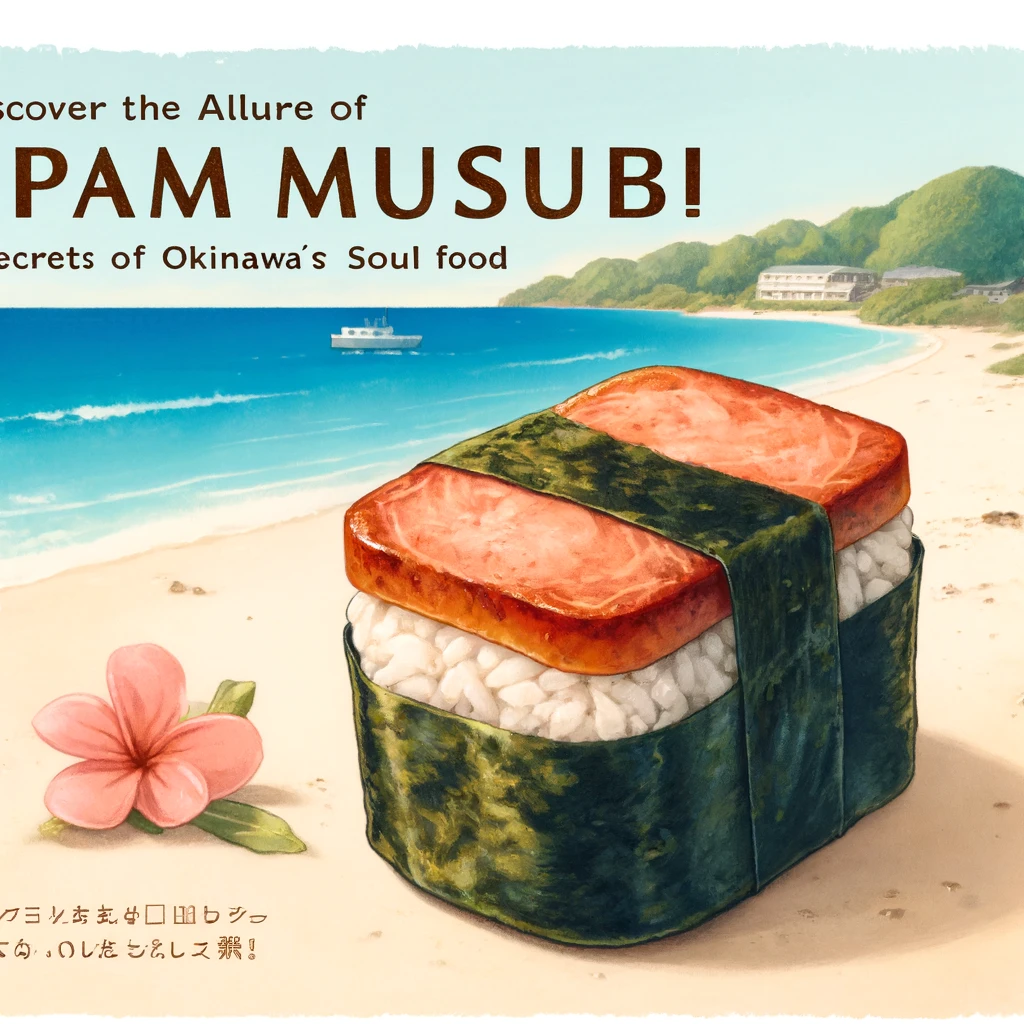
When it comes to traveling in Okinawa, the blue sea, white sandy beaches, and delicious food are must-haves. Among the many culinary delights, the “Spam Musubi” stands out as a quintessential soul food of Okinawa.
Spam Musubi is a unique dish that fuses American canned meat “Spam” with the traditional Japanese “onigiri” (rice ball). The savory taste of Spam perfectly matches the subtle sweetness of the rice, creating an irresistible flavor that will have you hooked from the first bite.
However, the charm of Spam Musubi isn’t just in its taste. Its history reveals it as a product of the wisdom and ingenuity of the Okinawan people. During the post-war food shortages, they creatively used limited ingredients, and today, Spam Musubi has become a beloved dish representing Okinawan cuisine.
Enjoying Spam Musubi at a restaurant is delightful, but making it at home is also simple. With just rice and Spam, and any additional ingredients you prefer, you can create your very own original Spam Musubi.
Making and eating Spam Musubi with family and friends guarantees lively conversations and fun times. You’ll experience Okinawa’s food culture and create memorable moments together.
Why not incorporate Spam Musubi into your travel memories or everyday meals? You’ll surely be captivated by the taste and culture of Okinawa.
Dive into the world of Spam Musubi! Finding your favorite flavor is sure to be an exciting journey.
In this blog, we’ll delve into the allure of Spam Musubi. From its history and how to make it, to variations and recommended places to try it in Okinawa, this blog has it all.
Wouldn’t you like to explore the depth of Okinawan food culture through Spam Musubi? Let’s start a delicious Spam Musubi life right now!
- What is Spam Musubi?
- How to Make Spam Musubi
- Where to Eat Delicious Spam Musubi in Okinawa
- Calories and Nutritional Value of Spam Musubi
- Spam Musubi Recipe Variations
- Beverages That Pair Well with Spam Musubi
- Enjoying Spam Musubi!
- Q&A
- Conclusion
What is Spam Musubi?
Spam Musubi is a distinctive dish widely loved in Okinawa. It features canned meat “Spam” combined with rice, creating a flavorful and satisfying treat. The salty taste of Spam and the sweetness of rice blend perfectly, providing a rich and fulfilling experience. This dish, cherished by Okinawans for years, has now become a representative soul food of Okinawa. It’s also very popular among tourists, making it a must-try during your visit to Okinawa.
The History of Spam Musubi
The Origins of Spam
Spam, a canned meat product, was developed by Hormel Foods Corporation in the United States in 1937. Made primarily from pork and ham and seasoned with salt and spices, Spam was mass-produced during World War II as food for American soldiers, becoming widely popular in military base regions due to its high shelf-life and convenience as a vital protein source during the war.
Spam’s Spread in Okinawa
After World War II, as the U.S. military occupied Okinawa, Spam gradually integrated into Okinawan society. During the severe food shortages of the time, Spam was welcomed as a valuable source of protein. Through interactions with Okinawans working at U.S. military bases, Spam became embedded in Okinawan cuisine, being adapted into various home-cooked dishes.
The Birth of Spam Musubi
Combining Spam with rice to create onigiri was a natural progression. The onigiri form, mixing ingredients with rice, highlighted Spam’s flavor and ease of consumption. Thus, Spam Musubi emerged from the creativity of Okinawan people. Today, you can find Spam Musubi in Okinawan convenience stores, bento shops, and family tables, beloved by locals and visitors alike.
The Appeal of Spam Musubi
Easy and Delicious
Spam Musubi’s charm lies in its simplicity and deliciousness. By mixing rice with Spam and seasoning with salt or soy sauce, you can easily create this tasty treat. The aroma of grilled Spam combined with the sweetness of rice offers an addictive flavor. Additionally, the onigiri shape makes it convenient to carry, making it perfect for lunches or picnics.
A Taste of Okinawan Culture
Eating Spam Musubi allows you to experience Okinawan food culture. Spam, deeply connected to Okinawa’s history, and the creative blend of ingredients in Spam Musubi provide a glimpse into the ingenuity of Okinawan people. Tasting Spam Musubi during your trip will give you a deeper understanding of Okinawa’s culinary heritage.
Variety of Options
Another appeal of Spam Musubi is its variety. Beyond the basic combination of Spam and rice, adding ingredients like tamagoyaki (Japanese omelet), cheese, or vegetables can enhance its nutritional balance. Changing seasonings with soy sauce, mayonnaise, or kimchi keeps the flavors interesting. Finding your favorite version of Spam Musubi is part of the fun.
How to Make Spam Musubi
Creating delicious Spam Musubi involves a few key points. From the basic recipe to seasoning and ingredient variations, as well as tips to avoid mistakes, this guide will help you make tasty Spam Musubi even if it’s your first time. Discover your favorite Spam Musubi and enjoy the process.
Basic Recipe
Preparing Ingredients
Spam Musubi requires simple ingredients: Spam, rice, and nori (seaweed). Use canned Spam, japonica rice, and full-size nori sheets for a clean wrap. Also, prepare salt, soy sauce, and plastic wrap.
Cooking Spam
Frying Spam enhances its flavor. Heat a pan over medium heat, add a little oil, and fry Spam slices about 1 cm thick until both sides are golden brown. Be careful not to overcook as it can become tough.
Cooking Rice
For Spam Musubi, slightly firmer rice is recommended to prevent squishing. Let the rice cool after cooking to make it easier to form into onigiri. Mixing a little salt into the rice adds depth to the flavor.
Shaping the Onigiri
Combine rice and Spam and shape the onigiri. Using plastic wrap keeps your hands clean and helps form nice shapes. Mix rice and Spam, and shape into triangles or rounds. Finally, wrap with nori.
Seasoning Variations
Soy Sauce Flavor
Selecting Soy Sauce
For Spam Musubi, rich soy sauce is recommended. It complements Spam’s flavor well. Use reduced-salt soy sauce to control sodium. Brush soy sauce on Spam before frying.
Adjusting Soy Sauce Quantity
Adjust the soy sauce quantity to your taste. More soy sauce makes the flavor richer, while less keeps it light. Start with less and gradually increase to find your preferred taste.
Mayonnaise Flavor
Selecting Mayonnaise
Smooth mayonnaise blends well with Spam and rice, creating a creamy taste. Using low-fat mayonnaise can reduce calories.
Adjusting Mayonnaise Quantity
Adjust mayonnaise quantity to your preference. More mayonnaise adds richness, while less keeps it light. Start with less and gradually increase to find your preferred flavor.
Cheese Flavor
Selecting Cheese
For Spam Musubi, meltable cheese like mozzarella or cheddar is recommended for a smooth texture. Powdered cheese can also be used for convenience.
Adjusting Cheese Quantity
Adjust cheese quantity to your taste. More cheese makes it richer, while less keeps it lighter. Start with less and gradually increase to find your preferred flavor.
Kimchi Flavor
Selecting Kimchi
Use less spicy kimchi to avoid overpowering Spam’s flavor. Choose mild kimchi like napa cabbage or radish, and chop finely for easier eating.
Adjusting Kimchi Quantity
Adjust kimchi quantity to your preference. More kimchi adds spice, while less keeps it mild. Start with less and gradually increase to find your preferred flavor.
Ingredient Variations
Tamagoyaki (Japanese Omelet)
Making Tamagoyaki
Tamagoyaki is a classic ingredient in Spam Musubi. Beat eggs and cook thin layers, then slice thinly. Use cooled tamagoyaki to keep the onigiri intact.
Adjusting Tamagoyaki Quantity
Adjust tamagoyaki quantity to your taste. More tamagoyaki adds protein, while less keeps it lighter. Start with less and gradually increase to find your preferred amount.
Cheese
Selecting Cheese
Cheese is a popular ingredient in Spam Musubi. Meltable cheeses like mozzarella or cheddar, or creamy cheeses like cream cheese, work well. Chop finely for easier mixing.
Adjusting Cheese Quantity
Adjust cheese quantity to your taste. More cheese adds richness, while less keeps it lighter. Start with less and gradually increase to find your preferred amount.
Shiso (Perilla Leaf)
Selecting Shiso
Shiso adds a refreshing flavor to Spam Musubi. Use fresh shiso leaves and wash well before use.
Adjusting Shiso Quantity
Adjust shiso quantity to your taste. More shiso enhances the refreshing flavor, while less keeps it milder. Start with less and gradually increase to find your preferred amount.
Nori (Seaweed)
Selecting Nori
Nori adds a crisp texture and flavor to Spam Musubi. Use seasoned nori for added depth. Choose nori with a desiccant to maintain crispness.
Adjusting Nori Quantity
Adjust nori quantity to your taste. More nori adds more flavor, while less keeps it milder. Start with less and gradually increase to find your preferred amount.
Tips for Success
Rice Texture
Use slightly firmer rice to prevent the onigiri from squishing. Let the rice cool before forming the onigiri to make it easier to handle.
Spam Cooking Time
Avoid overcooking Spam to prevent dryness. Remove from heat when it turns golden brown. Brushing soy sauce on Spam before cooking adds depth to the flavor.
Forming the Onigiri
Using plastic wrap while shaping the onigiri keeps your hands clean and helps create a neat shape. Press firmly to prevent the onigiri from falling apart.
Using Plastic Wrap
Plastic wrap helps keep the onigiri intact and prevents them from drying out. Place rice and Spam on the wrap, shape the onigiri, and wrap tightly.
Where to Eat Delicious Spam Musubi in Okinawa
Okinawa offers numerous places to enjoy delicious Spam Musubi. From long-loved local establishments to popular tourist spots, there are many options. Here, we’ll introduce recommended places in Naha City, Chatan Town, Okinawa City, and Ginowan City. Be sure to visit these spots during your trip and savor the unique flavors of Okinawa.
Naha City
Naha City, the capital of Okinawa, is a central hub for tourism. It’s home to many beloved Spam Musubi shops. Here are three recommended places in Naha City.
Pork Tamago Onigiri Honten
Pork Tamago Onigiri Honten, located in Kumoji, Naha, is a long-established onigiri shop. Their signature “Pork Tamago Onigiri” features Spam and egg, a hearty combination that will keep you coming back for more. Each onigiri is made to order, ensuring you get a fresh and warm treat every time.
Address: 2-8-1 Kumoji, Naha, Okinawa
Hours: 9:00 AM – 9:00 PM
Closed: Sundays
Onigiri Specialist Yuuki
Onigiri Specialist Yuuki, near the Makishi Public Market in Naha, is a popular local spot. They offer a variety of colorful onigiri, with Spam Musubi being a standout. The well-grilled Spam gives it a satisfying bite, and the large size is perfect for a hearty meal. It’s also great for takeout during sightseeing.
Address: 3-2-10 Makishi, Naha, Okinawa
Hours: 9:00 AM – 6:00 PM
Closed: Sundays
Onigiriya Marutama
Onigiriya Marutama, near Tsubogawa Station in Naha, is another local favorite. The wide selection of onigiri includes a simple yet flavorful Spam Musubi. The round shape and cute appearance make it a delightful choice, perfect for an Instagram post. Enjoy it in their cozy eat-in space.
Address: 1-1-1 Tsubogawa, Naha, Okinawa
Hours: 10:00 AM – 7:00 PM
Closed: Irregular days
Chatan Town
Chatan Town is known for its beautiful beaches and vibrant atmosphere. Here are two unique spots to try Spam Musubi in Chatan.
Blue Seal The Beach Tower Store
Blue Seal The Beach Tower Store in Mihama, Chatan, is a famous ice cream shop that also serves Spam Musubi. Surprisingly, you can enjoy Spam Musubi as an ice cream topping. The combination of sweet ice cream and salty Spam Musubi is unexpectedly addictive. Enjoy this quirky treat while gazing at the beach.
Address: 9-1 Mihama, Chatan, Okinawa
Hours: 10:00 AM – 10:00 PM
Closed: Irregular days
Chatan Spam Specialty Store
Chatan Spam Specialty Store in Mihama offers various Spam dishes, including Spam Musubi. The thick-cut Spam provides a satisfying bite, and you can enjoy different flavors with mayonnaise or soy sauce. This place is a paradise for Spam lovers.
Address: 2-3-1 Mihama, Chatan, Okinawa
Hours: 11:00 AM – 10:00 PM
Closed: Irregular days
Okinawa City
Okinawa City, known for its bustling Koza area, has some excellent Spam Musubi spots. Here are two recommended places in Okinawa City.
Okinawa Onigiri Specialist Omusubiya
Okinawa Onigiri Specialist Omusubiya, located in central Okinawa City, offers a variety of colorful onigiri. Their Spam Musubi is simply seasoned to highlight Spam’s savory flavor. The large size is satisfying, making it a great takeout option for sightseeing.
Address: 1-1-1 Chuo, Okinawa City, Okinawa
Hours: 9:00 AM – 7:00 PM
Closed: Sundays
Koza Onigiri Shop
Koza Onigiri Shop near Koza Crossroads offers a variety of onigiri. Their Spam Musubi, made with grilled Spam, has a delightful aroma. The triangular shape is distinctive, showing the craftsmanship of their onigiri. Enjoy it in their cozy eat-in space.
Address: 1-2-3 Goya, Okinawa City, Okinawa
Hours: 10:00 AM – 8:00 PM
Closed: Tuesdays
Ginowan City
Ginowan City, known for its parks and beautiful beaches, also boasts some great Spam Musubi spots. Here are two recommended places in Ginowan City.
Onigiri Takeout Specialist Nigiriya
Onigiri Takeout Specialist Nigiriya in Futenma offers a wide selection of onigiri. Their Spam Musubi is lightly seasoned, making it easy to eat. Each onigiri is carefully made to maintain its shape. Perfect for picnics in parks or by the beach.
Address: 2-3-4 Futenma, Ginowan, Okinawa
Hours: 9:00 AM – 6:00 PM
Closed: Sundays
Ginowan Spam Musubi Specialist Store
Ginowan Spam Musubi Specialist Store in Ganeko features a variety of Spam Musubi. The thick-cut Spam provides a hearty bite, and you can enjoy different flavors like mayonnaise or soy sauce. Relax and enjoy your meal in their eat-in space.
Address: 1-2-3 Ganeko, Ginowan, Okinawa
Hours: 10:00 AM – 7:00 PM
Closed: Wednesdays
Calories and Nutritional Value of Spam Musubi
Spam Musubi is a traditional soul food of Okinawa, but its calorie and nutritional content might be a concern. Spam, being a processed meat product, is often thought to be high in fat. However, with ingredients like rice and nori, and depending on the added ingredients, Spam Musubi can be a well-balanced and nutritious meal. Here, we will delve into the calories and nutritional value of Spam Musubi.
Calories
Calories in Spam
Spam is a processed meat product made primarily from pork and ham. It contains about 320 kcal per 100 grams, which is relatively high due to its fat content. However, Spam is also high in protein, making it an excellent energy source when consumed in moderation.
Calories in Rice
Rice, an essential ingredient in Spam Musubi, has about 252 kcal per 150 grams (one bowl). Rice is rich in carbohydrates and plays a crucial role as an energy source. Additionally, the vitamins and minerals in rice help regulate body functions.
Calories in Other Ingredients
Other ingredients like tamagoyaki (Japanese omelet), nori (seaweed), and cheese can also be used in Spam Musubi. The calories from these ingredients vary. For example, one piece of tamagoyaki (about 50 grams) has about 100 kcal, one sheet of nori has about 3 kcal, and one slice of cheese (about 15 grams) has about 62 kcal. You can control the calorie content by choosing your ingredients wisely.
Protein
Protein in Spam
Spam is a high-protein food, containing about 16 grams of protein per 100 grams. Protein is essential for building muscles, organs, and bones, and also helps boost immunity and maintain body functions.
Protein in Rice
Although rice is primarily a carbohydrate, it also contains protein. One bowl (about 150 grams) of rice has about 3 grams of protein. The protein in rice includes essential amino acids, making it a good source of high-quality protein for the body.
Protein in Other Ingredients
Ingredients like tamagoyaki and cheese used in Spam Musubi are also rich in protein. One piece of tamagoyaki (about 50 grams) contains about 6 grams of protein, and one slice of cheese (about 15 grams) contains about 2 grams of protein. Combining these ingredients can help increase your protein intake.
Fat
Fat in Spam
Spam is a high-fat food, containing about 27 grams of fat per 100 grams. Much of the fat in Spam is saturated fat, which can increase the risk of heart disease if consumed in excess. Therefore, it’s important to consume Spam in moderation.
Fat in Rice
Rice contains very little fat. One bowl (about 150 grams) of rice contains about 0.3 grams of fat. Because rice is low in fat, it is recommended for those concerned about fat intake.
Fat in Other Ingredients
Cheese, used as an ingredient in Spam Musubi, contains significant amounts of fat. One slice of cheese (about 15 grams) contains about 5 grams of fat. The fat content in tamagoyaki depends on the amount of eggs used. One piece of tamagoyaki (about 50 grams) contains about 5 grams of fat.
Carbohydrates
Carbohydrates in Spam
Spam contains very little carbohydrates, with about 1 gram per 100 grams. Since Spam is mainly composed of protein and fat, other foods must be consumed to obtain sufficient carbohydrates.
Carbohydrates in Rice
Rice is primarily composed of carbohydrates, with one bowl (about 150 grams) containing about 53 grams of carbohydrates. Carbohydrates are essential as the body’s main energy source. The carbohydrates in rice are absorbed slowly, helping to regulate blood sugar levels.
Carbohydrates in Other Ingredients
Nori, used in Spam Musubi, contains carbohydrates. One sheet of nori contains about 0.5 grams of carbohydrates. Tamagoyaki and cheese contain very little carbohydrates. By varying the ingredients, you can adjust the carbohydrate content of your Spam Musubi.
In summary, Spam Musubi can be a nutritionally balanced meal, depending on the balance of Spam, rice, and other ingredients. However, due to Spam’s high fat content, it’s important to enjoy it in moderation. By carefully choosing ingredients and quantities, you can enjoy Spam Musubi in a delicious and healthy way.
Spam Musubi Recipe Variations
Spam Musubi is delicious as is, but adding some creativity can make it even more enjoyable. Here, we introduce four recipe variations: Spam Musubi Burger, Spam Musubi Fried Rice, Spam Musubi Pizza, and Spam Musubi Chazuke. These recipes can inspire you to create your own original Spam Musubi variations.
Spam Musubi Burger
Ingredients
Ingredients for a Spam Musubi Burger include Spam Musubi, buns, lettuce, tomato, cheese, and mayonnaise. You can use pre-made Spam Musubi or make it yourself. Use store-bought hamburger buns. Prepare lettuce and tomato in desired quantities. Use easily meltable cheese slices, and adjust the amount of mayonnaise to taste.
Preparation
First, cut the buns in half. Spread mayonnaise on the bottom half. Add lettuce, place the Spam Musubi on top, followed by cheese and tomato. Finally, cover with the top bun, and your Spam Musubi Burger is ready.
Variation Ideas
You can enjoy various variations by changing the ingredients. For example, replace cheese with bacon, or use ketchup instead of mayonnaise. Adding different vegetables can also enhance the nutritional balance.
Spam Musubi Fried Rice
Ingredients
Ingredients for Spam Musubi Fried Rice include Spam Musubi, eggs, rice, green onions, soy sauce, salt, and pepper. Use pre-made Spam Musubi or make it yourself. Prepare 1-2 eggs, and use cold rice. Green onions can be added to taste, and adjust soy sauce, salt, and pepper to your preference.
Preparation
First, heat a frying pan and add beaten eggs. When half-cooked, add the rice. Break the Spam Musubi into pieces and mix it into the rice. Once the Spam Musubi is heated through, add green onions and season with soy sauce, salt, and pepper. Mix well, and your Spam Musubi Fried Rice is ready.
Variation Ideas
You can vary the ingredients to create different versions of Spam Musubi Fried Rice. For example, use tomatoes instead of eggs, or green peppers instead of green onions. Using ketchup instead of soy sauce can give a western flavor.
Spam Musubi Pizza
Ingredients
Ingredients for Spam Musubi Pizza include Spam Musubi, pizza dough, pizza sauce, cheese, and toppings like vegetables or ham. Use pre-made Spam Musubi or make it yourself. Store-bought or homemade pizza dough can be used. Use store-bought pizza sauce and meltable mixed cheese. Prepare your favorite toppings.
Preparation
Spread pizza sauce on the pizza dough. Break the Spam Musubi into pieces and scatter it over the dough. Sprinkle cheese on top, add your toppings, and bake in the oven for 10-15 minutes.
Variation Ideas
You can enjoy various variations by changing the toppings. Using more vegetables makes it a healthier pizza. Adding pineapple for a Hawaiian pizza is also recommended, as Spam and pineapple pair exceptionally well.
Spam Musubi Chazuke
Ingredients
Ingredients for Spam Musubi Chazuke include Spam Musubi, instant chazuke mix, hot water, and green onions. Use pre-made Spam Musubi or make it yourself. Use store-bought chazuke mix and prepare green onions to taste.
Preparation
First, crumble the Spam Musubi into a bowl. Sprinkle the chazuke mix on top. Pour hot water over it and garnish with green onions.
Variation Ideas
You can vary the ingredients to create different versions of Spam Musubi Chazuke. For example, use shiso (perilla) leaves instead of green onions or add wasabi for a different flavor. Using dashi soy sauce instead of chazuke mix can provide a traditional Japanese taste.
These four Spam Musubi recipe variations showcase the versatility of this dish. Try these recipes and create your original Spam Musubi variations. You’re sure to discover new delights in Spam Musubi.
Beverages That Pair Well with Spam Musubi
While Spam Musubi is a staple in Okinawan cuisine, certain beverages can enhance its flavors. Here, we introduce four beverages that pair perfectly with Spam Musubi: green tea, beer, tea, and coffee. We’ll detail the types of these drinks, how to prepare them, and how they complement Spam Musubi.
Green Tea
Types of Green Tea
There are various types of green tea, including Sencha, Gyokuro, and Matcha. Sencha is the most common green tea in Japan, known for its mild taste. Gyokuro is a high-grade green tea with a rich umami
and sweetness. Matcha, made from powdered tea leaves, is often used in tea ceremonies.
How to Brew Green Tea
The brewing method varies by type. For Sencha, put the tea leaves in a teapot, pour water at about 80°C (176°F), and steep for about one minute. For Gyokuro, use water at about 60°C (140°F) and steep for about two minutes. For Matcha, whisk the powder with hot water at about 80°C (176°F) until frothy.
Pairing with Spam Musubi
Green tea pairs exceptionally well with Spam Musubi. The saltiness of Spam balances with the bitterness of green tea. Especially, Sencha enhances the flavor of Spam Musubi, while Gyokuro and Matcha refresh the palate after eating.
Beer
Types of Beer
There are various types of beer, including Lager, Ale, and Stout. Lager is known for its crisp taste and smooth finish. Ale has a fruity aroma and rich flavor. Stout is a type of dark beer with a coffee-like aroma and rich taste.
How to Pour Beer
The pouring method varies by type. For Lager, tilt the glass and pour the beer slowly, then gradually straighten the glass. For Ale, pour in a way that creates a head. For Stout, pour slowly without tilting the glass. The key is to have a proper amount of foam.
Pairing with Spam Musubi
Beer pairs perfectly with Spam Musubi. The bitterness of beer balances the saltiness of Spam. Lager particularly enhances the flavor of Spam Musubi, while Ale and Stout refresh the palate after eating.
Tea
Types of Tea
There are various types of tea, including Darjeeling, Assam, and Ceylon. Darjeeling is known for its light taste and muscatel aroma. Assam has a rich taste and malty aroma. Ceylon is balanced in taste and has a refreshing aroma.
How to Brew Tea
The brewing method varies by type. For Darjeeling, put the tea leaves in a teapot, pour water at about 95°C (203°F), and steep for about three minutes. For Assam, use boiling water and steep for about four minutes. For Ceylon, use water at about 95°C (203°F) and steep for three to five minutes.
Pairing with Spam Musubi
Tea surprisingly pairs well with Spam Musubi. The saltiness of Spam balances with the bitterness of tea. Especially, milk tea enhances the flavor of Spam Musubi. Darjeeling and Assam refresh the palate after eating.
Coffee
Types of Coffee
There are various types of coffee, including Arabica and Robusta. Arabica is known for its balance of acidity and body with a high aroma. Robusta is stronger in bitterness and has higher caffeine content.
How to Brew Coffee
The brewing method varies by type and grind. Drip coffee uses ground beans and a paper filter. Espresso is made by forcing hot water through finely-ground coffee under pressure. French press uses coarsely-ground coffee, steeped in hot water, then pressed.
Pairing with Spam Musubi
Coffee surprisingly pairs well with Spam Musubi. The saltiness of Spam balances with the bitterness of coffee. Especially, milk-based coffee enhances the flavor of Spam Musubi. Espresso refreshes the palate after eating.
These four beverages each have unique flavors, but they all pair well with Spam Musubi, creating new taste experiences. Enjoy these drinks with Spam Musubi and discover new flavors.
Enjoying Spam Musubi!
Spam Musubi is a traditional Okinawan soul food that has gained popularity nationwide. The perfect blend of Spam’s saltiness and the sweetness of rice creates an addictive taste. Here, we summarize the allure of Spam Musubi, tips for making it at home, recommended places in Okinawa, and recipe variations.
The Allure of Spam Musubi
The allure of Spam Musubi lies in its unique flavor. The balance of Spam’s saltiness and rice’s sweetness creates a harmonious taste. The texture of Spam, crispy on the outside and juicy on the inside, is another charm. Additionally, Spam Musubi is easy to eat and portable, making it a convenient meal for any time and place.
Tips for Making Spam Musubi at Home
Making Spam Musubi at home is simple. The key to a delicious Spam Musubi is slightly firmer rice, as soft rice can cause the onigiri to fall apart. Ensure the Spam is well-cooked for a crispy texture. Using plastic wrap when forming the onigiri keeps your hands clean and helps shape it neatly. While simple salt seasoning is tasty, try variations with soy sauce, mayonnaise, or kimchi for different flavors.
Where to Eat in Okinawa
Okinawa has many places that serve delicious Spam Musubi. “Pork Tamago Onigiri Honten” in Naha City is a long-established shop loved by locals, famous for its “Pork Tamago Onigiri,” which combines Spam and egg. In Chatan Town, “Blue Seal The Beach Tower Store” offers Spam Musubi as an ice cream topping, a unique and surprisingly delicious combination of sweet and salty flavors.
Discover New Tastes with Recipe Variations
Spam Musubi can transform into various dishes with creative recipes. “Spam Musubi Burger” sandwiches Spam Musubi between buns for a hearty meal, enhanced by lettuce, tomato, and cheese. “Spam Musubi Fried Rice” mixes broken Spam Musubi into fried rice, creating a flavorful dish balanced with egg. “Spam Musubi Pizza” places Spam Musubi on pizza dough, offering endless variations with different toppings.
Enjoy a Delicious Spam Musubi Life!
Spam Musubi, once a traditional Okinawan soul food, is now a popular dish nationwide. Whether making it at home, enjoying it at popular Okinawan shops, or trying new recipes, there are many ways to enjoy Spam Musubi. Pair it with green tea, beer, tea, or coffee for a complete experience. Even those concerned about calories or nutrition can enjoy Spam Musubi by carefully choosing ingredients. Immerse yourself in Okinawan food culture and enjoy a delicious Spam Musubi life.
Q&A
What ingredients go well with Spam in Spam Musubi?
Spam pairs well with tamagoyaki, cheese, shiso leaves, and nori. Tamagoyaki complements Spam’s saltiness, cheese enhances its flavor, shiso adds a refreshing taste, and nori provides a textural contrast.
What beverages pair well with Spam Musubi?
Recommended beverages include green tea, beer, tea, and coffee. Green tea balances Spam’s saltiness with its bitterness, beer complements with its bitterness, and tea and coffee surprisingly pair well, especially milk-based drinks that enhance Spam Musubi’s flavor.
Where can I eat delicious Spam Musubi in Okinawa?
Recommended places in Okinawa include “Pork Tamago Onigiri Honten” in Naha City, “Blue Seal The Beach Tower Store” in Chatan Town, and “Okinawa Onigiri Specialist Omusubiya” in Okinawa City. “Pork Tamago Onigiri Honten” is famous for its Spam and egg onigiri, “Blue Seal The Beach Tower Store” offers Spam Musubi as an ice cream topping, and “Omusubiya” boasts a wide variety of Spam Musubi.
What are the calories and nutritional values of Spam Musubi?
The calorie content varies depending on the combination of Spam, rice, and other ingredients. Spam (100g) has about 320 kcal, and rice (one bowl) has about 252 kcal. Spam is high in protein and fat but provides excellent energy when consumed in moderation. Rice is a carbohydrate-rich food with vitamins and minerals. By choosing ingredients carefully, you can create a balanced meal.
What are some Spam Musubi recipe variations?
Recipe variations include “Spam Musubi Burger,” “Spam Musubi Fried Rice,” “Spam Musubi Pizza,” and “Spam Musubi Chazuke.” The “Spam Musubi Burger” sandwiches Spam Musubi between buns, “Spam Musubi Fried Rice” mixes Spam Musubi into fried rice, “Spam Musubi Pizza” places Spam Musubi on pizza dough, and “Spam Musubi Chazuke” turns Spam Musubi into a refreshing tea-based dish.
Conclusion
Spam Musubi is known as a traditional Okinawan soul food. The perfect balance of Spam’s saltiness and rice’s sweetness creates an addictive taste.
The history of Spam Musubi dates back to the post-World War II period when Spam became widespread in Okinawa through US military bases. Now, it is enjoyed in Okinawan households and can be easily bought at convenience stores and bento shops throughout the region.
Making Spam Musubi at home involves cooking slightly firmer rice and thoroughly grilling the Spam for a crispy texture. Using plastic wrap helps shape the onigiri neatly. While simple salt seasoning is delicious, adding soy sauce, mayonnaise, or kimchi provides delightful variations.
When visiting Okinawa, don’t miss the chance to try Spam Musubi from local favorites like “Pork Tamago Onigiri Honten” in Naha City, “Blue Seal The Beach Tower Store” in Chatan Town, and “Okinawa Onigiri Specialist Omusubiya” in Okinawa City.
Spam Musubi can
transform into various dishes with creative recipes like “Spam Musubi Burger,” “Spam Musubi Fried Rice,” and “Spam Musubi Pizza.” Pair it with beverages such as green tea, beer, tea, or coffee to enhance the flavors.
For those mindful of calories and nutrition, selecting ingredients carefully can create a balanced meal. Enjoy Spam Musubi and immerse yourself in Okinawan food culture for a delightful experience.

コメント