
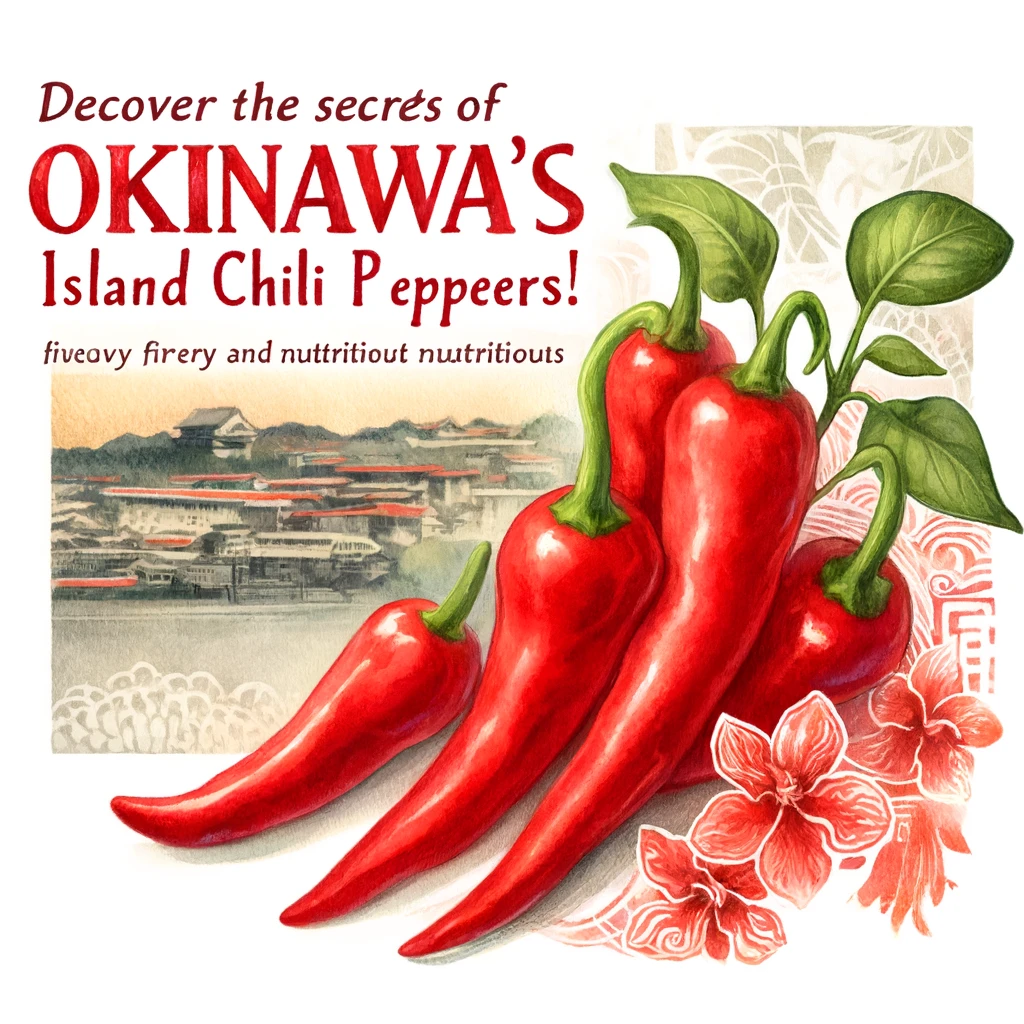
Under the bright sun of Okinawa, island chili peppers flourish. Their vivid colors and intense spiciness leave a lasting impression once tasted. However, the allure of island chili peppers goes beyond just their fiery heat.
Island chili peppers are an indispensable part of Okinawa’s culinary culture, valued for their historical, cultural, and health benefits. Their unique flavor and spiciness add depth to Okinawan cuisine and stimulate the appetite. The capsaicin they contain promotes sweating and boosts metabolism, providing various health benefits.
Moreover, island chili peppers are a testament to the wisdom of surviving Okinawa’s harsh natural environment. They aid in building resilience against heat and humidity and have antibacterial properties that help prevent food poisoning.
These peppers have various names in Okinawan dialects, reflecting the deep connection between the peppers and Okinawan culture. In this article, we will explore the full charm of island chili peppers, covering their cultivation methods, culinary uses, selection tips, and storage methods.
We aim to share the appeal of island chili peppers with everyone who loves Okinawan flavors and culture. Join us on a journey to discover the world of island chili peppers—you’re sure to find new insights and delights.
- What are Island Chili Peppers?
- The Origins and Meaning of Island Chili Pepper’s Name
- How to Use Island Chili Peppers in Okinawan Cuisine
- Choosing and Storing Island Chili Peppers
- Tips for Using Island Chili Peppers
- How to Grow Island Chili Peppers
- Products Made with Island Chili Peppers and How to Buy Them
- Enjoy the Taste of Okinawa with Island Chili Peppers
- Q&A
- Conclusion
What are Island Chili Peppers?
Island chili peppers are a quintessential spicy vegetable in Okinawa, essential to Okinawan cuisine. Their distinctive spiciness and flavor are crucial elements in discussing Okinawan food culture. This article delves into the characteristics, history, nutritional value, and health benefits of island chili peppers.
Characteristics of Island Chili Peppers
Appearance and Size
Island chili peppers are about the size of a pinky finger, with a slender shape. They start green when unripe and turn a vivid red as they mature. Despite their small size, they pack a powerful punch of spiciness.
Spiciness
Island chili peppers are among the spiciest of all peppers, rivaling habaneros and Bhut Jolokia. Their intense heat comes from capsaicin, a compound that stimulates the pain receptors in the tongue and mouth, creating that distinctive spiciness.
Unique Flavor
Besides their spiciness, island chili peppers also have a unique flavor. They offer a fruity and refreshing aroma that complements their heat, adding depth to Okinawan dishes. This flavor develops as the peppers ripen, becoming more pronounced when fully mature.
History of Island Chili Peppers
Introduction to Okinawa
It is believed that island chili peppers were introduced to Okinawa around the 15th to 16th centuries. Okinawa, a thriving trading hub in East Asia, had extensive interactions with various countries and regions, and it is thought that island chili peppers arrived from Southeast Asia.
Spread in Okinawan Cuisine
Initially used primarily for medicinal purposes, island chili peppers gradually found their way into Okinawan cuisine. Their spiciness and flavor added depth to the simple dishes of Okinawa, playing a significant role in shaping its unique culinary culture.
Current Production
Today, island chili peppers are cultivated throughout Okinawa, especially in the Yaeyama Islands and Miyako Island. Their distinctive flavor and spiciness have gained popularity not only in Okinawa but across Japan, with production increasing annually.
Nutritional Value and Health Benefits of Island Chili Peppers
Effects of Capsaicin
The capsaicin in island chili peppers, responsible for their heat, also offers various health benefits. It boosts metabolism and promotes fat burning, making it effective for weight loss. Additionally, capsaicin enhances blood circulation and stimulates digestive activity.
Rich in Vitamin C
Island chili peppers are rich in vitamin C, containing about twice as much as lemons and four times as much as green peppers. This high vitamin C content boosts immunity and promotes healthy skin. Moreover, vitamin C aids in the absorption of capsaicin, enhancing its health benefits.
Other Nutrients
In addition to vitamin C, island chili peppers contain various nutrients such as vitamins A and E, carotene, calcium, and iron. These nutrients support eye health, have antioxidant properties, and help maintain healthy bones, contributing to overall well-being.
Island chili peppers are not only vital to Okinawan cuisine but also highly regarded for their health benefits. Their unique spiciness and flavor, along with their rich nutritional profile, contribute significantly to a healthy lifestyle. By incorporating island chili peppers into your diet, you can enjoy both delicious flavors and health benefits.
The Origins and Meaning of Island Chili Pepper’s Name
The name “island chili pepper” is deeply tied to Okinawan culinary culture. Understanding the origin and meaning of this name enhances appreciation for the peppers and the culture they represent. Let’s explore the significance of “island” and “chili pepper” and the various local names used in Okinawa.
The Meaning of “Island”
Grown in the Islands of Okinawa
The name “island” is used because these chili peppers are widely cultivated across the islands of Okinawa. Okinawa consists of many islands, each cultivating island chili peppers, with the Yaeyama Islands and Miyako Island being particularly prominent producers.
Shape Resembling Small Islands
The shape of island chili peppers also contributes to the name. They are small and slender, resembling tiny islands. This petite shape is possibly linked to the “island” in their name.
The Meaning of “Chili Pepper”
A Type of Chili Pepper
Island chili peppers are a type of chili pepper, scientifically known as “Capsicum frutescens.” They belong to the nightshade family and contain capsaicin, the compound responsible for their spiciness. Island chili peppers are known for their particularly strong heat.
Expressing Intense Spiciness
The term “chili pepper” reflects the intense spiciness of island chili peppers, comparable to habaneros and Bhut Jolokia. This powerful heat is a defining characteristic of island chili peppers.
Local Names in Dialects
Regional Variations
Island chili peppers are known by various names across different regions of Okinawa. For instance, on the main island, they are called “pima-togarashi,” in Miyako Island “duchi-garashi,” and in the Yaeyama Islands “kare-guusu.” These names reflect local languages and cultures, highlighting the peppers’ integration into Okinawan food culture.
Origins of the Names
The local names often derive from the peppers’ characteristics or uses. For example, “pima-togarashi” refers to their resemblance to green peppers, while “kare-guusu” emphasizes their spiciness. These regional names capture the essence of island chili peppers and their close ties to local culture.
Understanding the name origins and meanings of island chili peppers enhances appreciation for Okinawan food culture and fosters a closer connection to these unique peppers. Those interested in Okinawan cuisine should explore the origins of island chili peppers and savor their distinctive flavors.
How to Use Island Chili Peppers in Okinawan Cuisine
Island chili peppers are a vital ingredient in Okinawan cuisine. Their intense spiciness and unique flavor enhance the taste of Okinawan dishes. This section introduces typical uses in Okinawan cuisine, recipes for chili pepper-based seasonings, and recommended dishes.
Typical Uses in Okinawan Cuisine
Pairing with Island Tofu
Island tofu, a staple ingredient in Okinawa, pairs exceptionally well with island chili peppers. Placing chili peppers on tofu enhances its soft texture and flavor. Additionally, island tofu with chili pepper soy sauce is highly recommended.
In Okinawa Soba
Okinawa soba is a traditional noodle dish where island chili peppers are a key condiment. Adding chili peppers deepens the soup’s flavor and makes the dish more authentic. The peppers also enhance the soba’s overall taste.
Combining with Sea Grapes
Sea grapes, a type of seaweed from Okinawan waters, have a unique crunchy texture. Combining them with island chili peppers creates a delightful mix of textures and flavors. Simply toss sea grapes with chili peppers and soy sauce for a quick and tasty dish.
Recipes for Chili Pepper-Based Seasonings
Island Chili Pepper Soy Sauce
Island chili pepper soy sauce is a crucial seasoning in Okinawan cuisine. It’s easy to make: finely chop island chili peppers and add them to soy sauce. Adjust the amount of chili to taste. The balance of chili heat and soy sauce umami is key to its deliciousness.
Island Chili Pepper Salt
To make chili pepper salt, finely chop island chili peppers and mix them with salt. This blend enhances the flavor of meat and fish dishes. The combination of chili heat and salt umami adds depth to the taste.
Island Chili Pepper Vinegar
To make chili pepper vinegar, add finely chopped island chili peppers to vinegar. The mix of vinegar’s acidity and chili heat creates a refreshing flavor. It’s perfect for salads and seafood marinades, adding depth to the taste.
Recommended Recipes Using Island Chili Peppers
Stir-Fried Chili Peppers
Stir-fried chili peppers with pork and vegetables bring out the umami of the ingredients, complemented by the heat of the peppers. It’s a perfect side dish for rice.
Chili Pepper Omelet
Adding island
chili peppers to an omelet balances the egg’s umami with the chili’s heat. Adjust the amount of chili to your preference to avoid overpowering the egg’s flavor.
Chili Pepper Miso Soup
Adding chili peppers to miso soup blends the miso’s umami with the chili’s heat, creating a rich flavor. Use tofu or vegetables of your choice for a warming dish.
Island chili peppers are versatile in Okinawan cuisine, enhancing various dishes with their unique spiciness and flavor. Understanding their typical uses, seasoning recipes, and recommended dishes deepens appreciation for these peppers. Those interested in Okinawan cuisine should try incorporating island chili peppers into their recipes.
Choosing and Storing Island Chili Peppers
Selecting fresh island chili peppers and storing them properly ensures their deliciousness. This section covers how to identify fresh peppers and the best methods for refrigeration, drying, pickling, and freezing.
Identifying Fresh Island Chili Peppers
Vivid Color
Fresh island chili peppers are brightly colored, either green or red. The more vibrant the color, the fresher and higher quality the pepper. Avoid peppers with dull or dark spots, as they may be less fresh.
Healthy Stems
The stems of fresh island chili peppers are green and firm. Brown or wilted stems may indicate lower freshness. Additionally, peppers with easily detachable stems may be less fresh.
Shiny Skin
Fresh island chili peppers have shiny skin. Dull or wrinkled skin may indicate decreased freshness. Also, avoid peppers with blemishes, as they might be damaged.
Proper Storage Methods
Refrigeration
To refrigerate island chili peppers, first wash and thoroughly dry them. Place them in a plastic bag or storage container and store them in the refrigerator’s vegetable compartment. They can stay fresh for about a week with this method.
Drying
To dry island chili peppers, wash and thoroughly dry them, then place them in the sun until fully dried. Store the dried peppers in an airtight container in a cool, dark place. This method allows for long-term storage.
Pickling
To pickle island chili peppers, wash and dry them, then sprinkle with salt and let them sit. Pickling enhances their heat and unique flavor. Store pickled peppers in the refrigerator.
Freezing Tips
Preparation Before Freezing
Before freezing, wash and dry the peppers thoroughly. Remove seeds and chop if necessary. Place the prepared peppers in a freezer bag and freeze.
Choosing the Right Freezer Container
Select appropriate freezer containers, such as airtight bags or containers, to store island chili peppers. Ensure the container size matches the quantity of peppers.
Thawing Method
When using frozen island chili peppers, thaw them naturally, preferably in the refrigerator, to maintain their flavor. Use thawed peppers promptly.
By selecting fresh island chili peppers and storing them properly, you can enjoy their deliciousness for longer. Follow these tips to savor the flavors of island chili peppers in your cooking.
Tips for Using Island Chili Peppers
Island chili peppers are an essential ingredient in Okinawan cuisine, but their intense spiciness requires careful handling. Here, we’ll explain how to adjust the heat, consider allergies, and deal with irritation to the hands and eyes.
Adjusting the Spiciness
Removing Seeds and Placenta
The spiciness of island chili peppers primarily comes from the seeds and placenta. If you want to reduce the heat, remove these parts to achieve a milder flavor. However, note that removing them also reduces the pepper’s unique flavor, so adjust according to your preference.
Controlling the Quantity
You can adjust the spiciness by controlling the amount of island chili pepper used. For those who are sensitive to heat, start with a small amount and gradually increase it. When cooking, add the chili in small increments, tasting as you go to find the right balance.
Combining with Other Ingredients
Combining island chili peppers with other ingredients can help moderate their heat. For instance, pairing them with mild ingredients like tofu or soy milk can soften the spiciness. Conversely, combining them with acidic ingredients can enhance the heat, allowing you to tailor the flavor to your liking.
Considering Allergies
Symptoms of Chili Pepper Allergy
Chili pepper allergies can cause various symptoms, including itching and swelling in the mouth, throat irritation, stomach pain, and diarrhea. Severe reactions can occur, so those with a chili pepper allergy should avoid island chili peppers.
Alternative Ingredients
For those with a chili pepper allergy, there are alternative ingredients that offer similar flavors without the heat. For example, island pepper has a similar flavor profile without the spiciness. Other spices like island garlic or ginger can also substitute, providing comparable taste benefits.
Dealing with Irritation to Hands and Eyes
Wearing Gloves
When handling island chili peppers, it’s advisable to wear gloves. The capsaicin in the peppers can cause skin irritation. Wearing gloves helps prevent this irritation and protects your hands.
Washing Eyes
If you accidentally get chili pepper in your eyes, immediately rinse with plenty of water. If you wear contact lenses, remove them before rinsing. If the irritation is severe, seek medical attention promptly.
Using Soothing Foods
Dairy products are effective in soothing the heat from chili peppers. After eating island chili peppers, consuming milk or yogurt can help alleviate the burn. Sweet foods like sugar or honey can also reduce the heat.
Island chili peppers are a staple in Okinawan cuisine, but their intense heat requires careful handling. By understanding how to adjust the spiciness, considering allergies, and knowing how to deal with irritation, you can safely and deliciously enjoy island chili peppers. Keep these tips in mind when experimenting with island chili pepper dishes.
How to Grow Island Chili Peppers
Island chili peppers thrive in Okinawa’s climate and can be relatively easy to grow in home gardens. Here, we’ll detail the suitable environment for growing them, the steps from sowing to harvesting, and pest and disease control methods.
Suitable Growing Environment
Temperature and Sunlight
Island chili peppers prefer warm, humid environments. The ideal growing temperature is 25-30°C (77-86°F), and they thrive in full sunlight. Direct sunlight helps the peppers develop vibrant colors and increases their heat. However, intense summer sun can be harsh on seedlings, so using shade cloth to diffuse the sunlight is recommended.
Soil Conditions
Island chili peppers prefer well-drained, fertile soil. Before planting, enrich the soil with compost or leaf mold. The ideal soil pH is 6.0-7.0. If the soil is too acidic, add lime to neutralize it.
Watering Frequency
Island chili peppers need moderate moisture. Overly dry soil can cause small, underdeveloped fruits and fruit drop, so water regularly. However, avoid overwatering as it can lead to root rot. Water when the soil surface is dry.
Steps from Sowing to Harvesting
Timing and Method of Sowing
Sow island chili pepper seeds from late March to early April. Plant the seeds in a container with seed-starting soil, spacing them about 2 cm apart. After sowing, water well and place in a sunny spot. Germination takes about 1-2 weeks.
Growing Seedlings
After about 30 days, when the seedlings have 5-6 true leaves, transplant them with a spacing of 30 cm between plants. Water regularly and provide supplemental fertilizer to promote growth. Use stakes to support the plants as they grow.
Harvesting
You can start harvesting island chili peppers about 60-70 days after transplanting. Harvest the peppers when they turn from green to red. Use scissors to cut the peppers from the branches. Harvest regularly to encourage continuous fruiting.
Pest and Disease Control
Common Diseases and Solutions
Common diseases include blight and anthracnose, which thrive in humid conditions. Ensure good air circulation to prevent these diseases. If they occur, remove affected parts and apply fungicide to control the spread.
Common Pests and Control Methods
Pests such as aphids and whiteflies can affect island chili peppers. These pests lay eggs on the undersides of leaves, so regularly inspect and clean the leaves. Washing with water or planting pest-repelling plants nearby can also help.
Organic Growing Methods
For organic growing, avoid chemical fertilizers and pesticides. Use organic matter and natural predators to control pests. Companion planting with garlic or onions can deter pests, and mulching helps suppress weeds.
Island chili peppers thrive in Okinawa’s climate and are relatively easy to grow in home gardens. By creating a suitable environment, following proper sowing and harvesting steps, and managing pests and diseases, you can enjoy the rich flavor and spiciness of homegrown island chili peppers. Take on the challenge of growing island chili peppers and enjoy the rewarding harvest.
Products Made with Island Chili Peppers and How to Buy Them
Island chili peppers are used in various Okinawan specialty products. Here, we’ll introduce popular island chili pepper products, how to buy them online, and recommended items as Okinawan souvenirs.
Popular Island Chili Pepper Products
Island Chili Pepper Awamori
Awamori is a traditional Okinawan liquor, and island chili pepper-infused awamori is one of the most iconic products. The chili’s heat blends beautifully with the smooth flavor of awamori, creating a unique taste. Enjoy island chili pepper awamori either hot or on the rocks.
Sauces and Marinades with Island Chili Peppers
Sauces and marinades with island chili peppers are essential in Okinawan cuisine. The chili’s heat combined with the umami of soy sauce and mirin creates a rich flavor. These sauces are versatile and can be used for meat, fish, and stir-fried dishes.
Snacks with Island Chili Peppers
Snacks with island chili peppers are unique Okinawan specialties. The combination of the chili’s heat and the sweetness of snacks creates an addictive flavor. Popular items include chili pepper-infused cookies, chocolates, and popcorn, making excellent souvenirs.
How to Buy Online
Popular Online Shops
Island chili pepper products can be purchased at Okinawan souvenir shops and online. Popular online shops include “Okinawa Monogatari” and “Okinawa Products Corporation.” These shops offer a variety of island chili pepper products.
Shipping Costs and Delivery Time
When buying online, check the shipping costs and delivery time. Many online shops offer free shipping for purchases above a certain amount. Delivery times vary but typically take about a week from the order date.
Ordering and Payment Methods
To order, add products to your cart and enter the necessary information. Payment methods include credit card, bank transfer, and cash on delivery. Payment options vary by shop, so check beforehand.
Recommended Souvenirs
Seasoning Sets with Island Chili Peppers
Seasoning sets with island chili peppers are popular Okinawan souvenirs. These sets often include chili pepper soy sauce, chili oil, and chili mayonnaise, making them great gifts. The contents vary by shop, so choose a set that suits your taste.
Processed Products with Island Chili Peppers
Processed products with island chili peppers are also popular souvenirs. Chili pepper jams, dressings, and chili salt are great for everyday cooking. Chili pepper beef jerky and sausages make tasty snacks.
Seedlings and Seeds of Island Chili Peppers
Seedlings and seeds of island chili peppers are popular for those interested in home gardening. Seedlings are ideal for starting a garden, while seeds offer a rewarding growing experience. Check online shops for seedling and seed sets.
Island chili pepper products are popular Okinawan specialties available in various forms. They can be conveniently purchased online, so find your favorite products and enjoy them. Island chili pepper products also make excellent gifts, allowing you to share the charm of island chili peppers with others.
Enjoy the Taste of Okinawa with Island Chili Peppers
Island chili peppers are indispensable in Okinawan cuisine
, offering more than just intense spiciness and unique flavor. They have historical, cultural, and health benefits. This article has highlighted the allure of island chili peppers, their use in Okinawan cuisine, and how they connect you to Okinawan culture. Why not explore the charm of island chili peppers and fully enjoy Okinawa’s allure?
Reaffirming the Charm of Island Chili Peppers
The primary appeal of island chili peppers lies in their intense spiciness and unique flavor, which come from capsaicin. This compound has health benefits, including promoting sweating and boosting metabolism. Additionally, island chili peppers are rich in vitamin C and antioxidants, contributing to beauty and health maintenance.
Island chili peppers also stimulate the appetite. Eating them in Okinawa’s hot climate helps dissipate body heat and prevents summer fatigue. Thus, island chili peppers are crucial in Okinawan cuisine and play an essential role in health. The more you know about island chili peppers, the more you’ll appreciate their depth.
Utilizing Island Chili Peppers in Okinawan Cuisine
Island chili peppers are used in various Okinawan dishes like Okinawa soba, goya champuru, and rafute. Their spiciness enhances these dishes, adding depth to the flavors. They also pair well with other Okinawan ingredients like island tofu and sea grapes, enhancing their natural flavors.
Besides adding them to dishes, you can infuse them into awamori or make chili pepper soy sauce, which deepens the flavors of your meals. At home, try incorporating island chili peppers into your cooking. Adding them to stir-fries or soups can transform everyday dishes into Okinawan-style cuisine. For those sensitive to heat, removing the seeds and placenta can provide a milder experience.
Experiencing Okinawan Culture through Island Chili Peppers
Island chili peppers are more than just an ingredient; they are a gateway to understanding Okinawan history and culture. Introduced to Okinawa in the 15th to 16th centuries, they arrived during a time when Okinawa was a significant trading hub in East Asia. The peppers are believed to have come from Southeast Asia, reflecting the cultural exchanges of the time.
In Okinawa’s harsh natural environment, island chili peppers have been a product of local wisdom. Their spiciness stimulates appetite and warms the body, helping people endure the heat and humidity. Additionally, their antibacterial properties have been effective in preventing food poisoning.
Island chili peppers have various names in Okinawan dialects, like “pima-togarashi” on the main island, “duchi-garashi” in Miyako Island, and “kare-guusu” in the Yaeyama Islands. These names reflect their deep connection to local culture.
Exploring Okinawan history and culture through island chili peppers can be fascinating. Enjoying Okinawan cuisine is not just about tasting delicious food but also about experiencing the wisdom, lifestyle, and natural perspective of the Okinawan people. Discover new aspects of Okinawan charm by savoring island chili peppers.
Island chili peppers are vital in discussing Okinawan food and culture. Their spiciness, flavor, and health benefits are deeply connected to the Okinawan way of life. We hope this article has helped you rediscover the charm of island chili peppers and learn how to incorporate them into your cooking while experiencing Okinawan culture. Take island chili peppers and embark on a journey of Okinawan taste and culture. They will reveal new facets of Okinawa’s allure to you.
Q&A
What are the nutritional values and health benefits of island chili peppers?
Island chili peppers are rich in nutrients such as capsaicin, vitamin C, vitamin A, and calcium. Capsaicin promotes sweating and boosts metabolism, while vitamin C enhances immunity and has beauty benefits.
Are there any precautions when using island chili peppers in cooking?
Island chili peppers are very spicy, so it’s advisable to remove the seeds and placenta to adjust the heat. People with chili pepper allergies should avoid them. Be cautious of irritation to hands and eyes, and wear gloves or know how to wash your eyes if contact occurs.
What Okinawan souvenirs feature island chili peppers?
Popular souvenirs include island chili pepper-infused awamori, seasoning sets, and processed products like chili pepper snacks. Seedlings and seeds are also unique options.
Can you explain the origin of the name “island chili pepper”?
The “island” part of the name reflects their cultivation across Okinawa’s islands and their small, island-like shape. “Chili pepper” indicates their intense spiciness. Local dialects have different names, such as “pima-togarashi” and “duchi-garashi.”
What tips do you have for growing island chili peppers?
Island chili peppers thrive in warm, humid environments with plenty of sunlight. Use well-drained, fertile soil and water moderately. Implement pest and disease control measures and consider organic growing methods like companion planting.
Conclusion
Island chili peppers are essential in Okinawan cuisine, renowned for their intense spiciness and unique flavor. They are nutritionally rich, offering health benefits from capsaicin and vitamin C. When cooking, adjust the heat by removing seeds and placenta, and combine with other ingredients. Be mindful of allergies and irritation.
The name “island chili pepper” reflects their cultivation and shape, with various regional names highlighting their cultural significance. Growing them requires a suitable environment, proper watering, and pest control.
For souvenirs, consider chili pepper-infused awamori, seasoning sets, and processed products. These items can be conveniently purchased online.
Island chili peppers are deeply connected to Okinawan history, culture, and natural environment. Enjoying them allows you to appreciate Okinawa’s culinary and cultural richness. Explore the charm of island chili peppers by tasting and growing them, and experience the depth of Okinawa’s flavors and culture.
コメント