
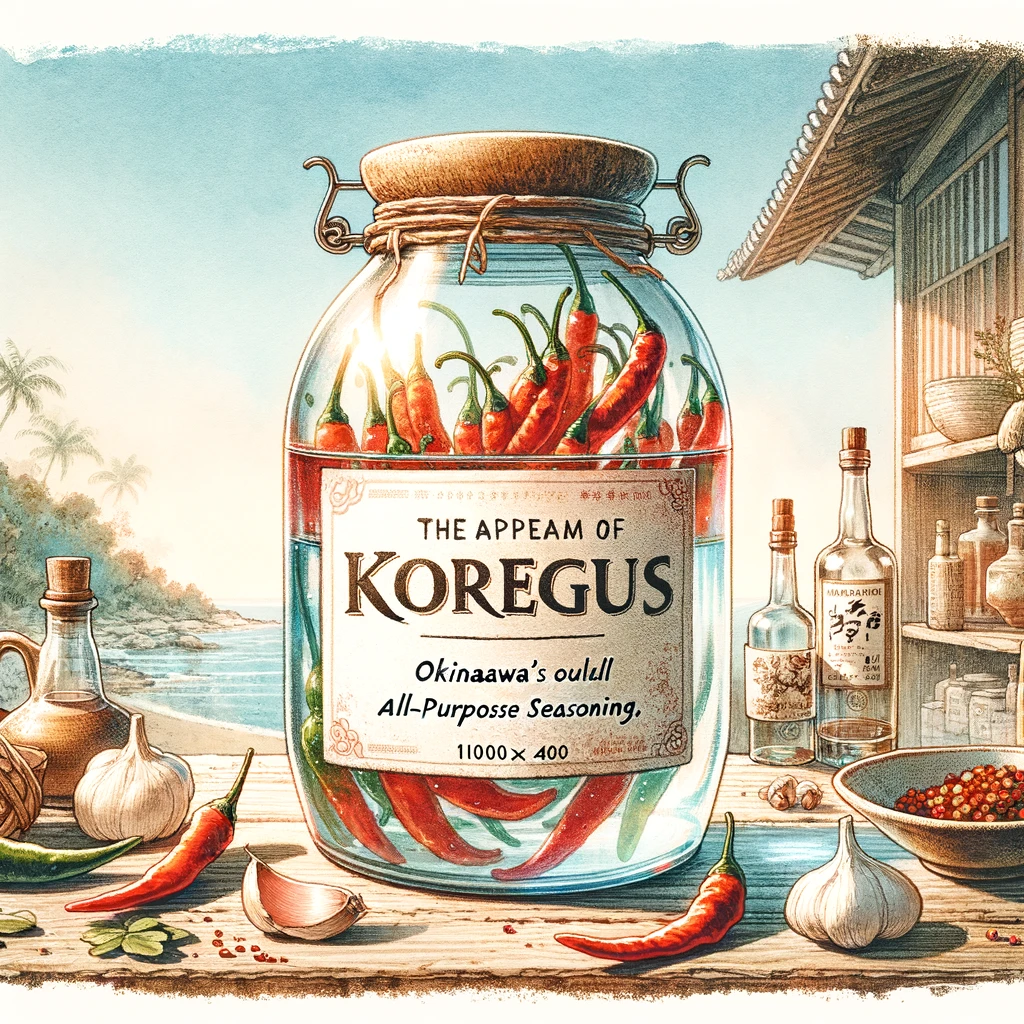
- Concentrated Flavor and Spirit of Okinawa: Koregus
- What is Koregus?
- Basic Uses of Koregus
- Okinawan Dishes Using Koregus
- Nutritional Value and Health Benefits of Koregus
- Choosing and Caring for Koregus
- History and Culture Surrounding Koregus
- Enjoy Okinawan Cuisine with Koregus
- Q&A
- Conclusion
Concentrated Flavor and Spirit of Okinawa: Koregus
Have you ever heard of Koregus, a seasoning that encapsulates the taste and soul of Okinawa? This versatile condiment, known for its unique flavor, deep richness, and abundant nutritional value, is an indispensable element in Okinawan cuisine.
Koregus is a one-of-a-kind seasoning created by fermenting chili peppers and garlic. Its distinctive spicy kick and roasted aroma, combined with the umami brought about by fermentation, add depth to any dish. From classic dishes like goya champuru and rafute to innovative culinary creations, Koregus enhances a wide range of recipes.
However, the allure of Koregus extends beyond its taste. This traditional condiment embodies the history, culture, and spirit of Okinawa. Through its age-old production methods, ties to festivals and celebrations, and health benefits, Koregus offers a glimpse into the heart of Okinawan heritage.
Mastering the use of Koregus will significantly broaden your culinary repertoire. Enjoying its flavor is also an experience of Okinawan food culture.
In this blog, we will delve into the many charms of Koregus. From basic usage and storage tips to recipes and cultural history, we provide comprehensive information about Koregus.
Why not become captivated by Koregus? Savor the taste and spirit of Okinawa for yourself. By reading this blog, you can fully appreciate the appeal of Koregus and experience the depth of Okinawan cuisine.
Let’s dive into the world of Koregus right now!
What is Koregus?
Koregus is one of the cherished seasonings in Okinawa, known for its unique flavor and aroma. This magical seasoning deepens and enriches the taste of dishes, enhancing the natural flavors of the ingredients. In this section, we will explore the various attractions of Koregus.
The Origin of the Name Koregus
Etymology and Meaning
The name “Koregus” comes from the Okinawan dialect. “Koree” means “fragrant” or “good aroma,” and “Gus” refers to something sticky or viscous. Thus, Koregus means “fragrant and sticky substance.” This name aptly describes the characteristics of Koregus.
Names in Other Regions
Outside of Okinawa, Koregus is not widely known. However, in some areas, it is referred to as “Island Garlic” or “Island Chili,” derived from its primary ingredients. These names are used only in limited regions, and “Koregus” is the most commonly used name.
Characteristics and Appeal of Koregus
Appearance and Texture
Koregus is a paste-like condiment, dark brown in color. Although its appearance may seem plain, its distinctive aroma and flavor are highly appetizing. The texture is sticky and slightly viscous, allowing it to cling to dishes and enhance their taste.
Unique Flavor and Aroma
The most appealing aspect of Koregus is its unique flavor and aroma. Made primarily from garlic and chili peppers, it has a characteristic spicy kick and roasted aroma. As a fermented food, it also contains umami and acidity, providing a complex flavor that enhances dishes and captivates the palate.
Compatibility with Various Dishes
Koregus is a versatile seasoning that can be used in various dishes. It pairs exceptionally well with meat dishes and stir-fries, adding depth and richness. It can also be added to soups and stews to enhance their flavor. Additionally, mixing it with rice or pasta creates delicious new dishes, significantly broadening your culinary possibilities. Koregus will undoubtedly elevate your everyday cooking.
Basic Uses of Koregus
To fully bring out Koregus’s unique flavor in your cooking, proper preparation and cooking methods are essential. Here, we explain the basic ways to use Koregus in cooking. Be sure to follow these points before attempting Koregus dishes.
Preparation of Koregus
Choosing the Right Koregus
When purchasing Koregus, selecting high-quality products is crucial. Look for ones that are dark, glossy, and sticky. Additionally, choosing products that haven’t been on the shelf for too long is important. After opening, store it in the refrigerator and use it as soon as possible.
Washing and Pre-boiling
Before using Koregus, it’s recommended to lightly wash it under running water to remove impurities. Depending on the dish, pre-boiling may be necessary. Boil Koregus in hot water for 1-2 minutes to remove excess salt and odor.
Chopping and Preparation
Koregus is generally chopped to appropriate sizes depending on the dish. Finely chopping or thinly slicing it helps it blend well with other ingredients. For stir-fried dishes, pre-frying Koregus in oil enhances its aroma and adds depth to the flavor.
Cooking Methods Using Koregus
Simmering
Koregus is an essential seasoning for soups and stews. Adding it to miso soup or nikujaga enriches the flavor. Be mindful of the heat to retain Koregus’s flavor while simmering.
Stir-Frying
Koregus pairs perfectly with stir-fried dishes. Adding it to vegetable stir-fries or fried rice imparts a rich umami flavor. Ensure the heat is not too high to prevent Koregus from burning.
Tossing
Koregus can also be used in tossed dishes. Mixing it with rice or pasta results in a flavorful dish. Adjust the amount of Koregus according to the balance with other ingredients.
Frying
Surprisingly, Koregus can also be used in fried dishes. Adding Koregus to the batter enhances the aroma and umami. Additionally, topping fried items with Koregus after frying adds a delightful flavor.
Koregus Recipes
Classic Recipes
Classic recipes using Koregus include “Goya Champuru” and “Pork Tamago.” These dishes highlight the flavor of Koregus, making them quintessential Okinawan home-cooked meals. The recipes are simple, so give them a try.
Creative Recipes
There are numerous creative recipes using Koregus. For example, Koregus-infused hamburgers and pasta sauces incorporate its unique flavor into Western dishes. Additionally, making Koregus dips or sauces enhances vegetables and grilled meats. Koregus opens up endless culinary possibilities.
Quick and Easy Recipes
For those who want to enjoy Koregus dishes with minimal effort, quick and easy recipes are recommended. Mixing Koregus with rice for a “Koregus Rice” or frying eggs with Koregus for “Koregus Egg Fry” are simple yet delicious dishes. Incorporate Koregus into your daily cooking for quick, flavorful meals.
Okinawan Dishes Using Koregus
Koregus, a staple condiment in Okinawa, is essential in many Okinawan dishes. Here, we introduce a wide range of traditional to modern Okinawan dishes using Koregus, as well as local specialties. Enjoy the various dishes that showcase the full appeal of Koregus.
Traditional Okinawan Koregus Dishes
Classic Home-Cooked Meals
Koregus is indispensable in Okinawan home-cooked meals. Notable dishes include “Goya Champuru” and “Pork Tamago,” which highlight Koregus’s flavor, creating a perfect blend of umami and richness. Additionally, dishes like “Rafute” and “Soki Soba,” which use pork, frequently feature Koregus, offering a deep, satisfying taste.
Local Specialties
Many local Okinawan specialties also use Koregus. For example, “Taco Rice,” enhanced with Koregus, provides a unique Okinawan twist. Dishes like “Mimiga” and “Sukugarasu,” made from pig ears and skin, also incorporate Koregus, representing the distinctive flavors of Okinawa’s culinary tradition.
Regional Cuisine
Koregus is widely used in Okinawan regional cuisine. “Jushi,” a dish of simmered pork and vegetables, benefits from Koregus’s umami. “Fu Champuru,” a tofu stir-fry, uses Koregus to add depth to the flavor. These regional dishes are key components of Okinawa’s food culture, showcasing the full appeal of Koregus.
Modern Koregus-Inspired Dishes
Western Fusion
Koregus adapts well to Western dishes. Adding it to pasta sauces creates a rich, flavorful dish. Using Koregus as a pizza topping introduces a unique flavor. Incorporating Koregus into omelets and gratins brings a new level of deliciousness to Western cuisine.
Asian Fusion
Koregus also complements Chinese cuisine. Adding it to fried rice enhances the aroma and umami. Using it in spicy dishes like Mapo Tofu or Twice-Cooked Pork provides deeper flavors. Try Koregus in spring rolls or dumplings for an Asian fusion twist.
Creative Recipes
Creative recipes using Koregus are also popular. Koregus-infused hamburgers and curry offer a new take on familiar dishes. Making dips and sauces with Koregus enhances vegetables and grilled meats. Koregus in creative recipes promises endless culinary possibilities.
Okinawan Local Gourmet Using Koregus
Famous Dishes from Renowned Restaurants
Okinawa boasts many eateries famous for Koregus dishes. In Naha City, “Pork Tamago Onigiri Honten”
is known for its Koregus-infused pork egg onigiri, attracting many customers daily. In Ginowan City, “Gushichan” serves outstanding Koregus-infused Soki Soba, beloved by locals. These renowned dishes draw tourists to Okinawa.
Street Food
Koregus is also essential in Okinawan street food. “Sata Andagi,” an Okinawan donut with Koregus, offers a unique flavor. “Pork Tamago Onigiri” is a popular, easy-to-eat street food. These affordable street foods provide a taste of Okinawa’s everyday culinary culture.
Souvenirs and Online Orders
Koregus-infused dishes make excellent souvenirs and online order items. “Pork Tamago” and “Rafute” are available as vacuum-packed or retort foods, allowing you to enjoy Okinawan flavors at home. Koregus itself is also a popular souvenir, perfect for trying Okinawan cuisine at home. These products help spread Okinawan food culture nationwide.
Nutritional Value and Health Benefits of Koregus
Koregus is not only an essential seasoning in Okinawan cuisine but also a nutritious food with various health benefits. Here, we detail the nutrients in Koregus and their health benefits. Remember to consume Koregus in moderation for optimal health benefits.
Nutrients in Koregus
Vitamins
Koregus contains vitamins such as B1, B2, and C. Vitamin B1 aids carbohydrate metabolism and helps relieve fatigue. Vitamin B2 is beneficial for skin and mucous membrane health. Vitamin C has antioxidant properties and boosts immunity. These vitamins come from the chili peppers and garlic in Koregus.
Minerals
Koregus is rich in minerals like calcium, iron, and potassium. Calcium is essential for bone and dental health. Iron is crucial for red blood cell production and prevents anemia. Potassium helps excrete sodium and regulates blood pressure. These minerals are derived from Koregus’s ingredients.
Dietary Fiber
Koregus also contains dietary fiber, which regulates the digestive system and prevents constipation. It also helps slow blood sugar spikes and aids in weight management. The dietary fiber in Koregus includes both soluble and insoluble types, ensuring a balanced intake.
Health Benefits and Precautions
Expected Benefits
Koregus offers various health benefits. Capsaicin in Koregus boosts metabolism, aiding in weight loss. Allicin in garlic has antibacterial properties and improves blood circulation. As a fermented food, Koregus promotes a healthy digestive system. These benefits make Koregus an essential part of a healthy diet.
Allergies and Side Effects
People with allergies to chili peppers or garlic should avoid Koregus. Especially those with chili allergies should refrain from consuming Koregus. Excessive intake may burden the digestive system, so those with gastric or duodenal ulcers should consult a doctor before consumption.
Moderation is Key
While Koregus is nutritious, consuming it in excess can be harmful. The spicy components of chili peppers can irritate the digestive system if consumed in large quantities. The stimulating compounds in garlic can also strain the digestive system if overconsumed. Use Koregus in moderation and adjust intake based on your health condition.
Choosing and Caring for Koregus
Enjoying delicious Koregus dishes requires selecting high-quality Koregus. Proper storage methods and care tips can also help extend its shelf life. Here, we explain how to choose, store, and care for Koregus.
Choosing High-Quality Koregus
Origin and Varieties
Selecting high-quality Koregus involves paying attention to the origin and varieties of its ingredients. The quality of chili peppers and garlic varies by origin. Okinawan chili peppers and garlic are known for their high quality. Different varieties of Koregus, like “Island Chili” or “Hitohira,” offer unique flavors, enhancing your dishes.
Freshness and Quality
When choosing Koregus, consider its freshness and quality. Fresh Koregus has a deep color, glossy appearance, and stickiness. It should have a strong, pungent aroma. Check the expiration date and select the freshest product available.
Size and Shape
Select Koregus based on the dish you plan to prepare. Larger Koregus is suitable for stews and stir-fries, while smaller Koregus is ideal for salads and garnishes. Choose Koregus with a uniform shape and no blemishes or discoloration.
Storage Methods for Koregus
Room Temperature Storage
Unopened Koregus can be stored at room temperature in a cool, dark place. However, room temperature storage shortens its shelf life, so open and refrigerate it soon after purchase.
Refrigerated Storage
Store opened Koregus in the refrigerator in an airtight container in the vegetable drawer. Refrigeration extends its shelf life but be aware that its flavor may deteriorate over time.
Frozen Storage
Koregus can also be stored in the freezer. Divide it into small portions and store in freezer bags or containers. Freezing preserves its flavor for a longer period, but thawed Koregus may lose some flavor. Use accordingly based on your culinary needs.
Caring for and Extending the Life of Koregus
Choosing the Right Storage Containers
To extend Koregus’s shelf life, use airtight containers that are resistant to odors and stains. Glass or ceramic containers are ideal as they are easy to clean and do not retain smells. Select containers sized for convenient use.
Storage Location Tips
Store Koregus in a cool, dark place away from direct sunlight, high humidity, and strong odors. Avoid storing near foods that spoil quickly. The vegetable drawer in the refrigerator is the best location.
Long-Term Storage Techniques
To store Koregus long-term, use techniques like dividing it into small portions and using as needed. Wrap leftover Koregus in plastic wrap or aluminum foil to prevent drying. Marinating Koregus in oil also helps preserve its flavor. Utilize these techniques to keep your Koregus fresh and flavorful.
Now that you have all the information, start enjoying Koregus in your cooking and explore the rich flavors of Okinawa!
History and Culture Surrounding Koregus
Koregus is a seasoning deeply intertwined with the history and culture of Okinawa. It is not just an ingredient but a reflection of the lifestyle and customs of Okinawan people. Here, we will delve into the historical background of Koregus, including its origins, cultivation evolution, and expanding culinary uses. We will also explore Koregus’s role in Okinawan cuisine, its connections to festivals and celebrations, and various customs and legends associated with it. Furthermore, we include fascinating trivia and unique uses of Koregus, aiming to offer a deeper understanding of Okinawa’s rich history and culture through this versatile seasoning.
Historical Background of Koregus
Origins and Introduction
The origins of Koregus can be traced back to the 15th century. During that time, Okinawa engaged in active trade with China and Southeast Asia, leading to the introduction of spices like chili peppers and garlic. Koregus emerged from the use of these spices, influenced by the Chinese fermented seasoning “doubanjiang,” which combines chili peppers, salt, and sake lees. Koregus likely evolved as Okinawan people adapted the Chinese method to their local climate and ingredients, creating a unique seasoning that merged Chinese and Okinawan cultures.
Evolution of Cultivation
Chili peppers and garlic, the main ingredients of Koregus, have been cultivated in Okinawa for centuries. Chili peppers, in particular, are renowned as a specialty product of Okinawa. In the past, families would grow their chili peppers for personal use, drying them in the sun for preservation and making Koregus as needed. However, as demand for Koregus grew over time, large-scale cultivation became common. Today, specialized farmers produce high-quality chili peppers and garlic, with Koregus mainly being manufactured in factories. Nonetheless, many households still maintain the tradition of homemade Koregus.
Expansion in Culinary Use
Initially, Koregus was valued as a preserved food and portable meal due to its long shelf life and high nutritional value. The antibacterial properties of salt and chili peppers made it ideal for travel and fishing trips. Over time, it became a staple in everyday cooking, firmly establishing itself as an essential ingredient in Okinawan cuisine. Koregus is used in a wide variety of dishes, from classic meals like goya champuru and rafute to soups, stir-fries, and salads. Its unique flavor significantly enhances the distinctiveness of Okinawan dishes, making it a beloved seasoning both locally and internationally.
Koregus and Okinawan Food Culture
The Role of Koregus in Okinawan Cuisine
Koregus is more than just a seasoning; it is a cornerstone of Okinawan culinary flavor. It is used in many dishes such as goya champuru, rafute, jushi, and soki soba, providing deep richness and umami. Koregus’s unique taste enhances the natural flavors of ingredients and adds a distinct Okinawan touch to the dishes. It is versatile, appearing in both everyday home cooking and special festive meals. Koregus is also symbolic of Okinawan food culture, and understanding its history, production, and use enriches one’s appreciation of Okinawan cuisine.
Koregus in Festivals and Celebrations
Koregus holds a special place in Okinawan festivals and celebrations. During New Year’s, it is used in the traditional dish “tebichi,” a stewed pig’s foot, considered a lucky food. During the Bon Festival, a dish called “nkajimaasu,” which is oil miso with Koregus, is served to honor ancestors. Koregus-infused dishes are also common at weddings and birth celebrations, mixed into red rice or used in stews and stir-fries. Koregus thus accompanies significant life events, adding flavor and cultural significance to special occasions.
Customs and Legends Associated with Koregus
Various customs and legends have grown around Koregus in Okinawa. For instance, it is believed that eating Koregus can lead to longevity due to its nutritional benefits and health-promoting fermentation. Some also place Koregus at their home entrances to ward off evil spirits, leveraging the belief in the protective powers of its spicy aroma. Additionally, Koregus is said to boost energy, making it a recommended food during exam season for students. These customs and beliefs highlight the cultural importance of Koregus in Okinawan life.
Interesting Facts and Trivia about Koregus
Unique Properties of Koregus
Koregus has several intriguing properties. Firstly, its flavor deepens with aging, as fermentation enhances its umami and aroma, making older Koregus more valuable. Additionally, Koregus can neutralize the odors of other ingredients, making it useful in preparing seafood by reducing its fishy smell. Furthermore, Koregus sharpens the taste of dishes, balancing out oily flavors for a refreshing finish. These characteristics make Koregus an excellent seasoning for enhancing and refining culinary flavors.
Fun Facts about Koregus
Koregus’s spicy component, capsaicin, promotes blood circulation and boosts metabolism, contributing to health benefits. It also contains vitamin B1, which aids carbohydrate metabolism, making Koregus-infused dishes potentially beneficial for beauty and health. In Okinawan dialect, Koregus is also known as “kunigus,” where “kuni” means fragrant, and “gus” means food, reflecting its aromatic properties. Such trivia shows the diverse aspects of Koregus, from nutritional science to etymology.
Unique Recipes and Uses of Koregus
Koregus can be creatively used in various dishes beyond Okinawan cuisine. It can be added to pasta sauces or as a pizza topping, incorporating its unique flavor into Italian dishes. Koregus-infused bread or Koregus-flavored popcorn are examples of unexpected but delightful combinations. Additionally, try Koregus fried rice or Koregus omelets to explore new culinary ideas. It can also serve as a condiment for ochazuke (rice with tea) or a dip for vegetable sticks, demonstrating its versatility as a seasoning.
Enjoy Okinawan Cuisine with Koregus
We have explored the extensive charms of Koregus, from its unique flavor and nutritional value to its rich cultural background. However, the true appeal of Koregus is best appreciated when used in cooking. Here, we share tips on mastering Koregus and the joy of experimenting with Koregus dishes. Additionally, we discuss the pleasure of connecting with Okinawan culture through Koregus. Dive into the world of Koregus, savor the taste of Okinawa, and experience its culture.
Revisiting the Appeal of Koregus
Koregus’s primary appeal lies in its unique flavor. The deep richness and umami from fermented chili peppers and garlic, combined with a spicy kick and roasted aroma, make it a distinctive seasoning. Koregus is also rich in vitamins, minerals, and dietary fiber, contributing to its health benefits. Furthermore, Koregus embodies Okinawan history and culture, with traditional production methods and ties to festivals and customs. Recognizing its value encourages us to integrate Koregus into our culinary repertoire, appreciating its multifaceted appeal.
Encouragement to Try Koregus Dishes
To master Koregus, start by using it in basic dishes like goya champuru and rafute, gradually expanding your repertoire. Adjust the amount of Koregus to find your preferred taste. Experiment with adding Koregus to various dishes, including stir-fries, soups, and salads, to explore its culinary potential. Don’t hesitate to incorporate Koregus into non-Okinawan recipes, such as pasta, pizza, or fried rice, for new discoveries. The depth of Koregus cooking offers endless exploration and enjoyment.
The Joy of Connecting with Okinawan Culture through Koregus
Engaging with Koregus dishes goes beyond enjoying delicious food; it connects you to Okinawan culture and history. Imagine the origins and background of Koregus while cooking, considering its traditional production and cultural significance in festivals and celebrations. Eating Koregus-infused dishes allows you to share the tastes and culinary sentiments of Okinawan people, creating a sense of connection. Learning about Koregus deepens your understanding of Okinawan history and culture, fostering an appreciation for this unique region. Koregus thus enriches your culinary experience with cultural depth, enhancing your affection for Okinawa.
Q&A
What gives Koregus its unique flavor?
The unique flavor of Koregus comes from fermenting its primary ingredients, chili peppers, and garlic. Fermentation creates a deep richness and umami, combined with a spicy kick and roasted aroma, giving Koregus its distinctive character.
What health benefits does Koregus offer?
Koregus is rich in vitamins, minerals, and dietary fiber, offering various health benefits. Capsaicin in chili peppers boosts metabolism, aiding in weight loss. Allicin in garlic has antibacterial properties and improves blood circulation. As a fermented food, Koregus also promotes a healthy digestive system.
What are some classic Okinawan dishes using Koregus?
Classic Okinawan dishes using Koregus include goya champuru and rafute. Goya champuru is a stir-fry of bitter melon, eggs, and pork, with Koregus enhancing the flavors. Rafute is a stewed pork belly dish, with Koregus adding depth and reducing the meat’s gaminess.
How should Koregus be stored?
Unopened Koregus can be stored at room temperature in a cool, dark place. However, after opening, it should be refrigerated. Store it in an airtight container in the refrigerator’s vegetable drawer. For long-term storage, divide Koregus into small portions and freeze.
How can I experience Okinawan culture through Koregus?
You can connect with Okinawan culture by imagining the origins and background of Koregus while cooking. Consider its traditional production and cultural significance during festivals and celebrations. Learning about Koregus’s history, introduction, and cultivation also enhances your appreciation of Okinawa.
Conclusion
Koregus, a traditional Okinawan seasoning, is indispensable in Okinawan cuisine due to its unique flavor and high nutritional value. Its charm lies in the deep richness and umami from fermented chili peppers and garlic, combined with a spicy kick and roasted aroma. Rich in vitamins, minerals, and dietary fiber, Koregus also offers health benefits.
Koregus’s history dates back to the 15th century, with its production methods passed down through generations. While large-scale production is now common, the tradition of homemade Koregus persists.
From classic dishes like goya champuru and rafute to creative recipes, Koregus is widely used. It also plays a significant role in festivals and celebrations, deeply embedded in Okinawan food culture. Through Koregus, you can connect with Okinawan history, culture, and lifestyle.
To enjoy Koregus dishes, follow proper storage methods and cooking tips. Store unopened Koregus at room temperature and refrigerate after opening. Adjust the amount to suit your taste when cooking.
Understanding and using Koregus in your cooking allows you to savor the flavors and culture of Okinawa. Try Koregus recipes and immerse yourself in the essence of Okinawa.


コメント