
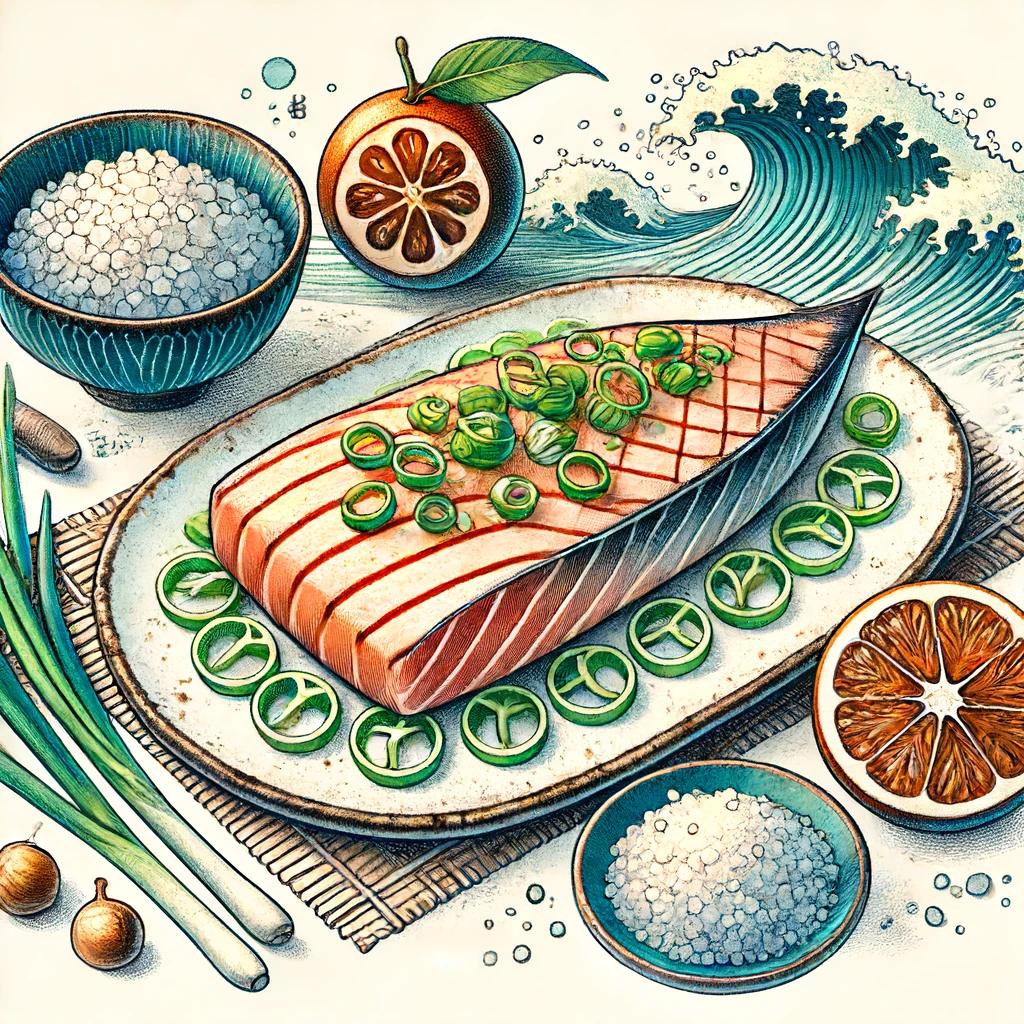
- Okinawa-Style Seared Bonito: A Culinary Gem
- What is Okinawa-Style Seared Bonito?
- The Secret to the Flavor of Okinawa-Style Seared Bonito
- The Nutritional Value and Health Benefits of Okinawa-Style Seared Bonito
- How to Make Okinawa-Style Seared Bonito at Home
- Where to Eat Seared Bonito in Okinawa
- Enjoy Okinawa-Style Seared Bonito at Home
- Q&A
- What is the difference between Okinawa-style seared bonito and seared bonito from other regions?
- What roles do Okinawan salt and shikuwasa play in Okinawa-style seared bonito?
- Why is the heat adjustment and timing of pounding important in making seared bonito?
- What are the charms of tasting seared bonito locally in Okinawa?
- What are the benefits of making Okinawa-style seared bonito at home?
- Conclusion
Okinawa-Style Seared Bonito: A Culinary Gem
Among the ingredients nurtured by Okinawa’s beautiful sea and abundant nature, bonito holds a special place. While seared bonito (katsuo no tataki) is beloved throughout Japan, the Okinawan version stands out with its unique ingredients and preparation methods, offering an unparalleled taste experience.
The exquisite flavors brought together by Okinawan salt and shikuwasa, the rich taste and texture of fresh bonito, and the harmony created by traditional preparation methods—these elements make Okinawa-style seared bonito a true representation of Okinawan culinary culture.
However, its charm goes beyond flavor alone. The rich nutrients in bonito support modern health and are also recognized as one of the secrets to Okinawa’s renowned longevity.
Enjoying fresh seared bonito at a local eatery is a delight, but you can actually recreate authentic Okinawa-style seared bonito at home. By making it yourself, you deepen your understanding of Okinawan ingredients and cooking methods, creating a special culinary experience for family and friends.
Through Okinawa-style seared bonito, we can enjoy a healthy and delicious diet. Additionally, it helps in spreading Okinawan food culture and passing it on to future generations.
In this blog, we will share everything about the allure of Okinawa-style seared bonito—from its flavor secrets and nutritional benefits to tips for making it at home. Let’s dive deep into the world of Okinawa-style seared bonito.
Why not open the door to Okinawan food culture through seared bonito? New discoveries and delights await you.
What is Okinawa-Style Seared Bonito?
Okinawa-style seared bonito is a traditional Okinawan dish made using fresh bonito and a unique preparation method. While seared bonito is enjoyed across Japan, the Okinawan version has distinct characteristics. By using bonito raised in Okinawa’s beautiful sea and finishing it with local seasonings and traditional techniques, it creates a flavor that captivates anyone who tries it. This time, we will explore the charm of Okinawa-style seared bonito and highlight the differences from other regional varieties.
The Origins and History of Seared Bonito
The Birth of Seared Bonito
The origins of seared bonito are varied, but it is believed that fishermen across Japan devised it long ago to eat fresh bonito. After catching the bonito, they would quickly prepare and eat it by searing and lightly pounding it. This simple cooking method later evolved in various regions, becoming the seared bonito we know today.
The Development of Seared Bonito in Okinawa
Okinawa has long been known for its vibrant bonito fishing. Blessed with rich seas, Okinawa developed many dishes using fresh bonito. Okinawa-style seared bonito has evolved uniquely by using local ingredients and preparation methods. The people of Okinawa have cherished bonito as an important ingredient, constantly seeking ways to maximize its flavor.
Characteristics of Okinawa-Style Seared Bonito
Characteristics of the Ingredients
One of the key characteristics of Okinawa-style seared bonito is the ingredients used. Fresh bonito caught in Okinawa’s seas is known for its firm flesh and rich fat content. Okinawan salt, rich in minerals, enhances the bonito’s umami. Additionally, the addition of shikuwasa juice brings a refreshing acidity and fragrance, giving the seared bonito its unique flavor.
Unique Preparation Method
The preparation method of Okinawa-style seared bonito is unique compared to other regions. Before searing, the surface of the bonito is quickly charred at high temperature to add a smoky flavor. During the searing process, the bonito is finely pounded with the back of a knife to break the fibers, creating a tender texture. The seared bonito is then seasoned with Okinawan salt and shikuwasa juice, completing the distinctive Okinawan flavor.
Differences from Seared Bonito in Other Regions
Comparison with Kanto-Style Seared Bonito
Kanto-style seared bonito is typically seasoned with soy sauce-based sauces. After searing, the bonito is thinly sliced and served with green onions and ginger. Compared to Okinawan style, the flavor of soy sauce is more pronounced, offering a lighter taste. In Kanto-style, the pounding step may be skipped.
Comparison with Tosa-Style Seared Bonito
Tosa-style seared bonito, a regional specialty of Kochi Prefecture, is seasoned with a special sauce that includes garlic and chili peppers after searing. Compared to Okinawan style, Tosa-style has a stronger spicy flavor and distinctive garlic notes. Additionally, in Tosa-style, the bonito is pounded using the blade of the knife, creating a different texture.
The Secret to the Flavor of Okinawa-Style Seared Bonito
The flavor of Okinawa-style seared bonito is influenced not only by the preparation method but also by the ingredients and traditional techniques used. Selecting fresh bonito and using Okinawan salt and shikuwasa create a unique flavor that cannot be replicated elsewhere. Additionally, the fire intensity and timing of the searing process, honed over many years by skilled artisans, determine the taste of the seared bonito. Here, we will delve into the secrets behind the flavor of Okinawa-style seared bonito.
Choosing the Right Bonito
Identifying Fresh Bonito
Fresh bonito is essential for Okinawa-style seared bonito. High-quality fresh bonito has pink, translucent flesh and clear eyes. When touched, it should be firm and spring back immediately when pressed. Bonito with lower freshness will have darker flesh and cloudy eyes. Checking these points at the market or fish store is the first step to making delicious seared bonito.
Selecting the Best Cuts
The best cuts for seared bonito are from the back, where there is less blood and a good amount of fat. The central part of the bonito is especially thick, tender, and rich in flavor, making it ideal for searing. The tail end has more fibers and blood, making it less suitable for searing. While the belly is fattier, the back is generally preferred for making seared bonito.
The Role of Okinawan Salt and Shikuwasa
Characteristics and Impact of Okinawan Salt
Okinawan salt is rich in minerals and has a mellow flavor. Using Okinawan salt in seared bonito enhances the bonito’s umami, creating a deeper taste. Additionally, it absorbs excess moisture from the bonito, improving texture. The unique flavor and role of Okinawan salt make seared bonito exceptionally tasty.
The Acidity and Flavor of Shikuwasa
Shikuwasa, a citrus fruit native to Okinawa, has a refreshing acidity and unique aroma. Adding shikuwasa juice to seared bonito lightens the taste, reducing any greasiness. The aroma of shikuwasa also enhances the flavor of the bonito, adding a refreshing note. The combination of Okinawan salt and shikuwasa is essential for the distinct flavor of Okinawa-style seared bonito.
Traditional Cooking Tips
Adjusting the Heat
The step of searing the surface of the bonito is crucial when making Okinawa-style seared bonito. By quickly searing the surface at high heat, a smoky flavor is added while keeping the inside rare. If the heat is too weak, the flavor will be lacking, and if it’s too strong, the bonito will become tough. Experienced chefs adjust the heat based on the size and fat content of the bonito.
Timing and Technique of Pounding
The timing and technique of pounding the bonito are also crucial for the taste of Okinawa-style seared bonito. The best time to pound the bonito is immediately after searing when it is still hot. Pounding it finely with the back of a knife breaks the fibers, creating a tender texture. The right amount of force is also important—too much force can cause the flesh to break apart, while too little leaves the texture uneven. Pounding the bonito with the back of a knife extracts its umami and creates a perfect texture.
The Nutritional Value and Health Benefits of Okinawa-Style Seared Bonito
Okinawa-style seared bonito is not only delicious but also nutritionally beneficial. Bonito is rich in high-quality protein and DHA, which can aid in recovery from fatigue and improve skin health. Additionally, the traditional Okinawan diet, including dishes like seared bonito, is believed to contribute to Okinawa’s high average lifespan. Here, we will explore the nutritional value and health benefits of Okinawa-style seared bonito in detail.
Nutritional Value and Its Impact on the Body
Rich in Protein and DHA
Bonito is a rich source of high-quality protein, which is essential for building muscles, organs, skin, and hair. It contains a balanced mix of essential amino acids that are efficiently utilized by the body. Bonito is also high in DHA, an unsaturated fatty acid that supports brain development and function and helps maintain healthy blood flow.
Benefits for Recovery and Skin Health
The abundant protein in bonito aids in muscle recovery after exercise or work, helping to repair and build new muscle. Vitamin B in bonito also supports energy metabolism, reducing feelings of fatigue. Additionally, the protein and DHA in bonito contribute to maintaining healthy skin by preserving elasticity and preventing wrinkles and sagging.
The Relationship Between Okinawan Longevity and Diet
Okinawa’s High Average Lifespan
Okinawa is known for having the highest average lifespan in Japan. Okinawan elders are particularly noted for their good health and low rates of requiring care. One contributing factor is the traditional Okinawan diet, which is low in calories and rich in vegetables, seaweed, and seafood, providing a balanced nutritional intake.
Traditional Okinawan Meals Including Seared Bonito
Seared bonito is an important part of the traditional Okinawan diet. Dishes using fresh bonito are rich in protein, DHA, vitamins, and other nutrients, contributing to the health and longevity of the Okinawan people. Seared bonito is often eaten with vegetables, making for a well-balanced meal. The secret to Okinawa’s longevity lies in its traditional diet, including dishes like seared bonito.
Benefits of Including Seared Bonito in Your Diet
Part of a Balanced Diet
Incorporating seared bonito into your diet can improve nutritional balance. The protein and DHA in bonito help supplement nutrients that are often lacking. Eating seared bonito with vegetables also provides vitamins, minerals, and dietary fiber. Including seared bonito as part of a balanced diet can help you achieve a healthy body.
A Healthy Source of Protein
Seared bonito is a healthy source of protein, lower in fat and cholesterol compared to red meat, reducing the risk of heart disease and other lifestyle-related diseases. The protein in bonito is easily digested and efficiently utilized by the body. Its lower calorie content compared to meat is also an attractive feature. For those aiming for a healthy diet, seared bonito is an excellent choice.
How to Make Okinawa-Style Seared Bonito at Home
Would you like to try making Okinawa-style seared bonito at home? With fresh bonito and Okinawan seasonings, you can take on the challenge of this traditional preparation. Here, we will explain how to choose the ingredients, the steps for preparation, and tips for plating. We will also introduce some creative recipes using seared bonito. Enjoy the taste of Okinawa at home and create wonderful moments with family and friends.
Necessary Ingredients and Tools
Choosing Bonito
Selecting fresh bonito is crucial for making Okinawa-style seared bonito. Choose bonito with clear eyes and pink, translucent flesh. Ensure it has a firm texture without any unpleasant odor. Ideally, use freshly caught or carefully processed bonito. Using high-quality fresh bonito will result in delicious seared bonito.
Preparing the Seasonings
Essential seasonings for Okinawa-style seared bonito are Okinawan salt and shikuwasa. Okinawan salt is rich in minerals and has a mellow flavor, while shikuwasa offers a refreshing acidity and unique aroma. These seasonings help recreate the authentic taste of Okinawa. You can also prepare garnishes like green onions and ginger to suit your taste.
Gathering the Cooking Utensils
To make seared bonito, you will need a knife, a cutting board, and a pan or grill. Ensure the knife is sharp for cutting the bonito smoothly. The cutting board should be non-slip. A pan or grill is used to quickly sear the surface of the bonito. Use the back of the knife for pounding, so a sturdy knife is necessary.
Preparation and Cutting of Bonito
Removing the Bloodline
Before making seared bonito, you need to remove the bloodline, which can cause an unpleasant taste. Carefully trim away the bloodline with a knife, especially from the central part of the bonito. This step ensures a cleaner taste and better appearance.
Cutting to the Right Thickness
Cutting the bonito to the right thickness makes it easier to eat and enhances the flavor. Generally, cut the bonito into slices 2-3cm thick. Cutting too thin can compromise the texture, while cutting too thick may leave an undesirable raw taste. Use a sharp knife to cut the bonito evenly.
Steps for Seared Bonito and Plating Tips
Searing the Surface
Quickly sear the surface of the cut bonito at high heat to add a smoky flavor. Heat a pan or grill on high and sear the bonito for a few seconds on each side. This adds a smoky flavor to the surface while keeping the inside rare. Be careful not to overcook, as this can make the bonito tough.
Pounding the Bonito
After searing the surface, finely pound the bonito with the back of a knife. This breaks the fibers and creates a tender texture. Be careful not to pound too hard, which can break the flesh, or too softly, which can leave the texture uneven. Season the pounded bonito with Okinawan salt and shikuwasa juice. Adjust the amount of salt based on the size of the bonito.
Plating and Garnishing
Place the seared and pounded bonito on a plate, arranging it in the center with garnishes like green onions and ginger around it for color. Adding lemon or lime slices adds a refreshing touch. Pair the dish with a salad or vegetable sticks for a balanced meal. Thoughtful plating enhances the visual appeal, completing your Okinawa-style seared bonito.
Creative Recipes and Pairing Suggestions
Seared Bonito Rice Bowl
For a delicious variation, serve seared bonito over rice as a rice bowl. Place the seared bonito on top of a bowl of rice and sprinkle with green onions, sesame seeds, and nori. Add soy sauce or wasabi soy sauce to taste. This easy-to-make dish is highly satisfying.
Seared Bonito Salad
Another recommended variation is to serve seared bonito in a salad. Combine the seared bonito with lettuce, tomatoes, cucumbers, and other vegetables. Dress the salad with ponzu or yuzu pepper dressing for a refreshing and healthy dish. Perfect for hot summer days.
Seared Bonito Yukhoe Style
For a unique twist, prepare seared bonito in a yukhoe style. Finely chop the seared bonito and mix with a yukhoe sauce made of soy sauce, mirin, sesame oil, and ground sesame seeds. This dish pairs well with sake or beer and is perfect as a party appetizer.
Where to Eat Seared Bonito in Okinawa
When visiting Okinawa, be sure to try seared bonito locally. Enjoy the freshest ingredients and authentic flavors. Here, we introduce recommended seared bonito restaurants in Okinawa and the charm of tasting seared bonito locally. We also provide information on other Okinawan delicacies to enhance your trip. Use this as a guide for your Okinawa travel.
Recommended Seared Bonito Restaurants in Okinawa
Popular Restaurants in Naha City
Naha City is home to many popular restaurants serving delicious seared bonito. “Shimabuta-ya” is a renowned izakaya in Matsuo, Naha, known for its exquisite seared bonito made from fresh local fish. Another must-visit is “Katsuo Shokudo” located inside the Makishi Public Market in Naha, specializing in bonito dishes. These establishments offer an authentic taste of seared bonito, perfect for those seeking the true flavor of Okinawa.
Hidden Gems on Remote Islands
Okinawa’s remote islands boast hidden gems known for their seared bonito. “Katsuo Shokudo” on Ishigaki Island is a beloved local spot specializing in fresh, seared bonito caught locally. On Miyako Island, “Shima no Eki Miyako” is a popular eatery offering home-style dishes made from local ingredients, including simple yet flavorful seared bonito. When visiting the remote islands, be sure to explore these hidden gems for a unique culinary experience.
The Charm of Tasting Seared Bonito Locally
The Taste of Fresh Ingredients
The biggest charm of tasting seared bonito in Okinawa is the freshness of the ingredients. As a major bonito fishing area, Okinawa offers fresh bonito caught on the same day, ensuring the best quality. Fresh bonito has a rich umami flavor and tender texture, making it a highlight of any Okinawa trip.
The Local Atmosphere
Beyond the fresh ingredients, the local atmosphere enhances the experience of enjoying seared bonito in Okinawa. Okinawan eateries often have a relaxed vibe, allowing you to unwind and savor the flavors. Interacting with locals provides insights into Okinawan culture and history, adding depth to your culinary journey.
Other Okinawan Culinary Delights
Goya Chanpuru
Goya Chanpuru is a signature Okinawan dish featuring bitter melon stir-fried with eggs, pork, and tofu. This healthy and delicious dish is a staple of Okinawan home cooking, perfectly balancing the bitterness of the melon with the umami of the other ingredients. Be sure to try Goya Chanpuru at Okinawan cafes and eateries.
Okinawa Soba
Okinawa Soba is a unique noodle dish from Okinawa, featuring thick noodles served in a broth made from pork bones and bonito flakes, topped with slices of pork belly and fish cake. It offers a light yet deeply flavorful experience. You can find Okinawa Soba at various establishments, from traditional restaurants to fast-food outlets.
Beniimo Tarts
Beniimo Tarts are a beloved Okinawan dessert made from sweet purple yam paste filled into crispy tart shells. The natural sweetness of the yam and the buttery tart crust create
a delightful combination. These tarts are popular souvenirs and can be enjoyed at cafes and gift shops across Okinawa.
Enjoy Okinawa-Style Seared Bonito at Home
Okinawa-style seared bonito is not only a healthy and delicious dish but also a wonderful opportunity to experience Okinawan food culture. By making Okinawa-style seared bonito at home, you deepen your understanding of Okinawan ingredients and cooking methods, creating enjoyable culinary experiences for family and friends. Incorporating Okinawa-style seared bonito into your daily meals allows you to enjoy a healthy diet and helps spread Okinawan food culture.
Embracing Okinawan Food Culture Through Seared Bonito
Understanding Okinawan Ingredients and Cooking Methods
Making Okinawa-style seared bonito is an excellent way to learn about Okinawan ingredients and cooking methods. Bonito is one of Okinawa’s representative ingredients, and its selection and preparation involve unique techniques. Okinawan salt and shikuwasa, deeply connected to Okinawan culture, play significant roles in this dish. Learning about these ingredients and methods enhances your appreciation of Okinawan food culture. Making Okinawa-style seared bonito at home is not just about enjoying delicious food but also about experiencing Okinawan culinary traditions.
The Joy of Recreating at Home
Recreating Okinawa-style seared bonito at home is a joyful experience. The satisfaction of replicating the taste you enjoyed in Okinawa with your own hands is immense. Using Okinawan ingredients and techniques allows you to enjoy the essence of Okinawa right in your home. Eating the homemade seared bonito brings a sense of being in Okinawa, offering a unique and special experience.
Fun of Cooking and Tasting with Family and Friends
Communication Through Cooking
Cooking Okinawa-style seared bonito with family and friends offers an excellent opportunity for communication through cooking. Choosing ingredients, preparing, and tasting together naturally fosters conversation and strengthens bonds. Sharing knowledge and experiences about Okinawan food culture while cooking enhances the overall experience. Cooking Okinawa-style seared bonito together is a delightful way to enjoy delicious food and deepen connections with loved ones.
Creating Memorable Culinary Experiences
Enjoying Okinawa-style seared bonito with family and friends creates memorable culinary experiences. The time spent making and savoring seared bonito together becomes a cherished memory. Sharing the taste and atmosphere of Okinawa with loved ones enhances these experiences. Such culinary moments strengthen bonds and create lasting memories, fostering a deeper connection to Okinawan food culture.
Promoting a Healthy and Delicious Lifestyle with Okinawa-Style Seared Bonito
Incorporating into Daily Meals
Including Okinawa-style seared bonito in daily meals promotes a healthy and delicious lifestyle. Bonito, rich in high-quality protein and DHA, aids in recovery and skin health. Okinawan ingredients and cooking methods ensure a balanced diet. Okinawa, known for its longevity, attributes this partly to its healthy diet. Incorporating Okinawa-style seared bonito into daily meals helps achieve a healthy diet and lifestyle.
Spreading Okinawan Food Culture
Making and enjoying Okinawa-style seared bonito at home plays a crucial role in spreading Okinawan food culture. Sharing the delicious taste with family and friends spreads the appeal of Okinawan cuisine. Posting photos of homemade seared bonito on social media introduces more people to Okinawan food culture. Promoting Okinawan food culture through seared bonito contributes to regional revitalization. Enjoying Okinawa-style seared bonito at home is not just about a healthy diet but also about sharing and preserving Okinawan culinary heritage.
Q&A
What is the difference between Okinawa-style seared bonito and seared bonito from other regions?
Okinawa-style seared bonito is characterized by the use of Okinawan salt and shikuwasa for seasoning. In other regions, soy sauce-based sauces or garlic and chili peppers may be used. Okinawa-style seared bonito involves finely pounding the fish with the back of a knife, while Kanto-style may skip the pounding step and Tosa-style uses the knife blade for a different texture.
What roles do Okinawan salt and shikuwasa play in Okinawa-style seared bonito?
Okinawan salt, rich in minerals, enhances the bonito’s umami and absorbs excess moisture, improving texture. Shikuwasa adds a refreshing acidity and unique aroma, lightening the dish’s taste. Together, they create the distinctive flavor of Okinawa-style seared bonito.
Why is the heat adjustment and timing of pounding important in making seared bonito?
Proper heat adjustment when searing the bonito adds a smoky flavor while keeping the inside rare. Weak heat results in insufficient flavor, and too strong makes the bonito tough. Pounding the bonito immediately after searing while it’s still hot breaks the fibers, creating a tender texture. These steps ensure delicious seared bonito.
What are the charms of tasting seared bonito locally in Okinawa?
The biggest charm is the freshness of the ingredients. Okinawa, a major bonito fishing area, offers fresh bonito caught on the same day, ensuring the best quality. The local atmosphere and interaction with Okinawans enrich the culinary experience, providing insights into Okinawan culture.
What are the benefits of making Okinawa-style seared bonito at home?
Making Okinawa-style seared bonito at home deepens understanding of Okinawan ingredients and cooking methods. Cooking with family and friends fosters communication and creates memorable experiences. Incorporating it into daily meals promotes a healthy diet and spreads Okinawan food culture.
Conclusion
Okinawa-style seared bonito, made with fresh bonito and Okinawan ingredients, is a healthy and delicious dish. While seared bonito is enjoyed across Japan, the Okinawan version’s unique seasoning with Okinawan salt and shikuwasa sets it apart.
Making delicious seared bonito requires selecting fresh bonito, proper heat adjustment, and timely pounding. Bonito’s high-quality protein and DHA aid in recovery and skin health, and the traditional Okinawan diet, including seared bonito, is linked to Okinawa’s high average lifespan.
When visiting Okinawa, try the fresh seared bonito at recommended local restaurants and explore other Okinawan delicacies like Goya Chanpuru, Okinawa Soba, and Beniimo Tarts.
Making Okinawa-style seared bonito at home offers a wonderful opportunity to experience Okinawan food culture. Enjoying it with family and friends creates special culinary moments and promotes a healthy lifestyle. Share the delicious taste and the joy of cooking Okinawa-style seared bonito, spreading the charm of Okinawan food culture. Enjoy the authentic taste of Okinawa in your home, discovering the beauty of Okinawan culinary traditions.

コメント