
- Okinawa’s Culinary Jewel: Unkejo
- What is Unkejo?
- How to Make Unkejo
- Unkejo Ingredient Variations
- How to Store Unkejo
- How to Enjoy Unkejo
- Nutritional Value and Health Benefits of Unkejo
- History and Culture of Unkejo
- Q&A
- Conclusion
Okinawa’s Culinary Jewel: Unkejo
Among the beautiful sea and blue sky of Okinawa, a culinary gem shines brightly within the rich food culture nurtured by its abundant nature. This gem is the traditional Okinawan rice ball, Unkejo.
Unkejo is a soul food filled with the spirit of Okinawa, characterized by its chewy texture and the savory flavor of barley miso. It features various fillings such as pork, fish, and vegetables, with regional variations adding to its charm. Its history spans back centuries, having developed as a preserved food that reflects Okinawa’s climate and culture.
Not only is Unkejo visually appealing and delicious, but did you know it is also highly nutritious? It contains a balanced mix of carbohydrates, proteins, vitamins, and minerals, making it an excellent choice for a healthy diet.
A great point about Unkejo is that it can be easily made at home. With the right preparation of ingredients, shaping, and baking techniques, anyone can create delicious Unkejo. By mastering methods for refrigeration and freezing, you can enjoy tasty Unkejo whenever you like.
Unkejo is delightful on its own, but you can further enhance its flavor by experimenting with heating methods, side dishes, and creative recipes. It is a dish integral to various Okinawan festivals and traditional events, allowing you to experience the taste of Okinawa’s rich history and culture.
Discover the allure of Unkejo, a dish nurtured by Okinawa’s beautiful nature and the wisdom of its ancestors. Through this blog, we will delve into the fascinating world of Unkejo, sharing various information on its preparation, consumption, and health benefits. Let’s explore the charm of Okinawan food culture together.
What is Unkejo?
Unkejo is a traditional rice ball cherished in Okinawa. Known for its unique shape and taste, it is considered one of Okinawa’s representative local dishes. Loved by locals and tourists alike, Unkejo holds a special place in Okinawan cuisine.
The Meaning and Origin of Unkejo
The Etymology of Unkejo
The word “Unkejo” comes from the Okinawan dialect, where “unkee” means “rice ball” and “jo” refers to “miso.” Thus, Unkejo literally translates to “miso rice ball,” highlighting the essential role of miso in its preparation.
The Origin of the Name Unkejo
There are several theories about the origin of the name Unkejo, with the most plausible being that it stems from the use of miso for seasoning. Okinawan miso, made from barley rather than soybeans, gives Unkejo its distinctive flavor.
Characteristics of Unkejo
Appearance of Unkejo
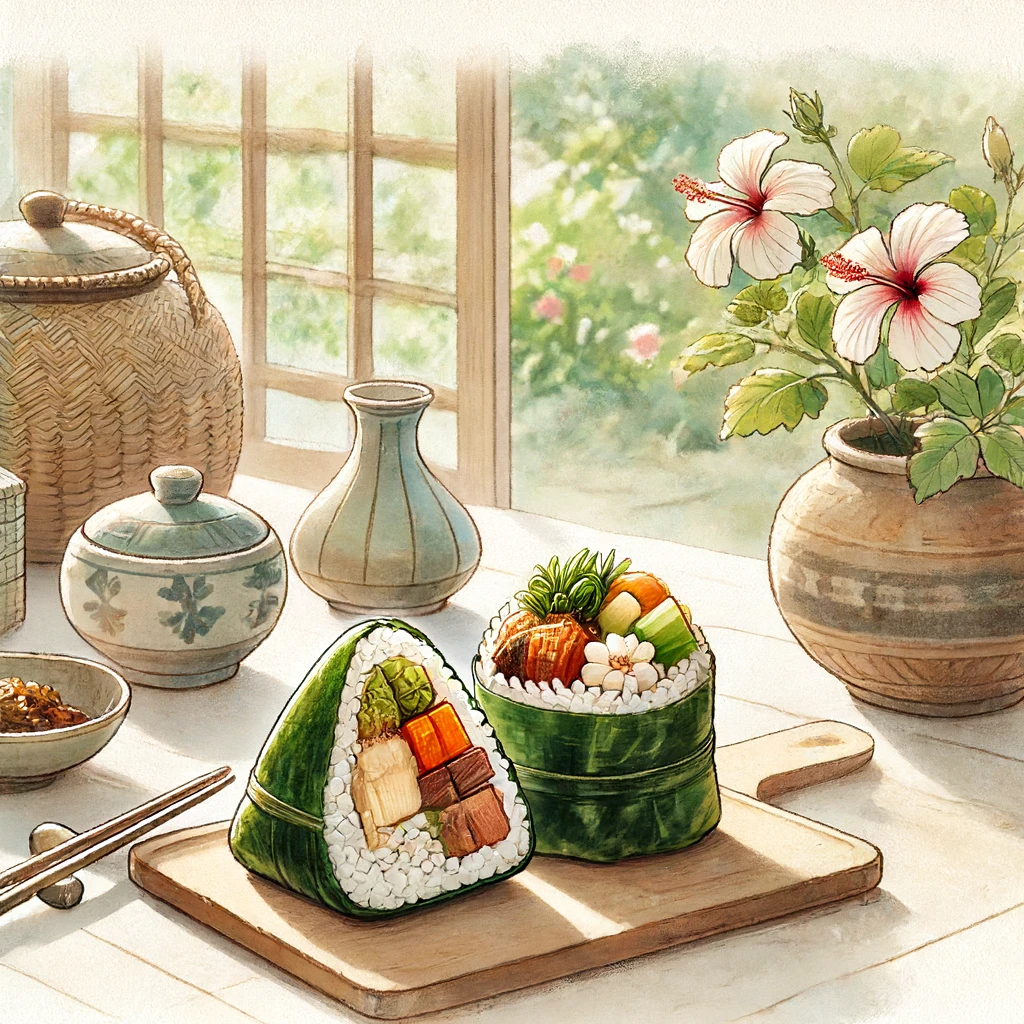
Unkejo is shaped into triangles or barrels, topped with ingredients, coated with miso, and wrapped in seaweed. Common fillings include pork, kamaboko (fish cake), tamagoyaki (rolled omelet), and vegetables, though the variations can differ by region or household. The surface, brushed with miso and grilled, has a fragrant, golden-brown finish.
Flavor Profile of Unkejo
The flavor of Unkejo is defined by the deep, savory taste of barley miso, balanced with sweet and salty notes that perfectly complement the fillings. Grilling enhances the miso’s aroma and creates a harmonious unity with the rice. The flavor can vary based on the type of miso, its concentration, and the grilling technique, making it enjoyable to find your favorite version.
Texture of Unkejo
Unkejo has a delightful texture, crispy on the outside and chewy on the inside. Grilling also brings out the seaweed’s flavor, adding a crunchy accent. The fillings offer a variety of textures: juicy pork, springy kamaboko, and fluffy tamagoyaki, making Unkejo a textural delight unique to Okinawa.
Unkejo is a quintessential representative of Okinawan cuisine, offering a memorable taste and texture. It may be challenging to describe in words, but tasting it will undoubtedly make you a fan. When visiting Okinawa, be sure to try Unkejo.
How to Make Unkejo
Unkejo, though a traditional Okinawan rice ball, can be made at home. With the right ingredients and tools, you can enjoy delicious Unkejo. Here, we’ll detail the steps to making Unkejo.
Ingredients and Preparations
Essential Ingredients for Unkejo
To make Unkejo, you’ll need rice, barley miso, fillings (such as pork, kamaboko, tamagoyaki, and vegetables), and seaweed. Short-grain sticky rice is typically used. While Okinawan barley miso is traditional, other types of miso can be substituted if unavailable. You can choose fillings to your liking, but trying the classic combinations is also recommended.
Tools Needed for Making Unkejo
The tools required for making Unkejo include a rice cooker (or pot), bowl, cutting board, knife, seaweed cutting template (or freehand), and a grill (or frying pan). These are common household items, so no special preparations are necessary.
Steps to Making Unkejo
Cooking the Rice
Cook the rice as you normally would. If using a rice cooker, wash the rice, adjust the water level, and press the cook button. If using a pot, wash the rice, add water, bring it to a boil, then simmer. Once cooked, transfer the rice to a large bowl to cool slightly.
Preparing the Fillings
Cut the fillings into manageable sizes. Thinly slice the pork and either grill or stir-fry. Slice the kamaboko or cut it into small pieces. Make a thick tamagoyaki, then cut it into sticks. Chop the vegetables finely. Mix the fillings with the rice or place them on top.
Shaping Unkejo
Take a portion of rice, mix in the fillings or place them on top, then apply the barley miso. Adjust the amount of miso to taste. Wrap the rice ball in seaweed, using a rectangular sheet typically, though triangular or barrel shapes are also fine. Shape it firmly.
Grilling Unkejo
Grill the shaped Unkejo on a grill or frying pan. If using a grill, cook both sides over medium heat. If using a frying pan, heat a small amount of oil and cook both sides. Grill until the miso darkens and becomes fragrant. Adjust the cooking time to your preference.
Tips and Tricks for Making Unkejo
Tips for Making Delicious Unkejo
The key to making delicious Unkejo is the combination of fillings and the application of miso. While classic filling combinations are great, feel free to use your favorite ingredients. Balance the sweetness and saltiness of the miso to your taste. Proper grilling enhances the aroma and flavor.
Points to Avoid Failure in Making Unkejo
Avoid common mistakes by using the right amount of rice and properly sizing the fillings. Too much rice can make shaping difficult. Cut the fillings into bite-sized pieces to ensure harmony with the rice. Don’t overwrap with seaweed, as it can become tough. Find a balance that works for you.
Making Unkejo is simple once you get the hang of it. Explore different flavors and enjoy making it. Sharing delicious Unkejo with family and friends can be a wonderful experience.
Unkejo Ingredient Variations
Unkejo can be enjoyed with various ingredient combinations, from classic to unique fillings. Seasonal ingredients also enhance the enjoyment of Unkejo.
Classic Ingredient Variations
Unkejo with Pork
Pork is a classic filling for Unkejo. Its savory taste and fatty sweetness pair well with barley miso. Thinly sliced pork can be grilled or stir-fried to enjoy different textures. Pork belly offers a richer flavor. Pork Unkejo pairs excellently with Okinawan local beers like Orion Beer.
Unkejo with Vegetables
Vegetable Unkejo is healthy and visually appealing. Carrots, bell peppers, bitter melon, and Okinawan carrots are recommended. Cut vegetables into thin slices or finely chop them for varied textures. The sweetness of the vegetables complements the barley miso. Vegetable Unkejo is perfect for bento boxes or light meals.
Unique Ingredient Variations
Seafood Unkejo
Seafood Unkejo showcases the flavors of Okinawa. Fresh seafood like tuna, shrimp, octopus, and seaweed are recommended. Use sashimi-grade seafood, cut into small pieces or thin slices. The umami of the seafood pairs beautifully with the barley miso. Seafood Unkejo goes well with sake or white wine.
Cheese Unkejo
Cheese Unkejo offers a fusion of Japanese and Western flavors. Use mozzarella, cheddar, or gouda cheese. Cut the cheese into small pieces or grate it. The creaminess of the cheese complements the barley miso. Cheese Unkejo pairs well with wine or sparkling wine.
Spicy Unkejo
Spicy Unkejo uses Okinawan chili peppers for an adult flavor. Finely chop the chili peppers. The heat and aroma of the peppers enhance the barley
miso. Adding gochujang or sriracha sauce is also recommended. Spicy Unkejo pairs well with beer or highballs.
Seasonal Ingredient Choices
Spring Ingredients for Unkejo
Spring ingredients include new onions, new potatoes, asparagus, and broad beans. These ingredients offer fresh, seasonal flavors. Finely chop new onions to bring out their sweetness. Cut new potatoes into small pieces for a tender texture. Slice asparagus diagonally for a crisp bite. Peel broad beans for a vibrant green touch.
Summer Ingredients for Unkejo
Summer ingredients include bitter melon, okra, myoga, and shiso. These ingredients help beat the summer heat. Thinly slice bitter melon and lightly salt to bring out its bitterness. Cut okra into rings for a slimy texture. Thinly slice myoga for a refreshing taste. Finely chop shiso for a fresh aroma.
Autumn Ingredients for Unkejo
Autumn ingredients include sweet potatoes, mushrooms, pumpkin, and ginkgo nuts. These ingredients represent autumn flavors. Cut sweet potatoes into small pieces for a sweet, tender taste. Use mushrooms like shimeji, eringi, and maitake for a rich aroma and texture. Cut pumpkin into small pieces for a sweet, tender bite. Boil and peel ginkgo nuts for a nutty flavor.
Winter Ingredients for Unkejo
Winter ingredients include daikon radish, carrots, green onions, yuzu, and mandarin oranges. These ingredients warm the body in the cold winter. Finely chop daikon for a refreshing taste. Thinly slice carrots to bring out their sweetness. Cut green onions into small pieces for a fresh aroma and texture. Finely chop yuzu peel for a refreshing scent. Divide mandarin oranges into segments for a sweet and tangy flavor.
Choosing seasonal ingredients enhances the flavor and enjoyment of Unkejo. Using seasonal ingredients deepens the taste and adds visual appeal. Try making Unkejo with seasonal ingredients.
How to Store Unkejo
To enjoy Unkejo for as long as possible, it’s essential to know the proper storage methods. Let’s explore the methods and durations for refrigerating and freezing Unkejo, along with tips to maintain its deliciousness.
Refrigeration Methods and Duration
Suitable Containers for Refrigeration
When refrigerating Unkejo, use airtight containers. Plastic storage containers, zip-lock bags, or wrapping in plastic wrap before storing in a container are recommended. Choose containers that fit the size of Unkejo. Too large containers allow air to enter, causing dryness and flavor deterioration. When stacking Unkejo, place plastic wrap or cooking paper between them to prevent sticking.
Refrigeration Temperature and Duration
The ideal temperature for refrigerating Unkejo is below 4°C. Check the refrigerator’s temperature setting and place Unkejo in the back to minimize temperature fluctuations. The refrigeration period is generally 2–3 days, depending on the ingredients. If the fillings include raw meat or seafood, consume them sooner. When taking Unkejo out of the refrigerator, use a paper towel to wipe off any condensation before eating.
Freezing Methods and Duration
Suitable Containers for Freezing
For freezing Unkejo, use containers that protect it from cold air and have high airtightness. Zip-lock bags, aluminum foil, or plastic wrap are recommended. Choose containers that fit the size of Unkejo, and remove as much air as possible before sealing. Air left inside can cause freezer burn. When freezing multiple Unkejo, freeze them separately to make it easier to take out the required amount.
Freezing Method and Precautions
Before freezing Unkejo, let it cool completely at room temperature. Freezing it while hot can affect the taste and texture. Check the freezer’s temperature setting and place Unkejo in the back to minimize temperature fluctuations. When eating frozen Unkejo, it’s recommended to defrost it naturally in the refrigerator. Microwaving can affect the taste and texture. Consume defrosted Unkejo promptly.
Freezing Duration
The freezing duration for Unkejo varies depending on the type of miso and fillings but is generally 1–2 months. However, the longer it’s frozen, the more the taste and texture deteriorate, so consume it sooner. Avoid refreezing defrosted Unkejo, as repeated freezing and thawing can significantly degrade the taste and texture.
Tips to Maintain Deliciousness
Preserving the Flavor of Unkejo
To preserve Unkejo’s flavor, choose suitable storage containers and manage the temperature properly. Use airtight containers and check the refrigerator or freezer’s temperature setting. Let Unkejo cool completely before storing to prevent moisture from affecting the taste and texture. Place plastic wrap or cooking paper between Unkejo when stacking to prevent flavor transfer.
Humidity Control During Storage
Controlling humidity during storage is crucial to maintaining Unkejo’s deliciousness. High humidity can cause mold and affect the taste and texture, while low humidity can dry out Unkejo. The ideal humidity is 70–80% for refrigeration and below 90% for freezing. Use airtight containers and ensure Unkejo is cooled before storing. Check and adjust the humidity in the refrigerator or freezer as needed.
By mastering the storage methods for Unkejo, you can enjoy its deliciousness for a long time. Use these tips for refrigerating and freezing, and find your own best practices.
How to Enjoy Unkejo
Unkejo is delicious on its own, but you can further enhance its enjoyment by experimenting with serving methods, side dishes, and creative recipes. Here, we’ll explore ways to serve Unkejo, drinks that pair well, and creative recipes using Unkejo.
Serving Methods for Unkejo
Heating Unkejo
While Unkejo can be enjoyed at room temperature, heating it enhances its flavor. Methods include using a microwave, toaster oven, or frying pan. For the microwave, heat without plastic wrap at 500W for 30 seconds to 1 minute. In a toaster oven, wrap Unkejo in aluminum foil and heat at 180°C for 5–10 minutes. In a frying pan, heat both sides on low heat. Adjust the heating time according to the fillings and size of Unkejo. Be careful not to overheat, as it can make Unkejo tough.
Seasonings for Unkejo
Unkejo is delicious with just the flavor of the miso, but you can also enhance it with additional seasonings. Soy sauce, mayonnaise, ketchup, and chili oil are popular choices. Soy sauce deepens the miso flavor, mayonnaise adds richness, ketchup balances sweetness and acidity, and chili oil adds a spicy kick. Okinawan condiments like shima togarashi (Okinawan chili pepper) and koregusu (Okinawan pepper) are also recommended. Shima togarashi is spicy and aromatic, while koregusu adds a citrusy fragrance.
Drinks that Pair Well with Unkejo
Teas that Pair with Unkejo
Light and refreshing teas are recommended with Unkejo. Green tea, jasmine tea, and oolong tea are popular choices. Green tea offers a clean taste that complements Unkejo’s flavor, jasmine tea provides a floral aroma, and oolong tea has a slight sweetness and richness. Okinawan teas like hirayachi (camellia tea) and turmeric tea are also great choices. Hirayachi has a unique flavor and richness, while turmeric tea has warming properties.
Alcoholic Beverages that Pair with Unkejo
Unkejo pairs well with beer, awamori, and sake. Beer’s carbonation and hop bitterness enhance Unkejo’s flavor, with Okinawan local beer like Orion Beer being an excellent match. Awamori, a traditional Okinawan distilled liquor, has a clean taste that complements the miso flavor. Sake’s rice umami and slight sweetness harmonize with Unkejo. White wine is also a good choice, providing a refreshing contrast, while red wine offers richness and tannins that complement Unkejo.
Creative Recipes Using Unkejo
Unkejo Fried Rice
Unkejo fried rice features the rich miso flavor. Finely chop Unkejo and beat eggs with salt and pepper. Heat oil in a pan, stir-fry the chopped Unkejo, then add rice and stir-fry further. Pour in the beaten eggs, stir quickly, and finish with chopped green onions or pickled ginger. The chewy texture and miso flavor enhance the fried rice.
Unkejo Sandwich
Unkejo sandwiches offer a filling, flavorful twist. Spread mayonnaise on one side of bread, place halved Unkejo on top, and add fillings like lettuce, tomato, and ham. Top with another slice of bread and cut in half. Unkejo’s chewy texture and miso flavor enhance the sandwich. Try a hot sandwich by grilling it in a buttered hot sandwich maker for a crispy outside and hot filling.
Unkejo Soup
Unkejo soup is a warming, miso-flavored dish. Boil water in a pot, add chopped vegetables (onions, carrots, potatoes), and cook until tender. Add finely chopped Unkejo and dissolve miso in the
soup. Add tofu and simmer briefly. Finish with chopped green onions or mitsuba. The chewy texture and miso flavor enhance the soup, and varying the ingredients creates different versions.
Experimenting with different ways to enjoy Unkejo makes it even more delicious and fun. Use these serving methods, drink pairings, and creative recipes to discover your favorite way to enjoy Unkejo.
Nutritional Value and Health Benefits of Unkejo
Unkejo, a traditional Okinawan dish, is not only delicious but also highly nutritious. Here, we’ll explore Unkejo’s nutritional components, health benefits, and tips for enjoying it healthily.
Nutritional Components of Unkejo
Carbohydrates in Unkejo
The primary ingredient in Unkejo is rice, rich in carbohydrates, an essential energy source for the body. Carbohydrates also support brain and nerve function. The rice used in Unkejo, typically Okinawan varieties like “Hitomebore” or “Milky Queen,” is known for its sticky texture, ideal for Unkejo. Balancing carbohydrate intake is important, and Unkejo, combined with other ingredients, helps prevent excessive carbohydrate consumption.
Proteins in Unkejo
Unkejo includes protein-rich ingredients like pork, tamagoyaki, and kamaboko. Proteins are crucial for building muscles, organs, bones, and skin, and serve as building blocks for hormones and enzymes. Pork in Unkejo provides high-quality protein and essential amino acids. Tamagoyaki contains albumin-rich egg whites. Kamaboko provides fish protein. These combined ingredients make Unkejo a balanced protein source.
Vitamins and Minerals in Unkejo
Unkejo contains various vitamins and minerals. Vegetables provide vitamin C, folic acid, and potassium. Pork offers vitamin B1, B6, and iron. Tamagoyaki includes vitamins A, B2, and E. Kamaboko provides calcium, iron, and zinc. Barley miso, essential in Unkejo, is rich in B vitamins and minerals, aiding digestion. These ingredients make Unkejo a well-balanced source of vitamins and minerals.
Health Benefits of Unkejo
Stabilizing Blood Sugar Levels
The carbohydrates in Unkejo, primarily from rice, are absorbed more gradually when combined with other ingredients, helping stabilize blood sugar levels. Barley miso contains dietary fiber that slows sugar absorption, and proteins and fats in Unkejo also help. Stable blood sugar levels maintain energy and concentration, reducing the risk of diabetes.
Improving Gut Health
Barley miso in Unkejo is a fermented food beneficial for gut health. Its dietary fiber feeds good gut bacteria, balancing the gut flora. Soy oligosaccharides in miso help eliminate harmful substances, and its enzymes aid digestion. These effects make Unkejo beneficial for gut health, improving bowel movements and preventing skin problems and immune deficiencies.
Fatigue Recovery
Unkejo contains nutrients that aid fatigue recovery. Pork provides vitamin B1, which helps convert carbohydrates into energy, supporting metabolism. Pork’s iron content helps prevent anemia. Tamagoyaki’s vitamin B2 aids metabolism, and kamaboko’s taurine protects liver function. These nutrients make Unkejo beneficial for fatigue recovery, providing energy and vitality.
Tips for Eating Unkejo
Appropriate Amount of Unkejo
While Unkejo is nutritious and beneficial, moderation is key. Excessive carbohydrate intake can lead to weight gain, and barley miso’s salt content requires attention to avoid excessive sodium intake. Generally, 1–2 Unkejo is appropriate. Balance Unkejo with other foods, incorporating plenty of vegetables when eaten as a main dish, and adjusting the amount for snacks.
Precautions When Overeating Unkejo
Overeating Unkejo can lead to indigestion, weight gain, and high blood pressure due to excessive salt intake from barley miso. Pay attention to potential allergens in ingredients like eggs, wheat, and soybeans. After overeating, hydrate well and include vegetables in the next meal. Exercise helps burn excess energy. Enjoy Unkejo in moderation for a balanced diet.
Unkejo is a traditional Okinawan dish that is both delicious and nutritious. It provides balanced carbohydrates, proteins, vitamins, and minerals, offering various health benefits such as stabilizing blood sugar levels, improving gut health, and aiding fatigue recovery. Enjoying Unkejo in moderation ensures a tasty and healthy diet.
History and Culture of Unkejo
Unkejo has a rich history as a traditional Okinawan dish. Its origins, regional variations, and associated traditional events reflect the deep cultural ties of Okinawa. Here, we’ll explore the origin, regional characteristics, and traditional events related to Unkejo.
The Origin of Unkejo
Time of Origin
The exact time Unkejo was first made is unclear, but it has been around for at least several centuries. Okinawa has long relied on rice as a staple food, but during times of low rice yield, barley and other grains were used. Unkejo likely emerged during these times to make the most of limited rice. Barley miso, essential to Unkejo, is a traditional Okinawan fermented food known to have been made for centuries, serving as a preserved food.
Background of Origin
Unkejo’s origin is deeply tied to Okinawa’s climate and culture. Okinawa’s subtropical climate, with high temperatures and humidity, made food preservation important. Barley miso in Unkejo extends its shelf life. Okinawa’s cultural exchanges with China and Southeast Asia influenced its cuisine, seen in Unkejo’s ingredients and preparation methods. Pork, for instance, is thought to have come from China, and kamaboko from Southeast Asia. Unkejo reflects Okinawa’s climate and culture.
Regional Characteristics of Unkejo
Characteristics in Okinawa’s Main Island
On Okinawa’s main island, Unkejo is a staple in daily life and celebrations. The main island’s Unkejo features pork as a primary filling, integral to Okinawan cuisine. The miso is often thicker, giving it a rich, savory flavor. Ingredients like kamaboko, tamagoyaki, and kelp are also used, varying by region. In the central area, Unkejo is sometimes called “juushi,” indicating a hearty, ingredient-rich version.
Characteristics in Miyako and Yaeyama Islands
In Miyako and Yaeyama Islands, Unkejo is often called “muuchii,” though traditionally a different dish made with glutinous rice. These islands’ Unkejo frequently includes fish like tuna and bonito. The miso is lighter, creating a more delicate flavor. Local vegetables are also used, highlighting regional differences.
Traditional Events Involving Unkejo
Festivals Featuring Unkejo
Unkejo is central to many Okinawan festivals. During “Yukkanuhi” on the 4th day of the 5th lunar month, Unkejo is used in rituals praying for a good harvest, placed at the corners of rice fields. “Ukui” on the 15th day of the 8th lunar month involves offering Unkejo to ancestral spirits for their comfort. These traditions highlight Unkejo’s importance in cultural rituals.
Traditional Celebrations Serving Unkejo
Unkejo is also served at weddings and birth celebrations. In weddings, it symbolizes the bond between the couple. For birth celebrations, it wishes for the child’s healthy growth. During the lunar New Year, special Unkejo with auspicious ingredients like shrimp and kelp is made, symbolizing a year of happiness. Unkejo is deeply embedded in Okinawan traditional celebrations, connecting people with their cultural heritage.
Unkejo, reflecting Okinawa’s history and culture, evolved from ancient preserved foods, influenced by Okinawa’s climate and cultural exchanges. Regional variations showcase local tastes, and Unkejo plays a significant role in traditional events, connecting people to their heritage. Discovering Unkejo offers a taste of Okinawa’s rich cultural history.
Q&A
What is the essential seasoning for Unkejo?
The essential seasoning for Unkejo is barley miso, a fermented food made from barley and soybeans, crucial for its flavor.
What are the key points for freezing Unkejo?
Use airtight containers, remove as much air as possible, and place Unkejo in the back of the freezer to minimize temperature fluctuations.
What health benefits can be expected from Unkejo?
Unkejo offers benefits like stabilizing blood sugar, improving gut health, and aiding fatigue recovery due to its balanced nutritional content.
What are the differences between Unkejo on Okinawa’s main island and Miyako and Yaeyama Islands?
Main island Unkejo uses pork and has a richer miso flavor, while Miyako and Yaeyama Islands use fish and have a lighter miso flavor.
What festivals feature Unkejo?
Unkejo is featured in “Yukkanuhi” for harvest prayers and “Ukui” for ancestral comfort, highlighting its cultural significance.
Conclusion
Unkejo, a traditional Okinawan rice ball, is distinguished by its chewy texture and savory barley miso flavor. With various fillings like pork, fish, and vegetables, it offers regional variations. Its origins date back centuries, reflecting
Okinawa’s climate and culture.
Unkejo is highly nutritious, offering balanced carbohydrates, proteins, vitamins, and minerals. It provides health benefits like stabilizing blood sugar, improving gut health, and aiding fatigue recovery. Proper preparation and storage methods ensure long-lasting enjoyment.
Unkejo is delightful on its own, and its flavor can be enhanced with heating methods, side dishes, and creative recipes. It plays a vital role in Okinawan festivals and traditional events, embodying the rich history and culture of Okinawa.
Unkejo is a soul food filled with the spirit of Okinawa, offering unforgettable flavor. By exploring its preparation, consumption, and health benefits, you can deepen your appreciation of Okinawan food culture. Through Unkejo, experience the rich history and culture of Okinawa.

コメント