
- Experience the Bounty of Okinawa’s Ocean
- What is Abasa (Harisenbon)?
- Usage of Abasa in Okinawa
- How to Cook with Abasa
- How to Purchase Abasa
- Creative Uses and Variations of Abasa Dishes
- Storing and Handling Abasa
- Nutritional Benefits and Health Effects of Abasa
- Experience the Delight of Okinawan Ingredient Abasa
Experience the Bounty of Okinawa’s Ocean
How about embarking on a journey to savor the bounty of Okinawa’s ocean?
This time, we introduce you to a traditional Okinawan ingredient, “Abasa” (Harisenbon, or porcupinefish). Abasa is a small crab shaped like a porcupinefish, known for its unique flavor and texture, making it an essential part of Okinawan cuisine.
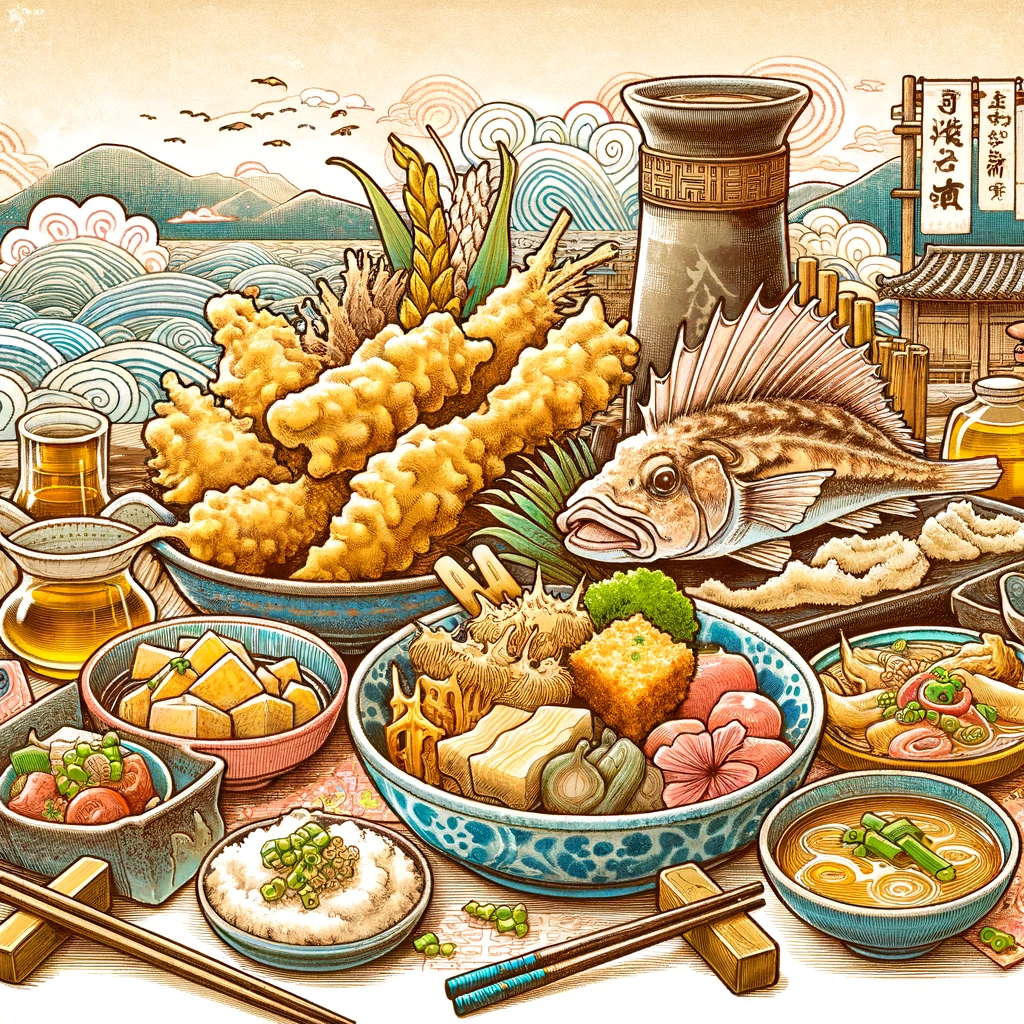
Abasa can be enjoyed in various dishes such as tempura, simmered dishes, and vinegar-based salads, each offering a different delicious experience. Under the crispy tempura batter hides a tender, succulent piece of meat. The slow-simmered dish concentrates the rich flavors of Abasa. The refreshing vinegar-based salad is perfect for hot Okinawan days.
Besides being visually and flavorfully appealing, did you know that Abasa is also highly nutritious? High in protein and low in calories, Abasa is rich in essential amino acids, vitamins, and minerals. Enjoying Abasa not only delights your taste buds but also contributes to a healthy body.
Tasting Abasa dishes means experiencing Okinawa’s culinary culture. The dishes reflect Okinawa’s history, culture, and natural environment, showcasing the wisdom and ingenuity of its people and their gratitude towards nature.
In this article, we will share the full charm of Abasa. Why not savor the bounty of Okinawa’s ocean and discover the allure of Abasa? It will undoubtedly enrich your Okinawa travel experience.
What is Abasa (Harisenbon)?
Abasa, known by its Japanese name Harisenbon, is a traditional ingredient from Okinawa. It is a type of small crab caught in the Okinawan sea, characterized by its unique flavor and texture. Abasa is a beloved ingredient in Okinawan cuisine and has been cherished by the locals. True to its name, Abasa resembles a porcupinefish with a flat, elongated shell. Representing Okinawa’s food culture, Abasa is used in a variety of dishes, from traditional to modern creative cuisine.
Characteristics and Ecology of Abasa
Appearance of Abasa
Abasa is called Harisenbon due to its shell’s resemblance to a porcupinefish. The shell is flat, elongated, and ranges in color from brown to reddish-brown. Small spines scattered across its surface are one of Abasa’s distinctive features. Abasa typically measures 5 to 10 cm in shell width, with slender legs and pincers. Its unique appearance sets it apart from other crabs.
Habitat and Behavior of Abasa
Abasa inhabits the shallow waters of Okinawa, thriving in coral reefs, rocky areas, and sandy bottoms. It often hides during the day and becomes active at night. Male and female Abasa live separately, coming together only during the breeding season for mating. They feed on small crustaceans, shellfish, and algae, playing a role as cleaners of the seabed. As a vital part of Okinawa’s marine ecosystem, Abasa’s role in environmental conservation is also noteworthy.
Origin and Meaning of the Name Abasa
The Local Name and Its Origin
In Okinawan dialect, Abasa is called “Abasa.” The name originates from the resemblance of its shell’s pattern to an “Abasi” (a type of fishing net). This name reflects the close relationship between the Okinawan people and nature, showcasing the sharp observational skills of their ancestors.
Meaning of the Japanese Name Harisenbon
Abasa is also known by the Japanese name Harisenbon, which means “thousand needles” due to its shell’s spiky appearance. This name aptly describes its distinctive features and serves to introduce this unique ingredient to a broader audience, highlighting the precision of Japanese nature observation.
Usage of Abasa in Okinawa
In Okinawa, Abasa is not just a food ingredient but a cornerstone of traditional culinary culture. It has been deeply integrated into the daily lives of Okinawans, used in various dishes that symbolize the richness of Okinawa’s ocean. The wisdom and ingenuity of the ancestors are evident in the array of dishes that have been passed down to modern times, making Abasa dishes an essential element for tourists seeking to experience Okinawan food culture.
Okinawan Cuisine and Abasa
Significance of Abasa in Okinawan Cuisine
Okinawan cuisine is known for its unique ingredients and cooking methods, with Abasa holding a special place. From home-cooked meals to high-end restaurant dishes, Abasa adds depth and richness with its distinctive flavor and texture, enhancing the appeal of Okinawan cuisine. Tourists also love Abasa dishes, making it a must-try when visiting Okinawa.
History of Traditional Abasa Dishes
The history of Abasa dishes reflects Okinawa’s geographical and historical background, influenced by its natural surroundings and historical trade during the Ryukyu Kingdom era. Abasa dishes range from royal cuisine to common household recipes, showcasing the diversity and richness of Okinawa’s food culture. Each dish carries the legacy of the region’s unique culinary traditions.
Traditional Dishes Using Abasa
Abasa Tempura
Abasa tempura is a representative Okinawan dish. The crispy batter highlights the succulent meat, providing a delightful contrast in textures. It pairs well with beer or awamori, making it a popular menu item in Okinawan izakayas.
Simmered Abasa
Simmered Abasa is a staple in Okinawan home cooking. Slowly cooked in soy sauce, sugar, and awamori, the dish concentrates Abasa’s umami, creating a rich, savory taste. The tender meat and flavorful broth make it a beloved dish, often served during special occasions.
Abasa in Vinegar
Abasa in vinegar is a refreshing dish perfect for hot days. Boiled Abasa is marinated with vinegar, sugar, and salt, sometimes mixed with vegetables. This dish is light and invigorating, ideal as a side dish or appetizer.
How to Cook with Abasa
Proper preparation and handling are crucial when cooking with Abasa. Due to its unique shape and hard shell, pre-cooking preparations are necessary to maximize its flavor and texture. Here, we will explain the steps from cleaning and preparing Abasa to various recipes, and highlight its nutritional benefits and health effects.
Preparing and Cleaning Abasa
Cleaning and Gutting Abasa
Before cooking, thoroughly wash Abasa to remove any sand or debris. Open the shell to remove the guts, which can be bitter. Proper cleaning ensures the best taste and quality in your dishes.
Cutting and Prepping Abasa
Depending on the dish, adjust the cutting method. For tempura or fried dishes, cut Abasa into appropriate sizes, keeping the legs small and the body larger. For simmered or soupy dishes, whole or halved Abasa is often used. Proper cutting enhances the texture and flavor of the final dish.
Recipes Using Abasa
Abasa Tempura
Ingredients and Equipment
Ingredients: Fresh Abasa, flour, water, egg, vegetable oil. Equipment: Tempura pan, chopsticks, oil splash guard, paper towels.
Cooking Method
After preparing Abasa, mix flour, water, and egg to make the tempura batter. Coat Abasa with the batter and fry in 180°C oil until crispy. Serve with salt or lemon for added flavor.
Simmered Abasa
Ingredients and Equipment
Ingredients: Fresh Abasa, soy sauce, sugar, sake, mirin, ginger. Equipment: Pot, chopsticks, plates.
Cooking Method
After preparing Abasa, simmer it in soy sauce, sugar, sake, mirin, and water. Add ginger for flavor, and cook until the sauce thickens. Serve the tender, flavorful Abasa hot.
Abasa in Vinegar
Ingredients and Equipment
Ingredients: Boiled Abasa, vinegar, sugar, salt, vegetables (cucumber, wakame). Equipment: Bowl, chopsticks, plates.
Cooking Method
Mix vinegar, sugar, and salt to make the marinade. Combine boiled Abasa and vegetables in a bowl, mix with the marinade, and chill in the refrigerator. Serve cold as a refreshing dish.
Nutritional Value and Health Benefits of Abasa
Nutrients in Abasa
Abasa is rich in protein, calcium, iron, vitamin B group, and more. Taurine in Abasa aids liver function and fatigue recovery, while chitin helps lower cholesterol. Astaxanthin offers antioxidant benefits, contributing to skin health.
Healthy Ways to Enjoy Abasa
To keep Abasa dishes healthy, limit fried options and focus on simmered or vinegar-based dishes. Pair with vegetables for balanced meals, and vary the seasonings to enjoy diverse flavors without getting bored.
How to Purchase Abasa
When buying Abasa in Okinawa, several options are available. Fresh Abasa can be found in markets and specialty stores, with prices varying by season. Choosing fresh, high-quality Abasa ensures the best culinary experience. Here, we explain how to buy and select the best Abasa.
Purchasing Abasa in Okinawan Markets</h3 >
Markets and Shops Selling Abasa
In Okinawa, you can find Abasa in markets like Naha City’s First Makishi Public Market and Haneji Market in Nago City. Fresh seafood is abundant, with seasonal availability of Abasa. Supermarkets and souvenir shops also offer Abasa, including frozen options.
Season and Price Range
Abasa is most abundant from spring to summer. During peak season, prices are reasonable, while off-season prices can be higher. Typically, Abasa costs between 1,000 to 3,000 yen per kilogram. Buying in season ensures freshness and value.
How to Choose Fresh Abasa
Identifying Fresh Abasa
Fresh Abasa has a glossy shell and firm texture. Clear, bright eyes indicate freshness, while dull or damaged shells suggest lower quality. Choose Abasa that feels heavy for its size, as this indicates dense, meaty content.
Choosing the Right Size and Quality
Select Abasa size based on the intended dish. Smaller Abasa is ideal for frying, while larger ones are better for simmering. High-quality Abasa has a hard shell and tightly packed meat. Choose according to your recipe and ensure good quality for the best results.
Creative Uses and Variations of Abasa Dishes
Abasa, a traditional Okinawan ingredient, offers a versatile base for various culinary creations. Combining Abasa with other ingredients can yield new, delightful flavors, expanding the possibilities of Okinawan cuisine. Here, we explore creative ideas and variations for Abasa dishes.
Collaboration with Other Ingredients
Complementary Ingredients
Abasa pairs well with tofu, eggs, cheese, tomatoes, and avocados. Combining Abasa with tofu offers a harmonious blend of flavors, while eggs enhance richness in omelets and quiches. Cheese, tomatoes, and avocados provide a Western twist, revealing new aspects of Abasa’s flavor.
Ideas for Western-style Abasa Dishes
Abasa can be adapted into Western cuisine, such as creamy pasta, pizza, and risotto. Abasa cream pasta combines its umami with rich sauce, creating a decadent dish. Abasa pizza, with its unique texture, pairs excellently with cheese, making it a sophisticated dish for wine pairing. Abasa risotto absorbs its rich flavors, resulting in a hearty, satisfying meal.
Creative Abasa Recipes
Abasa Carpaccio and Marinade
Abasa can be enjoyed raw in dishes like carpaccio or marinated. Thinly sliced Abasa with olive oil, lemon juice, and salt makes for a refreshing carpaccio. Marinating Abasa in olive oil, herbs, and garlic draws out its umami, perfect as an appetizer or tapas.
Abasa Gratin and Pasta
Given its compatibility with cheese, Abasa works wonderfully in gratins and pasta. Abasa gratin, layered with white sauce and cheese, offers a savory, rich dish. Abasa pasta, mixed with tomato or basil sauce, highlights its texture and flavor, making it a delightful main course.
Storing and Handling Abasa
While Abasa is best enjoyed fresh, proper storage techniques can extend its shelf life without compromising flavor. There are methods for freezing and refrigerating Abasa, ensuring it remains delicious. Here, we detail how to freeze, thaw, and store Abasa dishes effectively.
Freezing and Thawing Abasa
Proper Freezing Methods
For freezing, clean and gut Abasa, then place it in a freezer bag, removing as much air as possible. Avoid stacking too many together to prevent crushing. Store the bag in a stable, cold part of the freezer, ideally at -18°C or below. Proper freezing retains Abasa’s quality for longer periods.
Thawing Tips
Thaw frozen Abasa slowly in the refrigerator to maintain texture. Rapid thawing can affect quality, so allow it to defrost gradually over 12 to 24 hours. Pat dry before cooking to preserve flavor. Cook promptly after thawing to ensure freshness.
Storing and Reheating Abasa Dishes
Refrigeration and Shelf Life
Store Abasa dishes in airtight containers to prevent odor absorption. Place in the refrigerator’s center where the temperature is stable. Generally, Abasa dishes last 2 to 3 days when refrigerated. Always check for freshness before consumption to avoid foodborne illnesses.
Reheating Abasa Dishes
For reheating, let the dish reach room temperature first. Use a steamer or microwave for even heating. Steam for 5 to 10 minutes or microwave on medium for 1 to 2 minutes. Stir lightly to ensure even warmth. Consume reheated dishes promptly to avoid bacterial growth.
Nutritional Benefits and Health Effects of Abasa
Abasa, while a traditional Okinawan ingredient, is also a nutritious food with various health benefits. It is rich in protein, essential amino acids, vitamins, and minerals, contributing to a balanced diet and healthy body. Proper portion control is essential as cooking methods can affect calorie content. Here, we explore Abasa’s nutritional profile and healthy eating tips.
Nutritional Components of Abasa
Proteins and Essential Amino Acids
Abasa is high in protein, containing about 20g per 100g. It provides essential amino acids crucial for muscle and organ function, particularly BCAAs (branched-chain amino acids) like valine, leucine, and isoleucine, vital for muscle synthesis and maintenance.
Vitamins and Minerals
Rich in vitamins B12 and E, Abasa supports red blood cell formation and nerve function. It also contains antioxidants that help prevent cellular aging. Minerals like calcium, iron, and zinc promote bone health and prevent anemia, remaining stable even after cooking.
Healthy Ways to Enjoy Abasa Dishes
Incorporating into a Balanced Diet
Incorporate Abasa into a balanced diet by pairing it with vegetables and other nutrient-rich foods. For instance, serve Abasa tempura with vegetable tempura to boost vitamin intake, or mix it with vegetables in vinegar-based salads for a healthy, refreshing meal.
Portion Control and Frequency
To enjoy Abasa healthily, practice portion control, limiting servings to about 100g per meal. Aim for 2 to 3 servings per week, balancing it with other protein sources. Enjoy Abasa dishes slowly, savoring each bite to enhance satiety and avoid overeating.
Experience the Delight of Okinawan Ingredient Abasa
Abasa stands out among Okinawa’s culinary treasures, offering unique flavors and textures that enhance various dishes. Representing Okinawa’s rich food culture, Abasa dishes are both visually and gastronomically captivating, reflecting the region’s history and natural environment.
When you visit Okinawa, make sure to try Abasa dishes. You’ll experience the depth of Okinawan culinary culture and the wisdom and gratitude towards nature embedded in these traditional dishes. Abasa is more than just food; it’s a gateway to understanding the rich heritage and natural bounty of Okinawa. Enjoy the delightful journey of tasting Abasa, and let it enrich your Okinawa travel experience.


コメント