
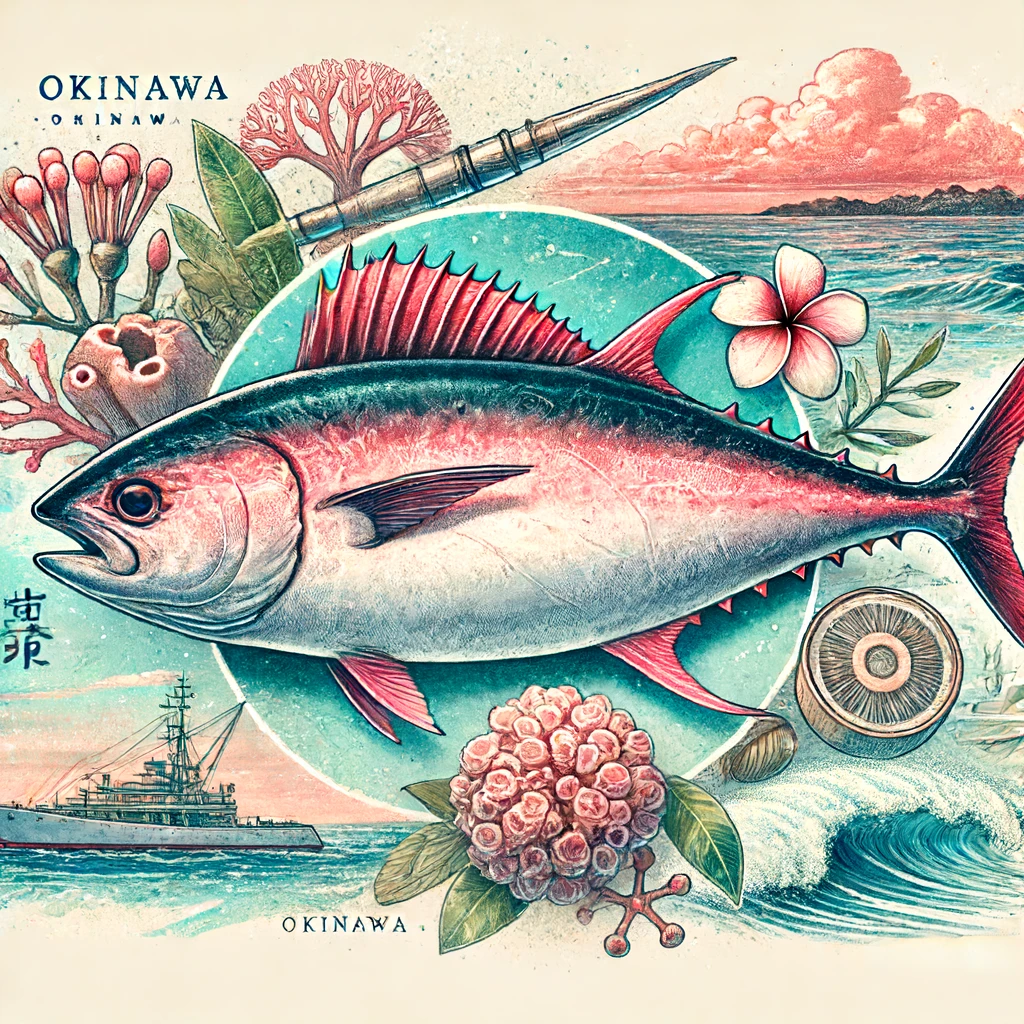
What is Ushishibi?
Ushishibi, known as the juvenile bluefin tuna, is one of Okinawa’s prized gourmet fish. Its unique flavor and rarity have made it a sought-after delicacy. This article will delve into the captivating world of Ushishibi, exploring its origins, characteristics, and culinary excellence.
The Origins of Ushishibi
There are various theories about the origins of the name Ushishibi. By tracing its scientific name and discovery history, we can gain a deeper understanding of this extraordinary fish.
Scientific Name
Ushishibi’s scientific name is “Thunnus orientalis,” referring specifically to juvenile bluefin tuna. This name originates from its discovery in the western Pacific Ocean. “Thunnus” denotes the tuna genus, and “orientalis” means “eastern,” highlighting its Pacific origins.
History of Discovery
Ushishibi has been known to Okinawan fishermen for centuries. However, it only gained widespread recognition more recently. The Okinawa Prefectural Fisheries Research Institute began studying Ushishibi’s ecology in the 1960s, bringing this high-quality fish into the limelight. Today, it is celebrated nationwide as a top-tier fish.
Alternative Names
Ushishibi is known by various names across different regions, each reflecting its unique characteristics and local dialects.
Regional Names
In Okinawa, Ushishibi is also called “Ushinchi” or “Uchinchii.” On Miyako Island, it’s known as “Ushibi,” while in the Yaeyama Islands, it’s referred to as “Ushiinchi” or “Shiinchi.” These names are deeply rooted in the local dialects and culture.
Origins of the Name
The name “Ushishibi” combines “ushi” (cow) and “shibi” (tuna). The term “ushi” is thought to come from the fish’s round, plump shape, reminiscent of a cow, while “shibi” is derived from the old Japanese word for tuna. Hence, “Ushishibi” essentially means “cow-like tuna,” reflecting its distinctive appearance and quality.
Characteristics of Ushishibi
Ushishibi is a fish of both beauty and taste. Its appearance is striking, its flavor exceptional, and its nutritional value remarkable. Here, we explore these attributes in detail.
Appearance
Ushishibi stands out with its unique coloration and pattern. The back is a bluish-black, while the belly is silvery-white. Its sides feature irregular horizontal stripes that fade as it matures. The tips of its tail fins have a yellowish hue, distinguishing it from other tuna.
Body Shape and Size
Ushishibi has a spindle-shaped body, ideal for swift swimming. It typically measures around 30 cm in length, though some can reach over 40 cm. However, larger Ushishibi may have tougher meat, impacting the taste.
Flavor Profile
Ushishibi’s taste is delicate and refined, with a balance of sweetness and umami. The flesh is soft and melts in your mouth, with a light, clean finish. This sophisticated flavor sets it apart as a premium fish.
Fat Content
Ushishibi has just the right amount of fat, enhancing its flavor without being overwhelming. The fat is high quality, providing a smooth, melt-in-the-mouth texture.
Nutritional Value
Beyond taste, Ushishibi is nutritionally rich, offering high-quality protein, unsaturated fatty acids like DHA and EPA, and various vitamins and minerals essential for health.
Proteins and Lipids
Ushishibi is a great source of quality protein, crucial for muscle maintenance and growth. It also contains unsaturated fatty acids, beneficial for blood circulation and brain function.
Vitamins and Minerals
Ushishibi is packed with vitamins B, D, and E, supporting energy metabolism, bone health, and antioxidant activity. It also provides essential minerals like potassium, iron, and zinc, vital for overall health.
Meaning Behind the Name Ushishibi
The name Ushishibi carries deep meaning and history. Here, we explore the etymology and significance of “ushi” and “shibi.”
Meaning of “Ushi”
The word “ushi” generally evokes the image of a cow. Ushishibi’s plump body is said to resemble a cow, hence the name. Another theory suggests “ushi” comes from the ancient Japanese word “utsukushi,” meaning beautiful, reflecting Ushishibi’s appearance.
Meaning of “Shibi”
“Shibi” is derived from “shibire,” meaning tingling sensation. Fresh tuna, including Ushishibi, often causes a tingling feeling when eaten, due to its high nerve content.
Origin of the Name
Okinawan fishermen named Ushishibi, noting its round shape and exquisite taste. The name has since become widely recognized, symbolizing this extraordinary fish’s unique qualities.
How to Eat Ushishibi
Ushishibi’s refined flavor makes it versatile in the kitchen. It can be enjoyed raw as sashimi, grilled, boiled, or as sushi. Here, we explore the best ways to savor Ushishibi.
Raw (Sashimi)
Fresh Ushishibi is best enjoyed as sashimi. Thinly slice the fish at a 45-degree angle to maximize its tender texture. Serve with simple garnishes like grated radish or finely chopped green onions to enhance its flavor.
Grilled
Ushishibi is delicious when grilled, offering a crisp exterior and juicy interior. Season with a pinch of salt and cook quickly over high heat to preserve its tenderness.
Boiled
Boiling Ushishibi deepens its flavor. Simmer gently in a broth of soy sauce, mirin, sake, and sugar. Pair with root vegetables or tofu for a balanced meal.
Other Dishes
Ushishibi is also popular as sushi. Thin slices atop vinegared rice make for an exquisite treat. It can also be canned or dried for convenient use.
Season and Origin
The best Ushishibi is harvested in its peak season, primarily from Okinawa. Here, we discuss its seasonal variations and main harvesting regions.
Seasonal Variations
Ushishibi is at its best from spring to summer, when it is firm and rich in fat. In autumn and winter, it becomes softer and more refined in flavor. Seasonal awareness ensures the best quality Ushishibi.
Main Harvesting Regions
Okinawa is the top Ushishibi producer, with high-quality fish collected at Naha’s Tomari Fish Market. Other regions, such as Nagasaki and Kagoshima, also harvest Ushishibi.
Selection and Storage
Choosing and storing Ushishibi correctly is crucial for maintaining its quality. Here are tips on how to select the best Ushishibi and keep it fresh.
Choosing Fresh Ushishibi
Look for clear eyes, firm flesh, and vibrant pink to red color. Fresh Ushishibi should feel resilient and return to shape when pressed.
Storage Methods
For short-term storage, wrap Ushishibi in plastic wrap or paper towels and refrigerate in the coldest part of the fridge. For longer storage, freeze individual portions and thaw naturally in the refrigerator before use.
FAQs
Here are answers to common questions about Ushishibi, including its differences from other tuna and price trends.
Differences from Other Tuna
Ushishibi has a more refined taste and softer texture than larger bluefin tuna. Its price is often higher due to its rarity and superior flavor.
Price Trends
Ushishibi prices fluctuate with seasons and market conditions. It is typically more expensive during off-peak seasons when supply is lower.
Health Concerns
Ushishibi, like other large fish, can accumulate mercury. Pregnant women and children should moderate their intake to avoid potential health risks.
Conclusion
Ushishibi is a gem of Okinawan cuisine, offering exceptional taste and nutrition. By choosing fresh Ushishibi and preparing it simply, you can enjoy its exquisite flavors to the fullest. Embrace the culinary journey into the world of Ushishibi and discover why it is cherished by gourmets worldwide.


コメント