
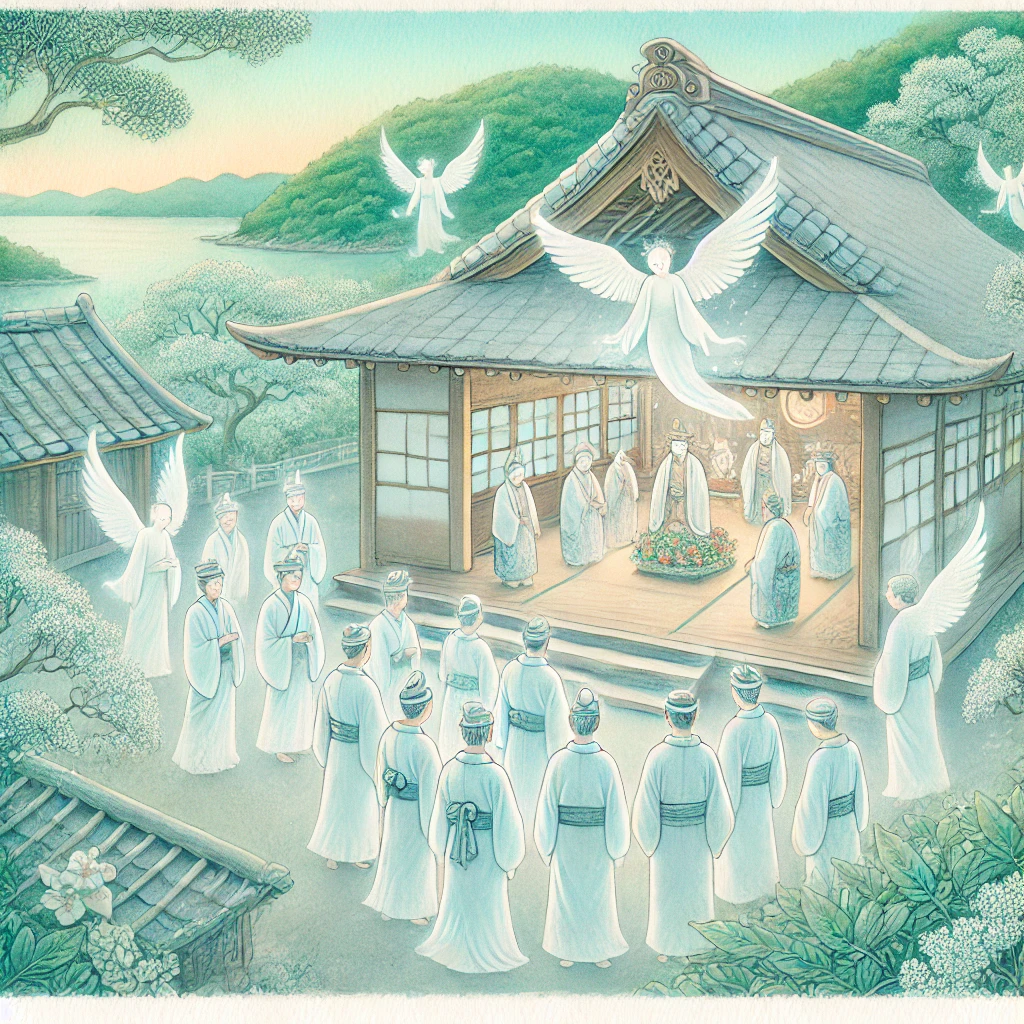
Death is an inevitable endpoint in life, and for many, it is a source of fear. But how do the people of Okinawa perceive death?
Okinawa has a unique funeral ritual called “Shiniguwa.” Shiniguwa is a tradition based on the belief that the souls of the dead visit the living, conducted within 49 days after death. During this period, it is believed that the souls of the deceased traverse between this world and the afterlife, sometimes even possessing the living.
Though it might seem eerie at first glance, Shiniguwa is not merely a source of fear. For the people of Okinawa, Shiniguwa is a vital opportunity to reaffirm their bonds with the deceased and to honor their ancestors. Through Shiniguwa, people maintain a sense of continuity between life and death, nurturing a deep respect for their ancestral connections.
In modern society, the practice of Shiniguwa is gradually fading, yet its spiritual essence continues to influence the Okinawan perspective on life and death. Studying Shiniguwa is essential for a deeper understanding of Okinawan culture.
In this article, we will delve into the origins, significance, and contemporary role of Shiniguwa. Discover a glimpse of Okinawa’s rich spiritual world where reverence for the dead coexists with a sense of awe. Embark on a journey to reassess the meaning of life and death through Shiniguwa.
- Introduction
- Overview of Shiniguwa
- The Reality of Shiniguwa
- Current Practice of Shiniguwa
Introduction
About Okinawan Folklore
History and Development of Okinawan Folklore
Okinawan folklore is a field of study that explores the unique culture and customs of Okinawa. Its history dates back to before World War II when scholars like Kunio Yanagita began their research. After the war, individuals such as Fuyuo Iha, Kanjun Higashionna, and Kenichi Tanigawa significantly advanced Okinawan folklore studies. They meticulously documented and analyzed Okinawan language, beliefs, rituals, and performing arts, clarifying the characteristics of Okinawan culture. Recently, there has been growing interest in how Okinawan culture has transformed and been passed down in modern society, leading to new avenues of research.
Characteristics and Importance of Okinawan Folklore
A notable feature of Okinawan folklore is its in-depth exploration of Okinawa’s unique culture and customs. Historically, Okinawa has developed its distinct culture through interactions with China, mainland Japan, and Southeast Asia. Additionally, the experiences of the Battle of Okinawa and life under U.S. military governance have shaped its history differently from other regions. Okinawan folklore seeks to understand the essence of Okinawan culture, considering these unique aspects. This field is crucial for understanding the identity of the Okinawan people and respecting cultural diversity.
The Custom of Shiniguwa (Death Visiting)
Overview of Shiniguwa
Shiniguwa is a long-standing Okinawan custom related to communication with the dead. “Shini” means death, and “guwa” means visiting, referring to the belief that the souls of the deceased visit the living. In Okinawa, it is thought that the souls of the dead do not immediately depart to the ancestral world but linger, moving between the realms of the living and the dead for a while. During Shiniguwa, the bereaved remember the deceased and welcome their souls into their homes. It is believed that the living can receive messages from the dead through possession by their spirits.
The Significance of Shiniguwa Studies
Shiniguwa is vital for understanding Okinawa’s views on life, death, ancestor worship, and the concept of the afterlife. It reflects the Okinawan belief that the worlds of the living and the dead are interconnected. Moreover, Shiniguwa provides an opportunity to heal the grief of the bereaved and reaffirm their bonds with the deceased. Although the practice is gradually fading in modern society, clarifying its significance and role is crucial for a deeper understanding of Okinawan culture. Studying Shiniguwa sheds light on the spiritual world of Okinawa and offers a chance to reconsider perspectives on life, death, and family.
Overview of Shiniguwa
Definition of Shiniguwa
Origins and Meaning of the Term Shiniguwa
The term “Shiniguwa” in the Okinawan dialect means “death visiting.” “Shini” means death, and “guwa” means to visit, referring to the custom where the souls of the dead visit the living. In Okinawa, it is believed that the souls of the deceased do not entirely depart to the world of ancestors but continue to move between the world of the living and the dead for a period. Shiniguwa symbolizes this interaction between the living and the dead, embodying the Okinawan people’s deep respect for their bond with the deceased.
Comparison with Similar Concepts
Similar concepts to Shiniguwa can be found worldwide. For example, China’s “Ghost Festival” and mainland Japan’s “Obon” are based on the belief that the souls of the dead temporarily return to the world of the living. However, Shiniguwa has distinctive Okinawan characteristics, such as the belief in the possession of the living by the dead’s spirits. During Shiniguwa, the bereaved welcome the souls of the dead into their homes and believe they can hear the deceased’s words. This unique aspect of Shiniguwa highlights the Okinawan view of active interaction between the living and the dead, reflecting the local perspective on ancestor worship and the afterlife.
Origins and History of Shiniguwa
Various Theories on the Origins of Shiniguwa
There are several theories regarding the origins of Shiniguwa. One theory suggests that Shiniguwa is an extension of ancient ancestor worship. In Okinawa, there has long been a tradition of respecting and maintaining contact with ancestral spirits. Shiniguwa can be seen as a development of this ancestor worship. Additionally, influences from Taoism in China and Buddhism from mainland Japan have been noted. However, Shiniguwa has become a unique practice in Okinawa, deeply intertwined with the local views on life and the afterlife.
Historical Changes in Shiniguwa
Shiniguwa has undergone various changes throughout Okinawa’s history. In the past, shamans known as Yuta played a leading role in Shiniguwa rituals. Yuta were believed to summon the souls of the dead and convey their messages to the bereaved. However, in modern times, the role of Yuta has diminished, and Shiniguwa rituals have become more simplified. During the post-war U.S. military governance, Shiniguwa practices were sometimes suppressed as superstitions. Nonetheless, Shiniguwa has persisted among the people of Okinawa. Today, Shiniguwa is often conducted as a family event.
Purpose and Meaning of Shiniguwa
Religious and Spiritual Significance of Shiniguwa
Shiniguwa reflects the religious and spiritual worldview of Okinawa. Okinawan people believe that the realms of the living and the dead are not separate but interconnected. Shiniguwa encourages interaction between the living and the dead, comforting the souls of the deceased and offering solace to the bereaved. During Shiniguwa, the bereaved offer the deceased’s favorite foods and remember them, reflecting the Okinawan people’s deep respect for their connection with the dead.
Social and Cultural Role of Shiniguwa
Shiniguwa is an important cultural event in Okinawan society, helping to heal the grief of the bereaved and strengthen community bonds. During Shiniguwa, relatives and neighbors gather to remember the deceased, providing support to the bereaved. It is also a cultural heritage passed down through generations, teaching traditional values and worldviews to younger generations. Thus, Shiniguwa plays a crucial role in shaping Okinawan identity.
The Reality of Shiniguwa
Traditional Legends and Folklore
Legends of Possession by the Souls of the Dead
There are legends in Okinawa that during Shiniguwa, the souls of the dead possess the living. The souls are believed to appear in the dreams of the bereaved or temporarily inhabit their bodies, conveying important messages. This belief reflects the Okinawan worldview that the realms of the living and the dead are not separate but interconnected, demonstrating the deep bond between the living and the deceased.
Other Legends Related to Shiniguwa
Many other legends are associated with Shiniguwa in Okinawa. For instance, it is said that during Shiniguwa, mysterious noises might be heard in the house, or lights may suddenly turn on or off. Additionally, offerings made to the deceased during Shiniguwa may inexplicably diminish. These legends suggest that Shiniguwa is not just a ritual but an event accompanied by mysterious experiences, reflecting the depth of Okinawan views on life and the afterlife.
Current Practice of Shiniguwa
Regions and Frequency of Shiniguwa Practice
Currently, Shiniguwa is practiced in various parts of Okinawa, especially in the northern part of the main island, Miyako Island, and the Yaeyama Islands. However, the frequency of Shiniguwa practices varies by region. In urban areas, fewer families observe Shiniguwa, whereas it is more commonly practiced in rural areas. The timing of Shiniguwa also varies, usually conducted within 49 days after death, but in some regions, it is held on significant anniversaries like the first or third anniversary of the death.
Modern Changes in Shiniguwa
Shiniguwa is gradually transforming in modern society.
Traditionally, Yuta led the Shiniguwa rituals, but now families often conduct the rituals on their own. The duration of Shiniguwa is also becoming shorter; while it used to last 49 days, it is now commonly completed within a few days. Additionally, modern food items are increasingly used as offerings. These changes reflect the evolving values and lifestyles of contemporary society.
Shiniguwa and Okinawa’s Spiritual World
Why Shiniguwa is Perceived as Frightening
Fear of Contact with the Dead
Reverence for the Souls of the Dead
Traditionally, Okinawan people have harbored a sense of reverence for the souls of the dead, believing they wield significant influence over the living world. The idea of being possessed by the souls of the dead has been seen as a terrifying event, as it is believed that the souls can bring misfortune or suffering to the living. This reverence for the souls of the dead contributes to the fear associated with Shiniguwa, as people become conscious of the presence of the dead’s souls during this period.
Fear of Misfortune from Contact with the Dead
Okinawan people have also feared that contact with the dead might bring misfortune. During Shiniguwa, it is believed that the souls of the dead actively engage with the living world, leading the living to avoid contact with the dead’s souls as much as possible. There is also a belief that improper care of the souls might result in curses or disasters. This fear of misfortune from contact with the dead adds to the apprehension surrounding Shiniguwa.
The Blurring of Boundaries Between This World and the Otherworld
The Relationship Between This World and the Otherworld in Okinawan Worldview
In Okinawan worldview, the boundaries between this world and the otherworld are considered blurred. The living world (this world) and the world of the dead (the otherworld) are not seen as completely separate. The souls of the dead are believed to travel between the two realms. This blurring of boundaries can induce fear during Shiniguwa, as the presence of the otherworld becomes more tangible, disrupting the order of the living world.
The Interplay Between This World and the Otherworld in Shiniguwa
Shiniguwa represents an intersection of this world and the otherworld. During Shiniguwa, it is believed that the souls of the dead return to this world, making it a moment when the otherworld intrudes into the living realm. This period is marked by a disruption of the usual order and occurrences of mysterious events. Moreover, the distinction between the living and the dead becomes unclear when the living are possessed by the souls of the dead. This interplay between the worlds in Shiniguwa instills a sense of fear in people.
The Perspective on Life and Death Reflected in Shiniguwa
Traditional Okinawan Views on Life and Death
In traditional Okinawan views, death is not an end but a new beginning. The souls of the dead are believed to exist both in the afterlife and in this world. This belief fosters a deep respect for the deceased and maintains a continuous connection between life and death. Shiniguwa embodies this perspective, as it provides a means to reaffirm the bond with the deceased and to ensure their souls are at peace, preserving the sense of continuity between life and death.
The Relationship Between the Living and the Dead in Shiniguwa
Shiniguwa clearly illustrates the relationship between the living and the dead in Okinawan culture. During Shiniguwa, the souls of the dead are believed to actively engage with the living, possessing them or appearing in their dreams to convey messages. This interaction reflects the Okinawan belief that the living and the dead influence each other. Shiniguwa symbolizes this close relationship, emphasizing the continuity and connection between the two realms.
Shiniguwa and Other Okinawan Folk Beliefs
The Relationship Between Yuta Belief and Shiniguwa
Shiniguwa is closely related to the Yuta belief in Okinawa. Yuta are spiritual practitioners who communicate with gods and ancestral spirits. They have traditionally played a crucial role in Shiniguwa rituals, believed to summon the souls of the dead and convey their messages to the bereaved. This relationship highlights the interconnected belief systems in Okinawa, where Yuta and Shiniguwa together shape the spiritual practices.
Commonalities and Differences with Other Folk Beliefs
Shiniguwa shares elements with other Okinawan folk beliefs, such as the belief that spirits reside in natural objects, leading to the reverence of mountains, forests, and the sea. This nature worship resonates with Shiniguwa’s concept of the dead’s souls inhabiting the natural world. However, Shiniguwa stands out with its unique aspect of spirit possession, which is not commonly found in other folk beliefs. This distinctiveness showcases the diversity of Okinawan spiritual traditions.
Contemporary Significance of Shiniguwa
The Impact of Shiniguwa on Modern Society
The Influence of Shiniguwa on Contemporary Views of Life and Death
In contemporary society, Shiniguwa significantly influences people’s views on life and death. Modern individuals often fear and avoid death, but Shiniguwa teaches the importance of perceiving life and death as continuous. By reaffirming bonds with the deceased through Shiniguwa, people learn to accept death rather than fear it. Additionally, Shiniguwa underscores the importance of honoring ancestors, reminding modern society of the value of maintaining family and ancestral ties.
Conflicts Between Shiniguwa and Modern Values
Shiniguwa sometimes conflicts with modern societal values, where rationalism and scientism are emphasized, and traditional beliefs are often dismissed as superstitions. Shiniguwa can become a target of such criticism. Moreover, death tends to be a taboo in contemporary society, avoided in discussions and regarded as something to be concealed. This viewpoint contrasts with the spirit of Shiniguwa, which encourages facing death and cherishing connections with the deceased.
The Importance of Preserving the Tradition of Shiniguwa
The Significance of Continuing the Tradition of Shiniguwa
Preserving the tradition of Shiniguwa is vital for maintaining Okinawan culture. Shiniguwa reflects the Okinawan perspectives on life, death, and the world, serving as a valuable cultural heritage. Through Shiniguwa, Okinawan people have reaffirmed their bonds with ancestors and sensed the continuity of life and death. This spiritual essence holds significant value in modern society. Preserving Shiniguwa helps maintain the diversity of Okinawan culture and passes down its spiritual values to future generations.
Efforts to Preserve the Tradition of Shiniguwa
Various efforts are needed to preserve the tradition of Shiniguwa. First, it is essential to widely communicate its significance, emphasizing that Shiniguwa is not just a superstition but a valuable cultural heritage reflecting Okinawan beliefs. Additionally, passing down the rituals of Shiniguwa is crucial, involving the training of individuals who can perform the ceremonies and transmit the knowledge and techniques to the next generation. Academic research on Shiniguwa is also important, clarifying its history and significance and promoting its value widely.
Conclusion
Shiniguwa as a Reflection of Okinawa’s Spiritual World
The Perspective on Life and Death Seen Through Shiniguwa
Shiniguwa distinctly reflects Okinawa’s perspective on life and death. It teaches the importance of perceiving the continuity between life and death and of honoring the bond with ancestors. This spiritual essence of Shiniguwa holds significant meaning even in contemporary society, encouraging us to reflect deeply on life and death.
The Role of Shiniguwa Studies in Understanding Okinawan Culture
The study of Shiniguwa plays an important role in understanding Okinawan culture. Shiniguwa is a precious cultural heritage reflecting the spiritual world of Okinawan people. Academic research on Shiniguwa reveals Okinawa’s views on life, death, belief systems, and the historical processes of cultural transformation and inheritance. Studying Shiniguwa highlights the depth and diversity of Okinawan culture and is crucial for transmitting this cultural essence to future generations.
The Significance and Future Prospects of Shiniguwa Research
Academic and Social Significance of Shiniguwa Research
Research on Shiniguwa holds great academic and social significance. Academically, it contributes to the development of Okinawan folklore, cultural anthropology, and religious studies by clarifying the spiritual world and belief systems of Okinawa. Additionally, Shiniguwa research is significant from a comparative cultural perspective, revealing the diversity of human views on life and death through comparisons with similar rituals worldwide.
Socially, Shiniguwa research is important for addressing contemporary issues related to death. In modern society, where death is often a taboo, Shiniguwa offers valuable insights into accepting death and cherishing connections with the deceased, providing important suggestions for modern views on life and death.
Future Challenges and Possibilities in Shiniguwa Research
Shiniguwa research faces various future challenges and possibilities. It is essential to detail the actual practices of Shiniguwa, considering its diverse forms across different regions and tracing its historical changes. Further, research on the contemporary transformations of Shiniguwa is necessary, exploring its significance and role in modern society and considering how to preserve its traditions. Additionally, Shiniguwa research can contribute to the inheritance and promotion of Okinawan culture by widely communicating its significance and providing experiential learning opportunities.
Shiniguwa
, as a cultural heritage reflecting Okinawan views on life and death, offers rich insights into Okinawa’s spiritual world. Research on Shiniguwa helps us understand the diversity and depth of Okinawan culture and is crucial for addressing contemporary issues related to death. Preserving and promoting the tradition of Shiniguwa is essential for future generations, making Shiniguwa research a journey into Okinawan culture and spirituality.
Q&A
What is Shiniguwa?
Shiniguwa is a traditional Okinawan custom based on the belief that the souls of the deceased visit the living. It is practiced within 49 days after death, during which the souls are believed to travel between this world and the afterlife, sometimes possessing the living.
Why is Shiniguwa considered frightening?
Shiniguwa is perceived as frightening due to the fear of contact with the dead and the blurred boundaries between this world and the otherworld. The belief that the souls of the deceased can possess the living and bring misfortune instills a sense of awe and fear among people.
How does Shiniguwa influence modern society?
Shiniguwa influences modern views on life and death by teaching the importance of perceiving life and death as continuous and the significance of honoring ancestors. However, it also conflicts with the rationalism and scientism of contemporary society.
What is the significance of studying Shiniguwa?
Research on Shiniguwa contributes to the development of Okinawan folklore, cultural anthropology, and religious studies. From a cross-cultural perspective, it reveals the diversity of human views on life and death. Socially, it provides important insights into contemporary issues related to death.
What efforts are needed to preserve the tradition of Shiniguwa?
To preserve the tradition of Shiniguwa, it is essential to widely communicate its significance, continue the rituals, and conduct academic research. Efforts should be made to promote its value, pass down the knowledge and techniques to the next generation, and clarify its history and significance.
Summary
The custom of “Shiniguwa (Death Visiting)” is a traditional Okinawan folk belief based on the unique worldview that the souls of the deceased visit the living. Conducted within 49 days after death, Shiniguwa encourages interaction between the souls of the deceased and the living.
The origins of Shiniguwa are varied, but it has long been deeply connected to Okinawan views on life and death and ancestor worship. While it involves a sense of awe for the souls of the deceased and fear of the blurred boundaries between this world and the otherworld, it also plays an important role in reaffirming bonds with the deceased and fostering respect for ancestors.
In modern society, the practice of Shiniguwa is gradually fading, but its spiritual essence continues to influence contemporary views on life and death. Shiniguwa teaches the significance of perceiving the continuity between life and death and valuing the connection with ancestors.
Research on Shiniguwa plays a crucial role in deepening the understanding of Okinawan culture. Academically, it contributes to the development of folklore, cultural anthropology, and religious studies, and from a cross-cultural perspective, it reveals the diversity of human views on life and death. Socially, it provides insights into contemporary issues related to death.
Preserving the tradition of Shiniguwa and widely communicating its significance is essential for the continuation and promotion of Okinawan culture. Efforts to continue the rituals and conduct academic research are needed to pass down the value of Shiniguwa to future generations. Research on Shiniguwa is also a journey into the rich spiritual world of Okinawa.


コメント