
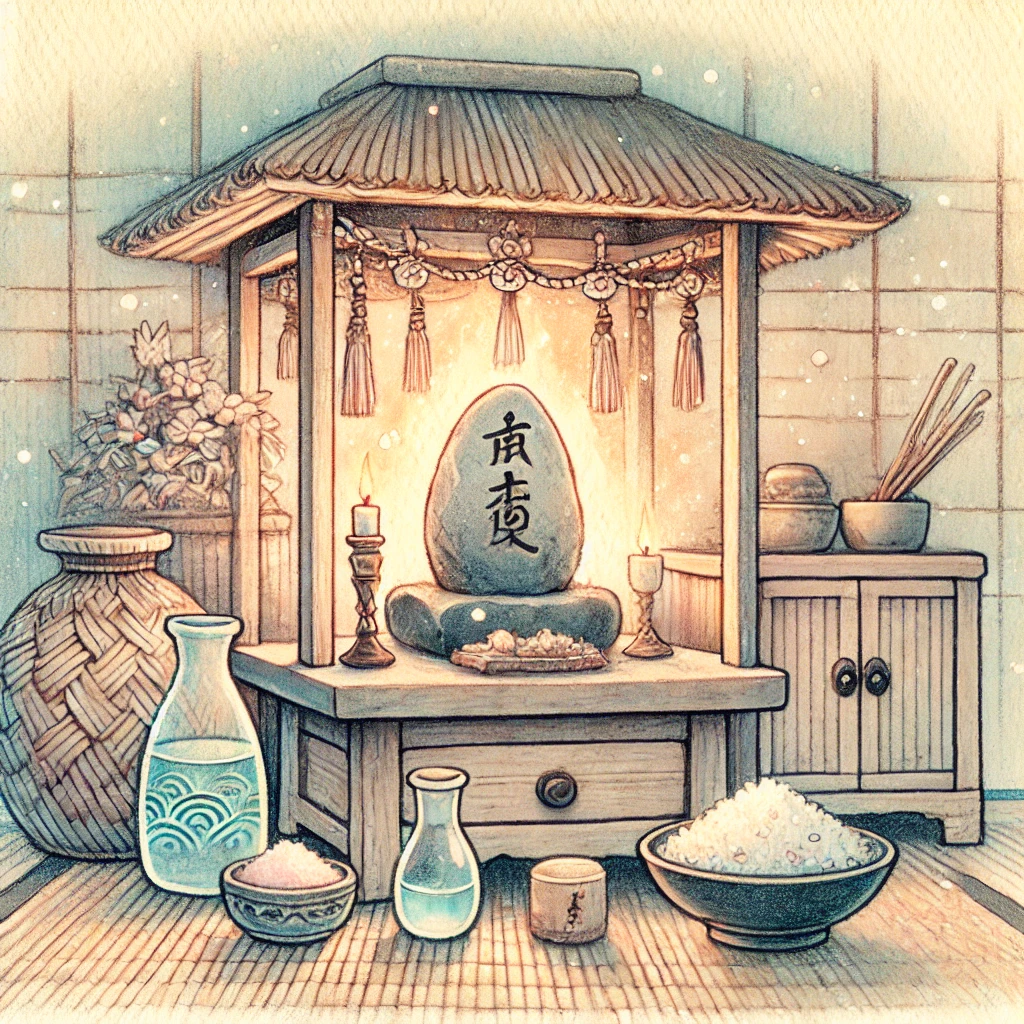
Okinawa has a long-held belief in the existence of the fire deity known as “Hinukan.” Hinukan is an important figure who protects the peace and safety of the household. However, it is said that if angered, Hinukan can bring about disasters such as fires and misfortune. There are even stories of men who suffered a series of misfortunes after spitting at Hinukan. These terrifying tales have been passed down among the people of Okinawa, fostering a deep sense of reverence for Hinukan.
However, the wrath of Hinukan is not merely a scare story. It embodies the respect for nature and the sacredness of ancestral beliefs that the people of Okinawa have cherished. The spiritual world of Okinawa, as interpreted through the lens of Hinukan’s wrath, offers valuable lessons even for those of us living in modern society. In a world that increasingly prioritizes efficiency and rationality, it teaches us the importance of revisiting traditional values and living in harmony with nature.
This article will delve into real examples of Hinukan’s wrath and explore the spiritual background behind these fears. Together, we will uncover the wisdom and lessons embedded in the faith in Hinukan that can be applied to contemporary life.
- What is Hinukan?
- The Wrath of Hinukan
- Examples of Hinukan’s Wrath
- Reasons Why the People of Okinawa Fear the Wrath of Hinukan
- Learning from the Wrath of Hinukan in Okinawa’s Spiritual World
- Conclusion
- Q&A
- Summary
What is Hinukan?
The Fire God of Okinawa
Origin and History of Hinukan
Hinukan, the fire god of Okinawa, has been worshipped by the people for centuries. The origin of Hinukan gradually formed over the course of Okinawan history. The culture of worshiping fire gods has long been ingrained in Okinawa, which eventually led to the belief in Hinukan.
One theory suggests that the indigenous people of Okinawa, known as Anchu (chiefs), revered the fire god. Anchu treated fire as a sacred entity and worshipped the fire god to pray for bountiful harvests and family safety.
Throughout Okinawan history, the fire god also played the role of a household guardian. Since Okinawan houses were traditionally made of wood and thus prone to fires, the belief that the fire god could protect homes from fires spread widely.
Through these historical contexts, Hinukan became a deeply rooted presence in the lives of Okinawans, revered for many generations. Even today, many Okinawan households still worship Hinukan with great care.
The Role and Power of Hinukan
Hinukan holds a significant role as the fire god in Okinawan households. Hinukan is believed to protect the peace and safety of the home, guarding not only against fires but also ensuring the health and happiness of the family.
The power of Hinukan is not limited to controlling fire. Hinukan is also believed to strengthen family bonds and prevent disputes within the household. By worshipping Hinukan, Okinawans believe they can maintain harmony within their families and lead peaceful lives.
Additionally, Hinukan is thought to bring prosperity to the home. In families engaged in business, Hinukan is worshipped to pray for business success. Farmers, on the other hand, pray to Hinukan for bountiful harvests.
Hinukan’s influence extends to all aspects of Okinawan life. By venerating Hinukan, it is believed that families can achieve peace, safety, and prosperity, which is why Okinawans hold Hinukan in such high regard.
A Guardian of Household Peace and Safety
Where and How to Worship Hinukan
Since Hinukan is a vital protector of household peace and safety, many Okinawan homes have places dedicated to worshiping Hinukan. The location for worshiping Hinukan varies from home to home, but it is typically set up in the kitchen or near the family altar.
When worshipping Hinukan, a special shelf called “Hinukan-dana” is prepared. This shelf is usually placed in a high position within the house, reflecting the respect for the fire deity. On the Hinukan-dana, a stone known as “Hinukan-ishi” is placed, and on top of that stone, a jar called “Hinukan-tsubo” is positioned.
The Hinukan-tsubo is filled with water, which is changed daily. Around the jar, offerings such as rice, water, salt, and sake are placed to express gratitude and prayers to Hinukan.
It is considered important to change the water daily and offer fresh supplies to Hinukan. On special occasions, more elaborate offerings are made. For example, during New Year’s, Obon, and weddings, special offerings are prepared for Hinukan.
Worshipping Hinukan is an essential practice for Okinawan households. By taking care of Hinukan with heartfelt reverence, families believe they can ensure their peace, safety, and prosperity.
Offerings and Prayers to Hinukan
Offering items to Hinukan is seen as an important practice that reflects gratitude and prayers. These offerings are also a means of communication with Hinukan.
The offerings usually include rice, water, salt, and sake. Rice symbolizes the wish for a good harvest and family health. Water represents purity and cleansing, which is crucial for Hinukan. Salt is believed to ward off evil spirits, symbolizing the wish for the home’s safety. Sake is considered a sacred drink that connects the gods and humans, showing respect for Hinukan.
During the offering, a prayer called “Ugan” is often recited. Ugan expresses gratitude to Hinukan and wishes for the family’s health, safety, and prosperity. This prayer deepens the bond with Hinukan and wishes for the family’s happiness.
On special occasions, more luxurious offerings are made. For instance, during the New Year, a special offering called “Kajimaya” is prepared, consisting of elaborate dishes in a stacked box, expressing gratitude and celebration for the new year.
Offering items and prayers to Hinukan are crucial customs for Okinawan families. By venerating Hinukan with heartfelt offerings, families believe they can ensure their peace, safety, and prosperity, making Hinukan worship an integral part of their culture.
The Wrath of Hinukan
Disasters Caused by Angering Hinukan
Fires and Structural Damage
While Hinukan protects household peace and safety, it is believed that angering Hinukan can lead to great calamities, particularly fires and structural damage.
Traditionally, Okinawan houses were made of wood, making them highly susceptible to fires. Therefore, worshiping Hinukan and carefully managing fire were crucial. However, if Hinukan is angered, it is believed that the fire god could cause a fire.
Many stories in Okinawa tell of fires caused by Hinukan’s wrath. For example, there are accounts of fires breaking out because a family neglected to make offerings to Hinukan, resulting in the deity’s anger. Other stories tell of fires occurring after disrespectful actions towards Hinukan.
In addition to fires, it is said that Hinukan’s wrath can cause structural damage to homes. For example, neglecting the cleanliness of Hinukan’s shrine could lead to decaying pillars or damage from a typhoon due to neglected offerings.
The potential for fires and structural damage caused by Hinukan’s wrath instills a sense of fear and respect in the people of Okinawa, emphasizing the importance of properly venerating Hinukan and managing fire carefully.
Illness and Misfortune in the Family
Hinukan’s wrath is also believed to bring illness and misfortune to the family. While Hinukan protects the family’s health and happiness, angering the deity is thought to bring calamity upon the family members.
For instance, there are stories of families experiencing illness after neglecting offerings to Hinukan. In some cases, accidents and misfortunes have befallen family members due to disrespectful actions towards Hinukan.
Particularly, children’s illnesses or accidents are often attributed to Hinukan’s wrath. Children are considered precious, and any harm to them is a profound tragedy for the family. The belief that angering Hinukan could lead to harm to children underscores the severity of such actions.
Furthermore, it is said that Hinukan’s wrath can lead to discord within the family. Maintaining family harmony is crucial in worshiping Hinukan, and angering the deity could result in persistent conflicts within the household.
The belief that Hinukan’s wrath can cause illness and misfortune underscores the importance of properly venerating Hinukan to ensure the family’s health and happiness.
Improper Fire Handling and Disrespectful Actions
Taboos Regarding Fire Handling
As Hinukan is the fire god, careful attention must be paid to fire handling. In Okinawa, there are specific taboos regarding fire, which are important to observe.
For example, it is strictly forbidden to treat fire carelessly. When extinguishing fire, it should be allowed to go out naturally rather than doused with water. Additionally, it is considered disrespectful to step over or trample on fire.
Moreover, it is important not to use excessively large fires. Large fires are believed to anger the fire god and increase the risk of fire incidents.
Observing these fire handling taboos is essential in honoring Hinukan and ensuring the household’s peace and safety.
Acts of Defiling Hinukan and Their Consequences
Hinukan is considered a pure deity who detests defilement. Therefore, any act of defiling Hinukan is a serious taboo and is believed to invite the deity’s wrath.
For instance, throwing trash or placing dirty objects near Hinukan’s shrine is strictly forbidden. Offering items to Hinukan without washing hands or in an unclean state is also considered a desecration.
Acts of defiling Hinukan are believed to invoke the deity’s anger and bring calamity to the family. There are stories of family members falling ill or experiencing continuous misfortunes due to a defiled shrine.
Moreover, defiling Hinukan is thought to
affect the household’s prosperity. Business families who defiled Hinukan reportedly faced business downturns, while farmers experienced poor harvests.
Avoiding acts of defiling Hinukan is crucial for Okinawans, as maintaining a pure and respectful environment for Hinukan is believed to ensure the family’s peace, safety, and prosperity.
Examples of Hinukan’s Wrath
House Fires Due to Negligent Fire Handling
Actual Fire Incidents
Okinawa has numerous stories of fires caused by Hinukan’s wrath, particularly due to negligent fire handling.
For instance, there are accounts of families suffering fires because they forgot to extinguish incense sticks used in worship, leading to the spread of fire and significant damage. Another story tells of a family spilling sake meant for offerings and leaving it unattended, resulting in a devastating fire believed to be caused by Hinukan’s anger.
These fire incidents illustrate the importance of carefully managing fire and venerating Hinukan to prevent calamities.
Family Misfortunes After Fires
The wrath of Hinukan resulting in fires is believed to bring not only structural damage but also family misfortunes. Losing a home to fire is a significant blow to any family, with the loss of cherished memories and belongings causing immense psychological distress.
Post-fire life can be financially challenging, with the need to find new employment and cover the costs of rebuilding. Even with fire insurance, the compensation is often insufficient.
Additionally, the psychological impact on family members, especially children, can be profound and long-lasting. Fire-induced trauma and resultant family discord are not uncommon, further exacerbating the misfortune brought by Hinukan’s wrath.
These examples underscore the importance of venerating Hinukan and managing fire carefully to ensure family safety and harmony.
Illness and Misfortune Due to Defiling Hinukan
Cases of Illness and Injury
Defiling Hinukan is believed to cause illness and injury among family members. Many stories in Okinawa recount families facing health issues after disrespecting Hinukan.
For example, children falling severely ill after their family disposed of trash near Hinukan’s shrine, or family members meeting with accidents after neglecting offerings are common tales.
These instances highlight the direct impact of defiling Hinukan on family health and safety, emphasizing the importance of maintaining respect and cleanliness in worship practices.
Deterioration of Family Relations and Financial Hardships
Defiling Hinukan is also believed to lead to deteriorating family relations and financial hardships. While Hinukan is thought to protect family bonds, disrespecting the deity is seen as a cause of family discord and economic struggles.
For instance, stories tell of couples experiencing marital strife after arguing during worship, or businesses failing due to neglecting Hinukan’s shrine.
These stories illustrate the importance of respecting Hinukan to maintain family harmony and economic stability.
A Folktale: The Man Who Spat at Hinukan
Details of the Man’s Misfortunes
One of the well-known folktales about Hinukan’s wrath involves a man who spat at Hinukan.
According to the tale, the man faced a series of misfortunes after his disrespectful act. He failed at work, accrued substantial debt, and his wife fell ill, requiring constant care. His children also suffered from accidents and illnesses, leading to continuous misfortunes that he could not escape.
The tale attributes all these misfortunes to the man’s act of spitting at Hinukan, highlighting the severe consequences of disrespecting the deity.
The Lesson and Significance of the Folktale
The tale of the man who spat at Hinukan teaches the importance of respecting the deity. It demonstrates the dire consequences of disrespectful actions and underscores the need to venerate Hinukan properly.
Additionally, this folktale illustrates the concept of karma, where good deeds bring positive outcomes, while negative actions result in misfortune. The man’s misfortunes are seen as a result of his actions, emphasizing personal responsibility.
The tale also serves as a reminder of the importance of maintaining respect and reverence for traditional beliefs and practices, ensuring family peace and safety.
The story of the man who spat at Hinukan is a valuable folktale passed down among the people of Okinawa, teaching respect for Hinukan and offering insight into the spiritual world of Okinawans.
Reasons Why the People of Okinawa Fear the Wrath of Hinukan
Respect for the Fire God Closely Connected to Daily Life
The Benefits and Importance of Fire
One reason the people of Okinawa fear the wrath of Hinukan is the essential role that fire plays in their daily lives. Fire has always been an indispensable part of human life, and Okinawans are no exception.
In Okinawa, fire is crucial for cooking. The unique flavors of Okinawan cuisine are brought out through cooking with fire. Additionally, fire is important for warmth. Although Okinawa has a subtropical climate and remains relatively warm even in winter, using fire for warmth has been a longstanding practice.
Furthermore, fire has been used in various aspects of life throughout history. For example, firing pottery and processing metals are important techniques that support Okinawa’s traditional crafts.
Fire is an indispensable element in the lives of the Okinawan people, and its benefits are immeasurable. For the people of Okinawa, who live with the benefits of fire, it is natural to respect Hinukan, the fire god.
Gratitude and Awe Towards Hinukan
While the people of Okinawa are grateful for the benefits of fire, they also hold a deep sense of awe for its power. Fire is essential for daily life, but if not properly controlled, it can lead to significant disasters.
Understanding the dual nature of fire, the people of Okinawa revere Hinukan. Hinukan is a source of fire’s benefits but also a potential bringer of calamities such as fires if angered by negligence.
The sense of gratitude and awe towards Hinukan is deeply rooted in the hearts of the Okinawan people. Remembering to respect Hinukan and carefully managing fire is an important mindset passed down from their ancestors.
The sense of gratitude and awe towards Hinukan is one reason the people of Okinawa fear the deity’s wrath. The belief is that the wrath of Hinukan is triggered by negligence and results from forgetting the respect and awe due to Hinukan.
Faith in Seeking Worldly Benefits
Desire for Household Safety and Prosperity
Another reason the people of Okinawa fear the wrath of Hinukan is their faith in seeking worldly benefits. Okinawans believe that by revering Hinukan, they can ensure the safety and prosperity of their households.
Hinukan is believed to protect not only household peace and safety but also bring prosperity. By revering Hinukan, the people of Okinawa believe they can attain various worldly benefits, such as household safety, business success, and the prosperity of descendants.
Especially for families engaged in business, worshiping Hinukan is crucial. Hinukan is also revered as a guardian deity of commerce, and it is believed that diligently worshiping Hinukan promises business prosperity.
For parents wishing for the health and growth of their children, worshiping Hinukan is indispensable. Hinukan is believed to protect the healthy growth of children, and by revering Hinukan, parents believe their children’s health and future are safeguarded.
Thus, the people of Okinawa believe that revering Hinukan ensures household safety and prosperity. This belief makes them fear the wrath of Hinukan and diligently worship the deity.
Actions to Gain Hinukan’s Blessings
The people of Okinawa take various actions to gain Hinukan’s blessings. Reverently worshiping Hinukan is one of the most important actions.
It is considered crucial to change the water and offer supplies to Hinukan daily. On special occasions, more luxurious offerings are made to Hinukan.
Keeping the place where Hinukan is worshipped clean is also important. Hinukan is considered a pure deity, and it is believed that a dirty shrine will anger Hinukan.
Additionally, careful fire management is vital to gain Hinukan’s blessings. Negligence in fire management is seen as an act that angers Hinukan, so meticulous attention to fire is necessary.
Thus, the people of Okinawa take various actions to gain Hinukan’s blessings. These actions reflect their reverence for Hinukan and are important practices to avoid the deity’s wrath.
Fear Based on Traditions and Personal Experiences
Psychological Impact of Tales of Wrath
One reason the people of Okinawa fear the wrath of Hinukan is the fear based on traditions and personal experiences. Numerous tales of Hinukan’s wrath are passed down in various parts of Okinawa, deeply instilling fear in the hearts of the people.
For instance, the story of the man who spat at Hinukan, mentioned earlier, demonstrates the terrifying consequences of disrespecting Hinukan. This tale strongly impresses upon people the fearsome nature of Hinukan’s wrath.
Moreover, personal accounts of individuals who have experienced Hinukan’s wrath also fuel people’s fear. Stories of misfortunes such as fires, illnesses, and injuries believed to be caused by Hinukan’s wrath instill deep fear in the hearts of the people.
These traditions and personal experiences play a role in passing down the fear of Hinukan’s wrath from generation to generation. For Okinawans who grew up hearing these tales from childhood, fearing Hinukan’s wrath is a natural sentiment.
How Fear Reinforces Faith
The fear of Hinukan’s wrath also serves to reinforce people’s faith. Hearing terrifying tales of wrath strengthens people’s resolve to revere Hinukan.
The fear of Hinukan’s wrath compels people to diligently worship the deity. Changing the water daily and offering supplies are considered crucial actions to avoid Hinukan’s wrath.
Additionally, the fear of Hinukan’s wrath makes people highly conscious of the importance of fire management. Since negligence in fire management is believed to invite Hinukan’s wrath, people exercise great caution in handling fire.
Thus, the fear of Hinukan’s wrath reinforces people’s faith. Fueled by this fear, people continue to hold strong reverence for Hinukan.
Fear based on traditions and personal experiences is a significant reason why the people of Okinawa fear Hinukan’s wrath. This fear also serves as an important element that supports the faith in Hinukan.
Learning from the Wrath of Hinukan in Okinawa’s Spiritual World
Reverence for Nature and Deities
The Importance of Coexisting with Nature
One lesson from the wrath of Hinukan in Okinawa’s spiritual world is the importance of reverence for nature and deities. The people of Okinawa have long valued coexistence with nature.
Okinawa, with its subtropical climate, is blessed with rich natural resources. The people of Okinawa deeply appreciate these natural blessings and recognize the importance of living in harmony with nature.
Hinukan, as the fire god, is also part of nature. Revering Hinukan is an expression of respect for nature. Diligently worshiping Hinukan and carefully managing fire are practices that contribute to coexisting with nature.
The people of Okinawa have treated nature not just as a resource but as an equal entity. Revering Hinukan, a part of nature, reflects the Okinawan worldview.
Gratitude and Prayer to the Gods
Another lesson from the wrath of Hinukan is the importance of gratitude and prayer to the gods. The people of Okinawa revere various deities, including Hinukan, and live with a sense of gratitude.
Hinukan provides the benefits of fire but also brings calamities if angered by human negligence. Offering prayers with gratitude to Hinukan is crucial for pacifying the deity’s anger and receiving blessings.
Moreover, Okinawans revere various other deities, such as “Unjami,” the god of the sea, and “Fīnukaji,” the god of the wind. Offering prayers with gratitude to these deities is a fundamental aspect of Okinawan faith.
Gratitude and prayer to the gods are essential elements that support the spiritual world of Okinawans. The wrath of Hinukan teaches the importance of gratitude and prayer to the gods.
The Importance of Faith Passed Down from Ancestors
Faith Shared by Families and Communities
A characteristic of Okinawa’s spiritual world learned from the wrath of Hinukan is the importance of faith passed down from ancestors. The faith in Hinukan is shared among families and communities in Okinawa and has been handed down for generations.
Worshiping Hinukan is an important family event. Gathering as a family to offer prayers with gratitude to Hinukan is a valuable opportunity to strengthen family bonds.
Additionally, the faith in Hinukan is shared within the community. Community members gather to perform ceremonies worshiping Hinukan, strengthening communal bonds.
Thus, the faith in Hinukan is a shared belief among families and communities, a precious cultural tradition passed down from ancestors.
The Impact of Faith on Daily Life
The faith passed down from ancestors significantly impacts the daily lives of the people of Okinawa. The faith in Hinukan is a representative example.
Diligently worshiping Hinukan is an indispensable practice in the lives of Okinawans. Changing the water and offering supplies daily are part of their routine.
Moreover, the faith in Hinukan influences people’s behavioral norms. Revering Hinukan encourages careful fire management, helping to prevent fires.
Additionally, the faith in Hinukan provides spiritual support. Believing in Hinukan’s protection brings peace of mind to the people.
Thus, the faith passed down from ancestors is deeply rooted in the lives of Okinawans, impacting various aspects of daily life.
Okinawa’s Unique Worldview and Values
The Spirituality Reflected in Faith in Hinukan
The faith in Hinukan reflects Okinawa’s unique worldview and values. The spirituality seen in Hinukan’s faith is evident in the reverence for nature and deities, and
the importance of faith passed down from ancestors.
Okinawans strongly recognize the importance of coexisting with nature and express this by revering Hinukan, a part of nature. Additionally, valuing the faith passed down from ancestors is a key element supporting the spirituality of Okinawans.
The faith in Hinukan not only seeks worldly benefits but also expresses reverence for nature and deities and preserves ancestral faith.
Thus, the faith in Hinukan symbolizes Okinawa’s spirituality and reflects its unique worldview and values.
Connection with Other Unique Okinawan Beliefs and Practices
The faith in Hinukan is closely related to other unique Okinawan beliefs and practices. For instance, the sacred site faith called “Utaki” shares many similarities with the faith in Hinukan.
Utaki are sacred places believed to be inhabited by village guardian deities and, like Hinukan, are part of nature. Valuing Utaki reflects reverence for nature, similar to the faith in Hinukan.
Additionally, the existence of “Yuta,” shamans who convey the will of the gods, is related to the faith in Hinukan. Yuta sometimes perform prayers related to Hinukan.
Furthermore, the “Shimi” festival, a ceremony for ancestor worship, is also related to the faith in Hinukan. During Shimi, prayers are offered to Hinukan with gratitude.
Thus, the faith in Hinukan is closely connected with other unique Okinawan beliefs and practices, making it indispensable for understanding Okinawa’s spiritual world.
Conclusion
The Impact of Hinukan’s Wrath on Okinawa’s Spiritual World
Inheritance and Development of Faith
The wrath of Hinukan greatly impacts the spiritual world of the people of Okinawa. The fear of Hinukan’s wrath strengthens people’s faith and serves as a driving force for the inheritance and development of Hinukan’s faith.
Tales of Hinukan’s wrath are passed down from parents to children and grandchildren, along with the reverence for Hinukan.
The fear of Hinukan’s wrath also makes people highly conscious of fire management, helping to prevent fires. Thus, Hinukan’s wrath plays an important role in the inheritance and development of faith.
The Meaning of the Spiritual World in Daily Life
The spiritual world created by the wrath of Hinukan significantly impacts the daily lives of the people of Okinawa. Revering Hinukan expresses reverence for nature and deities and preserves ancestral faith.
Additionally, the faith in Hinukan strengthens family and community bonds. Worshiping Hinukan is a valuable opportunity for families and communities to gather.
Moreover, the faith in Hinukan provides spiritual support. Believing in Hinukan’s protection brings peace of mind to the people.
Thus, the spiritual world created by the wrath of Hinukan is deeply rooted in the lives of Okinawans, holding significant meaning in various aspects of daily life.
The Significance of Faith in Hinukan in Modern Society
Preservation and Re-evaluation of Traditional Values
Even in modern society, the faith in Hinukan holds significant importance. The faith in Hinukan plays a role in preserving and re-evaluating Okinawan traditional values.
In modern society, convenience and efficiency are often prioritized, leading to the loss of traditional values. However, the faith in Hinukan preserves the traditional values of reverence for nature and deities and the importance of ancestral faith.
Additionally, the faith in Hinukan serves as a spiritual anchor in modern society. In the fast-paced modern world, the reverence for Hinukan provides a means to achieve peace of mind.
The Importance of Understanding and Preserving Okinawan Culture
The faith in Hinukan is also crucial for understanding and preserving Okinawan culture. The faith in Hinukan symbolizes Okinawa’s spiritual world and is indispensable for understanding its culture.
Understanding the faith in Hinukan leads to a deeper understanding of Okinawa’s history and culture. Preserving the faith in Hinukan ensures the continuity of Okinawan culture for future generations.
In modern society, understanding and preserving traditional culture is crucial. Knowing and valuing one’s cultural roots is essential for establishing identity in a globalized world.
The faith in Hinukan plays an important role in understanding and preserving Okinawan culture. Through the faith in Hinukan, one can experience the depth and richness of Okinawa’s spiritual world.
Learning about the wrath of Hinukan provides a good opportunity to understand the depth and richness of Okinawa’s spiritual world. The lessons conveyed by the wrath of Hinukan remind us of the importance of cherishing Okinawan culture in the coming era.
Q&A
What is Hinukan?
Hinukan is the fire deity of Okinawa who protects the peace and safety of households. While bringing the blessings of fire, Hinukan can also become angered by negligence, leading to misfortune.
What is the wrath of Hinukan?
The wrath of Hinukan refers to the calamities that occur when Hinukan is angered. It is said that improper handling of fire or disrespectful actions can lead to disasters such as fires, damage to homes, illness, and misfortune in the family.
Why do the people of Okinawa fear the wrath of Hinukan?
The people of Okinawa fear the wrath of Hinukan due to their deep respect for the fire deity, their faith in seeking worldly benefits, and the fear based on traditional stories and personal experiences.
What can be learned about Okinawa’s spiritual world from the wrath of Hinukan?
From the wrath of Hinukan, one can learn about Okinawa’s spiritual world, which includes reverence for nature and deities, the importance of ancestral faith, and the unique worldview and values of Okinawa.
What is the significance of faith in Hinukan in modern society?
In modern society, the faith in Hinukan holds significance in preserving and re-evaluating traditional values, understanding and continuing Okinawan culture. The faith in Hinukan is a symbol of Okinawa’s spiritual world and is indispensable for understanding Okinawan culture.
Summary
The “wrath of Hinukan (fire deity)” is an essential element for understanding the spiritual world of the people of Okinawa. Hinukan, as the fire deity, protects household peace and safety, but when angered, it is said to bring about calamities such as fires and misfortune. The reasons Okinawans fear the wrath of Hinukan include respect for fire, faith in seeking worldly benefits, and fear based on traditional stories and personal experiences. The spiritual world of Okinawa, as learned from Hinukan’s wrath, includes reverence for nature and deities, the importance of ancestral faith, and Okinawa’s unique worldview and values. In modern society, the faith in Hinukan is significant in preserving and re-evaluating traditional values and understanding and continuing Okinawan culture. Learning about the wrath of Hinukan provides insight into the depth and richness of Okinawa’s spiritual world.
コメント