
What Would You Do if You Were Chosen as a Sacrifice for the Village’s Peace?
This question strikes at the core of the ancient Okinawan legend of the Mayunganaashi sacrifices. The legend tells the tale of young women offered as sacrifices to the deity known as Mayunganaashi to ensure the safety and prosperity of their village. At first glance, this practice may seem cruel and irrational. However, behind this legend lies a deep spirituality and worldview developed by the Okinawan people over a long history. The values reflected in this legend, such as nature worship, ancestor worship, prioritizing community survival, and the virtue of self-sacrifice, differ significantly from those of modern society.
Additionally, the Mayunganaashi sacrifice legend encompasses universal themes relevant to contemporary life. It raises issues such as the conflict between individual freedom and social demands, group psychology, and the pressure to conform. These themes offer important insights into the challenges of modern society. By listening to the wisdom of our ancestors, we can gain new perspectives on the value of life, the meaning of sacrifice, and the structure of society. The legend of Mayunganaashi is not just a story of Okinawan culture but a reflection of the Okinawan soul. Passing down this legend helps preserve Okinawa’s cultural identity and promotes understanding and respect for cultural diversity.
Feel the ancient wisdom embedded in this legend in your heart. There lies an irreplaceable message for us living in the modern era.
- What is the Legend of Mayunganaashi Sacrifices?
- Detailed Content of the Legend
- Real Events and Folktales Related to the Legend
- The Significance of the Mayunganaashi Sacrifice Legend to the Okinawan People
- Lessons from the Mayunganaashi Sacrifice Legend
- Q&A
- Conclusion
What is the Legend of Mayunganaashi Sacrifices?
Overview of the Legend
Who is Mayunganaashi?
Mayunganaashi is one of the deities featured in ancient Okinawan legends. This deity is said to demand the sacrifice of young women to bring safety and prosperity to the village. The villagers both feared and revered Mayunganaashi. According to the legend, Mayunganaashi appears as a beautiful woman and takes the sacrificial women to her realm. She served as the village’s guardian deity, and the villagers strived to respect her and avoid incurring her wrath.
The Role and Meaning of the Sacrifice
In the legend of Mayunganaashi, the sacrificial young women play a crucial role. They offer their lives to protect the village’s safety and prosperity. The villagers believed that offering a sacrifice would appease Mayunganaashi’s anger and bring blessings to the village. The chosen woman underwent a special ritual and was treated as a sacred being. Her role was not only to sacrifice her life but also to symbolize the village’s peace and prosperity.
Origins and Historical Background
The Origins and Spread of the Legend
The exact origins of the Mayunganaashi sacrifice legend are unknown, but it is believed to be closely related to ancient Okinawan beliefs and customs. The legend was passed down orally over many generations. In ancient Okinawa, nature and ancestor worship were prevalent, and deities like Mayunganaashi were venerated. The practice of offering sacrifices likely stemmed from these beliefs. The legend evolved over time and took on unique forms in different regions, although the fundamental structure of offering a sacrifice remained consistent.
Relation Between Okinawan History and the Legend
The Mayunganaashi sacrifice legend is closely tied to Okinawan history. Okinawa has long cultivated its unique culture and beliefs. In the harsh natural environment of the islands, people revered the gods and natural forces and sought to coexist with them. The custom of offering sacrifices is thought to have been linked to such nature and ancestor worship. Additionally, Okinawa has faced numerous invasions throughout its history. In difficult times, invoking the power of deities like Mayunganaashi to protect the village may have been crucial. The legend provided a spiritual anchor for the Okinawan people, helping them endure through challenging times.
Main Characters and Locations in the Legend
Characteristics of the Sacrificial Girl
The sacrificial girls in the Mayunganaashi legend have several characteristics. Typically, they are young and beautiful, aligning with the legend that Mayunganaashi prefers beautiful women. Additionally, the sacrificial women were required to be pure and virtuous. Chosen from within the village, they underwent special rituals to prepare for the sacrifice, often involving purification ceremonies and donning special garments. These women were prepared to offer their lives for the village’s peace and prosperity.
Sacred Places Where Rituals Are Conducted
In the Mayunganaashi legend, the locations where rituals are conducted hold significant meaning. Rituals were usually performed in sacred places within the village, such as shrines, holy forests, beaches, or caves believed to house Mayunganaashi’s power. These places were deemed suitable for offering sacrifices and were considered sacred spaces where villagers typically could not enter. Conducting rituals in these locations reinforced the villagers’ reverence for Mayunganaashi and strengthened their faith.
Detailed Content of the Legend
The Rituals of Mayunganaashi and Their Purposes
Preparation and Procedure of the Rituals
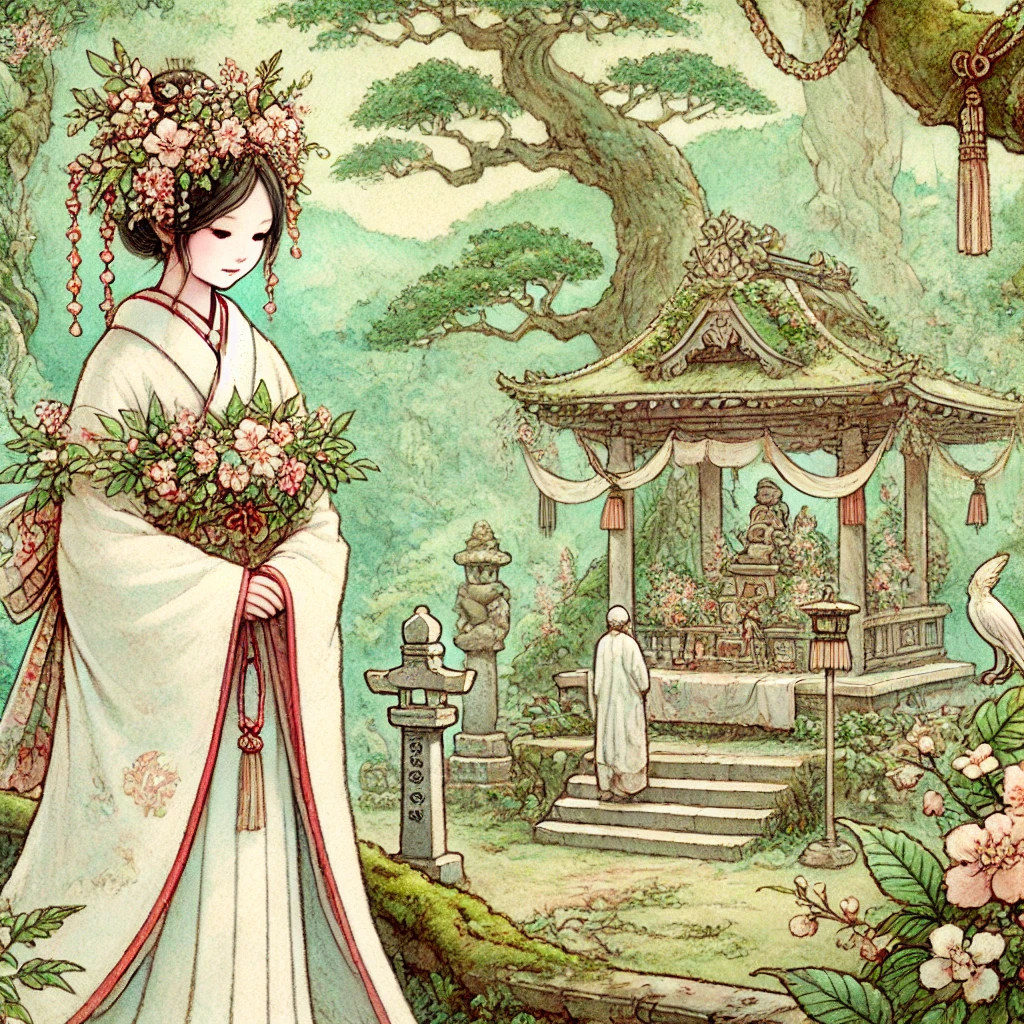
The Mayunganaashi legend details the preparation and procedure of the rituals. The preparations were conducted by village elders or priests, starting with the selection of the sacrificial woman, who was then secluded in a special hut and underwent purification rituals until the day of the ceremony. On the day of the ritual, the woman donned white garments and was adorned with flowers. Villagers gathered to witness the ceremony, during which the priest offered prayers and the sacrifice to Mayunganaashi. The sacrificial woman was then taken into Mayunganaashi’s realm, never to return.
The Purpose and Expected Effects of the Rituals
The purpose of the Mayunganaashi rituals was to protect the village’s safety and prosperity. Villagers believed that offering a sacrifice would appease Mayunganaashi’s anger and secure her blessings, including bountiful harvests and abundant fish catches, as well as protection from diseases and natural disasters. The successful performance of the rituals was believed to bring peace and prosperity to the village. The sacrifices symbolized not only the village’s survival but also the villagers’ unity and faith in Mayunganaashi.
The Selection Process for Sacrificial Girls
Criteria and Process for Selection
The selection of sacrificial women in the Mayunganaashi legend is described in detail. The criteria included youth, beauty, purity, and virtue. The selection process, often carried out by village elders or priests, involved choosing from among eligible women based on specific standards. Divination or oracles might have been used in the selection process. The chosen woman was then treated as a special being and prepared for the ritual. This careful and significant selection process underscored the gravity of the sacrifice.
The Fate of the Chosen Girls
The fate of the chosen sacrificial women was sealed by the ritual. According to the legend, they were taken into Mayunganaashi’s realm, often never to return. In some versions, the sacrificial women become Mayunganaashi’s brides and live eternally in the divine realm. However, in most cases, the fate of the sacrificial women was death, symbolizing the ultimate offering of life. Villagers honored their sacrifice and mourned their loss, viewing the sacrificial women as heroic figures whose sacrifice was essential for the village’s survival.
The Progress of the Ritual and the Role of the Sacrifice
Detailed Description of the Ritual
The progress of the Mayunganaashi rituals is described in vivid detail. The rituals took place in sacred village locations, with villagers gathering to witness the proceedings. The priest, dressed in special attire, offered prayers while the sacrificial woman, adorned in white garments and flowers, was presented. The priest performed the sacrifice ritual, culminating in the woman being taken into Mayunganaashi’s realm. The solemn and sacred nature of the ritual left a profound impact on the villagers, reinforcing their faith in Mayunganaashi.
The Role and Importance of the Sacrifice in the Ritual
The sacrificial women played the most crucial role in the rituals. Their sacrifices symbolized the village’s peace and prosperity, and they were revered as sacred beings during the rituals. The villagers believed that the sacrifice’s offering appeased Mayunganaashi’s anger and brought blessings to the village. The sacrificial women’s presence in the ritual united the villagers, strengthened their faith, and their sacrifices were celebrated as acts of heroism, ensuring their eternal remembrance.
Post-Ritual Changes and Impacts on the Village
Reactions and Emotions of the Villagers
The legend details the villagers’ reactions and emotions after the rituals. Following the ceremony, the villagers expressed gratitude for the sacrificial women’s sacrifices and mourned their deaths. Simultaneously, a sense of relief and hope spread throughout the village, believing that the sacrifice had secured Mayunganaashi’s favor and future prosperity. The sacrificial women were celebrated as heroes, and their names were vowed to be remembered forever. The village was enveloped in a mix of sorrow and hope post-ritual.
Social and Economic Impacts of the Rituals
The Mayunganaashi sacrifice legend had significant social and economic impacts on the village. The rituals strengthened the villagers’ unity and community spirit, reinforcing their collective identity. The belief that the rituals ensured safety and prosperity contributed to agricultural and fishing success, supporting the village’s economic foundation. The legend also served as a cultural touchstone, preserving and passing down traditions and history across generations. The rituals played a crucial role in maintaining and developing the village’s cultural identity and
economic well-being.
Real Events and Folktales Related to the Legend
Records of Actual Rituals Based on the Legend
Historical Records and Testimonies
There are limited historical records and testimonies of actual rituals related to the Mayunganaashi sacrifice legend. These records suggest that the legend was not just a story but reflected actual practices. Some records describe detailed accounts of sacrifice rituals in specific villages, including the names of sacrificial women and the years the rituals took place. These historical records and oral testimonies provide critical evidence supporting the legend’s authenticity and its connection to real events.
The Reality and Evolution of the Rituals
Based on historical records and testimonies, the reality and evolution of Mayunganaashi rituals can be inferred. While ancient practices might have involved actual human sacrifices, over time, the rituals likely evolved into symbolic ceremonies. For instance, the selection of sacrificial women might have continued without actual sacrifices, or the rituals might have ceased entirely, remaining only as legends. Despite changes, the memory of these rituals persisted, deeply ingrained in the villagers’ hearts and continued to be passed down as legends.
Folktales and Traditions Related to the Legend
Folktales and Stories Inspired by the Legend
The Mayunganaashi sacrifice legend has been retold in various Okinawan folktales and stories. These stories often present different versions of the legend, reflecting the imagination and emotions of the storytellers. For example, some tales depict the sacrificial woman living happily as Mayunganaashi’s bride, while others highlight tragic events and conflicts among villagers during the selection process. These folktales and stories demonstrate the enduring impact of the legend and its capacity to evoke deep emotional responses.
Anecdotes About Characters and Places in the Legend
The Mayunganaashi legend includes numerous anecdotes about specific characters and locations. Some villages believe that the spirits of sacrificial women continue to watch over them, and the sacred ritual sites are thought to possess mystical powers. These anecdotes add special significance to the characters and places in the legend. The sacrificial women are revered as guardian spirits, and the ritual sites are preserved as holy grounds, reflecting the deep cultural and historical roots of the legend.
Traces and Influences of the Legend in Modern Times
Festivals and Customs Related to the Legend
The Mayunganaashi sacrifice legend continues to influence modern village festivals and customs. In some places, special festivals are held at former ritual sites, and these sacred locations are preserved and visited during festivals. Such customs and festivals keep the legend’s memory alive and serve as spiritual anchors for the villagers. The influence of the legend is also evident in everyday customs, such as ceremonies to thank Mayunganaashi when a girl is born, highlighting the legend’s enduring cultural impact.
The Legend’s Influence on Modern Culture and Art
The Mayunganaashi sacrifice legend has significantly influenced modern culture and art. It has inspired novels, films, plays, and various artworks, expressing the legend’s mystique and tragedy through contemporary lenses. These artistic interpretations showcase the legend’s emotional power and its relevance to modern sensibilities. The legend also symbolizes Okinawan cultural identity, playing a crucial role in cultural activities and promoting global awareness of Okinawa’s unique heritage.
The Significance of the Mayunganaashi Sacrifice Legend to the Okinawan People
The Spiritual World and Values Reflected in the Legend
Okinawan Religious Views in the Legend
The Mayunganaashi legend reflects Okinawan religious views, including nature and ancestor worship. In ancient Okinawa, deities like Mayunganaashi were revered as forces controlling nature and fate. The sacrificial rituals symbolize the deep spirituality and desire for harmony with nature inherent in Okinawan culture. The legend also touches on themes of life, death, and the afterlife, illustrating the complex religious beliefs of the Okinawan people.
Life and Sacrifice Concepts in the Legend
The Mayunganaashi legend reveals Okinawan concepts of life and sacrifice. The sacrificial women’s willingness to offer their lives for the village’s well-being highlights a value system prioritizing community survival over individual life. This self-sacrificial spirit reflects the virtues esteemed in Okinawan culture, emphasizing communal responsibility and altruism. The legend underscores the preciousness of life and the profound meaning of sacrifice, offering timeless lessons for modern society.
Reasons and Significance of the Legend’s Fear Factor
Fear and Sympathy Towards the Sacrificial Women’s Fate
The fear evoked by the Mayunganaashi legend is closely tied to the fate of the sacrificial women, eliciting both terror and sympathy. The young, beautiful sacrificial women naturally invite emotional investment from the audience, making their tragic fate all the more frightening. This fear stems from the potential for oneself or loved ones to face a similar destiny, amplifying the emotional impact. The legend’s fear factor also highlights the universal human response to the injustice and helplessness experienced by the sacrificial women.
Social and Psychological Functions of Fear
The fear factor in the Mayunganaashi legend serves social and psychological functions, uniting the villagers and reinforcing communal bonds through shared fear. This fear also helped regulate behavior, ensuring adherence to village laws and moral standards. Additionally, the legend provided a form of catharsis, allowing villagers to confront and purge their fears through the ritual’s emotional experience. These functions highlight the legend’s role in maintaining social order and mental well-being.
Modern Interpretations and Significance of the Legend
Reflecting on Modern Society Through the Legend
The Mayunganaashi legend offers valuable reflections on modern society. The sacrificial role underscores the tension between individual rights and societal demands, a relevant issue today. The legend’s nature worship philosophy provides insights into contemporary environmental concerns, advocating respect and harmony with nature. Additionally, the village’s strong communal ties challenge modern individualism and social isolation, prompting reflection on current social dynamics.
Universal Themes and Modern Interpretations of the Legend
The Mayunganaashi legend encompasses universal themes, inviting modern interpretations that reveal new meanings. The sacrificial women’s fate symbolizes the conflict between personal autonomy and societal pressure, relevant to contemporary experiences. The villagers’ attitudes reflect group psychology and conformity issues, paralleling modern social dynamics. These universal themes, reinterpreted through a modern lens, offer fresh insights into the legend’s significance.
Lessons from the Mayunganaashi Sacrifice Legend
The Legend’s Insights into Okinawan History and Culture
Wisdom and Lessons Embedded in the Legend
The Mayunganaashi legend encapsulates the wisdom and lessons of Okinawan ancestors. It reflects the values and worldviews developed over centuries, emphasizing communal survival and harmony with nature. The legend’s depiction of self-sacrifice and nature worship embodies the deep spiritual and cultural heritage of Okinawa, offering timeless lessons on the importance of community and respect for nature.
The Importance of Preserving Cultural Heritage Through the Legend
Preserving the Mayunganaashi legend is crucial for maintaining Okinawan cultural heritage. The legend embodies the history, culture, and spirituality of Okinawa, serving as a vessel for ancestral wisdom. By passing down the legend, Okinawans protect their cultural identity and promote global appreciation of their unique heritage. The legend also plays a vital role in educating future generations about Okinawan values and traditions, ensuring the continuity of cultural knowledge.
Universal Messages of the Legend for Modern Society
Lessons on the Value of Life and Meaning of Sacrifice
The Mayunganaashi legend teaches profound lessons on the value of life and the meaning of sacrifice. The sacrificial women’s ultimate offering highlights the sanctity of life and the noble nature of self-sacrifice. This message resonates in modern society, reminding us of the importance of altruism and communal responsibility. The legend’s emphasis on the greater good over individual desires offers valuable insights into addressing contemporary social and environmental challenges.
The Legend’s Insights into Social Structure and Individual Roles
The Mayunganaashi legend provides insights into social structure and individual roles, emphasizing communal unity and responsibility. The village’s portrayal as a tightly-knit community contrasts with modern individualism, offering a model for a more cohesive society. The sacrificial women’s role illustrates the importance of individual contributions to societal well-being, prompting reflection on our responsibilities within our communities. The legend’s enduring themes highlight the significance of collective effort and the value of selfless acts.
The Importance of Understanding Okinawa’s Spiritual World Through the Legend
Exploring Okinawan Psyche Through the Legend
The Mayunganaashi legend is a key to understanding Okinawa’s spiritual world, reflecting the people’s deep-seated beliefs and values. The legend’s themes of nature worship, life, and sacrifice offer insights into the Okinawan psyche, revealing a worldview centered on harmony and communal well-being. By exploring the legend, we gain a deeper appreciation of the spiritual and cultural fabric that defines Okinawan identity.
Promoting Cross-Cultural Communication Through Understanding the Legend
Understanding the Mayunganaashi legend fosters cross-cultural communication by highlighting Okinawa’s unique cultural and spiritual heritage. Appreciating the legend’s significance promotes mutual respect and understanding, enhancing interactions between Okinawans and others. Recognizing the cultural diversity embodied in the legend also encourages broader acceptance of different worldviews, enriching global cultural dialogue. Through the legend, we can build bridges of understanding and respect, celebrating the rich tapestry of human cultures.
Q&A
What is the legend of the Mayunganaashi sacrifice?
The legend of the Mayunganaashi sacrifice is one of the ancient tales from Okinawa. It describes how young women were chosen as sacrifices to the deity called Mayunganaashi to ensure the safety and prosperity of the village. This legend reflects the community’s deep spiritual beliefs and practices aimed at protecting the village.
Can you explain the spiritual world and values that the legend reflects about Okinawa?
The legend is deeply rooted in Okinawa’s religious views, such as nature worship and ancestor worship. It also highlights values like prioritizing the community’s survival over individual interests, the spirit of self-sacrifice, and the sanctity of life. These aspects reflect the communal and spiritual priorities of Okinawan culture.
What significance does this legend hold in modern society?
The legend encompasses universal themes that resonate with contemporary issues. It addresses the conflict between individual freedom and social demands, the dynamics of group psychology, and the pressure to conform. These themes provide valuable insights into modern societal challenges and encourage reflection on our current social structures.
What can we learn from this legend as we live in the modern era?
From this legend, we can learn about the value of life, the meaning of sacrifice, and the roles individuals play within society. It offers lessons on altruism, community responsibility, and the importance of balancing personal desires with communal needs. The legend also encapsulates the wisdom and teachings of Okinawan ancestors, offering guidance for contemporary living.
What is the significance of passing down the legend of the Mayunganaashi sacrifice?
Passing down this legend helps preserve and develop Okinawa’s cultural identity. It fosters a deeper understanding of Okinawa’s spiritual world and encourages respect for cultural diversity and intercultural understanding. The legend serves as a cultural heritage that enriches our appreciation of Okinawan values and history.
Conclusion
The legend of the Mayunganaashi sacrifice is a vital cultural heritage that embodies the history, culture, and spirituality of Okinawa. It tells the story of young women offered as sacrifices to protect the village’s safety and prosperity, reflecting Okinawan religious views, values, and perspectives on life. Even in modern times, the legend addresses universal themes such as the relationship between individuals and society and group dynamics, offering important insights for contemporary reflection. From this legend, we learn valuable lessons about the sanctity of life, the meaning of sacrifice, and societal structures. Additionally, the legend provides a key to understanding Okinawa’s psyche and worldview. Preserving and passing down this legend is essential for maintaining Okinawa’s cultural identity and promoting intercultural understanding and respect for cultural diversity. The Mayunganaashi sacrifice legend is a profound embodiment of Okinawa’s soul and offers an irreplaceable message for us living in the modern era.


コメント