
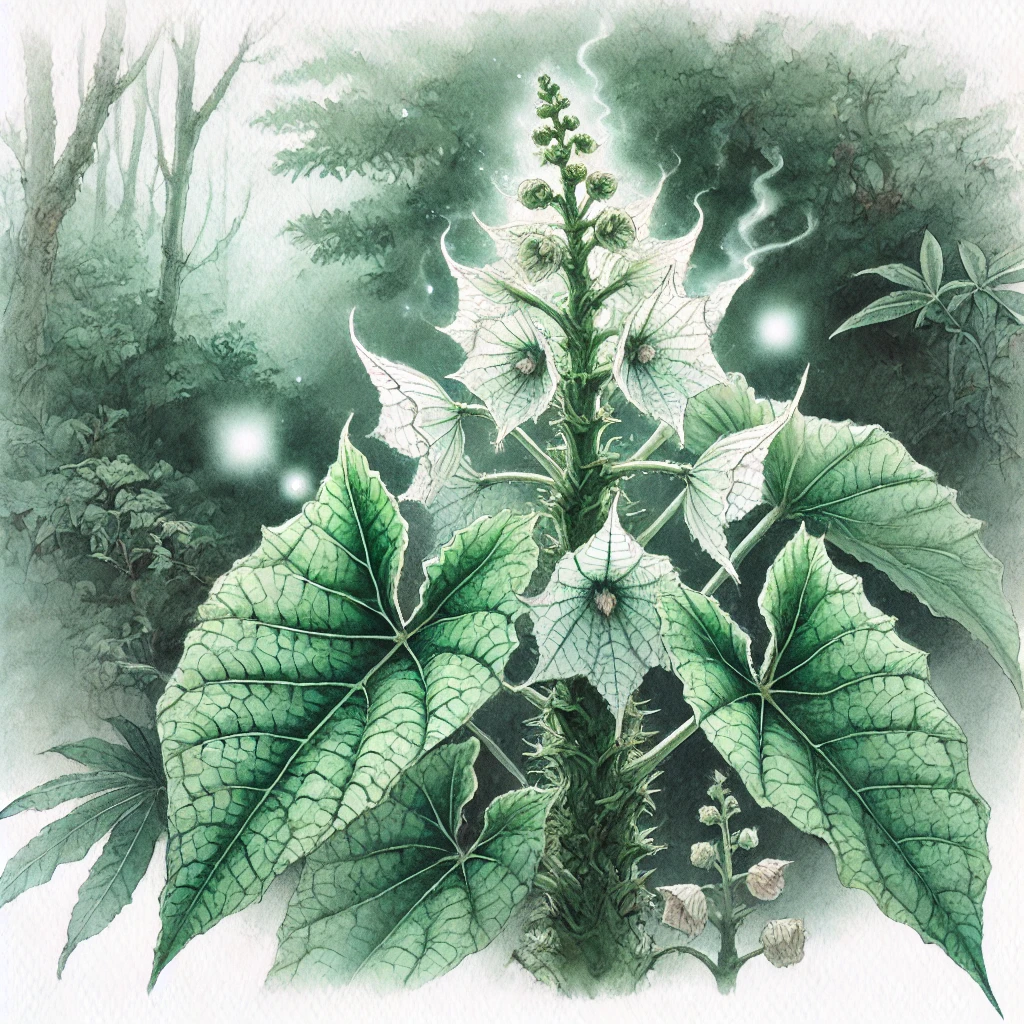
Did you know that amidst the lush nature of Okinawa, there exists a hidden plant that invokes fear and dread? Known as Shibiri-bana, this plant has been feared since ancient times for its potent toxicity and numbing effects, leading people to believe that it is inhabited by malevolent spirits. Simply touching it is said to invite these spirits, bringing about illness, misfortune, and even death.
However, Shibiri-bana is not merely an object of fear. The strange phenomena and legends associated with this plant are cultural expressions deeply connected to the psyche of the Okinawan people. The fear of Shibiri-bana intertwines with Okinawa’s traditional views on nature, the spiritual world, and concepts of life and death.
In this blog, we will explore Okinawa’s rich cultural background through the lens of Shibiri-bana. By delving into the legends and strange occurrences related to this plant, we aim to uncover the imagination, creativity, and worldview of the Okinawan people. Furthermore, we will discuss the importance of preserving the habitats of Shibiri-bana and utilizing it for environmental education.
Understanding and preserving Okinawa’s traditional culture is crucial, and Shibiri-bana plays an indispensable role in this effort. Through Shibiri-bana, we can connect with Okinawa’s nature, culture, and spiritual world. By reading this blog, you will gain a deeper appreciation for the richness of Okinawa’s traditional culture and the importance of its preservation.
Let’s embark on a journey into the mysterious world of Shibiri-bana together. Experience the rich cultural heritage of Okinawa right here, right now.
- What is Shibiri-bana?
- Paranormal Phenomena of Shibiri-bana
- The Spiritual World of Okinawan People and Shibiri-bana
- Modern Significance of Shibiri-bana
- Q&A
- Conclusion
What is Shibiri-bana?
Characteristics and Ecology of Shibiri-bana
Classification and Distribution of Shibiri-bana
Shibiri-bana (scientific name: Laportea macrostachya) is a perennial plant belonging to the nettle family, native to Okinawa Prefecture and Amami Oshima. The nettle family includes many plants known for their strong irritants, such as European nettle and Canadian hemp. Shibiri-bana primarily grows in the Ryukyu Islands, including Okinawa Island, Ishigaki Island, Iriomote Island, and Yonaguni Island, forming part of the unique ecosystem influenced by the subtropical climate.
Morphological Characteristics of Shibiri-bana
Shibiri-bana is a perennial plant that grows to a height of about 0.5 to 1.5 meters. Its leaves are alternate, ovate, or broadly ovate, measuring about 10 to 20 cm in length and 5 to 15 cm in width, with serrated edges. Both surfaces of the leaves are densely covered with stinging hairs, which are the plant’s most distinctive feature, causing intense pain and numbness upon contact. The flowers are unisexual, with male and female flowers on separate plants. Male flowers form panicles at the ends of long stalks, while female flowers cluster into spherical inflorescences on shorter stalks.
Ecology and Environmental Adaptations of Shibiri-bana
Shibiri-bana thrives in the subtropical climate of Okinawa, preferring warm, humid environments. It typically grows in forest understories, forest edges, and along rivers, favoring semi-shaded to shaded areas. The stinging hairs of Shibiri-bana are thought to have developed as a defense mechanism against herbivorous animals. Additionally, Shibiri-bana prefers nutrient-rich soils, making it an indicator plant of the traditional Okinawan agricultural system known as “Yanbaru no Mori.”
Legends Surrounding Shibiri-bana
The Belief in Evil Spirits
In Okinawa, it has long been believed that Shibiri-bana is inhabited by evil spirits. This belief is closely tied to the traditional Okinawan view of nature. The people of Okinawa have historically thought that spirits reside in all elements of the natural world. Shibiri-bana, with its potent toxicity and numbing effects, was believed to possess strong spiritual power. The evil spirits residing in Shibiri-bana were feared to bring misfortune to humans, leading people to avoid the plant.
Touching Shibiri-bana at Night Invites Possession
Okinawan legends warn that touching Shibiri-bana at night invites possession by evil spirits. While the power of these spirits is believed to weaken during the day, it strengthens at night, making it easier for them to possess humans. Those who touch Shibiri-bana at night are said to exhibit strange behavior or fall ill. This legend highlights the dangers of nighttime excursions, encouraging the people of Okinawa to refrain from nighttime activities.
Bringing Shibiri-bana into the Home Brings Misfortune
Another Okinawan legend states that bringing Shibiri-bana into the home brings misfortune to the family. The evil spirits residing in the plant are believed to threaten the health and happiness of the household. Specifically, individuals who bring Shibiri-bana into their homes are said to suffer illness or business failures. This legend reflects the psychological aversion of Okinawans towards Shibiri-bana, functioning as a behavioral norm to avoid contact with the plant.
Paranormal Phenomena of Shibiri-bana
Actual Incidents
1950s Incident in a Northern Okinawan Village
In the 1950s, a shocking incident occurred in a northern village of Okinawa Island, where an entire family succumbed to unexplained high fever and numbness, dying within a few days. This incident greatly impacted the villagers, heightening their fear of the paranormal phenomena associated with Shibiri-bana. The affected house was an old one on the outskirts of the village, surrounded by forests. Villagers reported sensing an eerie atmosphere around the house.
Details and Investigation of the Incident
The incident occurred on a summer night in the 1950s. That night, the entire family suddenly experienced high fever and whole-body numbness. Despite seeking medical help, the cause remained unidentified. The family’s condition rapidly worsened, and they all passed away within days. Investigating the house, villagers discovered Shibiri-bana had been brought inside. They concluded that the family’s misfortune was due to the plant’s presence, linking it to the supernatural phenomena associated with Shibiri-bana.
Villagers’ Reactions to Shibiri-bana’s Involvement
Convinced that the incident was caused by the paranormal effects of Shibiri-bana, the villagers grew even more fearful of the plant. They believed the evil spirits within Shibiri-bana had possessed the family, causing their high fever, numbness, and eventual deaths. This incident reinforced the fear of Shibiri-bana, leading to the widespread perpetuation of its legends and a strengthened sense of awe towards the plant.
Legendary Tales
The Tale of a Young Woman Touching Shibiri-bana at Night
A tale from Okinawa tells of a young woman who touched Shibiri-bana at night. Driven by curiosity, she wanted to verify the truth behind the plant’s legends. One night, she found a Shibiri-bana on the village outskirts and gently touched it. She immediately felt intense pain and numbness throughout her body and collapsed.
Strange Behavior and Villagers’ Interpretation
The next morning, villagers found the young woman and brought her home. However, they noticed her odd behavior. She exhibited strange actions and occasionally uttered incomprehensible words. The villagers believed she was possessed by the evil spirits of Shibiri-bana. Her family was overwhelmed with grief and fear.
Exorcism by a Shaman
To save the young woman, villagers summoned a shaman who performed a special exorcism ritual. The shaman chanted sacred words and sprinkled the young woman with purifying water. The ritual lasted all night, with villagers praying continuously. By morning, the young woman regained her senses and stopped her strange behavior. The villagers believed the shaman had successfully expelled the evil spirits from her body. This tale underscores the terrifying nature of Shibiri-bana’s paranormal phenomena and the power of traditional Okinawan exorcism rituals.
The Spiritual World of Okinawan People and Shibiri-bana
Reasons for the Fear of Shibiri-bana
Fear Beyond Physical Pain and Numbness
The fear of Shibiri-bana among Okinawans stems not only from the physical pain and numbness it causes but also from the belief in the malevolent spirits residing within it. In the traditional Okinawan worldview, unseen spiritual beings are believed to significantly influence human life. The spirits in Shibiri-bana, with their formidable spiritual power, are feared for bringing calamity to humans.
Fear of Misfortune Brought by Evil Spirits
The evil spirits of Shibiri-bana are believed to bring illness, misfortune, and death by possessing humans. Okinawans have long harbored a strong fear of this invisible threat. Particularly as a threat to the safety and happiness of families and communities, the evil spirits of Shibiri-bana have been deeply reviled. This fear has been amplified by legends and actual instances of strange occurrences involving Shibiri-bana.
Traditional Okinawan View of Nature and the Spiritual World
The fear of Shibiri-bana is deeply rooted
in Okinawa’s traditional view of nature and the spiritual world. Okinawans have historically believed that spirits reside in all elements of the natural world, including mountains, forests, rivers, seas, and plants. Within this worldview, Shibiri-bana is particularly perceived as a powerful spiritual entity. The fear of Shibiri-bana reflects the deep connection Okinawans feel with the natural and spiritual worlds.
The Relationship Between Shibiri-bana and the Okinawan Spiritual World
The Concept of Spirits Residing in Natural Objects
In Okinawa’s spiritual world, it is believed that spirits inhabit natural objects. This belief is based on the worldview known as animism, which posits that all elements of nature possess a soul. Okinawans have recognized the spiritual power in all aspects of the natural world, including mountains, forests, rivers, seas, and plants. Within this context, Shibiri-bana is seen as a particularly powerful spiritual entity.
The Spiritual Power of Shibiri-bana and Its Connection to Evil Spirits
Shibiri-bana, with its potent toxicity and numbing effects, has long been believed to possess strong spiritual power. This power is feared for its harmful influence on humans. The spirits within Shibiri-bana, considered evil, are believed to bring misfortune by possessing humans. This connection between the spiritual power of Shibiri-bana and evil spirits holds significant importance in the Okinawan spiritual worldview.
Okinawan Views on Life and Death and the Connection to Shibiri-bana
In the Okinawan spiritual worldview, the connection between the afterlife and the living world is paramount. Okinawans have believed that the spirits of ancestors influence the living world and that actions in this world determine one’s fate in the afterlife. Within this view, Shibiri-bana is feared as an entity that brings death. The spirits within Shibiri-bana are believed to have the power to cause death, reflecting the deep connection between Okinawan views on life and death and Shibiri-bana.
Modern Significance of Shibiri-bana
A Key to Understanding Okinawan Traditional Culture
Learning about Okinawa’s View of Nature Through Shibiri-bana
Shibiri-bana serves as an important key to understanding Okinawa’s traditional view of nature. The belief in the spiritual power of Shibiri-bana reflects how Okinawans have perceived the natural world. Through Shibiri-bana, we can learn about the worldview that finds spirituality in all elements of nature. This perspective offers valuable insights into addressing modern environmental issues, prompting a reconsideration of the relationship between humans and nature.
Oral Traditions and Okinawa’s Rich Cultural Heritage
The legends and strange phenomena associated with Shibiri-bana exemplify Okinawa’s rich oral tradition. Stories and legends have been orally transmitted in Okinawa for generations, and the tales surrounding Shibiri-bana are part of this cultural heritage. These stories reflect the imagination, creativity, and worldview of Okinawans. Through the tales of Shibiri-bana, we can appreciate the cultural richness of Okinawa.
Understanding Okinawa’s Spiritual World Through Shibiri-bana’s Phenomena
The strange phenomena associated with Shibiri-bana provide important insights into Okinawa’s spiritual world. The fear of the evil spirits within Shibiri-bana demonstrates how Okinawans have recognized spiritual beings. Additionally, the role of shamans in protecting against these spirits highlights a key aspect of Okinawa’s traditional belief system. Through Shibiri-bana’s phenomena, we can explore the depths of Okinawa’s spiritual world.
Protection and Utilization of Shibiri-bana
Necessity of Preserving Shibiri-bana’s Habitat
Shibiri-bana forms part of Okinawa’s unique ecosystem, but its habitat is threatened by recent development and environmental changes. Preserving the habitats of Shibiri-bana is crucial not only for protecting the plant itself but also for safeguarding Okinawa’s overall ecosystem. The conservation of Shibiri-bana should be regarded as part of broader efforts to protect Okinawa’s natural environment.
Potential of Shibiri-bana for Environmental Education
Shibiri-bana holds significant potential as a resource for environmental education. Through Shibiri-bana, children can learn about the richness and importance of Okinawa’s natural environment. Moreover, the legends and strange phenomena associated with Shibiri-bana can stimulate children’s imagination and foster interest in Okinawan culture. Utilizing Shibiri-bana for environmental education can play a crucial role in passing down the natural and cultural heritage of Okinawa to future generations.
Shibiri-bana and the Continuation of Okinawa’s Traditional Culture
Shibiri-bana is also vital for the continuation of Okinawa’s traditional culture. The legends and strange phenomena associated with Shibiri-bana reflect the spiritual world of Okinawans. Passing down these stories helps preserve Okinawa’s cultural identity. Furthermore, through Shibiri-bana, we can convey Okinawa’s view of nature and worldview to the next generation. Shibiri-bana plays a crucial role in perpetuating Okinawa’s traditional culture into the future.
Shibiri-bana is indispensable for understanding Okinawa’s nature, culture, and spiritual world. The strange phenomena associated with Shibiri-bana are not mere superstitions but cultural expressions deeply tied to the psyche of the Okinawan people. Through Shibiri-bana, we can connect with the rich natural and cultural heritage of Okinawa. Preserving, utilizing, and passing down the stories of Shibiri-bana holds significant meaning for the future of Okinawa’s traditional culture.
Q&A
Why is Shibiri-bana feared by the people of Okinawa?
Shibiri-bana is feared because it is believed to be inhabited by evil spirits due to its strong toxicity and numbing effects. The people of Okinawa believe that touching Shibiri-bana can result in being possessed by these spirits, leading to illness, misfortune, and even death. This deep-seated fear has been passed down through generations, intertwining with their cultural and spiritual beliefs.
What are some famous paranormal phenomena associated with Shibiri-bana?
One of the most famous incidents occurred in the 1950s in a village in northern Okinawa. An entire family mysteriously died of high fever and numbness, and it was later discovered that Shibiri-bana had been brought into their home. Additionally, there are legends of a young woman who touched Shibiri-bana at night and became possessed by evil spirits. These stories highlight the fear and supernatural elements associated with the plant.
How is the fear of Shibiri-bana connected to Okinawa’s spiritual world?
The fear of Shibiri-bana is deeply rooted in Okinawa’s traditional views on nature and the spiritual world. Okinawans believe that spirits reside in all elements of nature, and Shibiri-bana, with its potent effects, is thought to possess strong spiritual power. This belief is also connected to their views on life and death, as Shibiri-bana is seen as a harbinger of death. The plant’s association with spirits and the afterlife reflects the spiritual depth of Okinawan culture.
How can Shibiri-bana help us understand Okinawa’s traditional culture?
Shibiri-bana serves as a key to understanding Okinawa’s traditional views on nature, oral traditions, and spiritual beliefs. The legends and paranormal phenomena associated with Shibiri-bana reflect the imagination, creativity, and worldview of the Okinawan people. Through Shibiri-bana, we can appreciate the cultural richness and deep-rooted traditions of Okinawa, gaining insights into their natural and spiritual perspectives.
What is the significance of preserving and utilizing Shibiri-bana?
Preserving the habitat of Shibiri-bana is crucial for protecting the overall ecosystem of Okinawa. Utilizing Shibiri-bana for environmental education can teach future generations about the importance of Okinawa’s natural and cultural heritage. Additionally, passing down the legends associated with Shibiri-bana helps preserve Okinawa’s cultural identity and ensures that traditional culture is carried forward into the future. Shibiri-bana thus plays a significant role in both conservation and cultural education.
Conclusion
Shibiri-bana, a plant native to Okinawa, has been feared since ancient times due to its strong toxicity and numbing effects, believed to be inhabited by evil spirits. Touching Shibiri-bana is thought to lead to possession, resulting in illness, misfortune, and even death. Various paranormal phenomena associated with the plant have been passed down through generations. The fear of Shibiri-bana is deeply connected to Okinawa’s traditional views on nature, the spiritual world, and concepts of life and death. Through Shibiri-bana, we can gain a deeper understanding of Okinawa’s rich cultural background. Additionally, preserving the habitat of Shibiri-bana and using it for environmental education is vital for protecting Okinawa’s natural and cultural heritage. Shibiri-bana is an invaluable part of understanding and preserving Okinawa’s traditional culture for future generations.


コメント