
- Welcoming the New Year with Joy and Driving Away Misfortune
- What is Miifayuu?
- The Significance of Yaku-barai during Miifayuu
- The Spiritual World of Okinawans and Yaku-barai
- Incidents and Traditions Related to Yaku-barai
- Conclusion
- Q&A
- “Miifayuu and Yaku-barai: The Deep Meaning Embedded in Okinawa’s Traditional Events”
Welcoming the New Year with Joy and Driving Away Misfortune
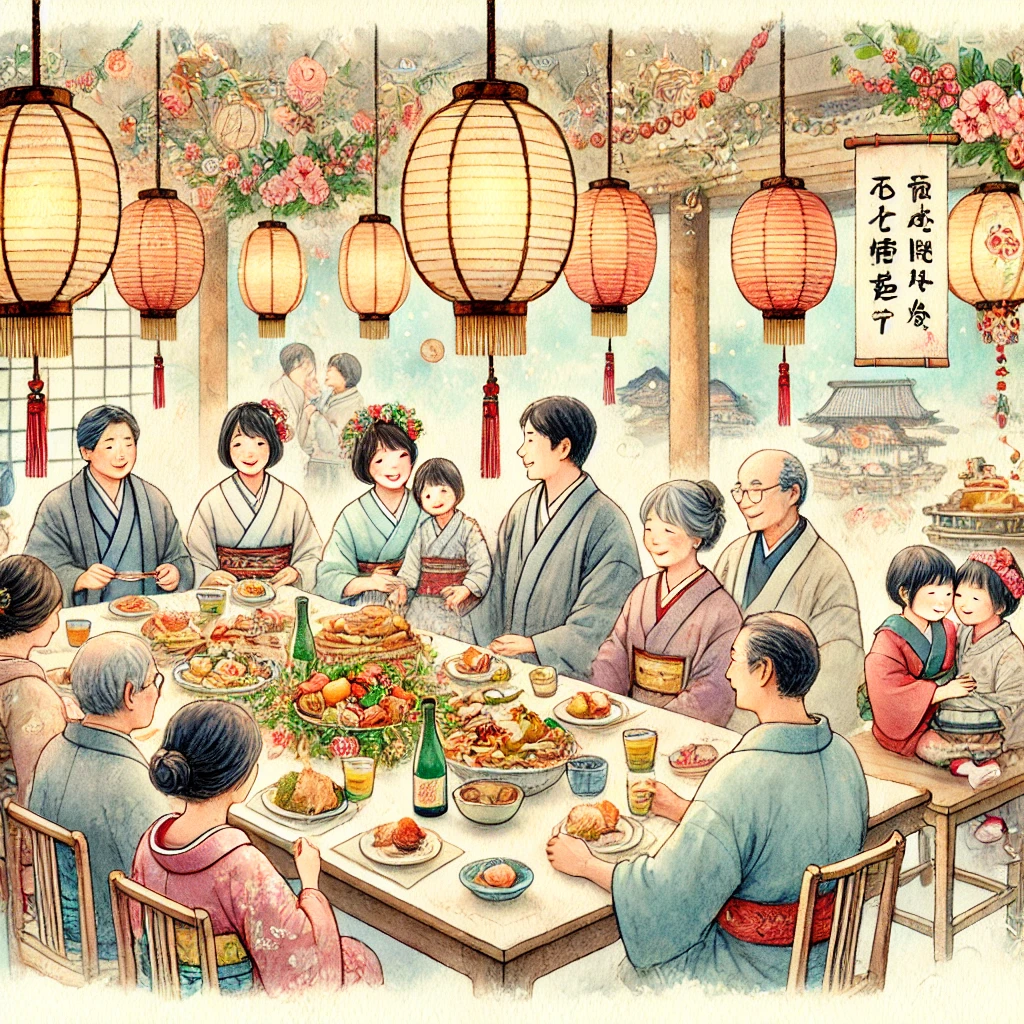
In Okinawa, there is a unique event that intertwines seemingly opposing emotions: the joy of welcoming the New Year and the fear of driving away misfortune. This event is known as “Miifayuu” and “Yaku-barai.” Miifayuu is held from January 1st to 3rd of the lunar calendar, bringing together families and relatives to celebrate the New Year with traditional cuisine. On the other hand, Yaku-barai is a ritual to purify oneself for the New Year, warding off past misfortunes and praying for happiness.
However, Miifayuu and Yaku-barai are not just annual events; they are deeply embedded in the spiritual world and values of the Okinawan people. The fear associated with Yaku-barai stems from the dread of evil spirits and calamities, reflecting the spirituality of the Okinawan people. Additionally, Miifayuu, said to be derived from the Chinese Lunar New Year, tells the story of Okinawa’s unique historical development.
In modern society, Miifayuu and Yaku-barai offer many insights. These events, which emphasize the importance of physical and mental purification and harmony with ancestors and nature, remind us of the spirituality often overlooked in the pursuit of material wealth. They also play a role in strengthening family and community bonds and passing down traditional culture.
Miifayuu and Yaku-barai, traditional events in Okinawa, are important cultural practices handed down from ancestors and are central to the hearts of the Okinawan people. Through these events, we can touch the rich spiritual world of Okinawa and enrich our lives in modern society.
So, why not embark on a journey into the world of Miifayuu and Yaku-barai? By connecting with the hearts of the Okinawan people and understanding their values of harmony with ancestors and nature, we can find hints to enrich our own lives. Discovering the meaning of tradition and learning the wisdom to apply it in the modern world—that is the world of Miifayuu and Yaku-barai.
What is Miifayuu?
Okinawa’s New Year Celebration
Okinawa’s New Year celebration, known as Miifayuu, is held from January 1st to 3rd of the lunar calendar. During this period, families and relatives gather to enjoy traditional dishes and celebrate the New Year. Miifayuu is one of the most important events of the year for Okinawans, providing a valuable opportunity to strengthen family bonds.
The Schedule and Duration of Miifayuu
Miifayuu takes place over three days, from January 1st to 3rd of the lunar calendar. These days are divided into three parts: “Soochi” (the first day), “Kachi” (the second day), and “Ukui” (the third day). Each day involves different customs and rituals.
Family and Relatives Gather
During Miifayuu, family and relatives gather to enjoy each other’s company. Even those who live far apart return home during this period, reuniting after a long time. This gathering is a crucial element of Miifayuu, providing a chance to reaffirm intergenerational bonds.
Traditional Cuisine and Celebratory Customs
Traditional cuisine is indispensable to Miifayuu. Dishes such as “Uchinuu,” a type of Okinawan home-cooked meal, “Inamuruchi,” a soup, and “Chiragaa,” a stir-fried vegetable dish, are typical. Additionally, a variety of dishes packed in a box called “Nanbu” are a hallmark of Miifayuu. These meals, enjoyed while sharing conversations with family and relatives, spread the joy of the New Year.
The Origins and History of Miifayuu
Influence of Chinese Culture
The origins of Miifayuu are said to be rooted in the Chinese Lunar New Year. Okinawa has had long-standing exchanges with China, heavily influenced by its culture. The customs of the Lunar New Year were brought to Okinawa, developing uniquely into what is now known as Miifayuu.
Unique Development and Changes in Okinawa
Brought from China, Miifayuu adapted to Okinawa’s climate and culture, developing uniquely. During the Ryukyu Kingdom era, the royal family and nobility held grand Miifayuu celebrations, which gradually spread to the general populace. Over time, the customs of Miifayuu have evolved, now showing regional variations.
Significance of Miifayuu in Modern Times
Even in modern times, Miifayuu remains an important event for Okinawans. Reaffirming family and relative bonds and fostering respect for ancestors hold significant meaning in contemporary society. Additionally, Miifayuu plays a major role in passing down Okinawan traditional culture to future generations.
The Significance of Yaku-barai during Miifayuu
The Purpose and Importance of Yaku-barai
Yaku-barai during Miifayuu is a crucial ritual to welcome the New Year with purity. Performing Yaku-barai drives away past misfortunes, avoids disasters, and prays for happiness. For Okinawans, Yaku-barai is an indispensable ceremony for welcoming the New Year, with a belief that neglecting it invites misfortune.
Welcoming the New Year with Purity
One purpose of Yaku-barai is to welcome the New Year in a pure state. By cleansing past misfortunes, one can start the new year with a fresh mindset. Okinawans place importance on welcoming the New Year with purity, believing that Yaku-barai purifies both body and soul.
Driving Away Past Misfortunes
Yaku-barai is also a ritual to dispel past misfortunes. The accumulated dirt and bad events of the past year are cleansed through Yaku-barai, preventing them from carrying over into the new year. It is believed that driving away past misfortunes allows one to welcome the New Year with renewed spirit.
Avoiding Misfortune and Praying for Happiness
By performing Yaku-barai, Okinawans avoid misfortune and pray for happiness. Properly conducting Yaku-barai is believed to bring a year of happiness, praying for the health and safety of the family. Yaku-barai is an essential ceremony for Okinawans to pray for happiness.
Methods and Tools of Yaku-barai
Differences by Region and Household
The methods of Yaku-barai differ by region and household. There are variations between Okinawa’s main island and its remote islands, and even among households, unique customs are passed down. However, the purpose of Yaku-barai is the same across regions and households: it is a vital ritual for welcoming the New Year with purity.
Purification Rituals Using Salt, Rice, and Water
Yaku-barai involves purification rituals using salt, rice, and water. Sprinkling salt at the entrance or offering rice prevents evil spirits from entering. Water is used to cleanse the interior of the house, removing dirt. These rituals are essential for cleansing the house and driving away misfortune.
Incense and Offerings to the God Shelf
In Yaku-barai, incense is burned, and offerings are made to the god shelf. The smoke from the incense is believed to have the power to repel evil spirits, and the offerings to the god shelf show respect to ancestors and deities. These rituals pray for the safety and happiness of the family.
The Spiritual World of Okinawans and Yaku-barai
The Relationship Between Utaki Faith and Yaku-barai
The Concept and Meaning of Utaki
Okinawans have a unique belief system known as Utaki faith. Utaki refers to sacred places where deities or spirits reside. There are many Utaki throughout Okinawa, each believed to possess its own unique spiritual power.
Reverence and Prayers to Utaki
The people of Okinawa revere Utaki and offer prayers there. Utaki are deeply connected to the daily lives of the people, serving as places to pray for abundant harvests, family health, and safety. The reverence for Utaki forms the core of the spiritual world of Okinawans.
The Connection Between Yaku-barai and Utaki Faith
Yaku-barai and Utaki faith are closely intertwined. During Yaku-barai, prayers are offered to Utaki to seek stronger spiritual power. It is believed that borrowing the power of Utaki enhances the effectiveness of Yaku-barai. Thus, Utaki faith forms the spiritual foundation of Yaku-barai.
Reasons for Fear and Their Significance
Confrontation with Spiritual Forces in Yaku-barai
The fear associated with Yaku-barai stems from its nature as a confrontation with unseen spiritual forces rather than a mere ritual. Performing Yaku-barai involves facing evil spirits and calamities. This confrontation is both mentally and physically taxing, making it natural to feel fear.
Fear of Evil Spirits and Calamities
Okinawans have a strong awareness of the presence of evil spirits and calamities. It is believed that failing to perform Yaku-barai properly allows these malevolent forces to enter the home and bring misfortune to the family. This fear is deeply rooted in the spiritual world of Okinawans, underscoring the seriousness with which they approach Yaku-barai.
Okinawan Values and Spiritual World
The fear associated with Yaku-barai reflects the values and spiritual world of Okinawans. They place great importance on harmony with ancestors and nature and emphasize their connection to the unseen world. Yaku-barai represents a point of contact with this spiritual world, and the fear felt is an expression of Okinawan values.
Incidents and Traditions Related to Yaku-barai
Incidents Caused by Yaku-barai
Case of a Fire Due to Carelessness
There have been incidents where Yaku-barai caused fires. In one case, a family handling incense carelessly during Yaku-barai caused a fire. This incident highlighted the importance of caution during Yaku-barai.
Lessons on the Importance of Proper Yaku-barai
The fire incident demonstrates the importance of conducting Yaku-barai carefully. Yaku-barai is not just a ritual; it can also be dangerous. The lesson to be learned is the need for seriousness and caution in performing Yaku-barai.
Proper Methods and Precautions for Yaku-barai
To perform Yaku-barai properly, it is essential to know the correct methods and take necessary precautions. When using incense or fire, care must be taken to prevent fires, such as having water on hand. Additionally, it is important to follow the procedures correctly and perform the ritual with sincerity.
Legends and Folklore Related to Yaku-barai
Legends of Misfortune from Neglecting Yaku-barai
In Okinawa, there are legends that misfortune befalls those who neglect Yaku-barai. Stories of families experiencing illness or disasters because they failed to perform Yaku-barai properly are well known. These legends underscore the importance of Yaku-barai.
Legends of Blessings from Proper Yaku-barai
Conversely, there are also legends that performing Yaku-barai correctly brings good fortune. Families that take Yaku-barai seriously are said to enjoy bountiful harvests and good health for their members that year. These legends reflect the belief in the efficacy of Yaku-barai.
What Legends Reveal About Okinawa’s Spiritual World
The legends surrounding Yaku-barai provide insights into the spiritual world of Okinawans. The desire to avoid misfortune and pray for happiness is deeply ingrained in these stories. Furthermore, the legends illustrate the importance Okinawans place on their connection with ancestors and deities through Yaku-barai.
Conclusion
The Significance of Miifayuu and Yaku-barai
Miifayuu and Yaku-barai are important events for the people of Okinawa, carrying significant spiritual meaning. Miifayuu offers an opportunity to reaffirm bonds with family and relatives, playing a crucial role in passing down traditional culture. Yaku-barai, on the other hand, is a ritual for welcoming the New Year with purity, deeply connected to the spiritual world of Okinawans.
Okinawa’s Unique Spiritual World and Culture
Okinawa has a unique spiritual world, exemplified by beliefs such as Utaki faith. This spiritual world is reflected in practices like Miifayuu and Yaku-barai, shaping the characteristics of Okinawan culture. The people of Okinawa place great importance on harmony with ancestors and nature, valuing their connection with the unseen world. These values continue to be passed down even in modern times.
Lessons from Yaku-barai and Insights for the Modern Era
Yaku-barai holds important lessons for contemporary society. The key teachings from Yaku-barai include the importance of purification of mind and body, and the value of harmony with ancestors and nature. While modern society often pursues material wealth, it tends to overlook the spiritual aspects. Yaku-barai serves as a reminder of the significance of the spiritual world.
Additionally, Yaku-barai strengthens family and community bonds. In a modern society increasingly characterized by individualism and weakening interpersonal connections, reaffirming these bonds through Yaku-barai holds great significance.
Moreover, Yaku-barai plays a crucial role in the preservation of traditional culture. In an era of globalization, local traditional cultures are at risk of being lost. Valuing Yaku-barai contributes to passing Okinawa’s traditional culture to future generations.
Miifayuu and Yaku-barai are essential for understanding the spiritual world and culture of the Okinawan people. Through these events, we can connect with the wisdom and values of our ancestors. In modern society, it is essential to re-recognize and cherish the meanings of Miifayuu and Yaku-barai.
The traditional events of Miifayuu and Yaku-barai are more than mere annual rituals. They are the spiritual foundation and expression of the hearts of the Okinawan people. We must protect this valuable culture, passed down from our ancestors, and ensure it is inherited by the next generation. By experiencing Miifayuu and Yaku-barai, we can touch upon the rich spiritual world of Okinawa and enrich our lives in the modern world.
Q&A
When did Miifayuu become a customary event?
The origins of Miifayuu are believed to trace back to the Chinese Lunar New Year. Okinawa has had long-standing exchanges with China, and the customs of the Lunar New Year were introduced to Okinawa, evolving uniquely over time.
What tools are used in Yaku-barai?
In Yaku-barai, items such as salt, rice, and water are used. Sprinkling salt or offering rice is believed to ward off evil spirits. Additionally, incense is burned, and offerings are made to the god shelf.
Why do Okinawans find Yaku-barai frightening?
Okinawans find Yaku-barai frightening because it involves confronting spiritual forces. It is believed that if Yaku-barai is not performed correctly, evil spirits and calamities can enter the home. This fear is deeply rooted in the spiritual world of the Okinawan people.
What are some of the legends associated with Yaku-barai?
There are legends that neglecting Yaku-barai brings misfortune and that performing it correctly brings good luck. These legends highlight the importance of maintaining connections with ancestors and deities through Yaku-barai.
What is the significance of Miifayuu and Yaku-barai in modern society?
Miifayuu and Yaku-barai strengthen family and community bonds and play a role in preserving traditional culture. They also teach the importance of purification of mind and body and harmony with ancestors and nature. Recognizing and valuing these events is crucial in modern society.
“Miifayuu and Yaku-barai: The Deep Meaning Embedded in Okinawa’s Traditional Events”
Okinawa’s New Year celebration, Miifayuu, is held from January 1st to 3rd of the lunar calendar, bringing together families and relatives to enjoy traditional cuisine and celebrate the New Year. The origins of Miifayuu lie in the Chinese Lunar New Year, and it has developed uniquely in Okinawa. Even today, Miifayuu is cherished as an important event for strengthening family bonds.
During Miifayuu, Yaku-barai holds significant meaning. Yaku-barai is a ritual for welcoming the New Year with purity, driving away past misfortunes, avoiding calamities, and praying for happiness. The methods of Yaku-barai vary by region and household, involving purification rituals using salt, rice, water, incense, and offerings to the god shelf.
Okinawans find Yaku-barai frightening because it involves confronting spiritual forces. The fear of evil spirits and calamities is deeply ingrained in the spiritual world of Okinawans. Incidents and legends related to Yaku-barai highlight its importance and reflect the values of Okinawans.
Miifayuu and Yaku-barai reflect Okinawa’s unique spiritual world and culture. The spiritual world of Okinawa, including Utaki faith, emphasizes harmony with ancestors and nature and values the connection with the unseen world.
In modern society, Miifayuu and Yaku-barai hold great significance. These events teach the importance of purification of mind and body and harmony with ancestors and nature. They also strengthen family and community bonds and play a role in preserving traditional culture.
The traditional events of Miifayuu and Yaku-barai are the spiritual foundation and expression of the hearts of the Okinawan people. We must protect this valuable culture, passed down from our ancestors, and ensure it is inherited by the next generation. By experiencing Miifayuu and Yaku-barai, we can touch upon the rich spiritual world of Okinawa and enrich our lives in the modern world.

コメント