
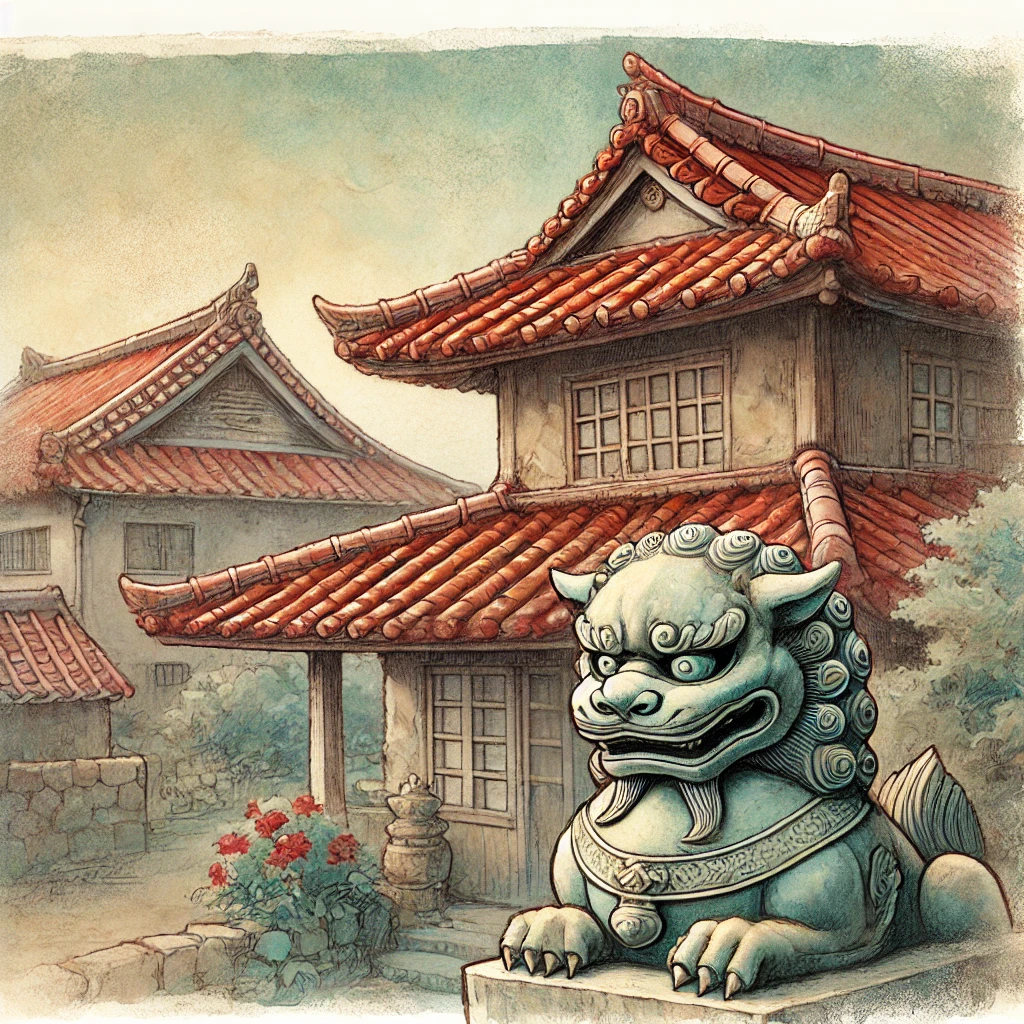
When you visit Okinawa, have you ever noticed the lion statues on the roofs or gates of houses with red tile roofs? Those are Shisa. Shisa are very important to the people of Okinawa, as they are believed to protect homes and families. But did you know that these Shisa statues hold frightening legends and mysterious secrets?
In this article, we will explore the allure of the guardian deity of Okinawa, the Shisa. We will delve into eerie stories associated with Shisa, the reason they are said to see deep into human hearts, and the lessons from Shisa that are essential in today’s society.
Shisa are far from just decorative objects. They are a source of spiritual support for the people of Okinawa, teaching the values of honesty, sincerity, and moral integrity.
In a modern society that often prioritizes material wealth, we tend to forget about spiritual richness. However, Shisa might be reminding us of the importance of spiritual abundance.
By reading this blog, you will discover new aspects of Shisa, and the life lessons they impart will surely resonate with you.
Let’s dive into the world of Shisa together. Let’s touch the heart of Okinawa and find hints for a fulfilling life with Shisa.
“Secrets of Shisa – The Mysterious Power Hidden in the Guardian Lion Statues”
The lion statues you often see on the roofs and gates of Okinawan houses are Shisa. Shisa have long been cherished as protective guardian deities by the people of Okinawa.
Once, a bad custom started spreading in a village in Okinawa. The villagers began to deceive and harm their neighbors for their own gain. The village elders feared that the village would perish if things continued this way.
At that time, a traveler came to the village. Learning about the village’s situation, the traveler said, “I am a Shisa craftsman. By making Shisa, I might be able to protect the village.”
The villagers, though skeptical, decided to ask the Shisa craftsman for help. The craftsman created a large Shisa in the center of the village and placed smaller Shisa to guard the four corners of the village.
Then, something mysterious happened. Peace returned to the village where the bad customs had spread. People who had lied realized their mistakes and repented. Those who had tried to harm their neighbors felt ashamed of their actions.
The villagers thanked and cherished the Shisa for their power. The Shisa craftsman said to them, “Shisa are like mirrors that reflect your hearts. If you live honestly and sincerely, the Shisa will protect you.”
After that, the traveler left the village. Since then, the villagers have treated the Shisa as sacred.
Even today, the Shisa seen on Okinawan houses are cherished as mirrors reflecting people’s hearts and as protective deities. Through Shisa, the people of Okinawa are taught the importance of living honestly and sincerely.
Shisa Symbolize the Spiritual World of Okinawa
The Shisa you see on the roofs and gates of Okinawan houses are not just decorations. They symbolize the spiritual world of the Okinawan people. Shisa are guardian deities that protect homes and families, filled with people’s prayers and wishes.
The Relationship Between Shisa and People’s Hearts
Shisa Protecting Homes and Families
For the people of Okinawa, a home is not just a building. It is a precious place inherited from their ancestors, symbolizing the bonds of the family. It is the Shisa’s role to protect such a home. Placed at the entrance or on the roof, Shisa are reliable protectors of the home’s peace and safety.
Many Okinawan households purchase Shisa when building a new house, welcoming them as guardian deities. The whole family prays to the Shisa, hoping for protection. It is believed that doing so strengthens family bonds and brings happiness to the home.
Prayers and Wishes Embedded in Shisa
Shisa are not just ornaments. They are filled with the prayers and wishes of the Okinawan people. As guardian deities of the home, Shisa hold wishes for family health and safety, children’s growth, business prosperity, and more.
In their daily lives, Okinawan people talk to Shisa and convey their wishes. They offer words of gratitude to Shisa when happy events occur and seek their help in times of trouble. Shisa are a spiritual anchor and support for the Okinawan people.
The Exorcising Power of Shisa
Shisa Protecting Villages from Evil Spirits and Disasters
Okinawan folklore tells of Shisa protecting villages from evil spirits and disasters. It is said that once an evil spirit appeared in a village, tormenting the villagers. However, when Shisa were placed at the village entrance, the evil spirit could no longer enter the village.
From such tales, it is believed that Shisa have the power to protect people from evil. Even today, many Okinawan households cherish Shisa as protective deities. With Shisa present, evil cannot approach the house. This belief is deeply rooted in the hearts of the Okinawan people.
The Meaning of Shisa’s Placement and Direction
Shisa are not just placed randomly; their placement and direction carry significant meaning. Generally, Shisa are placed at the entrance of a house or on the roof. The Shisa at the entrance prevents bad things from entering the house, while the Shisa on the roof expels bad things from within the house.
Moreover, the direction of the Shisa also holds meaning. The Shisa at the entrance faces outward, to prevent bad things from entering. The Shisa on the roof faces inward, to expel bad things from within.
These placements and directions reflect the wisdom and ingenuity of the Okinawan people. Properly placing Shisa is believed to enhance their protective power.
Shisa Legends in Okinawan Folklore
Okinawa has various folktales and legends about Shisa, telling of their mysterious powers and deep connections with people. Here, we will explore scary stories about Shisa and the lessons conveyed by these legends.
Scary Stories About Shisa
The Fate of Those Who Lied to Shisa
In one village, there was a man with a bad reputation who enjoyed deceiving people. One day, he stood before the village’s Shisa and told a big lie, saying, “I am the richest man in the village. I will destroy this Shisa and replace it with a new one.”
However, that night, a strange thing happened at the man’s house. A loud noise came from the roof. The next morning, he found the Shisa’s broken fragments scattered on his roof. Regretting his lie to the Shisa, it was too late. His house was soon plagued by misfortunes, and the man eventually disappeared from the village.
The Misfortune of a Family That Neglected Their Shisa
In another household, a Shisa passed down through generations was neglected and left to gather dust. Subsequently, misfortunes began to befall the family—sickness struck family members, and business ventures failed.
The family, unable to understand the cause of their misfortune, was visited by the village elder, who advised them to cherish their Shisa. The family cleaned and prayed to the Shisa diligently, and mysteriously, their fortunes improved—the illnesses healed, and business prospered.
These scary stories highlight the importance of respecting and cherishing Shisa. They are not mere ornaments but vital protectors of home and family. Respecting and valuing Shisa is believed to bring happiness to the home.
The Lessons Conveyed by Shisa Legends
The Importance of Honesty and Sincerity
Shisa legends often teach the importance of honesty and sincerity, as seen in the story of the man who lied to the Shisa. Shisa are believed to see through human hearts. Lying will inevitably be discovered by Shisa, leading to punishment. This teaching is embedded in Okinawan folklore.
Okinawan people value honesty and sincerity before Shisa, believing that even small lies will be seen through. This is why honesty and sincerity are cherished in daily life.
Learning Moral Integrity Through Shisa
Shisa legends convey not just scary stories but also important moral teachings.
For example, the story of the neglected Shisa teaches the importance of valuing things. Shisa, passed down through generations, are precious. Neglecting them results in retribution, embedding a moral lesson.
Similarly, the story of the man who lied to Shisa teaches the value of honesty and sincerity. Deceiving others, even if unnoticed, tarnishes one’s heart, a lesson taught through Shisa legends.
Thus, Shisa legends play a significant role in nurturing the moral integrity of the Okinawan people. Through Shisa, they learn essential values like honesty, sincerity, and the importance of cherishing things, which is why Shisa are respected and valued as guardian deities.
Shisa Reflect the Essence of Humanity
Shisa are not merely protectors of homes; they are mirrors reflecting the essence of humanity. Before Shisa, people are compelled to reveal their true selves. Here, we explore how Shisa expose human flaws and encourage self-reflection and growth.
Shisa Unveiling Human Flaws
Shisa’s Strict Gaze on Lies and Deception
Shisa are believed to have the power to see through human hearts, especially strict towards lies and deception.
The story of the man who lied to Shisa exemplifies this. Lies told before Shisa, though not immediately detected, eventually lead to re
tribution. This teaching is embedded in Okinawan folklore.
Okinawan people strive to be honest before Shisa, believing Shisa can see through to the depths of their hearts. Lies and deceit are futile before Shisa.
Shisa Admonishing Selfishness and Greed
Shisa also admonish selfishness and greed.
Okinawan folklore includes tales of Shisa punishing individuals who committed selfish acts for personal gain, teaching the dangers of such behaviors. Deceiving or harming others for self-benefit invokes Shisa’s wrath, leading to misfortune.
These tales convey the importance of suppressing selfish desires and greed. Shisa legends teach that self-serving acts at the expense of others are unacceptable, a lesson deeply ingrained in Okinawan culture.
Through Shisa, Okinawan people learn the importance of tempering selfishness and greed, emphasizing empathy and consideration for others.
Shisa Encouraging Self-Reflection and Growth
Facing Oneself Through Shisa
Shisa not only expose human flaws but also encourage self-reflection.
Standing before Shisa, people are compelled to look deep within their hearts. Shisa act as mirrors, prompting individuals to confront their true selves.
Acknowledging negative emotions and bad habits is not easy, but Shisa urge people to do so. Confronting and reflecting on these aspects lead to personal growth.
Learning the Importance of Self-Improvement from Shisa
Shisa not only encourage self-reflection but also teach the importance of self-improvement.
When individuals face themselves before Shisa, they can identify their flaws and challenges. Learning to overcome these issues and strive for betterment is a valuable lesson from Shisa.
Okinawan people learn the significance of self-improvement through Shisa. Being honest and sincere in everyday life, reflecting on actions, and striving to improve oneself are practices inspired by Shisa.
Shisa are invaluable for fostering human growth. Walking alongside Shisa, the people of Okinawa have learned to face themselves and grow.
Shisa and Modern Society
Shisa have been with the people of Okinawa for a long time, but their teachings hold significant relevance in modern society. Here, we consider the messages Shisa tales convey to the present day and how to apply Shisa’s teachings in our lives.
Messages Shisa Tales Convey to Modern Society
Balancing Material and Spiritual Richness
Modern society often prioritizes material wealth. However, Shisa tales suggest that true happiness cannot be achieved through material wealth alone.
Shisa protect homes not just physically but also by guarding family bonds and inner peace.
In a society focused on material wealth, we tend to forget about spiritual richness. Cherishing family time and introspection is vital. Shisa tales convey this message to modern society.
The Importance of Moral Integrity in Modern Times
Shisa tales emphasize the importance of moral integrity. Honesty, sincerity, and empathy remain crucial even in modern society.
However, modern society sometimes prioritizes profit over moral integrity, leading to deceit and harm.
Shisa tales remind us of the importance of moral integrity. Before Shisa, lying or selfish behavior is unacceptable. Modern society needs to learn the value of moral integrity from Shisa.
Applying Shisa’s Teachings
Facing Oneself in Daily Life
To apply Shisa’s teachings, it is essential to face oneself daily.
Modern life is busy, making self-reflection challenging. However, Shisa teach the importance of introspection.
Taking a little time daily to reflect on one’s actions and thoughts helps apply Shisa’s teachings, leading to personal growth.
Striving to Practice Honesty and Sincerity
Applying Shisa’s teachings requires effort to practice honesty and sincerity.
In modern society, sometimes lying or insincere behavior might bring profit. However, Shisa teach the value of honesty and sincerity.
Even in small matters, striving to be honest and sincere helps apply Shisa’s teachings, refining one’s character.
Shisa’s teachings hold significant meaning in modern society. Balancing material and spiritual wealth, valuing moral integrity, and self-reflection are essential lessons from Shisa.
Lessons Hidden in Shisa’s Scary Tales
Shisa tales often contain frightening stories, but these scary tales also hide important lessons. Here, we explore the essence of humanity revealed by Shisa and the life lessons they teach.
The Essence of Humanity Revealed by Shisa
The Courage to Face Negative Aspects of Oneself
Shisa tales reveal human flaws, not just to frighten but to encourage facing those flaws.
Selfishness, greed, lies, and deceit are aspects everyone must confront. Shisa teaches the courage needed to face these aspects.
Avoiding negative aspects prevents true growth. Shisa tales highlight the importance of facing these aspects courageously.
Learning Self-Recognition Through Shisa’s Fear
Shisa’s fear prompts self-recognition.
Recognizing actions that might anger Shisa helps individuals reflect on their behavior. Asking oneself what actions might have angered Shisa allows objective self-assessment.
Shisa’s fear provides opportunities for self-recognition, prompting growth through reflection.
Life Lessons from Shisa
Honesty and Sincerity as Life Guides
Shisa tales provide life guides, with honesty and sincerity being paramount.
Lying before Shisa is not tolerated, as lies deceive oneself. Honesty and sincerity guide life, a lesson from Shisa.
Forgetting honesty and sincerity leads to losing direction in life. Shisa are invaluable for teaching these essential life guides.
The Importance of Living with Shisa’s Teachings
Shisa’s teachings extend beyond honesty and sincerity, emphasizing the need to curb selfishness, value moral integrity, and face oneself for continuous growth.
Knowing Shisa’s teachings alone is insufficient. Applying these teachings in daily life is crucial.
Living with Shisa’s teachings means striving for honesty, sincerity, moral integrity, and self-improvement, inspired by Shisa’s example.
Shisa tales are not just about fear but also about self-recognition and life guidance. Shisa’s teachings guide life, emphasizing the importance of living with honesty and sincerity, moral integrity, and self-reflection.
Q&A
What are Shisa?
Shisa are lion statues placed on the roofs and gates of Okinawan houses, cherished as guardian deities that protect homes and families. Shisa hold various wishes for family health, safety, children’s growth, business prosperity, and more.
What are some scary stories related to Shisa?
There are stories about people who faced misfortune after lying to Shisa or neglecting their Shisa. These scary stories emphasize the importance of respecting and cherishing Shisa.
What aspects of humanity are Shisa believed to reflect?
Shisa are believed to see through human hearts, especially exposing lies, deceit, selfishness, and greed. Shisa encourage self-reflection and growth.
Why are Shisa’s teachings important in modern society?
Modern society often prioritizes material wealth and forgets spiritual richness. Shisa’s teachings emphasize the balance between material and spiritual wealth, and the importance of moral integrity, crucial lessons for modern society.
What life lessons can we learn from Shisa?
Shisa teach the importance of honesty and sincerity as life guides, the need to curb selfishness, value moral integrity, and the significance of continuous self-improvement. Applying Shisa’s teachings leads to a fulfilling life.
Conclusion
In this blog titled “Secrets of Shisa – The Mysterious Power Hidden in the Guardian Lion Statues,” we delved into the charm and depth of Okinawa’s guardian deity, the Shisa.
Shisa are not merely decorative objects but vital protectors of home and family for the people of Okinawa. The scary stories associated with Shisa highlight the importance of respecting and cherishing them.
Shisa also reflect human hearts, exposing flaws and encouraging self-reflection and growth. They remind us of the importance of balancing material and spiritual wealth, valuing moral integrity, and striving for self-improvement.
The life lessons from Shisa—living with honesty and sincerity, curbing selfishness, valuing moral integrity, and continuously striving for self-improvement—are essential for a fulfilling life.
Through this blog, we hope to convey the allure and teachings of Shisa to our readers. Let’s walk a rich life journey with Shisa.


コメント