
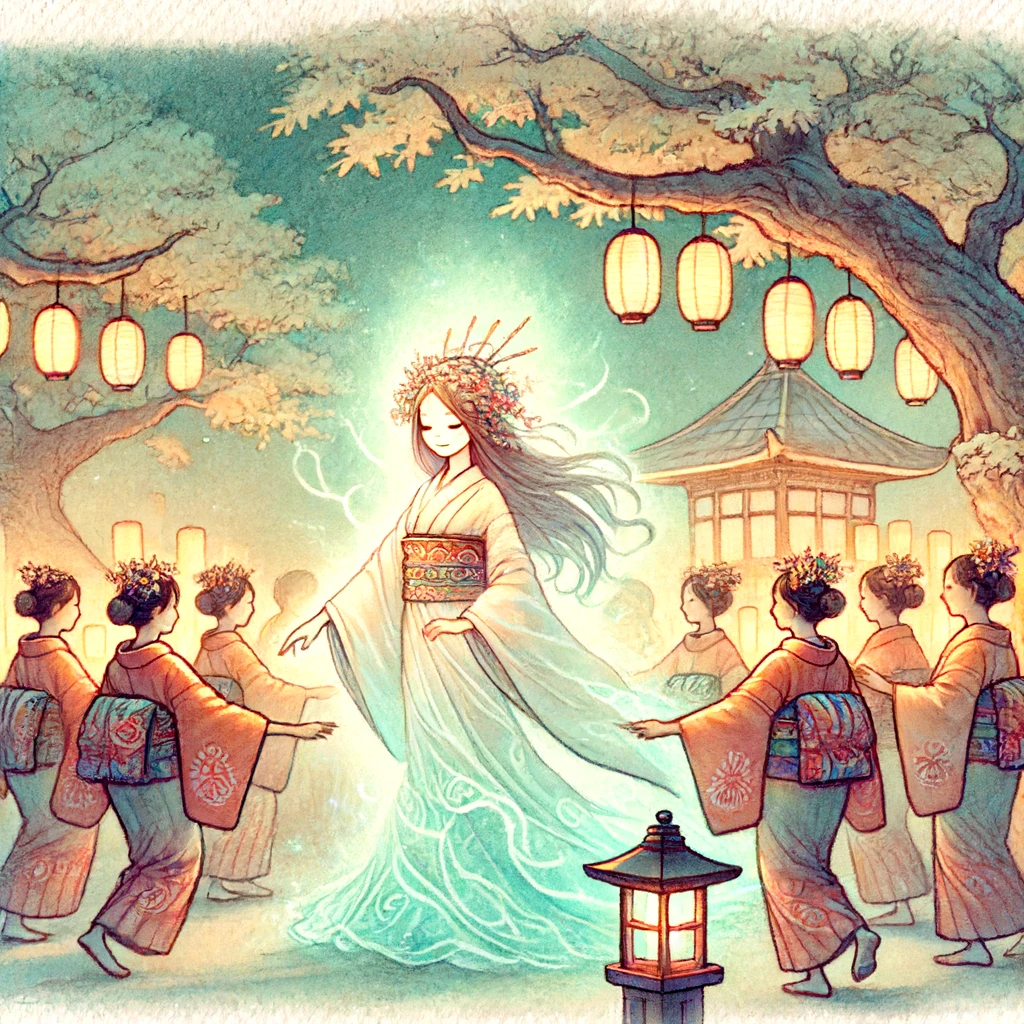
Okinawa is home to a mystical phenomenon known as “Kuba-gasu,” an extraordinary event where gods or spirits temporarily inhabit human beings. This phenomenon holds significant importance in Okinawan traditional beliefs, reflecting the deep spirituality and unique worldview of the people.
“Kuba-gasu” typically occurs in sacred places or near special natural objects. Those who experience it are revered as vessels of the divine and are often worshipped. These individuals are believed to convey messages from the gods and exhibit extraordinary powers. Historically, there have been instances where a “Kuba-gasu” medium predicted village crises or where a “Kuba-gasu” warrior foretold the outcomes of battles. Even today, reports persist of individuals who, under the influence of “Kuba-gasu,” have healed serious illnesses or made critical decisions.
The “Kuba-gasu” phenomenon is deeply intertwined with the Okinawan view of nature. Believing that spirits reside within natural objects, the Okinawan people see “Kuba-gasu” as a symbol of coexistence between nature and spirits. Through this phenomenon, they experience the mystery and power of nature, reinforcing the importance of living harmoniously with both nature and the divine.
- The Story of “Kuba-gasu” – The Mysterious Phenomenon of Spirit Possession
- The Intimate Relationship Between Gods and Humans
- Reverence and Respect for the Divine
- Preservation of Tradition and Faith
- Coexistence of Nature and Spirits
- Cases and Legends
- Actual Incidents of “Kuba-gasu”
- Historical Cases
- Contemporary Reports of “Kuba-gasu”</h4 > “Kuba-gasu” is still reported in contemporary times, indicating its ongoing relevance in Okinawan culture and faith. Recent cases include a woman making crucial decisions for her community under the influence of “Kuba-gasu” and a healer curing serious illnesses. These reports show that “Kuba-gasu” continues to impact modern society.
- Enigmatic Legends
- Actual Incidents of “Kuba-gasu”
- Q&A
- Summary
The Story of “Kuba-gasu” – The Mysterious Phenomenon of Spirit Possession
In Okinawa, there is an enigmatic phenomenon known as “Kuba-gasu,” where “Kuba” means “god” or “spirit” in the Okinawan language. This phenomenon describes the moment when these gods or spirits temporarily possess a human being.
Once upon a time, on a certain island, a traditional festival took place. Special dances were performed to invite the gods, with drumbeats resonating throughout. The dancers moved with divine grace, and among them, a particularly powerful shaman was chosen to become the vessel for the gods.
One year, a young and pure-hearted shamaness was selected. As the festival began and she started dancing, her eyes glazed over, her body trembled, and an unfamiliar voice emerged from her mouth. It was a divine prophecy spoken in an ancient tongue. The villagers were astonished and revered her, recognizing the god of the island had possessed her. The god promised bountiful harvests and peace, expressing gratitude to the villagers.
When the festival ended and the shamaness regained consciousness, she remembered nothing of what she had spoken. However, the villagers treasured her words as a divine message and continued to pass them down.
Since then, “Kuba-gasu” has been regarded as a special event. Those chosen by “Kuba” are respected and play vital roles as messengers of the gods.
Even today, “Kuba-gasu” is said to occur on remote Okinawan islands, symbolizing the profound connection between gods and humans.
The Intimate Relationship Between Gods and Humans
The “Kuba-gasu” phenomenon vividly illustrates the intimate relationship between gods and humans in Okinawa. This mystical event is based on the belief that gods can temporarily possess humans, blending their souls with those of humans. During “Kuba-gasu,” the boundary between the divine and the mortal becomes blurred, allowing humans to act as intermediaries who convey divine messages.
For the people of Okinawa, the relationship with the gods is incredibly close. They believe that gods interfere in human affairs and communicate directly with them. The “Kuba-gasu” phenomenon is a manifestation of this close relationship, with gods expressing their will through humans who, in turn, relay these divine messages.
The Concept of Gods Possessing Humans
At the core of the “Kuba-gasu” phenomenon is the concept of gods possessing humans. This temporary fusion of souls allows gods to use human bodies to express their will. Humans act as intermediaries, conveying divine messages directly to others. This sacred experience signifies a direct connection between gods and humans.
The Okinawan people view this divine possession as a unique event, reserved for those chosen by the gods. Those possessed by gods can temporarily wield divine power, providing prophecies and revelations. This mystical experience is deeply embedded in Okinawan beliefs and culture.
The Fusion of Souls Between Gods and Humans
In the “Kuba-gasu” phenomenon, the souls of gods and humans temporarily merge. This means that the person becomes an extension of the divine will, acting not on their own accord but following the god’s commands. This moment of fusion is when a person embodies divinity.
For the Okinawan people, this merging of souls is a sacred event. It allows a person to tap into divine power, displaying extraordinary abilities. This moment signifies a departure from the ordinary self, stepping into the divine realm.
Humans as Mediators of Divine Messages
In “Kuba-gasu,” humans act as mediators of divine messages. Those possessed by gods receive and convey these messages to others, serving as a bridge between the divine and the mortal realms.
The role of these mediators is crucial in Okinawan beliefs. They are entrusted with accurately conveying the gods’ will, and their words are treated with utmost respect. This role underscores the reverence and importance of divine messages within Okinawan culture.
The Blurring of Boundaries Between Gods and Humans
The “Kuba-gasu” phenomenon demonstrates the blurred boundaries between gods and humans. Okinawans believe that humans can embody divinity, utilizing divine power to perform extraordinary feats. Similarly, gods can manifest through human forms, further emphasizing this close connection.
This blurring of boundaries is a hallmark of Okinawan worldview. They believe in mutual influence and close interactions between gods and humans. “Kuba-gasu” exemplifies this melding of divine and mortal realms, where humans transcend their ordinary selves to enter the divine sphere.
The Potential for Humans to Embody Divinity
Okinawans believe in the potential for humans to embody divinity. The “Kuba-gasu” phenomenon is a moment where this potential becomes reality. Those possessed by gods temporarily harness divine power, showcasing their latent divinity.
This belief highlights the expansive possibilities within human nature. Okinawans view humans as children of the gods, inherently possessing divine qualities. “Kuba-gasu” is a sacred experience that brings forth this inner divinity, allowing individuals to transcend their limitations.
The Concept of Gods Manifesting in Human Form
The “Kuba-gasu” phenomenon also involves the concept of gods manifesting in human form. Okinawans believe that gods can temporarily inhabit human bodies to express their will. In this state, humans act as vehicles for divine messages.
This concept reflects the close proximity of gods to humans in Okinawan beliefs. Gods are not distant beings but are intimately involved in the human world. “Kuba-gasu” is a manifestation of this close relationship, demonstrating how gods and humans interact directly.
Reverence and Respect for the Divine
The “Kuba-gasu” phenomenon embodies the reverence and respect that Okinawans hold for the divine. Those possessed by gods are worshipped and their social status is elevated. The divine messages they convey are regarded with utmost importance, and people feel obliged to follow them.
For Okinawans, the gods are objects of reverence, and adhering to their will is a fundamental duty. The “Kuba-gasu” phenomenon is seen as an expression of divine power and will. People show respect for this sacred event and earnestly receive the divine messages, reflecting the deep-rooted reverence and respect for the gods in Okinawan culture.
Respect for Those Possessed by Gods
Individuals who experience “Kuba-gasu” are treated with great respect. Seen as chosen by the gods, these individuals are believed to possess sacred powers and are honored accordingly. They play vital roles as messengers of the gods, and their words are heeded with great reverence.
Okinawans view these individuals as representatives of the gods. As such, they carry the responsibility of accurately conveying the gods’ will, and their guidance is followed with devotion. This respect is a manifestation of the reverence Okinawans hold for the divine, reflecting their deep faith and cultural values.
Worship of Those Who Serve as Vessels for the Gods
Those who serve as vessels for the gods during “Kuba-gasu” are objects of worship. People regard these special individuals as embodiments of the divine, showing them deep respect. Believed to possess sacred powers, their actions and words are considered manifestations of the gods’ will.
This worship reflects a core aspect of Okinawan faith. People serve these vessels with dedication, believing they connect them directly to the gods. This reverence underscores the intimate relationship between the divine and the mortal in Okinawan culture.
The Elevated Social Status of Those Who Experience “Kuba-gasu”
Those who experience “Kuba-gasu” are elevated to high social status. Recognized as special individuals chosen by the gods, they gain respect and influence. As messengers of the divine, they play crucial roles in guiding and leading their communities.
This elevation reflects the importance of the divine in Okinawan culture. The respect and status afforded to these individuals highlight the profound reverence for the gods and the integral role of faith in societal structures.
The Importance of Divine Messages
Okinawans place great importance on divine messages. The messages conveyed through “Kuba-gasu” hold significant influence over people’s lives and decisions. They are seen as guiding directives that people must heed.
This emphasis on divine messages is central to Okinawan faith. People believe that understanding the gods’ will is essential for navigating life. “Kuba-gasu” provides a direct channel for receiving this guidance, and the messages are taken to heart and applied in daily life.
The Duty to Hear and Follow Divine Messages
Okinawans believe in
the duty to hear and follow divine messages. The messages conveyed through “Kuba-gasu” carry absolute authority. People believe that it is essential to adhere to these messages to maintain harmony with the gods.
This duty is a fundamental teaching of Okinawan faith. Maintaining a good relationship with the gods requires following their will, and “Kuba-gasu” is seen as an opportunity to fulfill this duty. By listening to and acting upon divine messages, people strengthen their connection with the gods.
Using Divine Messages as a Guiding Principle for the Future
Okinawans view divine messages as guiding principles for the future. The messages received through “Kuba-gasu” influence significant decisions and shape the course of people’s lives. They believe that following these messages leads to a prosperous and harmonious future.
This concept is a defining feature of the Okinawan worldview. People believe that adhering to the gods’ will ensures a happy and abundant future. “Kuba-gasu” offers a precious chance to obtain this guidance, and people earnestly accept and apply the divine messages as life compasses.
Preservation of Tradition and Faith
The “Kuba-gasu” phenomenon plays a crucial role in preserving Okinawa’s ancient traditions and faith. This mystical event serves as a means of communicating with the gods through festivals and rituals, strengthening the faith and passing it on to future generations.
Okinawans place great importance on their traditions and faith, seeing them as essential elements to preserve. The “Kuba-gasu” phenomenon embodies this preservation, allowing people to reaffirm and strengthen their bonds with the gods during festivals and rituals. Those who experience “Kuba-gasu” share their experiences, ensuring that the flame of faith continues to burn brightly.
The Importance of Traditional Festivals and Rituals
“Kuba-gasu” is deeply connected to traditional festivals and rituals. These events function as opportunities for communicating with the gods. People offer gratitude and prayers through these events, receiving divine messages in return.
For Okinawans, festivals and rituals are expressions of faith and a means of preserving tradition. “Kuba-gasu” occurs within these sacred contexts, reinforcing the significance of these events. Participating in festivals and rituals allows people to reaffirm and strengthen their connection with the gods, playing a vital role in Okinawan culture.
Festivals as Venues for Communicating with the Gods
Okinawan festivals serve as venues for communicating with the gods. Through these events, people express gratitude and prayers, receiving divine messages. “Kuba-gasu” is a sacred moment when this communication is actualized.
Festivals are crucial occasions for connecting with the gods. The preparation and participation in festivals allow people to express their devotion. The “Kuba-gasu” phenomenon, occurring during these events, is received as a direct message from the gods, forming a core part of Okinawan faith.
Strengthening and Passing on Faith Through Festivals and Rituals
Festivals and rituals are essential for strengthening and passing on faith to future generations. By participating in these traditional events, people reaffirm and deepen their faith. These occasions also teach children the importance of faith.
The “Kuba-gasu” phenomenon plays a significant role in this process. This sacred event stimulates people’s faith and strengthens their bonds with the gods. Those who experience “Kuba-gasu” pass on their experiences, contributing to the preservation and continuity of faith. These traditional events are foundational to Okinawan faith.
Efforts to Maintain Connections with the Gods
Okinawans strive to maintain their connections with the gods through daily prayers and offerings. These practices are expressions of faith and essential for maintaining good relations with the gods. Additionally, they preserve and respect sacred places to deepen their connection with the gods.
The “Kuba-gasu” phenomenon results from these efforts to maintain divine connections. Daily practices of faith elicit responses from the gods, and the “Kuba-gasu” experience deepens this connection. This sacred event underscores the importance of faith practices.
Daily Prayers and Offerings
Okinawans maintain their connections with the gods through daily prayers and offerings. These acts of faith express gratitude and wishes to the gods, deepening their bonds through daily devotion.
Offerings symbolize gratitude and respect for the gods. People offer their harvests and valued items, showing their reverence. These daily practices lay the groundwork for the “Kuba-gasu” phenomenon. Devout faith draws responses from the gods.
Preservation and Respect for Sacred Places
Okinawans preserve and respect sacred places to maintain connections with the gods. They protect and honor sites believed to house the gods, reflecting their faith and respect.
The “Kuba-gasu” phenomenon is closely linked to practices at sacred places. Prayers and rituals at these sites strengthen bonds with the gods. Locations where “Kuba-gasu” occurs are believed to possess special spiritual power and are carefully preserved. This preservation effort is crucial to Okinawan faith.
Coexistence of Nature and Spirits
The “Kuba-gasu” phenomenon symbolizes the coexistence of nature and spirits. Okinawans believe in spirits residing in natural objects and value harmony between nature and humans. “Kuba-gasu” embodies this coexistence, highlighting the sacred relationship between nature and spirits.
For Okinawans, nature is not just a physical entity but a sacred presence inhabited by spirits. They believe in living harmoniously with nature. The “Kuba-gasu” phenomenon illustrates this harmony, allowing people to experience the mystery and power of nature, reinforcing their bond with spirits.
Belief in Spirits Residing in Natural Objects
Okinawans believe in spirits residing in trees, rocks, rivers, and other natural objects. They revere and protect these sacred entities, which are central to their faith.
“Kuba-gasu” often occurs near these special natural objects, believed to be the source of the phenomenon. This belief influences daily life, with people treating natural objects with respect and striving to coexist with nature.
Gods Residing in Trees, Rocks, and Rivers
Okinawans believe that gods reside in various natural objects like trees, rocks, and rivers. They worship and protect these sacred entities, which are integral to their faith.
Locations where “Kuba-gasu” occurs often feature sacred trees or rocks. Water bodies like rivers and seas are also seen as powerful spiritual sites. People pray at these natural objects, seeking connections with the gods.
Respecting and Valuing Natural Objects
Okinawans respect and value natural objects as sacred entities. They avoid harming or polluting nature, aiming to coexist harmoniously. This respect is tied to their belief in spirits residing in nature.
People treat natural objects as homes of the gods, expressing gratitude and humility. Protecting nature is seen as maintaining good relations with the gods. This respect and care for nature are fundamental to the “Kuba-gasu” phenomenon.
Value of Harmony Between Nature and Humans
Okinawans value harmony between nature and humans. They emphasize living in balance with nature, respecting its power and mystery. This value is reflected in the “Kuba-gasu” phenomenon.
“Kuba-gasu” symbolizes this harmony, allowing people to experience nature’s power and mystery. It highlights the importance of living in harmony with nature and recognizing humans as part of it.
Living in Harmony with Nature
Okinawans aim to live in harmony with nature, appreciating its gifts and maintaining balance. This lifestyle is closely linked to the “Kuba-gasu” phenomenon.
People seek to deepen their connection with the gods through harmonious living. They see themselves as part of nature, following its rhythms. This respectful attitude towards nature draws divine responses, leading to “Kuba-gasu.”
Awe and Respect for Nature’s Power
Okinawans hold awe and respect for nature’s power. They recognize its vastness and approach it with humility. This reverence is connected to the “Kuba-gasu” phenomenon.
“Kuba-gasu” demonstrates nature’s mystery and power. Through this phenomenon, people feel nature’s threats and renew their reverence for it. This awe and respect strengthen their faith, seeing nature’s power as a manifestation of the gods’ power.
Cases and Legends
The “Kuba-gasu” phenomenon in Okinawa is passed down through actual incidents and legends, highlighting its importance in Okinawan culture and faith. These stories and reports support the reality of “Kuba-gasu” and its significant role.
Stories of “Kuba-gasu” are more than interesting tales; they strengthen faith and preserve tradition. They showcase the diversity and mystery of the phenomenon, helping people understand its depth and divine power.
Actual Incidents of “Kuba-gasu”
Many incidents of “Kuba-gasu” are reported in Okinawa, providing evidence of its reality. These stories range from historical to recent events.
In one famous case, a shamaness predicted a village crisis and guided the people. Another recent report describes a “Kuba-gasu” individual making critical decisions or healing illnesses, showing that “Kuba-gasu” still occurs today.
Historical Cases
Historically, many famous cases of “Kuba-gasu” exist in Okinawa. These stories show the long-standing significance of the phenomenon in Okinawan culture and faith.
In one well-known case, a shamaness predicted a village threat while possessed, guiding the people with the god’s message. Another story describes a “Kuba-gasu” warrior predicting battle outcomes. These historical cases highlight the importance and influence of “Kuba-gasu.”
Contemporary Reports of “Kuba-gasu”</h4 > “Kuba-gasu” is still reported in contemporary times, indicating its ongoing relevance in Okinawan culture and faith. Recent cases include a woman making crucial decisions for her community under the influence of “Kuba-gasu” and a healer curing serious illnesses. These reports show that “Kuba-gasu” continues to impact modern society.
Enigmatic Legends
Okinawa has many legends about “Kuba-gasu,” sharing its mystery and diversity. These stories include folk tales and origins of traditional rituals and festivals.
These legends reflect people’s awe and interest in “Kuba-gasu” and its significance in Okinawan culture and faith. Through these stories, people understand the phenomenon’s depth and divine power.
Folk Tales and Stories of “Kuba-gasu”
Various folk tales and stories about “Kuba-gasu” exist in Okinawa, highlighting its mystery and wonder.
One tale describes a “Kuba-gasu” girl gaining power to defeat a village-threatening monster. Another story tells of an elderly man receiving wisdom to protect the village from natural threats. These tales showcase the diversity and greatness of “Kuba-gasu.”
Rituals and Festivals Based on Legends
Legends of “Kuba-gasu” influence actual rituals and festivals in Okinawa. Many traditional events are tied to these stories, expressing the phenomenon’s importance and reverence for the gods.
In one village, a special ritual based on “Kuba-gasu” legends involves a shamaness delivering divine messages. Another region holds an annual festival reenacting “Kuba-gasu” legends, expressing gratitude to the gods. These events show the ongoing relevance of “Kuba-gasu” in Okinawan culture and faith.
The “Kuba-gasu” phenomenon in Okinawa is a complex cultural and religious event reflecting the intimate relationship between gods and humans, respect for the divine, preservation of tradition, and coexistence of nature and spirits. It embodies deep meanings rooted in the Okinawan worldview and values.
Cases and legends about “Kuba-gasu” demonstrate its importance and impact. These stories and reports show the phenomenon’s long-standing presence in Okinawan culture and its continued significance today.
“Kuba-gasu” is a valuable cultural heritage embodying Okinawa’s rich spirituality and view of nature. Through this phenomenon, we can glimpse the profound worldview of the Okinawan people, learning the importance of living harmoniously with gods and nature.
Q&A
What is the “Kuba-gasu” phenomenon?
The “Kuba-gasu” phenomenon in Okinawan traditional belief involves gods or spirits temporarily possessing humans. Those chosen by the gods convey divine messages and are believed to exhibit extraordinary powers.
Where does the “Kuba-gasu” phenomenon occur?
“Kuba-gasu” typically occurs in sacred places or near special natural objects, such as sacred trees, rocks, rivers, or seas believed to house spirits.
How are those who experience “Kuba-gasu” treated?
Individuals who experience “Kuba-gasu” are revered as divine vessels, worshipped, and respected. They convey important messages from the gods and are believed to possess special powers, such as healing or making critical decisions.
What is the relationship between “Kuba-gasu” and nature?
“Kuba-gasu” is closely linked to Okinawan views of nature. Believing that spirits reside in natural objects, Okinawans see “Kuba-gasu” as a symbol of coexistence between nature and spirits, experiencing the mystery and power of nature through this phenomenon.
What are some cases and legends of “Kuba-gasu”?
Numerous cases and legends exist. Historically, there are stories of shamanesses predicting village crises or warriors foretelling battle outcomes. Contemporary reports include healings and significant decisions made under the influence of “Kuba-gasu.” These stories highlight the phenomenon’s importance and impact.
Summary
The “Kuba-gasu” phenomenon in Okinawan traditional belief involves gods or spirits temporarily possessing humans. This event reflects the deep spirituality and unique worldview of the Okinawan people, showcasing the intimate relationship between gods and humans, respect for the divine, preservation of tradition, and coexistence with nature.
“Kuba-gasu” often occurs in sacred places or near special natural objects, with those experiencing it revered as divine vessels. These individuals convey divine messages and exhibit extraordinary powers, deeply influencing Okinawan culture and faith.
This phenomenon is intertwined with Okinawan views of nature, symbolizing the coexistence of nature and spirits. Historical cases, contemporary reports, and numerous legends highlight the phenomenon’s importance and impact, demonstrating its ongoing relevance in Okinawan culture and faith.
Through the “Kuba-gasu” phenomenon, we can understand the profound worldview of the Okinawan people, learning the importance of living harmoniously with gods and nature.


コメント