
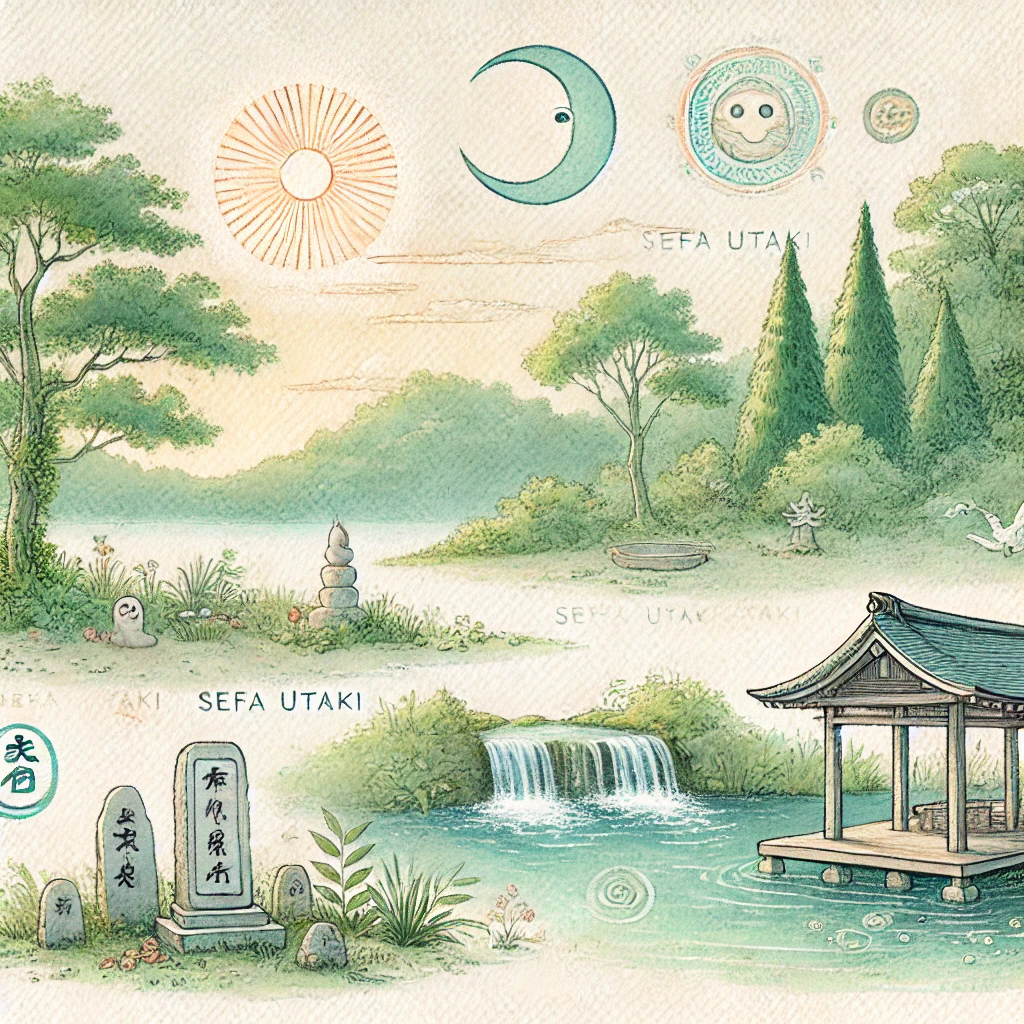
Okinawa has a world of mythology that has been passed down since ancient times. The people find and revere deities in the sun, moon, forests, and water sources, expressing gratitude and respect. They honor their ancestors as gods, cherishing family bonds. In the symbiotic relationship between gods and humans, mutual support thrives. Okinawan myths encompass values that modern society is losing.
Starting with the creation myths of Amamikiyo and Shinerikiyo, to the legends of sea and agricultural gods, and the tales of the gods of Nirai Kanai, Okinawan mythology continues to captivate us. Traditional events and rituals, such as Haarii and Yuukanuhii, rooted in these myths, convey the prayers and gratitude of our ancestors to the present day. Sacred sites like Sefa Utaki and Zakimi Castle Ruins embody Okinawa’s history and spirituality.
However, Okinawan mythology is not just ancient folklore. It offers many lessons on coexisting with nature, the importance of family bonds, and the significance of tradition, providing insights into the challenges modern society faces. Rediscovering and passing on the significance of these myths is crucial for the development of Okinawan culture.
What should we, living in the present, learn from Okinawan mythology? A heart that respects and appreciates nature. A heart that values family and honors ancestors. A humble heart that lives alongside the gods. These are vital values that modern society is losing.
Learning from Okinawan mythology and applying its lessons to contemporary society is a journey to reexamine our identity and understand our cultural roots. By listening to the wisdom of our ancestors, we can face the challenges of modern society. Okinawan mythology serves as an invaluable compass for this purpose.
Let’s embark on a journey together into the world of Okinawan mythology. Into a world where gods and humans intertwine, passed down from ancient times. Hidden within are irreplaceable values that we must not lose in our modern lives.
Characteristics of Okinawan Mythology
Nature Worship and the Existence of Diverse Deities
Okinawan mythology heavily reflects elements of nature worship. Sun and moon worship have been deeply rooted in people’s lives, believed to greatly influence crop growth and bountiful fishing. Forests and water sources are believed to house deities, reflecting an attitude of reverence and care for nature. Additionally, animals and plants are seen as divine and revered as messengers or symbols of gods. Thus, Okinawan mythology features a wide array of deities, emphasizing a worldview where nature and humans coexist.
For the people of Okinawa, nature worship is not just a belief but a deeply ingrained part of daily life. By respecting and appreciating the sun, moon, forests, water sources, animals, and plants, people feel a connection with the gods and enjoy the blessings of nature. This close relationship with nature significantly influences Okinawan culture, performing arts, and festivals, which continue to this day. The diverse deities in Okinawan mythology symbolize the symbiotic relationship between nature and humans, essential for understanding Okinawan spirituality.
Ancestor Worship and the Importance of Family Bonds
Ancestor worship plays a significant role in Okinawan mythology. Ancestors are revered as gods and considered guardian deities of families. This concept of ancestral gods has strengthened family bonds and nurtured a spirit that values the wisdom and traditions passed down from ancestors. For the people of Okinawa, ancestors are not merely the deceased but entities that watch over and guide the living world.
Ancestor worship emphasizes the importance of family connections, a cultural hallmark of Okinawa. By honoring and appreciating ancestors, family bonds are strengthened, and intergenerational connections are formed. The practice of ancestor worship also serves to pass down family history and traditions. The wisdom and values inherited from ancestors are carried on to the next generation through this practice. Ancestor worship in Okinawan mythology underscores the importance of family and forms the core of Okinawan spirituality.
The Close Relationship Between Gods and Humans
Okinawan mythology depicts a close relationship between gods and humans. Gods are believed to be deeply involved in the human world, responding to prayers and offerings. Conversely, humans maintain a sense of reverence for the gods, preserving their connection through prayers and rituals. This idea of coexistence between gods and humans is a key aspect of Okinawan spirituality, prominently reflected in its mythology.
This close relationship is also embedded in daily life. People strive to align with the gods, interpreting and respecting their will. Shrines, worship sites, and sacred places like utaki serve as important venues for human-divine interaction. This philosophy of coexistence with gods ties closely with Okinawa’s worldview, which values harmony between nature and humans. Okinawan mythology, through this intimate relationship between gods and humans, expresses the spirituality and values of the Okinawan people.
Representative Stories of Okinawan Mythology
Creation Myth: The Story of Amamikiyo and Shinerikiyo
One of the representative myths of Okinawa is the creation myth involving Amamikiyo and Shinerikiyo. This grand story of the birth of the world and the creation of humanity forms the foundation of Okinawan mythology. The male and female deities, Amamikiyo and Shinerikiyo, born from the heavenly floating bridge, collaborate to bring forth the land, shaping the world. Their process of land creation reflects Okinawa’s worldview that emphasizes natural order and harmony.
The story of Amamikiyo and Shinerikiyo also speaks to the creation of humans. Born from these two deities, humans live under the protection and management of the gods. This myth highlights the close relationship between humans and gods, suggesting the significance and role of human existence. The creation myth is fundamental to understanding the spirituality and worldview of the Okinawan people.
The Gods of Nirai Kanai and Their Interaction with the Present World
Okinawan mythology features a world of gods called Nirai Kanai. Known as the land of eternal life, Nirai Kanai is believed to exist in a different dimension from the present world. The gods residing in Nirai Kanai possess high divine status and are thought to significantly influence the human world. In myths, these gods visit the human world, bringing blessings or, at times, trials.
The interaction between the gods of Nirai Kanai and the present world is a crucial motif in Okinawan mythology. The gods visit the human world for various purposes, primarily to respond to prayers or convey their will. This interaction profoundly impacts human society, sometimes bringing cultural or technological advancements. The myths depicting the interaction between the gods of Nirai Kanai and the human world symbolize the close relationship between gods and humans and the depth of Okinawan faith.
Legends of the Sea God and the Agricultural God
Okinawan mythology is rich with legends about the sea god and the agricultural god. The sea god, known as Ryūgū no Oyakē-sama, is worshipped as the deity of sea safety and bountiful fishing. Although there are various theories about the origins and nature of Ryūgū no Oyakē-sama, the sea god’s presence has been indispensable for the seafaring people of Okinawa. On the other hand, the agricultural god, Aman-gana-shi, has been revered as the guardian of crops and the deity of bountiful harvests. The legend of Aman-gana-shi has played a crucial role in the agrarian society of Okinawa.
The legends of the sea god and the agricultural god are closely tied to the lives of Okinawan people. Fishing and agriculture have been the main industries, supporting the livelihoods of the people. The faith in these gods reflects gratitude for abundant blessings and prayers for safety and prosperity. These legends illustrate the deep connection between the lives and beliefs of the Okinawan people and the traditional values of coexistence with nature.
Traditional Events and Festivals Based on Myths
Events Based on the Lunar Calendar and Their Meanings
Okinawa has various traditional events and festivals based on the lunar calendar, many of which are derived from myths and reflect the people’s beliefs and prayers. One such event, Haarii, is a festival praying for bountiful fishing and maritime safety. The origins of Haarii trace back to mythology, imbued with prayers and gratitude to the sea god. The unique features of these events vary by region, adding to their charm.
Another significant event, Yuukanuhii, is a festival to honor ancestors and reaffirm family bonds. The origins of Yuukanuhii lie in the belief of welcoming and offering to the spirits of ancestors. This festival strengthens family ties and expresses gratitude to ancestors. The lunar calendar events reflect the beliefs and values of Okinawan people, deeply connected to mythology. Understanding these events provides key insights into the spirituality and cultural characteristics of Okinawa.
Rituals of Gratitude and Prayers for a Bountiful Harvest
Okinawan mythology features numerous rituals expressing gratitude to the gods and praying for a bountiful harvest. The Uukui ceremony, which prays for a rich harvest, honors the agricultural god Aman-gana-shi and embodies the wish for abundant crops. The origins of Uukui trace back to mythology, deeply tied to the divine status and role of Aman-gana-shi. The rituals’ content and procedures vary by region, reflecting each area’s unique characteristics.
Shimi is a ritual praying for the village’s safety and a bountiful harvest. The origins of Shimi lie in myths depicting the relationship with gods, filled with gratitude and prayers to the deities. The flow of the ritual involves welcoming the gods, offering tributes, and praying for the village’s peace and prosperity. Shimi also strengthens community bonds, reflecting traditional social structures in Okinawa. These rituals demonstrate the deep connection between the beliefs and lives of Okinawan people, undersc
oring the importance of mythology.
Okinawan Legends and Traditions
Sacred Sites and Utaki in Myths
Okinawan mythology features numerous sacred sites and utaki (sacred groves). These places have been cherished as venues for divine-human interaction and as objects of faith. One of the representative sacred sites is Sefa Utaki, the stage of creation myths. Sefa Utaki, registered as a World Heritage site, has historical backgrounds and mythological connections that are noteworthy. Understanding its characteristics and modern roles provides key insights into Okinawan spirituality.
Another important sacred site is Zakimi Castle Ruins, known as a sacred site from the Gusuku period. Zakimi Castle Ruins are not only historical structures but also hold mythological significance. The legends and rituals associated with this site offer valuable insights into the faith and culture of the Gusuku period. Modern preservation and utilization efforts of these sacred sites are crucial for continuing Okinawan traditional culture. Sacred sites and utaki in mythology serve as the spiritual foundation for Okinawan people and form an essential part of Okinawan culture.
Fascinating Stories about the Gods
Okinawan legends and traditions feature numerous fascinating stories about the gods. One such story is about the child god, Kijimuna, known as the guardian deity of homes. Kijimuna, a small god dwelling in homes, is believed to protect the safety and happiness of the family. Various theories about Kijimuna’s origins and nature exist, reflecting the faith and imagination of the Okinawan people. The legends and customs associated with Kijimuna provide key insights into traditional Okinawan family values and perspectives.
Another intriguing concept is Mabui. Mabui represents the human soul or life force, suggesting a relationship with the gods. The concept of Mabui has mythological origins, indicating a connection between human vitality and divine power. Traditions and customs surrounding Mabui reflect the life and death views of the Okinawan people, providing essential clues to understanding their spirituality. Stories about the gods in Okinawan legends illustrate the rich imagination and faith of the people, highlighting cultural characteristics.
Okinawa’s Spiritual World and Modern Society
Values from Okinawan Mythology
Okinawan mythology encompasses numerous universal values relevant to modern society. One such value is the importance of coexistence with nature and environmental protection. The myths heavily reflect a reverence for nature, providing valuable insights into contemporary environmental issues. Additionally, the significance of family bonds depicted in myths is a timeless value carried into modern society. The customs of ancestor worship strengthen family ties and cultivate a sense of gratitude towards ancestors.
The values learned from Okinawan mythology hold great significance in modern society. The importance of coexistence with nature and environmental protection is vital for building a sustainable society. Moreover, the values of family bonds and ancestor worship remind us of the importance of human relationships in an increasingly individualistic modern society. Okinawan mythology, as a valuable cultural heritage, conveys many lessons and values that we should learn from today.
The Inheritance and Transformation of Traditional Events
Traditional events in Okinawa continue to play a crucial role in modern society. They function as cultural heritage and strengthen community bonds, serving as a spiritual foundation in contemporary life. However, traditional events are also pressured to adapt due to changes in modern society. While simplification and formalization of events progress, efforts to preserve their essence while adapting them to modern contexts are also necessary.
For the continuation of traditional events to future generations, understanding and participation of the younger generation are indispensable. However, the diversification of values and lifestyle changes in modern society pose challenges to the inheritance of traditions. Various efforts, such as education and information dissemination to promote the importance of traditions, and creating environments that encourage young people’s participation, are required. The inheritance and transformation of traditional events are crucial challenges that will determine the future of Okinawan culture, and are essential in considering the role of tradition in modern society.
Cultural Development Fostered by Okinawa’s Unique Worldview
Okinawan mythology has fostered a rich culture based on its unique worldview. One aspect of this is the importance of dialects and oral culture. Okinawan dialects are closely linked to myths and traditions, with the language reflecting the spirituality and values of Okinawa. Furthermore, oral culture has played a vital role in passing down myths and traditions. The transmission of knowledge through oral tradition has significantly contributed to the preservation and development of Okinawan culture.
Okinawan mythology has also greatly influenced performing arts and crafts. Traditional performing arts inspired by myths have served as important means of expressing their narratives and spirituality. Additionally, crafts depicting deities and creatures from myths showcase the rich imagination and creativity of Okinawa. These arts and crafts are valuable testimonies to the cultural diversity and depth fostered by Okinawan mythology.
Conclusion
Cultural Uniqueness Brought by Okinawan Mythology
Okinawan mythology has significantly influenced the formation of Okinawan spiritual world and values, fostering a unique culture. The views on nature, family, and coexistence with gods depicted in the myths are fundamental to Okinawan culture, passed down to this day. Traditional events, performing arts, and crafts based on mythology illustrate the cultural diversity and depth of Okinawa. Okinawan mythology is not just a story but a crucial element shaping the cultural identity of Okinawa.
Okinawa’s Spiritual World in Modern Times and Its Inheritance to the Future
In modern society, the significance of Okinawan mythology is substantial. The wisdom and values embodied in the myths provide guidance for addressing various contemporary issues. The lessons on coexistence with nature, the importance of family bonds, and the significance of tradition are numerous. Moreover, the inheritance and development of Okinawan culture is an important responsibility of those living in the present.
The inheritance of Okinawan culture to future generations is key to connecting Okinawa’s spiritual world to the future. Efforts are needed to transmit the worldview and values of the myths through traditional events, performing arts, and crafts. Simultaneously, it is essential to adapt traditions to modern contexts. Okinawan mythology is the source of Okinawa’s spirituality from the past to the present and the future, and its inheritance and development are crucial tasks for the future of Okinawan culture.
Engaging with the culture and spirituality of Okinawa through the narrative nature of myths offers us many insights and suggestions. Okinawan mythology is not just an ancient story but includes universal messages that challenge us living in the present. Interpreting these messages and passing them on to the future is a significant role for us living today.
Okinawan mythology is a precious cultural heritage that provides many insights into modern society. The lessons on coexistence with nature, family bonds, and the importance of tradition offer essential guidance for addressing environmental issues, the weakening of human relationships, and the homogenization of culture in modern society.
Furthermore, Okinawan mythology challenges us to ask, “What are our roots?” In a globalized modern society, reflecting on our identity is essential. The wisdom and values contained in the myths are crucial elements in shaping our identity.
Learning about Okinawan mythology is not merely about understanding past stories. It is about reinterpreting the spirituality and values of Okinawa within the context of modern society and finding new meanings. Increasing opportunities to learn about mythology and widely communicating its significance are vital. Providing educational opportunities in schools and community education, artistic activities inspired by myths, and preservation activities of sacred sites, are some of the efforts needed to bring the worldview of myths into modern society.
Okinawan mythology presents us with universal values such as “coexistence with nature,” “family bonds,” and “the importance of tradition.” It also provides an opportunity to reexamine our identity and understand our cultural roots. Rediscovering the significance of myths in modern society and passing them on to the future is an essential mission for us living today.
The rich narrative and unique worldview of Okinawan mythology continue to captivate us. The power of myths transcends time, speaking to us and providing numerous suggestions for those living in the modern world. Learning from Okinawan mythology and discovering its significance is crucial for the inheritance and development of Okinawan culture, as well as our cultural responsibility in modern society.
Q&A
What are the elements of nature worship found in Okinawan mythology?
Okinawan mythology prominently reflects elements of nature worship, including sun and moon worship, gods of forests and water sources, and deities of animals and plants. These deities are deeply connected to people’s lives, emphasizing a worldview where nature and humans coexist.
What does the creation myth of Amamikiyo and Shinerikiyo represent?
The creation myth of Amamikiyo and Shinerikiyo describes the creation of the land and the formation of the world through the cooperation of male and female deities. This myth emphasizes the importance of harmony and cooperation between genders and reflects Okinawa’s worldview that values natural order and harmony.
What are the meanings of the traditional events Haarii and Yuukanuhii?
Haarii is a festival praying for bountiful fishing and maritime safety, while Yuukanuhii is a festival to honor ancestors and reaffirm family bonds. These events reflect the beliefs and prayers of Okinawan people and are deeply connected to mythology.
What roles do the sacred sites and utaki (sacred groves) in Okinawan mythology play?
Sacred sites like Sefa Utaki and Zakimi Castle Ruins, featured in Okinawan mythology, are crucial for understanding the history and beliefs of Okinawa. These sites are cherished as venues for divine-human interaction and are vital for maintaining the cultural identity of Okinawa.
What is the significance of Okinawan mythology in modern society?
Okinawan mythology encompasses universal values such as coexistence with nature, family bonds, and ancestor worship. These values offer essential guidance for addressing contemporary issues like environmental problems and the weakening of human relationships. Rediscovering the significance of mythology and passing it on to the future is crucial for the development of Okinawan culture.
Summary
Through the theme “Okinawan Myths and Their Narrative Nature,” we explored the characteristics of Okinawan mythology, its representative stories, traditional events and sacred sites based on mythology, and the significance of mythology in modern society.
Okinawan mythology prominently reflects elements of nature worship, such as sun and moon worship and gods of forests and water sources. It also showcases values fundamental to Okinawan culture, such as ancestor worship and the philosophy of coexistence with gods. Stories like the creation myth of Amamikiyo and Shinerikiyo and the legends of sea and agricultural gods illustrate these values.
Traditional events like Haarii and Yuukanuhii, rooted in mythology, reflect the beliefs and prayers of the people. Sacred sites like Sefa Utaki and Zakimi Castle Ruins, featured in mythology, are crucial for understanding the history and spirituality of Okinawa.
The values and lessons from Okinawan mythology, such as coexistence with nature and the importance of family bonds, offer significant insights into contemporary issues. Rediscovering the significance of mythology and passing it on to future generations is essential for the development of Okinawan culture.
Okinawan mythology presents us with universal values such as “coexistence with nature,” “family bonds,” and “the importance of tradition.” Learning from Okinawan mythology and rediscovering its significance in modern society are crucial for the inheritance and development of Okinawan culture and our cultural responsibility in modern society.


コメント