
- About Okinawan Dialects
- Cute Expressions in Okinawan Dialects
- Dialects and the Okinawan Spiritual World
- Q&A
- Conclusion
About Okinawan Dialects
An Overview of Okinawan Dialects
Historical Background and Development
Okinawan dialects are deeply intertwined with the independent history of the Ryukyu Kingdom. Established in the 12th century, the Ryukyu Kingdom flourished as a central hub along the trade routes between East Asia and Southeast Asia. This vibrant exchange introduced many foreign words into the Okinawan language, leading to the development of a unique linguistic system distinct from mainland Japan. Notably, during the golden age of the Ryukyu Kingdom in the 15th to 17th centuries, the influence of China and Southeast Asia became particularly pronounced, enriching the language with a diverse array of vocabulary.
Classification and Characteristics of Dialects
Presently, Okinawan dialects can be broadly classified into the Yaeyama dialect, the Miyako dialect, and the Okinawan mainland dialect of the Ryukyuan language. Each of these dialects possesses unique phonetic features, vocabulary, and grammatical rules, reflecting the cultural and historical nuances of their respective regions. For instance, the Yaeyama dialect retains many conservative characteristics of ancient Ryukyuan language, while the Okinawan mainland dialect is more dynamic, incorporating a greater variety of foreign words.
Linguistic Features and Analysis
Okinawan dialects exhibit phonetic characteristics not found in mainland Japanese. This includes the omission of certain syllables, unique accents, and variations in word endings. Another notable feature is the relative scarcity of honorific expressions, reflecting the egalitarian and intimate nature of Okinawan communities.
Regional Characteristics of Dialects
Characteristics of the Southern Dialect
The Southern dialect is spoken around Shuri, the historical capital of Okinawa. Influenced by the language used in official ceremonies and literature of the Ryukyu dynasty, this dialect boasts expressions imbued with classical beauty and formality. Additionally, its melodic qualities make it well-suited for reciting songs and poetry, playing a crucial role in traditional Ryukyuan dance and classical music.
Modernity of the Central Dialect
The Central region, especially post-war, has seen significant influence from American culture, leading to the incorporation of many English loanwords and structural changes in the language. This dialect is prominent in pop culture and media that deal with contemporary themes, particularly popular among the younger generation.
Traditionality of the Northern Dialect
The Northern dialect reflects the lifestyle of a region rich in fishing and agriculture. It is abundant in vocabulary related to the sea and nature, and words used in local festivals and annual events serve as valuable resources for preserving regional culture and traditions.
Usage and Challenges of Okinawan Dialects in Modern Times
Okinawan dialects continue to symbolize regional identity and are widely used today. However, with globalization and the spread of standard Japanese, opportunities for using these dialects are decreasing among younger generations. Thus, the preservation and inheritance of dialects have become critical for protecting Okinawan culture. Community and educational institutions are actively implementing programs that use dialects to teach regional history and culture, encouraging young people to recognize their importance.
By exploring the history and current usage of Okinawan dialects, this section aims to help readers understand their richness and cultural significance.
Cute Expressions in Okinawan Dialects
Okinawan dialects blend unique phonetic features and vocabulary to create many endearing expressions. This section delves into specific examples of what are considered “cute” expressions in Okinawan dialects, analyzing their cultural background and why they evoke a sense of charm.
Endearing Expressions and Their Usage
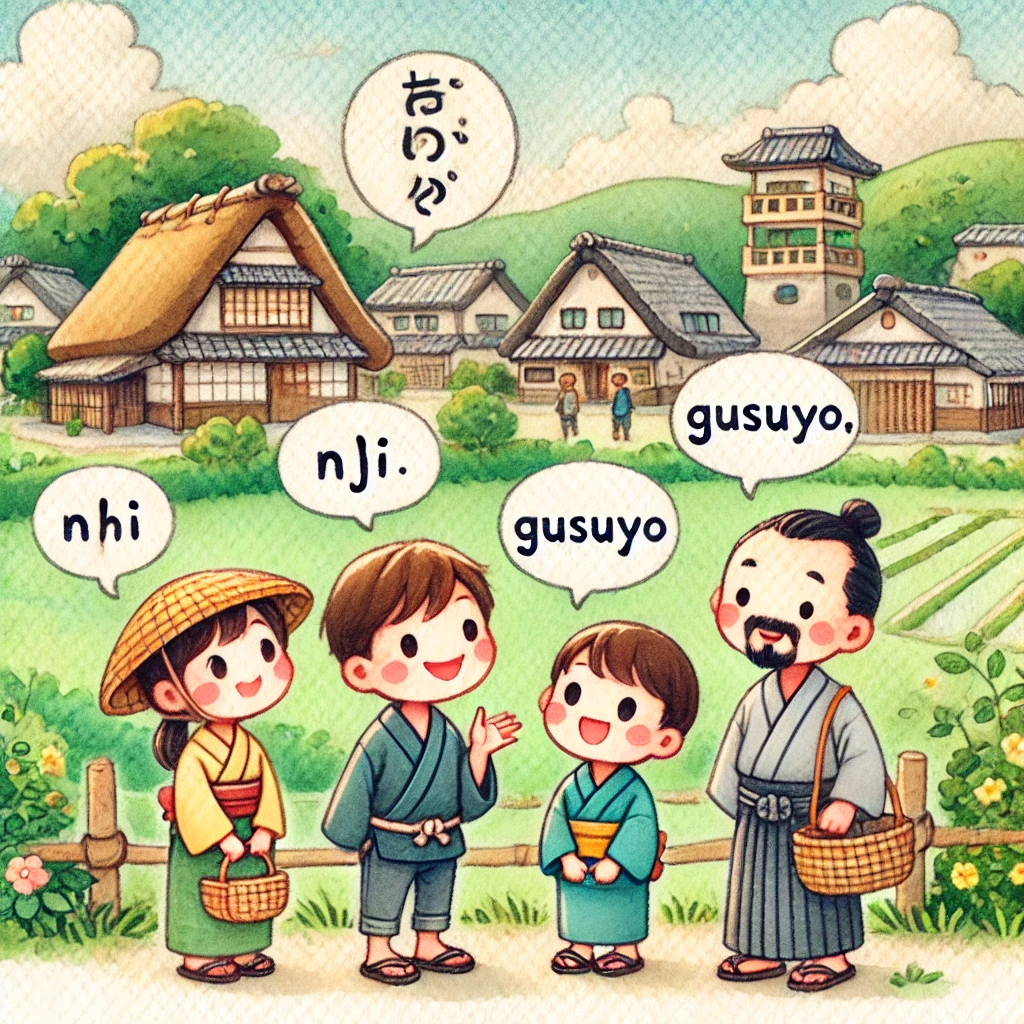
“Nji”: A Friendly Call
“Nji” is a common call in Okinawan dialect, used to get someone’s attention like “Hey, listen” or “Look over here.” Its phonetic softness and rising intonation contribute to its friendliness, making it a comforting and natural part of everyday conversation. This expression creates a relaxed atmosphere, enhancing the warmth of communication.
“Gusuyo”: A Warm Greeting
“Gusuyo” means “How are you?” in Okinawan dialect. This greeting, frequently used in daily interactions, reflects the community’s concern for each other’s well-being. Its charm lies in its phonetic qualities and the warmth it conveys, representing the close-knit nature and caring culture of Okinawan communities.
Specific Usage and Cultural Significance
These expressions are particularly common in conversations within families and among friends. In Okinawan households, where close relationships between generations are maintained, such endearing dialects are frequently used. Tourists encountering these expressions can directly feel the warmth and friendliness of Okinawan people.
Reasons for the Cuteness of Dialects
Phonetic Features and Vocabulary Charm
The cuteness of Okinawan dialects can be attributed to their phonetic characteristics. The light rhythm and intonation common in many Okinawan dialects create a pleasant auditory experience. Additionally, the brevity and rhythmic nature of the words contribute to their appeal.
Cultural Background and Social Significance
Okinawan society values community, and people are closely connected. The endearing expressions in dialects developed to express this intimacy and respect within the community. During regional festivals and gatherings, these expressions are used by people of all ages, promoting harmony and unity within the community.
Intergenerational Transmission and Dialect Appeal
In Okinawa, the transmission of dialects across generations supports community sustainability. Children naturally learn these dialects at home, in schools, and at local gatherings, fostering their unique cultural identity. Thus, dialects are more than just languages; they symbolize regional culture, cherished across generations.
Cultural Exchange and Education Through Dialects
Okinawan dialects play a crucial role in education. By teaching traditional culture through dialects, schools help children learn about their roots and cultural background. For outsiders and tourists, these “cute” dialects introduce Okinawa’s attractive cultural identity, serving as a gateway for cultural exchange.
Dialects and the Okinawan Spiritual World
Okinawan dialects go beyond mere linguistic expressions, deeply connecting with the region’s spiritual world. This section explores how dialects reflect Okinawan values and influence the social structure and spiritual life of the community.
Values Reflected in Dialects
The Importance of Community and the Role of Dialects
In Okinawa’s social structure, the bonds of family and community are very strong. Dialects embody these community values, promoting intimate relationships and harmony within the community. Expressions like “Chura-san” (beautiful person) and “Mensore” (welcome) are used to show respect and hospitality, symbolizing Okinawa’s open-heartedness and welcoming spirit.
The Spirit of Mutual Assistance and Cooperation
Agricultural and fishing activities in Okinawa rely on community cooperation. Dialects include many functional expressions to facilitate such collaborative efforts, such as “Tiiga” (help me), emphasizing the culture of mutual aid and support.
The Culture of Respect and Humility
Okinawan dialects contain numerous expressions for showing respect to others, including honorifics for elders and guests. For example, “Unigeesabira” (thank you) expresses gratitude and respect for the benefits received, reflecting a culture of humility and respect.
Transmission and Lessons Through Dialects
Lessons Embedded in Words
Okinawan dialects often carry regional traditions and lessons, transmitted orally across generations. “Ichari-bachode” (once we meet, we are all brothers) exemplifies the Okinawan trait of forming close bonds even with strangers, highlighting community responsibility and openness.
The Role of Transmission and Dialect Preservation
Each region in Okinawa has unique traditions shared through festivals and events. Dialects play a crucial role in transmitting these traditions, such as in classical Ryukyuan dance and songs that retain ancient linguistic forms, enabling younger generations to understand and respect their cultural identity and history.
Contemporary Challenges and the Future of Dialects
In modern Okinawan society, maintaining and transmitting dialects is a significant challenge. With the increasing use of standard Japanese among young people, finding ways to keep regional languages alive is crucial. Educational institutions and community programs actively teach the importance and appeal of dialects to children, aiming to preserve both the language and spiritual culture.
Q&A
What are the characteristics of Okinawan dialects?
Okinawan dialects feature unique phonetic characteristics, vocabulary, and grammatical structures. Notably, their distinct intonation and word endings, different from mainland Japanese, reflect the community’s intimacy and respect.
Can you give examples of “cute” Okinawan dialect expressions?
Examples include “Nji” and “Gusuyo.” These are commonly used in daily conversations and convey warmth and friendliness to the listener.
How do Okinawan dialects relate to the spiritual world of Okinawa?
Dialects reflect Okinawan values, such as the importance of community and mutual assistance. They transmit lessons and traditions, contributing to the formation of cultural identity.
What are the modern challenges in preserving Okinawan dialects?
With globalization and the spread of standard Japanese, opportunities to use dialects among younger generations are decreasing. Preserving and transmitting dialects is essential for cultural continuity.
What efforts are being made to preserve and transmit dialects?
Educational institutions and community programs are implementing cultural programs that teach the value of dialects to children, deepening their understanding of cultural identity and history.
Conclusion
Okinawan dialects are renowned for their unique charm and cultural value. These dialects, developed from the independent history and geographical characteristics of the Ryukyu Kingdom, possess distinct phonetic features and vocabulary. Expressions like “Nji” and “Gusuyo” are common in everyday conversations, contributing to their perception as “cute” due to their phonetic appeal and the warmth they convey. These dialects strengthen the bonds within Okinawan communities, serving as a means of expressing mutual respect and support.
Okinawan dialects are also deeply connected to the region’s spiritual world, reflecting community values such as mutual assistance and respect. They carry lessons and traditions passed down through generations, contributing to the formation of cultural identity. However, with globalization and the spread of standard Japanese, the use of dialects is decreasing, making their preservation and transmission crucial.
Educational institutions and community programs are actively teaching the importance and appeal of dialects to children, aiming to preserve Okinawa’s rich cultural heritage for future generations. Okinawan dialects hold cultural value beyond language, playing a vital role in continually shaping and enriching the spiritual world of the region.


コメント