
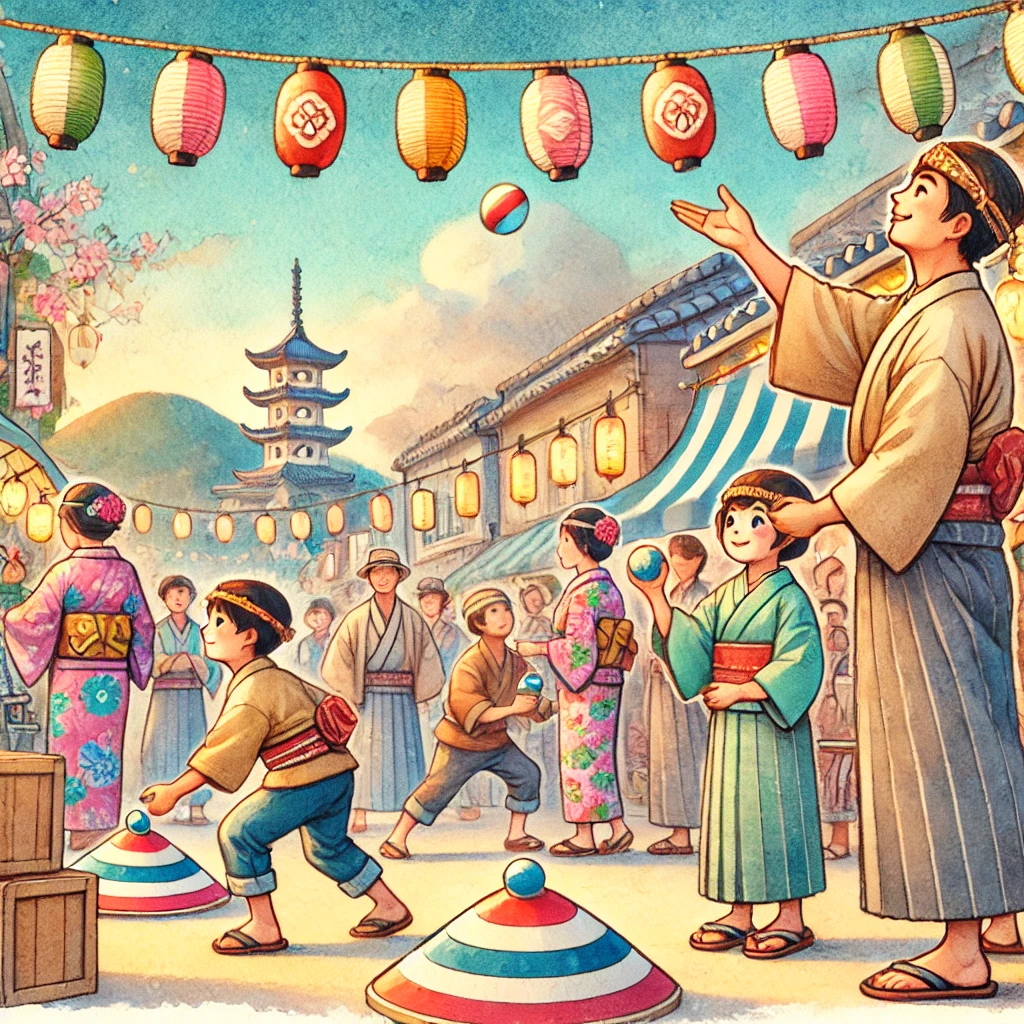
Okinawa, with its name alone, evokes images of vast blue seas and abundant nature. However, what lies beyond that is a vibrant tapestry of traditional culture. Particularly, the concept of “traditional games” plays a significant role in Okinawa’s culture, strengthening community bonds and serving as an educational platform across generations. Despite many people becoming accustomed to a digitized lifestyle today, these traditional games in Okinawa continue to be a vital cultural heritage passed down through time.
How do games like “Harisenbon” and “Kachaashii” impart life lessons and philosophy to children? How is their importance highlighted during local festivals and gatherings? This article delves into these profound meanings, exploring how these traditional games are being re-evaluated in modern Okinawan society and what challenges they face. We also shed light on new initiatives, such as incorporating these games into local educational programs and utilizing them as tourist attractions. Moreover, we will discuss the role traditional games play in preserving and passing on the Okinawan language, especially its dialects, to the next generation. Through this article, we aim to rediscover the educational value and cultural significance of Okinawan traditional games from a new perspective. These are not merely games but threads weaving the spiritual culture of Okinawa from the past to the future.
- Introduction: The Cultural Value of Okinawan Traditional Games
- Traditional Games of Okinawa
- Games as a Form of Cultural Transmission
- The Role and Challenges of Traditional Games in Modern Times
- The Spiritual Culture of Okinawa Perpetuated Through Traditional Games
- Q&A: About Okinawan Traditional Games
- Conclusion
Introduction: The Cultural Value of Okinawan Traditional Games
Okinawa Prefecture has nurtured a unique culture and traditions throughout its long history, in addition to its rich natural environment. Okinawan traditional games play a crucial role in deepening community bonds and promoting intergenerational communication. In this introduction, we explore the cultural value of Okinawan traditional games and their significance in contemporary Okinawan society.
Overview and Appeal of Okinawan Traditional Games
Okinawan traditional games are more than just ways to pass the time. These games are incorporated into festivals and specific seasonal events, serving as a means to foster a sense of identity as members of the community. For example, “Eisa” is performed as part of the Bon festival to comfort the spirits of the deceased and encourage the living. Such games provide opportunities for participants to develop teamwork and rhythm through songs, dances, and musical performances.
The Role of Traditional Games in Okinawan Culture
Traditional games are indispensable elements in recounting Okinawa’s history. Through these games, children learn the wisdom and life skills passed down from their ancestors. These games are closely related to local annual events and festivals, serving as a way to express respect and gratitude to ancestors. For instance, during “Yunnufuu” (New Year’s play), children fly handmade kites, wishing for health and happiness in the new year.
Okinawan traditional games are not just for enjoyment; they also have educational aspects. The lessons conveyed through these games cultivate values such as diligence, cooperation, and respect. Additionally, practicing these games helps pass on the Okinawan language and dialects to the next generation. These cultural activities are a bridge to maintain and carry forward Okinawa’s traditions and customs into the future.
Traditional Games of Okinawa
Okinawa has a rich variety of unique traditional games formed over its long history. These games have been nurtured in local festivals and daily life, loved by people of all ages, from children to adults. This chapter highlights some representative traditional games of Okinawa, detailing their rules and cultural significance.
Harisenbon
“Harisenbon” is a traditional game enjoyed by Okinawan children, involving a bag (Harisenbon) attached to a string on a stick. This game is especially played during New Year celebrations, where children compete to see how far they can throw their Harisenbon into the air.
Rules and How to Play
The rules of Harisenbon are straightforward. Participants throw their Harisenbon simultaneously, competing for distance. The owner of the Harisenbon that flies the farthest wins. This game not only enhances children’s physical abilities and strategic thinking but also serves as a fun event to celebrate the New Year.
Cultural Background and Significance
Harisenbon holds meanings beyond just a game. It is considered an event to bring good luck to children during New Year celebrations and also strengthens family bonds through play. This game is a significant cultural activity in the local community, passed down through generations.
Spinning Tops (Kachaashii)
Okinawan spinning top “Kachaashii” is a traditional game using wooden tops. This game is widely enjoyed by both children and adults and is often seen at festivals and gatherings.
Types of Tops and How to Spin
The tops used in Kachaashii come in various sizes and shapes, but all are made of natural wood. The key to spinning the tops effectively is understanding each top’s characteristics and pulling the string with the right force.
Position as a Game and Social Impact
Kachaashii is not just a competitive game but also a social activity that promotes interaction and communication among participants. At festivals and local events, people of all ages gather to spin tops, fostering close relationships. Additionally, playing Kachaashii provides opportunities to use the Okinawan language and dialects, contributing to the preservation of regional linguistic culture.
Games as a Form of Cultural Transmission
Okinawan traditional games have long served as a means to transmit local history, culture, and social values. This chapter explores specific traditional games in Okinawa and how they function as cultural transmissions.
Moon Viewing Night Games
In Okinawa, there is a custom of moon viewing on the 15th day of the 8th lunar month. On this day, children engage in traditional games known as “Tsukimi no Utabii” (moon viewing games). Families and local people gather to celebrate the beauty of the moon and enjoy a fun-filled evening.
Content of the Games and Moon Viewing Customs
During Tsukimi no Utabii, children bring handmade lanterns, light them, and perform songs and dances. They also make and share moon-shaped sweets. Through these games, children develop a sense of cooperation and creativity and learn to respect nature, as their ancestors did.
Spiritual Significance of Moon Viewing
The moon viewing night games not only celebrate the rich autumn harvest but also strengthen family bonds and community harmony. The beauty and eternal rhythm of the moon symbolize stability and lasting prosperity, inspiring people to wish for these qualities.
Legendary Game “Ryugu no Tsukai”
“Ryugu no Tsukai” is a game born from Okinawan sea legends, involving making dishes using sea blessings as gifts from the sea god. This game is particularly popular among children and is often played on the beach.
Origin of the Game and Legend
The legend of Ryugu no Tsukai tells of a mystical castle under the sea called Ryugu-jo, where a messenger brings fortune and wisdom to people. In this game, children collect shells and seaweed on the beach and use them to make “sea god’s feast.”
Lessons and Storytelling in Ryugu no Tsukai
Through this game, children learn to respect marine life and the surrounding environment. It fosters cooperation among participants and nurtures a deep appreciation for the sea. The legends told during the game symbolize Okinawan views on nature and the world, becoming an essential cultural heritage passed down through generations.
The Role and Challenges of Traditional Games in Modern Times
Okinawan traditional games have historically connected cultural values, but modern societal changes pose challenges to their continuation. This chapter examines the role of traditional games in contemporary Okinawan society and how to address these challenges.
Reevaluation of Traditional Games in Modern Society
Okinawan traditional games are essential for strengthening community bonds and fostering cultural identity. Recently, with the development of the tourism industry, these games have also gained attention as cultural attractions representing Okinawa. For instance, traditional games like Eisa, bamboo stilts, and spinning tops are experienced not only by locals but also by tourists, conveying the cultural charm of Okinawa.
Spreading Cultural Value
Through experiencing traditional games, visitors can connect with Okinawan history and culture. This deepens cultural understanding and respect while also contributing to the local economy. Additionally, local children’s participation fosters intergenerational exchange and cultivates a sense of preserving traditions.
Efforts to Preserve and Pass on Traditional Games
However, the spread of digital media and changes in modern lifestyles have led to a decline in interest in traditional games. To address this issue, various initiatives are being undertaken in Okinawa to preserve and pass on traditional games.
Introduction of Educational Programs
By incorporating traditional games into school curriculums, children are exposed to local culture from an early age, providing opportunities to deepen their interest and understanding. Additionally, organizing workshops on traditional games at local festivals and events encourages family participation, reinforcing cultural activities enjoyed by both parents and children.
Utilizing Digital Media
Efforts to spread the charm of traditional games more widely through the internet and social media are also underway. Posting videos explaining how to play these games on video-sharing sites and developing platforms using virtual reality to experience traditional games remotely are some of the initiatives leveraging new technologies to convey cultural appeal.
The Spiritual Culture of Okinawa Perpetuated Through Traditional Games
Okinawan traditional games are not merely ways to pass the time; they are essential elements symbolizing the spiritual culture of the region. These games have been cherished throughout the lives of Okinawan people from the past to the present, passed down to children. This chapter concludes by discussing the cultural value of traditional games and why their transmission is crucial
.
The Philosophy and Way of Life Taught by Traditional Games
Okinawan traditional games reflect the region’s history, natural environment, and social values. Through these games, children learn social skills such as cooperation, empathy, and respect. For example, the traditional New Year game “Yuntiku” is not only a competition but also part of a festival celebrating the start of the year, enjoyed by the entire community. This game symbolizes wishes for a good start to the year and serves as a platform for strengthening bonds with family and friends.
The Importance of Passing Okinawan Games to the Future
Sustained transmission of traditional games is vital for maintaining and strengthening Okinawan cultural identity. Amid rapid social changes, reaffirming the educational value and community solidarity these games provide is crucial for preserving cultural foundations. Moreover, traditional games offer natural opportunities for younger generations to learn Okinawan language, particularly dialects. This ensures that not only the language but also the culture and values behind it are protected.
Reinterpreting the appeal of traditional games in a contemporary context and passing them on to younger generations is key to preserving Okinawa’s rich cultural heritage for the future. Integrating these games into local festivals, school educational programs, and tourism attractions should be actively pursued. To ensure the spiritual culture of Okinawa is reliably connected to the next generation, it is essential for the entire community to recognize and support these values.
Q&A: About Okinawan Traditional Games
What are some popular traditional games among children in Okinawa?
“Harisenbon” is particularly popular. In this game, a bag attached to a string is thrown high into the air, competing for distance.
What cultural significance do Okinawan traditional games hold?
These games are not mere pastimes but are incorporated into local festivals and seasonal events, strengthening community bonds and fostering cultural identity.
What challenges do Okinawan traditional games face in modern times?
With the spread of digital media and changing lifestyles, interest in traditional games is waning. Efforts are needed to preserve and pass on these games.
What initiatives are being taken to pass on traditional games?
Incorporating traditional games into school curricula, holding workshops at local festivals, and disseminating information using digital media are some of the efforts being made.
How should the community approach the future of traditional games?
It is important for the entire community to recognize the value of these games, strengthen their position as cultural activities, and focus on educating and spreading awareness among the younger generation.
Conclusion
Okinawa has nurtured a unique culture and traditions alongside its rich natural environment, with traditional games playing a crucial role in community bonds. These games are integrated into festivals and seasonal events, fostering a sense of community and serving as educational platforms across generations. Games such as “Harisenbon” and “Kachaashii” are cherished traditions in the region. However, with the spread of digital media and changing lifestyles, interest in these traditional games is waning. Thus, new initiatives are necessary, such as integrating them into school education, organizing activities at local events, and leveraging digital technology for information dissemination. These efforts aim to ensure that Okinawan traditional games are preserved for the future, maintaining the cultural foundation and building a richer community. Okinawan traditional games, with their profound cultural value and educational significance, should be cherished by future generations.
コメント