
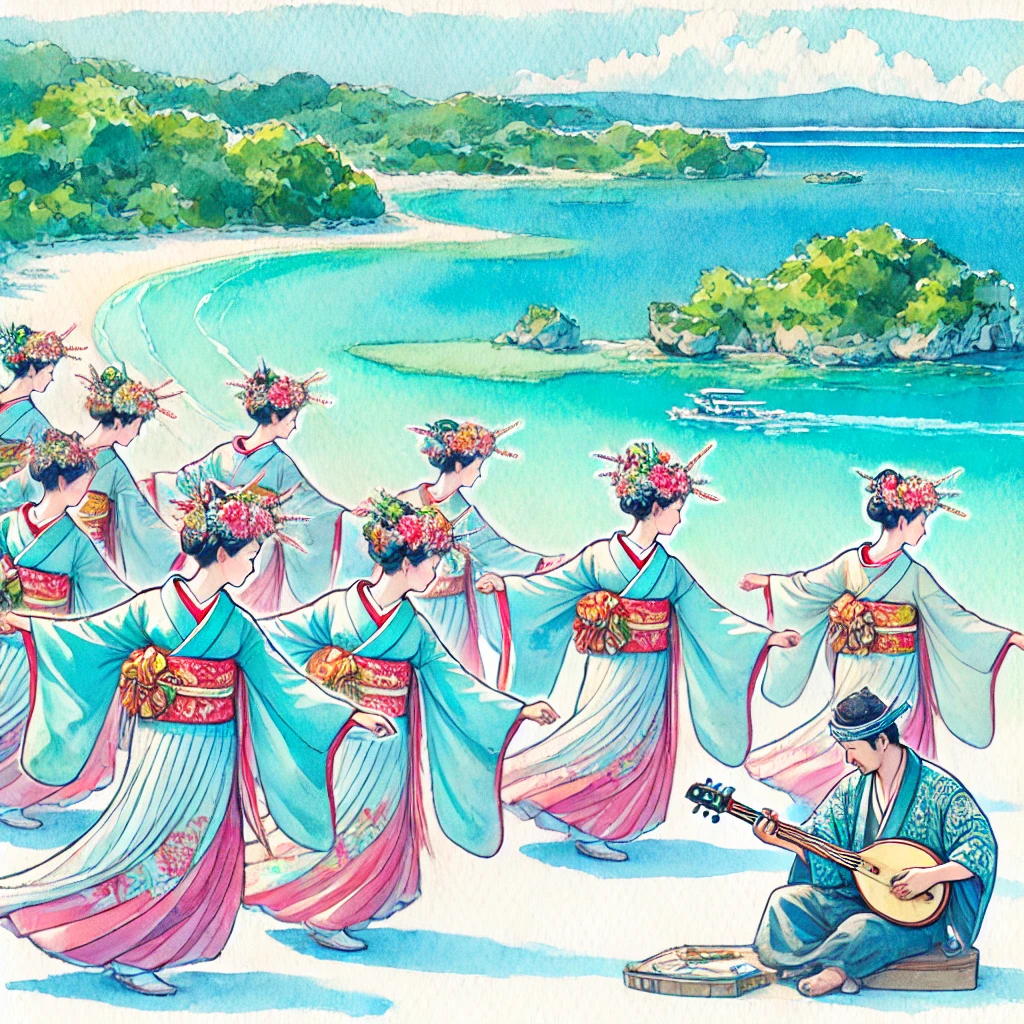
- Kagiyadefu: Weaving Okinawa’s Nature and Spirit Through Dance and Music
The beautiful sea and sky of Okinawa, and the flowers swaying in the gentle breeze, paint a vivid picture of the island’s rich natural beauty. This lush environment has nurtured a unique culture brimming with charm. Among the many cultural treasures, the traditional performing art known as “Kagiyadefu” stands out. With its graceful dance and soulful music, Kagiyadefu has captivated many people throughout the years.
- Introduction
- What is Kagiyadefu?
- The Origin of Kagiyadefu
- Features of Kagiyadefu
- Kagiyadefu and Okinawa’s Spiritual World
- Contemporary Significance of Kagiyadefu
- Summary
- Kagiyadefu in Modern Okinawa
- Experiencing Kagiyadefu
- The Future of Kagiyadefu
- Conclusion
- Q&A
- Summary
Introduction
Okinawa’s Unique Culture and Traditions
Okinawa is a group of beautiful islands located at the southernmost tip of Japan. Over the centuries, it has developed a distinctive culture through exchanges with the mainland and other regions. During the Ryukyu Kingdom era, active trade and cultural exchanges with China and mainland Japan flourished, leading to the blossoming of unique Okinawan languages, music, dance, crafts, and more.
Geographical and Historical Background
Okinawa’s proximity to Taiwan and mainland China has made it a crucial hub for maritime traffic in East Asia since ancient times. This geographical uniqueness significantly influenced the history and culture of Okinawa. During the Ryukyu Kingdom period, Okinawa developed its own diplomatic policies, such as receiving investiture from Chinese emperors and engaging in intermediary trade between China and Japan.
Exchanges with China and Mainland Japan
Okinawa’s culture is heavily influenced by both China and mainland Japan. Particularly, Confucian and Taoist philosophies from China, along with Buddhism from mainland Japan, have significantly shaped Okinawa’s spiritual landscape. Concurrently, indigenous beliefs like Utaki worship and rituals conducted by Noro (priestesses) have also remained deeply rooted in Okinawan culture.
The Importance of Kagiyadefu
Among Okinawa’s traditional arts, dance holds a particularly important place. Kagiyadefu, one of the most famous and beloved dances, represents the pinnacle of Okinawan cultural expression.
A Dance Representing Okinawan Culture
Kagiyadefu is renowned for its elegant movements, beautiful costumes, and melancholic music. The lyrics often reflect Okinawa’s nature, landscapes, and the emotions of its people, offering a deep sense of the island’s culture.
Historical and Cultural Significance
Kagiyadefu is more than just an entertainment dance; it holds historical and cultural value. Its origins trace back to the Ryukyu Kingdom era, and it has been passed down through the ages, mirroring the hearts and souls of Okinawan people. This precious cultural heritage conveys the wisdom and aesthetic sense of the ancestors.
What is Kagiyadefu?
Definition of Kagiyadefu
Kagiyadefu is a classic Okinawan dance characterized by its graceful movements and soulful music. It is often performed by male and female pairs and frequently features love-themed lyrics.
Origins and Meaning
The name “Kagiyadefu” combines “kagi” (key) and “yado” (house), symbolizing a secret meeting between lovers. The suffix “fu” indicates a style or form of dance.
Other Names and Related Dances
Kagiyadefu is also known as “Kagiyade Ko” to distinguish it from “Kagiyade Dai,” another dance with a similar theme. Other related dances include “Musume Dojoji” and “Nise Kudoki,” which share similar themes and compositions.
Characteristics of the Dance
Kagiyadefu is known for its graceful movements and expressive performance, where dancers skillfully portray the subtleties of a romantic relationship.
Structure and Flow of the Dance
Kagiyadefu typically consists of three parts: a prelude, the main dance, and a finale. The prelude depicts the meeting of the lovers, the main dance portrays their interactions, and the finale shows their parting and reunion. The dancers’ movements delicately and boldly express the nuances of the lovers’ emotions.
Music and Lyrics
The music of Kagiyadefu is centered around the sanshin, a three-stringed instrument. Its melancholic melodies enhance the atmosphere of the dance. The lyrics, often resembling conversations between lovers, skillfully weave in elements of Okinawa’s nature, landscape, and people’s emotions.
History of the Dance
Kagiyadefu’s origins are believed to date back to the Ryukyu Kingdom era. Over the centuries, it has evolved, reflecting various historical and cultural shifts.
Origins and Development
The origins of Kagiyadefu are linked to legends, with the most famous being the “Amawari Legend.” Amawari, a beautiful woman, is said to have expressed her sorrow through dance after parting with her lover, which became the prototype of Kagiyadefu.
The Content of the Legend
The Amawari Legend is a poignant tale of a woman lamenting her separation from her lover. Her dance, filled with deep emotion, was so beautiful and moving that it spread widely among the people, eventually becoming known as Kagiyadefu.
Influence on the Dance
The Amawari Legend significantly influenced Kagiyadefu’s characteristics. The delicate movements and melancholic music of the dance evoke the story of Amawari, reflecting the sadness and longing of a woman in love.
Other Legends
In addition to the Amawari Legend, other tales also explain the origins of Kagiyadefu. For instance, the “Tsuru and Kame Legend” (Crane and Tortoise) influenced the dance’s movements, symbolizing the elegance and grace of these creatures.
Contemporary Significance of Kagiyadefu
Today, Kagiyadefu continues to play a vital role in preserving Okinawan culture and identity, serving as an important cultural heritage and a popular attraction for both locals and tourists.
Preservation and Transmission
Efforts to pass Kagiyadefu to younger generations are crucial for maintaining Okinawa’s cultural identity. Schools and community programs actively teach and promote this traditional dance, ensuring its legacy endures.
Tourist Attraction
Kagiyadefu is a significant draw for tourists, providing a unique cultural experience. Cultural programs and performances allow visitors to experience the beauty and depth of this traditional art form.
Symbol of Okinawan Identity
For Okinawans, Kagiyadefu symbolizes cultural pride and identity. It represents the continuity of their heritage and serves as a bond that unites the community across generations.
Kagiyadefu remains an integral part of Okinawa’s cultural landscape, reflecting its rich history, spiritual depth, and artistic beauty. By experiencing Kagiyadefu, one can truly appreciate the essence of Okinawan culture and the timeless beauty of its traditional arts.
The Origin of Kagiyadefu
Kagiyadefu is among the most beloved traditional dances in Okinawa, with various legends explaining its origins. Here, we explore the roots of Kagiyadefu through these legends and their historical context.
Legends Behind Kagiyadefu
Several legends are associated with the origin of Kagiyadefu, the most famous being the “Amawari Legend.”
The Amawari Legend
The Amawari Legend is the most well-known tale explaining the origins of Kagiyadefu. According to the legend, Amawari was a beautiful woman who frequently met her lover, an Aji (local lord). When her lover had to marry another woman, Amawari, stricken with sorrow, expressed her deep emotions through dance. This dance became the basis of Kagiyadefu.
Content of the Legend
The Amawari Legend narrates the story of a woman mourning her separation from her lover. Unable to suppress her emotions, Amawari danced to express her heartache. The beauty and poignancy of her dance were so profound that it became widely known, eventually evolving into Kagiyadefu.
Impact on the Dance
The Amawari Legend heavily influences the characteristics of Kagiyadefu. The dance’s delicate movements and melancholic music reflect the story of Amawari, embodying the sorrow and longing of a woman in love. The graceful performance of the dancers is reminiscent of Amawari and her lover’s tragic love story.
Other Legends
Aside from the Amawari Legend, other stories also shed light on the origins of Kagiyadefu.
The Crane and Tortoise Legend
The Crane and Tortoise Legend suggests that the graceful movements of these creatures inspired the dance. The legend states that people began to mimic the elegant dance of cranes and tortoises, which influenced the choreography of Kagiyadefu.
Other Related Legends
Numerous other legends, such as the “Nise Kudoki” dance story, share similar themes of love and emotional expression. These legends have shaped the themes and methods of Kagiyadefu, contributing to its rich tapestry of cultural expression.
Historical Context
The origins of Kagiyadefu can also be traced through historical events and cultural exchanges.
The Ryukyu Kingdom Era
Kagiyadefu is believed to have developed during the Ryukyu Kingdom era. At that time, Okinawa was actively engaged in cultural exchanges with China and mainland Japan, adopting and adapting various cultural elements.
The Role of Dance in the Royal Court
During the Ryukyu Kingdom era, dance was a crucial element of royal court entertainment. The court encouraged dance and celebrated skilled performers. Kagiyadefu likely thrived in this environment, where the arts were highly valued.
Interaction with Commoners
The royal court’s cultural practices extended to the common people, making dances like Kagiyadefu popular among the general populace. As it spread, Kagiyadefu became a prominent feature of Okinawan cultural heritage.
Modern Developments
In the modern era, Okinawa’s annexation by Japan and subsequent events have influenced the preservation and transformation of Kagiyadefu.
Post-War Revival and Cultural Preservation
After World War II, under U.S. administration, Okinawan culture saw a revival, with a renewed focus on preserving traditional arts. Post-1972, following Okinawa’s reversion to Japan, Kagiyadefu also became a significant cultural attraction for tourists.
Features of Kagiyadefu
Kagiyadefu is a captivating dance characterized by its elegant choreography, expressive music, and intricate costumes and props. Here, we delve into these features in detail.
Structure of the Dance
Kagiyadefu’s dance structure is typically divided into three parts: the prelude, the main dance, and the finale.
Dance Composition
The dance unfolds in the following sequence:
Prelude
The prelude depicts the initial meeting of the lovers. Dancers enter the stage with graceful movements, establishing the setting for the romantic narrative that follows.
Main Dance
The main dance, the centerpiece of Kagiyadefu, showcases the intricate interplay between the lovers. Through a series of graceful and expressive movements, the dancers convey the joy and pain of love. The synchronized performance of the male and female dancers mesmerizes the audience.
Finale
The finale portrays the lovers’ parting and eventual reunion. The music slows, and the dancers’ movements become more subdued, culminating in a tender and poignant closing sequence.
Musical Instruments
Kagiyadefu’s music relies heavily on traditional Okinawan instruments, creating its unique sound.
Sanshin
The sanshin, a three-stringed lute, plays a central role in Kagiyadefu’s music. Its melancholic tones enhance the emotional depth of the dance.
Drums
Drums provide the rhythmic foundation, adding dynamism and tension to the performance. The drum’s beats synchronize with the dancers’ movements, heightening the dance’s dramatic effect.
Other Instruments
Additional instruments, such as flutes and hand drums, add layers of complexity and color to the music, enriching the overall auditory experience.
Costumes and Props
The costumes and props used in Kagiyadefu are integral to the dance’s visual appeal and storytelling.
Women’s Costumes
Female dancers wear traditional Ryusou (Okinawan attire), characterized by vibrant colors and elaborate designs.
Ryusou
The Ryusou includes a brightly colored blouse (kariyushi) and a wrap-around skirt (mingsa). The intricate patterns and vivid colors of the attire enhance the visual impact of the dance.
Hanagasa (Flower Hat)
The hanagasa, adorned with artificial flowers, adds a touch of elegance and beauty to the female dancers’ appearance. The hat is skillfully manipulated to accentuate the dance’s expressive movements.
Men’s Costumes
Male dancers wear simple yet elegant attire, typically consisting of a blouse and a wrap-around skirt.
Blouse and Mingsa
The blouse (kariyushi) and mingsa worn by male dancers are usually plain, emphasizing the dance’s movements rather than the attire itself.
Hachimaki (Headband)
The hachimaki, a practical and symbolic accessory, keeps sweat from interfering with the performance and adds to the overall aesthetic.
Significance of Props
Props like fans and hand towels are used to enhance the dance’s storytelling and expressive power.
Fans
Fans are used to accentuate gestures and convey emotions. For instance, opening a fan in front of the face can signify romantic longing, while snapping it shut can express anger or sorrow.
Hand Towels
Hand towels, though practical, are also used to heighten the emotional impact of the dance. Gracefully waving a hand towel can signify affection, while vigorous movements can depict frustration or despair.
Content of the Lyrics
The lyrics of Kagiyadefu often revolve around themes of love, nature, and everyday life in Okinawa.
Love-Themed Lyrics
Many of Kagiyadefu’s lyrics depict the intricacies of romantic relationships, capturing the joy and sorrow of love.
Encounters and Farewells
Lyrics about lovers meeting and parting are common, often set against the backdrop of Okinawa’s stunning natural scenery. Phrases like “holding your hand by the shore” evoke the beauty and emotional depth of these moments.
Joy and Sorrow of Love
The lyrics also explore the duality of love, juxtaposing its ecstatic and heartbreaking aspects. Descriptions of the natural landscape are often used to amplify the emotions expressed in the lyrics.
Depictions of Nature and Daily Life
Kagiyadefu’s lyrics also celebrate Okinawa’s natural beauty and the daily lives of its people.
Scenic Beauty of Okinawa
Lyrics frequently describe the island’s blue seas, white sandy beaches, and lush green landscapes, painting vivid pictures of Okinawa’s natural splendor.
Life and Labor of the People
Other lyrics portray the daily lives of Okinawans, including fishing, farming, and bustling marketplaces. These depictions add depth to the dance, reflecting the cultural and social fabric of Okinawa.
Kagiyadefu and Okinawa’s Spiritual World
Kagiyadefu is not just a form of entertainment; it also reflects the spiritual beliefs and values of the Okinawan people. Here, we explore its connection to Okinawa’s spiritual world through three aspects: harmony with nature, ancestor worship and spirit belief, and views on love and gender relationships.
Harmony with Nature
Okinawans have long lived in harmony with nature, a theme reflected in Kagiyadefu.
Nature Worship
Nature is revered in Okinawan culture, with mountains, forests, seas, and rivers considered sacred. This reverence is evident in Kagiyadefu’s lyrics, which often describe the natural beauty of Okinawa.
Living in Harmony with Nature
Okinaw
ans have traditionally lived in a way that respects and harmonizes with nature. The lyrics of Kagiyadefu sometimes depict fishing and farming activities, highlighting this close relationship with the natural world.
Ancestor Worship and Spirit Belief
Ancestor worship and spirit beliefs are integral to Okinawan spirituality, and these elements are reflected in Kagiyadefu.
Respect and Gratitude for Ancestors
Okinawans deeply respect their ancestors, valuing the wisdom and traditions passed down through generations. Kagiyadefu’s lyrics often incorporate the teachings and knowledge of past generations, reflecting this respect and gratitude.
Yuta and Spirit Belief
Yuta, or spiritual mediums, play a significant role in Okinawan belief systems. Kagiyadefu’s lyrics sometimes hint at these spiritual practices, reflecting the deep spiritual connection Okinawans have with their ancestors and nature.
Views on Love and Gender Relationships
Kagiyadefu’s love-themed lyrics highlight Okinawan views on romance and gender relations.
Free Love
Okinawa has a tradition of valuing free love, allowing individuals to pursue romantic relationships freely. Kagiyadefu’s lyrics often vividly depict the emotions and interactions of lovers, reflecting this cultural norm.
Gender Equality
Okinawan culture emphasizes gender equality, a theme also evident in Kagiyadefu. The lyrics often portray men and women as equal partners in love, sharing mutual respect and affection.
Contemporary Significance of Kagiyadefu
Kagiyadefu continues to hold significant contemporary relevance, serving as a vital link to Okinawan culture and identity.
Preservation of Traditional Culture
Kagiyadefu is essential for preserving Okinawan cultural identity. Efforts to educate younger generations and promote this traditional dance are crucial.
Education and Transmission to the Youth
Okinawan schools and communities actively teach and promote Kagiyadefu, ensuring that this cultural treasure is passed down to future generations.
Performances at Cultural Events
Kagiyadefu is performed at various cultural events, such as New Year’s celebrations and Bon festivals, as well as cultural programs for tourists, helping to preserve and promote this traditional art.
Value as a Tourist Attraction
Kagiyadefu is a major draw for tourists, offering a unique cultural experience.
Attraction for Domestic and International Tourists
Many tourists visiting Okinawa look forward to experiencing Kagiyadefu. It provides an opportunity to engage with Okinawan culture deeply.
Cultural Experience Programs
Okinawa offers numerous cultural experience programs, including Kagiyadefu, allowing tourists to learn and participate in this traditional dance. These programs enhance the cultural and economic value of Okinawan tourism.
Symbol of Okinawan Identity
For Okinawans, Kagiyadefu is a symbol of cultural pride and identity, representing their heritage and unity.
Unique Cultural Icon
Kagiyadefu is recognized as a cultural icon of Okinawa, symbolizing the island’s unique heritage and contributing to its distinct cultural image.
Pride and Unity
Kagiyadefu represents the pride Okinawans take in their cultural heritage and serves as a unifying element, bringing together people of all ages and backgrounds to celebrate their shared history and identity.
Kagiyadefu remains a cornerstone of Okinawa’s cultural identity, embodying the island’s rich history, spiritual depth, and artistic beauty. Experiencing Kagiyadefu allows one to truly appreciate Okinawa’s cultural essence and the timeless beauty of its traditional arts.
Summary
In this blog, we explored the traditional Okinawan dance, Kagiyadefu, covering its origins, historical context, dance structure, and contemporary significance. We also delved into how it reflects Okinawa’s spiritual world and its role in preserving cultural identity.
Kagiyadefu, with its elegant movements, soulful music, beautiful costumes, and expressive lyrics, encapsulates the heart and soul of Okinawan culture. Its continued preservation and promotion are vital for maintaining Okinawa’s rich cultural heritage.
When visiting Okinawa, experiencing Kagiyadefu firsthand provides a profound connection to the island’s history, culture, and people. This traditional dance is not just an artistic performance but a living expression of Okinawa’s spirit and pride.
Kagiyadefu in Modern Okinawa
Today, Kagiyadefu is more than just a traditional dance; it is a living testament to Okinawa’s cultural resilience and adaptability. It continues to evolve while preserving its core essence, reflecting both the island’s rich history and its dynamic present.
Adapting to Contemporary Times
Kagiyadefu has successfully adapted to contemporary times, finding relevance in modern Okinawan society.
Incorporation into Modern Media
Kagiyadefu has found its place in modern media, including television, movies, and music videos. This exposure helps introduce the dance to younger generations and a broader audience worldwide.
Integration with Contemporary Art Forms
Artists and choreographers have integrated elements of Kagiyadefu into contemporary dance and performance art. This fusion keeps the tradition alive while allowing it to grow and reach new artistic heights.
Educational Initiatives
Educational initiatives play a crucial role in the preservation and promotion of Kagiyadefu.
Schools and Cultural Programs
Okinawan schools incorporate Kagiyadefu into their curricula, teaching students about its history and significance. Cultural programs and workshops offer practical training, ensuring the dance’s techniques and traditions are passed down.
Community-Based Learning
Local communities host cultural festivals and events where Kagiyadefu is performed and taught. These events foster a sense of pride and continuity within the community, connecting generations through shared cultural experiences.
Global Reach and Influence
Kagiyadefu’s influence extends beyond Okinawa, attracting global interest.
International Cultural Exchanges
Okinawan cultural delegations often include Kagiyadefu performances in their international tours, showcasing the island’s rich heritage. These exchanges promote cultural understanding and appreciation across borders.
Tourism and Cultural Immersion
Tourists from around the world visit Okinawa to experience Kagiyadefu firsthand. Cultural immersion programs allow them to learn the dance, providing a deeper connection to Okinawan culture and enhancing the island’s appeal as a tourist destination.
Experiencing Kagiyadefu
For those looking to experience Kagiyadefu, several options are available to both locals and visitors.
Live Performances
Cultural Festivals
Attending local cultural festivals is one of the best ways to see Kagiyadefu performed live. These festivals, often held during significant Okinawan holidays, feature traditional music, dance, and cuisine, offering a comprehensive cultural experience.
Performance Venues
Several venues in Okinawa regularly host Kagiyadefu performances. The National Theatre Okinawa, for example, is renowned for its traditional arts programs, providing an excellent setting to witness the dance in its authentic form.
Workshops and Classes
Community Centers
Many community centers in Okinawa offer Kagiyadefu workshops and classes. These programs are designed for all skill levels, from beginners to advanced dancers, and provide a hands-on approach to learning the dance.
Tourist Programs
Tourist programs often include cultural workshops where participants can learn Kagiyadefu from professional dancers. These immersive experiences not only teach the dance but also explain its cultural and historical context.
The Future of Kagiyadefu
Looking ahead, the future of Kagiyadefu is bright, with numerous efforts underway to ensure its continued relevance and vibrancy.
Digital Preservation
Digital technology plays a vital role in preserving and promoting Kagiyadefu.
Online Resources
Numerous online platforms provide resources about Kagiyadefu, including videos, tutorials, and historical information. These resources make it easier for people worldwide to learn about and appreciate the dance.
Virtual Reality Experiences
Virtual reality (VR) technology offers new ways to experience Kagiyadefu. VR programs can simulate live performances, allowing users to immerse themselves in the dance’s beauty and emotional depth from anywhere in the world.
Innovative Performances
Innovative performances keep Kagiyadefu fresh and engaging.
Fusion with Modern Art
Choreographers and artists are increasingly blending Kagiyadefu with contemporary dance and modern art forms. These innovative performances attract new audiences and demonstrate the dance’s versatility.
Collaborations with Other Cultures
Collaborations with artists from other cultures create unique performances that celebrate cultural diversity while highlighting Kagiyadefu’s distinctive qualities. These collaborations foster global cultural exchange and mutual appreciation.
Conclusion
Kagiyadefu is more than just a dance; it is a profound expression of Okinawan culture and identity. From its origins rooted in ancient legends to its role in contemporary society, Kagiyadefu embodies the spirit and resilience of the Okinawan people.
Experiencing Kagiyadefu offers a unique window into the heart of Okinawa, revealing its rich history, deep spiritual connections, and vibrant cultural life. Whether through live performances, educational programs, or innovative digital experiences, Kagiyadefu continues to enchant and inspire audiences around the world.
By preserving and promoting Kagiyadefu, we honor Okinawa’s heritage and ensure that this beautiful tradition thrives for generations to come. As we embrace the future, Kagiyadefu will undoubtedly continue to evolve, reflecting the dynamic and enduring nature of Okinawan culture.
When you visit Okinawa, make sure to immerse yourself in the enchanting world of Kagiyadefu. Let its graceful movements, soulful music, and profound stories transport you to a place where tradition and beauty intertwine, offering a truly unforgettable cultural experience.
Q&A
What are the origins of Kagiyadefu?
Kagiyadefu’s origins are deeply intertwined with Okinawan legends, particularly the Amawari Legend, which tells the story of a woman expressing her sorrow through dance after parting with her lover.
How is Kagiyadefu structured?
Kagiyadefu is typically divided into three parts: the prelude, the main dance, and the finale. Each part tells a segment of a romantic story, from meeting to parting and reunion.
What instruments are central to Kagiyadefu’s music?
The sanshin, a three-stringed instrument, is central to Kagiyadefu’s music, providing its distinctive melancholic tones. Drums and other traditional instruments also enhance the dance’s rhythmic and emotional depth.
How does Kagiyadefu reflect Okinawan spirituality?
Kagiyadefu reflects Okinawan spirituality through its lyrics and themes, which often encompass nature worship, ancestor respect, and the deep spiritual connections within Okinawan culture.
What is the significance of Kagiyadefu in modern Okinawa?
In modern Okinawa, Kagiyadefu serves as a vital link to cultural identity, a significant tourist attraction, and a symbol of Okinawan pride and unity. It continues to evolve while preserving its traditional essence.
Summary
This blog delves into the traditional Okinawan dance, Kagiyadefu, exploring its origins, historical background, structure, features, and contemporary relevance. Through its graceful movements, soulful music, and rich cultural context, Kagiyadefu offers a profound insight into Okinawa’s unique heritage.
Kagiyadefu’s continued preservation and promotion are essential for maintaining Okinawa’s cultural identity. As a symbol of Okinawan pride and unity, this traditional dance bridges the past and the present, ensuring that future generations can appreciate and celebrate its beauty.
When in Okinawa, take the opportunity to experience Kagiyadefu. Whether through live performances, workshops, or digital experiences, let this enchanting dance immerse you in the heart and soul of Okinawan culture.

コメント