
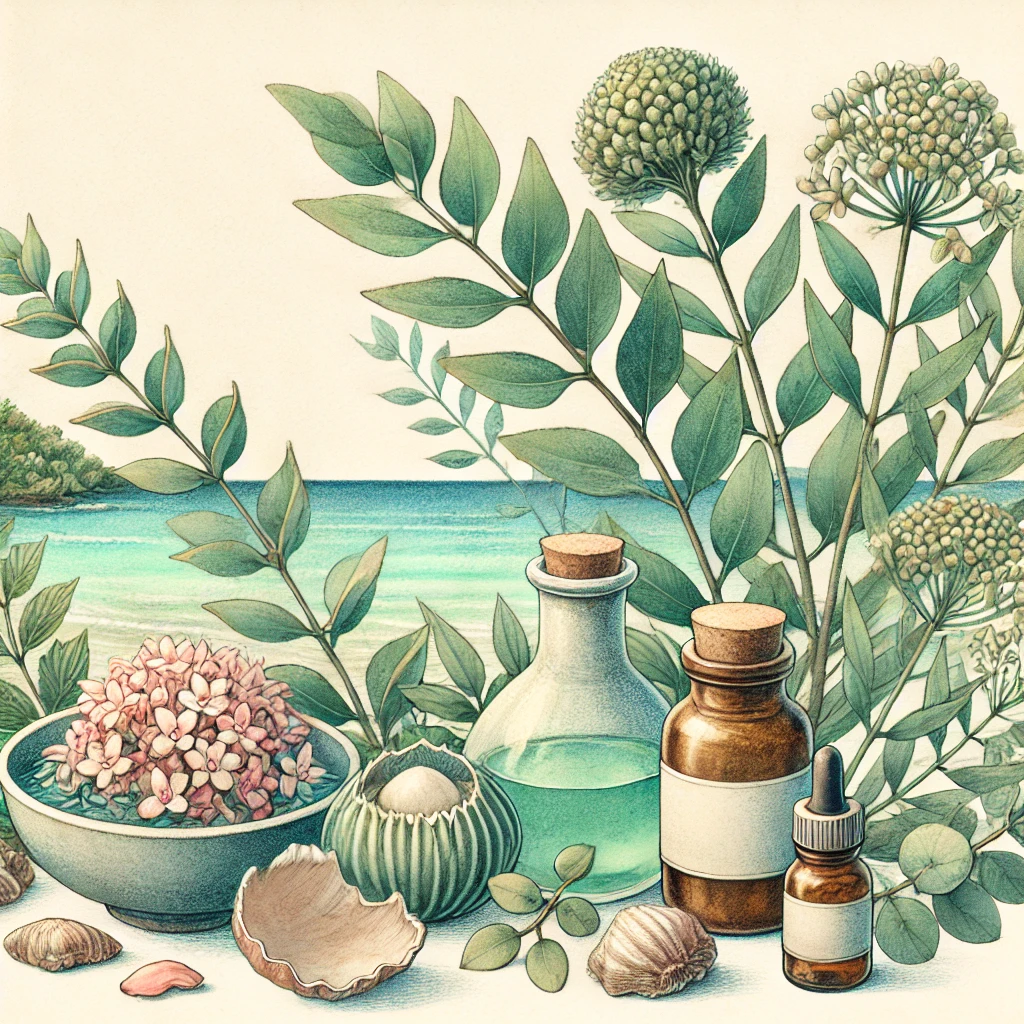
Okinawa’s rich natural environment not only provides stunning landscapes but also serves as a vital resource that has supported the health of its local population throughout history. The island’s traditional folk remedies, utilizing unique local plants and seaweeds like eucalyptus, shell ginger, and Okinawan mozuku, embody accumulated wisdom passed down through generations. These remedies continue to influence modern medicine. However, how will this ancient knowledge be preserved for future generations? Can it be scientifically validated and integrated with contemporary medical practices?
In this blog, we will explore how Okinawan folk remedies have evolved, examining their cultural background and specific methods. We will delve into the significance of these traditional practices in modern times and their scientific evaluation. Additionally, we will address the challenges of preserving these traditions in the modern world and discuss educational methods for younger generations, analyzing how tradition and science, past and future, intersect.
Okinawan folk remedies are more than mere health practices. They play a role as a cultural and philosophical thread that weaves through the community’s fabric. Through this blog, we will uncover how Okinawa’s natural resources have supported the health and enriched the spiritual culture of the local people. Join us on this journey.
- Overview of Okinawan Folk Remedies
- Main Folk Remedies and Their Specific Methods
- Why Folk Remedies Are Deeply Rooted in Okinawan Culture
- Specific Anecdotes and Traditions Associated with Folk Remedies
- Position and Challenges of Folk Remedies in Modern Times
- Conclusion
- Q&A
- Summary of the Blog Post
Overview of Okinawan Folk Remedies
Okinawa has a long history of unique folk remedies, passed down through generations and still practiced in many households today. In this section, we will deepen our understanding of Okinawan folk remedies by defining them, identifying the primary natural materials used, and exploring their historical background.
Definition of Okinawan Folk Remedies
Okinawan folk remedies refer to traditional medical practices that primarily utilize natural resources. These include treatments using plants, animals, and other natural materials. These remedies are mainly used for preventive medicine and to alleviate specific conditions. They were particularly valuable in times when access to medical facilities was limited, functioning as a self-sufficient medical system in many regions.
Main Natural Materials Used
The materials used in Okinawan folk remedies include eucalyptus, shell ginger, and Okinawan mozuku. Each of these materials is recognized for its unique medicinal properties and is utilized in various forms. For instance, eucalyptus is known for its antibacterial properties and is used for respiratory ailments, shell ginger leaves are used for their anti-inflammatory effects in treating skin diseases and headaches, and the mucilage from Okinawan mozuku is valued for its anti-inflammatory properties and helps in improving digestive issues.
Evolution Over Time
Okinawan folk remedies have evolved over time, maintaining their unique form while adapting to various external influences. Particularly during the post-World War II period, when medical resources were scarce, these remedies regained prominence and became essential to many people’s lives. Even during the post-war reconstruction period, traditional knowledge continued to be a crucial element in supporting community health.
Relationship with Okinawa’s Unique Environment
Okinawa’s unique natural environment has provided a fertile ground for the development of folk remedies. The subtropical climate allows for a diverse range of plants to thrive, serving as a rich source of treatment materials. Additionally, the island’s geographical features, surrounded by the sea, have given rise to unique remedies utilizing seaweeds and marine organisms.
Main Folk Remedies and Their Specific Methods
Okinawan folk remedies are known for their diversity and uniqueness. This section will focus on several notable treatments, detailing their methods, effects, and the natural materials used. These remedies have been passed down through generations and are being re-evaluated in modern times for their value.
Treatment Using Eucalyptus Oil
Eucalyptus is a plant recognized for its benefits worldwide, and in Okinawa, treatments using eucalyptus oil extracted from the plant are widely practiced.
Extraction Method of Eucalyptus Oil
Eucalyptus leaves are dried and then distilled to extract the essential oil. This method allows for the high concentration of the leaf’s active ingredients in the oil. The extracted oil is characterized by its transparency and strong fragrance.
Specific Treatment Examples Using Eucalyptus Oil
Eucalyptus oil is highly regarded for its antibacterial and antiviral effects. It is particularly effective for respiratory ailments, used to prevent and alleviate symptoms of colds and influenza. By inhaling a few drops of oil on a tissue, nasal congestion can be relieved, and airborne microbes can be reduced.
Use of Mucin (Okinawan Mozuku Mucilage)
Okinawan mozuku is a seaweed native to Okinawan waters, and its mucilage is believed to have numerous health benefits.
Components and Benefits of Mucin
Mucin has anti-inflammatory and antioxidant properties, contributing to health maintenance and disease prevention. It is also rich in dietary fiber, aiding digestion and improving gut health.
Health Practices Utilizing Mucin
The mucilage from Okinawan mozuku can be consumed directly to obtain its benefits. It is also commonly added to drinks and smoothies, making it easy to incorporate mucin into daily diets.
Treatment Using Shell Ginger (Alpinia Zerumbet)
Shell ginger, native to Okinawa, is a plant whose leaves are known for their health benefits.
Characteristics and Effects of Shell Ginger
Shell ginger leaves possess antibacterial and anti-inflammatory properties, making treatments effective for skin diseases and digestive issues. The strong aroma also has a relaxing effect, helping to alleviate stress.
Specific Applications of Shell Ginger
A herbal tea made by boiling shell ginger leaves can be enjoyed daily. Additionally, using the leaves as stuffing for pillows or cushions is believed to improve sleep quality.
Why Folk Remedies Are Deeply Rooted in Okinawan Culture
Okinawan folk remedies hold more significance than merely treating illnesses. Understanding how these unique remedies are intertwined with Okinawan culture provides a deeper insight into the island’s spiritual heritage. This section will explore how Okinawa’s natural environment and spiritual beliefs have influenced the development and preservation of folk remedies.
The Natural Environment and Folk Remedies
Okinawa’s rich natural environment is crucial for the development of folk remedies. The diverse plant ecosystems provide various natural materials for treatments.
Okinawa’s Natural Environment and Plant Resources
Okinawa’s subtropical climate, with its warm weather year-round, fosters the growth of many medicinal plants. Eucalyptus and shell ginger, for instance, thrive naturally in this environment, and have been used for centuries in traditional remedies to prevent and treat various ailments.
Development of Environment-Dependent Treatments
Okinawa’s unique natural environment has been the fertile ground for the development of region-specific remedies. The abundance of seaweed species has contributed to the development of seaweed-based treatments. This richness in natural resources is one reason for the diversity and uniqueness of Okinawan folk remedies.
Spirituality and Folk Remedies in Okinawa
In Okinawa, folk remedies hold more than physical healing significance. They also play important spiritual and cultural roles, which is why they are deeply embedded in the lives of Okinawan people.
Folk Remedies and Okinawan Spirituality
In Okinawa, animism and ancestor worship are strong, and natural objects and plants are believed to harbor spiritual powers. Thus, folk remedies are practiced not only as treatments but also as acts of spiritual purification and prayers. The healing acts themselves become important rituals that connect individuals with their ancestors, bringing spiritual stability.
Social and Cultural Significance of Healing Practices
Folk remedies also function as a means of strengthening community bonds. Activities such as communal herb harvesting and collective preparation of medicinal herbs promote the transmission of knowledge across generations and encourage cooperation among community members. These practices not only protect individual health but also reinforce the health and cohesion of the entire community.
Specific Anecdotes and Traditions Associated with Folk Remedies
Okinawan folk remedies are intertwined with numerous legends and stories, going beyond mere healing techniques. These narratives symbolize the cultural values, beliefs, and community solidarity behind the remedies. This section will detail famous anecdotes and their significance in modern times.
The Legend of the “Battle Between Habu and Mongoose” and Its Lessons
Okinawa has the famous legend of the “Battle Between Habu (Pit Viper) and Mongoose.” This story offers lessons not only about folk remedies but also about coexistence with nature and respect for it.
Content and Origin of the Legend
According to the legend, a village in Okinawa suffered from frequent bites by habu snakes. The villagers introduced mongooses, the natural enemies of the habu, to control the snake population. However, the mongooses also preyed on other small animals in the area, causing new problems. This story teaches the importance of maintaining natural balance and the unforeseen consequences of simple solutions.
Wisdom from the Legend for Folk Remedies
This legend symbolizes how Okinawan folk remedies emphasize the rhythm and balance of nature. It teaches that treatments should respect natural harmony and aim for long-term health and coexistence rather than short-term fixes.
The Role of Folk Remedies During World War II
World War II had a significant impact on Okinawa, and folk remedies played an invaluable role during this challenging period.
Emergency Treatments During the War
During the war, with extreme shortages of medical supplies, Okinawans had to rely on natural materials for emergency treatments. For instance, the sap of the banyan tree was used for disinfecting wounds and stopping bleeding, showcasing how natural forces were directly linked to survival.
Social Value of Folk Remedies During the War
During this period, folk remedies became more than just means of physical healing; they also served as emotional support. Activities such as communal herb gathering helped strengthen
spiritual bonds, helping people cope with the fears and anxieties of war.
Position and Challenges of Folk Remedies in Modern Times
Okinawan folk remedies, with their long history, continue to be passed down in modern times, but there are many challenges in their transmission and practice. Understanding the relationship with modern medicine and the methods for educating younger generations is crucial for ensuring the future of these traditions. This section will detail these points, examining the realities and future prospects of Okinawan folk remedies.
Examples of Integration with Modern Medicine
Integrating traditional folk remedies with modern medicine leads to the development of new treatments and validation of their efficacy. We will examine the benefits and challenges of this integration.
Efforts Toward Integrative Medicine
Many medical facilities are adopting integrative medicine, combining traditional remedies with modern treatments to enhance patient outcomes. For example, shell ginger leaf aromatherapy is used alongside standard treatments to promote relaxation and pain relief, thus improving the quality of care and patient satisfaction.
Balancing Tradition and Science
There are often disagreements over the efficacy standards between traditional remedies and modern science. How to evaluate and incorporate remedies not scientifically proven remains a major challenge for healthcare providers. Clinical trials to verify the efficacy of these treatments are necessary to bridge this gap.
Transmission Issues and Modernization Challenges of Folk Remedies
The transmission of traditional knowledge is essential for cultural preservation, but modern society presents challenges in this regard.
Methods of Passing Down to Younger Generations
Younger generations tend to be more interested in medical practices based on scientific evidence rather than traditional remedies. Finding attractive ways to transmit traditional knowledge and techniques to the youth is crucial. Educational programs, workshops, and the use of digital media to provide information are viable solutions.
Re-evaluation of Tradition in Modern Society
Traditional remedies are often seen as outdated, but their cultural value and unique effects must be re-evaluated in modern society. By fostering a societal respect for tradition and ensuring its protection, these remedies can find new value and acceptance among a wider audience.
Conclusion
This blog article has focused on “Okinawan Folk Remedies and Their Effects,” exploring their historical background, specific methods, cultural roots, modern challenges, integration examples, and future prospects. Summarizing the unique cultural value of Okinawan folk remedies and their significance in modern society, we have examined how these traditional practices can sustainably survive into the future.
How Okinawan Folk Remedies Can Survive in the Future
Traditional knowledge risks fading over time, but with appropriate transmission and modernization, it can continue to thrive among people for a long time.
Future Prospects
To ensure the continuation of Okinawan folk remedies into the future, it is crucial to educate younger generations and spark their interest. Utilizing digital media and educational programs to disseminate scientific research and efficacy of these traditional remedies is effective. Additionally, organizing workshops in local communities and schools to facilitate experiential learning is important.
Establishing Sustainable Remedies
Integrating with modern medicine enhances the sustainability of folk remedies. Scientifically proving the efficacy of traditional treatments and incorporating them into medical practice is key to gaining acceptance.
The Value of Okinawan Folk Remedies Between Tradition and Modernity
Traditional folk remedies represent more than just treatments; they symbolize cultural identity and community cohesion.
Re-recognition as Cultural Heritage
Okinawan folk remedies hold value as part of the region’s cultural heritage. Understanding and protecting this cultural background is crucial for respecting these traditions. By deepening the recognition of these remedies as cultural heritage, their value can be more easily conveyed to people outside the region.
Role and Potential of Regional Communities
Folk remedies have played a significant role within regional communities. To maintain and further develop these practices, it is necessary for local residents to value and practice this knowledge. Moreover, focusing on folk remedies as part of tourism and regional revitalization through events and facilities can contribute to preserving and transmitting the culture.
Q&A
What are Okinawan folk remedies?
Okinawan folk remedies are traditional treatments that use natural materials, such as eucalyptus oil and shell ginger, to address various health issues.
What materials are used in folk remedies?
Common materials used in Okinawan folk remedies include eucalyptus, shell ginger, and Okinawan mozuku, each with distinct benefits. For instance, eucalyptus is used for respiratory treatments, while shell ginger’s anti-inflammatory properties are effective for skin conditions.
Why are folk remedies deeply rooted in Okinawan culture?
Okinawa’s natural environment and spiritual beliefs are closely linked, making folk remedies not just treatments but also cultural events and acts of spiritual purification.
What are the challenges of folk remedies in modern times?
In modern times, there is a tendency to prioritize scientific evidence, leading to a decline in the transmission of traditional knowledge. Integrating with modern medicine and educating younger generations are major challenges.
How should Okinawan folk remedies be preserved for the future?
It is important to conduct educational programs and workshops actively, making the culture appealing to younger generations. Scientific validation of their effects and integration with modern medicine are also effective strategies.
Summary of the Blog Post
Okinawan folk remedies are traditional treatments using natural materials with a long history. These remedies utilize plants and seaweeds like eucalyptus, shell ginger, and Okinawan mozuku to naturally address various health issues. The remedies are deeply connected with Okinawa’s natural environment and spiritual culture, functioning beyond mere treatments to include cultural events and acts of spiritual purification.
In modern times, the transmission of this traditional knowledge faces challenges, with a gap existing between the value of scientific evidence and traditional methods. To preserve this precious cultural heritage for the future, education for younger generations and integration with modern medicine are crucial. Additionally, re-evaluating their cultural heritage status and their role within regional communities can help Okinawan folk remedies find new value and wider acceptance.

コメント