
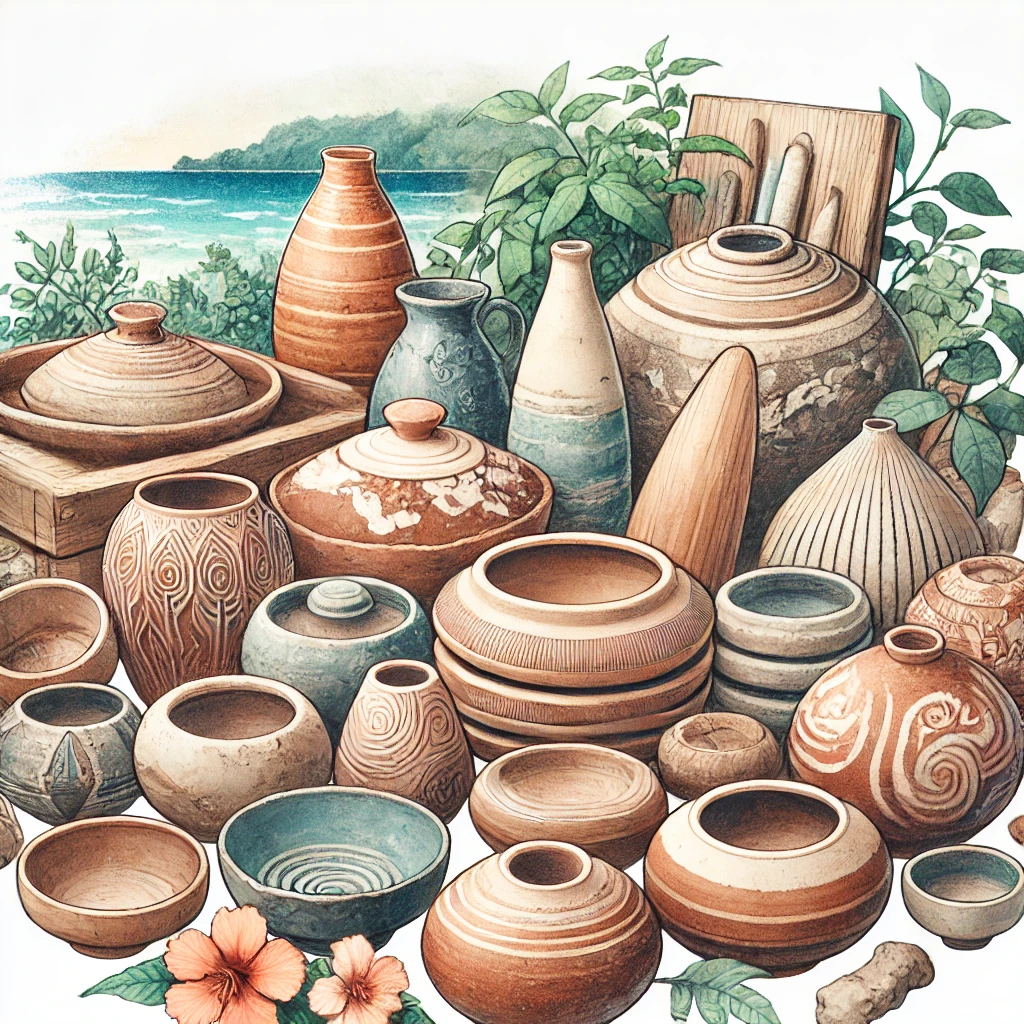
If you are looking for a souvenir that captures the essence of your trip to Okinawa, traditional Okinawan pottery known as “Yachimun” is highly recommended. The rustic charm of its reddish hue and the unique patterns created by the glaze are unlike any other pottery, giving it a distinct beauty.
However, the appeal of Yachimun goes beyond its appearance. With a history spanning over 400 years, Yachimun embodies the spirit of Okinawa’s land and people. Each step of the process, from kneading the clay, shaping it, and painting it, is imbued with the creator’s prayers and gratitude.
Yachimun, crafted while honoring the deity of pottery known as “Yachimungami” and appreciating nature’s gifts, truly embodies Okinawa’s culture and spirituality. Over time, these pieces become more familiar to the touch and gain character, seamlessly integrating into daily life and enriching it.
Owning Yachimun is more than just choosing a souvenir; it’s an experience that connects you to Okinawa’s history, culture, and worldview. By empathizing with the artisans and getting closer to the heart of Okinawa, Yachimun offers a deep cultural connection.
When visiting Okinawa, be sure to try making Yachimun yourself. You’ll feel the texture of the clay, appreciate the beauty of the glaze, and witness the strength of the kiln’s fire. The Yachimun you create will become an irreplaceable memory of your trip.
Incorporating Yachimun into your daily life is also highly recommended. Using it to serve food brings a touch of Okinawan color to your table, and the warmth of the pottery enhances the dining experience.
Experience the allure of Okinawa through Yachimun. You’ll discover new insights and emotions, and these unique pieces, filled with the artisans’ spirit, will teach you about the depth of Okinawan culture.
- What is Yachimun?
- The Charm of Yachimun
- Yachimun and Okinawa’s Spiritual World
- The Process of Making Yachimun
- How to Purchase Yachimun
- Using Yachimun: Tips and Precautions
- Why Yachimun is an Integral Part of Okinawan Culture
- Legends and Anecdotes of Yachimun
- The Role of Yachimun in Modern Times
- Conclusion
- Q&A
- Summary
What is Yachimun?
The History and Characteristics of Yachimun
Origins and Development of Yachimun
Okinawa’s traditional pottery, known as “Yachimun,” dates back approximately 400 years to the Ryukyu Kingdom era. Pottery produced in the Tsuboya area was known as “Tsuboya-yaki” and served as the prototype for Yachimun. Over time, pottery making flourished in various regions, leading to the development of distinctive styles such as Yomitan-yaki and Nago-yaki. As techniques evolved, Yachimun became a representative craft of Okinawa.
Distinctive Texture and Colors of Yachimun
Yachimun is characterized by its unique texture and vibrant colors. The clay, made from Okinawan red soil, has properties different from other regions, resulting in a slightly coarse and warm texture when fired. The glazes used in Yachimun often feature vivid colors like blue, green, and yellow, reminiscent of Okinawa’s sea, sky, and vegetation. These distinct textures and colors enhance the charm of Yachimun.
Regional Variations in Yachimun
Yachimun varies by region. For example, Tsuboya-yaki from Naha City is known for its reddish hue and rustic charm. Yomitan-yaki from Yomitan Village uses a lot of green and blue glazes, evoking the sea. Nago-yaki from Nago City features glazes in yellow and orange tones, reflecting the warmth of the sun. Understanding these regional differences helps deepen your appreciation for Yachimun.
Types and Uses of Yachimun
Everyday Tableware
Yachimun is widely loved as everyday tableware, including bowls, plates, and teacups. Its rustic warmth makes food look more appetizing. Yachimun also has excellent heat retention properties, keeping food warm longer. By using Yachimun daily, you can fully experience its unique charm.
Decorative Items
In addition to practical tableware, Yachimun is popular as decorative items such as vases, ornaments, and lamps. Many designs are inspired by Okinawa’s sea, sky, and plants, bringing the beauty of Okinawa’s nature into your home. The warmth of Yachimun adds a cozy and soothing atmosphere to any room.
Ceremonial and Ritual Uses
Yachimun plays an important role in Okinawan ceremonies and rituals. For example, the “Hino Kami” (fire god) statues made of Yachimun are believed to protect homes from fires and are cherished by families. Yachimun bowls are also used in special occasions like weddings and funerals, symbolizing prayers and gratitude. These ceremonial Yachimun pieces carry the artisans’ heartfelt wishes.
The Charm of Yachimun
Rustic Charm and Warmth
Unique Texture from Handcrafting
One of the major attractions of Yachimun is its rustic charm and warmth, which come from its unique hand-crafted texture. Unlike mass-produced items, each piece of Yachimun carries the heart of its maker. The slight distortions and unevenness from hand-throwing on the wheel add to its unique appeal. The variations in glaze application and firing also give each piece its own character. This handcrafted uniqueness creates Yachimun’s rustic charm and warmth.
Enhanced Character with Use
Yachimun develops more character with use. Initially glossy and smooth, it gradually changes as you use it. The glaze may thin out, developing a softer sheen, and fine cracks, known as “crazing,” may appear on the surface, adding to its texture. This evolving character makes Yachimun more endearing and desirable for long-term use.
Uneven Expressions Evoking Natural Beauty
Each piece of Yachimun has a unique expression. The variations in glaze thickness and firing colors are characteristic of Yachimun. These uneven expressions evoke the beauty of Okinawa’s nature. Blue and green glazes remind one of the sea and sky, while reddish hues suggest the earth and sunsets. These natural variations create an artistic beauty reminiscent of Okinawa’s landscapes, adding to Yachimun’s charm.
Individuality in Handcrafting
One-of-a-Kind Pieces Reflecting the Artisan’s Sensibility
Yachimun’s individuality comes from reflecting the artisan’s sensibility. Even with the same design, each piece has a slightly different expression, reflecting the artisan’s personality and taste. The selection of clay, shaping techniques, and glaze mixtures all involve the artisan’s personal touch, making each piece unique. Finding your favorite piece of Yachimun becomes a delightful quest.
Affection from Subtle Differences
The subtle differences in handmade Yachimun foster affection. The slight distortions, uneven glaze, and individual quirks are cherished as part of its character. Users find endearment in these differences, growing fond of their own unique Yachimun. As you continue to use it, Yachimun becomes a partner in your daily life, deepening your attachment to it.
Value Beyond Mass Production
Yachimun has a value that goes beyond mass-produced items. Each piece, made with meticulous handcrafting, carries a charm that machine-made items lack. The uniqueness and the artisan’s intentions in each piece provide a value that cannot be replicated by mass production. Holding a piece of Yachimun connects you to its creator, enhancing its special significance.
Connection to Okinawa’s Nature and Culture
Colors Created by Okinawan Earth and Fire
The colors of Yachimun are deeply connected to Okinawa’s nature. The clay used in Yachimun comes from Okinawa’s red soil, rich in iron, which gives it a reddish hue when fired. The glaze, made from limestone from coral reefs, creates vibrant blues and greens. These natural materials and the firing process produce Yachimun’s distinctive colors, reflecting Okinawa’s natural beauty.
The Spirit of Okinawa in Yachimun Making
Yachimun making embodies the spirit of Okinawa. The culture of coexisting with nature has long been ingrained in Okinawa. In Yachimun making, this appreciation for nature’s gifts is essential. The clay and glaze materials are carefully selected and used with respect. The prayers and gratitude expressed during the creation process are also part of the spirit imbued in Yachimun.
Designs Reflecting Okinawa’s Scenery
Yachimun designs often reflect Okinawa’s scenery. The vivid blues and greens remind one of the sea and sky, while motifs of shells, flowers, and waves are common. These designs are all inspired by Okinawa’s natural surroundings. Holding a piece of Yachimun brings back memories of Okinawa’s beautiful landscapes. Through Yachimun, one can also experience Okinawa’s culture and history, making it a captivating item that connects you to Okinawa’s heritage.
Yachimun, with its deep history and unique charm, continues to attract many. As a craft embodying Okinawa’s land and culture, its reddish clay and vibrant glazes, made from local resources, reflect the island’s natural beauty.
Additionally, Yachimun’s meticulous handcrafting process ensures that each piece carries a warmth and charm that mass-produced items cannot match. Over time, its evolving texture enhances its appeal, making it a cherished item for long-term use.
From everyday tableware to decorative items and ceremonial uses, Yachimun is versatile and beloved. Placing it on your dining table allows you to feel Okinawa’s nature and culture in your daily life, enriching your everyday experiences.
When visiting Okinawa, be sure to try making Yachimun. Guided by
a pottery master, you can create your own unique piece. Visiting kilns also offers a close-up look at the Yachimun-making process.
Yachimun is an art form infused with the prayers and gratitude of Okinawa’s people. By appreciating nature’s gifts and valuing them, Okinawa’s heart is imbued in each piece. Holding Yachimun connects you to Okinawa’s culture, history, and natural world.
Experience the allure of Yachimun for yourself. The colors reminiscent of Okinawa’s landscapes and the warmth of handcrafted pieces will undoubtedly soothe your heart. It also makes a perfect gift for loved ones, allowing you to share Okinawa’s charm. Through Yachimun, you can deepen your understanding of Okinawa’s rich culture.
Yachimun and Okinawa’s Spiritual World
Okinawa’s Culture of Coexisting with Nature
Appreciation for Nature’s Gifts
Okinawa’s culture emphasizes coexisting with nature. This appreciation for nature’s gifts is fundamental to the hearts of Okinawan people and is embedded in Yachimun making. The clay and glaze materials sourced from Okinawan soil and plants are treated with respect, expressing gratitude through the process of creation.
Wisdom of Harmonious Living with Nature
Okinawan people have cultivated wisdom for harmonious living with nature. To survive in a challenging environment, they learned to harness nature’s power. This wisdom is also reflected in Yachimun. The pottery’s unadorned simplicity highlights nature’s beauty. Yachimun’s excellent heat retention keeps food warm, showcasing practical wisdom in daily life.
Respect for Nature’s Sacredness
Okinawan culture holds a deep respect for nature’s sacredness, viewing it as a divine force to be revered. This spiritual perspective is reflected in Yachimun making, where artisans respect and engage with clay and fire, imbuing each piece with reverence. Yachimun, believed to house spirits, is treated with great care, embodying Okinawa’s spiritual respect for nature.
Prayers and Gratitude in Yachimun Making
Prayers Embedded in the Process
Prayers are embedded in every step of Yachimun making. From kneading the clay to shaping and glazing, artisans infuse their prayers into each piece. They express gratitude to the gods for a successful firing and wish for the pottery to bring happiness to its users. This heartfelt process breathes life into Yachimun, allowing users to feel the artisans’ prayers.
Gratitude for the Completed Yachimun
When Yachimun is completed, artisans express deep gratitude. They appreciate the beauty and quality of the finished pieces, thanking nature’s gifts and the gods’ blessings. They also wish for the users’ happiness, further imbuing the pottery with their gratitude. This spirit of thankfulness is deeply ingrained in Yachimun.
The Power of Prayers Conveyed Through Yachimun
Yachimun carries the artisans’ prayers and gratitude, conveying this powerful spirit to its users. Holding Yachimun allows one to touch the artisans’ heartfelt emotions. Additionally, using Yachimun with care expresses the user’s own gratitude, making it a medium for conveying spiritual power.
Legends and Stories Surrounding Yachimun
Gods Believed to Reside in Yachimun
In Okinawa, it is believed that gods reside in Yachimun. The pottery deity, “Yachimungami,” is revered as the guardian of the kiln. The “Fire God” statues made of Yachimun are believed to protect homes from fires and are cherished by families. Yachimun, treated as sacred, plays a vital role in protecting people’s lives.
Stories of Yachimun Preventing Disasters
Yachimun is believed to have the power to prevent disasters. For instance, there are stories of homes being engulfed in fire, yet the Yachimun pieces remained unscathed. People believed that Yachimun protected their homes from disaster. These stories highlight Yachimun’s role as more than just pottery but as a magical protector.
Miraculous Tales Associated with Yachimun
Numerous miraculous tales are associated with Yachimun. For instance, a person suffering from an illness was healed after drinking from a Yachimun bowl. Such stories underscore Yachimun’s sacredness and the powerful wishes embedded in it by the artisans, believed to bring protection and healing.
The Process of Making Yachimun
Clay Extraction and Preparation
Characteristics and Extraction of Okinawan Clay
The essential material for Yachimun is Okinawan red soil, rich in iron, which gives the pottery its characteristic color. This clay is extracted from various locations in Okinawa. The quality of the soil affects the pottery’s color, requiring skilled selection. Once extracted, the soil is finely crushed and impurities are removed.
Water Sifting and Clay Mixing
The extracted soil undergoes water sifting to become clay. This process involves dissolving the soil in water and removing impurities through sedimentation. Repeated sifting yields high-purity clay. The clay is then mixed to achieve the ideal consistency for Yachimun making, relying heavily on the artisan’s experience and intuition.
Clay Maturation and Storage
The mixed clay is matured by resting it for a certain period. Maturation enhances the clay’s workability, making it easier to shape. The maturation period varies depending on temperature and humidity, usually taking several weeks to months. The matured clay is carefully stored to prevent drying until ready for use.
Shaping and Drying
Shaping Techniques: Wheel Throwing and Molding
Yachimun is shaped using techniques like wheel throwing and molding. Wheel throwing involves shaping the clay on a spinning wheel, using hands to form the desired shape. Molding involves pressing clay into molds made of plaster or wood, allowing repeated use. Combining these techniques produces various shapes of Yachimun.
Importance and Management of Drying
After shaping, Yachimun undergoes a drying process, crucial for enhancing its strength and preparing it for glazing. Drying is done in a well-ventilated area, avoiding direct sunlight to prevent cracking. The drying progress is carefully monitored by experienced artisans.
Various Decorative Techniques
Yachimun is decorated using various techniques. Painting involves drawing patterns with a brush before glazing, often featuring Okinawan nature motifs. Inlaying uses different colored clays to create geometric patterns. Engraving patterns before glazing is also common. These techniques enrich Yachimun’s expressions, adding depth to its charm.
Glazing and Firing
Types and Mixing of Glazes
Glaze, the coating on Yachimun, varies in composition. Common glazes in Okinawa are made from feldspar, limestone, quartz, and ash. The proportions of these materials determine the glaze’s color. Glazes rich in iron produce reddish hues. Mixing glazes is an art, relying on the artisan’s experience and sensibility.
Techniques and Finishing of Glaze Application
Glaze is applied using brushes or sprayers. The method of application significantly affects Yachimun’s final appearance. Thick glazes result in a glossy finish, while thin glazes create a matte texture. Partial application can also create patterns. After glazing, the Yachimun is dried and prepared for firing.
Types of Kilns and Temperature Control
Various types of kilns are used for firing Yachimun. Traditional Okinawan kilns, like wood-fired climbing kilns, use firewood and reach temperatures over 1000°C. Modern electric and gas kilns are also used. Firing temperatures, managed between 1200°C and 1300°C, significantly affect the final product. Skilled artisans control the firing process to ensure the best results. Once fired, the Yachimun is removed from the kiln and completed.
How to Purchase Yachimun
Visiting Okinawan Kilns
Famous Kilns like Tsuboya-yaki and Yomitan-yaki
Okinawa is home to many famous kilns. Tsuboya-yaki, located in Naha City, is the oldest kiln in Okinawa with over 300 years of history, known for its reddish hues. Yomitan-yaki, found in Yomitan Village, features vibrant greens and blues. Visiting these kilns allows you to experience Yachimun’s charm firsthand.
Kiln Tours and Making Experiences
When visiting kilns, it’s recommended to book a tour in advance. Many kilns offer tours where you can observe the making process. You might even get a chance to try making Yachimun yourself. Experiencing the entire process, from kneading clay to applying glaze, gives you a deeper appreciation for Yachimun.
Purchasing Yachimun at Kiln Stores
Many kilns have attached stores where you can purchase Yachimun directly. These stores often feature unique pieces, making the shopping experience like a treasure hunt. You can find your favorite Yachimun and also hear stories from the artisans, adding a personal touch to your purchase.
Purchasing from Yachimun Specialty Stores
Yachimun Specialty Stores in Naha City
Naha City has many Yachimun specialty stores.
“Tsuboya Yachimun Street” is a popular spot with numerous shops. These stores offer a wide selection of Yachimun from various kilns, allowing you to compare and choose your favorite. You can also get advice from shop owners on the best pieces to suit your needs.
Yachimun at Craft Shops Across Okinawa
Yachimun is also available at craft shops throughout Okinawa, from northern Nago City and Motobu Town to southern Itoman City and Nanjo City. These shops offer regionally distinctive Yachimun and other Okinawan traditional crafts. Exploring these shops provides a broader view of Okinawan craftsmanship.
Advice from Specialty Store Staff
Staff at Yachimun specialty stores are knowledgeable about the pottery. First-time buyers can get valuable advice on selecting the best pieces based on usage, color preferences, and budget. They can also offer tips on caring for Yachimun and wrapping it as a gift.
Purchasing from Online Shops
Yachimun Specialty Online Shops
Recently, Yachimun specialty online shops have increased. These shops offer a wide variety of Yachimun from different kilns. Online shopping allows you to compare and choose at your own pace, and you may find rare or limited-edition pieces unavailable in physical stores.
Selecting Trustworthy Online Shops
When buying online, it’s important to choose trustworthy shops. Check detailed product descriptions, photos, customer reviews, and return policies. Ensure the shop provides secure packaging and reliable shipping. Choosing a reputable online shop ensures a safe purchase.
Online Shops’ Extensive Selection
The extensive selection is a key advantage of online shops. You may find rare pieces or discontinued items. Comparing pieces from multiple kilns at once is also convenient. Use online shops to explore and find your favorite Yachimun.
Using Yachimun: Tips and Precautions
Hand Washing is Essential
Choosing the Right Detergent
Hand washing is the best method for cleaning Yachimun. Use neutral dish soap, avoiding alkaline or abrasive detergents that can damage the surface. Soft sponges or cloths are recommended to protect the pottery.
Proper Cleaning with Sponges and Soft Cloths
When washing Yachimun, use soft sponges or cloths. Avoid metal scrubbers or hard brushes, which can scratch the surface. Gently clean the pottery without excessive scrubbing, especially on decorated areas.
Changes in Yachimun’s Texture with Hand Washing
Over time, hand washing enhances Yachimun’s texture. The glaze becomes smoother and more lustrous, and fine cracks (crazing) may appear, adding to its character. Yachimun becomes more familiar and cherished with regular use.
Avoiding Sudden Temperature Changes
Not Pouring Boiling Water Directly
Yachimun is sensitive to sudden temperature changes. Pouring boiling water directly can cause it to crack. Avoid sudden temperature shifts, like placing cold Yachimun in boiling water or heating in a microwave, to prevent damage.
Handling with Care from Hot to Cold
Avoid transferring hot Yachimun directly to a refrigerator or freezer. Sudden temperature changes can cause cracks. Let Yachimun return to room temperature before placing it in the fridge or freezer.
Avoiding Microwave and Direct Flame
Do not use Yachimun in microwaves or direct flame. Sudden temperature changes can cause cracks, and metal components in the glaze can react in microwaves. Instead, use indirect methods like hot water baths to warm Yachimun.
Enhancing the Charm with Use
Enjoying the Evolving Colors and Texture
Yachimun’s colors and textures evolve with use. Initial vivid colors may mellow over time, and fine cracks add to its charm. Regular use helps Yachimun become a cherished part of your daily life.
Embracing Small Chips and Cracks
Yachimun may develop small chips and cracks over time, which are signs of its handmade nature. Embrace these imperfections as part of its charm. However, avoid using Yachimun with large cracks or chips to ensure safety.
Building Attachment Through Long-Term Use
Long-term use builds attachment to Yachimun. As it becomes a part of your life, it gains sentimental value. Taking care of Yachimun connects you to Okinawa’s culture, history, and nature, enriching your life with its presence.
Why Yachimun is an Integral Part of Okinawan Culture
Traditional Craft Utilizing Local Materials
Special Characteristics of Okinawan Soil and Water
One reason Yachimun is integral to Okinawan culture is its use of local materials. Okinawan red soil, rich in iron, produces distinctive colors when fired. The mineral-rich water in Okinawa also contributes to Yachimun’s unique properties, making it an essential craft.
Sustainable Crafting Methods Using Local Resources
Yachimun making is a sustainable craft using local resources. The clay is sourced from various parts of Okinawa, and glaze materials come from sugarcane ash. This local resource utilization ensures sustainable production methods.
Inheriting Traditional Techniques Rooted in Okinawa’s Land
Yachimun making inherits traditional techniques rooted in Okinawa’s land. Techniques passed down from the Ryukyu Kingdom era are preserved and innovated upon by each generation. These traditional techniques sustain Yachimun’s charm and cultural significance.
Practicality Suited to Okinawa’s Climate
Adaptation to Hot and Humid Climate
Okinawa’s hot and humid subtropical climate influenced Yachimun’s development. The pottery’s porous nature helps absorb moisture, keeping food fresh. Its excellent heat retention also maintains the ideal temperature for food, making it practical for daily use.
Usability in Everyday Life
Yachimun’s practicality makes it an integral part of daily life. Various forms like teacups, bowls, and plates cater to different uses, and its rustic charm adds warmth to everyday dining. Yachimun’s usability makes it a beloved household item.
Deep Connection with Okinawan Food Culture
Yachimun has a deep connection with Okinawan food culture. Okinawan cuisine emphasizes enhancing natural flavors, and Yachimun complements this by preserving food’s essence. Yachimun is also essential in traditional ceremonies and celebrations, making it a key element in Okinawan food culture.
Continuing Handcraft with Prayers and Gratitude
Prayers Embedded in Yachimun Making
Prayers are embedded in Yachimun making. From kneading clay to firing, artisans infuse each step with prayers for the users’ happiness. This heartfelt process imbues Yachimun with life, making it a vessel of blessings.
Inherited Gratitude from Ancestors
Yachimun making also conveys inherited gratitude from ancestors. Respecting and utilizing nature’s gifts, artisans continue the techniques passed down through generations, expressing gratitude for this heritage.
Valuing Handcraft in Okinawan Culture
Okinawa values handcraft traditions. Even in the modern era, the charm of handmade items is cherished. Yachimun, as a traditional craft, exemplifies this value, allowing enjoyment of each piece’s individuality and warmth.
Legends and Anecdotes of Yachimun
The Origins and Development of Tsuboya-yaki
Legends of Tsuboya-yaki’s Origins
Tsuboya-yaki, Okinawa’s oldest pottery, has several origin legends. One story tells of a Korean potter who brought pottery-making skills to Tsuboya. Another legend speaks of an elderly couple in Tsuboya receiving pottery techniques from the gods. These stories highlight the ancient roots of Tsuboya-yaki.
The Flourishing of Tsuboya-yaki During the Kingdom Era
Tsuboya-yaki flourished during the Ryukyu Kingdom era, serving as an official kiln for the royal family. The pottery was exported to China and Southeast Asia, earning international acclaim. Tsuboya-yaki’s craftsmanship showcased the kingdom’s prestige.
Modern Inheritance of Tsuboya-yaki Techniques
Tsuboya-yaki techniques have been inherited to the present day. The Tsuboya district in Naha City still hosts many kilns producing traditional pottery. While preserving tradition, these kilns also innovate to meet contemporary needs, continuing to attract many with their unique charm.
The Guardian Deity of Yachimun: Yachimungami
Legend and Worship of Yachimungami
Yachimun making is protected by the deity “Yachimungami,” believed to oversee the kiln’s fire. Yachimungami is worshiped to ensure the safety and success of the pottery-making process, often with small shrines near the kilns.
Rituals and Ceremonies for Yachimungami
Various rituals and ceremonies honor Yachimungami at different kilns. Offerings are made during kiln lighting to pray for successful firings, and thanks are given during kiln openings. These rituals strengthen the bond between artisans and Yachimungami.
Iconography and Symbolism of Yachimungami
Yachimungami is often depicted in Yachim
un paintings and decorations, typically as a simply drawn male figure. As both the guardian of pottery and fire, Yachimungami symbolizes the dual nature of fire, essential yet revered. This iconography reflects the deep spiritual connection in Yachimun making.
Yachimun’s Role in Preventing Calamities
Stories of Yachimun Surviving Fires
Yachimun is believed to have protective powers against calamities. Stories tell of homes destroyed by fire, yet the Yachimun pieces remained intact. This belief in Yachimun’s protective power highlights its role as a magical and cherished item.
Anecdotes of Yachimun Healing Illnesses
Yachimun is also believed to have healing powers. Anecdotes tell of people recovering from illnesses after using Yachimun bowls. This belief in Yachimun’s sacred power to heal underscores its special status in Okinawan culture.
Yachimun as a Vessel for Wishes and Prayers
The belief in Yachimun’s protective and healing powers stems from the prayers and wishes embedded in its creation. Artisans pray during the making process, and users express their wishes while using Yachimun. This spiritual connection makes Yachimun a vessel for conveying heartfelt emotions.
The Role of Yachimun in Modern Times
A Symbol of Okinawan Traditional Culture
The Role of Yachimun in Cultural Preservation
In modern times, Yachimun serves as a symbol of Okinawan traditional culture. Yachimun embodies Okinawa’s history, land, and spirit. Continuously making and using Yachimun helps preserve Okinawan culture, allowing a deeper appreciation of its value.
Value as Traditional Craft
Yachimun is highly valued as a traditional craft. Handcrafted with care, it holds a charm that mass-produced items lack. The techniques and sensibilities embedded in Yachimun offer artistic value, highlighting the richness of Okinawan culture.
Significance of Yachimun Making in Modern Times
Yachimun making remains significant in modern times. It enriches users’ lives and fosters appreciation for nature and handcraft traditions. In a world where such values are often overlooked, Yachimun reminds us of their importance. Reflecting on Yachimun’s significance today is crucial for understanding its cultural impact.
A Popular Souvenir for Tourists
Yachimun as a Tangible Memory of Okinawa
Yachimun is a popular souvenir for tourists. Its designs, inspired by Okinawa’s sea, sky, and plants, evoke the island’s natural beauty. The rustic charm of Yachimun brings the warmth of Okinawan life, making it a memorable keepsake of your trip.
The Current State of Yachimun Sales in Tourist Areas
Yachimun is widely sold in Okinawan tourist areas like Kokusai Street and Makishi Public Market in Naha City, as well as in northern and southern tourist spots. Yachimun is an essential souvenir item, reflecting its cultural significance.
Efforts to Promote Okinawan Culture Through Yachimun
Efforts to promote Okinawan culture through Yachimun include pottery-making workshops and cooking classes using Yachimun. These activities allow tourists to directly experience Yachimun’s charm and connect with Okinawa’s culture and history, offering more than just a souvenir.
Experiencing Okinawan Culture Through Daily Use
The Presence of Yachimun in Daily Life
Yachimun is an integral part of daily life in Okinawa. Used for various purposes, it brings Okinawa’s culture into everyday activities. Its rustic charm and practicality make it a beloved household item, providing a daily connection to Okinawan culture.
Feeling Okinawa’s Heart Through Yachimun
Using Yachimun allows one to feel Okinawa’s heart. Each piece carries the prayers and gratitude of its maker and reflects Okinawa’s appreciation for nature’s gifts. Through Yachimun, one can connect with Okinawa’s culture and spirituality.
Cultural Exchange Between Okinawa and Mainland Japan Through Yachimun
Yachimun facilitates cultural exchange between Okinawa and mainland Japan. Owning and gifting Yachimun allows people to share Okinawa’s charm, bridging cultural gaps. Yachimun serves as a cultural ambassador, bringing Okinawa closer to the rest of Japan.
Conclusion
The Charm and Value of Yachimun
The Unique Beauty and Texture of Yachimun
Yachimun’s unique beauty and texture set it apart. Its reddish hues and the glaze’s varied expressions create an unparalleled charm. The handmade irregularities and evolving character with use add to its appeal, making Yachimun a captivating and cherished item.
Prayers and Gratitude in Yachimun Making
Yachimun embodies the prayers and gratitude of its makers. The process respects nature’s gifts and aims to bring happiness to users. Holding Yachimun connects you to these heartfelt emotions, making it a vessel of blessings and gratitude.
Experiencing Okinawa’s Spirituality Through Yachimun
Yachimun offers a glimpse into Okinawa’s spirituality. It reflects the culture of coexisting with nature and the reverence for the fire deity. Valuing Yachimun fosters a connection to Okinawa’s heart and soul, enriching your life with its presence.
The Relationship Between Yachimun and Okinawa’s Spiritual World
Coexistence with Nature in Okinawan Culture and Yachimun
Okinawan culture emphasizes coexistence with nature, a principle embodied in Yachimun making. Its simplicity highlights nature’s beauty, and the firing process symbolizes nature’s power. Yachimun carries the spirit of living harmoniously with nature.
Deities and Legends Associated with Yachimun
Yachimun is believed to house deities like Yachimungami, the pottery guardian, and the fire god. This belief and the many legends surrounding Yachimun highlight its spiritual significance, making it a revered cultural artifact.
Yachimun Reflecting Okinawa’s Landscape and History
Yachimun reflects Okinawa’s landscape and history. The clay’s red hues represent the land, while the glaze’s colors evoke the sea and sky. The techniques, passed down from the Ryukyu Kingdom era, embody Okinawa’s historical heritage. Yachimun is a vital link to Okinawa’s past and natural beauty.
Experiencing Okinawan Culture Through Yachimun
Yachimun Making Experiences During Okinawa Travels
When traveling to Okinawa, try making Yachimun. Many kilns offer hands-on experiences where you can learn the process and create your unique piece. These experiences deepen your connection to Okinawan culture and provide a memorable keepsake.
Significance of Using Yachimun in Daily Life
Using Yachimun daily allows you to experience Okinawan culture. Incorporating it into your meals brings a touch of Okinawa to your table. The evolving charm of Yachimun makes it a long-term companion, enriching your life with its presence.
Deepening Understanding of Okinawan Culture by Valuing Yachimun
Valuing Yachimun deepens your understanding of Okinawan culture. Each piece carries the artisan’s spirit and Okinawa’s history and natural view. Treating Yachimun with care shows respect for this heritage, connecting you to Okinawa’s cultural roots.
In conclusion, Okinawa’s traditional pottery, “Yachimun,” is a captivating craft embodying the island’s history, culture, and spirituality. Its unique beauty and handmade charm, combined with the prayers and gratitude of its makers, make Yachimun a special cultural artifact.
When visiting Okinawa, explore Yachimun’s charm by making your own piece or incorporating it into your daily life. Doing so allows you to experience Okinawa’s rich culture and history, bringing a piece of the island’s heart into your home.
Valuing Yachimun connects you to Okinawa’s culture, respecting its traditions and appreciating its beauty. Through Yachimun, you can deeply experience the essence of Okinawa, discovering new insights and emotions along the way.
Share the allure of Yachimun with others, spreading the appreciation for Okinawa’s culture and craftsmanship. May Yachimun bring you joy, connecting you to the spirit and beauty of Okinawa.
Q&A
Why does Yachimun have such unique colors?
Yachimun’s unique colors come from the combination of Okinawan red soil and glazes made from coral limestone. The red soil, rich in iron, produces a brick-like color when fired. The coral limestone glazes create vibrant blues and greens, adding to Yachimun’s distinct appearance.
What kind of prayers and thoughts are embedded in Yachimun making?
Yachimun making is infused with prayers and gratitude. Artisans express their appreciation for nature’s gifts and pray for the happiness of those who use the pottery. These heartfelt prayers are embedded in each piece, bringing a sense of blessing to Yachimun.
Why has Yachimun become a significant part of Okinawan culture?
Yachimun is integral to Okinawan culture due to its use of local materials, sustainable crafting methods, and the tradition of embedding prayers and gratitude in its making. Yachimun reflects Okinawa’s landscape, history, and spiritual values, making it a cherished cultural artifact.
How does Yachimun allow one to experience Okinawa’s spirituality?
Yachimun reflects Okinawa’s spirituality through its connection to nature and reverence for the fire deity. Each piece carries the prayers and gratitude of its maker, embodying Okinawa’s cultural and spiritual essence. Using Yachimun allows one to connect with this rich spiritual heritage.
What should one consider when purchasing Yachimun?
When purchasing Yachimun, appreciate the unique handmade differences in each piece. Handle it with care to avoid damage, especially from sudden temperature changes. Treating Yachimun with respect ensures its longevity and allows you to fully enjoy its charm and cultural significance.
Summary
Okinawa’s traditional pottery, “Yachimun,” is a unique and beautiful craft embodying the island’s history, culture, and spirituality. Made from local materials like red soil and coral limestone, Yachimun’s distinctive colors and textures set it apart. The prayers and gratitude of the artisans embedded in each piece add to its special significance.
Exploring Yachimun through making experiences or incorporating it into daily life offers a deeper connection to Okinawan culture. Using and valuing Yachimun fosters appreciation for its craftsmanship and the rich heritage it represents.
Yachimun is not just a pottery piece but a cultural artifact that tells the story of Okinawa’s landscape, history, and spiritual values. Owning and using Yachimun connects you to this rich cultural tapestry, offering new insights and emotions.
Share the charm of Yachimun with others, spreading appreciation for Okinawa’s culture and craftsmanship. Through Yachimun, discover the depth and beauty of Okinawan culture, enriching your life with its presence.


コメント