
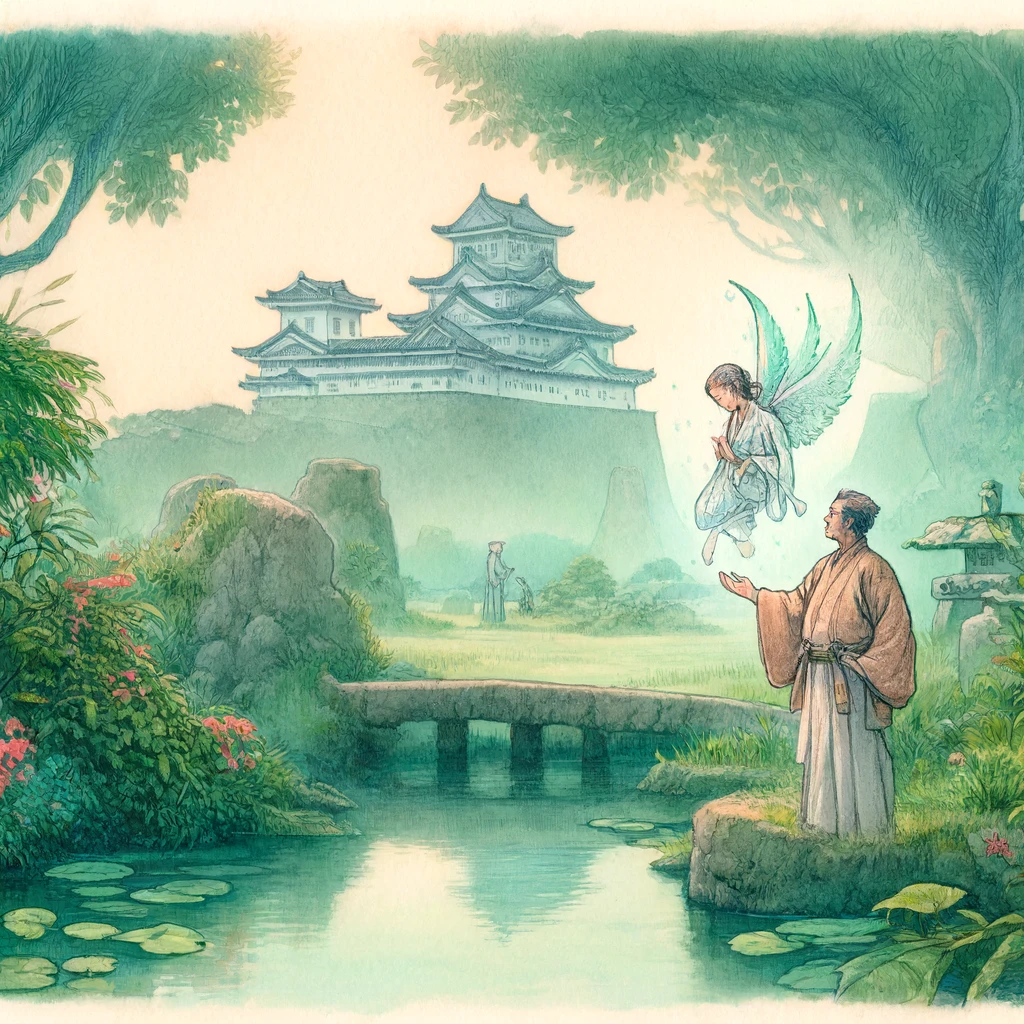
Okinawa is rich with numerous legends and folktales that have been passed down through generations. Among these, the “Legend of Minister Yuriwaka” is particularly well-known. This legend intricately weaves universal themes such as forbidden love, the coexistence of nature and humanity, and the intersection of the present world and otherworldly realms.
- The Story of Okinawa’s Legend “The Legend of Minister Yuriwaka”
- Coexistence of Nature and Humanity
- A Tale of Forbidden Love
- The Intersection of the Present World and the Otherworld
- Reflection of Okinawan History and Culture
- The Significance of the Legend’s Teachings in Modern Times
- Q&A
- What can modern society learn from the message of coexistence between nature and humanity in “The Legend of Minister Yuriwaka”?
- What lessons can be drawn from the forbidden love between Minister Yuriwaka and the Water God’s daughter?
- How are Okinawa’s history and culture reflected in “The Legend of Minister Yuriwaka”?
- What does “The Legend of Minister Yuriwaka,” which depicts the intersection of the present world and the otherworld, reveal about Okinawa’s worldview?
- What is the significance of “The Legend of Minister Yuriwaka” being passed down to the present day?
- Summary
The Story of Okinawa’s Legend “The Legend of Minister Yuriwaka”
Long ago, in Shuri Castle, which was the heart of the Ryukyu Kingdom, there lived a wise minister named Yuriwaka. Trusted by the king and beloved by the people, Yuriwaka was tasked one day with a challenging mission by the king: to uncover the reason why the spring near Shuri Castle had suddenly dried up. Without hesitation, Minister Yuriwaka set out to investigate the matter, heading towards the mountain near the spring.
Halfway up the mountain, he encountered a mysterious sight—a beautiful woman crying alone. When Yuriwaka approached and inquired about her distress, she revealed that she was the daughter of the Water God. She explained that her father had stopped the flow of the spring water as a punishment because humans had polluted it.
Yuriwaka promised that humans would repent and never pollute the spring again. Pleased with his sincerity, the Water God’s daughter assured him that the spring would flow once more. Upon returning to Shuri Castle, Yuriwaka found the spring had indeed been restored, and he was lauded by the king and the people for his efforts.
However, a strange turn of events followed. Yuriwaka fell in love with the Water God’s daughter. Despite their differences in status and nature, the two shared a deep love. Unfortunately, this angered the Water God, who forbade his daughter from continuing the relationship, decreeing that she must never see Yuriwaka again. Heartbroken, the daughter visited Yuriwaka one last time to bid farewell, giving him a protective charm.
Yuriwaka, stricken by the Water God’s wrath, fell ill but never forgot his love for the Water God’s daughter. When Yuriwaka passed away, a miraculous thing happened: beautiful lilies bloomed from his grave, as if the Water God’s daughter had come to take him away in the form of flowers. To this day, near Shuri Castle, there is a place known as “Yuriwaka’s Grave,” where lilies are always in bloom, symbolizing the eternal love between Yuriwaka and the Water God’s daughter.
Coexistence of Nature and Humanity
The legend of Yuriwaka teaches us about the deep connection between nature and humanity. The drying up of the spring represents a crisis, as water is the source of life. Its scarcity can significantly impact people’s lives, making it difficult to grow crops and secure drinking water. Natural disasters like droughts pose severe threats to human survival.
The Crisis of the Dried-Up Spring
The Impact of Water Shortages
Water is indispensable for human life. It is essential for drinking, agriculture, and industrial use. A water shortage can lead to reduced crop yields, making it hard to secure food. Additionally, poor sanitary conditions resulting from water scarcity can cause health issues, including infections. Water shortages also have a significant economic impact, disrupting social and economic activities.
Natural Disasters and Human Life
Natural disasters like droughts threaten people’s lives. Reduced rainfall lowers river levels and depletes groundwater, making crop cultivation challenging and leading to food shortages. The difficulty in securing drinking water threatens public health, and droughts can also cause secondary disasters like forest fires. These natural calamities endanger both lives and livelihoods.
Human Actions Affect Nature
Causes of Environmental Destruction
The legend suggests that human actions caused the spring to dry up. In modern society, human activities significantly impact the natural environment. Deforestation, overdevelopment, and pollution are major causes of environmental destruction, often resulting from human behavior. Each of us must be aware of our impact on the environment and take responsible actions.
The Importance of Nature Conservation
Protecting the natural environment is our duty. Nature provides us with numerous blessings, and preserving it is crucial. Conservation efforts are essential at the national, local, corporate, and individual levels. Cultivating a respect for nature and taking concrete actions to protect it are vital.
The Relationship Between Gods and Humans
Reverence for Deities
In Okinawan legend, nature deities play a significant role. The Water God controls the flow of the spring. Humans have traditionally revered nature deities, recognizing the importance of respecting and appreciating nature. This reverence for deities is deeply rooted in Okinawan culture, fostering a harmonious relationship with nature.
Culture of Nature Worship
Okinawa has a rich tradition of nature worship, where mountains, forests, seas, and rivers are believed to be inhabited by deities. People offer prayers to these deities, valuing harmony with nature. This culture of nature worship has cultivated a deep respect for nature and the importance of coexistence. Continuing this tradition in modern society is crucial for preserving our environment.
A Tale of Forbidden Love
The “Legend of Minister Yuriwaka” is also a story of forbidden love between a god and a human. Their love transcends social and species barriers, facing numerous obstacles. Despite these challenges, their love remains strong, showcasing the power of love.
The Uncrossable Barrier Between Gods and Humans
The Challenges of Love Across Social Status
Yuriwaka and the Water God’s daughter face significant barriers due to their differing statuses. Yuriwaka belongs to the human world, while the Water God’s daughter is from the realm of gods. This difference complicates their love. In modern society, social status can still pose challenges to relationships. However, true love has the power to overcome such obstacles.
The Taboo of Inter-Species Love
Historically, love between gods and humans has been considered taboo in many cultures, as it crosses an uncrossable boundary. The legend of Yuriwaka challenges this taboo, showing their pursuit of true love despite societal prohibitions.
The Sorrow and Tragedy of Love
Lovers Torn by Fate
Yuriwaka and the Water God’s daughter are lovers torn apart by fate. The anger of the Water God separates them, demonstrating the absolute power of divine forces. Their struggle against fate highlights the strength of their love.
The Sadness and Melancholy of Separation
Their separation is filled with sadness and melancholy. The pain of parting from a loved one deepens their love, making it eternal. The legend emphasizes the depth of love through the sorrow of separation.
The Lily Flower as a Symbol of Eternal Love
The Love Embedded in Flowers
The lilies blooming from Yuriwaka’s grave symbolize eternal love. Flowers are often used to express love, and lilies, in particular, represent purity, dignity, and nobility, fitting symbols of their love.
The Power of Love Transcending Death
Yuriwaka’s death and the blooming lilies show that their love transcends death. True love does not end with death but continues eternally. The legend teaches us about the enduring power of love.
The Intersection of the Present World and the Otherworld
“The Legend of Minister Yuriwaka” depicts the intersection of the present world and the otherworld. The presence of the Water God’s daughter and the blooming lilies from Yuriwaka’s grave illustrate this connection.
The Otherworldly Existence of the Water God’s Daughter
The Difference Between the Divine and Human Realms
The legend presents the Water God’s daughter as an inhabitant of the divine realm, distinct from the human world. The divine realm, governed by gods with absolute power, contrasts with the human realm, where people live through their wisdom and efforts.
The Okinawan Worldview Reflected in Otherworldly Beings
The presence of the Water God’s daughter reflects the Okinawan worldview, where the present world and otherworld coexist. This worldview is tied to traditional Okinawan beliefs in nature and ancestor worship.
The Interaction Between the Human and Divine Worlds
Interaction Between Gods and Humans
The legend shows direct interaction between gods and humans, as seen in the relationship between Yuriwaka and the Water God’s daughter. This reflects the Okinawan belief in the coexistence and mutual influence of gods and humans.
The Impact of Contact with the Otherworld
Interactions with the divine world impact both realms, as shown by the drying spring caused by Yuriwaka’s love affair. Such interactions bring new insights and growth to humans.
The Grave and Flower Connecting the Afterlife
The Spiritual Significance of Graves
In Okinawan culture, graves are not just burial places but sacred sites where ancestors’ spirits reside. Visiting graves is seen as an opportunity to connect with ancestors.
The Symbolism of Flowers for the Deceased
The lilies blooming from Yuriwaka’s grave symbolize his eternal love and the continuity of life, representing the cycle of life and death.
Reflection of Okinawan History and Culture
“The Legend of Minister Yuriwaka” reflects Okinawan history and culture. Shuri Castle, the setting of the story, is a significant historical site, and the roles of ministers and their relationship with the king mirror historical political structures.
The Story Set in Shuri Castle
The Historical Background of Shuri Castle
Shuri Castle, the setting of the legend, was the royal castle of the Ryuk
yu Kingdom from the 15th to the 19th centuries. It was a center of politics and culture and a hub of trade with China and Japan.
Shuri Castle as a Cultural Symbol of Okinawa
Shuri Castle symbolizes Okinawan culture with its unique architectural style, blending Chinese and Japanese influences. It represents the historical and cultural identity of Okinawa.
The Role of Ministers and Their Relationship with the King
The Power Dynamics Between the King and Ministers
Minister Yuriwaka’s role reflects the political structure of the Ryukyu Kingdom, where ministers held significant power but were subordinate to the king’s authority.
The Political Structure Reflected in the Legend
The interaction between Yuriwaka and the king reflects the centralized political system of the Ryukyu Kingdom, where ministers executed the king’s will.
The Background of the Legend’s Oral Tradition
The Importance of Oral Tradition
“The Legend of Minister Yuriwaka” has been passed down orally, reflecting the importance of oral tradition in Okinawan culture, where history, culture, and values are transmitted through storytelling.
The Universal Teachings of the Legend
The legend’s teachings on coexistence with nature, the value of love, and courage in facing fate are universal themes that resonate across time and cultures, contributing to its enduring legacy.
The Significance of the Legend’s Teachings in Modern Times
The teachings of “The Legend of Minister Yuriwaka” hold great significance in modern society. The legend’s messages about the importance of respecting nature and the value of love are timeless and relevant to contemporary challenges.
The Importance of Valuing Nature
Insights into Environmental Protection
The legend underscores the importance of environmental protection, urging us to seek harmony with nature in the face of ecological crises.
The Significance of Harmony with Nature
The legend reminds us that humans are part of nature and must live in harmony with it, a lesson crucial for modern society’s sustainable development.
The Lessons from the Forbidden Love Story
The Value and Tragedy of Love
The love between Yuriwaka and the Water God’s daughter teaches us about the purity and tragedy of love, transcending social and species barriers.
Courage in Facing Fate
Their courage in challenging fate inspires us to face our own challenges with determination and hope.
The Meaning of the Legend Being Passed Down
Inheriting the Wisdom of Ancestors
The enduring legacy of the legend highlights the importance of inheriting the wisdom and values of our ancestors.
A Message and Warning for Modern Society
The legend serves as a message and warning for modern society, urging us to address contemporary challenges by valuing nature, love, and courage.
“The Legend of Minister Yuriwaka” is a profound story that intertwines Okinawa’s history, culture, view of nature, and spirituality. Its teachings offer timeless values that help us navigate modern challenges, urging us to build a better society based on the wisdom of the past.
Q&A
What can modern society learn from the message of coexistence between nature and humanity in “The Legend of Minister Yuriwaka”?
The legend emphasizes the importance of respecting nature, suggesting the critical need for environmental protection. It teaches us to maintain harmony with nature and to live with gratitude for the blessings it provides. Embracing the legend’s teachings, we should strive to create a sustainable society.
What lessons can be drawn from the forbidden love between Minister Yuriwaka and the Water God’s daughter?
Their love transcended differences in status and species, representing pure and timeless affection. The legend highlights the importance of preserving true love and the courage to face fate. It teaches us about the value of love and the strength required to uphold it against all odds.
How are Okinawa’s history and culture reflected in “The Legend of Minister Yuriwaka”?
The setting of Shuri Castle, the heart of the Ryukyu Kingdom, symbolizes Okinawan culture. The relationship between Minister Yuriwaka and the king reflects the political structures of that era. The legend also showcases the oral tradition that has long been a significant cultural feature of Okinawa.
What does “The Legend of Minister Yuriwaka,” which depicts the intersection of the present world and the otherworld, reveal about Okinawa’s worldview?
The legend portrays the coexistence and mutual influence between the present world and the otherworld. The presence of the Water God’s daughter and the lilies that bloom after Yuriwaka’s death reflect Okinawa’s worldview, deeply tied to its spirituality and beliefs in the interplay between the earthly and the divine.
What is the significance of “The Legend of Minister Yuriwaka” being passed down to the present day?
The legend encapsulates the wisdom and values cultivated by our ancestors, offering lessons relevant to contemporary societal challenges. It delivers universal messages about environmental conservation, the value of love, and the importance of courage. By inheriting this wisdom, we are encouraged to reflect on the present state of society and seek ways to improve it.
Summary
“The Legend of Minister Yuriwaka” is a profound narrative interwoven with Okinawa’s history, culture, views on nature, and spirituality. It addresses universal themes such as the coexistence of nature and humanity, forbidden love, and the intersection of the present world and the otherworld. Shuri Castle, the setting of the legend, symbolizes Okinawan culture, and the relationships among the characters reflect the political structures of the time. The legend also highlights the significance of Okinawa’s oral tradition.
The legend’s message about respecting nature underscores the importance of environmental conservation. Its depiction of love’s value and poignancy holds timeless relevance. The portrayal of the interplay between the present world and the otherworld reflects Okinawa’s unique worldview.
The teachings of the legend are applicable to modern societal challenges. We are urged to inherit the wisdom of our ancestors, maintain harmony with nature, recognize the importance of love, and value courage. “The Legend of Minister Yuriwaka” offers insightful messages for us, guiding us towards a better society.


コメント