
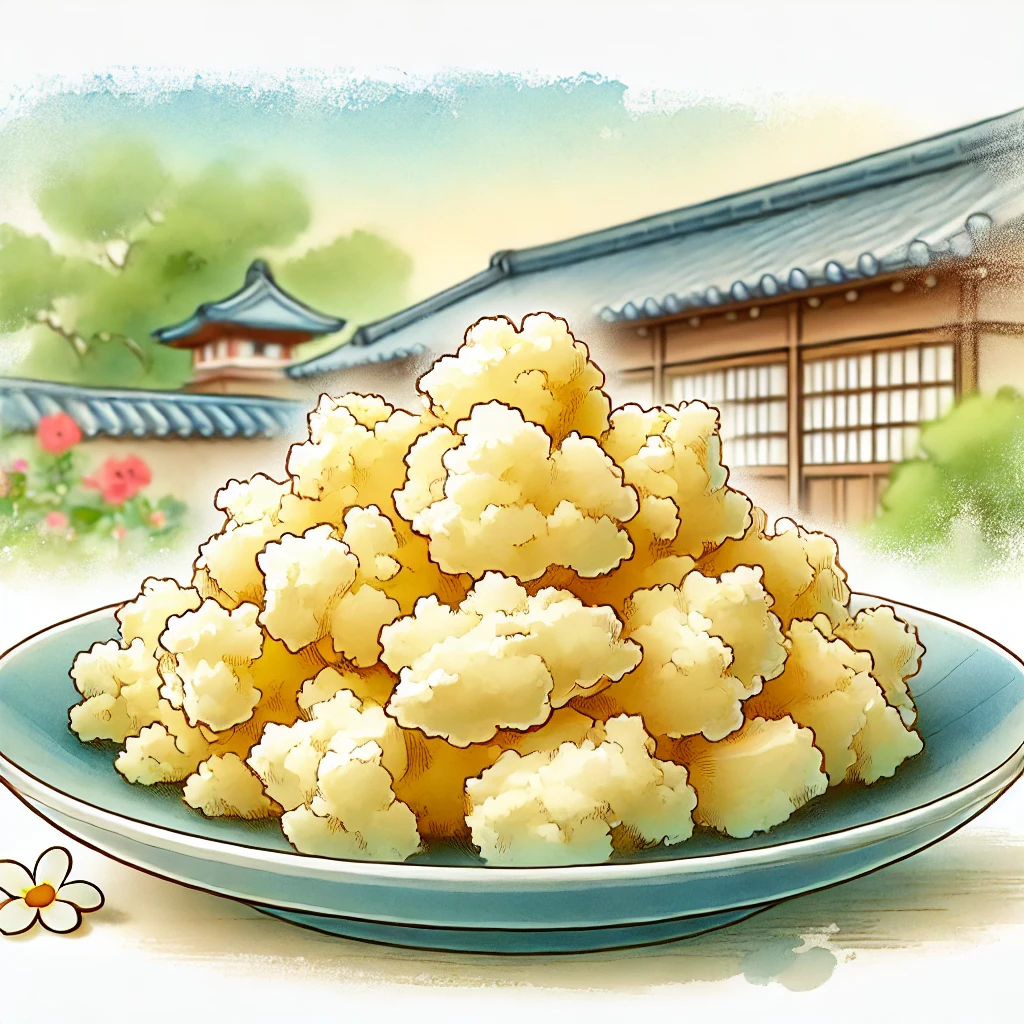
The clear blue seas and skies of Okinawa, along with its rich natural environment, are home to traditional foods that have been beloved for generations. One such delicacy is “yushi tofu.” Once you taste it, you’ll be captivated by its smooth texture and rich flavor. But the charm of yushi tofu doesn’t end there.
In fact, yushi tofu hides remarkable health benefits. It is low in calories yet rich in high-quality protein and isoflavones. It promises beauty and weight loss benefits, making it an ideal food for modern people.
“Isn’t there a special way to eat yushi tofu?” You might wonder. While it’s true that Okinawa has unique ways of eating it, yushi tofu is actually a very versatile ingredient. It’s great in cold tofu dishes or miso soup, and can be used in salads, smoothies, and even desserts. The possibilities are endless, limited only by your imagination.
What makes yushi tofu truly captivating is that it is a traditional food packed with Okinawan culture, history, and wisdom. Enjoying yushi tofu is not just about savoring a delicious meal, but also experiencing the rich food culture of Okinawa.
“But do I have to go to Okinawa to taste authentic yushi tofu?” Not at all! This blog features recipes that make it easy to prepare yushi tofu at home. You can recreate authentic yushi tofu in your own kitchen.
Of course, if you get the chance to visit Okinawa, tasting the authentic yushi tofu is the best. From Naha City to the remote islands, we provide detailed information about renowned places where you can enjoy exquisite yushi tofu. Be sure to check it out when you plan your trip to Okinawa.
Whether you’re health-conscious, interested in dieting, a fan of Okinawan cuisine, or seeking new culinary experiences, this blog is dedicated to sharing the full charm of yushi tofu with you.
Discover the depth of Okinawan food culture and new culinary delights through yushi tofu. This blog is your gateway to such wonderful experiences. Let’s dive into the fascinating world of yushi tofu together. It will surely add new colors to your culinary life.
- What is Yushi Tofu? The Charm of Okinawa’s Traditional Tofu
- The History and Cultural Background of Yushi Tofu
- How to Choose and Store Delicious Yushi Tofu
- Basic Ways to Enjoy Yushi Tofu
- Simple and Popular Yushi Tofu Recipes
- Make Yushi Tofu at Home! Homemade Recipe
- Discover the Best Yushi Tofu Restaurants in Okinawa
- Yushi Tofu Q&A: Frequently Asked Questions and Answers
- Blog-wide Q&A
- Summary of This Article
What is Yushi Tofu? The Charm of Okinawa’s Traditional Tofu
Yushi tofu is an indispensable part of Okinawan food culture. Those who have visited Okinawa or are interested in Okinawan cuisine have likely heard of it. This time, we will delve into the unique texture and flavor of this traditional Okinawan tofu.
Definition and Characteristics of Yushi Tofu
Yushi tofu is a type of tofu that has long been loved as a local dish in Okinawa. Unlike regular tofu, it has a distinctive texture and flavor due to its unique production method.
Appearance and Texture of Yushi Tofu
The most notable feature of yushi tofu is its softness. It appears white and smooth, semi-liquid, and does not hold a firm shape. It resembles scooped soy milk in texture.
When touched, it feels like fluffy cream and melts in your mouth. This unique texture is a major attraction of yushi tofu, captivating many people.
It is typically eaten with a spoon, as it easily crumbles when picked up with chopsticks. This unique way of eating adds to its charm.
Unique Production Method of Yushi Tofu
The unique texture of yushi tofu lies in its production method. Unlike regular tofu, which is solidified, yushi tofu is stopped at a pre-solidification stage.
Here is the specific process:
- Soak soybeans in water to soften them.
- Grind the softened soybeans to make soy milk.
- Boil the soy milk.
- Add nigari (magnesium chloride).
- Place the mixture into a mold before it fully solidifies.
This process leaves yushi tofu in a semi-coagulated state, resulting in a softer and smoother texture than regular tofu.
This method is also related to Okinawa’s climate. In the hot and humid environment of Okinawa, regular tofu spoils quickly, making yushi tofu, which can be made in a short time, highly valued. The wisdom rooted in this region’s climate has created the unique food culture of yushi tofu.
Differences Between Yushi Tofu and Regular Tofu
Although yushi tofu and regular tofu are both made from soybeans, they differ in many aspects. Let’s explore these differences in detail.
Differences in Ingredients
Both yushi tofu and regular tofu primarily use soybeans as their main ingredient. However, there are differences in the types and quality of soybeans used.
Yushi tofu:
- Mainly uses locally grown Okinawan soybeans.
- Prefers smaller soybeans for a softer texture.
- Sometimes blends yellow soybeans and white soybeans.
Regular tofu:
- Uses soybeans from various regions, both domestic and foreign.
- Often uses larger soybeans.
- Typically uses a single type of soybean.
These differences in ingredient selection are one of the ways yushi tofu achieves its unique texture from the very start.
Differences in the Production Process
The production process is the most significant difference between yushi tofu and regular tofu.
Yushi tofu production process:
- Soak soybeans in water.
- Grind the soybeans to make soy milk.
- Boil the soy milk.
- Add nigari.
- Place it in a mold while still semi-coagulated.
Regular tofu production process:
- Soak soybeans in water.
- Grind the soybeans to make soy milk.
- Boil the soy milk.
- Add nigari.
- Fully coagulate.
- Place in a mold and drain water.
Yushi tofu is placed in a mold immediately after adding nigari while it is still semi-coagulated. In contrast, regular tofu is fully coagulated before being placed in a mold and drained.
This difference in the production process results in yushi tofu’s soft and smooth texture. Moreover, because yushi tofu is not drained, the nutrients of soy milk are retained.
Comparing Taste and Aroma
Yushi tofu and regular tofu also differ significantly in taste and aroma.
Taste and aroma of yushi tofu:
- Strong soybean flavor.
- Mild and rich taste.
- Aroma close to soy milk.
- Smooth texture with a good mouthfeel.
Taste and aroma of regular tofu:
- Mild soybean flavor.
- Light taste.
- Relatively mild aroma.
- Firm texture.
Since yushi tofu is not drained, the flavor of soy milk remains intact, allowing you to fully enjoy the natural taste and aroma of soybeans. This, combined with its soft texture, offers a mild and rich taste.
Regular tofu, on the other hand, has a lighter taste due to the draining process, making it versatile for various dishes.
Nutritional Value and Health Benefits of Yushi Tofu
Yushi tofu is not only praised for its unique texture and taste but also for its excellent nutritional value and health benefits. Let’s explore the nutritional aspects of yushi tofu.
Protein and Essential Amino Acids
Yushi tofu is a treasure trove of high-quality protein. It contains about 6 grams of protein per 100 grams, which is comparable to regular tofu.
Notably, the protein in yushi tofu is of high quality. Soybean protein contains all nine essential amino acids necessary for the human body, playing crucial roles such as:
- Building and repairing muscles.
- Strengthening the immune system.
- Producing hormones and enzymes.
- Supporting cell growth and repair.
Moreover, because yushi tofu is not drained, the soluble proteins in soy milk are retained, potentially allowing for more efficient protein intake than regular tofu.
Isoflavones and Women’s Health
Yushi tofu is rich in soy-derived isoflavones, known as phytoestrogens, which have beneficial effects, particularly for women’s health.
Main health benefits of isoflavones include:
- Alleviating menopausal symptoms.
- Maintaining bone density (preventing osteoporosis).
- Reducing the risk of breast cancer.
- Lowering the risk of cardiovascular diseases.
- Maintaining skin health (antioxidant effects).
Since yushi tofu is not drained, the isoflavones are preserved, making it an efficient source of these benefits. Regular consumption of yushi tofu can help achieve these health effects.
Reasons for Low-Calorie and Satiating Effects
Yushi tofu is noted for being low in calories yet highly satiating. It contains about 55 kcal per 100 grams, similar to or slightly lower than regular tofu.
The reasons for its low calorie yet high satiety include:
- High protein: Protein takes time to digest, maintaining a feeling of fullness for longer.
- High water content: As yushi tofu is not drained, its high water content gives it volume.
- Dietary fiber: Soybean-derived dietary fiber contributes to the feeling of fullness.
- Low fat: Low in fat, it provides nutrition while keeping calories low.
These characteristics make yushi tofu ideal for those seeking a healthy diet or weight loss.
Additionally, yushi tofu is rich in vitamins and minerals, including calcium, iron, and vitamin E, which contribute to maintaining bone health, preventing anemia, and providing antioxidant effects.
In summary, yushi tofu is a traditional Okinawan food that aligns well with modern health trends. Its unique texture, flavor, and nutritional value allow one to fully appreciate the charm of Okinawa’s food culture. Be sure to try authentic yushi tofu from Okinawa and experience its captivating allure.
The History and Cultural Background of Yushi Tofu
Yushi tofu, an essential part of Okinawan food culture, has long captivated people with its unique texture and flavor
. But its charm goes beyond taste. With a long history and deep cultural background, yushi tofu is closely tied to the lives and traditions of Okinawan people. Let’s explore the history and cultural background of yushi tofu in detail.
The Role of Yushi Tofu in Okinawan Food Culture
Yushi tofu holds a significant place in Okinawan food culture, appearing in various situations from everyday meals to special events. Its history dates back to the Ryukyu Kingdom era.
History from the Ryukyu Kingdom Era
The origin of yushi tofu is believed to trace back to the 15th century during the Ryukyu Kingdom era. The technique of making tofu was introduced from China during the time when the Ryukyu Kingdom had active trade relations with China.
However, Okinawa’s climate is vastly different from that of mainland Japan. In the hot and humid environment, regular tofu spoils quickly. Thus, the Okinawan people came up with a method suitable for their climate, which led to the creation of yushi tofu.
The name “yushi tofu” is said to derive from the Okinawan dialect “yusu,” meaning “to shake.” This refers to the process of gently shaking the soy milk mixed with nigari to coagulate it.
During the Ryukyu Kingdom era, yushi tofu was a precious food item. Given the difficulty of soybean cultivation in Okinawa, tofu was considered a luxury. Therefore, yushi tofu was cherished among royalty and nobility.
Over time, yushi tofu became more widespread among the general populace. Particularly from the late 19th to early 20th centuries, advancements in tofu-making technology made yushi tofu more accessible to many people.
The Role of Yushi Tofu in Traditional Okinawan Meals
Yushi tofu has played an important role in traditional Okinawan meals. Its role can be divided into three main aspects:
- As an Everyday Food
Yushi tofu is an indispensable part of Okinawan daily meals. It is often eaten for breakfast, dinner, or as a snack. The habit of eating yushi tofu for breakfast continues in many Okinawan households today.
Besides being eaten as is, yushi tofu is used in various dishes. For example, “yushidofu,” a soup dish made with yushi tofu, is a representative home-cooked meal in Okinawa. Additionally, yushi tofu with sugar is a common dessert.
- As a Nutritional Source
Traditional Okinawan meals primarily consist of vegetables and fish. However, in times when animal protein intake was limited, yushi tofu served as a valuable source of protein.
Yushi tofu contains high-quality soybean protein, which includes a balanced array of essential amino acids. It is also rich in calcium, isoflavones, and other nutrients, making it an important component of a well-balanced diet.
- As a Festive Food
Yushi tofu plays a crucial role in various traditional Okinawan ceremonies and festivals. During special events like Obon and New Year, yushi tofu is invariably part of the offerings.
In particular, during traditional Okinawan weddings, yushi tofu is indispensable. It symbolizes the purity and prosperity of the couple, given its white color and soft texture.
Additionally, during ancestor worship ceremonies like Obon and New Year, yushi tofu is an essential offering. Its high nutritional value and ease of digestion make it an ideal food for ancestral spirits.
Thus, yushi tofu holds significance beyond just being food, symbolizing the culture and traditions of Okinawa. It appears in various contexts, representing Okinawan food culture.
Traditions and Customs Related to Yushi Tofu
Yushi tofu is deeply rooted in the lives of Okinawan people, and many traditions and customs revolve around it. These traditions and customs provide fascinating insights into Okinawan culture and history.
Yushi Tofu in Okinawan Festive Foods
Yushi tofu plays an important role in many traditional Okinawan festivities. Here are some representative festivals and their connection to yushi tofu:
- New Year (Shōgatsu)
Yushi tofu is included in New Year’s dishes, symbolizing purity and a smooth year ahead with its white and soft characteristics. - Obon (Unkē)
During Obon, when ancestral spirits are welcomed, yushi tofu is offered at the household altars, representing an ideal food for the spirits due to its purity and ease of digestion. - Sixteenth Day Festival (Jūroku Nichi)
On the sixteenth day of the lunar calendar’s first month, a festival praying for a good harvest and family health includes offerings of “jūshī,” a type of seasoned rice, alongside yushi tofu. - Wedding Ceremonies (Nībi)
Traditional Okinawan weddings cannot do without yushi tofu, symbolizing pure love and a harmonious home, represented by its white color and soft texture. - Hundred Days Celebration (Hyakunitchi)
In the celebration of a baby’s hundredth day, yushi tofu is given to the baby, symbolizing healthy growth due to its softness and nutritional value.
These traditions demonstrate that yushi tofu is more than just food, embodying the prayers, wishes, and cultural values of Okinawan people.
Legends and Folk Beliefs About Yushi Tofu
There are various legends and folk beliefs surrounding yushi tofu, reflecting the lifestyles and beliefs of Okinawan people. Here are some interesting examples:
- Longevity Secret
Okinawa is known for its longevity, and yushi tofu consumption is sometimes cited as a reason. Regular consumption of yushi tofu is believed to contribute to health and longevity, based on its nutritional properties. - Beauty Benefits
There is a belief that eating yushi tofu regularly can result in beautiful, white skin, reflecting its isoflavone content, known for promoting healthy skin. - Fertility
Consuming yushi tofu is believed to bring fertility, symbolized by its pure white and soft qualities, representing the purity and softness of a baby. - Matchmaking
There is a saying that unmarried young people who eat yushi tofu will find good partners, with its white color symbolizing pure love and its softness representing a flexible heart. - Healing Powers
It is believed that giving yushi tofu to a sick person aids in their quick recovery, based on its digestibility and high nutritional value. - Evil Repellent
Placing yushi tofu at the entrance of a house is believed to repel evil spirits and misfortunes, symbolized by its white purity. - Good Harvest Prayer
Farmers sometimes offer yushi tofu to their fields before planting, symbolizing a bountiful harvest with its white and abundant qualities. - Easy Delivery Prayer
Pregnant women eating yushi tofu are believed to have an easy delivery, symbolized by its softness and smoothness. - Dream Fortune
Dreaming of yushi tofu is considered a good omen, especially if it appears white and beautiful, indicating upcoming good luck. - Business Prosperity
Placing yushi tofu at a shop’s entrance when starting a business is believed to bring prosperity, symbolizing purity and flexibility.
These beliefs are not necessarily based on scientific evidence but highlight the special significance Okinawans attach to yushi tofu and its integral role in their culture.
Yushi tofu is more than just food; it embodies Okinawa’s history, culture, and people’s aspirations and prayers. Understanding its history and cultural background allows us to appreciate and enjoy this unique food on a deeper level. Next time you visit Okinawa, be sure to try yushi tofu and savor the rich cultural and historical essence it holds.
Yushi tofu remains a beloved symbol of Okinawan food culture, with its soft texture and rich flavor, a testament to the warm climate and ingenuity of Okinawa’s people. It continues to evolve within Okinawan cuisine, maintaining traditional ways of eating while inspiring new culinary innovations such as Western-style desserts and fusion dishes, gaining popularity among younger generations.
Moreover, yushi tofu plays a significant role in promoting Okinawan food culture to the world. As Okinawan cuisine gains global popularity, yushi tofu attracts the interest of many foreign tourists with its unique texture and high nutritional value.
Yushi tofu’s charm lies not only in its taste but also in its historical and cultural background. Through yushi tofu, we can experience the rich culture and history of Okinawa. It truly is a “cultural food” that represents Okinawa.
When you next visit Okinawa, be sure to try yushi tofu and think about the history and cultural values embedded in each bite. It will deepen your understanding and affection for Okinawa.
Yushi tofu is a vital cultural heritage that connects Okinawa’s past, present, and future. Preserving and passing on this wonderful food culture to future generations is our important responsibility. By experiencing and sharing the charm of yushi tofu, we can contribute to the legacy of Okinawa’s rich food culture.
Finally, it is essential to emphasize that yushi tofu is not merely a “food,” but a “living culture” embodying the life, culture, and history of Okinawan people. Its soft texture encapsulates Okinawa’s warm climate, the wisdom and ingenuity of its people, and a long history.
Through yushi tofu, we can gain a deeper understanding of Okinawa’s culture and history and rediscover its charm. It offers a valuable experience beyond just enjoying delicious food, allowing us to touch the essence of Okinawa.
When you visit Okinawa, taste yushi tofu and reflect on the thoughts and history of Okinawan people behind it. This will surely deepen your understanding and affection for Okinawa. Share this wonderful experience with others, and spread the charm of yushi tofu and Okinawan food culture.
Yushi tofu is a crucial bridge connecting Okinawa’s past, present, and future. Preserving this wonderful food culture and passing it on to the next generation is our small but
significant role. Through yushi tofu, rediscover the charm of Okinawa and pass on its rich cultural heritage to the future. Wouldn’t you like to join this wonderful journey?
How to Choose and Store Delicious Yushi Tofu
Yushi tofu is a representative of Okinawa’s traditional food culture, captivating many with its unique texture and flavor. To fully enjoy delicious yushi tofu, it’s crucial to know how to choose and store it properly. Here, we will introduce the selection and storage methods for yushi tofu in detail.
How to Identify Quality Yushi Tofu
The deliciousness of yushi tofu greatly depends on its quality. So, how can you distinguish good-quality yushi tofu? Here are some key points to look for.
Characteristics of Fresh Yushi Tofu
Fresh yushi tofu has the following characteristics:
- Color: Fresh yushi tofu is pure white or pale milky white. Avoid any yellowing or discoloration. Especially if there are yellow or gray spots on the surface, it indicates a decline in freshness.
- Smell: Fresh yushi tofu has a refreshing soybean aroma. Ensure there is no sour or strange odor. The original aroma of yushi tofu is very delicate, so make sure it’s not overpowered by other strong smells.
- Surface Condition: The surface of fresh yushi tofu is smooth and shiny. If you see water droplets or separation of moisture on the surface, it may indicate a decline in freshness. Avoid yushi tofu with surface cracks or unevenness.
- Texture: Fresh yushi tofu has a smooth and creamy texture. It should feel soft and elastic when lightly pressed with your fingers. If it feels sticky or overly slimy, its freshness might be compromised.
- Temperature: Yushi tofu is a perishable product, so proper temperature control is crucial. Choose tofu that is refrigerated. Avoid those sold at room temperature.
- Manufacturing Date: If possible, check the manufacturing date. Freshness is key for yushi tofu, so choose the newest possible. Usually, yushi tofu is most delicious within 3-5 days from the manufacturing date.
- Container Condition: Pay attention to the container holding the yushi tofu. Ensure there are no bulges or deformations and that the lid is properly sealed. Check for excessive moisture or bubbles inside the container.
- Weight: Even for the same container size, fresh yushi tofu has a substantial weight. If it feels too light, it might contain too much water, indicating lower quality.
- Soybean Quality: If possible, verify the quality and origin of the soybeans used. Yushi tofu made with high-quality soybeans has a richer flavor and higher nutritional value.
- Manufacturer’s Reputation: Choosing yushi tofu from a reliable manufacturer or a reputable store is also a key to finding delicious tofu. Local tofu shops loved by the community are particularly recommended.
By considering these characteristics comprehensively, you can identify fresh and delicious yushi tofu. However, when purchasing packaged yushi tofu, it might be challenging to check all these features. In such cases, refer to the following points for checking the packaging.
Checking Packaged Yushi Tofu
When buying yushi tofu from supermarkets, it is often packaged. You can select high-quality yushi tofu by checking the following points:
- Expiration Date: The most crucial aspect is the expiration date. Since yushi tofu is perishable, choose the freshest possible. Be cautious of those with overly long expiration dates, as they might contain many preservatives.
- Manufacturing Date: If possible, check the manufacturing date. Shorter periods between the manufacturing date and expiration date usually indicate fewer preservatives.
- Ingredients List: Check the ingredients list for the quality and origin of the soybeans and the presence of additives. Ideally, choose those made from high-quality domestic soybeans with fewer additives.
- Storage Instructions: Ensure the packaging indicates proper storage methods. Yushi tofu should always have a “keep refrigerated” label.
- Manufacturer Information: Selecting yushi tofu from trustworthy manufacturers is crucial. Local small-scale producers known for their quality are recommended.
- Package Condition: Inspect the package for any damages, stains, or bulges. These abnormalities might indicate quality deterioration.
- Content Condition: If the packaging is transparent, directly check the condition of the contents. Look for uniform color and absence of moisture separation or surface defects.
- Weight Indication: Choose the heaviest package within the same price range. However, be cautious if it is extremely heavy, as it might contain excess water.
- Nutritional Information: Check the nutritional information for high protein content. Good-quality yushi tofu tends to have higher protein content.
- Product Description: Reading the product description on the package can provide insights into the characteristics, manufacturing process, and dedication of the producer. Detailed descriptions often indicate higher quality.
- Price: While high price doesn’t always mean high quality, extremely cheap ones may be of lower quality. Choose those within a reasonable price range.
- Certification Marks: Look for marks like the Organic JAS mark or regional specialty certification, which guarantee certain quality standards.
By considering these points comprehensively, you can choose high-quality packaged yushi tofu. Ultimately, the best way to judge is by tasting. Once you find a favorite, note the manufacturer and product name for future reference.
Proper Storage Methods and Tips
After selecting delicious yushi tofu, proper storage is crucial. Yushi tofu is very delicate, so knowing the correct storage methods will help you enjoy its deliciousness for longer.
Correct Refrigeration Methods
Yushi tofu is best stored in the refrigerator. Here are the proper refrigeration methods:
- Temperature Management: Ideally, store yushi tofu at temperatures below 5°C. In a household refrigerator, the main compartment is better than the vegetable drawer.
- Choosing the Container: After opening, transfer the tofu to a clean, airtight container. Glass or ceramic containers are ideal. If using plastic containers, avoid those with strong odors.
- Changing the Water: After opening, change the water daily to maintain freshness. Use clean, cold water and ensure the tofu is fully submerged.
- Airtight Storage: Prevent oxidation by keeping it as airtight as possible. Use plastic wrap or a lidded container.
- Choosing the Right Spot: Store it in a part of the refrigerator with stable temperatures. Avoid places like near the door where temperatures fluctuate.
- Separating from Other Foods: Yushi tofu absorbs odors easily, so keep it away from strong-smelling foods like garlic or green onions.
- Consuming Quickly: Even with refrigeration, consume opened tofu within 2-3 days. Even within the expiration date, avoid eating it if you notice any changes.
- Handling During Storage: Use clean chopsticks or spoons to take out the tofu. Avoid touching it directly to prevent bacterial growth.
- Avoiding Temperature Shocks: Do not leave refrigerated yushi tofu at room temperature for long periods. Only take out the portion you plan to eat and return the rest to the refrigerator promptly.
- Handling the Package: For unopened packages, avoid turning them upside down or shaking them vigorously.
By following these methods, you can keep yushi tofu fresh and delicious for a longer time. Daily water changes and airtight storage are particularly important. Changing the water daily helps prevent bacterial growth and retains the tofu’s natural flavor.
Freezing Techniques
While yushi tofu is best refrigerated, it can also be frozen for long-term storage. Note that the texture might change upon thawing. Here are freezing techniques:
- Portioning: Freeze in portions suitable for single use. Small airtight containers or ziplock bags are convenient.
- Removing Air: Remove as much air as possible before sealing to prevent freezer burn.
- Freezing Flat: If using ziplock bags, freeze them flat to make thawing more uniform.
- Quick Freezing: Quick freezing minimizes ice crystal formation, preserving texture better.
- Temperature Management: Store at -18°C or below. Place in the back of the freezer where temperatures are more stable.
- Storage Period: Frozen yushi tofu is best consumed within 1-2 months. Beyond that, flavor and texture may deteriorate.
- Labeling: Label with the freezing date and contents for easy management.
- Avoiding Re-freezing: Once thawed, do not refreeze to prevent quality degradation and bacterial growth.
- Airtight Storage: Ensure airtight sealing to prevent freezer burn.
- Separating from Other Foods: Even in the freezer, keep yushi tofu separate from strong-smelling foods.
These techniques will help you store yushi tofu for a relatively long period. However, consider freezing as a last resort and aim to consume fresh tofu for the best flavor.
Tips for Thawing
Proper thawing methods are crucial for enjoying frozen yushi tofu. Here are some tips:
- Slow Thawing: Avoid rapid temperature changes that can ruin the texture. Thaw slowly in the refrigerator. Avoid room temperature thawing.
- Managing Water: Carefully remove any moisture that appears during thawing. Excess water can spoil the tofu’s flavor.
- No Stirring: Avoid stirring during thawing as it can ruin the texture. Leave it undisturbed.
- Thawing Portions: Thaw only the amount you need and leave the rest frozen. Avoid refreezing thawed tofu.
- Time Guide: Thawing in the refrigerator usually takes about 6-
8 hours. Moving it to the fridge the night before ensures it’s ready by morning.
- Microwave Thawing: In a hurry, you can use a microwave, but be cautious of overheating. Use 50% power and check every 30 seconds.
- Consuming After Thawing: Consume thawed yushi tofu as soon as possible, ideally within 24 hours.
- Handling Texture Changes: Thawed tofu may become watery. Lightly drain it before use.
- Cooking Use: Thawed yushi tofu is best used in cooked dishes like soups, stir-fries, or salads where texture changes are less noticeable.
- Safety Check: If you notice any off odors or discoloration after thawing, do not consume it.
Following these tips will help you enjoy delicious yushi tofu even after freezing. However, fresh yushi tofu is always best. Consume it fresh whenever possible for the best experience.
By knowing how to choose and store yushi tofu, you can enjoy this traditional Okinawan delicacy for longer and in its best condition. Understanding the characteristics of fresh yushi tofu and practicing proper storage methods will maximize its natural charm.
Moreover, knowing how to choose and store yushi tofu helps reduce food waste. Proper storage extends its shelf life, allowing you to consume it without waste, which is important for sustainable living.
Furthermore, understanding how to choose and store yushi tofu deepens your appreciation of Okinawan food culture. Learning about how yushi tofu is made and treated offers insights into the wisdom, ingenuity, and attitudes of Okinawan people towards food.
Lastly, choosing, storing, and enjoying yushi tofu properly not only ensures a delicious meal but also contributes to preserving and passing on Okinawa’s food culture. By valuing yushi tofu and sharing its charm with others, we can help ensure this wonderful food culture is passed on to future generations.
Through yushi tofu, why not rediscover the depth and charm of Okinawan food culture? By selecting, storing, and savoring delicious yushi tofu, you are sure to find new discoveries and delights. Experience the greatness of Okinawan food culture through yushi tofu.
Basic Ways to Enjoy Yushi Tofu
Yushi tofu, a staple of Okinawa’s traditional food culture, has captivated many with its unique texture and flavor. To fully appreciate its charm, it’s important to know how to eat it properly. Here, we’ll introduce the basic ways to enjoy yushi tofu in detail.
Traditional Okinawan Ways to Eat Yushi Tofu
Yushi tofu has been cherished by the people of Okinawa for many years. The traditional ways of eating it reflect the wisdom and ingenuity of Okinawan food culture.
Enjoying It as Is
The most basic way to enjoy yushi tofu is in its natural state. This method allows you to savor the pure flavor and texture of yushi tofu.
- Serving at the Right Temperature: Yushi tofu is typically enjoyed at room temperature or slightly chilled. It has a richer flavor when it’s a bit warmer than straight out of the fridge. Take it out of the refrigerator 15-20 minutes before eating.
- Choosing the Right Dish: The dish you use to serve yushi tofu is important. Using Okinawan traditional pottery called “yachimun” adds authenticity. A white dish highlights the pure white beauty of yushi tofu.
- Serving Method: Use a large spoon to scoop the yushi tofu gently and place it quietly in the dish. Smooth the surface gently to keep it looking neat.
- Eating Method: Use a small spoon to slowly bring the yushi tofu to your mouth. Enjoy the melting texture and the rich soybean flavor.
- Savoring: When you take a bite, don’t swallow it immediately. Let it roll on your tongue to fully appreciate its delicate flavor.
- Order of Eating: In traditional Japanese dining, it’s common to start with lighter flavors. Yushi tofu, with its delicate taste, is best enjoyed before other dishes.
- Seasonal Enjoyment: While it’s common to eat it chilled in summer, it can be enjoyed at room temperature or slightly warmed in winter for a different taste experience.
- Time of Day: In Okinawa, yushi tofu is often eaten for breakfast. Enjoying its pure flavor in the fresh morning air is a special treat. It is also popular as a light evening snack.
- Mindful Eating: Take your time to focus on the texture and flavor of yushi tofu. This approach, rooted in the Japanese concept of “ichiju issai” (one soup, one dish), can be fulfilling for both the body and mind.
- Eating Etiquette: According to traditional Okinawan etiquette, start eating by saying “itadakimasu” (I humbly receive) with hands together. This expresses gratitude for the food and those who prepared it.
Although this method is very simple, it maximizes the inherent charm of yushi tofu. Savor the delicate taste and smooth texture of yushi tofu with care.
Warming Yushi Tofu
Warming yushi tofu brings out another layer of its charm, especially comforting in colder seasons.
- Warming in a Hot Water Bath: The most common way to warm yushi tofu is by placing the dish in a hot water bath. Heat water in a pot and gently float the dish with yushi tofu for about 2-3 minutes. Be careful not to let it solidify by direct heat.
- Microwave Heating: For a quick method, microwave yushi tofu for about 30 seconds at 600W, checking the temperature as you go. Be cautious not to overheat as it can cause the tofu to firm up.
- Ideal Temperature: The ideal temperature for warming yushi tofu is around 40-45°C (104-113°F). It should feel slightly warm to the touch. Avoid overheating to preserve its flavor.
- Eating Warm Yushi Tofu: Warm yushi tofu can be enjoyed as is, but lightly sprinkling it with salt, particularly Okinawan coarse salt, enhances its flavor.
- Using Warm Yushi Tofu in Dishes: Warm yushi tofu can be used as an ingredient in miso soup or other soups. The Okinawan dish “yushidofu” features warm yushi tofu in broth.
- Adjusting for Seasons: In colder seasons, warm the tofu more thoroughly, and in warmer seasons, just slightly heat it.
- Texture Change: Warming yushi tofu slightly changes its texture, making it smoother and enhancing its aroma.
- Nutritional Value: Proper warming does not affect the nutritional value of yushi tofu and may even aid in better digestion and absorption.
- Post-Warming Storage: Consume warmed yushi tofu immediately. If you have leftovers, store them in the refrigerator and reheat thoroughly before consuming again.
- Creative Uses for Warm Yushi Tofu: Warm yushi tofu can be creatively used in various dishes. Try adding soy sauce and yuzu pepper for a new flavor or using it as a base for soy milk soup.
Knowing how to warm yushi tofu enhances your enjoyment of this dish. On cold days or when feeling unwell, warm yushi tofu can be comforting.
Recommended Condiments and Seasonings
While yushi tofu is delicious on its own, using the right condiments and seasonings can elevate its taste. Understanding Okinawan traditional condiments can deepen your appreciation of yushi tofu.
Classic Condiments (Green Onions, Ginger, etc.)
- Green Onions: One of the most common condiments, finely chopped green onions add a refreshing flavor that enhances yushi tofu. In Okinawa, “shima negi” (local green onions) are often used.
- Usage: Finely chop the green onions and sprinkle them on top of yushi tofu. Adjust the amount to your preference, keeping it moderate to not overpower the tofu’s flavor. Mixing the green and white parts adds visual appeal.
- Ginger: Grated ginger pairs excellently with yushi tofu, adding a spicy kick that complements its creamy texture.
- Usage: Peel and grate the ginger, adding a small amount on top of the tofu. Be cautious with the quantity to avoid overwhelming the tofu’s subtle taste. Ginger also has warming properties, making it perfect for winter.
- Myoga (Japanese Ginger): Myoga offers a crisp flavor and unique aroma that complements yushi tofu, especially refreshing in summer.
- Usage: Slice myoga thinly and place it on the tofu. The purple color contrasts beautifully with the white tofu, enhancing its visual appeal.
- Shiso (Perilla Leaves): Shiso adds a distinct fragrance and freshness to yushi tofu, popular in summer.
- Usage: Thinly slice shiso leaves and sprinkle them on the tofu. Use a moderate amount to avoid overpowering the tofu’s flavor. The green shiso enhances the tofu’s appearance.
- Wasabi: The sharpness of wasabi contrasts well with the smoothness of yushi tofu, a classic pairing in Japanese cuisine.
- Usage: Place a small amount of wasabi next to the tofu and mix in as you eat. Adjust the amount to your taste. For those sensitive to spice, use sparingly.
These classic condiments each bring a different flavor and texture to yushi tofu. Experimenting with various condiments and combinations can be a delightful way to enjoy yushi tofu.
Okinawan-Specific Seasonings (Island Pepper, Island Chili, etc.)
Okinawa has unique seasonings different from those on the mainland, enhancing the authentic Okinawan flavor of yushi tofu.
- Island Chili (Koregusu): Koregusu is a staple Okinawan seasoning made by infusing chili peppers in awamori (Okinawan distilled liquor). It adds a distinctive spiciness and aroma.
- Usage: Drizzle a small amount on yushi tofu. Adjust the quantity according to your spice tolerance. The red chili color adds a vibrant touch to the white tofu.
- Island Pepper (Piparchi): This native Okinawan pepper has a milder, aromatic flavor compared to regular black pepper.
- Usage: Sprinkle powdered island pepper on the tofu just before eating to enjoy its fragrance. It enhances the tofu’s flavor without overpowering it.
- Salt (Nuchimasu): Nuchimasu is a mineral-rich salt made from Okinawan seawater. It enhances the natural flavors of yushi tofu.
- Usage: Lightly sprinkle nuchimasu over the tofu. Adjust the amount to taste, being careful not to overdo it. The salt crystals dissolving on the tofu’s surface add an interesting texture.
- Island Miso (Shima Miso): Traditional Okinawan miso has a higher salt content and unique flavor compared to mainland miso. It pairs well with yushi tofu.
- Usage: Dilute a small amount of island miso and pour over the tofu. Alternatively, use it in broth with yushi tofu. The rich miso flavor complements the tofu’s creaminess.
- Awamori: This traditional Okinawan distilled spirit pairs surprisingly well with yushi tofu. Instead of directly pouring it on, sip a bit of awamori and then eat the tofu to enjoy the combined flavors.
- Usage: Take a small sip of awamori before eating the tofu. The mix of awamori’s aroma and tofu’s flavor creates a unique taste experience. Dilute with water if the alcohol is too strong.
- **Goya (
Bitter Melon)**: A signature Okinawan vegetable, goya’s bitterness contrasts nicely with the creamy tofu.
- Usage: Finely chop goya and sprinkle it on the tofu. Fresh goya adds a crunchy texture. The green goya complements the white tofu visually.
- Island Chili: Unlike koregusu, this fresh chili is used raw.
- Usage: Finely chop the chili and add a small amount to the tofu. Adjust the quantity based on your spice tolerance. The green chili adds a vibrant touch to the tofu.
Using these Okinawan-specific seasonings can provide a more authentic taste experience. However, these seasonings are potent, so use them sparingly to avoid overshadowing the tofu’s delicate flavor.
Combining these seasonings can also create complex and rich flavors. For example, try mixing island chili and island pepper or combining nuchimasu with green onions.
Experimenting with different ways to eat yushi tofu can be enjoyable and enriching. Adjust the flavors to match the season, your mood, or your health needs.
In summer, for instance, chilled yushi tofu with island chili offers a refreshing yet spicy taste. In winter, warm yushi tofu with island miso provides a comforting and gentle flavor.
Yushi tofu is versatile and pairs well with not just Japanese cuisine but also Western and Chinese dishes. Try drizzling olive oil and balsamic vinegar on yushi tofu or using it in Chinese-style soups for new taste discoveries.
Learning how to enjoy yushi tofu deepens your understanding of Okinawan food culture. Each condiment and seasoning reflects Okinawa’s climate, history, and traditions. By knowing and savoring these, you gain a richer appreciation of Okinawan culture and heritage.
Finally, pay attention to the visual appeal of yushi tofu. The pure white tofu, combined with green onions, red island chili, and purple myoga, creates a colorful dish. Beautifully presented yushi tofu stimulates appetite and enhances the dining experience.
Understanding and practicing different ways to enjoy yushi tofu offers a wonderful way to experience Okinawan food culture. Try various methods and find your favorite. Share its charm with others to help preserve and pass on Okinawa’s rich food culture.
Through yushi tofu, you can rediscover the depth and charm of Okinawan food culture. Enjoy experimenting with different ways of eating yushi tofu and discover new delights. Experience the richness of Okinawan food culture through yushi tofu.
Simple and Popular Yushi Tofu Recipes
Yushi tofu, a traditional Okinawan ingredient, can be used in various dishes due to its unique texture and flavor. Here, we introduce some popular recipes using yushi tofu. These recipes not only allow you to enjoy traditional Okinawan flavors but also incorporate modern twists, making them easy for anyone to prepare.
Yushi Tofu Chilled Tofu Variations
Here are some variations of the basic chilled tofu dish to make yushi tofu even more delicious and enjoyable.
Chilled Yushi Tofu with Summer Vegetables
Ingredients (for 2 servings):
- 200g yushi tofu
- 4 cherry tomatoes
- 1/2 cucumber
- 2 okras
- 2 shiso leaves
- 1 tbsp soy sauce
- 1 tbsp mirin
- Bonito flakes as needed
Instructions:
- Divide the yushi tofu equally into two bowls.
- Halve the cherry tomatoes and thinly slice the cucumber.
- Rub the okras with salt, blanch them briefly, and slice them diagonally.
- Julienne the shiso leaves.
- Mix the soy sauce and mirin.
- Arrange the vegetables decoratively on top of the yushi tofu and sprinkle with shiso leaves.
- Drizzle with the soy sauce and mirin mixture and top with bonito flakes.
Tips:
- Use seasonal vegetables for the freshest and tastiest result.
- Adjust the soy sauce and mirin ratio to your preference.
- You can substitute bonito flakes with shredded nori or sesame seeds for a different flavor.
This recipe highlights the contrast between the creamy yushi tofu and the crunchy vegetables. Especially on hot summer days, the refreshing taste will stimulate your appetite. The colorful vegetables also make this dish visually appealing.
Nutritionally, this dish is excellent, providing protein from yushi tofu and vitamins and minerals from the vegetables. It’s a great option for those on a diet or who are health-conscious.
Japanese-Style Yushi Tofu Caprese
Ingredients (for 2 servings):
- 200g yushi tofu
- 1 tomato
- 50g mozzarella cheese
- 4-5 basil leaves
- 1 tbsp olive oil
- 2 tsp balsamic vinegar
- A pinch of salt
- A pinch of black pepper
Instructions:
- Divide the yushi tofu equally into two bowls.
- Dice the tomato and mozzarella cheese into 1cm cubes.
- Tear the basil leaves by hand.
- Arrange the tomato, mozzarella cheese, and basil decoratively on top of the yushi tofu.
- Mix the olive oil and balsamic vinegar, and season with salt and pepper.
- Drizzle the dressing over the tofu.
Tips:
- Use fully ripe tomatoes for the best flavor.
- Drain the mozzarella cheese well before using.
- You can substitute balsamic vinegar with lemon juice for a refreshing twist.
This recipe adapts the traditional Italian appetizer Caprese with yushi tofu. The creaminess of yushi tofu balances the tangy tomatoes and rich mozzarella cheese, while the basil adds a refreshing aroma, making for a sophisticated flavor combination.
This innovative fusion of Japanese and Italian cuisine is sure to be a hit at parties. The dish is also visually appealing, making it popular for sharing on social media.
Nutritionally, it offers a good source of protein from the yushi tofu and mozzarella cheese, as well as antioxidants from the tomatoes. It’s a great recipe for those who care about their beauty and health.
Warm Yushi Tofu Side Dishes
Yushi tofu can also be enjoyed warm. Here are some recipes for warm yushi tofu side dishes.
Yushi Tofu Agedashi-Style
Ingredients (for 2 servings):
- 200g yushi tofu
- 2 tbsp potato starch
- Oil for frying
- 200ml dashi stock
- 1 tbsp soy sauce
- 1 tbsp mirin
- 50g grated daikon radish
- Chopped green onions as needed
- A pinch of shichimi togarashi (Japanese seven-spice blend)
Instructions:
- Cut the yushi tofu into four pieces.
- Coat the tofu pieces with potato starch.
- Fry the tofu pieces in 180°C (350°F) oil for about 30 seconds.
- Heat the dashi stock, soy sauce, and mirin in a pot.
- Serve the fried tofu pieces in bowls and pour the dashi mixture over them.
- Top with grated daikon radish, chopped green onions, and shichimi togarashi.
Tips:
- Handle yushi tofu carefully as it breaks easily.
- Fry the tofu pieces briefly until the surface is crispy.
- Using kombu and bonito flakes for the dashi stock adds a deeper flavor.
This recipe transforms traditional agedashi tofu with yushi tofu, resulting in a unique texture with a crispy outside and creamy inside. The umami of the dashi stock and the creaminess of the yushi tofu blend harmoniously, providing a comforting dish.
The grated daikon radish adds a refreshing touch, and the shichimi togarashi adds a hint of spice, enhancing the overall flavor. This innovative twist on a classic Japanese dish offers a sophisticated taste, suitable even for izakaya menus. It’s also a great way to introduce yushi tofu to those who might not usually enjoy it.
Nutritionally, it offers protein from yushi tofu and vitamin C from the grated daikon. While it’s a bit higher in calories due to frying, it’s perfect as a small side dish.
Yushi Tofu Chawanmushi
Ingredients (for 2 servings):
- 200g yushi tofu
- 2 eggs
- 200ml dashi stock
- 1/4 tsp salt
- 1 tsp soy sauce
- 1 tsp mirin
- 4 ginkgo nuts
- 1 chicken tender
- 2 shiitake mushrooms
- Mitsuba (Japanese parsley) as needed
Instructions:
- Beat the eggs in a bowl and mix in the dashi stock, salt, soy sauce, and mirin.
- Gently mix in the yushi tofu without creating bubbles.
- Place ginkgo nuts, thinly sliced chicken tender, and shiitake mushrooms in chawanmushi cups.
- Pour the egg mixture into the cups.
- Steam in a steamer for 15-20 minutes.
- Garnish with mitsuba before serving.
Tips:
- Be gentle when mixing yushi tofu to avoid creating bubbles.
- The chawanmushi is done when a toothpick inserted into the center comes out clean.
- Use seasonal ingredients for additional variety and flavor.
This recipe brings a twist to traditional chawanmushi by incorporating yushi tofu, resulting in an even creamier texture. The combination of yushi tofu’s flavor and the traditional chawanmushi ingredients creates a rich and satisfying dish.
Chawanmushi is a familiar dish for many Japanese, but adding yushi tofu offers a new dimension to its taste, making it a delightful surprise for family and guests. It’s an evolution of a classic, perfect for gatherings and special occasions.
Nutritionally, it’s rich in protein from both yushi tofu and eggs, along with vitamins and minerals from the vegetables. It’s a healthy steamed dish, ideal for those watching their diet or seeking a nutritious meal.
Okinawan-Style Yushi Tofu Soups
Yushi tofu makes an excellent addition to soups. Here, we introduce some recipes for Okinawan-style soups featuring yushi tofu.
Yushi Tofu Miso Soup
Ingredients (for 2 servings):
- 200g yushi tofu
- 400ml dashi stock
- 2 tbsp Okinawan island miso (or red miso)
- 1 green onion
- 1 island chili (or green chili)
- Shredded nori as needed
Instructions:
- Bring the dashi stock to a boil in a pot, then reduce to a simmer.
- Dissolve the miso in the stock and gently add the yushi tofu.
- Thinly slice the green onion and chili.
- Once the soup is warmed, serve in bowls.
- Garnish with green onion, chili, and shredded nori.
Tips:
- Using Okinawan island miso adds authenticity to the flavor.
- Handle yushi tofu gently to avoid breaking it.
- Adjust the chili to your desired level of spiciness.
This recipe gives a traditional miso soup an Okinawan twist with yushi tofu. The resulting soup is thicker and creamier, with a depth of flavor from the island miso. The addition of island chili adds a refreshing spiciness that is characteristic of Okinawan cuisine.
Shredded nori adds a hint of sea flavor, complementing the miso and yushi tofu. This dish is a fusion of traditional Japanese and Okinawan flavors, perfect for anyone interested in exploring new culinary experiences.
Nutritionally, it provides high-quality protein from yushi tofu and beneficial nutrients from the miso. Island chili adds vitamin C, making it a well-rounded dish for breakfast or lunch.
Yushi Tofu Chinese-Style Soup
Ingredients (for 2 servings):
- 200g yushi tofu
- 2 tsp Chinese soup stock
- 400ml water
- 1 piece ginger
- 1 clove garlic
- 1 green onion
- Shredded green onion for garnish
- 1 tsp sesame oil
- A pinch of black pepper
Instructions:
- Dissolve the Chinese soup stock in water and bring to a boil.
- Mince the ginger and garlic, and thinly slice the green onion.
- Add the ginger and garlic to the boiling soup.
- Reduce the heat and gently add the yushi tofu.
- Once warmed through, serve in bowls.
- Garnish with green onion and drizzle with sesame oil.
- Sprinkle with black pepper to taste.
Tips:
- Handle yushi tofu carefully to avoid breaking it.
- Adjust the amount of ginger and garlic to your preference.
- Adding sesame oil at the end enhances the aroma.
This recipe combines yushi tofu with Chinese flavors, creating a unique and flavorful soup. The combination of creamy yushi tofu and savory Chinese soup makes for a comforting and delicious dish. Ginger and garlic add a warming element, perfect for colder days.
The shredded green onion and sesame oil add fragrance and a finishing touch, while black pepper provides a mild spiciness. This fusion dish is perfect for adventurous eaters and those looking for new culinary experiences.
Nutritionally, it provides protein from yushi tofu, along with the immune-boosting benefits of ginger and garlic. It’s a warming dish ideal for cold seasons or when you’re feeling under the weather.
Healthy Yushi Tofu Salads
Yushi tofu’s creamy texture and nutritional benefits make it an excellent ingredient for salads. Here are some healthy and delicious yushi tofu salad recipes.
Yushi Tofu and Avocado Salad
Ingredients (for 2 servings):
- 200g yushi tofu
- 1 avocado
- 6 cherry tomatoes
- 30g walnuts
- 2 lettuce leaves
- 1 tbsp olive oil
- 1 tbsp lemon juice
- 1/4 tsp salt
- A pinch of black pepper
Instructions:
- Tear the lettuce into bite-sized pieces.
- Dice the avocado into 1cm cubes and halve the cherry tomatoes.
- Roughly chop the walnuts.
- Mix the olive oil, lemon juice, salt, and pepper to make the dressing.
- Place the lettuce in a large bowl and gently add the yushi tofu on top.
- Arrange the avocado, cherry tomatoes, and walnuts decoratively.
- Drizzle the dressing over the salad.
Tips:
- Handle yushi tofu gently to avoid breaking it.
- Use a ripe avocado for a creamier texture.
- Add the dressing just before serving to keep the vegetables crisp.
This salad combines the creaminess of yushi tofu and avocado with the tanginess of cherry tomatoes and the crunch of walnuts. The lemon-based dressing adds a refreshing touch, making it a perfect summer salad.
This globally inspired dish combines Okinawan yushi tofu with the popular superfood avocado, making it a nutritious choice for health-conscious individuals.
Nutritionally, it’s rich in protein from the yushi tofu, healthy fats from the avocado, and vitamins and minerals from the vegetables and walnuts. It’s an ideal recipe for those on a diet or concerned about balanced nutrition.
Yushi Tofu Caesar Salad
Ingredients (for 2 servings):
- 200g yushi tofu
- 1/2 romaine lettuce
- 2 slices bacon
- 20g Parmesan cheese
- Croutons as needed
- 1 clove garlic
- 2 anchovy fillets
- 2 tbsp olive oil
- 1 tbsp lemon juice
- 1/4 tsp salt
- A pinch of black pepper
Instructions:
- Tear the romaine lettuce into bite-sized pieces.
- Cut the bacon into 1cm strips and fry until crispy.
- Mince the garlic and anchovies, then mix with olive oil, lemon juice, salt, and pepper to make the dressing.
- Place the lettuce in a large bowl and gently add the yushi tofu on top.
- Sprinkle with bacon, croutons, and grated Parmesan cheese.
- Drizzle the dressing over the salad.
Tips:
- Handle yushi tofu gently to avoid breaking it.
- Adjust the dressing to your preferred strength.
- Grate the Parmesan cheese just before serving to enhance its aroma.
This recipe adapts the classic Caesar salad with yushi tofu, providing a unique twist. The creaminess of yushi tofu complements the rich flavors of Caesar salad, while the bacon and croutons add texture and depth.
This fusion of Okinawan and Western flavors offers a new culinary experience, perfect for adventurous eaters and those looking for something different.
Nutritionally, it’s balanced with protein from yushi tofu, vitamins from the lettuce, and healthy fats from olive oil. Using anchovies enhances the umami, allowing you to reduce the overall salt content without sacrificing flavor.
Yushi Tofu Dessert Variations
Yushi tofu’s smooth texture and mild flavor make it perfect for desserts. Here are some innovative yushi tofu dessert recipes.
Yushi Tofu with Fruit Sauce
Ingredients (for 2 servings):
- 200g yushi tofu
- 6 strawberries
- 20g blueberries
- 1 kiwi
- 2 tbsp honey
- 1 tsp lemon juice
- Mint leaves for garnish
Instructions:
- Quarter the strawberries and dice the kiwi into 1cm cubes.
- Simmer the strawberries, blueberries, honey, and lemon juice in a pot over low heat for 5 minutes.
- Let the fruit sauce cool.
- Serve the yushi tofu in bowls and pour the fruit sauce over it.
- Garnish with kiwi and mint leaves.
Tips:
- Ensure the fruit sauce is completely cooled before pouring it over the tofu.
- Adjust the honey amount based on the fruit’s sweetness.
- Use seasonal fruits for the freshest and tastiest dessert.
This dessert combines the creamy texture of yushi tofu with the tangy fruit sauce, creating a refreshing and indulgent treat. The natural sweetness of honey ties the flavors together, while the mint adds a touch of elegance.
This fusion of traditional Japanese ingredients with a Western dessert concept offers a unique and healthy sweet treat. Perfect for those mindful of their calorie intake.
Nutritionally, it provides protein from yushi tofu, vitamins and minerals from the fruits, and the natural goodness of honey. It’s a great dessert, breakfast, or snack option.
Yushi Tofu Tiramisu
Ingredients (for 2 servings):
- 200g yushi tofu
- 100ml cold coffee
- 100g mascarpone cheese
- 2 tbsp sugar
- 1 tsp rum
- Cocoa powder as needed
- 4 ladyfinger biscuits
Instructions:
- Mix the mascarpone cheese and sugar until smooth.
- Gently fold in the yushi tofu.
- Add rum to the coffee.
- Layer the ladyfingers at the bottom of glasses and soak with coffee.
- Layer the yushi tofu mixture over the ladyfingers.
- Repeat layers, ending with the yushi tofu mixture.
- Dust with cocoa powder before serving.
Tips:
- Gently mix yushi tofu to avoid breaking it.
- Adjust the coffee amount to avoid soggy biscuits.
- Chill in the refrigerator for an hour before serving for the best taste.
This recipe reimagines the classic Italian tiramisu with yushi tofu, offering a lighter and creamier alternative. The subtle flavors of coffee and rum enhance the gentle taste of yushi tofu, while cocoa powder adds a touch of decadence.
This fusion dessert combines Okinawan tradition with Italian classic, perfect for adventurous eaters and those seeking new dessert experiences.
Nutritionally, it’s high in protein from yushi tofu and contains calcium from mascarpone cheese and antioxidants from coffee. It’s a healthier and lower-calorie version of traditional tiramisu.
These five popular yushi tofu recipes offer a creative way to enjoy this traditional Okinawan ingredient in modern and diverse dishes. From salads to desserts, yushi tofu’s creamy texture and mild flavor adapt well to various cuisines, making it a versatile and nutritious choice.
Enjoying these recipes not only enhances your dining experience but also deepens your understanding of Okinawan food culture. Whether you’re hosting a dinner party or looking for a healthy meal, these yushi tofu recipes are sure to impress and satisfy.
Through these recipes, discover the richness and versatility of yushi tofu, and explore new culinary possibilities. Enjoy the fusion of traditional and modern, and share the charm of Okinawan food culture with others.
Make Yushi Tofu at Home! Homemade Recipe
Yushi tofu, a traditional Okinawan delicacy, is beloved for its unique texture and flavor. Surprisingly, it can be made relatively easily at home. This guide provides a detailed recipe and tips for making yushi tofu at home. Experience Okinawan cuisine more deeply by making yushi tofu yourself!
Necessary Ingredients and Tools
To make yushi tofu at home, you will need some specific ingredients and tools. Here are the details, including where to find them and possible substitutes.
Ingredient List and Substitutes
- Soybeans
Choose high-quality soybeans as they are the main ingredient in yushi tofu.
- Recommended: Organic Japanese soybeans
- Quantity: 300g (sufficient for 2-3 servings of yushi tofu)
- Substitute: Any variety of yellow soybeans, preferably non-GMO
- Where to buy: Natural food stores, organic supermarkets, online shops
- Nigari (bittern)
Nigari is essential for coagulating the soymilk.
- Recommended: Natural nigari (extracted from seawater)
- Quantity: About 30ml per 300g of soybeans
- Substitute: Magnesium chloride (chemically produced nigari), lemon juice (acid coagulation method)
- Where to buy: Natural food stores, some supermarkets, online shops
- Water
Use soft water to make the soymilk.
- Recommended: Soft water (hardness below 100mg/L)
- Quantity: About 1.5L per 300g of soybeans
- Substitute: Tap water (dechlorinated), mineral water
- Note: Avoid hard water as it can cause the soymilk to separate
- Salt (optional)
Adding a small amount of salt can enhance the flavor of yushi tofu.
- Recommended: Natural salt (such as Nuchimaasu)
- Quantity: About 1g per 300g of soybeans (adjust to taste)
- Substitute: Regular table salt
With these ingredients, you can make basic yushi tofu. While high-quality ingredients yield the best results, starting with what you have at home is a good idea.
Essential Cooking Tools
You will need several cooking tools to make yushi tofu. Here are the required tools, substitutes, and their uses.
- Blender or Food Processor
Used to grind the soybeans to make soymilk.
- Recommended: High-power blender (1000W or more)
- Substitute: Food processor, mortar and pestle (time-consuming)
- Usage: Blend soaked soybeans with water until smooth
- Pot
Used to heat the soymilk.
- Recommended: Thick-bottomed pot (3L or more)
- Note: Avoid aluminum pots; use stainless steel or enamel pots
- Usage: Heat the soymilk while stirring continuously
- Sieve (strainer)
Used to strain the soymilk.
- Recommended: Fine-mesh sieve
- Substitute: Regular sieve lined with kitchen paper
- Usage: Strain the blended soybean mixture to separate soymilk and okara (soy pulp)
- Cloth or Cheesecloth
Used to strain the soymilk.
- Recommended: Steaming cloth or kitchen cloth
- Substitute: Clean towel, kitchen paper (be cautious of strength)
- Usage: Line the sieve and strain the soymilk through it
- Thermometer
Used to monitor the temperature of the soymilk.
- Recommended: Digital thermometer
- Substitute: Analog thermometer, touch (requires experience)
- Usage: Measure the soymilk temperature to ensure it is at the correct level when adding nigari
- Whisk
Used when adding nigari.
- Recommended: Thin whisk
- Substitute: Chopsticks, wooden spatula
- Usage: Gently stir the soymilk after adding nigari
- Mold or Container
Used to set the yushi tofu.
- Recommended: Shallow heatproof container
- Substitute: Small bowls, tea cups
- Usage: Pour the yushi tofu mixture into it and refrigerate
Gathering these tools allows you to make yushi tofu at home. Most of these tools are likely already in your kitchen, but substitutes can work if needed. However, a dedicated blender for making soymilk is highly recommended.
With these ingredients and tools ready, let’s move on to the detailed steps of making yushi tofu.
Step-by-Step Instructions
Here, we provide detailed instructions on making yushi tofu. Each step is carefully explained to help even first-timers succeed.
Preparing the Soybeans
- Selecting the Soybeans
Choose high-quality soybeans and remove any damaged or worm-eaten beans. - Washing the Soybeans
Place the selected soybeans in a clean bowl and rinse them 2-3 times with water, gently rubbing them. - Soaking the Soybeans
Soak the washed soybeans in three times their volume of water. In summer, soak them in the refrigerator, and in winter, soak them at room temperature for 8-12 hours. - Checking the Soaked Soybeans
After soaking, the soybeans should have doubled in size. They should be soft enough to crush easily with your fingers. - Draining the Soybeans
Drain the soaked soybeans using a sieve.
Proper preparation of the soybeans greatly influences the quality of the yushi tofu. Use high-quality soybeans and handle them carefully during the preparation stage.
Making Soymilk
- Grinding the Soybeans
Place the soaked soybeans and water (five times the volume of the soybeans) into a blender. Blend until smooth, doing this in batches if necessary. - Straining the Soymilk
Pour the blended soybean mixture into a sieve lined with a cloth. Let the soymilk drain naturally, then squeeze the remaining soymilk from the cloth. - Handling the Okara
Set aside the solid residue (okara) for other recipes or discard it. - Heating the Soymilk
Transfer the strained soymilk to a pot and heat it over medium heat, stirring constantly to prevent scorching and ensure even heating. - Temperature Control
Heat the soymilk to 70-80°C. Avoid boiling it to preserve the flavor and texture. - Removing Scum
Skim off any scum that forms on the surface during heating to achieve a smoother texture. - Adding Salt (Optional)
Add a small amount of salt (about 1g per 300g of soybeans) if desired, to enhance the flavor.
This stage is crucial for determining the taste and texture of the yushi tofu. Pay careful attention to the process, especially temperature control.
Adding Nigari and Setting the Tofu
- Checking the Soymilk Temperature
Ensure the soymilk is at 70-80°C before adding nigari. - Preparing the Nigari
Measure about 30ml of nigari for 300g of soybeans and bring it to room temperature. - Adding Nigari
Slowly add the nigari to the soymilk while stirring gently. Avoid adding it all at once to prevent over-coagulation. - Stirring the Soymilk
After adding nigari, gently stir the soymilk in a circular motion with a whisk. Be careful not to stir too vigorously to avoid over-coagulation. - Checking the Coagulation
The soymilk should start to coagulate within about 30 seconds of stirring. - Transferring to a Container
Once the soymilk begins to set, gently transfer it to a prepared container. Handle the soymilk carefully to maintain its texture. - Cooling
Let the tofu sit at room temperature for about 30 minutes, then refrigerate for 2-3 hours to fully set. - Completion
Once chilled, your yushi tofu is ready. The surface should be slightly firm with a creamy interior.
This step is the most critical for achieving the characteristic texture of yushi tofu. The amount and timing of adding nigari, as well as the stirring method, can significantly affect the final product. With practice, you will find the right balance for your preferred texture.
These are the basic steps for making yushi tofu. It may seem a bit complex initially, but it becomes relatively simple with practice. In the next section, we will share tips and tricks to ensure success.
Tips and Tricks for Success
To make perfect homemade yushi tofu, consider these crucial tips and tricks.
Importance of Temperature Control
Temperature control is vital in making yushi tofu. Pay attention to the following points:
- Soaking Temperature
- Summer (above 25°C): Soak in the refrigerator
- Winter (below 10°C): Soak at room temperature
- Reason: Too high a temperature can cause fermentation, while too low can prevent proper soaking
- Heating Soymilk
- Ideal Temperature: 70-80°C
- Reason: This temperature range is optimal for soybean protein coagulation
- Caution: Boiling can ruin the flavor and texture
- Adding Nigari
- Ideal Temperature: 70-75°C
- Reason: This temperature ensures the smooth texture characteristic of yushi tofu
- Caution: Too low a temperature prevents coagulation, too high makes it too firm
- Cooling
- Initial Cooling: Room temperature for 30 minutes
- Final Cooling: Refrigerate for 2-3 hours
- Reason: Avoiding sudden temperature changes helps maintain a smooth texture
Using a digital thermometer is the best way to ensure accurate temperature control. While you can gauge by touch, a thermometer provides precision. Measure the temperature in the center of the pot to avoid discrepancies.
Adjusting the Amount of Nigari
The amount of nigari significantly affects the firmness of yushi tofu. Consider these points:
- Basic Ratio
- 30ml of nigari per 300g of soybeans
- Use this ratio as a starting point and adjust to your preferred firmness
- Nigari Type
- Natural Nigari: Use slightly more (1.1-1.2 times the base amount)
- Chemical Nigari: Use the base amount
- Lemon Juice: Use 1.5-2 times the base amount
- Soymilk Concentration
- Thick Soymilk: Use slightly more nigari
- Thin Soymilk: Use slightly less nigari
- Seasonal Adjustment
- Summer: Use slightly less nigari (soymilk coagulates more easily)
- Winter: Use slightly more nigari (soymilk coagulates less easily)
- Personal Preference
- Softer Tofu: Use less nigari
- Firmer Tofu: Use more nigari
The right amount of nigari becomes apparent with practice. Start with the basic ratio and adjust according to your taste.
Troubleshooting
Here are common issues in making yushi tofu and their solutions:
- Tofu Not Setting
Causes:
- Insufficient nigari
- Soymilk temperature too low
- Soymilk too thin
Solutions:
- Increase the nigari amount
- Maintain soymilk at 70-80°C
- Boil down the soymilk to thicken
- Tofu Too Firm
Causes:
- Excessive nigari
- Soymilk temperature too high
- Over-stirring
Solutions:
- Reduce the nigari amount
- Maintain soymilk at 70-75°C
- Stir gently for a shorter time
- Grainy Surface
Causes:
- Coarse straining cloth
- Inadequate scum removal
Solutions:
- Use a finer straining cloth
- Skim scum frequently during heating
- Bitter Taste
Causes:
- Poor quality soybeans
- Overheating soymilk
Solutions:
- Use high-quality soybeans
- Heat soymilk at 70-80°C without boiling
- Bland Flavor
Causes:
- Excessive soaking time
- Insufficient salt
Solutions:
- Soak soybeans for 8-12 hours
- Add a small amount of salt (1g per 300g soybeans) to soymilk
- Tofu Separating
Causes:
- Improper nigari addition
- Uneven soymilk heating
Solutions:
- Add nigari gradually while stirring gently
- Ensure even heating of soymilk
By following these troubleshooting tips, you can identify issues and improve your next batch of yushi tofu. Making yushi tofu at home is a rewarding process that improves with experience.
Making homemade yushi tofu requires some effort but is highly rewarding. It allows you to customize the texture and flavor to your preference while experiencing a significant sense of accomplishment.
Homemade yushi tofu is also healthier as it contains no additives and uses fresh ingredients. Soybeans provide protein, dietary fiber, and isoflavones, offering numerous health benefits.
Furthermore, making yushi tofu at home can be a fun activity to share with family and friends. Sharing the process and enjoying the finished product together emphasizes the importance of food and the joy of homemade cooking.
Experiment with making yushi tofu to deepen your understanding of Okinawan cuisine and discover new recipes and ways to enjoy it. For example, try adding herbs and spices or incorporating it into Western-style desserts.
Lastly, making yushi tofu at home helps reduce food waste. The leftover okara from soymilk making can be used in various recipes such as burgers, cookies, or salads.
Making yushi tofu is not just about cooking; it’s about experiencing Okinawan culture, promoting a healthy diet, expressing creativity, and being environmentally conscious. Use this guide to try making yushi tofu at home and create your unique version to share with others. This will help preserve Okinawan culinary traditions and pass them on to future generations.
Discover the Best Yushi Tofu Restaurants in Okinawa
When visiting Okinawa, you must try authentic yushi tofu. As a staple of Okinawan cuisine, yushi tofu’s unique texture and flavor have captivated many. Here, we introduce renowned restaurants on Okinawa’s main island and its outlying islands where you can savor high-quality yushi tofu made using traditional methods.
Recommended Restaurants in Naha City
Naha City, the capital of Okinawa Prefecture, attracts many tourists. Here are some top spots in Naha where you can enjoy yushi tofu.
Traditional Tofu Specialty Shops
- Tofu no Higa (Higa)
- Address: 3-2-29 Makishi, Naha, Okinawa
- Hours: 7:00 AM – 7:00 PM
- Closed: Sundays
Tofu no Higa, established in 1948, is a long-standing tofu shop beloved by locals for over 70 years.
Features:
- Uses 100% Okinawan soybeans
- Adheres to traditional manufacturing methods
- Offers a variety of products including island tofu and soymilk
Recommended Menu:
- Yushi Tofu (¥350): Smooth texture with rich soybean flavor
- Yushi Tofu Miso Soup (¥400): A dish that brings out the best of yushi tofu
Access:
A 5-minute walk from Makishi Station on Kokusai Street. Convenient for a visit during sightseeing.
Reviews:
- “This is the first place I visit when I come to Okinawa. The rich flavor of the yushi tofu is unmatched.”
- “A long-standing shop loved by locals, offering consistently delicious tofu.”
- Tamana Tofu Shop
- Address: 1831-1 Oroku, Naha, Okinawa
- Hours: 8:00 AM – 7:00 PM
- Closed: Sundays
Tamana Tofu Shop, founded in 1965, has upheld traditional tofu-making methods for over half a century.
Features:
- Uses Okinawan soybeans and seawater-derived nigari
- Sticks to hand-made processes
- Allows customers to observe tofu making
Recommended Menu:
- Yushi Tofu (¥300): Fine, smooth texture
- Yushi Tofu and Jimami Tofu Set (¥500): Enjoy Okinawa’s two major tofu varieties at once
Access:
About a 10-minute drive from Naha Airport, making it a convenient stop after arrival.
Reviews:
- “Close to the airport, so you can enjoy authentic yushi tofu right after arriving in Okinawa.”
- “You can feel the owner’s passion for tofu in the taste. The explanations are very informative.”
These traditional tofu shops offer the true taste of yushi tofu. They also provide insights into the tradition and culture of tofu making, perfect for those who wish to deeply explore Okinawan culinary culture.
Izakayas Specializing in Yushi Tofu Dishes
- Izakaya Shimajikan
- Address: 3-11-17 Makishi, Naha, Okinawa
- Hours: 5:00 PM – 12:00 AM (Last Order 11:00 PM)
- Closed: Irregular holidays
Shimajikan is a popular izakaya where you can enjoy Okinawan cuisine, especially creative dishes featuring yushi tofu.
Features:
- Uses fresh yushi tofu delivered daily from local tofu shops
- Combines traditional Okinawan cooking with modern techniques
- Offers a wide range of dishes that pair well with Okinawan awamori
Recommended Menu:
- Yushi Tofu with Island Shallots (¥600): A perfect blend of yushi tofu and island shallots
- Yushi Tofu Soaked in Awamori (¥700): The aroma of awamori enhances the flavor of yushi tofu
Access:
A 3-minute walk from Makishi Station on Kokusai Street. A bustling spot popular with both tourists and locals.
Reviews:
- “The creative yushi tofu dishes were innovative and delicious. It opened my eyes to new possibilities for Okinawan cuisine.”
- “Enjoying yushi tofu with awamori was the best. A great place to enjoy Okinawa’s nightlife.”
- Okinawa Ryori Chinuman
- Address: 3-1-11 Makishi, Naha, Okinawa
- Hours: 11:30 AM – 2:30 PM, 5:30 PM – 11:00 PM
- Closed: Wednesdays
Chinuman offers popular Okinawan home-style dishes, with set meals featuring yushi tofu being particularly popular.
Features:
- Uses fresh vegetables directly sourced from local farmers
- Focuses on traditional Okinawan cooking methods
- Offers affordable Okinawan cuisine during lunch
Recommended Menu:
- Yushi Tofu Set Meal (¥900): A typical Okinawan set meal featuring yushi tofu
- Yushi Tofu Goya Champuru (¥800): A combination of two representative Okinawan ingredients
Access:
A 5-minute walk from Yui Rail Makishi Station. Conveniently located near tourist spots for lunch or dinner.
Reviews:
- “A fantastic place to enjoy Okinawan home cooking. The yushi tofu set meal was excellent.”
- “A popular spot visited by many locals. You can enjoy authentic Okinawan flavors.”
These izakayas and restaurants offer various yushi tofu dishes. They are ideal for those who want to explore Okinawan culinary culture in depth and discover new aspects of yushi tofu.
Popular Restaurants in Central and Southern Okinawa
The central and southern regions of Okinawa’s main island are popular tourist areas with beautiful beaches and historical sites. Here are some renowned spots where you can enjoy yushi tofu in this region.
Cafes near Tourist Attractions
- Cafe Yushi
- Address: 1020-1 Namihira, Yomitan, Nakagami, Okinawa
- Hours: 10:00 AM – 6:00 PM
- Closed: Mondays
Cafe Yushi, located in Yomitan Village, offers a variety of yushi tofu desserts and drinks.
Features:
- Uses fresh yushi tofu sourced daily from local tofu shops
- Popular for its creative yushi tofu desserts
- Features a terrace where you can enjoy your meal while experiencing Okinawa’s nature
Recommended Menu:
- Yushi Tofu Panna Cotta (¥500): An Italian dessert made with the smoothness of yushi tofu
- Yushi Tofu Latte (¥450): A unique drink that highlights the flavor of yushi tofu
Access:
About a 10-minute drive from Yomitan Village Office. Nearby attractions include Ryukyu Glass Village.
Reviews:
- “The yushi tofu desserts were innovative and delicious. A wonderful fusion of Okinawan and Western sweets.”
- “The terrace view is fantastic. I enjoyed a relaxing time with the yushi tofu latte.”
- Tofu Yuimaru
- Address: 989-30 Itoman, Itoman, Okinawa
- Hours: 11:00 AM – 5:00 PM
- Closed: Wednesdays
Tofu Yuimaru is a unique cafe that blends traditional Okinawan tofu dishes with modern cafe menus.
Features:
- Uses handmade yushi tofu made in-house
- Offers a variety of fusion dishes featuring yushi tofu
- Provides a stunning view of the Itoman sea
Recommended Menu:
- Yushi Tofu Tiramisu (¥600): An Italian dessert made with the smoothness of yushi tofu
- Chilled Yushi Tofu Capellini (¥900): Cold pasta tossed with yushi tofu sauce
Access:
About a 10-minute drive from Okinawa Peace Memorial Park. Perfect for a break after sightseeing.
Reviews:
- “The innovative dishes featuring yushi tofu were amazing. Each dish was a masterpiece.”
- “The sea view from the window was spectacular. I enjoyed the yushi tofu tiramisu while relaxing.”
These cafes offer new ways to enjoy yushi tofu. Their modern takes on traditional ingredients show the evolution of Okinawan cuisine, making for a unique culinary experience.
Locally Beloved Tofu Shops
- Island Tofu Specialty Store Mamedama
- Address: 1571-6 Tsukazan, Haebaru, Shimajiri, Okinawa
- Hours: 9:00 AM – 6:00 PM
- Closed: Sundays and holidays
Mamedama is a tofu specialty store loved by locals for many years. They continue to make yushi tofu using traditional methods.
Features:
- Uses 100% Okinawan soybeans
- Adheres to traditional manufacturing methods
- Offers tofu-making workshops
Recommended Menu:
- Yushi Tofu (¥300): Rich flavor and smooth texture
- Yushi Tofu Miso Marinated (¥500): A rare item with yushi tofu marinated in special miso
Access:
About a 20-minute drive from Naha Airport. Near Okinawa Outlet Mall Ashibinaa.
Reviews:
- “A local recommended this place. The yushi tofu was incredibly delicious.”
- “The tofu-making workshop was fun. I learned a lot about Okinawan food culture.”
- Nagahama Seimen
- Address: 1045 Kouji
, Nishihara, Nakagami, Okinawa
- Hours: 8:00 AM – 6:00 PM
- Closed: Sundays
Nagahama Seimen, famous for Okinawa soba, also offers highly regarded yushi tofu.
Features:
- Enjoy both Okinawa soba and yushi tofu at this rare spot
- Directly contracts with local soybean farmers to ensure high quality
- Offers fresh handmade yushi tofu daily
Recommended Menu:
- Yushi Tofu (¥250): Best enjoyed with Okinawa soba
- Yushi Tofu Okinawa Soba (¥700): A unique bowl with yushi tofu topping
Access:
About a 5-minute drive from Nishihara Interchange on the Okinawa Expressway. Near Nishihara Marine Park.
Reviews:
- “The Okinawa soba is great, but the yushi tofu is superb. It’s a delight to enjoy both.”
- “A bustling place filled with locals. An authentic experience of Okinawan food culture.”
These locally beloved tofu shops offer the traditional taste of yushi tofu. Tasting the yushi tofu favored by the local community provides a deeper understanding of Okinawan food culture.
Renowned Yushi Tofu Spots on Outlying Islands
The outlying islands of Okinawa also boast excellent yushi tofu. Here, we introduce famous spots in Ishigaki and Miyako islands where you can enjoy yushi tofu.
Yushi Tofu Specialty Shops on Ishigaki Island
- Ishigaki Island Tofu Factory
- Address: 160 Ishigaki, Ishigaki, Okinawa
- Hours: 9:00 AM – 6:00 PM
- Closed: Irregular holidays
Ishigaki Island Tofu Factory is the only yushi tofu specialty shop on Ishigaki Island, using local soybeans.
Features:
- Uses 100% Ishigaki-grown soybeans
- Utilizes seawater-derived nigari from the island
- Allows customers to observe tofu making
Recommended Menu:
- Ishigaki Island Yushi Tofu (¥400): Rich flavor from island-grown soybeans
- Yushi Tofu with Island Chili (¥450): A perfect match with the island’s specialty chili
Access:
About a 15-minute drive from Ishigaki Airport. Near Ishigaki Island Limestone Cave.
Reviews:
- “The yushi tofu made from Ishigaki soybeans has a unique taste distinct from the mainland.”
- “The owner’s passion for tofu is evident. An excellent place.”
- Cafe Shima Toufa
- Address: 2484-1 Arakawa, Ishigaki, Okinawa
- Hours: 11:00 AM – 5:00 PM (Last Order 4:30 PM)
- Closed: Wednesdays
Cafe Shima Toufa offers yushi tofu in a cafe style, using Ishigaki-grown soybeans.
Features:
- Uses fresh yushi tofu made from Ishigaki soybeans
- Popular for creative yushi tofu dishes and desserts
- Offers a terrace with views of Ishigaki’s nature
Recommended Menu:
- Yushi Tofu Healthy Bowl (¥900): Nutrient-packed with yushi tofu and island vegetables
- Yushi Tofu Mango Parfait (¥700): A perfect blend of Ishigaki mango and yushi tofu
Access:
About a 10-minute drive from Ishigaki Port Remote Island Terminal. Near Ishigaki Yaima Village.
Reviews:
- “Creative yushi tofu dishes were delightful. A fantastic cafe reflecting Ishigaki’s charm.”
- “The mango parfait was outstanding. The combination with yushi tofu was perfect.”
These Ishigaki Island spots offer yushi tofu made from unique island-grown soybeans. Enjoy the distinctive flavors along with Ishigaki’s beautiful nature and culture.
Popular Yushi Tofu Restaurants on Miyako Island
- Miyakojima Tofu Shop Yuimaru
- Address: 303-11 Nishizato, Hirara, Miyakojima, Okinawa
- Hours: 10:00 AM – 6:00 PM
- Closed: Sundays
Miyakojima Tofu Shop Yuimaru is the only yushi tofu specialty shop on Miyako Island, using local soybeans.
Features:
- Uses 100% Miyako-grown soybeans
- Utilizes seawater-derived nigari from the island
- Preserves traditional Miyako tofu-making methods
Recommended Menu:
- Miyakojima Yushi Tofu (¥350): Features the island’s soybean sweetness
- Yushi Tofu with Miyako Miso (¥450): Excellent pairing with Miyako’s specialty miso
Access:
About a 15-minute drive from Miyako Airport. Near Miyakojima City Hall.
Reviews:
- “The yushi tofu made from Miyako soybeans has a unique, irreplaceable flavor.”
- “The owner gave an insightful explanation about Miyakojima’s tofu culture.”
- Island Cafe Miyakoya
- Address: 941 Nishizato, Hirara, Miyakojima, Okinawa
- Hours: 11:00 AM – 10:00 PM (Last Order 9:30 PM)
- Closed: Irregular holidays
Island Cafe Miyakoya blends Miyakojima’s traditional dishes with modern cafe menus, featuring yushi tofu.
Features:
- Uses fresh yushi tofu sourced daily from local tofu shops
- Combines traditional Miyakojima cooking with modern touches
- Offers stunning ocean views
Recommended Menu:
- Yushi Tofu Island Vegetable Salad (¥800): A healthy dish with Miyakojima vegetables and yushi tofu
- Yushi Tofu Tropical Smoothie (¥600): A unique drink with Miyakojima fruits and yushi tofu
Access:
A 10-minute walk from Miyakojima City Hall. Near Miyakojima Port.
Reviews:
- “The creative yushi tofu dishes were delicious. Showcased Miyakojima’s new food culture.”
- “Enjoying a yushi tofu smoothie while gazing at the ocean was fantastic. Fully embraced Miyakojima’s charm.”
These Miyakojima spots offer unique yushi tofu dishes and a blend of traditional and modern flavors, along with the island’s stunning nature and culture.
From Okinawa’s main island to its remote islands, you can enjoy yushi tofu in various locations. Each region and island offers unique flavors and presentation styles, reflecting their distinctive characteristics. When traveling to Okinawa, be sure to visit these spots and savor the unique yushi tofu each place has to offer.
Yushi tofu is not just a food item but a repository of Okinawa’s history, culture, and wisdom. Visiting these renowned spots allows for a deeper understanding and appreciation of Okinawa’s culinary culture. Additionally, exploring the various creative menus at each establishment unveils new potentials and charms of yushi tofu.
Moreover, supporting these establishments helps sustain local economies and traditional cultures. Many of these shops have direct ties with local soybean farmers and producers, and customer support contributes to the overall development of the community.
As a memorable part of your trip and a way to deepen your understanding of Okinawan food culture, visit these yushi tofu spots. Find your favorite shop and way to enjoy yushi tofu, and share its charm with others. This helps preserve and pass on the rich culinary culture of Okinawa to future generations.
Yushi Tofu Q&A: Frequently Asked Questions and Answers
Yushi tofu, a traditional Okinawan food, often raises questions about its unique characteristics and how to enjoy it. Here, we address some common questions and provide answers to help you better understand and enjoy yushi tofu.
Shelf Life of Yushi Tofu
Many people are concerned about the shelf life of yushi tofu since it is a fresh product. Here, we explain how long it lasts when unopened and after opening.
Unopened Shelf Life
Q1: What is the shelf life of unopened yushi tofu?
A1: The shelf life of unopened yushi tofu is typically 3 to 5 days from the date of manufacture, assuming it is stored in the refrigerator (below 10°C). This can vary slightly depending on the manufacturing method and storage conditions, so always check the expiration date on the package.
Q2: How long can supermarket-purchased yushi tofu be stored?
A2: It is best to consume supermarket-purchased yushi tofu within the expiration date indicated on the package. Ideally, it should be eaten within 2 to 3 days of purchase.
Q3: Is it safe to eat yushi tofu past its expiration date?
A3: The expiration date indicates the period when the tofu is at its best quality. If it is only a day past the expiration date and there are no unusual smells or appearances, it may still be safe to eat. However, if you notice any abnormalities, it is best to avoid consuming it. For safety, it is always best to consume yushi tofu within the expiration date.
Q4: How can I extend the shelf life of yushi tofu?
A4: While it is difficult to significantly extend the shelf life of yushi tofu, you can take the following steps to keep it fresh longer:
- Refrigerate immediately after purchase.
- Maintain the refrigerator temperature below 5°C.
- Store away from direct sunlight and heat sources.
- Store in a sealed container to prevent odors from other foods from affecting it.
Q5: Is it safe to eat unopened yushi tofu that was left at room temperature?
A5: Yushi tofu should not be left at room temperature. If it has been at room temperature for more than 2 hours, it is best to discard it. If it was left out for less than an hour, and there are no unusual smells or appearances, it might be safe, but it is safer to refrigerate it as soon as possible.
Consumption After Opening
Q6: How long can I keep yushi tofu after opening?
A6: It is best to consume opened yushi tofu within 1 to 2 days. If stored properly, it can last up to 3 days:
- Transfer to a clean container.
- Cover tightly with plastic wrap or a lid to prevent moisture loss.
- Maintain refrigerator temperature below 5°C.
- Change the water daily if storing in water.
Q7: Can I freeze yushi tofu after opening?
A7: Yushi tofu can be frozen, but its texture may change upon thawing. Here’s how to freeze it:
- Divide into smaller portions.
- Place in an airtight container or freezer bag.
- Remove as much air as possible.
- Freeze flat.
Frozen yushi tofu can be stored for 1 to 2 months. Thaw in the refrigerator and use in soups or salads to mask any texture changes.
Q8: Is it safe to eat yushi tofu if there is water separation after opening?
A8: A small amount of water separation is normal. If there are no unusual smells or discoloration, drain the excess water and it should be safe to eat. If there is significant water separation or unusual smells or colors, discard it.
Q9: What should I do if I accidentally left opened yushi tofu at room temperature?
A9: Avoid leaving opened yushi tofu at room temperature. If it was left out for more than an hour, discard it. If it was left out for less than 30 minutes, and there are no unusual smells or appearances, it might be safe, but it is best to refrigerate it as soon as possible.
Q10: What are the best containers for storing yushi tofu?
A10: The best containers for storing yushi tofu include:
- Glass containers with airtight lids: resistant to odors and easy to clean.
- Ceramic containers: moderate temperature changes and maintain humidity.
- Food-grade plastic containers: lightweight and easy to handle, but be aware of potential odor absorption.
Regardless of the container, ensure it is covered tightly to minimize air exposure.
By following these guidelines, you can store yushi tofu properly and enjoy it safely. Although yushi tofu is delicate, understanding the proper storage methods will allow you to fully appreciate its unique flavor and texture.
Yushi Tofu and Dieting
As health consciousness rises, yushi tofu’s role in dieting has gained attention. Here, we discuss yushi tofu and dieting with common questions and answers.
Calories and Nutritional Balance of Yushi Tofu
Q11: How many calories does yushi tofu have?
A11: Yushi tofu has about 55-60 calories per 100 grams, similar to or slightly lower than regular momen tofu (72 kcal/100g) and kinugoshi tofu (56 kcal/100g). Its low calorie and high nutritional value make it suitable for dieters.
Q12: What is the nutritional balance of yushi tofu?
A12: Yushi tofu has a well-balanced nutritional profile. Key nutrients include:
- Protein: About 5g/100g (high-quality plant protein)
- Fat: About 3g/100g (rich in unsaturated fatty acids)
- Carbohydrates: About 2g/100g (including dietary fiber)
- Calcium: About 120mg/100g
- Iron: About 1.2mg/100g
- Isoflavones: About 25mg/100g
These nutrients make it a great option for nutritional supplementation during dieting.
Q13: Is yushi tofu suitable for a low-carb diet?
A13: Yes, yushi tofu is suitable for a low-carb diet. It contains about 2 grams of carbohydrates per 100 grams, mostly from dietary fiber, which helps prevent rapid blood sugar spikes while providing a sense of fullness.
Q14: Is yushi tofu protein good for building muscle?
A14: Yes, the protein in yushi tofu is suitable for muscle building. Soy protein contains all essential amino acids, making it a complete protein. It is also lower in fat than animal proteins, making it ideal for those looking to build muscle. For higher protein intake, consider combining with other protein sources.
Effective Ways to Eat Yushi Tofu While Dieting
Q15: What are effective ways to eat yushi tofu during a diet?
A15: Effective ways to eat yushi tofu during a diet include:
- As a breakfast dish: Ensures protein intake and helps curb hunger throughout the day.
- As a salad topping: Enhances nutritional balance and provides satiety.
- As a soup ingredient: Low-calorie yet nutritious.
- As a snack: Low-sugar yushi tofu desserts are great snack alternatives.
- As a meat substitute: Reduces calorie and saturated fat intake by replacing meat with yushi tofu.
Q16: When is the best time to eat yushi tofu during a diet?
A16: The best times to eat yushi tofu include:
- Breakfast: Boosts metabolism and provides energy for the day.
- Pre-workout: Provides quick energy with easy digestion.
- Post-workout: Aids in protein replenishment and muscle recovery.
- As a late-night snack: Low in calories and easy to digest, making it suitable before bed.
Q17: Can eating too much yushi tofu negatively affect a diet?
A17: While yushi tofu is low in calories, excessive consumption can have negative effects. The recommended daily amount is 200-300 grams. Exceeding this can lead to:
- Excessive calorie intake.
- Nutritional imbalance due to reduced intake of other foods.
- Digestive issues, such as bloating from excessive soybean products.
Q18: Are there diet-friendly yushi tofu recipes?
A18: Yes, here are some delicious, healthy yushi tofu diet recipes:
- Yushi Tofu Green Smoothie: Blend yushi tofu, spinach, banana, and soy milk.
- Yushi Tofu Salad Bowl: Combine yushi tofu, lettuce, tomato, avocado, and boiled chicken breast, and dress with olive oil and soy sauce.
- Yushi Tofu Healthy Dip: Mix yushi tofu, yogurt, and herbs, and serve with raw vegetables.
- Yushi Tofu Protein Pancakes: Mix yushi tofu, oats, egg whites, and banana, and cook.
- Chilled Yushi Tofu Pasta: Use yushi tofu as a sauce and toss with cooked whole-wheat pasta.
These recipes take advantage of yushi tofu’s nutritional value while keeping calories low, allowing for satisfying meals during a diet.
Q19: Are there success stories of diets incorporating yushi tofu?
A19: Yes, many have successfully dieted with yushi tofu. For example:
- A woman in her 30s: Switched to yushi tofu-centered breakfast and lost 5 kg in 3 months.
- A man in his 40s: Replaced meat dinners with yushi tofu dishes and lost 10 kg in 6 months.
- A woman in her 20s: Replaced snacks with yushi tofu desserts and lost 3 kg in 2 months.
These examples are for reference, as diet success varies widely among individuals.
Q20: What precautions should I take when starting a yushi tofu diet?
A20: When starting a yushi tofu diet, consider the following:
- Balanced diet: Ensure a balanced intake of various foods, not just yushi tofu.
- Regular exercise: Complement diet with appropriate exercise.
- Personal health considerations: Avoid yushi tofu if you have a soy allergy.
- Gradual dietary changes: Gradually incorporate yushi tofu into your diet.
- Professional advice: Consult with a doctor or nutritionist if you have any medical conditions.
Yushi tofu, rich in nutrients and low in calories, supports healthy dieting when appropriately integrated into meals. However, individual body types and lifestyles significantly affect diet success, so finding a method that suits you is key. Use yushi tofu’s excellent nutritional value to enjoy a healthy and satisfying diet.
Yushi Tofu and Allergies
While yushi tofu is popular, concerns about allergies are common. Here, we address common questions about yushi tofu and allergies.
Relation to Soy Allergy
Q21: Can yushi tofu trigger soy allergy symptoms?
A21: Yes, yushi tofu is made from soybeans, so it can trigger allergic reactions in people with soy allergies. If you have a soy allergy, avoid yushi tofu or consult a doctor for advice on how to safely consume it.
Q22: What are the symptoms of a soy allergy?
A22: Symptoms of soy allergy include:
- Skin reactions: Hives, eczema, itching.
- Gastrointestinal symptoms: Stomach pain, vomiting, diarrhea.
- Respiratory symptoms: Coughing, asthma, runny nose.
- Systemic symptoms: Anaphylaxis (severe cases).
Symptoms vary from mild to life-threatening. Seek immediate medical attention if you suspect an allergic reaction.
Q23: Should people with soy allergies avoid all soy products?
A23: Generally, people with soy allergies should avoid all soy products. However, fermented soy products like soy sauce and miso may have lower allergenic potential due to the breakdown of allergens during fermentation. Always consult a doctor for personalized advice.
Q24: Can children outgrow soy allergies?
A24: Yes, children can outgrow soy allergies. According to the American College of Allergy, Asthma & Immunology, about 50% of children with soy allergies outgrow them by age 16. Regular medical evaluations are important as individual cases vary.
Q25: How can soy allergies be diagnosed?
A25: Soy allergies can be diagnosed through:
- Blood tests: Measuring specific IgE antibodies.
- Skin prick tests: Applying soy extract to the skin and observing reactions.
- Oral food challenge tests: Consuming small amounts of soy under medical supervision.
These tests should be conducted by healthcare professionals to ensure safety.
Allergy-Friendly Alternatives
Q26: Are there tofu alternatives for people with soy allergies?
A26: Yes, alternatives to soy tofu include:
- Almond milk tofu: Made from almond milk.
- Coconut milk tofu: Made from coconut milk.
- Chickpea tofu: Derived from chickpeas, similar to Middle Eastern falafel.
- Sesame tofu (Goma-dofu): Made from sesame and kudzu starch, a Japanese dish.
These alternatives offer unique flavors and nutritional benefits, suitable for those with soy allergies.
Q27: What can be used as a substitute for yushi tofu?
A27: Substitutes for yushi tofu include:
- Avocado: Smooth texture for salads or dips.
- Yogurt: For desserts or cold soups.
- Mozzarella cheese: As a topping for salads.
- Plain omelet: As a side in Japanese dishes.
- Mashed potatoes: As an ingredient in soups.
These substitutes can replicate the texture and nutritional benefits of yushi tofu in various dishes.
Q28: Are there Okinawan dishes that are safe for people with soy allergies?
A28: Yes, there are many Okinawan dishes without soy:
- Goya Champuru (without tofu): Made with goya (bitter melon), eggs, and Spam.
- Rafute: Okinawan braised pork belly.
- Soki Soba: Okinawa soba with pork ribs.
- Ika-sumi Jiru: Squid ink soup.
- Hirayachi: Okinawan-style savory pancake.
These dishes allow those with soy allergies to enjoy Okinawan cuisine.
Q29: Is it possible to have an allergy only to yushi tofu?
A29: It is rare to have an allergy only to yushi tofu. Usually, an allergy to yushi tofu is part of a broader soy allergy. However, some may react to the coagulant (nigari) used in yushi tofu production. If you react only to yushi tofu and not other soy products, consult a doctor for a detailed evaluation.
Q30: How can allergy symptoms from yushi tofu be alleviated?
A30: To alleviate allergy symptoms from yushi tofu:
- Antihistamines: For mild symptoms.
- Steroids: For severe symptoms under medical supervision.
- Epinephrine auto-injectors (EpiPen): For emergency treatment of anaphylaxis.
These are emergency measures. The best prevention is to avoid yushi tofu if you have a known allergy. Always consult a healthcare provider for personalized advice.
Q31: Is there any way to prevent yushi tofu allergies?
A31: Unfortunately, there is no guaranteed way to prevent yushi tofu (soy) allergies. However, the following measures may reduce the risk:
- Proper dietary guidance during infancy: Consult an allergy specialist for the right time to introduce soy products.
- Improving gut health: Use probiotics to maintain a healthy gut microbiome.
- Managing stress: Excessive stress can negatively impact the immune system.
These measures may help but are not foolproof. Consult a healthcare provider for personalized advice if you are at high risk.
These questions and answers provide insights into yushi tofu, a highly nutritious and beloved food. Despite its benefits, it can pose allergy risks. It is important to understand your own health and consult healthcare professionals when needed to safely enjoy yushi tofu.
Yushi tofu is more than just a food; it embodies Okinawa’s culture, history, and wisdom. Even with allergies, understanding its value allows for a broader appreciation of Okinawan culinary heritage. Developing recipes with substitutes can also foster new culinary traditions.
Enjoying yushi tofu safely not only enhances your meals but also deepens your experience of Okinawa’s rich food culture. Regardless of allergies, sharing the joy and benefits of yushi tofu helps preserve this wonderful culinary tradition for future generations.
Blog-wide Q&A
What is Yushi Tofu?
Yushi tofu is a traditional Okinawan tofu, known for its soft, curd-like consistency before being fully coagulated by nigari. It has a smooth texture and a rich soybean flavor.
What is the nutritional value of Yushi Tofu?
Yushi tofu is low in calories (approximately 55-60 kcal/100g) and is rich in high-quality protein, dietary fiber, calcium, and isoflavones, making it a well-balanced nutritional food.
How should Yushi Tofu be stored?
Unopened yushi tofu should be refrigerated for 3-5 days. Once opened, it is best consumed within 1-2 days. Transfer to a clean container and store at 5°C or below.
Are there simple recipes using Yushi Tofu?
Yes, simple recipes include yushi tofu cold dishes, yushi tofu miso soup, and yushi tofu salads. It can also be used in smoothies and desserts.
What should I be aware of regarding Yushi Tofu allergies?
Yushi tofu allergies are typically a form of soy allergy. If you have symptoms, consult a doctor and take appropriate measures. Alternatives include almond milk tofu and coconut milk tofu.
Summary of This Article
Yushi tofu, a traditional Okinawan food, is loved for its unique texture and nutritional benefits. This blog covers its basics, selection tips, storage methods, delicious recipes, health benefits, and allergy information.
Yushi tofu is characterized by its smooth, creamy texture and is the state of soy milk before full coagulation by nigari. Despite being low in calories, it is packed with high-quality protein, dietary fiber, and isoflavones, making it a healthy addition to your diet.
For storage and shelf life, unopened yushi tofu can be kept in the refrigerator for 3-5 days, while opened yushi tofu should be consumed within 1-2 days. Proper storage ensures it stays fresh longer.
Yushi tofu’s versatility is another of its charms. It can be enjoyed in traditional ways such as cold dishes and miso soup, or in modern recipes like salads, smoothies, and desserts. This blog provides a variety of simple and tasty recipes.
The blog also explores the benefits of yushi tofu for dieting and health. Due to its low calorie and high nutritional content, it supports a healthy diet when incorporated correctly.
Additionally, the blog highlights important considerations for those with soy allergies and suggests allergy-friendly alternatives. Food safety is crucial, and those with potential allergies should always consult a doctor.
Finally, the blog introduces some of the best places to enjoy yushi tofu in Okinawa, from mainland to remote islands. When visiting, be sure to try authentic yushi tofu at these recommended spots.
Yushi tofu is more than just a food; it embodies Okinawa’s culture, history, and wisdom. Through this blog, we aim to spread awareness of yushi tofu’s appeal and deepen understanding of Okinawan food culture. Enjoying yushi tofu and sharing its goodness contributes to preserving this rich culinary heritage for future generations.


コメント