
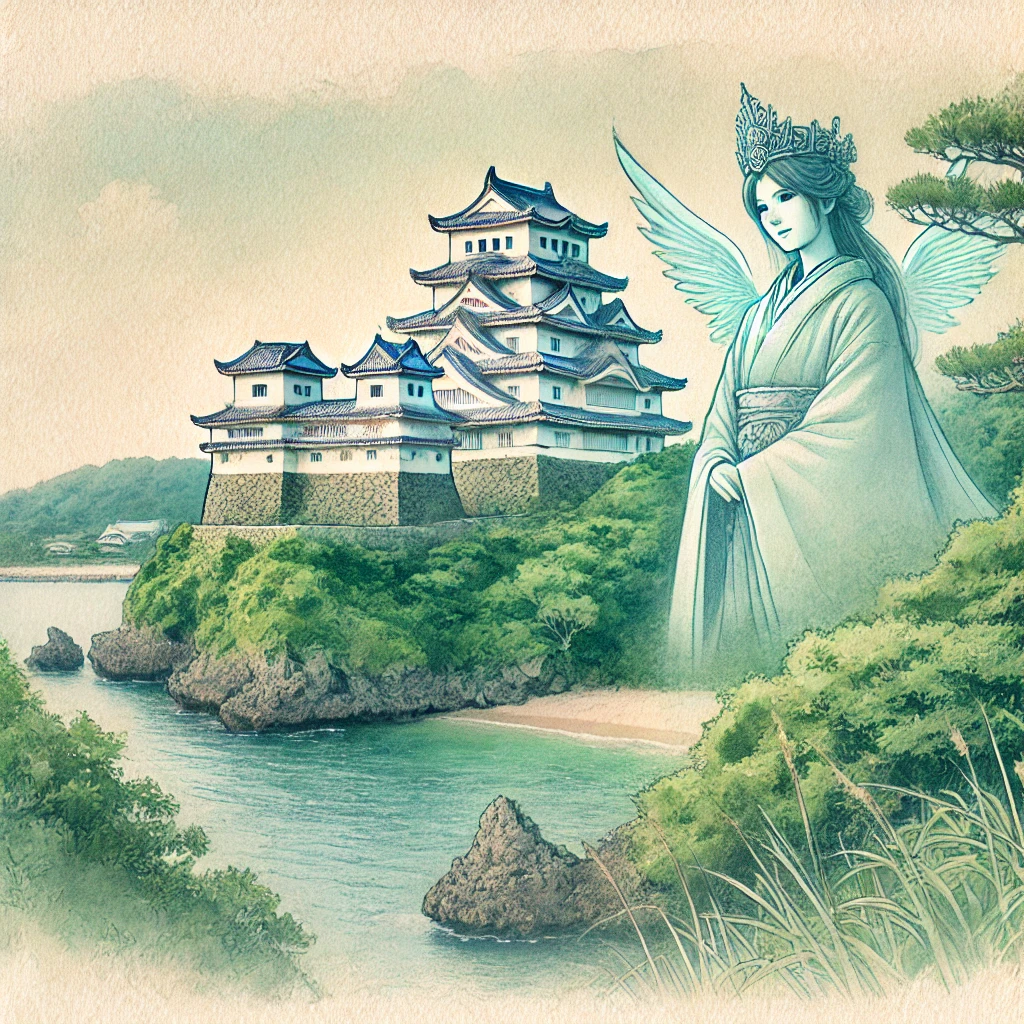
Okinawa is home to many ancient legends and folk tales, rich with history and cultural significance. Among these, the ghost legend of Nakijin Castle stands out as a story that symbolizes the deep spiritual world of Okinawa.
Nakijin Castle, a World Heritage Site located in the northern part of Okinawa’s main island, is a mystical place surrounded by beautiful nature. According to legend, the spirit of a young princess who died prematurely still loves the castle and watches over its visitors.
The spirit of the princess suggests a profound connection between the worlds of the living and the dead. In Okinawan culture, respecting and honoring the spirits of ancestors has always been of utmost importance. It is believed that the souls of the departed continue to watch over and guide their families and descendants.
Furthermore, the setting of Nakijin Castle and the surrounding beautiful nature reflect the Okinawan view of nature and the way of life that harmonizes with it. In Okinawa, nature is not seen merely as a physical entity but as a sacred presence imbued with spiritual power.
The lessons learned from the ghost legend of Nakijin Castle hold significant meaning even in modern society. Valuing connections with ancestors and living with respect for the natural environment enriches our hearts and is essential for building a better society.
Understanding the spiritual world of Okinawa is crucial for respecting cultural diversity and passing on traditional values. The wisdom of the ancestors, conveyed through the ghost legend of Nakijin Castle, illuminates and guides our hearts.
This article explores the spiritual world of Okinawa as taught by the ghost legend of Nakijin Castle. We will delve into the lessons imparted by the spirit of the princess, the ancestor worship and view of nature embedded in the legend, and the wisdom that remains relevant in contemporary society.
Through this story, imbued with the soul of Okinawa, we can touch the wisdom of the ancestors and find an opportunity to reflect on ourselves and our society. So, let us embark on a journey into the world of the ghost legend of Nakijin Castle.
- The Ghost of Nakijin Castle – Sightings of the Spirit in the Ancient Fortress
- The Connection Between the Living and the Dead
- Ancestor Worship and Belief in Spiritual Beings
- The Existence of Yuta, Spiritual Mediums
- Lessons Embedded in Legends and Folktales
- The Significance of the Ghost Legend of Nakijin Castle
- Learning from the Spiritual World of Okinawa Through the Legend
- Q&A
- Summary
The Ghost of Nakijin Castle – Sightings of the Spirit in the Ancient Fortress
In Nakijin Village, located in the northern part of Okinawa’s main island, there lies the ruins of Nakijin Castle, believed to have been built from the late 14th to early 15th century. Once the royal castle of the Hokuzan Kingdom, it is now a popular tourist destination known for its majestic stone walls and stunning scenery.
However, a mysterious legend surrounds this ancient castle. It is said that at night, visitors to the castle ruins have seen a woman dressed in white. This woman quietly roams the castle grounds, occasionally stopping to look back. Some witnesses claim to have seen her face clearly, while others have only seen her back.
One night, a tourist exploring the castle ruins heard the sound of a kimono rustling behind them. When they turned around, they saw a woman in white slowly walking away. Upon asking others, they found that many had experienced the same sighting.
This woman in white is said to be a princess of the royal family of Nakijin Castle. The legend goes that she fell ill and passed away within the castle at a young age. It is believed that her spirit still loves the castle and watches over its visitors.
Near the castle ruins, there is a large rock called “Hinpun-gae.” This rock is thought to be a place where the royal family offered prayers, and even today, locals sometimes leave flowers there in prayer. At night, it is said that crying can be heard around the rock, believed to be the spirit of the princess expressing her sorrow.
The ghost legend of Nakijin Castle has been cherished and passed down through generations in Okinawa. The spirit of the princess is believed to watch over those who love the ancient castle and wish peace upon its visitors.
The Connection Between the Living and the Dead
In Okinawan Culture, the Worlds of the Living and the Dead are Closely Intertwined
The Relationship Between the Afterlife and the Living World
In Okinawan culture, it is believed that the afterlife and the living world are closely connected. The souls of the deceased are thought to maintain their bonds with family, friends, and the community even after leaving the living world. This belief is based on the idea that the boundary between the living and the dead is blurred, with both influencing each other.
Okinawans refer to the afterlife as “Nirai Kanai,” a realm believed to be the eternal home for souls, existing in a different dimension from the living world. However, Nirai Kanai is not entirely separate from the living world. It is believed that the souls of the deceased occasionally return to watch over and offer guidance to their families and friends.
This view of the afterlife is deeply rooted in Okinawan culture and significantly influences daily life. For example, during the Obon season, special ceremonies are held to welcome the souls of ancestors home and offer them memorial services. This tradition is a vital opportunity to reaffirm and strengthen the bonds between the living and the dead.
The Belief That the Spirits of the Dead Influence the Lives of the Living
Okinawans believe that the spirits of the deceased have a profound influence on the lives of the living. This belief is closely tied to the practice of ancestor worship, where honoring and respecting the spirits of ancestors is considered essential for the well-being and prosperity of families and the community.
The spirits of the deceased are believed to affect various aspects of daily life. For instance, illnesses, injuries, or unfortunate events might be interpreted as signs from the ancestors’ spirits. In such cases, people often consult spiritual mediums called “Yuta” to interpret the messages from the spirits.
Additionally, when making important decisions, such as marriage, building a new house, or starting a business, it is common to pray to the ancestors’ spirits for guidance and blessings.
Thus, Okinawans live their daily lives with a deep respect for the influence of the spirits of the deceased. This belief strengthens family and community bonds and allows the transmission of wisdom and experience across generations.
The Belief That the Spirits of the Deceased Continue to Watch Over Families and Communities
Gratitude and Respect for Ancestral Spirits
The people of Okinawa believe that the spirits of their deceased ancestors continue to watch over their families and communities. This belief is deeply rooted in the practice of ancestor worship, which emphasizes the importance of expressing gratitude and respect towards ancestral spirits.
In Okinawan households, family altars and ancestral tablets are carefully maintained, and there is a daily practice of honoring the spirits of ancestors. During morning and evening prayers, as well as on special days like Obon and Higan, offerings are made at the altar to convey feelings of gratitude to the spirits. This practice serves to strengthen family bonds and is an important ritual for passing down the wisdom and experiences of ancestors.
In the wider community, the custom of honoring ancestral spirits is also deeply ingrained. There are sacred sites called “Utaki,” where the spirits of ancestors are worshiped. These sites are managed and maintained cooperatively by the local community. Regular ceremonies are held at Utaki to offer thanks to the spirits and to pray for the peace and prosperity of the community.
Thus, the practice of expressing gratitude and respect for ancestral spirits is a crucial aspect of life in Okinawa. It strengthens the bonds within families and communities, ensuring that the wisdom and experiences of ancestors are passed down through generations, providing strength during difficult times.
The Practice of Pacifying and Memorializing the Spirits of the Deceased
The people of Okinawa believe in the importance of pacifying and memorializing the spirits of the deceased. This practice is considered essential for guiding the spirits to peace and maintaining harmony between the worlds of the living and the dead.
In Okinawa, it is believed that the souls of the deceased sometimes remain in the living world, especially in cases of sudden death or accidents. These souls may linger and wander, unable to move on. Special rituals are conducted to pacify and memorialize these souls.
A ritual called “Miifuga” is performed to calm the soul of a deceased person and guide them to the afterlife. This ritual is led by a spiritual medium known as a Yuta, and it involves the participation of the deceased’s family and close friends. During the ceremony, the Yuta communicates with the soul, showing them the path to the afterlife while recounting memories and bidding farewell.
Another important ritual is “Shimi,” performed on the 49th day after death. This ceremony welcomes the soul of the deceased as a guardian spirit of the family and venerates them along with other ancestral spirits. Through Shimi, it is believed that the soul finds peace and continues to watch over the family.
These practices of pacifying and memorializing the spirits of the deceased are deeply valued in Okinawa. They are seen as essential for maintaining harmony between the living and the dead and ensuring the peace and well-being of families and communities.
Ancestor Worship and Belief in Spiritual Beings
In Okinawa, the Tradition of Honoring and Valuing Ancestors is Deeply Rooted
The Importance of Ceremonies like Obon and Higan
In Okinawa, ceremonies such as Obon and Higan are crucial for honoring ancestors. These events provide important opportunities to welcome and memorialize the spirits of deceased family members and ancestors.
Obon, celebrated from the 13th to the 15th of the seventh lunar month, involves families offering food and incense at their altars to welcome the spirits of their ancestors. It is believed that these spirits spend a few days with their families, participating in activities like Bon dances. On the final day of Obon, a ceremony is held to send the spirits back, promising to reunite next year.
Higan, observed during the seven days centered around the spring and autumn equinoxes, includes visits to ancestral graves for cleaning and offering food. On the middle day of Higan, families prepare feasts to honor and entertain the spirits of their ancestors.
These ceremonies are vital for expressing respect and gratitude to ancestral spirits and provide opportunities for families to gather and discuss their ancestors, thus strengthening familial bonds.
Through these traditions, the people of Okinawa continue to honor and value their ancestors, fostering a sense of unity within families and communities and aiding the transmission of wisdom and experience across generations.
Expressing Familial Bonds and Gratitude to Ancestors
For the people of Okinawa, honoring and valuing ancestors is a fundamental way to deepen family bonds and express gratitude to their forebears.
In Okinawan households, family altars are treated as sacred spaces. Ancestral tablets and photographs are enshrined, and daily practices of respect and honor are observed. Special offerings are made during morning and evening prayers, as well as on the anniversaries of ancestors’ deaths, conveying gratitude and respect.
During significant life events, such as weddings, the birth of children, or the construction of new homes, it is customary to report to the ancestors and seek their blessings. These rituals affirm family bonds and express gratitude to the ancestors.
The people of Okinawa believe that the spirits of ancestors watch over and guide their families. In times of hardship, consulting with ancestral spirits for their wisdom and guidance is seen as a way to find the strength to overcome challenges.
By honoring and valuing their ancestors, the people of Okinawa deepen familial bonds and express gratitude, ensuring the transmission of wisdom and experience across generations. This practice plays a crucial role in fostering unity within families and communities.
There is a Belief in Respecting and Coexisting with Spiritual Beings Inhabiting Natural Objects and Specific Places
Belief in Spiritual Beings Residing in Forests, Mountains, and Seas
The people of Okinawa hold a belief in respecting and coexisting with spiritual beings inhabiting the natural environment. Forests, mountains, seas, and other natural places are believed to be imbued with spiritual power, and it is considered important to honor and cherish these spirits.
For instance, the forest spirit known as “Kijimuna” is believed to inhabit trees and plants. Kijimuna is thought to protect the forest and bestow blessings upon people, and it is important to show respect and gratitude when entering the forest.
Similarly, deities known as “Kami-sama” are believed to reside in mountains and seas. Kami-sama are seen as guardians of the land and overseers of people’s lives, with regular ceremonies held in their honor to offer thanks and prayers for protection.
Through these beliefs, the people of Okinawa emphasize the importance of living in harmony with nature, showing gratitude for its blessings, and maintaining practices that honor and cherish the natural environment.
Prayers and Offerings at Sacred Sites
Okinawa is home to many sacred sites known as “Utaki,” which are places believed to be imbued with spiritual power. These sites serve as important locations for communal prayers and offerings.
Regular ceremonies are held at Utaki to offer thanks and prayers to gods and ancestral spirits. During these ceremonies, offerings such as rice, sake, and fruits are made to express respect and gratitude. After the ceremonies, the offerings are shared among participants, symbolizing the blessings received from the spirits.
Utaki also serve as places for personal prayer. During significant life events or times of trouble, individuals visit these sites to seek guidance and solace from the gods and ancestral spirits. Through prayer at Utaki, people find peace of mind and strengthen their resolve.
Thus, the practices of prayer and offering at sacred sites are integral to the spiritual life of the people of Okinawa. By honoring the spiritual power of nature and maintaining a connection with gods and ancestral spirits, people find the strength to overcome challenges.
The Existence of Yuta, Spiritual Mediums
Yuta are Believed to Possess Spiritual Powers and the Ability to Communicate with the Dead
The Role and Social Status of Yuta
In Okinawa, Yuta, or spiritual mediums, are believed to possess spiritual powers and the ability to communicate with the dead. Yuta play a crucial role in conveying messages from gods and ancestral spirits, guiding people through their troubles and concerns.
Yuta are thought to be born with spiritual abilities and undergo special training from a young age to hone their skills. Some Yuta inherit their role through family lineage, while others choose to pursue the path through dedicated practice.
Yuta are highly respected in the community. People seek their counsel during illnesses, injuries, or misfortunes, as well as for important life decisions such as weddings or building new homes. Yuta offer prayers and seek blessings from ancestral spirits for these significant events.
Thus, Yuta are indispensable to Okinawan society, providing spiritual support and guidance. Their advice, based on generations of wisdom and experience, helps people find courage and hope during challenging times.
The Importance of Consulting Yuta for Spiritual Advice
Consulting Yuta for spiritual advice plays a vital role in the lives of the people of Okinawa. Yuta are believed to convey messages from gods and ancestral spirits, guiding people through their troubles and helping resolve their concerns.
For example, people suffering from long-term illnesses or unexplained health issues often seek Yuta’s counsel to uncover the spiritual cause of their problems. Yuta communicate with ancestral spirits to identify the root cause, such as emotional wounds or unresolved conflicts, and provide advice for healing.
Additionally, during times of persistent misfortune or family discord, people consult Yuta. Yuta interpret messages from ancestral spirits to reveal underlying issues, such as past events or family curses, and offer solutions for resolution.
Consulting Yuta not only helps solve problems but also brings peace and healing. Through dialogue with Yuta, people can share their concerns and receive empathy and understanding. Messages from ancestral spirits offer encouragement and hope, helping people overcome challenges.
Thus, consulting Yuta for spiritual advice is a source of support for the people of Okinawa. Yuta’s guidance, based on ancestral wisdom, leads to the resolution of problems and instills hope and courage.
The Role of Yuta’s Advice in Important Life Decisions
When faced with important life decisions, the people of Okinawa often seek the advice of Yuta. Whether choosing a marriage partner, starting a new job, or building a house, Yuta are consulted for guidance from ancestral spirits to ensure the best decisions are made.
For instance, when selecting a marriage partner, people may consult Yuta to receive guidance from ancestral spirits about the suitability of the match and the future of the marriage. Similarly, before starting a new job, people seek Yuta’s advice on the prospects of success or failure, ensuring they make informed choices.
In the case of building a new home, Yuta’s advice is crucial. When deciding on the location and layout, people consult Yuta to read the spiritual characteristics of the land and ensure that the construction will please ancestral spirits.
Yuta’s advice provides not only guidance for decisions but also peace of mind and confidence. Following the guidance of ancestral spirits, people can feel assured in their choices. Additionally, through dialogue with Yuta, individuals can discover their life’s purpose and find the strength to live positively.
Thus, the advice of Yuta in important life decisions is a source of spiritual support for the people of Okinawa. Yuta’s presence helps maintain connections with ancestral spirits, ensuring the transmission of wisdom and experience across generations.
Lessons Embedded in Legends and Folktales
Okinawan Legends and Folktales, like the Ghost Legend of Nakijin Castle, Emphasize the Importance of Honoring Ancestors and Living in Harmony with Nature
The Role and Meaning of Spiritual Beings in Legends and Folktales
Okinawan legends and folktales feature various spiritual beings, which are not merely objects of fear but carry important messages for people.
For example, the ghost of the princess in the Nakijin Castle legend is portrayed as a spirit who loves the castle and wishes peace upon its visitors. Her spirit symbolizes the importance of honoring and cherishing ancestral spirits.
Spiritual beings like the forest spirit “Kijimuna” and deities “Kami-sama” residing in mountains and seas frequently appear in these stories. These beings teach the importance of gratitude for nature’s blessings and living in harmony with the natural world.
The spiritual beings in these legends and folktales act as bridges between the human and spiritual worlds. Through them, people learn ancestral wisdom and the laws of nature, discovering better ways to live.
Thus, the spiritual beings in Okinawan legends and folktales are not just sources of fear but play vital roles in conveying important messages. By understanding and respecting these beings, people can learn ancestral wisdom and the laws of nature, leading to richer lives.
Moral and Ethical Lessons Embedded in Stories
Okinawan legends and folktales often contain moral and ethical lessons. These stories emphasize the importance of honoring ancestors and living in harmony with nature while also suggesting ways of being and living as a person.
For instance, the ghost legend of Nakijin Castle conveys the importance of valuing ancestral spirits. The princess’s spirit is depicted as loving the castle and wishing peace for its visitors, teaching the significance of respecting and inheriting the intentions of ancestral spirits.
Stories featuring spiritual beings in nature emphasize the importance of appreciating nature’s blessings and living in harmony with the natural world. These tales suggest that humans are part of nature and that respecting and valuing nature is key to living a fulfilling life.
Additionally, legends and folktales highlight values such as honesty, courage, and compassion. These stories encourage facing challenges with bravery and the importance of caring for others, enriching people’s hearts.
Thus, Okinawan legends and folktales embed moral and ethical lessons, teaching the importance of honoring ancestors and living in harmony with nature. Learning from these stories allows people to inherit the wisdom of their ancestors and lead richer lives.
These Stories Are Passed Down Through Generations, Shaping Okinawa’s Spiritual World
The Importance of Oral Tradition in Preserving Legends and Folktales
Okinawan legends and folktales have been passed down orally through long histories. Instead of being recorded in books, these stories have been vividly brought to life by storytellers, making them more engaging and memorable.
The oral tradition is not merely about transmitting stories. Storytellers can convey the lessons and emotions embedded in these tales directly to the listeners. The sense of connection between the storyteller and the audience enhances the understanding of the story’s content.
Moreover, the oral tradition allows for the addition of new interpretations and elements to the stories. Storytellers can adapt the tales to suit the times and circumstances, keeping them fresh and relevant for contemporary audiences.
Thus, the oral tradition plays a crucial role in shaping Okinawa’s spiritual world. These stories convey the wisdom and values of the ancestors, enriching the hearts of people living today.
Understanding and Preserving Okinawa’s Spiritual World Through Stories
Okinawan legends and folktales are essential for understanding and preserving the spiritual world of Okinawa. These stories reflect the values and worldview of the Okinawan people, such as ancestor worship and nature reverence.
The spiritual beings depicted in these stories serve as bridges between the unseen world and the human realm. Through them, people learn the wisdom of their ancestors and the laws of nature, gaining guidance for living. The moral and ethical lessons embedded in the stories enrich people’s hearts and suggest ways of being and living.
Understanding and passing on these stories is crucial for transmitting Okinawa’s spiritual world to future generations. Through these tales, children learn the wisdom of their ancestors and the importance of nature, gaining an appreciation for Okinawan culture and values.
Additionally, these legends and folktales continue to convey meaningful messages in modern society. The importance of honoring ancestors and living in harmony with nature are lessons that remain relevant today. By learning from these stories, we can apply the wisdom of our ancestors and lead richer lives.
In this way, Okinawan legends and folktales are indispensable for understanding and preserving Okinawa’s spiritual world. By valuing and passing down these stories, we ensure that Okinawan culture and values are transmitted to the next generation.
The Significance of the Ghost Legend of Nakijin Castle
The Worldview of the Living and the Dead Reflected in the Legend
The Presence and Role of the Princess’s Spirit
The princess’s spirit in the ghost legend of Nakijin Castle is depicted as a reflection of the Okinawan worldview of the living and the dead. According to the legend, the princess died young from illness within the castle, but her spirit continues to love the castle and watch over its visitors.
The princess’s spirit is portrayed as a being that remains deeply connected to the living world even after death. She wishes for peace for the visitors of Nakijin Castle, reflecting the Okinawan belief that the spirits of the dead continue to influence the living world.
Moreover, the princess’s spirit symbolizes the history of Nakijin Castle. She watches over the castle and its history, embodying the Okinawan worldview that ancestral spirits continue to watch over and guide their descendants.
Thus, the princess’s spirit in the ghost legend of Nakijin Castle is depicted as a reflection of the Okinawan worldview of the living and the dead, symbolizing the role of ancestral spirits that remain connected to the living world.
The Princess as a Symbol of Love for the Ancient Castle and the Wish for Peace
The princess in the ghost legend of Nakijin Castle is also depicted as a symbol of love for the ancient castle and the wish for peace. According to the legend, the princess had a deep attachment to the castle, and her spirit continues to wish for peace for its visitors.
The princess’s attachment to the ancient castle reflects the deep sense of attachment that the people of Okinawa have for their land and nature. In Okinawa, land and nature are seen not merely as physical entities but as sacred presences imbued with spiritual power. The princess’s love for the castle symbolizes this Okinawan view of nature.
The princess’s wish for peace reflects the strong desire for peace that the people of Okinawa have held for many years. Okinawa has been ravaged by many wars throughout its history, and through these hardships, the people have come to deeply value peace. The princess’s wish for peace symbolizes this sentiment.
Thus, the princess in the ghost legend of Nakijin Castle is depicted as a symbol of love for the ancient castle and the wish for peace, reflecting the attachment to land and nature and the strong desire for peace held by the people of Okinawa.
The Values of the Okinawan People Embodied in the Legend
The Spirit of Respect and Reverence for Ancestors
The ghost legend of Nakijin Castle embodies the Okinawan spirit of respect and reverence for ancestors. The princess’s spirit is depicted as continuing to love the castle and watch over its visitors even after death, highlighting the importance of honoring and valuing ancestral spirits in Okinawan culture.
In Okinawa, it is believed that the spirits of ancestors continue to watch over and guide their families and descendants. Therefore, it is important to honor and express gratitude to ancestral spirits. The presence of the princess in the legend reflects this belief in ancestor worship.
The legend also depicts people respecting and valuing the princess’s spirit, reflecting the Okinawan attitude of feeling a close connection to and respecting ancestral spirits.
Thus, the ghost legend of Nakijin Castle embodies the Okinawan spirit of respect and reverence for ancestors, reflecting the belief in ancestor worship and the attitude of feeling a close connection to and respecting ancestral spirits.
The Importance of Living in Harmony with Nature
The ghost legend of Nakijin Castle suggests the importance of living in harmony with nature. The castle, surrounded by beautiful nature, is depicted as the stage of the legend. The princess’s spirit is shown to blend into this natural environment, watching over the visitors to the castle.
This reflects the Okinawan cultural belief in the importance of living in harmony with nature. Nature is considered a sacred presence that provides various blessings. However, in modern society, the destruction of the natural environment is progressing, and the relationship between humans and nature is being lost.
The ghost legend of Nakijin Castle reminds us of the importance of respecting and living in harmony with nature. We are part of nature, and living in harmony with it is essential for a sustainable society. Respecting and valuing nature is crucial for building a better future.
Moreover, living in harmony with nature enriches our hearts. By experiencing the beauty and greatness of nature, we can appreciate the preciousness of life and cultivate a humble spirit.
Thus, the ghost legend of Nakijin Castle suggests the importance of respecting and living in harmony with nature. The legend teaches us to value nature and live in harmony with it, which is essential for modern society.
Learning from the Spiritual World of Okinawa Through the Legend
The Modern Significance of the Lessons Embedded in the Legend
The Importance of Valuing Connections with Ancestors
One of the lessons we can learn from the ghost legend of Nakijin Castle is the importance of valuing connections with ancestors. The princess’s spirit continues to love the castle and watch over its visitors even after death, reflecting the Okinawan worldview that ancestral spirits watch over and guide their descendants.
In modern society, valuing connections with ancestors holds significant meaning. We live on the culture and values passed down from our ancestors. Honoring and expressing gratitude to our ancestors is essential for understanding our roots and establishing our identity.
Valuing connections with ancestors also strengthens family and community bonds. By honoring ancestors as a common presence, a sense of unity is fostered within families and communities, building supportive relationships.
Thus, the ghost legend of Nakijin Castle teaches us the importance of valuing connections with ancestors. It is essential for us to honor and express gratitude to our ancestors, carrying this lesson in our hearts in modern life.
The Importance of Respecting and Coexisting with Nature
Another lesson we can learn from the ghost legend of Nakijin Castle is the importance of respecting and coexisting with nature. The castle, surrounded by beautiful nature, is depicted as the stage of the legend. The princess’s spirit blends into this natural environment, watching over the visitors to the castle.
This reflects the Okinawan cultural belief in the importance of living in harmony with nature. Nature is a precious presence that provides various blessings. However, in modern society, the destruction of the natural environment is progressing, and the relationship between humans and nature is being lost.
The ghost legend of Nakijin Castle reminds us of the importance of respecting and coexisting with nature. We are part of nature, and living in harmony with it is essential for a sustainable society. Respecting and valuing nature is crucial for building a better future.
Moreover, living in harmony with nature enriches our hearts. By experiencing the beauty and greatness of nature, we can appreciate the preciousness of life and cultivate a humble spirit.
Thus, the ghost legend of Nakijin Castle suggests the importance of respecting and coexisting with nature. It teaches us to value nature and live in harmony with it, which is essential for modern society.
The Significance of Understanding Okinawa’s Spiritual World
Promoting Respect and Understanding for Cultural Diversity
Understanding the spiritual world of Okinawa through the ghost legend of Nakijin Castle is important for promoting respect and understanding of cultural diversity. Okinawa has a unique history, culture, and values. Understanding these is essential for building a society where diverse cultures coexist.
The spiritual world of Okinawa is based on unique worldviews such as ancestor worship and nature reverence. These worldviews, though different from modern values, contain wisdom cultivated over a long history.
Understanding Okinawa’s spiritual world fosters an attitude of respecting cultural diversity. Understanding and respecting different cultures and values is important for building a society free from prejudice and discrimination. The exchange of diverse cultures leads to new values and ideas.
Thus, understanding the spiritual world of Okinawa through the ghost legend of Nakijin Castle is important for promoting respect and understanding of cultural diversity. By understanding and respecting Okinawan culture and values, we can build a rich society that recognizes diversity.
Inheriting Traditional Values and Applying Them to Modern Society
Understanding the spiritual world of Okinawa through the ghost legend of Nakijin Castle also has significant implications for inheriting traditional values and applying them to modern society. Okinawa’s spiritual world embodies important values, such as respect for ancestors and living in harmony with nature, which are being lost in modern society. Understanding and inheriting these values is essential for building a better society.
Inheriting traditional values is also important for establishing our identity. In a globalizing society, it is essential to understand and cherish our roots. Understanding Okinawa’s spiritual world helps us recognize and take pride in the culture and values passed down from our ancestors.
The traditional values in Okinawa’s spiritual world offer insights for addressing various modern societal issues. For example, the attitude of living in harmony with nature can be applied to environmental issues. Respect for ancestors plays a crucial role in strengthening family and community bonds.
Applying traditional values to modern society is not easy. However, understanding the essence of these values and reinterpreting them in a modern context is essential. By doing so, we can utilize ancestral wisdom to build a better society.
Thus, understanding the spiritual world of Okinawa through the ghost legend of Nakijin Castle has significant implications for inheriting traditional values and applying them to modern society. We need to learn from the wisdom embedded in Okinawa’s spiritual world and apply it to contemporary life.
The ghost legend of Nakijin Castle symbolizes the rich spiritual world of Okinawa. The princess’s spirit in the legend suggests a deep connection between the worlds of the living and the dead. The castle and its surrounding beautiful nature reflect the Okinawan view of nature and the way of living in harmony with it.
The lessons learned from the legend hold significant meaning even in modern society. Valuing connections with ancestors and living with respect for the natural environment enriches our hearts and is essential for building a better society. Understanding Okinawa’s spiritual world is also crucial for respecting cultural diversity and inheriting traditional values.
The ghost legend of Nakijin Castle is a story imbued with the spirit of Okinawa. By cherishing and passing down this legend and applying its lessons to the present, we can gain valuable insights for building a better society. The wisdom conveyed by the legend’s ancestors will surely illuminate and guide our hearts.
Q&A
What does the spirit of the princess in the ghost legend of Nakijin Castle represent for the people of Okinawa?
The spirit of the princess in the ghost legend of Nakijin Castle represents a being deeply connected to the living world even after death. She loves the castle and wishes peace for its visitors, reflecting the Okinawan belief that the spirits of the dead continue to influence the living world.
How does the ghost legend of Nakijin Castle reflect the Okinawan view of nature?
The castle, surrounded by beautiful nature, serves as the stage for the legend. The princess’s spirit blends into this natural environment, watching over the visitors. This reflects the Okinawan belief in the importance of living in harmony with nature.
What is one of the lessons we can learn from the ghost legend of Nakijin Castle?
One of the lessons we can learn from the ghost legend of Nakijin Castle is the importance of valuing connections with ancestors. The princess’s spirit continues to love the castle and watch over its visitors, reflecting the Okinawan worldview that ancestral spirits watch over and guide their descendants .
What is the significance of understanding Okinawa’s spiritual world in modern society?
Understanding Okinawa’s spiritual world is important for promoting respect and understanding of cultural diversity. Okinawa has a unique history, culture, and values. Understanding these is essential for building a society where diverse cultures coexist. It is also important for inheriting traditional values and applying them to modern society.
What wisdom does the ghost legend of Nakijin Castle convey from the ancestors?
The ghost legend of Nakijin Castle conveys the wisdom that the worlds of the living and the dead are deeply connected. It also teaches the importance of living in harmony with nature and respecting ancestors. By cherishing and passing down this legend, we can apply its lessons to modern life.
Summary
The ghost legend of Nakijin Castle symbolizes the rich spiritual world of Okinawa. The princess’s spirit suggests a deep connection between the worlds of the living and the dead, emphasizing the importance of honoring and valuing ancestral spirits in Okinawan culture.
The castle and its surrounding beautiful nature reflect the Okinawan view of nature and the way of living in harmony with it. The lessons learned from the legend highlight the importance of valuing connections with ancestors and respecting the natural environment, which hold significant meaning in modern society.
Understanding Okinawa’s spiritual world is crucial for respecting cultural diversity and inheriting traditional values. The wisdom conveyed by the ancestors in the ghost legend of Nakijin Castle will illuminate and guide our hearts.
By cherishing and passing down this legend and applying its lessons to the present, we can gain valuable insights for building a better society. This story, imbued with the spirit of Okinawa, offers many lessons for us to learn from, helping us to build a richer and more harmonious society.


コメント