
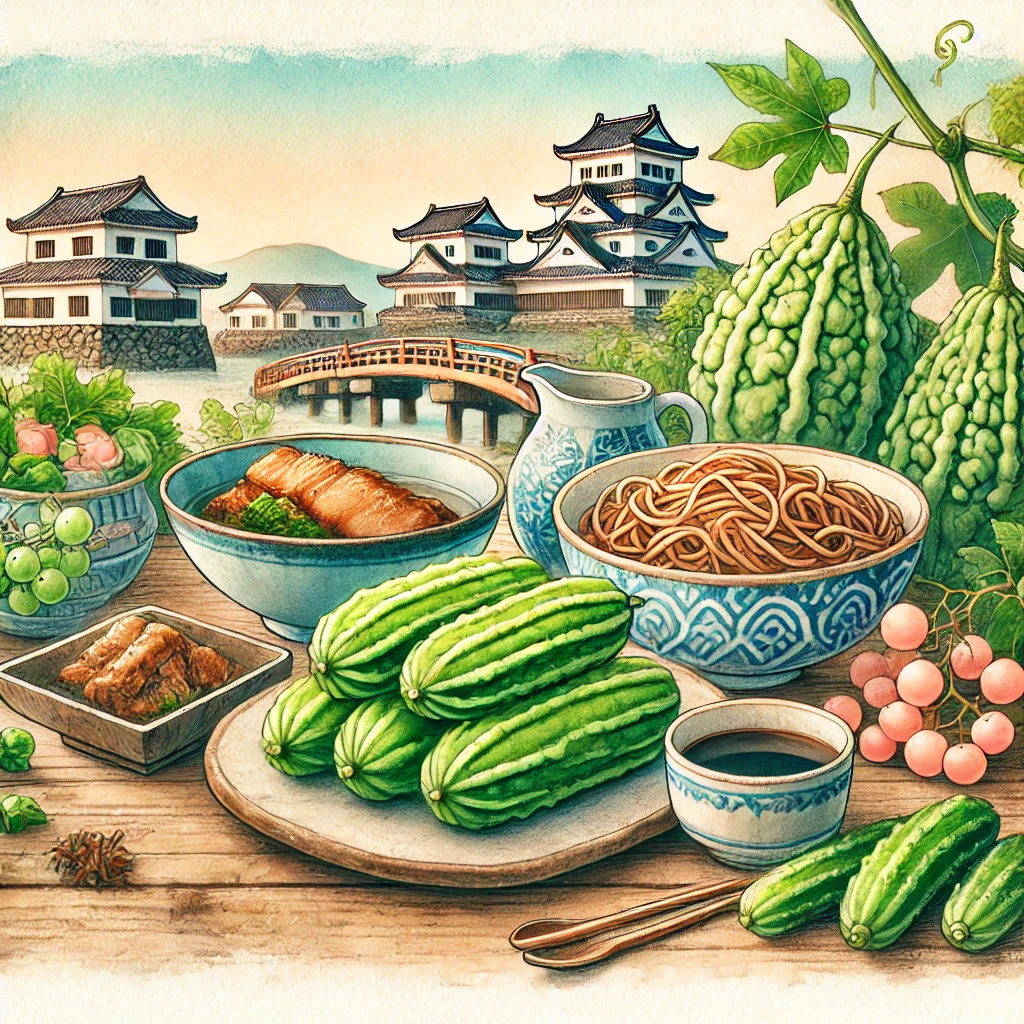
- Introduction: The Culinary Culture of the Ryukyu Kingdom
- Conclusion
- Unique Ingredients that Define Okinawan Cuisine
- Conclusion
- Signature Dishes that Carry on the Traditions of the Ryukyu Kingdom
- The Charm of Okinawan Cuisine with Roots in Ryukyu Kingdom Traditions
- Traditional Cooking Methods and Food Culture of Okinawa
- The Modern Significance of Traditional Okinawan Cooking Methods and Food Culture
- The Spiritual World Embedded in Okinawan Cuisine
- The Contemporary Significance of the Spiritual World in Okinawan Cuisine
- Modern Evolution of Traditional Okinawan Cuisine
- The Evolution and Future of Okinawan Cuisine
- Recipes for Enjoying Okinawan Cuisine at Home
- The Joy of Enjoying Okinawan Cuisine at Home
- The Charm of Okinawan Cuisine, Inheriting the Traditions of the Ryukyu Kingdom
- Rediscovering the Charm of Okinawan Cuisine
- Q&A
- Summary of This Article
Introduction: The Culinary Culture of the Ryukyu Kingdom
When people think of Okinawan cuisine, many imagine dishes like Goya Champuru and Okinawa Soba. However, the depth and allure of Okinawan cuisine go far beyond these local specialties. The rich culinary culture inherited from the Ryukyu Kingdom era forms the foundation of modern Okinawan cuisine, offering us numerous surprises and deep impressions.
Features and Historical Background of Okinawan Cuisine
If we were to describe Okinawan cuisine in a few words, “diversity” and “fusion” would be most fitting. Its unique flavors and cooking methods have been shaped over a long history. From the era of the Ryukyu Kingdom to the present day, Okinawan food culture has continuously evolved. Surrounded by the sea, Okinawa’s geographic characteristics fostered interactions with many countries, and these influences are vividly reflected in Okinawan cuisine.
The Formation of the Ryukyu Kingdom and Its Culinary Culture
The Ryukyu Kingdom was unified by Sho Hashi in 1429 and lasted until the Ryukyu Disposition in 1879, spanning approximately 450 years. During this period, Ryukyu flourished as a key maritime trading hub in East Asia, developing its unique culture. Particularly, interactions with China, Southeast Asia, and mainland Japan significantly influenced Ryukyu’s culinary culture.
These international exchanges greatly impacted Ryukyu’s food culture. Ingredients and cooking methods brought from China and Southeast Asia fused with local traditions, giving birth to unique Ryukyu dishes. For example, the development of pork dishes is said to be influenced by China.
The court cuisine of the Ryukyu Kingdom, known as “Goten Ryori,” forms the roots of modern Okinawan cuisine. Using high-quality ingredients and elaborate cooking methods, Goten Ryori symbolized the richness and cultural sophistication of Ryukyu.
Influence from China and Southeast Asia
Ryukyu maintained a tributary relationship with China and engaged in active trade, allowing Chinese food culture to greatly influence Ryukyu. Particularly, the use of pork, cooking methods, and elements of Chinese court cuisine were incorporated into Ryukyu cuisine.
For instance, one of Okinawa’s representative dishes, “Rafute,” is said to have its roots in Chinese braised pork. Similarly, “Kubu Irichi” (stir-fried kelp) adapts kelp brought from China into Okinawan style.
The influence from Southeast Asia is also notable. The use of spices and ingredients like coconut reflects Southeast Asian culinary elements in Ryukyu cuisine. These diverse influences contribute to the unique flavors of Okinawan cuisine.
Changes in Food Culture under Satsuma Domain Rule
After the Satsuma Domain invasion in 1609, the Ryukyu Kingdom came under Satsuma’s control, significantly affecting its food culture. Under Satsuma’s rule, Ryukyu began to incorporate culinary influences from mainland Japan.
For example, the origin of “Okinawa Soba” is said to be from soba noodles brought from Satsuma. However, it evolved uniquely in Ryukyu, using pork bone and bonito broth to create its distinctive flavor.
Furthermore, to cope with the heavy taxes imposed by Satsuma, Ryukyu people developed wisdom to make the most of limited ingredients. This led to the “mottainai” spirit of not wasting food and efficient cooking methods seen in modern Okinawan cuisine.
The Influence of Ryukyu Kingdom Era Food Culture on Modern Okinawan Cuisine
The culinary culture of the Ryukyu Kingdom is deeply rooted in modern Okinawan cuisine. While traditional flavors and cooking methods are preserved, Okinawan cuisine continuously evolves with the times. It integrates history and tradition with new innovations, constantly developing.
The Inheritance and Development of Court Cuisine
Many aspects of the Ryukyu Kingdom’s “Goten Ryori” are still carried on today. For instance, “Kuurijishi” (yellow rice porridge) is a dish colored with turmeric and has its origins in royal court cuisine. It is still enjoyed during celebrations and special occasions.
Another example is “Mochi” (rice cakes), a traditional food from the royal era. These rice cakes, steamed and pounded rice wrapped in sugarcane leaves, are still made today during the lunar New Year, symbolizing wishes for good health.
These dishes have spread to common households over time, evolving with adaptations. For example, “Rafute,” originally a royal dish using high-quality ingredients, is now widely enjoyed as a popular home-cooked dish.
Modern Interpretations of Commoners’ Wisdom
During the Ryukyu Kingdom era, commoners’ diets were simple, but their ingenuity in maximizing the use of limited ingredients led to creative dishes. “Champuru” dishes are a prime example of this wisdom.
“Champuru” means “to mix,” referring to dishes where various ingredients are stir-fried together. The most famous “Goya Champuru” is a nutritious dish made with bitter melon (goya), tofu, eggs, and pork.
This cooking method of mixing ingredients arose from the need to balance nutrition with limited resources. Today, the concept of “champuru” is applied in new ways, creating innovative dishes with new ingredients. “Taco Rice,” for example, combines Mexican taco elements with Okinawan ingredients, becoming a popular modern Okinawan dish.
Modern Utilization of Traditional Cooking Methods
The traditional cooking methods inherited from the Ryukyu Kingdom era play a crucial role in modern Okinawan cuisine. “Nimono” (simmered dishes) is one such method, emphasizing the natural flavors of ingredients through slow cooking, and is still widely used in home cooking.
Another traditional technique is “Andansu,” where food is deep-fried and then coated with sweet soy sauce. This method enhances preservation while imparting unique flavors, and is still applied to create new dishes today.
Fermented foods, a tradition from the Ryukyu era, also continue to be significant. Foods like “Tofu Yo” (fermented tofu) and “Nabera Bushi” (fermented sponge gourd) are recognized for their benefits in improving gut health, aligning well with modern health trends.
Combining these traditional methods with contemporary scientific understanding further advances Okinawan cuisine. For instance, scientific analysis of fermentation processes helps produce more consistent quality products.
Conclusion
The culinary culture of the Ryukyu Kingdom, influenced by diverse sources over its long history, uniquely developed to form the foundation of modern Okinawan cuisine. Influences from China, Southeast Asia, and the shifts during Satsuma rule, along with the wisdom of commoners, all contributed to Okinawa’s unique flavors and cooking techniques.
Modern Okinawan cuisine builds on this rich history, preserving traditions while embracing new interpretations and creations, continuously evolving. From royal court dishes to commoners’ wisdom, various elements from the past are alive in today’s Okinawan cuisine.
Enjoying Okinawan cuisine means not only savoring delicious food but also experiencing the history and culture of Ryukyu. Discover the depth and allure of Okinawan cuisine, and you will surely find new insights and emotions waiting for you.
In the next chapter, we will delve into the unique ingredients that shape Okinawan cuisine. Look forward to learning how island vegetables, seafood, and traditional seasonings contribute to the charm of Okinawan food.
Unique Ingredients that Define Okinawan Cuisine
The allure of Okinawan cuisine lies in its unique ingredients. Blessed with a subtropical climate and rich natural environment, Okinawa boasts many ingredients that are distinct from those found on the mainland. These ingredients are the key to the unique flavors and high nutritional value of Okinawan cuisine. In this article, we will delve into these essential ingredients and explore their charm in detail.
The Appeal of Island Vegetables: Goya, Island Shallots, Island Carrots
The vegetables grown on the Okinawan islands are known as “island vegetables,” celebrated for their distinctive flavors and high nutritional content. Among them, goya, island shallots, and island carrots are indispensable to Okinawan cuisine.
Nutritional Value and Cooking Methods of Goya
Goya (bitter melon) is one of the most iconic vegetables of Okinawa. Its distinctive bitterness and high nutritional value have earned it the title “King of Summer Vegetables.”
In terms of nutrition, goya is rich in vitamin C, containing about four times as much as lemons. It also boasts a wealth of vitamin B1, B2, potassium, and dietary fiber. Notably, goya contains a compound called “momordicin,” which is known to help regulate blood sugar levels.
The most famous dish featuring goya is “Goya Champuru.” This dish involves thinly sliced goya stir-fried with tofu, eggs, and pork. For those who find the bitterness too strong, salting the goya and soaking it in water can help mellow the taste.
Other popular preparations include goya tempura, goya juice, and goya tsukudani (a type of sweet-salty simmered dish). Recently, processed foods like goya chips have also become popular.
Characteristics and Uses of Island Shallots
Island shallots are smaller than their mainland counterparts, known for their crunchy texture. Nutritionally, they are rich in allicin, which is believed to aid in fatigue recovery and improve blood circulation.
Typically, island shallots are eaten raw with salt or miso, often enjoyed as a snack with awamori, Okinawa’s local distilled spirit. They can also be pickled in vinegar or used in stir-fries.
In recent years, creative dishes using island shallots have emerged. Examples include island shallot paste for pasta and tempura made from island shallots.
History and Uses of Island Carrots
Island carrots are a native Okinawan variety, more slender and deep yellow compared to mainland carrots. They are known for their distinctive aroma and sweetness.
These carrots are high in beta-carotene, containing about 1.5 times more than mainland carrots. They are also rich in calcium and dietary fiber.
Island carrots are often used raw in salads, or as ingredients in stir-fries and simmered dishes. They are particularly essential in “juushii,” Okinawan-style mixed rice.
In recent years, island carrot-based sweets have gained popularity. Carrot cakes and puddings that highlight their natural sweetness are some examples.
Gifts from the Sea: Mozuku, Sea Grapes, Aasa (Green Seaweed)
The rich seas of Okinawa are a treasure trove of ingredients. Among these, mozuku, sea grapes, and aasa (green seaweed) are indispensable in Okinawan cuisine.
Nutritional Value and Cooking Methods of Mozuku
Mozuku is a type of seaweed cultivated in the seas of Okinawa, known for its unique slimy texture and crunch. Nutritionally, it is high in dietary fiber, which is beneficial for digestive health. It also contains fucoidan, a compound noted for its immune-boosting properties.
Mozuku is commonly enjoyed as a vinegared dish, flavored with vinegar, soy sauce, and sugar, and garnished with chopped green onions or ginger. It can also be used in tempura or as an ingredient in miso soup.
Recently, mozuku has found its way into health foods and cosmetic products. Mozuku supplements and cosmetics containing mozuku extract are popular.
Texture and Enjoyment of Sea Grapes
Sea grapes, as the name suggests, resemble small green grapes. They are known for their distinctive popping texture when eaten, earning them the nickname “green caviar.”
Nutritionally, sea grapes are rich in minerals, particularly calcium and magnesium. They are also low in calories and high in dietary fiber.
Sea grapes are typically enjoyed fresh with a dip of soy sauce. They can also be served with ponzu or vinegar. They are a popular addition to salads and a common garnish for sashimi.
Creative uses for sea grapes are also on the rise, including sea grape pasta and sea grape jelly desserts.
Nutritional Value and Traditional Dishes of Aasa
Aasa (green seaweed) is a seaweed native to Okinawa, characterized by its rich umami and sea aroma. Nutritionally, it is abundant in vitamins A, B1, B2, and C, and also rich in minerals.
Traditional dishes featuring aasa include “aasa tempura,” where the seaweed is coated in batter and deep-fried for a crispy, aromatic treat. “Aasa soup” is another favorite, incorporating aasa into miso soup or clear broth.
Modern innovations have seen aasa being used in dishes like aasa risotto and pasta with aasa paste, bringing its unique flavor into Western-style cuisine.
Traditional Okinawan Seasonings: Awamori, Island Miso, Koregusu
Traditional seasonings are essential to creating the unique flavors of Okinawan cuisine. Awamori, island miso, and koregusu are key components that define the taste of Okinawan dishes.
Production and Culinary Uses of Awamori
Awamori is a distinctive Okinawan distilled spirit made from Thai rice and black koji mold. With an alcohol content typically above 30%, it has a unique aroma and flavor.
In cooking, awamori is used as a cooking sake to enhance flavor and remove unwanted odors from fish and meat. It is particularly essential in preparing rafute (braised pork belly).
Awamori-based condiments are also popular. “Awamori miso,” a blend of awamori and miso, is used for marinating meat and vegetables. “Awamori sauce” is a versatile condiment used in stir-fries and simmered dishes.
Recently, awamori has been incorporated into sweets like awamori pudding and awamori cake, where its unique aroma enhances the dessert’s flavor.
Characteristics and Uses of Island Miso
Island miso is unique to Okinawa, distinguished by its higher salt content and rich flavor compared to mainland miso. Made from soybeans, barley, and salt, it undergoes a lengthy fermentation process.
Island miso is commonly used in miso soup, which in Okinawa is richer and often includes pork or fish. It also serves as a crucial seasoning for marinades and stir-fry sauces. Dishes like rafute and nabera bushi (simmered sponge gourd) heavily rely on it.
New products using island miso include miso-based dressings and dips, which are gaining popularity in Western-style cuisine.
Making and Using Koregusu
Koregusu is a unique Okinawan spice made by infusing chili peppers in awamori. “Kore” means chili pepper, and “gusu” means alcohol in the Okinawan dialect.
Making koregusu is relatively simple. Dried chili peppers are finely chopped and soaked in awamori. After about a week, the chili’s heat and aroma infuse into the awamori.
Koregusu is mainly used as a finishing touch in dishes. A few drops enhance the flavor of Okinawa soba and champuru dishes. It is also enjoyed as a condiment with awamori.
New products incorporating koregusu include hot sauces and dressings, showcasing its versatility.
Conclusion
The unique ingredients that shape Okinawan cuisine have been nurtured through its rich natural environment and long history. Island vegetables, marine blessings, and traditional seasonings each contribute to the distinctive flavors and high nutritional value of Okinawan dishes.
These ingredients are not just culinary components but also embody Okinawan culture and history. For instance, the bitterness of goya symbolizes the resilience of Okinawan people in overcoming harsh conditions.
Furthermore, these traditional ingredients align well with modern health trends, gaining new attention. Island vegetables as superfoods, seaweed as health food, and traditional seasonings as new condiments are examples of how Okinawan ingredients continue to evolve.
Understanding these ingredients’ characteristics and histories can deepen your appreciation of Okinawan cuisine. Enjoy the full flavor and richness of Okinawan ingredients to their fullest.
In the next chapter, we will introduce specific Okinawan recipes using these ingredients. From traditional dishes passed down from the Ryukyu Kingdom to modern adaptations, you’ll enjoy the diversity of Okinawan cuisine.
Signature Dishes that Carry on the Traditions of the Ryukyu Kingdom
The charm of Okinawan cuisine lies not only in its unique flavors but also in the deep history inherited from the Ryukyu Kingdom era. This article introduces representative dishes that carry on the traditions of the Ryukyu Kingdom. Through these dishes, we convey the depth of Okinawan food culture and the enduring appeal of its flavors across generations.
Rafute: The Royal Version of Braised Pork
Rafute is one of Okinawa’s signature dishes, featuring pork belly simmered for a long time to create tender, flavorful braised pork. Its rich taste and soft texture have captivated many.
History and Cultural Significance of Rafute
Rafute traces its origins back to the Ryukyu Kingdom era. It is believed that pork dishes were introduced through trade with China and evolved into unique Okinawan recipes.
During the Ryukyu Kingdom period, Rafute was part of “Goten Ryori,” special dishes prepared for the royal family and nobility. Pork was a precious commodity, and only a select few could enjoy Rafute.
Over time, Rafute became popular among the general public and is now a beloved home-cooked dish in Okinawa. It is especially prominent during celebrations and events, symbolizing Okinawan food culture.
Rafute also reflects the Okinawan spirit of “mottainai” (waste not, want not). By using fatty pork belly, the dish becomes highly nutritious and exemplifies the wisdom of making full use of available ingredients.
Traditional Cooking Method of Rafute
The traditional method for preparing Rafute is as follows:
- Cut the pork belly into large pieces and lightly sear the surface to remove excess fat.
- Place the pork in a pot with water, awamori, sugar, soy sauce, and ginger, and simmer over low heat for 3-4 hours.
- Skim off any scum that rises to the surface, and continue to simmer until the meat is tender.
- Adjust the seasoning and simmer for an additional 30 minutes to finish.
The key is to simmer the pork slowly for a long time, allowing it to become tender and infused with flavor. Adding awamori imparts a unique aroma and depth of taste.
Modern Variations of Rafute
While traditional Rafute remains popular, various modern adaptations have emerged:
- Spare Rib Rafute: Uses spare ribs instead of pork belly, adding the richness of bone-in meat for a deeper flavor.
- Rafute Donburi: Rafute served over rice, making it a convenient and popular dish for tourists.
- Rafute Burger: Rafute used as a burger filling, blending Japanese and Western flavors for a new taste experience.
- Rafute Pizza: Rafute as a pizza topping, combining well with cheese for a delicious fusion dish.
These variations preserve the traditional taste while catering to modern preferences, showcasing the evolution of Okinawan cuisine.
Gurukun (Takasago) Karaage: The Royal Fish of Ryukyu
Gurukun, also known as Takasago, is a fish found in Okinawan waters and is cherished for its beautiful colors, earning it the nickname “Seven Treasures of Ryukyu.” Gurukun karaage (deep-fried gurukun) is a representative fish dish of Okinawa.
Ecology and Characteristics of Gurukun
Gurukun (Caesio diagramma) belongs to the Caesionidae family and is widely distributed along Okinawa’s coasts. It typically grows to about 20-30 cm in length and is known for its vibrant blue-green coloration.
Key characteristics of Gurukun include:
- Soft, mild-flavored flesh
- Low fat content, making it a healthy choice
- Rich in taurine and DHA, offering high nutritional value
- Prone to losing freshness quickly, so it is best enjoyed fresh
These attributes have made Gurukun a cherished and highly regarded fish in Okinawa for centuries.
Gurukun Cuisine During the Ryukyu Kingdom Era
During the Ryukyu Kingdom era, Gurukun was known as “Usachi Agai no Iyu,” a prestigious fish gracing the tables of royalty and nobility. It was a staple at New Year’s banquets and important ceremonies.
Historical Gurukun dishes included:
- Gurukun Sashimi: Thinly sliced fresh Gurukun served with soy sauce or ponzu.
- Gurukun Nimono: Gurukun simmered in a soy-based broth.
- Gurukun Shioyaki: Salted and grilled Gurukun.
These simple preparations highlighted the fish’s natural flavors, and chefs of the time focused on maximizing Gurukun’s delicate taste.
Modern Variations of Gurukun Dishes
Today, many new Gurukun dishes have been created while still honoring traditional methods:
- Gurukun Karaage: One of the most popular methods, where Gurukun is coated in flour or starch and deep-fried to achieve a crispy exterior and tender interior.
- Gurukun Acqua Pazza: An Italian-style dish using Gurukun, tomatoes, olives, and herbs for a Western flavor profile.
- Gurukun Carpaccio: Thinly sliced fresh Gurukun marinated with olive oil and lemon juice, served as an appetizer.
- Gurukun Escabeche: Fried Gurukun marinated in vinegar, influenced by Spanish cuisine.
- Gurukun Takikomi Gohan: Gurukun mixed with rice in a flavorful rice dish, where the fish’s essence infuses the rice.
These modern adaptations draw out Gurukun’s appeal from various angles, making it a favorite among locals and tourists alike. Gurukun karaage, in particular, has gained immense popularity for its simplicity and taste.
Goya Champuru: A Nutritious Dish Born from Commoners’ Wisdom
Goya Champuru is a quintessential Okinawan home-cooked dish. Made with goya (bitter melon), tofu, eggs, and pork, it is a simple yet nutritionally balanced dish that symbolizes Okinawan food culture.
The Birth and Evolution of Goya Champuru
Goya Champuru is believed to have originated in the late Ryukyu Kingdom era to early Meiji period. During this time, Okinawa faced economic hardships, necessitating nutritious meals made from limited ingredients.
The evolution of Goya Champuru is outlined as follows:
- Combination of Ingredients: Tofu, eggs, and pork were added to goya to balance its bitterness and enhance nutritional value. These ingredients complement each other nutritionally.
- Establishment of Cooking Method: The “champuru” method of stir-frying was established, allowing quick preparation while retaining nutritional content.
- Integration into Home Cooking: Due to its simplicity and nutritional benefits, Goya Champuru quickly became a staple in Okinawan households.
- Diversification of Variations: Various adaptations emerged in different households and regions, increasing the dish’s variety.
- National Recognition: With the rise in tourism, Goya Champuru became nationally recognized as a representative Okinawan dish.
Thus, Goya Champuru is a dish born from commoners’ wisdom and has continued to evolve over time.
Basic Goya Champuru Recipe
Here is a basic recipe for Goya Champuru:
Ingredients (Serves 2):
- 1 Goya (bitter melon)
- 1/2 block of firm tofu
- 100g thinly sliced pork
- 2 eggs
- Salt, to taste
- Pepper, to taste
- 1 tablespoon soy sauce
- 1 tablespoon vegetable oil
Instructions:
- Cut the goya in half lengthwise, remove the seeds and pith, and slice thinly. Soak the slices in salted water for 5 minutes, then drain.
- Lightly press the tofu to remove excess water and cut it into 1cm cubes.
- Add the goya and tofu, and continue to stir-fry.
- Once the ingredients are cooked, add the beaten eggs and lightly scramble.
- Season with salt, pepper, and soy sauce, then serve.
< li>Heat the vegetable oil in a frying pan and stir-fry the pork until cooked.
This recipe can be adjusted to suit individual preferences. For example, adding bean sprouts or carrots, or using miso for seasoning, can create countless variations.
Regional and Household Variations
Goya Champuru has many variations depending on the region and household. Here are some notable examples:
- Spam Champuru: Uses Spam (luncheon meat) instead of pork. This variation arose after World War II, influenced by the presence of American military bases.
- Nabera Champuru: Uses nabera (sponge gourd) instead of goya, offering a milder flavor and softer texture.
- Fuchiba Champuru: Uses fuchiba (mugwort) instead of goya. This springtime dish is known for its unique aroma and high nutritional value.
- Island Tofu Champuru: Uses traditional Okinawan island tofu, which is firmer and has a chewier texture than regular tofu.
- Mozuku Champuru: Uses mozuku seaweed instead of goya, adding a distinctive texture and nutritional benefits.
These variations reflect the adaptability and creativity within Okinawan food culture, utilizing locally available ingredients and catering to diverse tastes.
The Charm of Okinawan Cuisine with Roots in Ryukyu Kingdom Traditions
Through the representative Okinawan dishes of Rafute, Gurukun Karaage, and Goya Champuru, we have introduced the allure of Okinawan cuisine that carries on the traditions of the Ryukyu Kingdom into the present day. These dishes encapsulate the history, culture, and wisdom of the people of Okinawa.
- Rafute: A luxurious dish from the Ryukyu Kingdom era that has evolved into a beloved dish among the general public, representing Okinawan flavors. The cooking method of slow simmering reflects the Okinawan spirit of “mottainai” and the value placed on using ingredients without waste.
- Gurukun Karaage: Once a high-end fish during the kingdom era, Gurukun is now enjoyed in various ways, with karaage being particularly popular for its simplicity and deliciousness, attracting many tourists.
- Goya Champuru: Born from the wisdom of common folk, this dish symbolizes Okinawan food culture. The ingenuity of creating a nutritious meal from limited ingredients remains highly relevant to modern diets.
What these dishes have in common is their evolution over time without losing their essential appeal. While they retain the flavors and cooking methods passed down from the Ryukyu Kingdom era, they have also incorporated new ingredients and techniques to blend seamlessly into contemporary life.
Enjoying Okinawan cuisine is not just about having a delicious meal; it’s an experience of Okinawa’s history and culture. Savoring Rafute can evoke thoughts of the Ryukyu Kingdom’s grandeur, Gurukun Karaage offers a taste of Okinawa’s rich marine resources, and Goya Champuru lets you appreciate the wisdom and creativity of the common folk. Such culinary experiences can deepen your understanding and affection for Okinawa.
In the next chapter, we will delve deeper into the food culture of Okinawa that supports these traditional dishes. We will explore the Champuru culture, the connection between ceremonial foods and longevity, and the heart of Okinawa as seen through its cuisine.
Traditional Cooking Methods and Food Culture of Okinawa
The charm of Okinawan cuisine lies not only in its unique flavors but also in the traditional cooking methods and rich food culture developed over a long history. This article will focus on Okinawa’s traditional cooking methods and food culture, exploring their depth and significance in the modern world.
The Philosophy of Champuru: Mixing as a Cooking Method
Many might have heard the word “Champuru.” Goya Champuru, one of Okinawa’s representative dishes, is a prime example. However, Champuru is not just a dish name but an important concept that symbolizes Okinawan food culture.
Origin and History of Champuru
The word “Champuru” is derived from the Malay word “campur,” meaning “to mix.” It is believed that this term was introduced to Okinawa through trade with Southeast Asia during the Ryukyu Kingdom era.
The history of Champuru culture developed as follows:
- Ryukyu Kingdom Era: Through trade, various cultures and ingredients were introduced to Okinawa. Mixing these elements helped form a unique culture.
- Satsuma Domain Rule: Limited resources led to the development of mixing various ingredients to make the most of them.
- Post-War: Influenced by American culture, new ingredients and cooking methods were introduced and embraced in the spirit of Champuru.
- Modern Era: In a globalized world, Okinawa continues to create its unique flavors by incorporating global food cultures.
Thus, Champuru culture reflects the very history of Okinawa.
Introduction to Representative Champuru Dishes
The hallmark of Champuru dishes is the stir-frying of various ingredients together. Here are some representative Champuru dishes:
- Goya Champuru: A dish made with bitter melon, tofu, pork, and eggs. The bitterness of goya and the umami of other ingredients create a perfect balance.
- Fu Champuru: A dish featuring wheat gluten (fu) as the main ingredient, harmonized with vegetables and meat.
- Tamana Champuru: A dish with cabbage (tamana) as the main ingredient, combined with pork and tofu for a delicious balance.
- Papaya Champuru: A dish made with green papaya, notable for its texture and rich vitamin C content.
What these dishes share is the combination of various ingredients to create a nutritionally balanced and satisfying meal.
The Values Reflected in Champuru Culture
Champuru culture goes beyond cooking methods, reflecting Okinawan values and lifestyle:
- Respect for Diversity: Mixing various ingredients symbolizes Okinawa’s openness to different cultures and values.
- Creativity: The ingenuity to create new dishes from limited ingredients showcases the creativity of the Okinawan people.
- Mottainai Spirit: The concept of using every part of an ingredient without waste reflects Okinawa’s “mottainai” spirit.
- Flexibility: Champuru culture’s adaptability to new ingredients and methods illustrates Okinawa’s flexible approach to life.
Thus, Champuru culture is not just about food but an important concept for understanding the Okinawan way of life and values.
Nmukji (Simmered Dishes): Techniques that Bring Out the Natural Flavors
“Nmukji” refers to traditional Okinawan simmered dishes. The word combines the Okinawan terms for “simmer” (nmumun) and “create” (kujyun).
Basics and Features of Nmukji
The basic features of Nmukji are as follows:
- Slow Simmering: Ingredients are simmered for a long time to fully bring out their umami.
- Highlighting Natural Flavors: Seasonings are used sparingly to preserve the natural flavors of the ingredients.
- Nutritional Retention: Eating the dish with its broth ensures the consumption of nutrients that have leached into the liquid.
- High Preservation: Simmering increases the shelf life, making these dishes valuable as preserved foods.
These features are closely related to Okinawa’s climate and historical background. The hot and humid climate made food preservation challenging, and the food shortages during and after the war fostered the development of techniques to maximize the use of available ingredients.
Introduction to Representative Nmukji Dishes
Okinawa boasts a variety of Nmukji dishes. Here are some of the most representative ones:
- Rafute: Pork belly simmered for a long time until tender, featuring a melt-in-your-mouth texture and deep flavor.
- Kuubu Irichi: A dish of finely chopped kelp and pork strips simmered together, blending the umami of kelp with the richness of pork.
- Nabera Nbushi: Simmered dish made with salt-pickled sponge gourd, offering a unique texture and flavor.
- Inamuduchi: A hearty soup made with pork offal and cartilage, known for its high nutritional value and health benefits.
These dishes may appear simple, but they embody long-cultivated techniques and wisdom.
Unique Seasonings Used in Nmukji
Nmukji often incorporates unique Okinawan seasonings. The main ones include:
- Awamori: Okinawan distilled spirit that adds a unique aroma and depth of flavor to dishes.
- Island Miso: Traditional Okinawan miso with a rich and robust flavor, essential for Nmukji.
- Koregusu: Chili peppers infused in awamori, adding a spicy kick to dishes when used as a finishing touch.
- Shikuwasa: Native citrus fruit of Okinawa, its juice adds a refreshing tang to dishes.
These seasonings impart a distinct Okinawan taste to Nmukji dishes.
Ceremonial Foods and Longevity: The Role of Traditional Foods in Health and Longevity
Okinawa is known as the “Island of Longevity,” and one of the secrets to this longevity is its rich food culture. Ceremonial foods and vegetarian dishes, in particular, play a significant role in the health and longevity of the Okinawan people.
Introduction to Main Ceremonial Foods in Okinawa
Ceremonial foods in Okinawa are
special dishes prepared for seasonal events and life milestones. Here are some key examples:
- Kagami Biraki (January 15th): Zoni soup called “Milk Gua” is consumed, packed with pork and vegetables for a nutritious meal.
- Vegetarian Dishes (March and July in the lunar calendar): Known as “Unke,” these dishes are made without animal products, focusing on vegetables and seaweed.
- Obon (July 13th-15th in the lunar calendar): Dishes like “Juushii” (mixed rice) and “Nabera Nbushi” are offered to ancestors’ spirits.
- Jugoya (August 15th in the lunar calendar): “Fuchagi” mochi is consumed, symbolizing wishes for health and longevity.
- New Year’s Eve: “Toshikoshi Soba” is eaten, symbolizing long life.
These ceremonial foods are not only delicious but also well-balanced and health-conscious, contributing to the overall wellness of the community.
Characteristics and Health Effects of Vegetarian Dishes
Okinawan vegetarian dishes, known as “Unke,” are traditionally consumed in March and July of the lunar calendar. Their characteristics and health benefits include:
- Plant-Based Diet: Emphasizing vegetables, seaweed, and legumes, these dishes help lower cholesterol and reduce the risk of heart disease.
- Low Calorie: Many cooking methods avoid oil, resulting in low-calorie meals that help prevent obesity.
- Rich in Fiber: High vegetable and seaweed content ensures a diet rich in fiber, promoting good digestive health and reducing the risk of colorectal cancer.
- Abundant Antioxidants: Using colorful vegetables provides a variety of antioxidants, which are beneficial in preventing aging.
Regular consumption of these vegetarian dishes enables Okinawans to maintain a naturally healthy diet.
The Relationship Between Longevity and Okinawan Food Culture
Several factors are linked to the relationship between Okinawan longevity and its food culture:
- Calorie Restriction: Traditional Okinawan meals are low in calories but nutritionally balanced, contributing to longevity.
- Diverse Ingredients: A variety of ingredients, including island vegetables, seaweed, and legumes, ensure a well-rounded intake of nutrients.
- Food as Medicine Concept: The Okinawan belief in “Kusuimun” (medicinal foods) promotes using everyday meals to maintain health.
- Moderate Drinking: The practice of consuming awamori in moderation may help with stress relief and improved blood circulation.
- Enjoying Meals Together: The cultural practice of “Yuimaru,” or mutual support, includes enjoying meals with family and community, contributing to mental health.
These combined factors significantly contribute to Okinawa’s reputation for longevity. However, the recent Westernization of diets among younger generations raises health concerns. The challenge for Okinawa moving forward will be to blend traditional food culture with modern health knowledge.
The Modern Significance of Traditional Okinawan Cooking Methods and Food Culture
We’ve explored the traditional cooking methods and food culture of Okinawa, which provide significant insights not only as historical heritage but also in our contemporary lives.
- Champuru Culture: The idea of mixing various elements in Champuru culture highlights a value of great importance in modern society—diversity. Respecting different cultures and perspectives while creating new values is essential in our globalized world.
- Nmukji (Simmered Dishes): The technique of slow-cooking Nmukji, which enhances the natural flavors of ingredients, is worth revisiting even in our busy modern lives. Taking time to cook slowly maximizes the nutritional value of ingredients, resulting in delicious and healthy meals.
- Ceremonial and Vegetarian Foods: The practice of regularly incorporating plant-based meals into our diet can prompt us to reconsider our modern tendency toward excessive meat consumption. Ceremonial foods also help us reconnect with the seasons and strengthen family and community ties, reminding us of important values that are often lost in contemporary society.
These traditional cooking methods and food cultures are the culmination of the wisdom and experience of the Okinawan people. However, their value extends beyond Okinawa. In a modern society striving for healthy and sustainable lifestyles, Okinawan food culture offers numerous insights.
For example, the concept of “mixing” in Champuru culture helps reduce food waste and create nutritionally balanced dishes. This can contribute to reducing food loss and promoting a healthy diet.
Additionally, the technique of “slow-cooking” in Nmukji is feasible even for busy modern people. By cooking in bulk on weekends and reheating during the week, one can enjoy nutritious homemade meals daily.
Furthermore, the practice of incorporating ceremonial and vegetarian foods introduces seasonality and variety into modern diets. Regularly consuming plant-based meals can improve health and contribute to environmental conservation.
The traditional cooking methods and food culture of Okinawa are a treasure trove of wisdom cultivated over a long history. Interpreting these practices in a modern context and integrating them into daily life can lead to a richer and healthier lifestyle. Enjoying Okinawan cuisine is not just about eating delicious food but also about learning new lifestyles and values.
In the next chapter, we will delve deeper into the spirit of the Okinawan people embodied in these traditional cooking methods and food culture. We will explore the mindset of “Nankurunaisa” and the philosophy of “Ichari Bachoodee,” revealing the heart of Okinawa through its cuisine.
The Spiritual World Embedded in Okinawan Cuisine
The allure of Okinawan cuisine lies not only in its unique flavors and nutritional balance but also in the spirit and values of the Okinawan people that underpin these dishes. This article focuses on the spiritual world embedded in Okinawan cuisine, exploring its depth and relevance in modern society.
The Spirit of “Nankurunaisa” and Food Culture
“Nankurunaisa” is an Okinawan phrase meaning “everything will be alright.” This optimistic and flexible approach to life significantly influences Okinawan food culture.
The Meaning and Origin of “Nankurunaisa”
The spirit of “Nankurunaisa” is deeply intertwined with Okinawan history:
- Historical Background: Okinawa has faced numerous challenges, such as typhoons, droughts, wars, and foreign rule. Amidst these harsh conditions, people developed an optimistic spirit that “everything will be alright,” helping them persevere through adversity.
- Word Structure: The phrase is composed of four words: “nan” (what), “kuru” (come), “nai” (no), and “sa” (yo), which translates to “you never know what will come.” However, it is used in a positive sense to mean “everything will be alright.”
- Impact on Life: This phrase is not just a comforting saying but a philosophy that shapes the lifestyle of Okinawan people. It fosters a positive attitude and the ability to adapt flexibly to circumstances, forming the foundation of their resilience.
This spirit is vividly reflected in Okinawan food culture.
The Wisdom of Using Ingredients without Waste
The “Nankurunaisa” spirit is evident in the Okinawan practice of using every part of an ingredient without waste:
- Whole Pig Utilization: In Okinawa, various parts of the pig are used in cooking, reflecting the principle of “using the whole pig”:
- Rafute (braised pork belly)
- Mimiga (vinegared pig ear)
- Tebichi (braised pig feet)
- Nanatsu (braised cartilage)
- Using Every Part of Vegetables: Almost no part of a vegetable is wasted. For example:
- Leaves and stems of sponge gourd are used in cooking
- Carrot leaves are used in stir-fries and soups
- Radish peels are also used in dishes
- Cooking Innovations: Cooking methods have developed to make the most of ingredients.
- Champuru dishes (various ingredients stir-fried together)
- Nbushi (salted and preserved)
- Juushii (mixed rice using leftover ingredients)
These practices demonstrate the ingenuity of the Okinawan people in creating delicious dishes even in difficult circumstances, embodying the spirit of “Nankurunaisa.”
Overcoming Adversity through Food Culture
The spirit of “Nankurunaisa” is closely linked to the ability to overcome adversity, as reflected in Okinawan food culture:
- Pursuit of Nutritional Balance: There is a focus on creating nutritious meals from limited ingredients. For example:
- Goya Champuru (combining vitamin C-rich goya with tofu and eggs for protein)
- Mozuku Vinegar (combining mineral-rich mozuku with vitamin C from citrus)
- Development of Preserved Foods: Preserved foods have evolved to overcome tough times:
- Nbushi (salted and preserved vegetables and fish)
- Skugarasu (salted small fish)
- Acceptance of New Food Cultures: Okinawa has flexibly adopted external ingredients and cooking methods, creating unique Okinawan dishes:
- Pork Egg (using Spam influenced by American culture)
- Taco Rice (Okinawan twist on Mexican cuisine)
These examples show how the Okinawan people have adapted to difficult situations, creating new value and diversity in their cuisine. The spirit of “Nankurunaisa” is the source of Okinawan cuisine’s diversity and creativity.
“Ichari Bachoodee”: The Bond of Community through Food
“Ichari Bachoodee” is an Okinawan phrase meaning “once we meet, we are brothers.” This phrase reflects the warm human relationships and the community bond through food in Okinawa.
The Meaning and Origin of “Ichari Bachoodee”
The spirit of “Ichari Bachoodee” is deeply rooted in Okinawan history and culture:
- Word Structure: The phrase consists of “ichari” (meet) and “bachoodee” (brother).
- Historical Background: Since the Ryukyu Kingdom era, Okinawa has accepted various cultures through trade. This openness fostered a culture of warmly welcoming strangers.
- Social Significance: In a small island community, mutual help and cooperation were essential for survival. This phrase expresses the spirit of mutual support.
This spirit significantly influences Okinawan food culture.
Traditional Communal Eating Culture in Okinawa
Okinawa has traditional practices of communal eating that deepen community bonds:
- Yui Maru: A mutual aid system where people help each other with large tasks like rice planting or house building, followed by communal meals to strengthen bonds.
- Moai: Regular gatherings for communal meals, where members pool money to buy ingredients and cook together. This practice fosters economic support and social connection.
- Toshii: Celebratory events for milestone ages (61, 73, 85, etc.), where many relatives and friends gather to enjoy a communal meal.
These practices embody the spirit of “Ichari Bachoodee
,” where people gather and connect through food, strengthening community ties.
The Significance of Communal Eating in Modern Okinawa
In modern society, the communal eating culture based on the spirit of “Ichari Bachoodee” continues to play a vital role:
- Contributing to Health and Longevity: Communal eating contributes to balanced meals and stress relief through conversation, promoting health and longevity.
- Preservation of Traditional Culture: Communal eating occasions provide opportunities for elders to pass down traditional cooking methods and food culture to younger generations.
- Strengthening Community Bonds: Through communal eating, people from different generations and backgrounds interact, strengthening the cohesion of the local community.
- Tourism Value: The warm hospitality based on the spirit of “Ichari Bachoodee” is one of the attractions of Okinawan tourism.
Thus, the spirit of “Ichari Bachoodee” continues to hold significant value in modern Okinawan society. It reminds us of the importance of communication through food, serving as a valuable cultural heritage of Okinawa.
Ancestral Worship and Food: The Meaning of Offerings
Understanding Okinawan food culture requires acknowledging the spirit of ancestral worship deeply embedded in it. Okinawans have a tradition of honoring and cherishing their ancestors, which significantly influences their food culture.
Characteristics of Okinawan Ancestral Worship
Okinawan ancestral worship has the following characteristics:
- Inheritance of Ancestral Tablets: The eldest son inherits and is responsible for the ancestral tablets, a practice known as “Tootoomee” (ancestral tablet), central to the Okinawan family system.
- Regular Rituals: On the 1st and 15th of the lunar calendar, offerings and prayers are made to the ancestors, known as “Uchinaa” (ritual).
- Obon (July in the lunar calendar): Known as “Obon” or “Unkee,” this is a significant event where ancestors’ spirits are welcomed and honored.
- Shimi (Spring Festival): A springtime grave visit where family and relatives gather to honor their ancestors.
These practices are deeply rooted in Okinawan daily life and closely linked to their food culture.
Representative Offerings and Their Meanings
In Okinawan ancestral worship, food offerings play a crucial role. Here are some representative offerings and their meanings:
- Ukon: Yellow rice offered first to gods and ancestors, colored with turmeric, believed to ward off evil spirits.
- Juushii: Mixed rice offered as the main dish to ancestors, enriched with vegetables and meat for nutritional value.
- Tempura: Fried fish or vegetables offered to please the ancestors’ spirits with their crispy texture.
- Sashimi: Fresh fish sashimi, especially Gurukun (Takasago) sashimi, considered a premium offering to honor ancestors.
- Somin Champuru: Stir-fried somen noodles with vegetables and eggs, a popular summer offering.
- Saataa Andagi: Okinawan donuts offered as a sweet treat to delight the ancestors’ spirits.
- Fruits: Fresh fruits like bananas and pineapples, representing the seasonal bounty and gratitude to the ancestors.
- Awamori: Traditional Okinawan distilled spirit offered to comfort the ancestors’ spirits.
These offerings are not just food but important mediums to express respect and gratitude to the ancestors. Moreover, these dishes are also part of daily meals, ensuring the transmission of traditional food culture through offerings.
The Relationship Between Ancestral Worship and Food in Modern Okinawa
In modern society, the relationship between ancestral worship and food in Okinawa remains deeply maintained, albeit with some changes due to lifestyle shifts:
- Simplified Offerings: Due to busy modern lives, daily “Uchinaa” rituals are sometimes simplified with only water and tea. However, traditional offerings are still prepared for significant events.
- New Ingredients: With globalization, new foods like bread and cake are now included in offerings, reflecting modern dietary habits.
- Use of Pre-Packaged Foods: Due to time constraints, pre-packaged foods are sometimes used instead of homemade offerings. However, homemade dishes remain important for significant rituals.
- Tourism Connection: Okinawan ancestral worship and food culture are also attracting attention as tourism resources, with cultural tours allowing visitors to experience events like Obon and Shimi.
- Role in Food Education: Preparing offerings provides opportunities to teach children traditional cooking methods and the meanings behind them, playing a crucial role in the transmission of food culture.
Thus, even in modern Okinawa, the relationship between ancestral worship and food remains a vital cultural element. Its forms are gradually evolving, balancing tradition and modernity while continuing to develop.
The Contemporary Significance of the Spiritual World in Okinawan Cuisine
Exploring the spiritual world embedded in Okinawan cuisine reveals its profound depth and relevance in modern society. The spirit of “Nankurunaisa,” the concept of “Ichari Bachoodee,” and the culture of ancestral worship are not merely relics of the past; they offer valuable insights for our lives today.
- The Spirit of “Nankurunaisa”: Embracing challenges with a positive mindset and overcoming them with creativity is a crucial attitude in today’s uncertain world. The wisdom of using every part of the ingredients aligns with the modern pursuit of a sustainable society.
- The Concept of “Ichari Bachoodee”: Valuing human connections and deepening community bonds through shared meals provide hints for restoring the warmth of human relationships in an increasingly individualistic society.
- The Relationship between Ancestral Worship and Food: The practice of honoring ancestors and expressing gratitude through food reminds us of the deeper meaning of “eating.” It also plays a role in maintaining intergenerational connections through traditional cuisine.
These spiritual aspects enrich the allure of Okinawan cuisine. By understanding the history, culture, and sentiments behind the dishes, enjoying Okinawan cuisine becomes a richer experience.
There is much to learn from the spiritual world of Okinawan cuisine in our contemporary society:
- Valuing resources and creating new values through ingenuity
- Recognizing the importance of human connections and enjoying meals together
- Respecting tradition while flexibly incorporating new elements
- Expressing gratitude through food and passing down culture across generations
These values are the secret behind the unique and universal appeal of Okinawan cuisine in a globalized world. When enjoying Okinawan food, consider the spiritual world behind it. This will surely deepen the flavors and offer new insights. Okinawan cuisine transcends mere “food” and offers a rich cultural experience.
In the next chapter, we will explore how Okinawan cuisine has evolved and adapted to the modern world while inheriting these traditions and spirituality. We will look at how contemporary Okinawan cuisine balances tradition with innovation.
Modern Evolution of Traditional Okinawan Cuisine
Okinawan cuisine continues to evolve, honoring the traditional flavors inherited from the Ryukyu Kingdom while incorporating new elements to meet the demands of the times. This article delves into the modern development of Okinawan cuisine, showcasing dishes that retain their Okinawan essence while embracing new food cultures and technologies.
Innovative Takes on Traditional Dishes: Taco Rice and Okinawa Soba
One of the distinctive features of Okinawan food culture is its ability to flexibly integrate foreign ingredients and cooking methods, creating unique styles. Taco Rice and Okinawa Soba are prime examples of this adaptability.
The Birth and Evolution of Taco Rice
Taco Rice, a relatively recent creation from the 1960s, embodies the creativity and adaptability of Okinawan cuisine.
- Background of Its Creation:
- Created by a restaurant owner near a U.S. military base in the 1960s
- Inspired by combining Mexican tacos with rice due to the scarcity of taco shells
- Basic Ingredients:
- Rice
- Taco meat (ground beef with taco seasoning)
- Shredded lettuce
- Tomatoes
- Cheese
- Popularity in Okinawa:
- Became popular among students and young people due to its simplicity and deliciousness
- Included in school lunches across the prefecture
- Established as one of Okinawa’s signature casual dishes
- Modern Variations:
- Taco Rice Bowl: Ingredients served over rice
- Taco Spaghetti: Using spaghetti instead of rice
- Vegetarian Taco Rice: Using soy meat for a vegetarian version
- Taco Rice Pizza: Incorporating taco rice elements into pizza toppings
Taco Rice is a prime example of the fusion between American and Okinawan food cultures, showcasing Okinawa’s ability to adapt and create new flavors that appeal to the local palate.
The History and Regional Variations of Okinawa Soba
Okinawa Soba, a noodle dish representative of Okinawan cuisine, has a history dating back to the Ryukyu Kingdom and has evolved uniquely over time.
- Origins:
- Believed to have been introduced from China in the early 17th century
- Initially called “Tang Soba,” it was a royal court dish
- Post-war Development:
- Became widely popular among the general public after World War II
- Each region developed its unique variations
- Characteristics of Okinawa Soba:
- Noodles: Made with wheat flour, eggs, and kansui (alkaline water)
- Broth: Rich broth made from pork bones and bonito flakes
- Toppings: Braised pork belly (sanmai niku), fish cake, and green onions
- Regional Differences:
- Naha Soba: Known for its rich broth and thick noodles
- Miyako Soba: Features flat noodles and spicy broth with island pepper
- Yaeyama Soba: Thin noodles with cartilage pork ribs
- Kumejima Soba: Black noodles made with squid ink
- Modern Variations:
- Okinawa Soba Pizza: Okinawa soba toppings on a pizza
- Okinawa Soba Burger: Okinawa soba ingredients between burger buns
- Chilled Okinawa Soba: A cold version for summer
- Vegetarian Okinawa Soba: A plant-based version without animal products
Okinawa Soba has uniquely evolved by incorporating local ingredients and cooking methods. Its regional characteristics and modern variations reflect the diversity and creativity of Okinawan food culture.
Creating and Innovating New Okinawan Cuisine
New Okinawan dishes that incorporate traditional foundations and new elements are gaining attention. These creations represent the future potential of Okinawan food culture.
- Fusion Dishes:
- Goya Carpaccio: Using Okinawan ingredients with Italian techniques
- Rafute Risotto: Combining Italian risotto with Okinawan braised pork
- Island Tofu Caprese: Italian-style dish with Okinawan island tofu
- New Cooking Techniques:
- Sous Vide Rafute: Maximizing tenderness and flavor
- Molecular Gastronomy with Sea Grapes: Exploring new textures
- Smoked Island Pork: Adding smoked flavors for a new taste
- Innovative Uses of Traditional Ingredients:
- Goya Chips: Healthy snacks using bitter melon
- Mozuku Pasta: Creative pasta dishes using mozuku seaweed
- Shikwasa Desserts: Using Okinawan citrus in Western-style desserts
These new Okinawan dishes respect traditional flavors and ingredients while embracing new technologies and global culinary trends. These creative endeavors enhance the appeal of Okinawan cuisine, making it more popular among a wider audience.
Health-Oriented Okinawan Cuisine: Superfoods in the Spotlight
With the growing focus on health, Okinawan cuisine is gaining global attention as a “longevity diet.” Many traditional Okinawan ingredients are rich in nutrients and health benefits, earning them the status of “superfoods.”
Transforming Traditional Okinawan Ingredients into Superfoods
Some traditional Okinawan ingredients have gained particular attention as superfoods:
- Goya (Bitter Melon):
- Characteristics: Known for its strong bitterness
- N
utritional Value: Rich in vitamin C and dietary fiber
- Health Benefits: Helps control blood sugar levels and has antioxidant properties
- Modern Uses: Juices, supplements, and cosmetic ingredients
- Shikwasa:
- Characteristics: A small citrus fruit native to Okinawa
- Nutritional Value: Rich in vitamin C, citric acid, and nobiletin
- Health Benefits: Enhances skin health, relieves fatigue, and has antioxidant properties
- Modern Uses: Juices, condiments, sweets, and health foods
- Mozuku:
- Characteristics: Seaweed cultivated in Okinawan waters
- Nutritional Value: High in dietary fiber and fucoidan
- Health Benefits: Promotes gut health, boosts immunity, and has anti-tumor effects
- Modern Uses: Salads, tempura, health foods, and beauty products
- Ukon (Turmeric):
- Characteristics: Yellow rhizome known for its color
- Nutritional Value: Rich in curcumin
- Health Benefits: Anti-inflammatory, liver function improvement, and dementia prevention
- Modern Uses: Supplements, health drinks, and cosmetic ingredients
These ingredients, traditionally used in Okinawan cuisine, are now widely utilized as health foods and supplements. Okinawan food culture has merged with global health trends, creating new value.
Reevaluating Okinawan Cuisine as a Longevity Diet
Studies highlighting the role of traditional Okinawan diet in promoting longevity have garnered attention. Let’s explore its characteristics and modern interpretations:
- Characteristics of Traditional Okinawan Diet:
- Plant-based: Emphasizes vegetables, legumes, and seaweed
- Low Calorie: Generally low in calories
- High-Quality Protein: Abundant in seafood and tofu
- Healthy Fats: Uses ingredients high in unsaturated fats
- Health Benefits:
- Reduced risk of heart disease
- Lower cancer incidence
- Prevention of dementia
- Maintained bone density
- Modern Interpretations and Applications:
- Okinawan Diet: Incorporating traditional eating patterns into modern diet plans
- Health Foods Using Okinawan Ingredients: Goya powder, mozuku supplements, etc.
- Okinawan Cooking Classes: Popular for learning healthy cooking methods
- Medical Tourism: Programs to experience Okinawan food culture and health practices
Thus, Okinawan cuisine is not only delicious but also recognized worldwide as a healthy, longevity-promoting food culture. This is an excellent example of traditional wisdom validated by modern science.
Development of Health Foods and Supplements from Okinawa
Various health foods and supplements have been developed based on traditional Okinawan ingredients and food culture. These products highlight the potential of Okinawan food culture and contribute to Okinawa’s economy.
- Turmeric Products:
- Turmeric Supplements: Promote liver health and prevent hangovers
- Turmeric Drinks: Popular health drinks
- Turmeric Cosmetics: Skincare products expecting beauty benefits
- Mozuku Products:
- Mozuku Supplements: Aim to provide fucoidan intake
- Mozuku Drinks: Promoted for beauty and health
- Mozuku Foods: Used in everyday foods like bread and pasta
- Goya Products:
- Goya Powder: Easy-to-consume supplements
- Goya Tea: Popular for blood sugar management
- Goya Extract Cosmetics: Expected to benefit skin health
- Shikwasa Products:
- Shikwasa Juice: Source of vitamin C
- Shikwasa Supplements: Valued for antioxidant effects
- Shikwasa Condiments: Used as healthy seasonings
These product developments reinterpret the value of traditional Okinawan ingredients for modern applications, promoting regional industry development through local specialties.
Global Expansion of Okinawan Cuisine: International Recognition and Popularity
Recently, Okinawan cuisine has gained high acclaim and popularity not only in Japan but also internationally. This is driven by a growing health consciousness and an increasing interest in exotic food cultures.
The Spread of Okinawan Restaurants Overseas
Okinawan restaurants are opening worldwide, offering locals a taste of Okinawa. Let’s look at their expansion and characteristics:
- North America:
- Los Angeles: Many Okinawan restaurants centered around the Japanese-American community
- New York: High-end Okinawan restaurants attracting attention
- Vancouver: Popular among health-conscious individuals
- Europe:
- London: Okinawan cuisine gaining attention amid the Japanese food boom
- Paris: High-end Okinawan restaurants appreciated in the gourmet city
- Berlin: Okinawan dishes for vegetarians are popular
- Asia:
- Taiwan: Many Okinawan restaurant chains
- Hong Kong: Popular for creative dishes using Okinawan ingredients
- Singapore: Okinawan cuisine recognized as health food
- Oceania:
- Sydney: Fusion of Okinawan and local ingredients
- Auckland: Popular cultural events featuring Okinawan food
These restaurants not only serve traditional dishes but also adapt to local food cultures and preferences. They also function as cultural ambassadors, introducing Okinawan food culture and history.
International Culinary Contest Recognition
Okinawan cuisine has also received high recognition at international culinary contests, highlighting its quality and uniqueness.
- Michelin Guide:
- Several Okinawan restaurants have earned Michelin stars
- Both traditional techniques and modern adaptations are appreciated
- World Culinary Olympics:
- Creative dishes using Okinawan ingredients have won gold medals
- Ingredients like Goya and island tofu are highly praised
- Asia-Pacific Cooking Contest:
- Young Okinawan chefs winning top prizes
- Modern interpretations of traditional Okinawan dishes impress judges
- Slow Food International Conference:
- Traditional Okinawan preserved and fermented foods receive high praise
- Highlighted for cultural heritage and sustainability
These international accolades validate the high quality of Okinawan cuisine and attract the attention of gourmets and chefs worldwide.
Influence of Okinawan Cuisine on Global Food Trends
The characteristics and ingredients of Okinawan cuisine are influencing global food trends. With increasing awareness of health and sustainability, Okinawan food culture is gaining recognition.
- Impact on Plant-Based Diets:
- Plant-centric Okinawan diet serves as a model for vegetarian and vegan diets
- Tofu and mozuku seaweed are valued for their plant-based protein
- Contribution to the Fermented Food Boom:
- Traditional fermented foods like awamori and island miso are popular worldwide
- Recognized for their gut health benefits and
as health foods
- Okinawan Ingredients as Superfoods:
- Goya, shikwasa, and turmeric are listed among global superfoods
- Products featuring these ingredients are sold internationally
- Model of Sustainable Food Culture:
- Practices like local consumption and minimizing food waste serve as sustainability models
- Traditional preservation and cooking methods are noted for reducing food loss
Thus, Okinawan cuisine is not just a regional specialty but an influential presence in global food trends. Combining health, sustainability, and deliciousness, Okinawan cuisine continues to captivate people worldwide.
The Evolution and Future of Okinawan Cuisine
Okinawan cuisine, while preserving the traditions from the Ryukyu Kingdom era, continues to evolve flexibly with the times. Dishes like Taco Rice and modern variations of Okinawa Soba demonstrate the creativity and adaptability of Okinawan food culture.
With the rising focus on health, Okinawan traditional ingredients and dietary practices are gaining global attention as a “longevity diet.” Ingredients like goya, mozuku, and turmeric are re-evaluated as superfoods and are widely utilized in health foods and supplements.
Furthermore, Okinawan cuisine receives high praise internationally, with Okinawan restaurants opening worldwide and earning accolades in international culinary contests. This balance of tradition and innovation enhances the appeal of Okinawan cuisine, making it more beloved by a broader audience. Okinawan cuisine is recognized not only for its deliciousness but also as a model for healthy and sustainable food culture.
Looking ahead, Okinawan cuisine will continue to evolve, integrating new elements while preserving traditions. This process will help Okinawan food culture become even more loved by people around the world, influencing global food trends further. The future of Okinawan cuisine is rich in flavors woven from tradition and innovation.
Recipes for Enjoying Okinawan Cuisine at Home
To fully appreciate the charm of Okinawan cuisine, the best way is to prepare it at home. Here, we present recipes for some of the most iconic Okinawan dishes. These recipes are designed to preserve the traditional flavors while being simple enough for modern home cooks. By trying these recipes, you can experience the depth and richness of Okinawan food culture firsthand.
Homemade Rafute Recipe
Rafute is a quintessential Okinawan pork dish known for its melt-in-your-mouth texture and rich flavor, achieved through slow cooking. Once a special dish for royalty and nobility, it is now a beloved household staple in Okinawa.
Ingredients and Preparation
Here’s what you’ll need to prepare Rafute for four people, along with the preparation steps.
Ingredients:
- 800g pork belly
- 100ml awamori (you can substitute with sake or shochu)
- 4 tablespoons sugar
- 4 tablespoons soy sauce
- 1 liter water
- 1 piece of ginger, sliced
- 1 leek (green part only)
Preparation:
- Blanch the whole piece of pork belly in boiling water to remove any scum.
- Boil the pork belly in a pot of water for about 10 minutes.
- Rinse the boiled pork in cold water to remove excess fat.
- Cut the pork into roughly 5cm cubes.
Detailed Cooking Instructions
Although Rafute takes time to cook, the steps are straightforward. Follow these instructions to prepare it.
- In a large pot, combine the prepared pork and 1 liter of water. Heat over medium heat.
- Once it boils, reduce the heat to low and carefully skim off any scum.
- When no more scum forms, add the awamori, sugar, soy sauce, ginger, and leek.
- Bring it to a boil again, then reduce the heat to low, cover, and simmer for about 2 hours.
- After 2 hours, uncover and continue to simmer for another 30 minutes to reduce the sauce slightly.
- The Rafute is ready when the pork is tender enough to be easily pierced with a fork.
The key is to simmer it slowly and patiently, allowing the flavors to fully penetrate the meat, resulting in a tender and flavorful dish.
Tips and Variations
Once you master the basic recipe, you can try these variations and tips to enhance your Rafute.
- Add Star Anise: Adding one star anise during cooking gives it a more authentic taste.
- Top with Shima Togarashi: Adding finely chopped island chili at the end provides a spicy kick and a refreshing finish.
- Use a Pressure Cooker: Using a pressure cooker can significantly reduce the cooking time. With a pressure cooker, cook on high pressure for 40 minutes.
- Flavor the Pre-boil: Add ginger and leek when initially boiling the pork to further reduce any porky smell.
- Rest Overnight: Letting the Rafute rest in the refrigerator overnight allows the flavors to deepen and meld beautifully.
By incorporating these variations and tips, you can create a more authentic and delicious Rafute. Experiment until you find your favorite version.
Easy Goya Champuru Recipe
Goya Champuru is a staple Okinawan dish known for its balance of bitter goya (bitter melon) with the mild flavors of tofu and eggs, making it a nutritious and flavorful meal.
Choosing the Right Ingredients
Selecting the right ingredients is crucial for making delicious Goya Champuru. Here are some tips for choosing the best ingredients:
- Goya: Choose dark green goya with evenly distributed bumps. It should be firm and not too large.
- Tofu: Use firm tofu and drain it well to prevent it from crumbling during cooking.
- Eggs: Use fresh eggs. Okinawan island eggs are recommended for an authentic taste.
- Pork: Use thinly sliced pork belly or cut pork, with a good amount of fat for flavor.
Ingredients (Serves 4):
- 2 goya
- 1 block of firm tofu
- 100g pork belly
- 4 eggs
- 1/2 teaspoon salt
- A pinch of pepper
- 1 tablespoon soy sauce
- 2 tablespoons vegetable oil
Basic Cooking Instructions
Here are the basic steps for making Goya Champuru.
- Cut the goya in half lengthwise, remove the seeds and white pith, and slice into 5mm half-moons.
- Soak the slices in saltwater (dissolve 1 tablespoon of salt in 1 cup of water) for 5 minutes, then squeeze out the excess water.
- Cut the tofu into 1cm cubes and lightly press with paper towels to remove excess moisture.
- Cut the pork into 1cm strips.
- Heat the vegetable oil in a frying pan, add the pork, and stir-fry.
- Once the pork is cooked, add the goya and tofu and stir-fry.
- When the ingredients are cooked, add the beaten eggs and mix gently.
- When the eggs are half-cooked, season with salt, pepper, and soy sauce.
- Gently mix and serve.
Techniques for Better Taste
Here are some tips to make your Goya Champuru even tastier:
- Pre-treat Goya: To reduce bitterness, blanch the goya briefly after soaking in saltwater. This is especially recommended if cooking for children or those sensitive to bitterness.
- Press Tofu: Press the tofu with a weight for about 30 minutes to remove excess moisture, which helps it stay firm when stir-fried.
- Stir-fry Order: Stir-fry the ingredients in the order of pork, goya, and tofu to maintain their individual textures.
- Add Eggs Last: Add the eggs at the end and cook them just until they are half-set for a fluffy texture.
- Seasoning: While salt, pepper, and soy sauce are the basics, adding a bit of bonito flakes or kombu dashi can deepen the flavor.
- Finish with Katsuobushi: Sprinkle bonito flakes on top for added umami and garnish with island chili for a spicy kick.
Utilizing these techniques will help you create a more authentic and delicious Goya Champuru. Try experimenting to find the taste you love.
Healthy Salad with Island Vegetables
Okinawan island vegetables are known for their high nutritional value and unique flavors. Using these in salads provides a healthy and tasty way to experience the fresh charm of Okinawan cuisine. Here, we introduce a method to make a healthy salad with island vegetables.
Recommended Combinations of Island Vegetables
For making a salad with island vegetables, try these recommended combinations:
- Goya and Mung Bean Sprouts: The bitterness of goya and the crunchiness of mung bean sprouts create a perfect balance.
- Island Shallots and Mimiga Salad: The spiciness of island shallots combined with the texture of mimiga (sliced pig’s ear) offers a unique experience.
- Handama and Island Tofu Salad: The unique flavor of handama (water spinach) pairs well with the smoothness of island tofu.
- Loofah and Mozuku Salad: The freshness of loofah and the texture of mozuku seaweed complement each other beautifully.
- Island Carrot and Papaya Salad: The sweetness of island carrot and the texture of green papaya are a delightful combination.
Basic Salad Ingredients (Serves 4):
-
1/2 goya
- 1 bag (200g) mung bean sprouts
- 100g island shallots
- 1 bunch handama
- 1/4 block island tofu
Okinawan-style Dressing Recipe
This Okinawan-style dressing enhances the flavors of island vegetables.
Ingredients:
- 1 tablespoon island miso
- 2 tablespoons shikwasa juice
- 1 tablespoon awamori
- 1 teaspoon sugar
- 1/4 teaspoon finely chopped island chili
- 2 tablespoons olive oil
Instructions:
- In a bowl, mix the island miso, shikwasa juice, awamori, and sugar.
- Gradually add the olive oil while whisking until smooth.
- Add the finely chopped island chili and mix gently to complete.
This dressing brings out the distinct flavors of island vegetables with the tanginess of shikwasa and the depth of island miso, accented by the spiciness of island chili.
Serving and Eating Suggestions
Incorporate Okinawan flair into the presentation and enjoyment of your island vegetable salad with these ideas:
- Colorful Presentation: Reflecting Okinawa’s vibrant image, use a variety of colorful vegetables. For instance, combine green goya, white mung bean sprouts, and purple handama for a visually appealing salad.
- Ryukyu Glassware: Serve the salad in Ryukyu glassware, if possible. The beautiful colors of Ryukyu glass, a traditional Okinawan craft, enhance the salad’s presentation.
- Creative Toppings:
- Top with crispy fried peanuts for a nutty aroma and texture.
- Include chopped island chili on the side for an optional spicy kick.
- Adding seared bonito or island tofu provides additional protein.
- Andansu (Oil Miso) on the Side: Serve a small dish of andansu, a traditional Okinawan condiment, for an authentic touch.
- Pairing with Awamori: This salad pairs excellently with awamori. Serve it on the rocks or with water to deepen the Okinawan dining experience.
- Eating with Hands: Incorporate elements that can be eaten with hands, such as island shallots, to create a more traditional Okinawan eating experience.
Health Benefits and Nutritional Value
Salads made with island vegetables are highly nutritious and offer various health benefits. Here are some key benefits and nutritional values:
- Goya: Rich in vitamin C, it has antioxidant properties and helps regulate blood sugar levels.
- Island Shallots: Contain allicin, which aids in fatigue recovery and improves blood circulation, and are high in fiber.
- Handama: High in calcium, vitamin A, and vitamin C, contributing to bone health and immune support.
- Mozuku: Contains fucoidan, which boosts immunity and has anti-tumor effects, and is rich in fiber.
- Island Carrot: High in beta-carotene, providing antioxidant benefits and boosting immunity.
Combining these vegetables allows for a balanced nutritional intake. Low in calories yet satisfying, this salad is ideal for dieting and maintaining good health.
The Joy of Enjoying Okinawan Cuisine at Home
So far, we have introduced recipes for Rafute, Goya Champuru, and Island Vegetable Salad. By preparing these dishes at home, you can deepen your understanding of Okinawan food culture and fully savor its charm.
Here are some key features of Okinawan cuisine:
- Emphasizing Natural Flavors: Okinawan cuisine maximizes the use of the rich natural blessings of the islands, such as local vegetables and seafood.
- Healthiness: A diet centered on vegetables is considered one of the secrets to the longevity of Okinawans.
- Flexibility for Personalization: While maintaining basic cooking methods, Okinawan dishes allow for flexible adaptations to suit individual tastes.
- Cultural Fusion: Okinawan cuisine offers a unique taste that blends traditions from the Ryukyu Kingdom era with influences from foreign cultures.
By trying these recipes, you can enjoy the essence of Okinawan cuisine right in your home. Cooking these dishes allows you to reflect on the history and culture of Okinawa and experience the way of life of its people. Moreover, sharing the cooking experience with family and friends can give you a taste of Okinawa’s “yuimaaru” (mutual aid) spirit.
Okinawan cuisine provides a comprehensive cultural experience, not only through its flavors but also through the joy of cooking and sharing meals. Enjoying Okinawan dishes at home can bring a special Okinawan breeze into your daily life.
In the next chapter, we will delve deeper into the relationship between Okinawan cuisine and longevity. We will explore how traditional Okinawan dietary habits contribute to health and longevity, supported by the latest research findings.
The Charm of Okinawan Cuisine, Inheriting the Traditions of the Ryukyu Kingdom
Okinawan cuisine continues to captivate many with its unique flavors and rich cultural background. Let’s summarize the allure of Okinawan cuisine, which blends the traditions inherited from the Ryukyu Kingdom era with the creativity that has evolved over time.
The Significance of Tasting Okinawan Cuisine: History and Culture
Enjoying Okinawan cuisine is not just about savoring delicious food but also about experiencing the rich history and culture of Okinawa. The history of the island is condensed into its cuisine, from the Ryukyu Kingdom era to the present day.
Influences from the Ryukyu Kingdom Era
During the Ryukyu Kingdom era, Okinawa flourished as a trading hub in East Asia. The influence of this period is still evident in modern Okinawan cuisine in the following ways:
- Influences from China: Many dishes, such as Rafute (braised pork belly) and Kuubuirichi (stir-fried kelp), are based on Chinese cooking methods.
- Influences from Southeast Asia: The use of fish sauce similar to nam pla and coconut-based dishes reflect Southeast Asian culinary influences.
- Court Cuisine Traditions: High-class Okinawan cuisine, known as “Uchina cuisine,” retains strong influences from the court dishes of the Ryukyu Kingdom era.
Understanding these historical influences allows for a deeper appreciation of Okinawan cuisine. For example, while eating Rafute, you can imagine the trading activities during the Ryukyu Kingdom era, or feel the cultural exchanges with China through Kuubuirichi.
Postwar Changes and Creativity
Okinawan cuisine has undergone further evolution through the turbulent postwar period. You can see the journey of Okinawan cuisine alongside Okinawa’s history, from the American occupation to the changes after its reversion to Japan.
- American Influence: New dishes such as Taco Rice and Spam musubi emerged, blending American food culture with Okinawan ingredients.
- Influence from Mainland Japan: Many dishes, like Okinawa soba, incorporate elements of mainland Japanese cuisine while adding Okinawan twists.
- Creative Adaptations: Many modern dishes creatively incorporate new ingredients and cooking methods while based on traditional recipes.
Knowing these transitions helps you understand the flexibility and creativity of Okinawan cuisine. For instance, you can ponder the postwar relationship between Okinawa and America while enjoying Taco Rice or feel the cultural exchange with mainland Japan through Okinawa soba.
Understanding Okinawan Spirituality through Food Culture
Okinawan cuisine reflects not only its taste but also the spirituality and values of the Okinawan people. Understanding these aspects allows for a deeper appreciation of Okinawan cuisine.
- Spirit of “Nankurunaisa”: This phrase means “everything will work out” and is evident in Okinawan cooking. The ingenious use of limited ingredients and the willingness to incorporate new foods demonstrate this spirit.
- Spirit of “Ichari-bachode”: Meaning “once we meet, we are brothers,” this spirit is embodied in Okinawa’s communal eating culture, where meals are shared with family and community members.
- Harmony with Nature: The frequent use of island vegetables and seafood in Okinawan cuisine reflects the people’s spirit of living in harmony with nature.
Consciously appreciating these spiritual aspects while enjoying Okinawan cuisine provides a cultural experience beyond just eating. For instance, you can feel the “Nankurunaisa” spirit while making Goya Champuru or experience the “Ichari-bachode” spirit through traditional Okinawan celebratory meals.
The Future of Okinawan Cuisine: Harmonizing Tradition and Innovation
Okinawan cuisine continues to evolve, carrying its rich history and culture into the future. Let’s consider the future of Okinawan cuisine, where tradition and new elements harmoniously coexist.
Incorporating New Ingredients and Cooking Methods
In the era of globalization, Okinawan cuisine actively incorporates new ingredients and cooking methods. However, this is done by maintaining Okinawan uniqueness while creating new flavors.
- Utilizing New Ingredients:
- Incorporating superfoods like avocado and quinoa into Okinawan dishes.
- Using new agricultural products that thrive in Okinawa’s climate, such as mangoes and passion fruit, in various dishes.
- Adopting Latest Cooking Techniques:
- Developing new cooking methods for traditional dishes, like sous-vide Rafute.
- Creating Okinawan dishes using molecular gastronomy techniques.
- Responding to Health Trends:
- Adapting Okinawan dishes to be low-calorie and high-nutrient.
- Developing Okinawan cuisine options for vegetarians and vegans.
These new endeavors expand the possibilities of Okinawan cuisine and make Okinawan food culture enjoyable for a broader audience. For example, new Okinawan dishes such as Okinawan-style poke bowls with avocado or exquisitely prepared sous-vide Rafute are emerging, blending tradition and innovation.
Opportunities and Challenges for Okinawan Cuisine
Okinawan cuisine presents significant opportunities and several challenges in the context of modern globalization.
- Opportunities:
- Attention as Health Food: Okinawan food culture aligns well with the global trend toward health-conscious eating, given Okinawa’s reputation for longevity.
- Potential UNESCO Intangible Cultural Heritage Registration: The traditional food culture of Okinawa could be registered as UNESCO Intangible Cultural Heritage.
- Value as a Tourism Resource: The unique flavors and cultural background of Okinawan cuisine are major attractions for tourists.
- Challenges:
- Preserving Tradition: There is a challenge in passing traditional cooking methods and food culture on to younger generations.
- Securing Ingredients: Some traditional ingredients are becoming difficult to obtain, necessitating the development of substitutes and the promotion of cultivation and farming.
- Commercialization Concerns: With the growth of the tourism industry, there is a concern that the true essence of Okinawan cuisine may be lost.
Considering these opportunities and challenges is crucial for the future of Okinawan cuisine. For example, hosting cooking classes that modernize traditional techniques or promoting the cultivation of rare island vegetables are some initiatives being undertaken.
Outlook for the Future of Okinawan Food Culture
The future of Okinawan cuisine lies in harmonizing tradition with new elements. Here are some possible future directions:
- Global Promotion of Okinawan Cuisine:
- International dissemination of Okinawan cuisine through interactions with foreign chefs.
- Digitalization and translation of Okinawan recipes and cooking methods.
- Building a Sustainable Food Culture:
- Promoting local production for local consumption and developing new Okinawan dishes utilizing this concept.
- Reevaluating cooking and preservation methods that reduce food waste.
- Efforts in Education and Inheritance:
- Strengthening the education of Okinawan food culture in schools.
- Popularizing simple Okinawan recipes to encourage home cooking.
- Incorporating Scientific Approaches:
- Promoting scientific research on the health benefits of Okinawan cuisine.
- Scientifically analyzing traditional cooking methods and developing new ones based on the findings.
These future directions will enhance the appeal of Okinawan cuisine and make it more accessible and loved by a broader audience. For instance, new “longevity recipes” developed based on scientific studies of Okinawan cuisine’s health benefits or new processed foods utilizing traditional preservation techniques are emerging, shaping the new face of Okinawan cuisine.
Rediscovering the Charm of Okinawan Cuisine
Okinawan cuisine is a unique culinary culture that beautifully harmonizes the traditions passed down from the Ryukyu Kingdom era with the creativity that has evolved over time. Its allure can be summarized as follows:
- A Rich History and Cultural Essence: Okinawan cuisine is a condensation of Okinawa’s rich history, including traditions from the Ryukyu Kingdom, influences from China and Southeast Asia, and changes through the postwar period.
- Unique Flavors and Ingredients: Dishes made with distinctive ingredients such as island vegetables like goya and shima rakkyo, and seafood like sea grapes and mozuku, create flavors unlike any other.
- A Cuisine that Promotes Longevity: The traditional Okinawan diet, centered on vegetables and using moderate amounts of salt and fat, is known for its contribution to health and longevity.
- Flexibility and Creativity: The ability to incorporate new ingredients and cooking methods while maintaining Okinawan identity is a hallmark of Okinawan cuisine.
- Reflection of Spirituality and Values: The spirit of “Nankurunaisa” (everything will be fine) and “Ichari-bachode” (once we meet, we are brothers) is embedded in the food culture.
By rediscovering and deeply appreciating these aspects, Okinawan cuisine becomes an even richer experience. For example:
- Reflecting on the trade history of the Ryukyu Kingdom while enjoying Rafute
- Appreciating the wisdom of creating nutritious meals from limited ingredients while making Goya Champuru
- Contemplating Okinawa’s postwar journey and culinary changes through Okinawa soba
- Enjoying island vegetable salad while embracing the spirit of coexistence with nature in Okinawa
In this way, Okinawan cuisine provides a rich cultural experience beyond just a meal.
Tips for Enjoying Okinawan Cuisine
Finally, here are some tips for deeply enjoying Okinawan cuisine:
- Experience Authentic Flavors: If possible, visit Okinawa to experience authentic flavors. Exploring local eateries and markets will allow you to encounter genuine Okinawan cuisine.
- Focus on Ingredients: When making Okinawan dishes at home, try to use authentic ingredients as much as possible. Using island vegetables and Okinawan seasonings will help recreate more genuine flavors.
- Learn the History and Culture: By learning about Okinawa’s history and culture, you can understand the stories behind the dishes and enjoy deeper flavors.
- Interact with Locals: When visiting Okinawa, interact with locals to learn about home recipes and cooking tips.
- Embrace the Seasons: Okinawan cuisine varies with the seasons. Enjoying dishes made with seasonal ingredients allows you to experience the four seasons of Okinawa.
- Don’t Fear Adaptation: While sticking to traditional recipes, feel free to make your own adjustments. This embodies the flexibility and creativity of Okinawan cuisine.
Spreading the Charm of Okinawan Cuisine Worldwide
The charm of Okinawan cuisine is increasingly being recognized not only in Japan but also around the world. Its unique flavors, health benefits, and rich cultural background are becoming more valuable in today’s globalized society.
By rediscovering, enjoying, and sharing the charm of Okinawan cuisine, we can enrich this wonderful food culture even more. Okinawan cuisine is not just food; it’s an “experience” filled with history, culture, and the sentiments of its people.
We invite you to experience the depth of Okinawan cuisine and discover its new charms. Share its greatness with those around you, contributing to the preservation and development of its traditions.
We extend our heartfelt gratitude to everyone who has read this blog. If it has brought a new vibrancy to your meals and conveyed the charm of Okinawan cuisine, there is no greater joy for us. We will continue to explore and share the wonders of Okinawan cuisine, and we hope you will join us on this journey.
Now, let’s embark on a delicious adventure into the world of Okinawan cuisine!
Q&A
What are the characteristics of Okinawan cuisine?
Okinawan cuisine is characterized by the use of unique ingredients like island vegetables and seafood, cooking methods influenced by China and Southeast Asia, the creative spirit reflected in the “Nankurunaisa” philosophy, and the nutritional balance that contributes to longevity. It is a unique culinary culture that harmonizes traditions from the Ryukyu Kingdom era with evolving creativity over time.
What is the most famous dish in Okinawan cuisine?
One of the most famous dishes in Okinawan cuisine is Goya Champuru. This stir-fry dish, made with bitter melon (goya), tofu, eggs, and pork, is a staple of Okinawan home cooking. Other well-known dishes include Rafute (braised pork belly), Okinawa Soba, and Taco Rice. Each of these dishes reflects Okinawa’s rich history and culture, offering unique flavors.
Why is Okinawan cuisine considered healthy?
Okinawan cuisine is considered healthy for several reasons. It primarily focuses on vegetables, particularly nutrient-rich island vegetables. The diet also includes a balanced intake of animal and plant-based proteins, such as pork and tofu. Additionally, the use of seaweed and seafood provides quality fats and trace nutrients. Many Okinawan dishes incorporate fermented foods and medicinal elements, which improve gut health and boost the immune system. These factors collectively contribute to Okinawa’s reputation for longevity.
What are some tips for making Okinawan cuisine at home?
Here are some tips for making Okinawan cuisine at home. First, use authentic ingredients whenever possible. Using island vegetables and Okinawan seasonings will help recreate more genuine flavors. Next, understand the cooking methods. For example, Champuru dishes should be stir-fried quickly at high heat, while dishes like Rafute require slow cooking. Additionally, learning about Okinawan food culture and history can deepen your appreciation of the dishes. Finally, don’t be afraid to adapt the recipes to your liking. Traditional recipes provide a foundation, but adding your own twist can make the dishes more accessible and enjoyable.
What is the future outlook for Okinawan cuisine?
The future of Okinawan cuisine lies in harmonizing tradition with new elements. The expected developments include promoting Okinawan cuisine worldwide, building a sustainable food culture, strengthening education and heritage efforts, and incorporating scientific approaches. Examples include international dissemination of Okinawan cuisine through exchanges with foreign chefs, promoting local production and new Okinawan dishes, enhancing food culture education in schools, and advancing scientific research on the health benefits of Okinawan cuisine. These efforts will enhance the appeal of Okinawan cuisine, making it more widely appreciated.
Summary of This Article
Okinawan cuisine is a unique culinary culture that harmonizes the traditions inherited from the Ryukyu Kingdom era with the creativity that has evolved over time. Its characteristics include the use of unique ingredients like island vegetables and seafood, cooking methods influenced by China and Southeast Asia, the creative spirit reflected in the “Nankurunaisa” philosophy, and the nutritional balance that contributes to longevity.
Representative dishes include Goya Champuru, Rafute, Okinawa Soba, and Taco Rice. These dishes encapsulate Okinawa’s rich history and culture, reflecting not only delicious flavors but also the spirituality and values of the Okinawan people.
The health benefits of Okinawan cuisine are also noteworthy. A vegetable-centric diet, balanced protein intake, and the abundant use of seaweed and seafood contribute to the longevity of Okinawans.
In recent years, Okinawan cuisine has gained international attention, with its unique flavors
and cultural background being highly valued. However, challenges such as the inheritance of traditions and the procurement of ingredients remain.
The future of Okinawan cuisine lies in harmonizing tradition with new elements. Expected developments include promoting Okinawan cuisine worldwide, building a sustainable food culture, strengthening education and heritage efforts, and incorporating scientific approaches.
To enjoy Okinawan cuisine, experiencing authentic flavors, focusing on ingredients, learning about history and culture, interacting with locals, embracing seasonal ingredients, and not fearing adaptation are recommended. Okinawan cuisine is not just food; it’s an “experience” filled with history, culture, and the sentiments of its people. Rediscovering, enjoying, and sharing its charm will enrich this wonderful food culture even more. Experience the depth of Okinawan cuisine and savor the new discoveries and sensations it offers.


コメント