
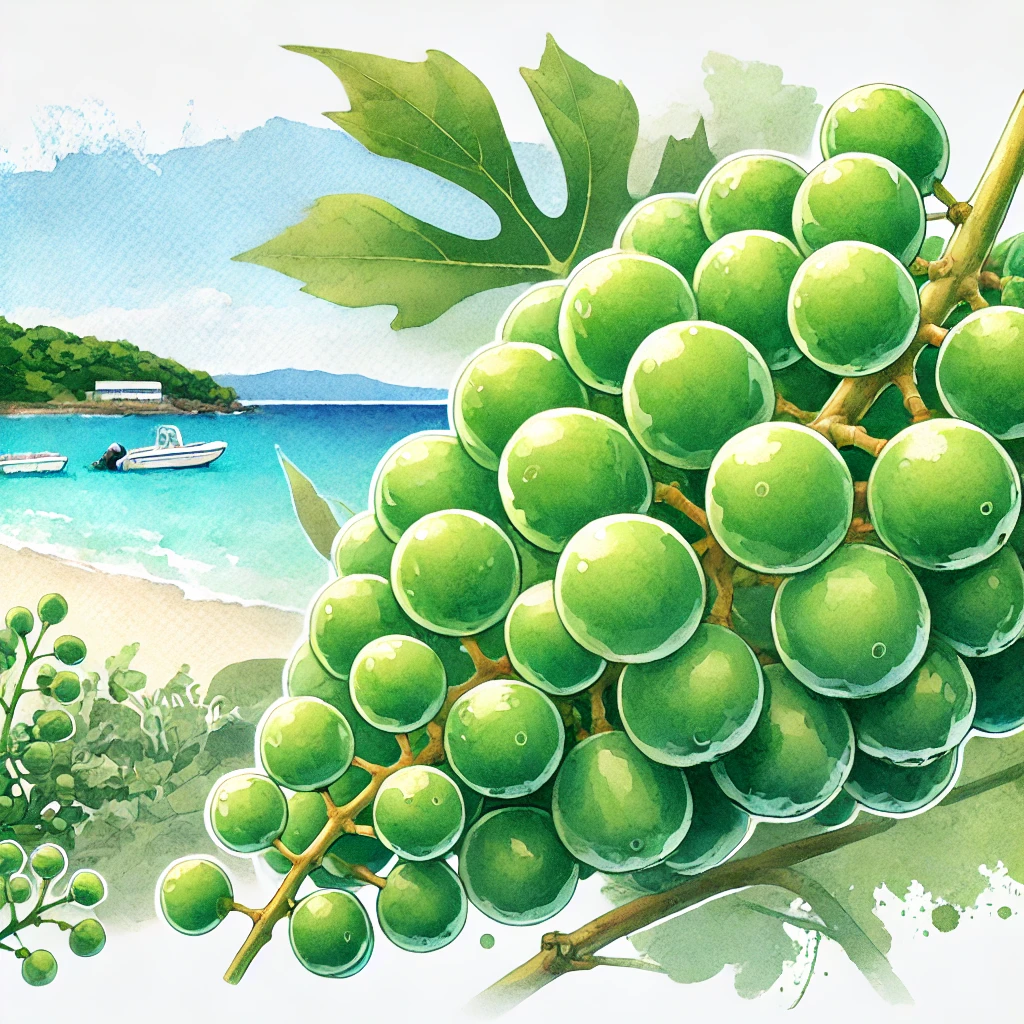
Imagine the crystal-clear blue waters of Okinawa. Beneath the surface, there lies a sight like green jewels scattered across the ocean floor. This is “umibudo,” also known as sea grapes. Once you lay eyes on them, you’ll be captivated and feel an irresistible urge to reach out and touch these enchanting little wonders.
But what exactly is umibudo? Is it really a type of grape? What does it taste like, and how do you eat it? These are common questions that might come to mind. In truth, umibudo is a type of seaweed. Its name is derived from its appearance: tiny beads that resemble a bunch of grapes.
The most alluring aspect of umibudo is its unique texture. When you bite into the tiny beads, they burst in your mouth, releasing a fresh ocean aroma. This distinctive texture and flavor make umibudo unforgettable, earning it the nickname “jewel of Okinawa.”
However, the appeal of umibudo extends beyond its texture. Despite being low in calories, it is rich in minerals and vitamins, making it a highly nutritious food. It’s gaining attention for its beauty benefits and its potential in preventing lifestyle-related diseases. For health-conscious modern individuals, umibudo is the ideal food.
Moreover, umibudo is deeply rooted in Okinawa’s culture and history. This food has been cherished by Okinawans for generations, teaching us the importance of living in harmony with nature and preserving cultural heritage through food. Enjoying umibudo is not just about savoring a delicious meal; it’s a wonderful opportunity to experience Okinawa’s rich culinary culture and natural blessings firsthand.
Today, umibudo is evolving in new and exciting ways. Innovations in sustainable farming techniques and its incorporation into creative culinary dishes are expanding the world of umibudo, blending tradition with innovation.
In this article, we invite you to explore the fascinating world of umibudo. We’ll cover its characteristics, nutritional value, delicious ways to enjoy it, and the latest advancements in its cultivation. Through umibudo, we hope you’ll gain a deeper understanding and appreciation of Okinawa’s allure and its rich food culture. So, let’s embark on a journey to savor the blessings of Okinawa’s sea!
- Introduction
- Features and Allure of Umibudo
- Recommended Ways to Enjoy Umibudo
- How to Obtain and Store Umibudo
- The Current State and Future of Umibudo Farming
- Summary: Savoring the Bounty of Okinawa’s Sea
- Q&A
- Article Summary
Introduction
Among the rich culinary traditions of Okinawa, there is one ingredient that truly stands out: “umibudo,” or sea grapes. The sight of its tiny, emerald-green beads strung together is like gazing at jewels from the sea. This enchanting appearance and the unique sensation of the beads popping in your mouth make umibudo unforgettable once you try it.
If you’ve visited Okinawa, you’ve likely seen umibudo. But how many of you have actually tasted it? In this article, we will delve into the mysterious delights of umibudo, exploring its allure and the best ways to enjoy it.
What is Umibudo?
At first glance, umibudo might resemble caviar, but it is actually a type of seaweed. In Okinawan dialect, it’s also called “umibudu,” and it has been a beloved local delicacy for centuries. Due to its unique shape and texture, it’s now often referred to as “green caviar,” establishing itself as a high-end ingredient.
Scientific Name and Classification of Umibudo
The scientific name of umibudo is “Caulerpa lentillifera.” It belongs to the family Caulerpaceae in the order Bryopsidales of the green algae class. This seaweed thrives in the shallow waters of tropical and subtropical regions.
Due to its distinctive appearance, it’s sometimes called “grape seaweed” because the small, spherical structures (blades) resemble grape clusters. This unique shape not only delights the eyes but also stimulates the appetite, making it a visually appealing food.
Appearance and Unique Shape
Umibudo’s most striking feature is its appearance. Small beads, each about 2-3mm in diameter, grow on thin stems. These beads are translucent and filled with liquid, giving them a glistening look. Their vibrant green color sparkles like jewels under sunlight.
But the beauty of umibudo’s shape is not merely aesthetic. This form has evolved to help the seaweed survive in its underwater habitat. The bead-like structures efficiently absorb nutrients from seawater and are resilient against the forces of ocean currents, preventing easy destruction by waves.
When eaten, these beads burst in your mouth, offering a delightful popping sensation. Along with the fresh scent of the sea, this mild salty flavor is a true representation of the ocean’s bounty.
The Role of Umibudo in Okinawan Food Culture
Umibudo holds a significant place in Okinawa’s food culture. It has been a cherished ingredient among locals for generations and remains indispensable in modern Okinawan cuisine. Its unique texture and flavor symbolize the richness of Okinawa’s marine environment and are loved by many.
Traditional Uses in Okinawan Cuisine
In traditional Okinawan home cooking, umibudo is commonly enjoyed as a simple side dish dressed with soy sauce and vinegar. It’s often served as a refreshing appetizer alongside tofu and other seaweeds. Another popular local dish combines umibudo with “yushi tofu” (soft Okinawan tofu), where the smooth texture of the tofu complements the popping sensation of the umibudo perfectly, allowing diners to fully appreciate the flavors of Okinawa.
Umibudo is also known as a “longevity food.” As Okinawa’s traditional diet gains global recognition for its health benefits, umibudo’s nutritional value is increasingly appreciated. Rich in minerals and vitamins and low in calories, it aligns well with contemporary health-conscious trends.
The Importance of Umibudo in Modern Okinawan Cuisine
In recent years, Okinawan cuisine has gained international attention, and umibudo has become widely recognized for its culinary appeal. Many restaurants within and outside Okinawa now use umibudo as a key ingredient in creative dishes. Its unique texture and beautiful appearance make it a prized addition that enhances the value of any dish.
For example, umibudo-topped salads are featured in high-end hotel restaurants. It is also used as a garnish for sushi and sashimi, adding a colorful and textural contrast to these dishes. New culinary methods are continually emerging, incorporating umibudo into dressings, sauces, and even Western and Chinese cuisines, broadening its application.
In the tourism industry, umibudo plays a crucial role. For visitors to Okinawa, umibudo offers a unique culinary experience that can’t be found elsewhere. Many tourists visit izakayas and eateries specifically to try umibudo, savoring its distinctive flavor as part of their Okinawan adventure.
Thus, umibudo is not only a staple of traditional Okinawan cuisine but also a significant element in modern creative dishes and the tourism industry. Its enduring charm continues to create new value across generations and contexts.
In the next section, we will take a closer look at the characteristics and attractions of umibudo. From its unique texture and nutritional value to the special taste cultivated by the Okinawan sea, we will explore what makes this seaweed so special. By deepening your understanding of umibudo, you will be able to enjoy this remarkable ingredient even more.
Features and Allure of Umibudo
Umibudo, a gift from the Okinawan sea, captivates many with its unique appearance, delightful texture, and rich nutritional value. Here, we will delve into the distinct characteristics and allure of umibudo. Whether you’re a first-timer or a devoted fan, there’s always something new to discover about this fascinating seaweed.
Distinctive Appearance and Texture
The most striking features of umibudo are undoubtedly its appearance and texture. Its visual appeal and the unique sensation it creates in the mouth offer a special experience unlike any other food.
The Secret Behind the Popping Texture
When you first bite into umibudo, the popping sensation is surprising and delightful. This texture comes from the structure of umibudo itself.
Each tiny bead of umibudo is actually a small sac filled with seawater. When bitten, the sac bursts, releasing its liquid content into your mouth. This “pop” creates the distinctive texture that makes umibudo so special.
This texture is not only fun but also transports the fresh scent and flavor of the sea with each bite. Eating umibudo allows you to experience a piece of the Okinawan ocean every time you enjoy it.
This texture also plays an important role in culinary applications. For instance, pairing umibudo with the smooth texture of tofu or sashimi creates a wonderful contrast, enhancing the overall dining experience.
Visual Appeal: The Green Jewel
Umibudo’s allure goes beyond its texture. Its beautiful appearance is another significant feature.
The bright green, translucent beads strung together truly look like “green jewels” of the sea. Under sunlight, each bead sparkles, resembling real gems.
This striking appearance enhances the visual appeal of dishes. When umibudo is presented on a white plate, it creates an eye-catching impact that stimulates the appetite. On social media platforms like Instagram, photos of dishes featuring umibudo are popular, highlighting its visual charm.
Moreover, the vibrant green color of umibudo adds a rich visual contrast to dishes. For example, pairing it with red tuna or white fish creates a colorful and appealing presentation.
In this way, umibudo stimulates our senses even before we taste it, heightening our anticipation and enjoyment of this special food.
Nutritional Value of Umibudo
The appeal of umibudo extends beyond its appearance and texture. It is also a highly nutritious food, making it especially valued in today’s health-conscious society.
Mineral-Rich Gift from the Sea
As a type of seaweed, umibudo absorbs a wealth of minerals from seawater. It is particularly rich in the following minerals:
- Calcium: Essential for bone and tooth formation, muscle contraction, and nerve transmission.
- Magnesium: Important for energy metabolism and maintaining muscle function.
- Iron: A key component of hemoglobin in the blood, essential for oxygen transport.
- Iodine: Necessary for the production of thyroid hormones, which regulate metabolism.
These minerals are often lacking in typical diets, but eating umibudo can efficiently supply them. Notably, the balance of calcium and magnesium in umibudo is ideal, enhancing calcium absorption in the body.
Additionally, the iodine content in umibudo is believed to contribute to the longevity of Okinawans. Iodine is crucial for maintaining thyroid function and regulating metabolism.
Low-Calorie, High-Nutrition Superfood
Another significant feature of umibudo is its low calorie yet high nutritional value. It contains approximately 20 kilocalories per 100 grams, making it a very low-calorie food.
In addition to being low in calories, umibudo contains the following nutrients:
- Dietary fiber: Promotes a healthy gut, preventing constipation and reducing the risk of colon cancer.
- Vitamin C: Has antioxidant properties, boosts immune function, and promotes healthy skin.
- Vitamin K: Important for blood clotting and bone formation.
- Folate: Aids in cell regeneration and helps prevent anemia.
These nutrients are often deficient in modern diets. Regular consumption of umibudo can help to efficiently supplement these essential nutrients.
Furthermore, umibudo contains chlorophyll, a type of polyphenol, which has antioxidant properties that can help eliminate active oxygen in the body. This contributes to anti-aging and the prevention of lifestyle-related diseases.
Thus, umibudo is an excellent food, providing a balanced supply of essential nutrients while being low in calories. It is an ideal ingredient for those focused on diet and health maintenance.
The Jewel Cultivated by Okinawan Seas
The allure of umibudo is not limited to its nutritional value and texture. The unique taste and quality of umibudo come from its cultivation in the special environment of Okinawa’s seas.
Relationship Between Growing Environment and Quality
The optimal environment for growing umibudo is shallow waters with temperatures between 20 and 30 degrees Celsius. The seas around Okinawa meet these conditions perfectly. The warm climate and abundant sunlight throughout the year create ideal conditions for umibudo cultivation.
Key factors include:
- Water temperature: Proper temperatures promote the growth of umibudo.
- Sunlight: Sufficient sunlight boosts photosynthesis in umibudo, enhancing its vibrant green color.
- Clean seawater: Pristine seawater ensures the quality and safety of umibudo.
- Ocean currents: Appropriate currents carry nutrients to umibudo, supporting healthy growth.
These optimal conditions in Okinawa’s seas ensure the highest quality of umibudo.
Cultivating umibudo also requires advanced techniques. Okinawan umibudo farmers, with years of experience and expertise, have succeeded in producing top-quality umibudo. Meticulous management of water temperature and quality, along with precise harvesting timing, are critical factors that determine the quality of umibudo.
The Impact of Okinawa’s Marine Environment
Okinawa’s marine environment imparts a unique flavor to umibudo. Several factors contribute to this:
- Mineral-rich seawater: The abundant minerals in Okinawa’s seawater enhance the nutritional value and taste of umibudo.
- Presence of coral reefs: Coral reefs filter the seawater, purifying it and providing a clean environment for umibudo growth.
- Diverse marine ecosystem: Okinawa’s rich marine ecosystem balances micronutrients in the seawater, contributing to the complex flavor of umibudo.
- Influence of the Kuroshio Current: The nutrient-rich waters of the Kuroshio Current boost the growth and quality of umibudo.
These factors combine to give Okinawa’s umibudo a unique taste that cannot be replicated elsewhere.
Moreover, Okinawa’s marine environment supports the sustainable production of umibudo. The rich marine ecosystem naturally maintains conditions suitable for umibudo cultivation, enabling the sustainable production of high-quality umibudo without excessive human intervention.
Thus, umibudo is a food deeply connected to Okinawa’s marine environment. Enjoying its taste and quality also means experiencing the rich natural blessings of Okinawa.
The unique texture, appearance, rich nutritional value, and special flavor cultivated by Okinawa’s sea make umibudo more than just a food item. It is a representative product of Okinawa with significant value.
In the next section, we will explore the history and cultural background of umibudo, understanding how this fascinating food has been positioned within Okinawa’s culinary culture and its historical significance.
Recommended Ways to Enjoy Umibudo
To fully appreciate the charm of umibudo, it’s important to know the best ways to eat it. Here, we will introduce various ways to enjoy umibudo, from traditional methods to modern creative recipes. By trying these methods, you can savor the diverse appeal of umibudo to the fullest.
Traditional Way: Enjoying Umibudo Raw
The most basic and popular way to eat umibudo is raw. This method allows you to experience the pure flavor and texture of umibudo at its best.
Simple with Soy Sauce and Vinegar
The most common way to enjoy umibudo in Okinawa is by seasoning it with soy sauce and vinegar. This simple preparation method brings out the best in umibudo.
Ingredients:
- Fresh umibudo
- Soy sauce
- Vinegar (Okinawan vinegar made from awamori is often used)
Preparation:
- Lightly rinse the umibudo with water and drain.
- Place the umibudo in a small bowl.
- Mix soy sauce and vinegar in a 1:1 ratio and prepare it in a separate small bowl.
- Dip the umibudo in the soy sauce and vinegar mixture before eating.
This simple seasoning highlights the natural flavor of umibudo. The salty umami of the soy sauce and the acidity of the vinegar perfectly complement the fresh sea aroma of the umibudo. Additionally, dipping umibudo enhances its popping texture.
The key is the balance of soy sauce and vinegar. While 1:1 is recommended, you can adjust it to your taste. Adding a pinch of Okinawan salt can deepen the flavor even more. This way of eating umibudo is commonly seen in izakayas. When visiting Okinawa, be sure to try it with awamori at a local izakaya. The refreshing taste of umibudo makes it an excellent appetizer for alcoholic beverages.
Perfect Match with Shima Dofu
Another popular way to enjoy umibudo is pairing it with “shima dofu” (island tofu), a well-known Okinawan dish. Shima dofu has a firmer texture and less water content compared to regular tofu, which pairs wonderfully with the popping texture of umibudo.
How to combine shima dofu and umibudo:
- Cut shima dofu into 1-2 cm cubes.
- Arrange the shima dofu on a plate and place the umibudo on top.
- Prepare the soy sauce and vinegar mixture in a separate small bowl.
- Pick up the shima dofu and umibudo together and dip them in the seasoning before eating.
The charm of this combination lies in the contrasting textures. The firm texture of shima dofu and the popping texture of umibudo create a delightful harmony in your mouth. Additionally, the mild flavor of shima dofu complements the slight saltiness of umibudo, resulting in a more complex and satisfying taste.
Nutritionally, this combination is also excellent. The protein in shima dofu and the minerals in umibudo complement each other, making it a balanced dish. For an extra touch, you can top the combination with chopped green onions or bonito flakes. The aroma of green onions and the umami of bonito flakes add even more depth to the flavor.
Creative Uses in Modern Cuisine
The appeal of umibudo extends beyond traditional preparations. Recently, many creative recipes have emerged that utilize the unique texture and flavor of umibudo. Here are some modern ways to enjoy umibudo.
Umibudo Salad Ideas
Umibudo works wonderfully as a salad ingredient. Its vibrant green color and unique texture add a new dimension to salads. Here are a few umibudo salad ideas.
Umibudo and Avocado Salad
Ingredients (serves 2):
- 50g umibudo
- 1 avocado
- 1 tomato
- 2-3 lettuce leaves
- 1 tablespoon olive oil
- 1 tablespoon lemon juice
- A pinch of salt
- A pinch of black pepper
Instructions:
- Tear the lettuce into bite-sized pieces and soak in water to make it crisp.
- Remove the skin and pit from the avocado and cut it into 1cm cubes.
- Cut the tomato into 1cm cubes.
- In a bowl, combine the umibudo, avocado, and tomato. Add the olive oil, lemon juice, salt, and pepper, and gently mix.
- Drain the lettuce and place it on a plate. Top with the umibudo mixture and serve.
The appeal of this salad lies in the contrast between the textures of umibudo and avocado. The popping texture of umibudo and the creamy texture of avocado match perfectly. The acidity of the tomato adds a refreshing touch, completing the salad.
Umibudo and Seafood Salad
Ingredients (serves 2):
- 50g umibudo
- 6 boiled shrimp
- 50g boiled squid
- 1/2 cucumber
- 1/4 onion
- 2 tablespoons mayonnaise
- 1 teaspoon vinegar
- A pinch of salt
- A pinch of pepper
Instructions:
- Peel and devein the shrimp. Cut the squid into bite-sized pieces.
- Thinly slice the cucumber and sprinkle with salt. Let it sit until it softens, then squeeze out the excess water.
- Thinly slice the onion and soak in water, then squeeze out the water.
- In a bowl, mix mayonnaise, vinegar, salt, and pepper to make the dressing.
- Combine the umibudo, shrimp, squid, cucumber, and onion in a bowl. Add the dressing and mix gently.
- Serve in a dish and enjoy.
This salad is a luxurious dish that makes full use of seafood. The texture and flavor of umibudo enhance the umami of shrimp and squid. The mayonnaise-based dressing smooths out the overall taste, while the vinegar adds a refreshing finish.
These salads are excellent examples of creative dishes that showcase the appeal of umibudo in new ways. Adjust the quantities and other ingredients to suit your taste. Adding seasonal vegetables or fruits can create even more variations.
Umibudo Tempura
Surprisingly, umibudo also makes a delicious tempura. The crispy batter encloses the popping texture of umibudo, offering a unique taste experience.
Ingredients (serves 2):
- 100g umibudo
- 100g tempura flour
- 150ml cold water
- Oil for frying
- A pinch of salt
Instructions:
- Lightly drain the umibudo.
- In a bowl, mix the tempura flour with cold water to make the batter.
- Heat the oil to 180 degrees Celsius.
- Dip the umibudo in the batter and fry for 1-2 minutes.
- Remove when golden brown and drain the oil.
- Serve on a plate with a pinch of salt.
The key to enjoying umibudo tempura is to keep the batter thin. A thin batter allows you to savor the original texture and flavor of umibudo. Also, avoid over-frying to maintain the vibrant green color and popping texture. Although commonly eaten with salt, umibudo tempura can also be enjoyed with ponzu sauce or tartar sauce. It’s a popular party appetizer because of its surprising texture and unique taste.
Easy Recipe: Umibudo Sunomono
Here is a simple and refreshing dish using umibudo: umibudo sunomono (vinegared dish). This easy-to-make dish allows you to fully enjoy the charm of umibudo in a short time.
Ingredients and Preparation
Ingredients (serves 4):
- 100g umibudo
- 1 cucumber
- 5g dried wakame
- 3 tablespoons vinegar
- 1 tablespoon sugar
- 1/2 teaspoon salt
- 1 teaspoon white sesame seeds
Preparation:
- Desalt the umibudo and drain.
- Thinly slice the cucumber, sprinkle with salt (not included in ingredients), let it soften, then squeeze out the excess water.
- Soak the wakame in water to rehydrate, then cut into bite-sized pieces.
- Mix the vinegar, sugar, and salt in a small bowl to make the dressing.
Instructions
- In a bowl, combine the drained umibudo, cucumber, and wakame.
- Add the dressing and gently mix.
- Serve in a dish and sprinkle with white sesame seeds.
This simple recipe is appealing for its ease and refreshing taste. While sunomono is a staple of Japanese home cooking, adding umibudo provides a richer texture and flavor.
Tips for Variation
You can enjoy various variations based on this basic recipe. Here are some ideas:
- Add crab sticks: Adding finely shredded crab sticks enhances the flavor and color.
- Add myoga: Adding thinly sliced myoga adds a refreshing aroma and taste.
Adding chopped shiso leaves gives a Japanese herbal flavor. - Drizzle with sesame oil: Adding a few drops of sesame oil provides a nutty aroma and deeper taste.
- Serve with yuzu kosho: Adding a bit of yuzu kosho adds a spicy and citrusy kick.
Feel free to try these variations according to the season and your preferences. Also, adjust the balance of the dressing’s acidity and sweetness to your liking.
Umibudo sunomono is popular as a refreshing side dish, especially in summer. It also pairs well with alcoholic beverages, particularly cold sake or shochu.
The charm of this recipe lies in bringing out the natural umami and texture of umibudo through simple preparation. Additionally, it’s a low-calorie, nutrient-rich dish, making it ideal for health-conscious individuals.
Umibudo sunomono is an example of fusion cuisine, combining traditional Japanese cooking techniques with Okinawan ingredients. Through this dish, you can enjoy the fusion of Japan’s traditional culinary culture and Okinawa’s unique food culture.
These are just a few ways to enjoy umibudo. From traditional methods to creative recipes, umibudo offers a wide range of culinary delights. Explore these methods and find your favorite way to enjoy umibudo. Through umibudo, we hope you can experience and enjoy the rich food culture of Okinawa.
In the next section, we will explore how to obtain and store umibudo. Ensuring fresh umibudo and storing it properly will allow you to enjoy it at its best.
How to Obtain and Store Umibudo
To fully enjoy the deliciousness of umibudo, it’s essential to obtain fresh umibudo and store it properly. Here, we will provide detailed information on how to get umibudo both within and outside Okinawa, as well as tips for maintaining its freshness through proper storage methods.
Purchasing Umibudo in Okinawa
When visiting Okinawa, there are numerous ways to obtain fresh umibudo. You can find it at local markets, supermarkets, and souvenir shops geared towards tourists.
Getting Umibudo at Local Markets and Supermarkets
Local markets and supermarkets in Okinawa are ideal places to get fresh umibudo. Here are some recommended spots:
- Makishi Public Market in Naha: Located in the heart of Naha, this market is a hub of Okinawan food culture. You can find fresh umibudo and other Okinawan ingredients here. There are also shops specializing in umibudo, offering high-quality products.
- Itoman Market: Known for local fishermen bringing their fresh catch directly to the market, you might find umibudo harvested that very morning.
- Local Supermarket Chains in Okinawa: Stores like San-A, Ryubo Store, and Union offer fresh umibudo, often at reasonable prices. These supermarkets frequently carry locally farmed umibudo known for its freshness and flavor.
When buying umibudo at local markets or supermarkets, keep the following points in mind:
- Check Freshness: Fresh umibudo has a vibrant green color. Avoid those that are brown or yellowish.
- Check Texture: Fresh umibudo should feel firm and slightly elastic. Avoid those that feel sticky or overly soft.
- Check the Source: If possible, choose umibudo farmed within Okinawa for higher freshness and better taste.
- Compare Prices: Prices can vary between stores for the same quality umibudo. It’s worth checking multiple shops for the best deal.
Purchasing Umibudo at Souvenir Shops for Tourists
For tourists visiting Okinawa, buying umibudo at souvenir shops can be convenient. Souvenir shops in tourist areas and airports often sell vacuum-packed umibudo or umibudo with special cooling packs, making it easy to take home.
Here are some recommended spots for buying umibudo at souvenir shops:
- Souvenir Shops on Kokusai Street: Kokusai Street in central Naha has many souvenir shops where you can find a variety of umibudo products.
- Naha Airport Souvenir Shops: These shops offer vacuum-packed umibudo and products with cooling packs, perfect for travel.
- Souvenir Shops near Churaumi Aquarium: The area around the popular Churaumi Aquarium has many shops selling Okinawan seafood products, including umibudo.
When purchasing umibudo at souvenir shops, consider the following points:
- Check Expiration Dates: Especially for vacuum-packed products, always check the expiration date.
- Check Storage Instructions: Different products may require different storage methods. Follow the instructions on the packaging or ask the shop staff.
- Consider Travel Restrictions: Be aware of airline restrictions and the need for cooling during travel.
- Compare Prices: Prices can vary, so it’s a good idea to compare different shops.
Obtaining Umibudo Outside Okinawa
For those living outside Okinawa or wanting to enjoy umibudo after their trip, there are various ways to obtain it. Thanks to the internet, you can now have fresh umibudo delivered to your doorstep from anywhere in the country.
Specialty Stores and Online Shops
You can purchase umibudo from specialty stores or online shops that sell Okinawan products. Here are some recommended options:
- Okinawan Specialty Stores: Major cities like Tokyo and Osaka have stores specializing in Okinawan products. These stores often carry fresh umibudo among other Okinawan foods.
- Okinawan Prefectural Antenna Shops: Shops like “Ginza Washita Shop” in Tokyo or “Okinawa Takarajima Naniwa” in Osaka sell umibudo and other Okinawan products.
- Online Shopping Sites: Major online marketplaces like Amazon and Rakuten offer umibudo from various producers and sellers.
- Direct Sales from Producers: Some umibudo producers in Okinawa sell directly through their websites. Buying directly from producers can ensure fresher umibudo.
When buying umibudo online, keep the following points in mind:
- Check the Seller’s Reliability: Look at reviews and ratings to ensure you’re buying from a trusted seller.
- Check Shipping Methods: As a perishable item, umibudo is usually shipped refrigerated or frozen. Confirm the shipping method and delivery time.
- Compare Prices and Shipping Costs: Prices and shipping fees can vary. Compare them to find the best deal.
- Consider Seasonality: While umibudo is available year-round, demand and prices can rise during the summer.
Transport Methods for Maintaining Freshness
Umibudo is a delicate product, so the method of transportation from the producer to the consumer greatly affects its freshness and quality. Here are some common methods used to maintain freshness:
- Refrigerated Transport with Ice Packs: The most common method. Umibudo is packed with ice packs and insulated materials to keep it cool. This method maintains freshness for 2-3 days.
- Vacuum Packing: By vacuum sealing umibudo, contact with air is minimized, extending its shelf life. Vacuum-packed umibudo can be refrigerated for about a week.
- Flash Freezing: Freshly harvested umibudo is flash-frozen to preserve its freshness and texture for a longer period. Frozen umibudo can be stored for about a month but should be consumed soon after thawing.
- Transport in Special Culture Solution: Some high-end umibudo products are transported in a special culture solution to keep them alive and maintain peak freshness.
These transport methods vary by product and seller. When purchasing, check how the umibudo will be transported to choose the method that best suits your needs.
Temperature control during transport is also crucial. The ideal storage temperature for umibudo is between 5 and 10 degrees Celsius. Choosing a transport method that maintains this temperature will help you enjoy the freshest umibudo possible.
Tips for Maintaining Freshness at Home
Even if you obtain fresh umibudo, improper storage can quickly degrade its quality. Here are tips for keeping your umibudo fresh at home.
Proper Temperature Management
Proper temperature management is critical for maintaining the freshness of umibudo. Follow these tips:
- Ideal Storage Temperature: Store umibudo at 5-10 degrees Celsius to maintain its freshness and texture for the longest time.
- Refrigerator Storage: In a home refrigerator, store umibudo in the vegetable compartment or the lower shelves where the temperature is more stable.
- Avoid Temperature Fluctuations: Frequent temperature changes can degrade umibudo’s quality. Minimize the number of times you open and close the refrigerator.
- Avoid Freezing: Freezing changes umibudo’s texture. Be careful with your refrigerator’s temperature settings.
Temperature Management Tips:
- Put umibudo in the refrigerator as soon as possible after purchase.
- Avoid letting umibudo reach room temperature before storing.
- Keep umibudo away from strong-smelling foods in the refrigerator to prevent it from absorbing odors.
- Only take out the amount you plan to use, and return the rest to the refrigerator immediately.
Storing Umibudo in Salt Water
Storing umibudo in salt water is an effective method to maintain its freshness. Here’s how to do it:
- Prepare Salt Water: Dissolve 30-35 grams of salt in 1 liter of water to create salt water with the same salinity as seawater
.
- Rinse Umibudo: Lightly rinse umibudo with fresh water to remove impurities.
- Place in Container: Put umibudo in a clean storage container.
- Pour in Salt Water: Pour the prepared salt water into the container until umibudo is fully submerged.
- Remove Air: Press lightly to remove any air from the container.
- Cover and Refrigerate: Seal the container tightly and store it in the refrigerator.
This method can keep umibudo fresh for about a week. Note the following:
- If the salt concentration is too low, umibudo will swell; if too high, it will shrink. Maintain the proper concentration.
- Before using, rinse umibudo lightly with fresh water to remove excess salt.
- It’s best to consume umibudo as soon as possible after storing it in salt water.
The advantage of salt water storage is that it preserves the natural texture and flavor of umibudo. Additionally, salt water inhibits bacterial growth, ensuring hygienic storage.
Long-Term Storage Methods
If you need to store umibudo for an extended period, freezing is effective. Here’s how to freeze umibudo:
- Prepare Umibudo: Lightly rinse umibudo with fresh water and drain.
- Portion Umibudo: Divide into portions for easier use. This way, you only defrost what you need.
- Remove Air: Remove as much air as possible before sealing. If using ziplock bags, fill them with umibudo, press out the air, and seal.
- Freeze: Use the quick freeze function if available. Otherwise, set your freezer to the lowest temperature setting.
Frozen umibudo can be stored for 1-2 months. However, the texture will change after thawing, so it’s best used in salads or dressings rather than eating it raw.
To thaw umibudo:
- Transfer the needed portion to the refrigerator to thaw naturally.
- If you need it quickly, submerge the bag in cold water.
- Avoid thawing in the microwave, as it will severely alter the texture.
Storage Tips
Here are some additional tips for storing umibudo effectively:
- Use Clean Containers: Ensure storage containers are thoroughly washed and completely dry.
- Avoid Contact with Other Foods: Umibudo easily absorbs odors, so keep it away from strong-smelling foods.
- Minimize Temperature Fluctuations: Avoid frequent opening and closing of the refrigerator.
- Check Before Use: Always check the color and smell before use. Discard if there is any discoloration or off smell.
- Shelf Life Guidelines:
- Refrigerated (without salt water): 2-3 days
- Refrigerated (with salt water): 5-7 days
- Frozen: 1-2 months
These tips will help you maximize the freshness and enjoyment of your umibudo. Proper acquisition and storage methods will ensure you get the best out of this delightful Okinawan delicacy. Enjoy the rich culinary culture of Okinawa through umibudo right in your home.
In the next section, we will delve into the current state and future of umibudo farming. We will explore how umibudo is produced, the challenges faced, and the efforts towards sustainable farming practices.
The Current State and Future of Umibudo Farming
Umibudo, known for its unique texture and flavor, is a beloved specialty of Okinawa. Once harvested from the wild, umibudo is now primarily produced through aquaculture. Let’s delve into the current state of umibudo farming and explore its future prospects.
The Aquaculture Industry in Okinawa
Umibudo farming has become a significant industry in Okinawa. As the unique taste and texture of umibudo gain appreciation, demand has steadily increased, prompting advancements in farming techniques and expansion of production.
Main Production Areas
The main regions in Okinawa where umibudo is produced include:
- Onna Village: Located in central Okinawa, Onna Village is known as a pioneering area for umibudo farming. The region’s beautiful beaches and clear waters provide an ideal environment for umibudo cultivation.
- Itoman City: Situated in southern Okinawa, Itoman City is another important production area. Known for its rich fishing history, Itoman utilizes traditional fishing knowledge in its aquaculture practices.
- Miyako Island: Located about 300 kilometers southwest of Okinawa Island, Miyako Island is surrounded by stunning coral reefs and pristine waters, making it perfect for high-quality umibudo production.
- Ishigaki Island: As the center of the Yaeyama Islands, Ishigaki Island is also renowned for umibudo production, leveraging its rich natural environment for aquaculture.
Each region employs farming methods that suit its geographical and climatic characteristics. For example, Onna Village uses advanced land-based aquaculture systems, while Miyako and Ishigaki Islands primarily rely on natural marine environments for cultivation.
Characteristics of each production area:
| Region | Characteristics | Main Farming Method |
|---|---|---|
| Onna Village | Advanced farming techniques, high-quality production | Land-based facilities |
| Itoman City | Utilization of traditional fishing knowledge | Marine farming, some land-based farming |
| Miyako Island | Beautiful coral reef environment, high-quality seawater | Primarily marine farming |
| Ishigaki Island | Rich natural environment, Yaeyama brand | Primarily marine farming |
Umibudo produced in these areas has distinct characteristics. For example, umibudo from Onna Village is known for its large, crunchy beads, while Miyako Island’s umibudo has a slightly stronger and richer salty flavor. These regional differences enhance the appeal of umibudo.
Advancements and Challenges in Farming Techniques
Umibudo farming techniques have advanced significantly over the past few decades. Previously harvested from the wild, umibudo can now be produced consistently using sophisticated aquaculture methods.
Main advancements in farming techniques:
- Establishment of Seedling Production Technology: Techniques for producing high-quality seedlings have been developed, allowing for stable production throughout the year.
- Introduction of Water Quality Management Systems: Especially in land-based facilities, systems for monitoring water temperature, salinity, and pH levels have been introduced to maintain optimal growing conditions.
- Use of LED Lighting: Specific wavelengths of LED lighting are used to promote umibudo growth, shortening the growing period and improving quality.
- Improved Nutrient Management: Techniques for supplying necessary nutrients have been refined, allowing for the production of healthier and tastier umibudo.
However, umibudo farming still faces several challenges:
- Impact of Climate Change: Rising seawater temperatures and increased extreme weather events threaten the stability of farming environments, especially for marine farming.
- Pest and Disease Control: As farming scales up, the risk of damage from pests and diseases increases, necessitating sustainable and environmentally friendly control measures.
- Cost Management: Precise environmental management required for high-quality umibudo production involves significant investment in equipment and ongoing operational costs.
- Training of Successors: The advancement of farming techniques requires skilled personnel, highlighting the need to attract and train the next generation of aquaculture professionals.
To address these challenges, the Okinawa Prefecture and local governments, along with farmers, are undertaking various initiatives. For example, the Okinawa Prefectural Department of Agriculture, Forestry, and Fisheries conducts research, development, and technical guidance on umibudo farming, aiming to develop and disseminate new farming technologies.
Some farmers are also adopting smart aquaculture systems using IT and IoT technologies to enable more efficient and stable production.
Efforts Toward Sustainable Umibudo Production
As demand for umibudo grows, establishing sustainable production methods has become a critical issue. Balancing environmental considerations with economic sustainability is key, and various initiatives are being implemented.
Environmentally Conscious Farming Methods
While umibudo farming has a relatively low environmental impact when managed properly, further efforts are being made to enhance sustainability:
- Promotion of Organic Farming: Organic farming practices that avoid chemical fertilizers and pesticides are being promoted, allowing for safe, high-quality umibudo production with minimal environmental impact.
- Introduction of Circular Farming Systems: In land-based facilities, systems for recycling water and reducing waste are being introduced, making efficient use of water resources and minimizing environmental impact.
- Use of Renewable Energy: Efforts are underway to utilize renewable energy sources such as solar and wind power to meet the energy demands of farming facilities. In particular, solar power is being utilized extensively in sunny Okinawa.
- Consideration of Biodiversity: Marine farming practices are managed to minimize impacts on surrounding ecosystems, ensuring coexistence with the local marine environment.
These efforts enable the production of high-quality umibudo with minimal environmental impact. Environmentally conscious farming practices are highly valued by consumers, adding to the product’s appeal and marketability.
Contributions and Challenges to the Regional Economy
Umibudo farming significantly contributes to Okinawa’s regional economy, but addressing several challenges is essential for its sustainable development.
Contributions to the regional economy:
- Job Creation: Umibudo farming generates a wide range of jobs from production to processing and sales, providing vital employment opportunities, especially in Okinawa’s remote islands.
- Integration with Tourism: As a representative product of Okinawa, umibudo attracts tourists. Initiatives like farm tours integrate aquaculture with tourism.
- Development of Related Industries: The advancement of umibudo farming techniques promotes the growth of related industries, including farming equipment manufacturing and logistics.
- Enhancement of Brand Value: High-quality umibudo production contributes to Okinawa’s brand value, positively influencing the perception of other Okinawan products.
Challenges:
- Maintaining Price Competitiveness: Competing with cheaper imported umibudo while balancing quality and price is a challenge.
- Expanding Sales Channels: While production primarily targets the domestic market, exploring international markets is crucial.
- Creating Added Value: Developing new applications for umibudo, such as in cosmetics or health foods, can create additional value.
- Adapting to Climate Change: Developing farming techniques that can withstand the impacts of climate change, such as rising sea temperatures and increased typhoons, is urgent.
To tackle these challenges, various initiatives are being implemented:
- Promoting Branding: Efforts are underway to brand “Okinawa-grown umibudo,” emphasizing its quality and uniqueness.
- Boosting Exports: Export initiatives focus on expanding into Asian markets such as Hong Kong, Taiwan, and Singapore.
- Strengthening Industry-Academia Collaboration: Collaboration with universities and research institutions in Okinawa advances farming technologies and studies the functional properties of umibudo.
- Promoting Sixth Industrialization: Integrating production (primary), processing (secondary), and sales (tertiary) sectors to enhance value and establish a stable business foundation.
These efforts aim to ensure the sustainable development of the umibudo farming industry and further contribute to Okinawa’s regional economy.
We have explored the current state and future of umibudo farming. Having established itself as a prized product of Okinawa, umibudo is expected to continue advancing through technological innovation and sustainability efforts.
Let’s summarize the future prospects of umibudo farming:
- Improving Productivity through Technological Innovation: The introduction of smart farming systems using AI and IoT technologies is expected to enable more efficient and stable production. Automated control systems combining environmental sensors and AI can maintain optimal growth conditions at all times.
- Development of New Varieties: Collaborations between research institutions and farmers are leading to the development of tastier and easier-to-cultivate new varieties. This could result in a broader range of umibudo products that cater to consumer preferences.
- Expanding Overseas Markets: The global popularity of Japanese cuisine and health-conscious trends are expected to drive demand for umibudo abroad, particularly as a premium ingredient for wealthy consumers in Europe, the U.S., and Asia.
- Functional Foods: As research into the nutritional components of umibudo progresses, its potential as a health or functional food may be realized. For example, scientific evidence of its benefits for beauty and prevention of lifestyle diseases could open new market opportunities.
- Environmental Conservation Coexistence: Umibudo farming’s potential contribution to marine environment conservation is gaining attention. Properly managed farms can help purify seawater and absorb CO2, highlighting their role as an environmentally friendly industry.
Umibudo farming is deeply rooted in Okinawa’s natural environment and culture. Its sustainable development not only offers economic benefits but also plays a crucial role in preserving Okinawa’s natural environment and cultural heritage. Consumers, by enjoying umibudo, contribute to the growth of this sustainable industry.
In the next section, we will reflect on how umibudo impacts Okinawa’s culinary culture and spirituality, and its future role in Okinawan cuisine. By exploring umibudo, we aim to deepen our understanding of Okinawa’s charm and enjoy its rich culinary culture.
Umibudo is more than just a food ingredient. It is a blessing from the Okinawan sea, a testament to human ingenuity and technique, and a vital industry for Okinawa’s future. When savoring umibudo, consider the history, culture, and the many efforts behind it, and you will experience a deeper taste and greater appreciation.
When visiting Okinawa, be sure to taste fresh umibudo locally. When purchasing as a souvenir, pay attention to the production area and farming methods. Each region and producer offers unique flavors and characteristics. Find your favorite umibudo and fully enjoy the rich culinary culture of Okinawa.
Summary: Savoring the Bounty of Okinawa’s Sea
Throughout this discussion, we have explored the multifaceted appeal of umibudo (sea grapes). From its unique texture and flavor to its nutritional value and deep cultural and historical connections with Okinawa, the allure of umibudo is undeniable. In this section, we will reflect on what umibudo teaches us about Okinawa’s spirit and its role in the future of Okinawan culinary culture.
The Spiritual Significance of Umibudo in Okinawa
Umibudo is more than just a food ingredient; it is a reflection of the lifestyle, culture, and spirituality of the Okinawan people.
Okinawa’s Values of Harmony with Nature
The presence of umibudo symbolizes the Okinawan spirit of living in harmony with nature. Here are some of the values that umibudo represents:
- Gratitude for Nature’s Bounty: As a gift from the sea, umibudo embodies the deep gratitude Okinawans have for nature. This aligns with the traditional Okinawan belief in “Nirai Kanai,” a mythical paradise beyond the sea, which bestows blessings upon the people.
- Sustainable Living Practices: The methods of cultivating and using umibudo reflect Okinawan wisdom in making efficient use of resources without waste. This reflects the sustainable lifestyle unique to island communities.
- Balanced Diet: The nutritional balance of umibudo contributes significantly to the longevity of Okinawans, emphasizing the importance of harmony between body and environment in their culinary culture.
- The Spirit of “Ichari Bachoode”: This Okinawan phrase means “Once we meet, we are brothers and sisters.” Sharing umibudo with guests reflects this spirit of hospitality and connection.
These values offer important lessons for modern society, reminding us of the significance of coexisting with nature and leading sustainable lifestyles. Through umibudo, we can reappreciate these essential principles.
The Importance of Cultural Preservation Through Food
Umibudo plays a crucial role in preserving and passing down Okinawan culinary traditions to future generations. Here are some aspects of cultural preservation through umibudo:
- Preserving Traditional Flavors: The traditional ways of enjoying umibudo, such as with soy sauce and vinegar, help pass down Okinawan culinary heritage to the next generation.
- Educational Material for Food Culture: Learning about the cultivation and preparation of umibudo provides an excellent opportunity to teach children about Okinawa’s natural environment and food culture.
- Source of Regional Pride: Known nationwide as a specialty product, umibudo instills pride in local residents and encourages younger generations to take an interest in their cultural and industrial heritage.
- Strengthening Family and Community Bonds: Enjoying umibudo together with family and friends strengthens connections and deepens community ties.
Thus, umibudo is more than just a food ingredient; it holds significant cultural value. Enjoying umibudo offers a unique opportunity to connect with the culture, history, and values of Okinawa.
The Future Role of Umibudo in Okinawan Culinary Culture
While umibudo represents traditional Okinawan culinary culture, it also holds potential for the future. Let’s consider the future role of umibudo in Okinawan cuisine.
Rising Prominence as a Health Food
With growing health consciousness, the nutritional value of umibudo is increasingly gaining attention. Here are some potential aspects of umibudo as a health food:
- Low-Calorie, Nutrient-Rich: Umibudo is low in calories yet rich in minerals and vitamins, making it a perfect fit for modern health-conscious lifestyles.
- Beauty Benefits: Umibudo contains collagen and antioxidants, known to benefit skin health, thus gaining popularity among young women.
- Prevention of Lifestyle Diseases: The dietary fiber and various minerals in umibudo help prevent lifestyle diseases, making it appealing to those aiming for a long and healthy life.
- Potential as a Superfood: With its high nutritional value, umibudo is being recognized as a superfood, potentially gaining further attention in the global health food market.
As research on its health benefits advances and scientific evidence accumulates, the value of umibudo is expected to rise further. This traditional Okinawan food could become a modern solution to health needs.
Umibudo as a Flagship of the Okinawa Brand
Umibudo is establishing itself as a flagship product of Okinawa. It is expected to play a key role in enhancing the Okinawa brand globally. Here are some potential roles:
- A Highlight for Inbound Tourism: Umibudo attracts foreign tourists visiting Okinawa with its unique appearance and texture, often becoming a photogenic food that shines on social media.
- Symbol of Okinawan Culture: As a symbol of Okinawa’s marine bounty, umibudo helps promote the region’s natural environment and cultural background to the world.
- Development as a Premium Ingredient: With proper quality control and marketing strategies, umibudo could be marketed as a premium ingredient in international markets, especially in high-end restaurants abroad.
- Innovation in Food Products from Okinawa: Developing new food products using umibudo, such as supplements and beauty products, could highlight Okinawan food innovation on the global stage.
Achieving these potentials requires thorough quality control, sustainable production systems, and effective marketing strategies. With the concerted efforts of the Okinawa prefecture, producers, and research institutions, umibudo can elevate the value of the Okinawa brand.
In Conclusion: Savoring Okinawa Through Umibudo
We have explored the various aspects of umibudo, from its unique texture and flavor to its nutritional value and deep cultural connections. Umibudo is indeed a remarkable food with endless appeal.
Enjoying umibudo is not just about savoring a delicious meal; it is about experiencing the rich natural and cultural heritage of Okinawa. The next time you taste umibudo, remember these insights for a deeper and more meaningful experience.
Whenever possible, visit Okinawa to taste fresh umibudo. Through umibudo, you can experience the rich culinary culture of Okinawa and the warm hospitality of its people.
Here are some tips for enjoying umibudo:
- Choose fresh umibudo that is vibrant green and firm.
- Try the basic preparation with soy sauce and vinegar before exploring various culinary adaptations.
- Pair umibudo with Okinawan awamori for an excellent combination.
- Understand proper storage methods to keep umibudo fresh.
- Try umibudo from different production areas to appreciate their unique characteristics.
Umibudo is a special ingredient that allows you to directly savor the blessings of Okinawa’s sea. Each bead embodies the natural bounty and the heartfelt efforts of the Okinawan people. By enjoying umibudo, you deepen your understanding of Okinawa’s charm and contribute to preserving its rich culinary culture.
Are you ready to dive into the fascinating world of umibudo? New discoveries and delightful experiences await. Experience the wonders of Okinawa through umibudo and share this journey with others, helping to preserve and pass down Okinawa’s culture and traditions to future generations.
Umibudo serves as a bridge connecting Okinawa’s past, present, and future. May this little green gem add a new dimension of joy to your life.
Q&A
What is the best way to store umibudo?
The best way to store umibudo is in a refrigerator at a temperature of 5-10 degrees Celsius. Storing it in saltwater can keep it fresh for about a week. To do this, prepare saltwater with 30-35 grams of salt per liter of water and fully submerge the umibudo. Rinse it lightly with fresh water before eating.
What are the nutritional benefits and health effects of umibudo?
Umibudo is a low-calorie, nutrient-rich food. It contains abundant minerals such as calcium, magnesium, iron, and iodine, as well as dietary fiber and vitamins C and K. These nutrients support bone health, boost the immune system, enhance beauty, and help prevent lifestyle diseases. Additionally, the polyphenols in umibudo have antioxidant properties, contributing to anti-aging effects.
How can umibudo be enjoyed deliciously?
The most common way to enjoy umibudo is with soy sauce and vinegar, which highlights its natural flavor and texture. It is also popular to pair umibudo with shima-dofu (island tofu). Creative dishes include umibudo as a salad topping or in tempura. Additionally, umibudo can be prepared in simple vinegar dishes for a refreshing taste. Experiment with various preparations to find your favorite way to enjoy umibudo.
Can fresh umibudo be purchased outside of Okinawa?
Yes, fresh umibudo can be purchased outside of Okinawa. You can find it at Okinawan specialty stores in major cities, Okinawa’s antenna shops, and online shopping sites like Amazon and Rakuten. Some producers also sell directly through their websites. When purchasing, check the seller’s reliability, shipping methods, and delivery times to ensure freshness. Umibudo is typically shipped refrigerated or frozen.
What efforts are being made to ensure the sustainability of umibudo farming?
Various efforts are being made to enhance the sustainability of umibudo farming. These include promoting organic farming without chemical fertilizers or pesticides, implementing circular farming systems to reuse water and reduce waste, and using renewable energy sources like solar power. Additionally, appropriate management of farm locations and sizes helps minimize the impact on surrounding ecosystems. The introduction of smart farming systems utilizing AI and IoT technologies also aims to establish more efficient and sustainable production methods. These efforts ensure the stable supply of high-quality umibudo while being environmentally friendly.
Article Summary
Umibudo, often referred to as the jewels of Okinawa’s sea, captivate many with their unique popping texture and refreshing ocean flavor. This article has delved into the characteristics, nutritional benefits, delicious ways to enjoy, and cultural significance of umibudo in Okinawa.
Umibudo is a healthy food that is low in calories yet rich in minerals and vitamins. It contains abundant minerals like calcium, magnesium, and iodine, and is valued for its potential beauty benefits and role in preventing lifestyle diseases.
The ways to enjoy umibudo range from the simplest preparation with soy sauce and vinegar to creative culinary applications. Its pairing with shima-dofu is particularly popular in Okinawan cuisine.
Umibudo farming has become an important industry in Okinawa, with various efforts underway to establish sustainable production methods. These include promoting organic and circular farming systems and introducing smart farming technologies to ensure the stable supply of high-quality umibudo while minimizing environmental impact.
Umibudo represents more than just a food ingredient; it embodies the Okinawan spirit of harmony with nature and the importance of cultural preservation through food. As its role in modern health trends grows and it solidifies its place as a flagship Okinawan product, umibudo is set to play a crucial role in the future of Okinawan cuisine.
Enjoying umibudo offers a wonderful opportunity to experience Okinawa’s rich culinary culture and natural bounty. Seek out fresh umibudo, savor its unique qualities, and deepen your appreciation for Okinawa’s heritage through this special food.


コメント