
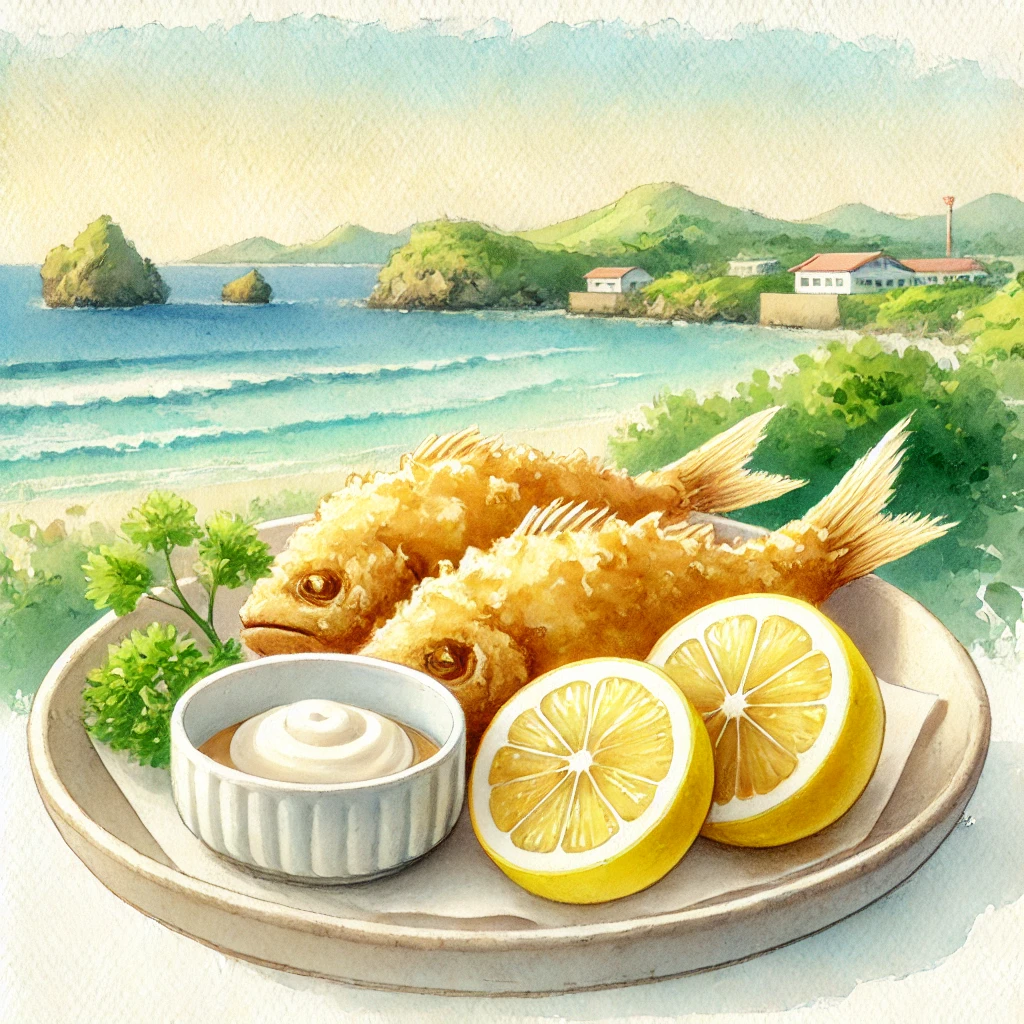
- The Jewel of Okinawa’s Seas: Gurukun
- Embark on a Journey into the World of Gurukun
- Introduction: The Bounty of Okinawa’s Sea, Gurukun
- The Characteristics and Nutritional Value of Gurukun
- Gurukun Fry: A Staple of Okinawan Cuisine
- How to Make Gurukun Fry
- Enjoying Gurukun Fry
- The Relationship Between Gurukun and the People of Okinawa
- The Diversity of Gurukun Dishes
- Gurukun: A Pillar of Okinawan Culinary Culture
- Q&A
- Summary
The Jewel of Okinawa’s Seas: Gurukun
Gurukun, often referred to as the jewel of Okinawa’s seas, is much more than just a beautiful fish gliding gracefully through the emerald-green waters. Its stunning appearance is like a living work of art, but the true allure of Gurukun extends far beyond its physical beauty.
More Than Just a Fish: Gurukun in Okinawan Culture
To the people of Okinawa, Gurukun is more than just a fish—it’s an integral part of their daily lives and traditions. This delicious fish graces everyday meals, bringing color and flavor to the dining table, and also plays a key role in ceremonies and celebrations, making it an irreplaceable treasure in Okinawan culture. Gurukun embodies the richness of Okinawa’s culinary heritage, representing the island’s deep connection with nature and its time-honored traditions.
The Culinary Delight of Gurukun Fry
Imagine the moment when you take a bite of perfectly fried Gurukun, with a squeeze of fresh lemon. The crispy exterior gives way to a tender, juicy interior, offering a taste that captures the essence of Okinawa’s abundant seas. One bite and you’re instantly transported to the blue waters of Okinawa, with a refreshing sensation that sweeps through your entire body.
Beyond Frying: The Versatility of Gurukun
But Gurukun’s appeal doesn’t stop at frying. This versatile fish can be enjoyed in a myriad of ways—whether as sashimi, grilled with salt, in miso soup, or even in innovative new dishes. Each preparation reflects the wisdom and creativity of the Okinawan people, showcasing their ability to blend tradition with innovation.
Nutritional Powerhouse: The Health Benefits of Gurukun
What’s even more remarkable is the exceptional nutritional value hidden behind Gurukun’s deliciousness. High in protein, low in fat, and rich in vitamins and minerals, Gurukun is the perfect ingredient that balances flavor with health. It’s no exaggeration to say that Gurukun is an ideal food, offering both culinary pleasure and nutritional benefits.
Gurukun: A Symbol of Okinawan Spirit and Heritage
The story of Gurukun doesn’t end here. This fish also embodies the Okinawan spirit of living in harmony with nature and the strong determination to preserve and pass on cultural traditions.
In this article, we’ll explore every facet of Gurukun’s charm. Whether you’ve visited Okinawa before or are simply dreaming of the island, you’re sure to discover something new as you read on.
Embark on a Journey into the World of Gurukun
So why not dive into the world of Gurukun, the jewel of Okinawa’s seas? Its delightful flavors and profound cultural significance are sure to captivate you. Your journey into the heart of Okinawan food culture, through the lens of Gurukun, begins now.
Introduction: The Bounty of Okinawa’s Sea, Gurukun
When discussing the rich culinary culture of Okinawa, one cannot overlook the significance of Gurukun. Surrounded by the breathtaking emerald-green waters, Okinawans have long cherished the gifts of the sea. Among these treasures, Gurukun stands out as one of the most beloved fish that regularly graces the tables of Okinawan households.
In this article, we’ll dive deep into the allure of Gurukun, particularly focusing on one of Okinawa’s signature dishes, Gurukun Fry. We’ll explore the appeal of this dish, the recipe, and its cultural importance within Okinawa’s food heritage. Whether you’re a fan of Okinawan cuisine, a lover of fish dishes, or planning a trip to Okinawa, this content is a must-read for you.
What is Gurukun?
When you hear the name Gurukun, what kind of fish do you imagine? In fact, Gurukun is the Okinawan term for a fish that is known as “Takazago” in standard Japanese. It’s a highly popular fish caught in Okinawan waters, so much so that it has even been designated as the official fish of Okinawa Prefecture.
The Official Name and Characteristics of Gurukun
The scientific name of Gurukun is “Pterocaesio digramma.” It belongs to the family Caesionidae and is typically 20 to 30 centimeters in length. One of its most striking features is its vibrant coloration. The upper half of its body is a beautiful blue-green, while the lower half is a silvery-white, with a yellow line running along its sides. This vivid color palette makes it a standout in the clear waters of Okinawa.
The flavor of Gurukun is characteristic of white-fleshed fish, with a light, clean taste that is easy to enjoy. The flesh is slightly tender, making it perfect for frying or deep-frying, where the outside becomes crispy while the inside remains fluffy and juicy.
Habitat of Gurukun in Okinawan Waters
Gurukun thrives in the warm waters surrounding Okinawa, stretching from southern Japan to Southeast Asia and northern Australia. It is especially common around coral reefs, where it tends to swim in schools.
In Okinawan waters, Gurukun can be found throughout the year, but it is especially prized during the summer to autumn months, when its flesh is said to be at its firmest and most delicious.
Gurukun is an omnivorous fish, primarily feeding on plankton and small fish. This diet contributes to its delicate, mild flavor, making it a favorite among locals and visitors alike.
The Role of Gurukun in Okinawan Culinary Culture
Gurukun is not only a delicious fish but also deeply intertwined with Okinawan culinary culture and history. For the people of Okinawa, Gurukun is a staple on the everyday dining table and is also cherished as a dish for special occasions.
Historical Significance in Traditional Home Cooking
Gurukun holds a central place in Okinawan home cooking, with a history that dates back to the Ryukyu Kingdom era. Back then, it was a valuable source of protein for the common people.
Gurukun Fry, in particular, has long been a beloved dish in Okinawan households. Its simple preparation and the fact that it appeals to people of all ages make it a frequent guest at the dinner table.
In addition to being fried, Gurukun is also used in “Gurukun Soup,” a traditional dish where the fish is simmered in miso broth. This dish has been a staple in Okinawan homes, offering a taste of comfort and tradition.
Moreover, Gurukun is an essential ingredient in festive meals. For example, during the “Jūgoya” celebration on the 15th of the lunar calendar’s eighth month, dishes made with Gurukun are often served. Thus, Gurukun is deeply rooted in the daily life and special traditions of the Okinawan people.
A Beloved Dish Among Tourists
In recent years, as Okinawa has grown in popularity as a tourist destination, Gurukun dishes have also become a hit with visitors. Gurukun Fry, in particular, is a dish that offers a quick and authentic taste of Okinawa, making it a favorite among tourists.
You can find Gurukun on the menu at almost every izakaya or diner in Okinawa. For tourists, it represents a quintessential culinary experience, offering a true taste of Okinawan culture.
Gurukun is also popular as a souvenir. Dried or canned products made from Gurukun are widely available, allowing visitors to take a piece of Okinawa’s flavor home with them.
Thus, Gurukun plays a dual role in Okinawa: it is both a cornerstone of traditional home cooking and a must-try for tourists. This duality is one reason why Gurukun remains an essential part of Okinawan culinary culture.
Okinawan cuisine has evolved uniquely due to its geographical characteristics and historical background. Within this context, Gurukun is not just another fish species; it symbolizes the way of life and culture of the Okinawan people.
Through dishes like Gurukun Fry, we can experience the richness of Okinawan food culture and the deep appreciation the Okinawan people have for the bounty of the sea. Next, we’ll delve deeper into the unique characteristics and nutritional value of Gurukun. Let’s continue our journey into the heart of Okinawan cuisine.
The Characteristics and Nutritional Value of Gurukun
Gurukun, often referred to as the jewel of Okinawa’s sea, is not only visually stunning but also plays a vital role in the healthy diets of Okinawans. Its unique flavor and rich nutritional content make it an indispensable ingredient in Okinawan cuisine. Here, we’ll explore Gurukun’s appearance, taste, and the impressive nutritional benefits it offers.
Appearance and Taste of Gurukun
Gurukun is a fish that, once seen, is hard to forget due to its striking colors and distinctive shape. Watching a school of Gurukun swim through the crystal-clear waters of Okinawa is truly a sight to behold.
Vibrant Colors and Distinctive Shape
Gurukun’s most notable feature is its beautiful coloration. The upper half of its body is a bright blue-green, almost as if it reflects the very waters of Okinawa. The lower half is a shimmering silver-white that gleams when it catches the light. A yellow stripe runs along its sides, further enhancing its striking appearance.
The fish has an elongated, spindle-shaped body, typically measuring between 20 and 30 centimeters. It has a slightly small head with large eyes, perfect for spotting and capturing plankton. The deeply forked tail fin is designed for swift swimming, making Gurukun an agile predator.
Gurukun’s scales are small and rough to the touch, but they are easy to remove during preparation, making it a convenient fish to cook at home.
Delicate Flavor of a White-Fleshed Fish
Gurukun’s flavor is characterized by the clean, light taste typical of white-fleshed fish. The flesh is tender, with a subtle yet distinct umami that shines when prepared fresh. When eaten raw, Gurukun offers a delicate sweetness that pairs beautifully with the fresh, briny aroma of the sea.
Different cooking methods bring out various aspects of Gurukun’s flavor. When fried, the fish develops a crispy, savory crust that contrasts with its soft, juicy interior. Grilling it with salt highlights its natural umami, while serving it as sashimi allows you to appreciate its pure, refined taste and texture.
One of the reasons Gurukun is so widely enjoyed by people of all ages is its lack of a strong, fishy odor, a trait attributed to its diet of plankton. This mild flavor makes Gurukun a versatile ingredient that can be enjoyed in many different dishes.
Despite its richness in healthy fats, Gurukun maintains a clean, light taste. This is due to the high quality of the fats it contains, particularly DHA and EPA, which are known for their health benefits. These unsaturated fatty acids not only enhance the flavor but also contribute to the fish’s reputation as a healthy food.
Nutritional Content and Health Benefits
Gurukun is not only beautiful and delicious but also a nutritional powerhouse. It contains a variety of essential nutrients that are vital for maintaining good health.
High Protein, Low Fat
One of Gurukun’s most significant nutritional highlights is its high protein and low-fat content. A 100-gram serving of Gurukun contains about 20 grams of protein, which is approximately one-third of the daily recommended intake for an average adult.
Protein is essential for building and repairing tissues, including muscles, bones, skin, and blood. It is also crucial for the production of enzymes and hormones. A diet rich in protein is vital for maintaining muscle mass, boosting immunity, and promoting healthy skin.
On the other hand, Gurukun is relatively low in fat, with only about 2 to 3 grams per 100-gram serving. This is notably low compared to many other fish. Despite its low-fat content, the quality of fat in Gurukun is exceptionally high. The fish is rich in unsaturated fats like DHA and EPA, which are known to reduce the risk of heart disease and stroke.
This nutritional profile makes Gurukun an attractive choice for those who are conscious of their health. High-protein, low-fat foods are particularly beneficial for individuals who are on a diet or involved in strength training.
Rich in Vitamins and Minerals
In addition to protein and healthy fats, Gurukun is also packed with various vitamins and minerals.
One of the most noteworthy is its vitamin D content. A 100-gram serving of Gurukun contains approximately
400 to 600 IU of vitamin D, nearly 100% of the recommended daily intake. Vitamin D is essential for calcium absorption and bone health. It also plays a role in boosting the immune system and may reduce the risk of certain cancers.
Gurukun is also rich in B vitamins, particularly vitamin B12, with around 5 micrograms per 100 grams, more than twice the daily recommended intake. Vitamin B12 is crucial for red blood cell formation and maintaining healthy nervous system function.
As for minerals, Gurukun is an excellent source of calcium and phosphorus, both of which are important for bone and dental health. It also contains a significant amount of iron, which helps prevent anemia.
Additionally, Gurukun provides trace minerals like selenium and iodine. Selenium has antioxidant properties that help reduce oxidative stress in the body, while iodine is necessary for the production of thyroid hormones.
These vitamins and minerals are present in a well-balanced manner, making Gurukun an efficient way to meet your nutritional needs.
The high nutritional value of Gurukun is considered one of the secrets to the longevity of the Okinawan people. Okinawa is renowned worldwide as a region with a high population of centenarians, and the consumption of nutrient-rich fish like Gurukun plays a crucial role in their long, healthy lives.
Indeed, fish like Gurukun occupy a central place in Okinawa’s traditional diet. Regular consumption of these nutrient-dense foods ensures a well-balanced diet that supports overall health and well-being.
Gurukun’s nutrients also contribute to beauty and wellness. For example, the protein, vitamin D, and B vitamins in Gurukun support healthy hair, nails, and skin. DHA and EPA help maintain skin hydration and reduce inflammation.
Incorporating Gurukun into your daily diet is a delicious way to support a healthy lifestyle.
Maximizing Nutritional Benefits Through Various Cooking Methods
The versatility of Gurukun in the kitchen allows you to maximize its nutritional benefits. For instance, vitamin D is fat-soluble, so cooking methods that use oil, such as frying or sautéing, can help you absorb this nutrient more effectively. On the other hand, water-soluble vitamins like the B vitamins are best retained when Gurukun is prepared in soups or stews.
It’s also important to note that Gurukun is best enjoyed fresh, as its quality can deteriorate quickly. When selecting Gurukun, look for fish with clear eyes, vibrant gills, and firm, springy flesh. These are indicators of freshness and high quality.
Experimenting with different cooking methods—whether frying, grilling, simmering, or serving it raw—can help you fully appreciate the rich flavors and health benefits of Gurukun.
Lastly, it’s worth mentioning the importance of sustainable practices when it comes to consuming Gurukun. As an important resource in Okinawa, there are concerns about overfishing and environmental changes impacting Gurukun populations. Sustainable management and environmental protection are essential to ensure that future generations can continue to enjoy Gurukun.
Okinawa Prefecture is actively working on resource management and developing aquaculture technologies to preserve Gurukun stocks. As consumers, we can contribute to sustainability by being mindful of when and how much Gurukun we consume.
By understanding Gurukun’s characteristics and nutritional value, you can enjoy this remarkable fish even more. Next time, we’ll delve into the reasons behind the popularity of Gurukun Fry and share tips on how to prepare this delicious dish at home. Be sure to savor the bounty of Okinawa’s sea in your own kitchen!
Gurukun Fry: A Staple of Okinawan Cuisine
When it comes to dishes that are essential to Okinawan dining, Gurukun Fry is one of the first that comes to mind. This dish is not only a staple in Okinawan home cooking but has also become a favorite among tourists visiting the island. In this article, we’ll explore the charm of Gurukun Fry, its preparation methods, and its significance in Okinawa’s rich food culture.
Why Gurukun Fry is So Popular
There are several reasons why Gurukun Fry is so beloved in Okinawa and why it continues to draw the admiration of many. Let’s take a closer look at what makes this dish so special.
The Perfect Balance of Simplicity and Flavor
The main reason for Gurukun Fry’s widespread popularity lies in its perfect balance of simplicity and deliciousness.
First, let’s talk about its simplicity. Gurukun is a relatively small fish, and after removing the internal organs, it can be fried whole, making it an easy dish to prepare. The minimal preparation required makes it accessible even to those who might be intimidated by cooking fish. The frying process itself is straightforward, involving nothing more than coating the fish in batter and frying it, making it a foolproof recipe even for beginners.
Additionally, Gurukun’s bones are soft enough to eat, meaning the whole fish can be enjoyed without the hassle of deboning, making it a convenient choice for all ages—from children to the elderly.
On the other hand, the flavor of Gurukun Fry is something to be savored. The white flesh of the Gurukun, with its moderate fat content, results in a fry that is both juicy and refreshing. The contrast between the crispy, golden exterior and the soft, tender interior adds to the dish’s appeal.
Moreover, Gurukun’s mild flavor pairs well with a variety of seasonings, making it a versatile dish. In Okinawa, it’s commonly enjoyed with simple seasonings like salt, lemon, or ponzu, but it can also be paired with tartar sauce, sweet and sour sauce, or other condiments for added variety. This adaptability is another reason why Gurukun Fry is loved by such a wide range of people.
A Dish Enjoyed by All Ages
One of the reasons Gurukun Fry is so beloved in Okinawa is its ability to appeal to people of all ages, from children to adults.
The mild taste of Gurukun itself, characterized by the clean, light flavor of white fish, is a key factor in its broad appeal. Even children who might typically shy away from fish can often enjoy Gurukun without hesitation. Frying the fish adds a savory aroma and crispy texture, making it even more palatable.
For children, concerns about dealing with fish bones or a fishy smell can make them reluctant to eat fish. However, with Gurukun Fry, these issues are minimized. As mentioned earlier, the soft bones can be eaten along with the fish, eliminating the need to pick them out. Additionally, frying the fish helps to reduce any fishy odor, making it more approachable for young eaters.
For adults, Gurukun Fry is equally satisfying. The light yet slightly fatty flesh of Gurukun pairs wonderfully with Okinawan beverages like beer or awamori. The crispiness from frying adds a layer of flavor complexity that adults can truly appreciate.
Nutritionally, Gurukun Fry is also commendable. Rich in protein and containing beneficial fatty acids like DHA and EPA, it’s a dish that appeals to health-conscious individuals as well.
Thus, Gurukun Fry strikes a harmonious balance in taste, texture, and nutrition, making it a dish that is beloved across generations. Its enduring popularity as a family dish is a testament to its universal appeal in Okinawan homes.
Traditional Preparation Methods and Modern Twists
Gurukun Fry, while rooted in traditional Okinawan cooking techniques, has evolved over time to include various modern adaptations. Let’s explore both the traditional methods and contemporary variations of this beloved dish.
Traditional Cooking Methods
The traditional preparation of Gurukun Fry is simple yet designed to bring out the natural flavors of the fish.
The process begins with selecting fresh Gurukun. In Okinawan markets or fish shops, you can find freshly caught Gurukun, often brought in that very morning. Fresh Gurukun will have clear eyes, bright red gills, and firm, resilient flesh with a vibrant color.
The next step is to prepare the fish. Start by removing the internal organs, a quick process involving inserting a finger behind the head and along the belly to pull out the guts. Afterward, rinse the fish thoroughly with water and pat it dry with a towel.
Once the fish is prepped, it’s time to season it with salt and a splash of sake. This step not only eliminates any residual fishy smell but also helps to firm up the flesh.
Before frying, the Gurukun is lightly dusted with flour. This helps the batter adhere better to the fish. Then, it’s dipped in beaten egg and coated with breadcrumbs.
Fry the fish in oil heated to 170–180°C for about 3–4 minutes, depending on the size of the Gurukun. When the exterior turns a golden brown and the fish is cooked through, it’s ready to serve.
The finished Gurukun Fry is usually drained on kitchen paper to remove excess oil. Traditionally, it’s enjoyed with a simple seasoning of salt, lemon, or ponzu, which highlights the delicate flavor of the fish.
This traditional method emphasizes simplicity, allowing the natural taste of Gurukun to shine through. The light seasoning and straightforward preparation make it easy to appreciate the tender white flesh and subtle richness of the fish.
Creative Takes on Gurukun Fry
In recent years, chefs and home cooks alike have introduced creative variations to Gurukun Fry, bringing new flavors and presentations to the traditional dish. These innovations have helped to popularize Gurukun Fry even further, making it accessible and appealing to a broader audience.
One of the most common modern twists involves experimenting with different sauces. While the traditional seasonings like salt, lemon, and ponzu remain popular, many now enjoy Gurukun Fry with tartar sauce, chili sauce, or sweet and sour glaze. These sauces complement the mild taste of the fish, adding new dimensions of flavor that appeal to contemporary palates.
Another creative variation is in the batter. Some cooks swap out the usual breadcrumbs for coconut flakes or mix Okinawan salt into the batter to add unique flavors and textures. Some restaurants even use purple sweet potato powder in the breadcrumbs to create a visually striking purple crust, offering a dish that’s not only delicious but also visually stunning.
Gurukun Fry has also found its way into various fusion dishes. For example, finely chopped Gurukun Fry might be used as a topping for taco rice, a popular Okinawan dish, or as a filling in sandwiches. These creative uses expand the role of Gurukun Fry beyond a standalone dish, incorporating it into a variety of culinary contexts.
The size and presentation of Gurukun Fry have also seen innovation. While traditionally served whole, some variations include cutting the fish into smaller pieces for bite-sized fish fries or using larger Gurukun to create a more substantial meal.
Lastly, health-conscious adaptations have gained popularity, such as baking Gurukun instead of deep-frying or using an air fryer to reduce the calorie content while still achieving a crispy finish. These methods allow people to enjoy the nutritional benefits of Gurukun in a lighter, healthier way.
These creative interpretations of Gurukun Fry have allowed it to transcend its traditional roots, evolving into a dish that is both timeless and contemporary. By combining tradition with innovation, Gurukun Fry continues to be a beloved part of Okinawan cuisine, enjoyed by locals and visitors alike.
Gurukun Fry is more than just a simple dish; it’s a symbol of Okinawa’s deep culinary heritage. Its simplicity, deliciousness, and appeal across generations make it a versatile dish that fits perfectly in both everyday meals and on restaurant menus popular with tourists.
By respecting traditional methods while embracing new ideas, Gurukun Fry will undoubtedly remain a central part of Okinawan food culture. When visiting Okinawa, be sure to try Gurukun Fry at various restaurants to experience its diverse flavors. It’s also a dish that’s easy to prepare at home, allowing you to bring a taste of Okinawa into your own kitchen.
Through Gurukun Fry, you can truly appreciate the richness of Okinawa’s culinary traditions and the islanders’ deep respect for the bounty of the sea. In the next installment, we’ll delve into the specifics of how to make Gurukun Fry at home. Why not bring a little bit of Okinawa’s flavor into your kitchen?
How to Make Gurukun Fry
Gurukun Fry is a beloved dish in Okinawan cuisine, cherished for its simplicity and incredible flavor. We’ve already explored its appeal and popularity, but now let’s dive into the actual process of making this iconic dish. Whether you’re looking to recreate the taste of Okinawa at home or simply want to try a new recipe, this guide will walk you through the steps, from selecting the right ingredients to mastering the cooking techniques.
Ingredients and Preparation
To make a delicious Gurukun Fry, selecting high-quality ingredients is key. Let’s take a closer look at the ingredients you’ll need, how to choose them, and the necessary preparation steps.
Selecting Fresh Gurukun
The freshness of the fish is the most critical factor in determining the taste of your Gurukun Fry. Here are some tips for selecting the freshest Gurukun:
1. **Eyes**: Fresh Gurukun has clear, bulging eyes. Avoid fish with cloudy or sunken eyes, as these are signs of diminished freshness.
2. **Gills**: Look for bright red gills. If the gills are brownish or gray, the fish is likely not fresh.
3. **Firmness**: Gently press the fish; it should bounce back immediately. If the flesh leaves an indentation, the fish is not as fresh.
4. **Surface Sheen**: Fresh Gurukun has a shiny, glossy surface. Dull or discolored skin indicates lower quality.
5. **Smell**: Fresh fish should have a clean, sea-like smell. A strong, fishy odor is a sign of spoilage.
If you’re in Okinawa, fresh Gurukun is readily available at local markets and fish shops. For those living elsewhere, consider looking for specialty stores that import fresh seafood from Okinawa, or explore online options to have fresh fish delivered to your door. If you can’t find Gurukun, substitutes like mackerel, whiting, or small red snapper can provide a similar texture and flavor.
Essential Ingredients and Tools
Here’s a list of the ingredients and tools you’ll need to make Gurukun Fry:
**Ingredients:**
1. **Salt**: Used to season the Gurukun before frying. Sea salt is recommended for an authentic taste.
2. **Sake**: Used for both seasoning the fish and adding to the batter.
3. **All-purpose Flour**: Coats the fish before it’s dipped in egg.
4. **Eggs**: Used in the batter to help the breadcrumbs adhere to the fish.
5. **Breadcrumbs**: Adds the final layer of crunch to the fry.
6. **Cooking Oil**: Choose a neutral oil like canola or cottonseed oil for frying.
**Tools:**
1. **Bowls**: For washing the fish and preparing the batter.
2. **Colander**: To drain the fish after washing.
3. **Kitchen Paper Towels**: For patting the fish dry.
4. **Knife**: For cleaning and preparing the fish.
5. **Cutting Board**: A stable surface for preparing the fish.
6. **Deep Frying Pan or Tempura Pot**: Choose a deep pan suitable for frying.
7. **Chopsticks or Tongs**: For turning the fish while frying.
8. **Thermometer**: To accurately measure the oil temperature.
9. **Slotted Spoon**: For removing the fried fish from the oil.
With these ingredients and tools ready, you’re well-equipped to create a restaurant-quality Gurukun Fry at home. Fresh fish and the right equipment will help you achieve the crisp, flavorful results that make this dish a favorite.
Step-by-Step Cooking Instructions
Now that you’re prepared, let’s go through the detailed steps for cooking Gurukun Fry, from the initial preparation to the final fry.
Preparing the Gurukun
1. **Wash the Gurukun**:
Begin by rinsing the Gurukun thoroughly under cold running water. This will remove any surface slime or scales.
2. **Remove the Innards**:
Make a cut along the belly of the fish and remove the internal organs. Use your fingers or a small knife to gently scrape out the guts, being careful not to rupture the gallbladder, which can impart a bitter taste if broken.
3. **Remove the Gills**:
Pull out the gills from the head of the fish. Be sure to remove any blood or tissue around the gill area to prevent any unpleasant taste.
4. **Drain and Dry**:
Place the cleaned fish in a colander to drain, then pat it dry with kitchen paper towels. Removing excess moisture is crucial for achieving a crisp fry.
5. **Season the Fish**:
Sprinkle the Gurukun with salt and a splash of sake. Let it rest for about 10 minutes. This step enhances the flavor and helps firm up the flesh.
Breading and Frying the Gurukun
1. **Prepare the Breading Station**:
– Place the flour in one bowl.
– In another bowl, beat the eggs with a little sake.
– Spread the breadcrumbs out on a plate.
2. **Coat the Fish**:
– Lightly dust the seasoned Gurukun with flour, shaking off any excess.
– Dip the fish into the egg mixture, ensuring it is fully coated.
– Finally, roll the fish in the breadcrumbs, pressing gently to ensure an even coating.
3. **Fry the Fish**:
– Heat the oil in a deep frying pan or tempura pot to 170–180°C.
– Carefully lower the breaded Gurukun into the hot oil.
– Fry for 3–4 minutes. Adjust the cooking time based on the size of the fish. The exterior should turn a golden brown, indicating that the fish is done.
4. **Drain the Oil**:
– Use a slotted spoon to remove the fried Gurukun from the oil. Place the fish on kitchen paper towels to drain any excess oil.
Following these steps carefully will result in a Gurukun Fry that is crispy on the outside and juicy on the inside, capturing the essence of this traditional Okinawan dish.
Tips for Perfecting Your Gurukun Fry
To ensure your Gurukun Fry is as delicious as possible, here are some tips and tricks that will elevate your dish to the next level.
Managing the Oil Temperature
One of the most critical factors in achieving a perfect fry is managing the oil temperature. Here’s how to do it:
1. **Maintain the Right Temperature**:
The ideal frying temperature for Gurukun is between 170–180°C. Maintaining this temperature is crucial. If the oil is too cool, the coating will absorb too much oil and become greasy; if it’s too hot, the exterior may burn before the fish is fully cooked.
2. **Use a Thermometer**:
For precise temperature control, use a cooking thermometer. If you don’t have one, you can test the oil by dipping a wooden chopstick into it—if small bubbles form around the chopstick, the oil is ready.
3. **Avoid Overcrowding**:
Frying too many pieces at once can lower the oil temperature, resulting in a soggy coating. Fry in small batches, about 2–3 pieces at a time.
4. **Let the Oil Reheat**:
After frying each batch, give the oil a moment to return to the correct temperature before adding more fish.
Finishing Touches for Maximum Flavor
Enhance the flavor of your Gurukun Fry with these finishing touches:
1. **Salt**:
Sprinkle the fried Gurukun with a pinch of salt while it’s still hot. This allows the salt to adhere better, enhancing the overall flavor. Using Okinawan sea salt can give the dish an authentic touch.
2. **Lemon**:
Serve the Gurukun with a wedge of lemon on the side. A squeeze of fresh lemon juice adds a bright, tangy contrast to the rich flavor of the fried fish.
3. **Ponzu**:
A popular option in Okinawa, serving Gurukun Fry with ponzu sauce combines the citrusy tang of ponzu with the savory flavor of the fish, creating a delightful balance.
4. **Tartar Sauce**:
Recently, tartar sauce has become a popular accompaniment for Gurukun Fry. If you make your own tartar sauce, it can elevate the dish even further.
5. **Garnish with Fresh Herbs**:
Garnishing with chopped parsley or myoga (Japanese ginger) adds a fresh, aromatic touch and brightens up the presentation.
By following these tips, you can create a Gurukun Fry that is not only delicious but also beautifully presented. Managing the oil temperature and choosing the right seasonings will ensure that your dish is crispy, flavorful, and satisfying.
Gurukun Fry also makes a great dish for meal prep. While it’s best enjoyed fresh, it can also be served cold and still taste delicious. This makes it a popular choice for bento boxes and is even a regular feature in Okinawan school lunches.
Moreover, there are countless ways to enjoy Gurukun Fry. After mastering the basic recipe, you can experiment with different variations, such as topping the fried fish with sweet and sour sauce for a “Gurukun Sweet and Sour,” or chopping it up and mixing it with tartar sauce for a “Gurukun Fry Tartar Salad.” The possibilities are endless, allowing you to create new dishes based on this Okinawan classic.
Gurukun Fry is a dish that truly embodies the essence of Okinawan home cooking. Its delicious taste, ease of preparation, and nutritional benefits make it a favorite among many. We hope this
guide inspires you to try making it yourself and bring a taste of Okinawa to your own kitchen. Your family and friends are sure to love it.
Experiencing Okinawan food culture through dishes like Gurukun Fry is a wonderful way to connect with the island’s rich heritage and the wisdom of its people. We hope you enjoy making and savoring this dish, and in doing so, gain a deeper appreciation for the bounty of Okinawa’s seas.
Enjoying Gurukun Fry
Gurukun Fry is a quintessential dish in Okinawan cuisine, loved for its simplicity and versatility. Its appeal lies in its straightforward yet flavorful taste, along with the numerous ways it can be enjoyed. Whether you’re cooking at home or visiting Okinawa, this guide will help you make the most of your Gurukun Fry experience, enhancing both its flavor and the joy of eating it.
Perfect Pairings: Sides and Condiments
While Gurukun Fry is delicious on its own, pairing it with the right sides and condiments can elevate the dish to new heights. Here, we’ll explore the best accompaniments that complement the flavors of Gurukun Fry, making your meal even more enjoyable.
Classic Side Vegetables
Gurukun Fry pairs wonderfully with a variety of vegetables. Here are some of the best options to consider:
1. **Cabbage**:
The most popular side for Gurukun Fry is finely shredded cabbage. Its crisp texture and fresh flavor provide a perfect contrast to the fried fish. Additionally, cabbage is rich in dietary fiber, which helps to reduce the absorption of fats from fried foods, making it a healthy complement to your meal.
**Preparation Tip**: Soak the shredded cabbage in cold water and then drain it well. This will keep the cabbage crisp and refreshing for a longer time.
2. **Lemon**:
Though technically a fruit, lemon is an essential companion for Gurukun Fry. A squeeze of lemon juice adds a refreshing acidity that cuts through the richness of the fried fish, enhancing its flavor. Additionally, the vitamin C in lemon helps with the absorption of iron found in Gurukun.
**Serving Tip**: Instead of just serving lemon wedges, you can pre-squeeze the juice and serve it in a small dish for easy drizzling.
3. **Tomato**:
Fresh tomatoes add a burst of color and a hint of sweetness and acidity that complements the flavor of Gurukun Fry. Tomatoes also contain lycopene, an antioxidant that can help reduce oxidative stress, which is particularly beneficial when eating fried foods.
**Presentation Tip**: Cut the tomatoes into wedges or use cherry tomatoes for a visually appealing plate.
4. **Salad Greens**:
Lettuce, salad greens, or other leafy vegetables add a refreshing crunch and lightness to your meal. Their high water content helps cleanse the palate, making them a perfect balance to the richness of the fry.
**Preparation Tip**: Tear the lettuce by hand rather than cutting it with a knife. This helps maintain its freshness and appearance.
5. **Grated Daikon**:
Grated daikon radish is a traditional accompaniment that adds a mild, peppery flavor and a refreshing texture to the dish. It’s also known for its digestive enzymes, which aid in breaking down the fats from the fry.
**Preparation Tip**: Grate the daikon just before serving to ensure it retains its fresh taste. Over time, grated daikon can become more pungent.
6. **Island Shallots (Shima Rakkyo)**:
Shima Rakkyo, a local Okinawan vegetable, pairs excellently with Gurukun Fry. Its crunchy texture and unique flavor bring out the best in the fish. Rich in fiber, it’s also a healthy choice.
**Serving Tip**: While Shima Rakkyo is often eaten raw, lightly pickling it in salt and vinegar can enhance its flavor and make it more palatable.
By combining these side vegetables, you can create a balanced and flavorful meal that enhances the enjoyment of Gurukun Fry. Additionally, using seasonal vegetables allows you to enjoy the freshest and most flavorful produce available.
Recommended Condiments and Sauces
Gurukun Fry is incredibly versatile when it comes to condiments and sauces. Here are some recommended options that pair perfectly with this dish:
1. **Salt**:
The simplest and most classic seasoning is a good-quality salt. A pinch of fine sea salt enhances the natural flavors of Gurukun without overpowering them. For an authentic Okinawan experience, use salt harvested from Okinawan seawater.
**Usage Tip**: Sprinkle the salt over the fish while it’s still hot from the fryer. This helps the salt adhere to the surface and enhances the flavor.
2. **Ponzu**:
In Okinawa, it’s common to enjoy Gurukun Fry with ponzu sauce. The combination of citrusy acidity and the umami of soy sauce pairs beautifully with the fried fish. While store-bought ponzu is convenient, making your own with Okinawan citrus fruits like Shikuwasa adds a local touch.
**Homemade Ponzu Recipe**: Mix 100 ml of Shikuwasa juice, 50 ml of soy sauce, 25 ml of mirin, and 5 g of bonito flakes. Let it sit overnight, then strain the bonito flakes before serving.
3. **Tartar Sauce**:
Tartar sauce has become a popular addition to Gurukun Fry in recent years. Its creamy texture and tangy flavor complement the crispy, savory fish. While store-bought tartar sauce is convenient, making it at home can enhance the flavor.
**Homemade Tartar Sauce Recipe**: Combine 2 boiled eggs (chopped), 2 tablespoons of finely chopped pickles, 2 tablespoons of minced onion, 100 g of mayonnaise, and a pinch of salt and pepper.
4. **Sweet and Sour Sauce**:
Drizzling sweet and sour sauce over Gurukun Fry offers a delicious twist. The tangy sweetness of the sauce contrasts beautifully with the savory, crispy fish.
**Sweet and Sour Sauce Recipe**: Combine 100 ml water, 50 ml vinegar, 3 tablespoons sugar, and 2 teaspoons soy sauce in a pan. Bring to a boil, then thicken with a cornstarch slurry (1 tablespoon cornstarch mixed with 2 tablespoons water).
5. **Mayonnaise**:
Pairing Gurukun Fry with mayonnaise adds a creamy richness that balances the crispy texture of the fish. For a bit of a kick, mix in some wasabi to create a wasabi-mayo blend.
**Flavored Mayo Tip**: Mix 1 teaspoon of wasabi with 2 tablespoons of mayonnaise to add a spicy twist.
6. **Chili Sauce**:
For those who enjoy a bit of heat, chili sauce is an excellent choice. Its spiciness complements the savory flavors of Gurukun. While store-bought chili sauce is readily available, making your own allows you to adjust the heat level to your preference.
**Homemade Chili Sauce Recipe**: Sauté 2 deseeded chili peppers, 1 garlic clove, and 1/4 onion (all finely chopped) in 1 tablespoon olive oil. Add 4 tablespoons ketchup, 1 tablespoon vinegar, and 1 teaspoon sugar, and simmer until thickened.
Experimenting with these condiments and sauces allows you to enjoy different flavors each time you serve Gurukun Fry. For a fun dining experience, serve a selection of sauces and let your guests mix and match to discover their favorite combinations.
Enjoying Gurukun Fry at the Okinawan Table
Gurukun Fry plays a central role in many Okinawan households, where it’s enjoyed in various ways. Here, we’ll explore some traditional and modern ways to enjoy this beloved dish in an Okinawan setting.
A Dish for Family Gatherings
Gurukun Fry is more than just food; it’s a dish that brings families together, embodying the spirit of Okinawan culture.
1. **Family-Style Dining**:
In Okinawa, Gurukun Fry is often served on a large platter for the family to share. This communal style of eating reflects the Okinawan value of “Yuimaru” (mutual aid). Sharing food from a common plate strengthens family bonds and fosters a sense of togetherness.
**Serving Tip**: Arrange the Gurukun Fry in the center of a large plate and surround it with the side vegetables. Serve condiments like lemon slices and tartar sauce in small bowls on the side.
2. **Accompanied by Traditional Music**:
In some Okinawan homes, the meal is accompanied by the sound of the sanshin, a traditional Okinawan musical instrument. Listening to Okinawan folk music while enjoying Gurukun Fry adds a cultural depth to the dining experience.
**Atmosphere Tip**: Even if you don’t have a sanshin, playing Okinawan folk music as background music can help create an authentic ambiance.
3. **Paired with Awamori**:
Adults often enjoy Gurukun Fry with Awamori, a traditional Okinawan distilled spirit. The rich flavor of Awamori pairs beautifully with the crispy, savory fish.
**Serving Tip**: Awamori is typically served at room temperature, either straight or on the rocks. It can also be enjoyed with a splash of water or as a warm drink.
4. **As a “Kusu” (Side Dish)**:
In Okinawa, meals typically consist of a bowl of rice accompanied by various “kusu” (side dishes). Gurukun Fry is a perfect example of an ideal “kusu,” offering both flavor and nutrition.
**Eating Tip**: Cut the Gurukun Fry into bite-sized pieces and enjoy it with rice for a more traditional Okinawan eating experience.
5. **As a “Numa-Mun” (Snack)**:
Gurukun Fry is also enjoyed as a snack during relaxed family time, whether in the evening or on a lazy afternoon. In this context, it’s often paired with beer or Awamori.
**Enjoyment Tip**: Allow the Gurukun Fry to cool to room temperature before serving as a snack for a different flavor experience.
As a Snack or Bento Box Addition
Beyond family meals, Gurukun Fry is also a versatile dish that can be enjoyed as a snack or included in a bento box. Here’s how you can make the most of it in different settings:
1. **As an Izakaya-Style Snack**:
In Okinawan izakayas (pubs), Gurukun Fry is a staple snack. You can recreate this izakaya atmosphere at home.
**Serving Tip**: Serve a small portion of Gurukun Fry on a small plate with a wedge of lemon and a dollop of tartar sauce. Pair it with a glass of Awamori or Orion Beer (a popular Okinawan beer) for an authentic experience.
2. **In Bento Boxes**:
Gurukun Fry is a popular choice for bento boxes because it remains tasty even when cold. It’s a common sight in Okinawan school lunches.
**Packing Tip**: Place a sheet of kitchen paper under the fry to absorb excess oil. Include a lemon wedge for a fresh touch that can be squeezed just before eating.
3. **For Picnics**:
When enjoying a picnic on Okinawa’s beautiful beaches, Gurukun Fry is a must-have dish.
**Transport Tip**: After frying, let the Gurukun cool to room temperature, then wrap it in aluminum foil and a paper towel to keep it crispy during transport.
4. **As Party Food**:
Gurukun Fry is also a hit at home parties. Cutting it into smaller pieces makes it easy to eat.
**Serving Tip**: Serve bite-sized pieces of Gurukun Fry with toothpicks for easy handling. Offer a variety of dipping sauces, such as tartar and sweet chili, to cater to different tastes.
5. **As a Late-Night Snack**:
For those late-night cravings, leftover Gurukun Fry from the fridge can be a satisfying snack.
**Reheating Tip**: Instead of microwaving, which can make it soggy, reheat the fry lightly in a toaster oven to regain its crispiness.
6. **As an Ingredient in Other Dishes**:
Gurukun Fry can also be repurposed into other dishes. For example, flake the fry and mix it with tartar sauce to make a sandwich filling, or chop it up and add it to a salad for added protein and flavor.
**Creative Tip**: Try using flaked Gurukun Fry in a taco rice dish, a popular Okinawan fusion dish. It adds a unique twist to this already delicious meal.
Gurukun Fry is truly a versatile dish, adaptable to various occasions and settings. Whether enjoyed fresh or repurposed into new dishes, it always offers a delightful surprise in flavor and presentation.
Moreover, enjoying Gurukun Fry offers a window into the rich food culture and history of Okinawa. Discussing the origins of the fish, the fishing practices in Okinawan waters, or the reasons behind Gurukun’s popularity in Okinawan cuisine can make your meal even more meaningful and enjoyable.
This dish might also inspire you to explore other Okinawan specialties, such as Goya Champuru, Rafute, or Soki Soba. Starting with Gurukun Fry, you might find yourself diving deeper into the world of Okinawan cuisine.
Gurukun Fry is more than just a meal; it’s a reflection of Okinawa’s history, culture, and the daily lives of its people. Through this dish, we hope you can experience not only the flavors but also the warmth and wisdom of Okinawa’s rich culinary tradition.
Enjoying Gurukun Fry is a way to connect with the essence of Okinawa, bringing a piece of this beautiful region into your life. We encourage you to try it in various ways, share the experience with loved ones, and savor the deep joy that comes from such a simple yet profound culinary tradition. Through this dish, may you appreciate the bounty of the sea, the ingenuity of the people, and the care with which Okinawans approach their food.
The Relationship Between Gurukun and the People of Okinawa
When discussing Okinawan food culture, Gurukun is an indispensable element. This fish holds significance far beyond being a mere food ingredient; it is deeply intertwined with the lives and traditions of the Okinawan people. In this section, we’ll explore the multifaceted relationship between Gurukun and the people of Okinawa.
Fisheries Culture and Local Economy
Gurukun plays a vital role in Okinawa’s fishing industry and has a significant impact on the local economy. We’ll delve into the history, current state, and future prospects of Gurukun fishing in Okinawa.
The History and Current State of Gurukun Fishing
Gurukun fishing has a long history in Okinawa’s fishing industry, and by tracing its roots, we can better understand the deep connection between the people of Okinawa and this fish.
1. **Gurukun Fishing in the Ryukyu Kingdom Era**:
The history of Gurukun fishing dates back to the Ryukyu Kingdom era. During this time, Gurukun was primarily caught using a method known as “drive fishing,” where multiple fishermen would work together to herd fish into nets. This collaborative fishing method reflects the Okinawan spirit of “Yuimaru” (mutual aid).
2. **Post-War Development of Gurukun Fishing**:
After World War II, Okinawa’s fishing industry was severely impacted, but Gurukun fishing was one of the first to recover. This was largely because Gurukun inhabits coastal areas, making it accessible to small-scale fishing operations. During this period, Gurukun became a crucial source of protein for the people of Okinawa, playing a vital role in their recovery.
3. **Modern Gurukun Fishing**:
Today, Gurukun is primarily caught using gill nets and bottom trawling. It is a common practice not only around the main island of Okinawa but also on remote islands such as Miyako and Ishigaki. The annual catch of Gurukun hovers around 1,000 tons, making it a key species in Okinawa’s fisheries industry.
4. **Challenges in Gurukun Fishing**:
Recently, overfishing and environmental changes have raised concerns about declining fish stocks. Additionally, the younger generation’s growing disinterest in fishing poses a challenge. In response, the Okinawa Prefectural Government is focusing on resource management and fostering the next generation of fishermen.
5. **Gurukun Aquaculture Initiatives**:
To protect natural resources and ensure a stable supply, the Okinawa Prefectural Fisheries and Marine Technology Center is working on developing aquaculture techniques for Gurukun. If successful, this could lead to a more sustainable supply of Gurukun and greater stability for the fishing industry.
Local Fishermen’s Efforts
Local fishermen are actively working to preserve and develop the traditional practice of Gurukun fishing through various initiatives.
1. **Resource Management Efforts**:
Many fishermen’s cooperatives are taking proactive steps to manage Gurukun resources. For example, during the spawning season, they voluntarily refrain from fishing as part of a “resource management-oriented fishery,” aiming to sustainably utilize Gurukun stocks.
2. **Branding Initiatives**:
In some regions, efforts are being made to market high-quality Gurukun as a “brand fish.” For instance, Gurukun caught in northern Okinawa, known as “Yanbaru Gurukun,” is highly regarded for its freshness and flavor.
3. **Challenges of the Sixth Industrialization**:
Some fishermen are also working on developing value-added Gurukun products such as dried fish, fried dishes, and canned goods. By producing and selling these products, they aim to stabilize their income through diversification.
4. **Collaboration with Tourism**:
Efforts are being made to leverage Gurukun fishing as a tourism resource. For example, fishing experience tours are offered to tourists, allowing them to directly experience the charm of Gurukun fishing. This not only raises awareness of Gurukun but also revitalizes the local economy.
5. **Efforts to Train Successors**:
With the younger generation increasingly moving away from fishing, many fishermen’s cooperatives are focusing on training successors. For example, they collaborate with local schools to offer fishing experiences to children, aiming to instill an appreciation for fishing and Gurukun from a young age.
6. **Environmental Conservation Activities**:
To protect the habitats where Gurukun live, many fishermen participate in environmental conservation activities such as coastal cleanups and underwater garbage collection. These efforts not only help preserve Gurukun resources but also contribute to the protection of Okinawa’s beautiful seas.
7. **Exploring New Sales Channels**:
Efforts are being made to develop new sales channels, such as direct online sales and partnerships with restaurants in major cities. These initiatives aim to expand the reach of Gurukun while ensuring a stable income for the fishermen.
Through these initiatives, local fishermen are not only preserving the tradition of Gurukun fishing but also creating new value around this fish. Their efforts significantly contribute to the development of Okinawa’s food culture and economy through Gurukun.
Gurukun fishing is more than just an economic activity; it is a practice deeply connected to Okinawan culture, tradition, and daily life. Enjoying Gurukun is also a way of appreciating the efforts and passion of the fishermen who dedicate their lives to this craft.
The Role of Gurukun in Festivals and Ceremonies
Gurukun plays an important role not only in everyday meals in Okinawa but also in various festivals and ceremonies. Here, we will explore how Gurukun is used in traditional Okinawan events as well as modern celebrations.
Uses in Traditional Lunar Calendar Events
Okinawa still cherishes events based on the lunar calendar, where Gurukun is often used as a significant food item.
1. **Ukui (Obon) in the Lunar Calendar**:
Ukui is an important event where ancestors’ spirits are welcomed home. During this time, many families prepare dishes made with Gurukun. In particular, fried or deep-fried Gurukun is commonly offered as a tribute to the ancestors. Gurukun is considered a fish that brings good fortune, making it a valued offering that pleases the spirits.
2. **The Fifteenth Night of the Eighth Lunar Month**:
During this celebration, a traditional offering known as “Chinufaa” is prepared, which may include grilled Gurukun. The round shape of Gurukun symbolizes fullness and prosperity, making it a fitting offering for this lunar event.
3. **The “Shichibi” Annual Festival**:
Shichibi is a celebration of the growth of plants and crops. During this time, dishes made with Gurukun may be offered as a symbol of a bountiful harvest, reflecting the belief that schools of Gurukun symbolize abundance.
4. **Ubukaa, a Celebration of Birth**:
During Ubukaa, which takes place a week after a baby is born, dishes made with Gurukun are sometimes served. Gurukun is associated with fertility, symbolizing the wish for prosperity and the continuation of the family line.
5. **First Fish of the New Year**:
On the lunar New Year, there is a tradition of eating the first fish caught that year. Gurukun is often chosen as the first fish, believed to bring good luck and prosperity for the year ahead.
The use of Gurukun in these events is tied to various symbolic meanings derived from the fish’s shape and behavior. Schools of Gurukun represent abundance and prosperity, their round shape symbolizes a full and contented life, and their communal swimming reflects the bonds within families and communities.
In this way, Gurukun transcends its role as a mere ingredient, becoming a symbol of the spiritual values and beliefs held by the people of Okinawa.
Modern Uses in Events
Gurukun is not only a staple in traditional ceremonies but also features prominently in various modern events. Its delicious taste and Okinawan identity make it a star attraction at numerous gatherings and celebrations.
1. **Gurukun Festivals**:
Gurukun festivals are held in various parts of Okinawa. For example, the Makishi Public Market in Naha City hosts an annual “Gurukun Festival” around July, offering dishes like Gurukun sashimi, fried Gurukun, and more. This event is popular not only with locals but also tourists, serving as an important opportunity to promote Okinawan food culture.
2. **Culinary Contests**:
In culinary contests across Okinawa, innovative Gurukun dishes often take center stage. From professional chefs to home cooks, many people are inspired to create new recipes using Gurukun. These contests play a crucial role in discovering new flavors and expanding the culinary potential of Gurukun.
3. **School Lunches**:
Many schools in Okinawa serve Gurukun as part of their commitment to local food consumption. Dishes like Gurukun fry and sweet and sour Gurukun are favorites among students, making school lunches a key moment to pass down Okinawan food culture to the younger generation.
4. **Tourism Promotion**:
Gurukun frequently features in tourism promotions as a symbol of Okinawa’s culinary identity. For example, food-themed tours often include stops at restaurants offering various Gurukun dishes, allowing tourists to savor the authentic tastes of Okinawa.
5. **Food Education Events**:
In local food education events, cooking classes and lectures focusing on Gurukun are common. These events educate participants not only about Gurukun’s nutritional value and cooking methods but also about Okinawa’s broader food culture and fishing traditions.
6. **Restaurant Fairs**:
Okinawan restaurants regularly host “Gurukun Fairs,” where they offer special menus featuring the fish. These fairs help to promote Gurukun’s appeal to a wider audience, both locally and beyond.
7. **Fishing Experience Tours**:
For tourists, Gur
ukun fishing experience tours are a unique way to engage with Okinawan culture. Participants can try their hand at fishing for Gurukun and enjoy freshly prepared dishes made from their catch, offering a rare glimpse into Okinawa’s fishing traditions.
8. **Sales at Regional Product Exhibitions**:
During Okinawan product exhibitions held on the mainland, dried and processed Gurukun products are popular items. These exhibitions introduce the appeal of Gurukun to people who have never visited Okinawa, spreading its culinary charm beyond the island.
9. **Social Media Campaigns**:
Social media campaigns organized by Okinawan restaurants and tourism boards often encourage the posting of photos featuring Gurukun dishes. These campaigns aim to increase awareness of Gurukun and promote Okinawa’s appeal through the power of social media.
10. **Health Promotion Events**:
Thanks to Gurukun’s high protein and low-fat content, it often features in health promotion events. These events highlight the nutritional benefits of Gurukun, making it a popular choice for those focused on diet and fitness.
Through these modern events, Gurukun maintains its value as a traditional Okinawan ingredient while also gaining new appeal. Gurukun plays a vital role in preserving and further developing Okinawan food culture.
These events serve as valuable opportunities to communicate Okinawa’s culture, history, and way of life to a broader audience through Gurukun. Additionally, they contribute to the revitalization of the local economy, demonstrating that Gurukun holds value beyond its role as a food ingredient.
By being featured in various settings, Gurukun acts as a bridge connecting Okinawans and visitors, allowing everyone to experience the richness and depth of Okinawan food culture.
Furthermore, these events and activities contribute to the sustainable use of Gurukun. For example, during Gurukun festivals, fresh locally caught Gurukun is used, promoting local consumption. In culinary contests, the development of new recipes and uses for Gurukun ensures more efficient and waste-free utilization of this precious resource.
In this way, Gurukun serves as a vital link between Okinawa’s traditions and its modern-day developments. The blend of traditional values seen in lunar calendar events and the new perspectives introduced through contemporary festivals ensures that Gurukun remains a beloved part of Okinawan culture across generations.
The relationship between Gurukun and the people of Okinawa goes far beyond that of “consumer” and “consumed.” It is a deep bond that involves sharing culture, preserving history, and creating the future. Through Gurukun, we gain insight into the lives, values, and treasured traditions of the Okinawan people.
When you visit Okinawa, be sure to participate in events and ceremonies related to Gurukun. The experience of enjoying Gurukun dishes will become much more than just a meal; it will be a chance to connect with the rich history, culture, and spirit of Okinawa.
Even in your daily life, when you enjoy Gurukun, take a moment to appreciate the efforts and dedication behind each fish. Through Gurukun, you can gain a deeper and richer understanding of the many facets of Okinawa.
Gurukun is not only a gift from the sea but also a testament to the wisdom and passion of the Okinawan people. By savoring its taste, you are experiencing a piece of Okinawan culture, history, and daily life.
The relationship between Okinawans and Gurukun will undoubtedly continue to evolve and develop over time. However, the underlying values of gratitude for the sea’s bounty and the importance of community bonds through food will continue to be cherished and passed down through generations.
We invite you to explore the appeal of Okinawa through Gurukun and experience its rich culinary traditions. It’s likely that your appreciation for Okinawa will deepen, and this connection with Gurukun will create a new bond with the Okinawan people, leading to a truly special experience.
The Diversity of Gurukun Dishes
Gurukun, a symbol of Okinawa’s vibrant food culture, is celebrated for its delicious taste and versatility. It transforms into a myriad of dishes, from traditional preparations to innovative creations. Let’s explore the world of Gurukun, where its culinary potential is fully realized through a variety of recipes, both in Okinawan homes and in modern gastronomy.
Other Gurukun Dishes
While Gurukun Fry is perhaps the most famous preparation, this fish is enjoyed in many other ways. Here, we introduce various Gurukun dishes that are beloved in Okinawa.
Gurukun Karaage (Japanese-style Fried Gurukun)
Gurukun Karaage is another popular way to prepare this fish. Unlike the fry, karaage features a lighter coating, allowing the natural flavors of the fish to shine through.
1. **Cooking Method**:
– Fillet the Gurukun into three pieces and cut into bite-sized chunks.
– Season with salt, pepper, and sake.
– Coat with potato starch and fry at 180°C (350°F) until crispy, about 2-3 minutes.
2. **Flavor Profile**:
Karaage offers a lighter, crisper texture compared to fry, emphasizing the pure taste of the fish. The simple seasoning allows the natural umami of Gurukun to stand out.
3. **Creative Twists**:
– Add garlic and ginger to the marinade for a more aromatic karaage.
– Toss the fried pieces in a sweet chili or scallion sauce for an Asian-inspired variation.
4. **Serving Tip**:
Karaage is best enjoyed hot and crispy, but it retains its deliciousness even when cooled, making it a great option for bento boxes.
Gurukun Soups
Gurukun is also commonly used in soups, a staple in Okinawan home cooking. “Gurukun Miso Soup” is a particularly beloved dish.
1. **Gurukun Miso Soup**:
– **Cooking Method**:
* Fillet the Gurukun and cut into bite-sized pieces.
* Prepare a broth with dashi stock and simmer vegetables (such as daikon, carrots, and green onions).
* Add the Gurukun and miso paste at the end, ensuring the fish is gently cooked.
– **Flavor Profile**:
The umami-rich broth harmonizes with the savory miso, creating a deep, comforting flavor. The addition of vegetables adds sweetness, balancing the dish beautifully.
– **Creative Twists**:
* Add tofu for a more nutritious soup.
* Incorporate Okinawan chili pepper for a spicy kick.
2. **Gurukun Clear Broth Soup**:
– **Cooking Method**:
* Marinate small Gurukun pieces in salt and sake.
* Simmer the fish and vegetables in a clear broth, seasoning with salt and finishing with green onions.
– **Flavor Profile**:
This light, clear soup allows the delicate flavors of the Gurukun to be fully appreciated.
– **Serving Tip**:
Enjoy it hot for a warming meal, or let it cool slightly to savor the intricate flavors.
3. **Gurukun and Aasa Seaweed Soup**:
Aasa (seaweed) combined with Gurukun makes for a quintessentially Okinawan soup.
– **Cooking Method**:
* Simmer Gurukun and aasa seaweed in dashi stock.
* Season with salt or light soy sauce.
– **Flavor Profile**:
The oceanic notes of the aasa blend perfectly with the subtle umami of the Gurukun, offering a clean, refreshing taste.
These soups are staples in Okinawan households, highlighting the essence of Gurukun while honoring the island’s culinary traditions. They reflect Okinawa’s emphasis on natural flavors and the respectful use of local ingredients.
Popular Dishes at Home and in Restaurants
Gurukun is loved in both Okinawan homes and restaurant kitchens. Here, we showcase some popular Gurukun recipes that have become household favorites and signature dishes in eateries.
Staple Recipes at Home
In Okinawan homes, Gurukun is a versatile ingredient used in various everyday dishes. Here are some of the most popular family recipes.
1. **Gurukun Nanbanzuke (Marinated Gurukun)**:
– **Cooking Method**:
* Fillet and lightly salt the Gurukun, then coat in flour.
* Deep-fry the fish and marinate in a sweet vinegar sauce with sliced onions and carrots.
– **Flavor Profile**:
The tangy vinegar sauce balances the rich flavor of the fried fish, making it a refreshing dish that tastes great even when cold.
– **Creative Twists**:
* Add bell peppers for a colorful presentation.
* Spice up the marinade with chili for a touch of heat.
2. **Grilled Gurukun with Salt**:
– **Cooking Method**:
* Clean the whole Gurukun, removing scales and guts.
* Sprinkle with salt and grill until both sides are golden and crispy.
– **Flavor Profile**:
A simple preparation that lets the natural taste of Gurukun shine. The skin crisps up beautifully, while the flesh remains tender.
– **Serving Tip**:
Serve with a squeeze of lemon or a side of grated daikon for added freshness.
3. **Gurukun with Nuchimaasu (Okinawan Salt) Dressing**:
– **Cooking Method**:
* Steam the Gurukun and flake the meat.
* Toss with Nuchimaasu, Okinawan shallots, and chili peppers.
– **Flavor Profile**:
The mineral-rich Nuchimaasu enhances the natural flavors of the fish, offering a taste that is both light and deeply satisfying.
– **Creative Twists**:
* Add minced goya (bitter melon) for an extra Okinawan touch.
* Drizzle with olive oil for a Mediterranean-inspired twist.
4. **Gurukun Tempura**:
– **Cooking Method**:
* Season Gurukun fillets with salt and sake.
* Coat in a batter of flour, egg, and water, then deep-fry at 180°C (350°F).
– **Flavor Profile**:
Light and crispy, the tempura batter complements the tender fish without overwhelming it.
– **Serving Tip**:
Serve with a dipping sauce of dashi, soy sauce, and mirin, or simply enjoy with a sprinkle of salt.
5. **Gurukun Ajillo (Gurukun in Garlic and Olive Oil)**:
– **Cooking Method**:
* Cut Gurukun into bite-sized pieces and cook in a sizzling mixture of garlic, chili, and olive oil.
* Finish with a splash of white wine.
– **Flavor Profile**:
A fusion of Okinawan and Spanish flavors, this dish combines the rich taste of Gurukun with the bold aromas of garlic and olive oil.
– **Serving Tip**:
Serve with crusty bread to soak up the flavorful oil.
These home-cooked dishes reflect the versatility of Gurukun, allowing families to enjoy the fish in various forms. Whether in a simple grilled preparation or an elaborate dish like ajillo, each recipe showcases the creativity and resourcefulness of Okinawan home cooks.
A Sample of Popular Okinawan Izakaya Dishes
In Okinawan izakayas (Japanese-style pubs), Gurukun is often featured in creative and unique ways. Here are some of the most popular Gurukun dishes you might find in these lively establishments.
1. **Gurukun Carpaccio**:
– **Cooking Method**:
* Thinly slice fresh Gurukun and chill.
* Drizzle with a dressing made of olive oil, lemon juice, salt, and pepper.
* Garnish with radish sprouts or arugula.
– **Flavor Profile**:
The fresh taste of raw Gurukun pairs beautifully with the light, citrusy dressing, making it a popular appetizer.
– **Creative Twists**:
* Add tropical fruits like passion fruit or mango for a sweet and tangy contrast.
* Spice it up with Okinawan chili for an extra kick.
2. **Gurukun Acqua Pazza**:
– **Cooking Method**:
* Simmer Gurukun with vegetables (such as tomatoes and zucchini) in white wine, olive oil, and garlic.
* Finish with a sprinkle of parsley.
– **Flavor Profile**:
This Italian-inspired dish features the harmonious blend of seafood and vegetables, all brought together by the fragrant white wine.
– **Serving Tip**:
Enjoy with a side of crusty bread to soak up the delicious broth.
3. **Gurukun Escabeche**:
– **Cooking Method**:
* Deep-fry Gurukun and marinate in a mixture of vinegar, olive oil, onions, carrots, and bell peppers.
* Serve chilled.
– **Flavor Profile**:
A refreshing dish with a tangy vinegar base, balanced by the natural sweetness of the vegetables.
– **Creative Twists**:
* Add dried fruits for a touch of sweetness and complexity.
* Enhance the aroma with herbs like thyme or rosemary.
4. **Gurukun Stir-Fry with Okinawan Shallots**:
– **Cooking Method**:
* Stir-fry bite-sized Gurukun pieces with Okinawan shallots over high heat.
* Add awamori (Okinawan liquor) for flavor.
– **Flavor Profile**:
This dish combines the crunchy texture of shallots with the tender Gurukun, all rounded out by the aromatic awamori.
– **Serving Tip**:
Best enjoyed hot with a glass of awamori or an awamori-based cocktail.
5. **Seared Gurukun Tataki**:
– **Cooking Method**:
* Lightly sear the surface of Gurukun and slice thinly.
* Serve with ponzu jelly, wasabi, and scallions.
– **Flavor Profile**:
The contrast between the smoky, seared exterior and the fresh, raw interior creates a delightful taste experience.
– **Creative Twists**:
* Add garlic chips for extra crunch and aroma.
* Garnish with shiso leaves or myoga (Japanese ginger) for a refreshing, herbaceous note.
6. **Gurukun Pizza**:
– **Cooking Method**:
* Top pizza dough with tomato sauce, sliced Gurukun, mozzarella, and local vegetables.
* Bake and finish with arugula or basil.
– **Flavor Profile**:
A fusion of Italian and Okinawan flavors, this pizza features the rich taste of Gurukun alongside the creamy cheese and fresh vegetables.
– **Creative Twists**:
* Drizzle with shikuwasa juice for a tangy finish.
* Add Okinawan chili for a spicy kick.
7. **Gurukun Paella**:
– **Cooking Method**:
* Cook Spanish rice with Gurukun, shrimp, squid, and other seafood.
* Season with saffron and paprika for color and flavor.
– **Flavor Profile**:
This Spanish-inspired dish captures the essence of the sea, with Gurukun’s flavors infusing every bite of the rice.
– **Serving Tip**:
Don’t forget to scrape up the “socarrat” (the crispy rice at the bottom) for extra flavor.
8. **Gurukun Kadaif Wrapped Fry**:
– **Cooking Method**:
* Wrap Gurukun fillets in kadaif (shredded pastry) and fry until crispy.
* Serve with yogurt sauce or herb oil.
– **Flavor Profile**:
Inspired by Middle Eastern cuisine, this dish combines the crunchy texture of kadaif with the tender fish, resulting in a delightful contrast.
– **Creative Twists**:
* Garnish with pomegranate seeds for a burst of color and fruity acidity.
* Pair with a spicy tomato sauce for a bolder flavor.
These creative dishes showcase the versatility of Gurukun, allowing it to shine in both traditional and contemporary culinary contexts. Okinawan izakayas often blend local ingredients with global culinary influences, creating unique and innovative dishes that highlight the island’s rich food culture.
If you visit an Okinawan izakaya, be sure to try some of these Gurukun dishes. Each dish reflects the creativity of the chefs and their deep respect for Okinawan food traditions. Moreover, these dishes symbolize the fusion of Okinawa’s rich ingredients with global culinary influences, demonstrating the diversity and adaptability of Okinawan cuisine.
The diversity of Gurukun dishes speaks to the depth of Okinawa’s food culture. From simple home-cooked meals to sophisticated creations, Gurukun takes on many forms, each revealing the creativity and culinary expertise of Okinawan cooks.
When you visit Okinawa, take the time to savor the many ways Gurukun can be enjoyed. It’s more than just a meal; it’s an experience that connects you to the island’s history, culture, and way of life. You might even try preparing Gurukun dishes at home; if fresh Gurukun is not available, substitute with similar white fish to create a comparable dish.
Enjoying the diversity of Gurukun dishes offers a window into the richness of Okinawan food culture. It’s also an opportunity to appreciate the creativity and deep respect for ingredients that define Okinawan cooking. Through Gurukun, we hope you will discover a deeper and richer connection to the many charms of Okinawa.
Gurukun: A Pillar of Okinawan Culinary Culture
Throughout this exploration, we’ve delved into the significant role that Gurukun plays in Okinawa’s culinary landscape. Gurukun is far more than just a type of fish; it is deeply intertwined with the history, culture, and daily lives of the Okinawan people. In this section, we’ll summarize the key points and consider what Gurukun represents in Okinawan food culture and how it might continue to influence the future of Okinawan cuisine.
The Culinary Charm of Okinawa as Symbolized by Gurukun
Gurukun embodies not just deliciousness but the essence of Okinawan food culture as a whole. Here, we’ll take a closer look at the culinary appeal of Okinawa as reflected through this iconic fish.
A Food Source that Embodies Harmony with Nature
Gurukun stands as a testament to the close relationship the people of Okinawa have maintained with the sea throughout history.
1. **Sustainable Fishing Practices**:
The people of Okinawa have always cherished the bounty of the sea, including Gurukun, and have utilized these resources sustainably. For instance, during spawning seasons, fishing is voluntarily limited to ensure the replenishment of fish stocks. This practice reflects the wisdom of the Okinawan people, who have long lived in harmony with nature.
2. **A Reflection of Seasonal Change**:
The peak season for Gurukun typically falls between summer and autumn. By savoring Gurukun during its prime, the people of Okinawa experience the changing seasons. Eating seasonal Gurukun embodies a lifestyle that flows with nature’s rhythms.
3. **A Model of Local Production for Local Consumption**:
As a fish caught in the nearby waters of Okinawa, Gurukun represents the ideal of local production for local consumption. Consuming locally caught fresh fish not only enhances food safety but also contributes to the local economy’s vitality.
4. **A Deep Gratitude for Nature’s Bounty**:
When Okinawans enjoy Gurukun, they do so with a deep sense of gratitude for the sea’s blessings. This attitude reflects Okinawan culture’s emphasis on the mutual support between humans and nature.
5. **Environmental Conservation Awareness**:
In recent years, activities to protect Gurukun’s natural habitat, such as beach cleanups and marine plastic reduction initiatives, have gained momentum. These efforts underscore the importance of environmental preservation, a lesson reinforced by the connection to Gurukun.
In these ways, Gurukun symbolizes the deep connection between the Okinawan people and nature. Enjoying Gurukun is more than just savoring a tasty fish; it is an experience that brings one closer to the history of coexistence between Okinawans and the natural world.
The Diversity of Okinawan Food Culture
Gurukun is also a symbol of the diversity and creativity inherent in Okinawan food culture.
1. **A Variety of Cooking Methods**:
Gurukun can be enjoyed in countless ways—fried, grilled, as sashimi, in soups, and more. This reflects the ingenuity and creativity of Okinawans in maximizing the use of a single ingredient. For example, even the fish’s head and bones (ara) are utilized to make rich dashi broth.
2. **A Pioneer of Fusion Cuisine**:
Creative dishes using Gurukun, such as Gurukun Carpaccio or Acqua Pazza, are examples of how Okinawa blends its traditional flavors with global culinary techniques. This adaptability reflects Okinawa’s history of embracing and integrating foreign influences into its culture.
3. **From Home-Cooked Meals to Gourmet Cuisine**:
Gurukun is featured in everything from everyday family meals to high-end restaurant creations. This versatility highlights the dual nature of Okinawan cuisine, which is both accessible and special.
4. **Popularity Across Generations**:
Gurukun is beloved by people of all ages, from children to the elderly, demonstrating the enduring nature of Okinawan food culture across generations.
5. **Regional Variations**:
The methods of preparing and enjoying Gurukun vary subtly between Okinawa’s main island and its outlying islands. These regional differences showcase the unique development of Okinawan food culture in different locales.
6. **Integration with Health Consciousness**:
In recent years, the nutritional value of Gurukun—high in protein and low in fat—has garnered attention, leading to its reevaluation as a health food. This is a prime example of how traditional ingredients can blend with modern health trends.
In these ways, Gurukun exemplifies the diversity and creativity of Okinawan food culture. Through Gurukun, one can truly appreciate the depth and flexibility of Okinawan cuisine.
Sustainable Fishing and the Preservation of Food Culture
Gurukun is vital to Okinawa’s culinary heritage, yet its future faces challenges. Here, we’ll explore efforts to ensure the sustainable use of Gurukun and the importance of preserving this cultural heritage for future generations.
Efforts in Resource Management
Various resource management efforts are being implemented to ensure the sustainable use of Gurukun.
1. **Fishing Restrictions**:
The Okinawan government imposes fishing restrictions during the spawning season (mainly from June to August) to protect Gurukun stocks. This ensures the fish can reproduce, safeguarding long-term resource sustainability.
2. **Improvements in Fishing Gear**:
Advances are being made in the fishing gear used to catch Gurukun, focusing on methods that are more selective and have less environmental impact. For example, nets are being adjusted to allow younger fish to escape, promoting sustainable fishing practices.
3. **Habitat Protection**:
Efforts to protect the coral reefs, which are Gurukun’s natural habitat, are ongoing. Initiatives such as coral planting and the removal of crown-of-thorns starfish are vital to preserving the environment where Gurukun thrives.
4. **Data Collection and Research**:
Research institutions like the Okinawa Prefectural Fisheries and Ocean Technology Center continuously monitor Gurukun’s ecology and population levels. This data is crucial for developing effective resource management strategies.
5. **Development of Aquaculture Technology**:
To reduce dependence on natural resources, efforts are being made to develop Gurukun aquaculture techniques. While not yet fully commercialized, this approach could eventually lead to the stable availability of farmed Gurukun.
6. **Raising Fishermen’s Awareness**:
Local fishermen’s cooperatives are actively involved in raising awareness about resource management among their members. Seminars and workshops are held to deepen understanding of sustainable fishing practices.
7. **Consumer Education**:
Public awareness campaigns are also conducted to educate consumers about Gurukun’s resource status and responsible consumption practices, such as avoiding its consumption during spawning season.
These efforts demonstrate a commitment to viewing Gurukun not just as a fishery resource but as a cultural asset that must be preserved and utilized with long-term sustainability in mind. Achieving sustainable fishing is crucial to ensuring that Okinawa’s culinary heritage can be passed on to future generations.
Passing Traditions to Younger Generations
Preserving Okinawa’s food culture centered around Gurukun for the next generation is vital to maintaining Okinawan cultural identity. Here, we’ll explore the efforts to pass down these traditions and their significance.
1. **Incorporating Gurukun into School Lunches**:
Many schools in Okinawa include Gurukun dishes in their lunch menus, such as Gurukun Kakiage (vegetable and fish fritters) or Gurukun Karaage (fried fish). This familiarizes children with traditional Okinawan ingredients from an early age.
2. **Cooking Classes**:
Local community centers and cooking schools offer classes on preparing Okinawan dishes using Gurukun. These classes provide opportunities for younger generations and newcomers to Okinawa to learn about Gurukun’s culinary uses and cultural significance.
3. **Food Education Programs**:
Elementary and middle schools invite local fishermen and chefs to teach students about Gurukun. These hands-on lessons and cooking demonstrations help children understand Okinawan food culture and environmental stewardship.
4. **Social Media Outreach**:
Young chefs and food influencers use platforms like Instagram and TikTok to share Gurukun recipes and dining experiences, effectively spreading the fish’s appeal to a broader, younger audience.
5. **Community Events**:
Events like the “Gurukun Festival” are held in various regions, featuring Gurukun dishes, cooking contests, and other activities that allow communities to celebrate and pass on this aspect of their cultural heritage.
6. **Training Young Chefs**:
Culinary schools and traditional restaurants in Okinawa teach young chefs how to handle and prepare Gurukun, ensuring that professional culinary knowledge about this fish is preserved and passed on.
7. **Family Traditions**:
In many Okinawan households, the art of cooking Gurukun is passed down from grandparents and parents to children. These shared family experiences are key to maintaining food culture traditions.
8. **Tourism Integration**:
For visitors to Okinawa, programs are available where they can learn to prepare Gurukun dishes. These experiences not only promote Okinawan food culture to tourists but also reinforce its value to local youth.
9. **Digital Archiving**:
Okinawan universities and research institutions are working to digitally archive traditional knowledge and recipes related to Gurukun. This ensures that Okinawa’s culinary heritage is preserved for future generations.
10. **Product Development**:
Local food manufacturers are developing new Gurukun-based products with input from younger generations. Items such as Gurukun seasoning or ready-to-eat curries are tailored to modern lifestyles, blending tradition with contemporary convenience.
Through these efforts, the food culture centered around Gurukun is being successfully passed on to younger generations. However, this cultural transmission isn’t just about preserving the past; it’s also about embracing new ideas and adapting to modern ways of life, allowing Gurukun culture to thrive and evolve.
Gurukun serves as a vital link between Okinawa’s past, present, and future.
Understanding and appreciating its culinary and cultural significance is key to supporting the future of Okinawan food culture.
Experiencing Okinawa’s food culture through Gurukun is not only about enjoying delicious meals but also about connecting with the island’s history, culture, and people. When you visit Okinawa, savor the flavors of Gurukun and reflect on the rich cultural heritage behind each dish.
Even for those living outside of Okinawa, recreating Okinawan dishes with Gurukun or similar white fish is a wonderful way to engage with this culture. By preparing and enjoying Gurukun, you can experience the wisdom, creativity, and harmonious relationship with nature that defines Okinawan life.
Gurukun will undoubtedly continue to be a cornerstone of Okinawan food culture. However, its future depends on the awareness and actions of each of us. By utilizing Gurukun sustainably and passing on its cultural value, we can ensure that this treasure of Okinawan cuisine continues to enrich our lives and those of future generations.
In closing, we hope that the charm of Okinawan food culture and the allure of Gurukun will continue to bring joy and richness to people’s lives, brightening tables with happiness. And through Gurukun, may we all gain a deeper understanding of the importance of coexistence with nature and the preservation of cultural heritage.
Finally, if you have the opportunity, we encourage you to visit Okinawa and taste Gurukun dishes in their place of origin. Share your experiences with others, as this is a small but significant step in preserving and spreading the culture of Gurukun.
Gurukun is not just a fish; it represents Okinawa’s history, culture, and hope for the future. We hope that each of us can become stewards of this invaluable cultural heritage, preserving and passing it on to the next generation.
Through the culinary delights of Okinawa and the cultural richness of Gurukun, we can learn to live more harmoniously and meaningfully. We look forward to continuing our exploration of Gurukun and Okinawa’s food culture, uncovering even more of its profound charms.
We invite you to embark on your own journey into Okinawa’s food culture through Gurukun. Discover the new insights and inspirations that await you, and share your experiences with those around you. In doing so, you’ll help to build a bridge that connects the culture of Gurukun with the future.
Thank you for reading this blog. We hope that the rich aroma of Okinawa’s food culture, brought to life by Gurukun, reaches your table. May your experience of Gurukun bring you joy in eating and a renewed appreciation for the importance of preserving and passing on cultural traditions.
In conclusion, we wish that the charm of Okinawa’s food culture, along with the allure of Gurukun, will continue to enrich many people’s lives, bringing happiness to their tables. We would love to hear about your own “Gurukun experience,” as your stories will make this blog even richer.
Q&A
What is Gurukun, and why is it so popular in Okinawa?
Gurukun is the Okinawan name for a fish known as Takasago in standard Japanese. This fish thrives in the coastal waters around Okinawa and is known for its white, delicate flesh and mild flavor. Gurukun is beloved in Okinawa not only for its taste but also for its high nutritional value and the versatility it offers in cooking. Its popularity is deeply rooted in Okinawan culture, where it is enjoyed in everyday meals as well as special occasions, making it an integral part of the island’s culinary tradition.
How do you make Gurukun Fry?
The basic steps for making Gurukun Fry are as follows: 1. Fillet the Gurukun into three pieces and season with salt and sake. 2. Coat the fillets in flour, then dip them in beaten egg, and finally cover them with breadcrumbs. 3. Fry in oil heated to 170-180°C for about 3-4 minutes. 4. Once they are golden and crispy, drain the oil and serve with lemon or tartar sauce. Key tips include selecting fresh Gurukun and maintaining the correct oil temperature. This ensures a crispy exterior and a juicy interior, making the dish a delightful treat.
What are the nutritional benefits of Gurukun?
Gurukun is renowned for being a nutritious fish. Key nutritional benefits include: 1. High Protein, Low Fat: Ideal for maintaining muscle mass and boosting immunity. 2. Rich in DHA and EPA: These fatty acids help reduce the risk of heart disease and stroke. 3. Abundant in Vitamin D: Crucial for bone health and immune system support. 4. Contains B Vitamins: Important for red blood cell formation and maintaining nervous system health. 5. Rich in Minerals: Including calcium, phosphorus, and iron, all of which are essential for overall health. These nutrients make Gurukun a valuable addition to a balanced diet, contributing to a healthy lifestyle.
What other dishes can be made with Gurukun?
Gurukun can be prepared in a variety of delicious ways, including: 1. Gurukun Karaage: A lightly battered and deep-fried dish similar to the fry but with a thinner coating. 2. Grilled Gurukun: Simply seasoned with salt and grilled to perfection. 3. Gurukun Miso Soup: A traditional Okinawan soup featuring Gurukun as a key ingredient. 4. Gurukun Sashimi: Freshly sliced raw Gurukun, enjoyed for its delicate flavor. 5. Gurukun Carpaccio: An Italian-inspired dish with a Japanese twist. 6. Gurukun Ajillo: A Spanish-style dish where the fish is cooked in olive oil with garlic. In addition to these, you’ll find numerous creative Gurukun dishes in Okinawan restaurants, each offering a unique taste of the island’s culinary diversity.
What efforts are being made to ensure the sustainable use of Gurukun?
Several initiatives are underway to ensure the sustainable use of Gurukun: 1. Fishing Restrictions: Limits are placed on fishing during the spawning season to ensure the fish population can regenerate. 2. Improvement of Fishing Gear: Development of more environmentally friendly fishing gear is ongoing to minimize ecological impact. 3. Habitat Protection: Efforts are being made to protect coral reefs, the natural habitat of Gurukun. 4. Development of Aquaculture: Research is advancing in the area of Gurukun farming to reduce reliance on wild stocks. 5. Consumer Education: Public awareness campaigns are educating consumers on the importance of sustainable consumption practices. These measures aim to preserve Gurukun as a cultural and ecological resource for the long term, ensuring that it remains a vital part of Okinawa’s heritage.
Summary
Gurukun is indispensable when discussing Okinawa’s culinary culture. Known in standard Japanese as Takasago, Gurukun has been cherished by the people of Okinawa for generations, thanks to its delightful taste and versatility in cooking.
This article has explored the many facets of Gurukun, from its characteristics and nutritional value to its preparation methods and cultural significance in Okinawa. Gurukun is a highly nutritious fish, rich in protein and low in fat, and it contains beneficial components such as DHA, EPA, and essential vitamins. Its culinary uses are diverse, with dishes ranging from fry and karaage to grilled, miso soup, and sashimi.
Particularly beloved is Gurukun Fry, known for its crispy exterior and juicy interior. The key to achieving this dish’s perfect texture lies in selecting fresh Gurukun and maintaining the right oil temperature during frying.
Gurukun is more than just a food ingredient; it is deeply intertwined with the lives and culture of the Okinawan people. It plays a vital role in various ceremonies and events, enjoyed by people across generations.
Efforts to ensure the sustainable use of Gurukun are also in place, including fishing restrictions, habitat protection, and the development of aquaculture techniques. These initiatives aim to preserve and pass on Okinawa’s rich food culture, with Gurukun as a central element, to future generations.
Enjoying Gurukun is a wonderful way to experience the rich culinary traditions of Okinawa. When visiting Okinawa, be sure to try Gurukun dishes, and as you savor their flavors, take a moment to appreciate the wisdom, creativity, and harmonious relationship with nature that they represent. Gurukun is truly a bridge connecting Okinawa’s past, present, and future.


コメント