
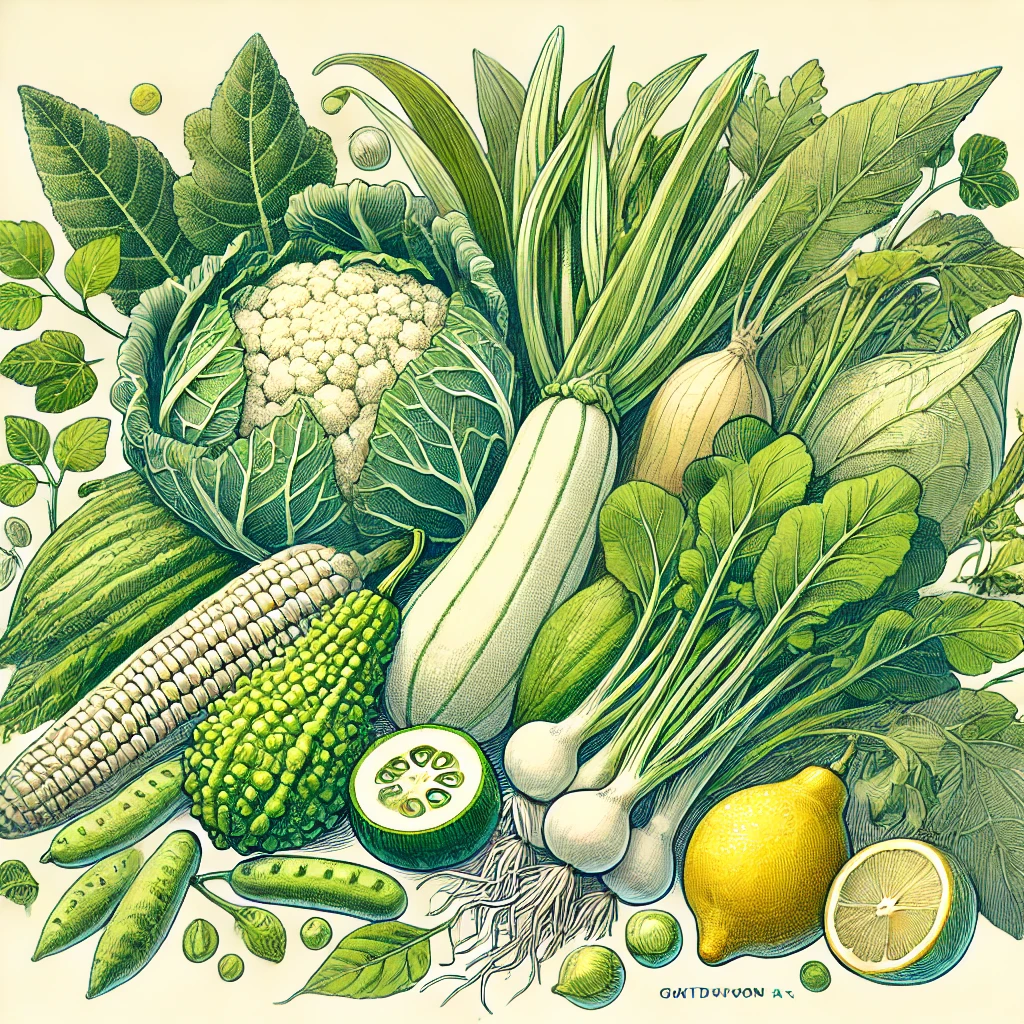
When you think of Okinawa, images of beautiful seas, unique culture, and, most notably, its reputation as the island of longevity come to mind. The secret to this longevity lies closer to home than you might think. Yes, it’s all about the vegetables. But these aren’t just any vegetables. Okinawa’s traditional vegetables are packed with incredible powers that support our health and longevity.
Goya (bitter melon), island scallions, handama, and unchee—while you may have heard of them, not many have actually tried these vegetables. However, they hold the key to addressing many modern health concerns.
Take goya, for instance. Its distinct bitterness actually offers remarkable benefits for the body. It helps you stay energized during the hot summer months and is even believed to help prevent diabetes. Island scallions, small as they are, are packed with nutrients that can boost your immune system and help prevent lifestyle-related diseases.
You might be thinking, “But these vegetables are so unique, and I have no idea how to cook them…” Don’t worry. These vegetables are surprisingly easy to incorporate into your meals, and they’re delicious too!
If you’ve ever visited Okinawa, you’ve probably tried goya champuru, but that’s just the beginning. Goya can be stir-fried, added to salads, or even blended into smoothies. Island scallions can be quickly boiled and added to salads, offering a crunchy texture and refreshing flavor.
By incorporating these vegetables into your daily meals, you’ll start to notice real changes in your body. You’ll feel less fatigued, your skin will improve, and most importantly, you’ll feel more energetic every day. This is the power of Okinawa’s traditional vegetables.
But the appeal of these vegetables goes beyond just their nutritional value. Through Okinawa’s traditional vegetables, we can learn about the rich food culture and the importance of human connections.
In Okinawa, these vegetables foster intergenerational exchanges. Recipes and preservation methods are passed down from grandmothers to grandchildren. In this process, the values of cherishing food and living in harmony with nature are also conveyed.
The concept of “local production for local consumption” is another important aspect of Okinawa’s food culture. Eating fresh, locally grown vegetables not only benefits our health but also supports local agriculture and the economy.
And then there’s the Okinawan phrase “Nankurunaisa,” which embodies a stress-free, joyful way of living. This too is part of the wisdom we can learn from traditional vegetables.
In this article, we will introduce you to Okinawa’s traditional vegetables, exploring their nutritional value, health benefits, and delicious ways to enjoy them. We’ll also discuss the wisdom embedded in Okinawa’s food culture and how you can incorporate it into your modern lifestyle.
A healthy and fulfilling life begins with small, daily choices. By bringing Okinawa’s traditional vegetables to your table, you might just start a new chapter in your life. So, let’s explore the amazing power hidden in Okinawa’s traditional vegetables together.
- Introduction: Okinawa’s Culinary Culture and the Secrets to Longevity
- Okinawa’s Iconic Traditional Vegetables
- Goya (Bitter Melon)
- Shima Rakkyo (Island Scallions)
- Handama (Okinawan Spinach)
- Unchee (Water Spinach)
- Kwansou (Mulberry Leaves)
- Health Benefits of Traditional Vegetables
- Delicious Recipes Using Okinawan Traditional Vegetables
- Goya Champuru
- Pickled Shima Rakkyo
- Handama Shiraae (Tofu and Handama Salad)
- Basic Recipe
- Seasonal Ingredient Pairings
- 1. Spring: Handama and New Onion Shiraae
- Additional Ingredients:
- Instructions:
- 2. Summer: Handama and Okra Shiraae
- Additional Ingredients:
- Instructions:
- 3. Autumn: Handama and Persimmon Shiraae
- Additional Ingredients:
- Instructions:
- 4. Winter: Handama and Lotus Root Shiraae
- Additional Ingredients:
- Instructions:
- Stir-Fried Unchee (Water Spinach)
- Kuwanso (Daylily) Ohitashi
- Traditional Vegetables and Okinawan Spiritual Culture
- The Role of Okinawan Traditional Vegetables in Modern Society
- Conclusion: Integrating Okinawan Traditional Vegetables into Daily Life
- The Role of Okinawa’s Traditional Vegetables in Modern Society
- Conclusion: Incorporating Okinawa’s Traditional Vegetables into Daily Life
- Q&A
- Summary of This Article
Introduction: Okinawa’s Culinary Culture and the Secrets to Longevity
Okinawa Prefecture, located at the southernmost tip of Japan, is an island region renowned for its unique culture and traditions that have captivated many people over the years. Among the most fascinating aspects of Okinawa is its culinary culture, which is closely tied to the secrets of the region’s famed longevity. In this article, we will delve into the traditional dietary practices of Okinawa, focusing on the traditional vegetables that play a central role in this way of life.
The traditional diet of Okinawa has garnered worldwide attention as a crucial factor supporting the health and longevity of its inhabitants. The secret lies in the nutrient-rich traditional vegetables that are cultivated locally. These vegetables, nurtured by Okinawa’s warm climate and abundant natural environment, boast unique flavors and exceptional nutritional value.
Okinawa’s Traditional Dietary Practices
Okinawa’s traditional diet is rooted in the philosophy that “food is medicine.” This concept is based on the belief that daily meals play a vital role in maintaining health and preventing illness. The people of Okinawa have long embraced this wisdom, incorporating it into their daily lives and establishing healthy eating habits that have been passed down through generations.
Okinawa: Known as the “Island of Longevity”
Okinawa was once globally renowned as the “Island of Longevity.” Particularly from 1975 to 2000, the average life expectancy of Okinawa’s elderly population was the highest in Japan. During this period, the proportion of centenarians in Okinawa was four to five times higher than the global average.
Several factors contribute to this remarkable longevity, but diet is regarded as the most significant. Okinawa’s traditional diet is characterized by being low in calories and rich in nutritional balance, with a particular emphasis on the consumption of plant-based foods.
The traditional Okinawan diet has the following key characteristics:
- A heavy reliance on plant-based foods, particularly vegetables and fruits
- Consumption of high-quality proteins, mainly from seafood
- The use of every part of the pig, embodying the “Mottainai” or “nothing goes to waste” philosophy
- A proactive inclusion of seaweeds in the diet
- The use of fermented foods
These features combine to create a nutritionally balanced diet that has significantly contributed to the longevity of the Okinawan people.
The Nutritional Balance of Okinawa’s Traditional Diet
Okinawa’s traditional diet is often based on the principle of “Ichiju Sansai,” or “one soup and three sides,” which forms the foundation of “Ryukyu cuisine.” This dietary style includes a staple food, a soup, a main dish, and two side dishes.
The specific components typically include:
- Staple food: Rice mixed with grains such as barley and millet, or root vegetables like sweet potatoes
- Soup: Miso soup made with vegetables, tofu, and seaweed
- Main dish: A dish made with fish, tofu, or a small amount of meat
- Side dish 1: A simmered or stir-fried vegetable dish
- Side dish 2: A vegetable salad or pickled vegetables
A notable feature of this dietary balance is the high proportion of vegetables. By consuming more side dishes than main dishes, the diet naturally becomes more plant-based, contributing to better overall health.
Moreover, the traditional Okinawan diet emphasizes the concept of “Hara Hachi Bu,” which means eating until you’re 80% full. This practice helps prevent overconsumption of calories, playing a key role in preventing obesity and lifestyle-related diseases.
The Role of Traditional Vegetables
In Okinawa’s traditional diet, locally grown vegetables play a crucial role. These vegetables are heirloom varieties that have adapted to Okinawa’s unique climate and have been cultivated for generations. Rich in nutrients and possessing distinctive flavors, these vegetables are indispensable to Okinawan cuisine.
High Nutritional Value and Diversity
The standout feature of Okinawa’s traditional vegetables is their high nutritional value. These vegetables are packed with vitamins, minerals, dietary fiber, and antioxidants. For instance:
- Goya (Bitter Melon): Rich in vitamin C, folic acid, and iron, with a bitter compound called momordicin that is known to lower blood sugar levels.
- Island Scallions: Contain allicin, which has blood-thinning properties and antimicrobial effects.
- Handama (Okinawan Spinach): High in calcium and iron, making it effective in preventing anemia.
- Unchee (Water Spinach): Contains vitamins A, C, and E, known for their antioxidant properties.
- Kuwansou (Daylily): Rich in dietary fiber, which helps control blood sugar levels.
Incorporating these vegetables into your daily diet ensures a balanced intake of nutrients. Their unique flavors and textures also add to the allure of Okinawan cuisine.
Adaptation to Environment and Regional Characteristics
Okinawa’s traditional vegetables have evolved to adapt to the subtropical climate of the region. As a result, they possess the following characteristics:
- Heat Tolerance: Able to thrive in high-temperature, humid environments
- Salt Tolerance: Resilient to the salty sea breezes
- Resistance to Pests and Diseases: Developed defenses against subtropical pests and diseases
- Water Retention Ability: Highly resilient to drought conditions
These traits enable Okinawa’s traditional vegetables to thrive in the local environment, contributing to sustainable agriculture. Additionally, these vegetables are deeply intertwined with the local food culture and form a significant part of Okinawan identity.
For example, goya is widely recognized as the representative vegetable of Okinawa, and “Goya Champuru” is synonymous with Okinawan cuisine. Island scallions are a popular snack that is indispensable at Okinawan gatherings. Thus, traditional vegetables hold cultural significance beyond their role as food.
Furthermore, these traditional vegetables contribute to the local economy. With the growing interest in health-conscious diets, Okinawa’s traditional vegetables are gaining attention, even becoming a tourism attraction. Culinary experiences and farm tours featuring these vegetables are popular, helping to revitalize the local community.
Preservation and Challenges of Traditional Vegetables
However, in recent years, changes in dietary habits and modern agricultural practices have led to a decline in the cultivation of some traditional vegetables. In response, Okinawa Prefecture has initiated efforts to preserve and promote these heirloom varieties.
Specific initiatives include:
- Preserving and distributing seeds of traditional vegetables
- Hosting cooking classes that teach how to use traditional vegetables
- Incorporating traditional vegetables into school lunches
- Supporting the development of new products using traditional vegetables
Through these efforts, there is hope to pass on Okinawa’s traditional vegetables and the food culture centered around them to future generations.
Okinawa’s traditional diet and vegetables have gained worldwide attention as the secrets to longevity and healthy living. Their high nutritional value, diversity, and adaptability to the local environment offer valuable insights for our modern lives.
In the next section, we will take a closer look at Okinawa’s most iconic traditional vegetables. We’ll explore their unique characteristics, nutritional benefits, and delicious ways to enjoy them. Incorporate these vegetables into your daily meals, and you may find yourself living a healthier, more balanced life. Let’s embark on a journey to discover the incredible power of Okinawa’s traditional vegetables together.
Okinawa’s Iconic Traditional Vegetables
No discussion of Okinawa’s culinary culture would be complete without highlighting the traditional vegetables that have become deeply rooted in this region. These vegetables have adapted to the unique climate and environment of Okinawa and have been cultivated for centuries. Known for their high nutritional value and distinct flavors, Okinawa’s traditional vegetables are also recognized as key contributors to the region’s remarkable longevity. In this article, we will explore five of Okinawa’s most representative traditional vegetables, discussing their characteristics, nutritional benefits, and historical significance in detail.
Goya (Bitter Melon)
When it comes to iconic Okinawan vegetables, Goya is undoubtedly at the top of the list. With its distinct bitterness and high nutritional value, Goya has earned the nickname “The King of Health Vegetables.”
Characteristics and Nutritional Value of Goya
Goya, scientifically known as Momordica charantia, is a climbing annual vine belonging to the gourd family. It is easily recognizable by its bumpy, green exterior, and its bitterness has become a defining flavor in Okinawan cuisine.
Nutritionally, Goya offers a variety of health benefits:
- Vitamin C: Contains about twice the amount found in lemons, making it effective for promoting healthy skin and preventing colds.
- Vitamin B1: Helps with fatigue recovery and boosts metabolism.
- Dietary Fiber: Improves digestive health and helps relieve constipation.
- Momordicin: A bitter compound that helps regulate blood sugar levels, making it beneficial for diabetes prevention.
- Potassium: Aids in the excretion of excess sodium from the body, helping to prevent high blood pressure.
Thanks to these nutrients, Goya is highly effective in preventing lifestyle-related diseases and combating summer fatigue. In particular, the bitter compound momordicin has been shown in studies to stimulate insulin secretion and help regulate blood sugar levels, offering significant benefits for those with or at risk of diabetes.
History of Cultivation and Cultural Significance
The history of Goya cultivation in Okinawa dates back to the Ryukyu Kingdom era. It is believed to have been cultivated as early as the 17th century and was highly valued as a medicinal plant during that time.
For the people of Okinawa, Goya is more than just a food ingredient; it holds deep cultural significance:
- A Symbol of Summer: Goya is often grown on trellises outside homes as a natural “green curtain” to provide shade from the summer sun.
- A Symbol of Health: Its bitterness and nutritional value have made it a symbol of health and longevity in Okinawan culture.
- Representative of Okinawan Cuisine: “Goya Champuru” is widely recognized as one of Okinawa’s signature dishes.
- Traditional Folk Medicine: Historically, Goya has been used in folk remedies for its believed properties in cooling the body, detoxification, and promoting digestive health.
Today, Goya stands as a symbol of Okinawa’s identity and plays a significant role in tourism and regional development. For example, “Goya Day” (August 7th) is celebrated across Okinawa, with events showcasing various Goya-based dishes, highlighting the vegetable’s cultural and health significance.
Delicious Ways to Enjoy Goya
While some may find Goya’s bitterness challenging, there are several ways to enjoy this unique flavor while making the most of its nutritional benefits:
- Salt Rubbing: Slice Goya thinly, rub it with salt, and rinse it with water to reduce its bitterness.
- Pairing with Oil: Goya pairs well with oil; stir-frying or deep-frying it can help mellow its bitterness.
- Combining with Other Ingredients: Cooking Goya with tofu, eggs, or pork creates a balanced and flavorful dish.
- Juices and Smoothies: Blending Goya with fruits in juices or smoothies provides a nutritious and palatable drink.
Here’s a simple recipe for the iconic dish “Goya Champuru”:
- Cut Goya in half lengthwise, remove the seeds and pith, and slice thinly.
- Heat oil in a pan and sauté pork slices until cooked.
- Add the sliced Goya and tofu to the pan and stir-fry until everything is well mixed.
- Finish by adding beaten eggs and seasoning with salt and pepper.
This versatile vegetable can be enjoyed in various ways, allowing you to incorporate its unique flavor and numerous health benefits into your daily meals.
Shima Rakkyo (Island Scallions)
Shima Rakkyo is another highly popular traditional Okinawan vegetable, beloved for its distinctive flavor and crunchy texture.
Characteristics and Nutritional Value of Shima Rakkyo
Shima Rakkyo, a perennial plant in the onion family, has the scientific name Allium ascalonicum. It is smaller than regular scallions and has a stronger, more pungent taste.
Nutritionally, Shima Rakkyo is packed with health benefits:
- Allicin: Known for its powerful antibacterial properties and ability to improve blood circulation.
- Vitamin B1: Supports nerve function and helps with fatigue recovery.
- Dietary Fiber: Promotes healthy digestion and helps relieve constipation.
- Potassium: Effective in preventing high blood pressure.
- Quercetin: An antioxidant believed to have cancer-preventive effects.
Due to these nutrients, Shima Rakkyo is considered effective in preventing lifestyle-related diseases and boosting immunity. The strong antibacterial properties of allicin also make it useful in preventing foodborne illnesses.
Okinawa’s Unique Cultivation Methods
The cultivation of Shima Rakkyo in Okinawa involves unique methods adapted to the local climate and environment:
- Sand Cultivation: Shima Rakkyo prefers sandy soil, so it is often grown in sandy areas near the coast in Okinawa.
- Coexistence with Salt Water: It can thrive in environments with seawater intrusion, making it highly salt-tolerant.
- Natural Farming: Shima Rakkyo is typically grown with minimal use of pesticides, relying on natural cultivation methods.
- Winter Harvesting: The best Shima Rakkyo is harvested from November to March, during which time it has the best flavor.
These cultivation methods give Shima Rakkyo its distinctive flavor and high nutritional value, setting it apart from scallions grown in other regions.
Delicious Ways to Enjoy Shima Rakkyo
Shima Rakkyo can be enjoyed in various ways that highlight its unique flavor and texture:
- Salt Pickling: The most common preparation, enjoyed as a snack or palate cleanser.
- Tempura: Frying Shima Rakkyo brings out its crunchiness and enhances its aroma.
- Stir-Fries: Combine with pork or other vegetables to make a delicious main dish.
- Pickling: Marinate in vinegar for a refreshing and tangy flavor.
Here’s a simple recipe for Shima Rakkyo salt pickles:
- Wash Shima Rakkyo thoroughly and trim the roots and tips.
- Place the cleaned scallions in a clean container and add about 3% of their weight in salt.
- Mix well, cover, and refrigerate for about a week.
- Occasionally turn the container to ensure even distribution of the salt.
Shima Rakkyo salt pickles are a staple in Okinawan households, known for their refreshing spiciness and crisp texture, making them an ideal accompaniment to alcoholic beverages.
Handama (Okinawan Spinach)
Handama, one of Okinawa’s most nutrient-rich traditional vegetables, is often referred to as a “longevity vegetable.” Its unique flavor and high nutritional value have garnered attention even outside Okinawa in recent years.
Characteristics and Nutritional Value of Handama Handama, a perennial plant in the Asteraceae family, is scientifically known as Gynura bicolor. It is characterized by its distinctive leaves, green on the surface and purple on the underside. The Japanese name “Suizenji-na” originates from Suizenji Park in Kumamoto, where it was once cultivated. Handama is nutritionally rich, offering several health benefits: Calcium: Contains about twice the calcium of spinach, supporting bone and dental health. Iron: Contains about 1.5 times the iron of spinach, helping to prevent anemia. Vitamin A: Beneficial for eye health and skin maintenance. Vitamin B2: Promotes energy metabolism and aids in fatigue recovery. Polyphenols: Antioxidant properties help prevent aging and may reduce the risk of chronic diseases. Due to its rich nutritional profile, Handama is often referred to as a “nutritional treasure.” Its high calcium and iron content make it particularly beneficial for women and the elderly, supporting overall health and well-being. Historical Background from the Ryukyu Kingdom Era
The history of Handama cultivation in Okinawa dates back to the Ryukyu Kingdom era, with the following historical significance:
- Usachimun (Royal Vegetable): During the Ryukyu Kingdom period, Handama was prized as a high-end ingredient served at the royal court.
- Medicinal Plant: In folk medicine, Handama was believed to have cooling, detoxifying, and blood circulation-promoting effects.
- Longevity Secret: Due to its nutritional benefits, Handama has long been recognized as a contributing factor to Okinawa’s longevity.
- Traditional Cooking Methods: It was traditionally prepared in dishes like “Nbusu,” a unique Okinawan cooking method involving simmering with pork or fish.
With such a rich history, Handama continues to be cherished and cultivated as an essential part of Okinawan food culture.
Delicious Ways to Enjoy Handama
Handama can be prepared in various ways to maximize its unique flavor and nutritional benefits:
- Blanching: A simple preparation that preserves its nutrients and allows its flavors to shine.
- Stir-Frying: Cooking Handama with garlic and pork enhances its flavor.
- Dressing: Mix with sesame or tofu for a well-balanced dish.
- Soup Ingredient: Add to miso soup or broths to boost nutritional value.
Here’s a simple recipe for Handama with tofu dressing:
- Blanch the Handama leaves and chop finely.
- Drain and mash firm tofu.
- Mix the mashed tofu with ground sesame seeds, sugar, and soy sauce.
- Add the chopped Handama and mix gently.
This dish combines Handama’s rich nutrients with the protein and healthy fats from tofu and sesame, making it a nutritious and balanced addition to any meal.
Unchee (Water Spinach)
Unchee, or water spinach, is one of Okinawa’s quintessential summer vegetables. Its unique texture and high nutritional value make it an indispensable ingredient in Okinawan cuisine.
Characteristics and Nutritional Value of Unchee
Unchee, scientifically known as Ipomoea aquatica, is an annual plant in the Convolvulaceae family. Its hollow stems are distinctive, and the name “water spinach” refers to its ability to grow in water. In Okinawa, it is affectionately called “Unchee.”
Unchee offers a wealth of nutritional benefits:
- Vitamin A: Contains about twice the amount of vitamin A as spinach, promoting eye and skin health.
- Vitamin C: Contains about 1.5 times the vitamin C found in lemons, helping to boost immunity and improve skin health.
- Beta-Carotene: An antioxidant that helps prevent cancer and slow aging.
- Iron: Effective in preventing anemia.
- Dietary Fiber: Promotes healthy digestion and helps prevent constipation.
Because of its rich nutrient profile, Unchee is also known as a “beauty vegetable.” Its high vitamin A and C content is particularly effective for improving skin health and boosting immunity.
Relationship with Subtropical Climate
Unchee is closely tied to Okinawa’s subtropical climate:
- Heat Tolerance: Thrives in Okinawa’s hot summer, making it a prized summer vegetable.
- Hydroponic Cultivation: Unchee can grow in waterlogged areas, making it well-suited to Okinawa’s environment.
- Fast Growth: It grows rapidly in warm, humid conditions, allowing for a short harvest cycle.
- Pest Resistance: Unchee has developed resistance to pests typical of subtropical climates.
These characteristics have allowed Unchee to adapt perfectly to Okinawa’s climate and become a staple in the region’s diet. Its ease of cultivation also makes it a popular choice for home gardening.
Delicious Ways to Enjoy Unchee
Unchee can be prepared in a variety of ways to highlight its unique texture and flavor:
- Stir-Frying: The most common method, often stir-fried with garlic for a classic dish.
- Salads: Blanch and use in salads to enjoy its crunchy texture.
- Soup Ingredient: A nutritious addition to Chinese-style soups.
- Tempura: Lightly battered and fried, tempura brings out the best in Unchee’s texture and flavor.
Here’s a simple recipe for Unchee stir-fry:
- Cut Unchee into 5 cm pieces.
- Heat oil in a pan and sauté minced garlic.
- Once the garlic is fragrant, add the Unchee and stir-fry over high heat.
- Season with salt, pepper, and soy sauce to taste.
This recipe highlights Unchee’s texture and flavor, making it a staple dish in Okinawan households. The combination of garlic and Unchee is a perfect match, making it a great side dish for rice.
Kwansou (Mulberry Leaves)
Kwansou, also known as mulberry leaves, has long been cherished as a traditional health food in Okinawa. Its high nutritional value and health benefits have recently attracted attention as a superfood.
Characteristics and Nutritional Value of Kwansou
Kwansou, scientifically known as Morus alba, is a deciduous tree in the Moraceae family. The leaves of the mulberry tree are used as food, and in Okinawa, they are known as “Kwansou.”
Kwansou is packed with various nutrients, offering numerous health benefits:
- Dietary Fiber: Contains about twice the fiber found in burdock, promoting healthy digestion and preventing constipation.
- Calcium: Contains about eight times the calcium found in milk, supporting bone and dental health.
- Iron: Contains about twice the iron found in spinach, helping to prevent anemia.
- GABA (Gamma-Aminobutyric Acid): Lowers blood pressure and helps prevent hypertension.
- DNJ (1-Deoxynojirimycin): Inhibits the absorption of sugars, helping to regulate blood sugar levels.
Due to these nutrients, Kwansou is gaining recognition as a superfood. Its high dietary fiber and calcium content make it particularly beneficial for improving digestive health and preventing osteoporosis.
Traditional Uses in Okinawa
Kwansou has been traditionally used in Okinawa in various ways:
- Medicinal Plant: Used in folk medicine for regulating blood sugar levels and improving hypertension.
- Daily Food Ingredient: Incorporated into daily meals, including teas, tempura, and salads.
- Sericulture: Historically cultivated primarily as food for silkworms during the height of the sericulture industry.
- Health Food: In recent years, processed into supplements and health teas, making it widely available.
Kwansou has become an integral part of Okinawa’s food and health culture. Its use has evolved over time, but it continues to be valued as an important food ingredient for maintaining health.
Delicious Ways to Enjoy Kwansou
Kwansou can be enjoyed in various ways that highlight its nutritional benefits:
- Tea: The most common method, made by brewing dried leaves into a tea.
- Tempura: Fresh leaves are lightly battered and fried for a crispy and flavorful snack.
- Dressing: Blanched leaves can be dressed with sesame for a nutritious dish.
- Stir-Frying: Cooking with other vegetables makes it easy to incorporate into meals.
Here’s a simple recipe for Kwansou Ohitashi (blanched Kwansou):
- Lightly rinse the Kwansou leaves in salted water and blanch them.
- Cool the blanched leaves in cold water and squeeze out excess water.
- Cut the leaves into suitable lengths and place them on a serving dish.
- Top with bonito flakes and drizzle with soy sauce before serving.
This simple recipe brings out the natural flavor and nutritional benefits of Kwansou. The refreshing taste makes it a perfect dish for hot summer days when appetite may be low.
In conclusion, this article has provided an in-depth look at Okinawa’s representative traditional vegetables. These vegetables have adapted to the local climate and environment and have been a pillar of health for the Okinawan people for centuries. Their high nutritional value and diverse preparation methods offer valuable insights into modern dietary practices. By incorporating these traditional vegetables into your daily meals, you can experience the richness of Okinawan food culture and the secrets to a healthy and fulfilling life.
Here’s the English translation of the provided Japanese text, maintaining the original intent and expanding the content as requested:
—
Health Benefits of Traditional Vegetables
Okinawa’s traditional vegetables are celebrated not only for their unique flavors and textures but also for their remarkable health benefits. These vegetables, which form the core of the culinary culture in Okinawa—a region renowned for its longevity—hold many secrets that can support our modern-day health. In this article, we will explore the health benefits of Okinawa’s traditional vegetables in detail, incorporating scientific insights to better understand their impact.
Antioxidant Properties and Immune System Enhancement
One of the most notable features of Okinawa’s traditional vegetables is their potent antioxidant properties. These antioxidants help reduce oxidative stress in the body, contributing to the prevention of various diseases. Moreover, they play a significant role in boosting the immune system, helping the body defend itself against illnesses.
Polyphenols and Antioxidants
Okinawan traditional vegetables are rich in polyphenols and other diverse antioxidants. These compounds neutralize free radicals generated within the body, protecting cells from oxidative damage.
For example:
- Goya (Bitter Melon): Contains a unique bitter compound called momordicin, which possesses strong antioxidant properties. Studies have shown that Goya’s antioxidant capacity is two to three times higher than common vegetables like broccoli and spinach.
- Handama (Okinawan Spinach): The purple pigment anthocyanin found on the underside of its leaves is a powerful antioxidant. Anthocyanin is also known to support eye health and cognitive function.
- Kwansou (Mulberry Leaves): Contains quercetin, a substance with strong antioxidant effects. Quercetin is known for its potential to alleviate allergy symptoms and prevent cardiovascular diseases.
By incorporating these antioxidant-rich vegetables into your diet, you can help protect your cells from aging and maintain a youthful appearance. Additionally, these antioxidants may reduce the risk of diseases related to oxidative stress, such as cancer, heart disease, and dementia.
Vitamin C and the Immune System
Many of Okinawa’s traditional vegetables are rich in vitamin C, an essential nutrient for strengthening the immune system.
For instance:
- Shikwasa (Citrus depressa): A citrus fruit native to Okinawa, containing about 1.5 times the vitamin C of lemons.
- Unchee (Water Spinach): Rich in vitamin C, containing approximately 20mg per 100g. This amounts to about 20% of an adult’s recommended daily intake.
- Shima Rakkyo (Island Scallions): Not only rich in vitamin C, but also contains allicin, which works synergistically with vitamin C to boost immune function.
Vitamin C activates white blood cells, strengthening the immune system to protect the body from viruses and bacteria. Additionally, its antioxidant properties help protect immune cells themselves from oxidative stress.
In Okinawa’s traditional diet, these vitamin C-rich vegetables were consumed regularly, helping maintain a strong immune system year-round. By incorporating these vegetables into our modern diets, we too can enhance our resistance to infections like colds and flu.
Cooking Methods to Maximize Antioxidant Benefits of Traditional Vegetables
To fully harness the antioxidant benefits of Okinawan traditional vegetables, it is essential to use proper cooking techniques. Here are some tips to help you preserve the antioxidant properties:
- Opt for raw or lightly cooked preparations: Overheating can diminish antioxidant content, so it is best to eat these vegetables raw or lightly stir-fried.
- Cook with oil: Some antioxidants are fat-soluble, meaning they are better absorbed when cooked with a moderate amount of oil.
- Add vitamin C-rich vegetables at the end of cooking: Since vitamin C is heat-sensitive, adding these vegetables toward the end of cooking can help preserve their nutrients.
- Cook with the skin on: Many antioxidants are concentrated in the skin or outer layers, so it’s beneficial to cook the vegetables with their skins intact when possible.
By following these cooking methods, you can maximize the antioxidant and immune-boosting effects of Okinawan traditional vegetables, supporting a healthier lifestyle through your daily meals.
Prevention of Lifestyle-Related Diseases
Okinawan traditional vegetables are also highly effective in preventing lifestyle-related diseases, which have become increasingly prevalent in modern society. They are particularly noted for their potential to reduce the risk of conditions such as diabetes, heart disease, and high blood pressure.
Dietary Fiber and Gut Health Improvement
Many of Okinawa’s traditional vegetables are rich in dietary fiber, an essential nutrient that plays a critical role in maintaining gut health and offering various other health benefits.
For example:
- Goya (Bitter Melon): Contains about 2.6g of dietary fiber per 100g, equivalent to approximately 10% of an adult’s daily recommended intake.
- Kwansou (Mulberry Leaves): Exceptionally high in dietary fiber, with around 9g per 100g—about twice the amount found in burdock root.
- Handama (Okinawan Spinach): Contains a balanced mix of both soluble and insoluble dietary fibers.
Dietary fiber offers the following health benefits:
- Relief from constipation: Fiber helps retain water in the intestines, adding bulk to stools and promoting regular bowel movements.
- Reduction of cholesterol levels: Soluble fiber binds to cholesterol in the intestines, aiding in its excretion from the body.
- Regulation of blood sugar levels: Fiber slows the absorption of sugar, preventing sharp spikes in blood glucose levels.
- Improvement of gut microbiota: Fiber serves as a food source for beneficial gut bacteria, supporting a healthy gut environment.
Recent research has highlighted the importance of a healthy gut microbiota in supporting overall health, including immune function, inflammation reduction, and even mental well-being. The traditional Okinawan diet, rich in fiber from these vegetables, likely contributed to an ideal gut environment, promoting overall health.
Blood Sugar Control and Diabetes Prevention
Several of Okinawa’s traditional vegetables contain compounds that are particularly effective in managing blood sugar levels. Regular consumption of these vegetables may help prevent and even improve the symptoms of diabetes.
Notable vegetables and compounds include:
- Goya (Bitter Melon): Contains a compound called charantin, which enhances insulin function and helps regulate blood sugar levels. Goya is also rich in vitamin C, which is believed to help prevent complications associated with diabetes.
- Kwansou (Mulberry Leaves): Contains DNJ (1-deoxynojirimycin), a compound that inhibits sugar absorption, helping to prevent sharp spikes in blood glucose levels after meals.
- Ukon (Turmeric): Contains curcumin, which improves insulin sensitivity and supports blood sugar management.
Regular consumption of these vegetables can lead to the following benefits:
- Reduced postprandial blood sugar spikes: Slowing the absorption of sugar helps reduce the burden on the pancreas.
- Improved insulin sensitivity: Enhancing insulin function aids in the efficient uptake of glucose by cells.
- Reduced risk of diabetes complications: Antioxidant effects can help minimize blood vessel damage caused by high blood sugar levels.
- Support for weight management: The high fiber content helps induce satiety, preventing overeating.
Okinawa has long been one of the regions in Japan with the lowest prevalence of diabetes. This is likely due to the traditional diet rich in these blood sugar-regulating vegetables. By incorporating these vegetables into our daily diets, we can lower the risk of diabetes and lead healthier lives.
Tips for Using Traditional Vegetables to Manage Blood Sugar Levels
Here are some tips on how to effectively incorporate Okinawan traditional vegetables into your diet to help manage blood sugar levels:
- Eat vegetables before meals: Consuming a vegetable salad or Goya Ohitashi (blanched Goya) before a meal can slow the post-meal increase in blood sugar levels.
- Cook vegetables with your main dish: Dishes like Goya Champuru, where vegetables are cooked with the main meal, can help slow down sugar absorption.
- Use tea as a supplement: Drinking Kwansou (mulberry leaf) tea
after meals can help inhibit sugar absorption.
- Incorporate spices: Adding turmeric to curries or stir-fries is an easy way to include blood sugar-regulating compounds in your diet.
Incorporating these practices into your daily meals can contribute to better blood sugar management and diabetes prevention. However, if you have already been diagnosed with diabetes, it is essential to consult with your doctor or a nutritionist before making significant dietary changes.
Maintaining Beauty and Youthfulness
Okinawa’s traditional vegetables are not only beneficial for maintaining health but also play a significant role in promoting beauty and preserving youthfulness. The abundant nutrients in these vegetables support healthy skin and hair, making them excellent for anti-aging care.
Nutrients that Promote Collagen Production
Okinawa’s traditional vegetables are rich in nutrients that stimulate collagen production. Collagen is a vital protein that helps maintain skin firmness and elasticity. By promoting collagen synthesis, these vegetables help keep the skin looking youthful.
Key vegetables and nutrients to highlight include:
- Goya (Bitter Melon): Rich in vitamin C, containing about 76mg per 100g—approximately twice the amount found in lemons. Vitamin C is essential for collagen synthesis.
- Handama (Okinawan Spinach): In addition to vitamin C, Handama is also rich in vitamin E, which prevents collagen breakdown through its antioxidant effects.
- Unchee (Water Spinach): Contains high levels of beta-carotene, a precursor to vitamin A. Vitamin A promotes skin cell turnover and aids in collagen production.
Regular consumption of these nutrients can lead to the following beauty benefits:
- Improved skin firmness and radiance: Enhanced collagen production helps maintain skin elasticity and glow.
- Prevention of wrinkles: Collagen helps maintain skin elasticity, preventing the formation of wrinkles.
- Faster wound healing: Collagen plays a crucial role in repairing damaged skin, leading to quicker recovery from skin issues.
- Healthy nails and hair: Collagen is also a key component of nails and hair, contributing to their strength and health.
Okinawa’s traditional diet regularly included these collagen-boosting vegetables, which likely contributed to the youthful skin of Okinawans over the years. Incorporating these vegetables into your diet can help you achieve and maintain youthful, glowing skin.
Cooking Techniques to Maximize Skin Benefits
Here are some tips for cooking Okinawan traditional vegetables to maximize their skin benefits:
- Focus on raw or lightly cooked preparations: Since vitamin C is sensitive to heat, raw or lightly cooked preparations are ideal.
- Combine with healthy fats: Vitamin E and beta-carotene are fat-soluble, so cooking with a moderate amount of oil increases their absorption.
- Mix a variety of vegetables: Combining different vegetables with complementary nutrients can enhance their synergistic effects.
- Pair with fermented foods: Combining these vegetables with fermented foods like miso or koji can improve nutrient absorption.
By following these cooking techniques, you can fully leverage the beauty benefits of Okinawa’s traditional vegetables. Incorporating these into your daily meals can help you achieve inner beauty and radiant skin.
Anti-Inflammatory Effects and Skin Health
Okinawa’s traditional vegetables are also rich in anti-inflammatory compounds. Chronic inflammation is a leading cause of skin aging and various skin issues, so consuming these anti-inflammatory compounds can help maintain healthy skin.
Key vegetables and anti-inflammatory compounds to note include:
- Ukon (Turmeric): Contains curcumin, a potent anti-inflammatory compound that inhibits the production of substances that cause inflammation.
- Goya (Bitter Melon): Contains momordicin, a compound with anti-inflammatory effects. It is also rich in vitamin C, which also has anti-inflammatory properties.
- Shima Rakkyo (Island Scallions): Contains allicin, which has anti-inflammatory effects by inhibiting the activity of enzymes that trigger inflammation.
Regular consumption of these anti-inflammatory compounds can lead to the following skin benefits:
- Prevention and improvement of acne: Reducing inflammation helps prevent acne formation and promotes the healing of existing acne.
- Soothing sensitive skin: Chronic inflammation often underlies sensitive skin, so reducing it can alleviate symptoms.
- Prevention of dark spots and freckles: By reducing inflammation, you can prevent the overproduction of melanin, which leads to dark spots and freckles.
- Reduction of skin redness: Anti-inflammatory effects can help reduce the redness caused by inflamed blood vessels.
The traditional Okinawan diet regularly included these anti-inflammatory vegetables, which likely contributed to the long-standing healthy skin of Okinawan people.
Anti-Inflammatory Recipes for Healthy Skin
Here are a couple of anti-inflammatory recipes using Okinawa’s traditional vegetables to help you achieve healthy skin:
- Goya and Shima Rakkyo Salad
- Ingredients: 1/2 Goya, 50g Shima Rakkyo, 5 cherry tomatoes, 1 tbsp olive oil, 1 tsp lemon juice, pinch of salt
- Instructions: Thinly slice the Goya and rub with salt, then rinse with water. Slice the Shima Rakkyo thinly and quarter the cherry tomatoes. Combine all ingredients, and dress with olive oil, lemon juice, and a pinch of salt.
- Ukon-Infused Goya Champuru
- Ingredients: 1 Goya, 1/2 block tofu, 2 eggs, 100g pork, 1/2 tsp turmeric powder, salt and pepper to taste, 1 tbsp vegetable oil
- Instructions: Thinly slice the Goya and rub with salt, then rinse with water. Cut tofu into 1cm cubes. Heat oil in a pan, cook the pork, then add Goya and tofu and stir-fry. Add beaten eggs, turmeric powder, salt, and pepper to taste, and stir until cooked through.
These recipes not only highlight the anti-inflammatory benefits of Okinawan traditional vegetables but also offer delicious ways to enjoy them. Incorporate them into your daily diet for beautiful and healthy skin from the inside out.
In conclusion, this article has provided an in-depth look at the health benefits of Okinawa’s traditional vegetables. These vegetables offer a wide range of benefits, from antioxidant effects and disease prevention to beauty and youthfulness maintenance. By integrating them into our modern diets, we can lead healthier, more vibrant lives. Let’s take inspiration from Okinawa’s traditional wisdom and nurture our health through the power of food every day.
Delicious Recipes Using Okinawan Traditional Vegetables
Okinawan traditional vegetables, with their unique flavors and high nutritional value, are the stars of many delicious recipes. These dishes are not only healthy but also rich in taste, fully showcasing the allure of Okinawan cuisine. Here, we present a selection of tasty recipes featuring some of Okinawa’s most iconic traditional vegetables. Through these recipes, you can experience the depth of Okinawan food culture and discover the diverse appeal of these traditional vegetables.
Goya Champuru
Goya Champuru is one of the most representative dishes of Okinawa, loved by many for its distinctive bitterness and high nutritional value. In this recipe, we balance the bitterness of the Goya with other ingredients to create a dish that everyone can enjoy.
Basic Recipe
Here’s a basic recipe for making Goya Champuru. This recipe serves four people.
Ingredients:
- 2 Goya (bitter melons)
- 1 block of tofu
- 100g of thinly sliced pork
- 3 eggs
- 1/2 teaspoon of salt
- A pinch of pepper
- 2 tablespoons of vegetable oil
Instructions:
- Cut the Goya in half lengthwise, remove the seeds and pith, and slice into 5mm half-moons.
- Place the sliced Goya in a bowl, sprinkle with 1/2 tablespoon of salt (not listed in ingredients), and lightly massage. Let it sit for about 5 minutes, then rinse with water and squeeze out the excess moisture.
- Cut the tofu into 1cm cubes and lightly press with paper towels to remove excess moisture.
- Cut the pork into 2cm wide pieces.
- Heat the vegetable oil in a frying pan, add the pork, and stir-fry.
- Once the pork is cooked through, add the Goya and continue stir-frying.
- When the Goya begins to soften, add the tofu and stir gently.
- Pour in the beaten eggs and stir lightly as it cooks.
- Finally, season with salt and pepper to taste, and the dish is ready.
This Goya Champuru balances the bitterness of the Goya with the smoothness of tofu and the richness of pork, creating a harmonious dish. If you find Goya’s bitterness too strong, you can reduce it by massaging it with salt for a longer time or soaking it in water. For an added twist, you can also incorporate garlic or ginger to enhance the flavor.
Recipe Variations
Once you’ve mastered the basic Goya Champuru, you can experiment with various variations. Here are a few ideas to get you started.
1. Spam Goya Champuru
In Okinawa, Spam (canned luncheon meat) is a popular substitute for pork in Goya Champuru. Using Spam adds a unique saltiness and texture, giving the dish a more authentic Okinawan flavor.
Ingredients (Serves 4):
- Ingredients for the basic Goya Champuru (excluding pork)
- 1 can of Spam (about 340g)
Instructions:
- Cut the Spam into 1cm cubes.
- Heat vegetable oil in a frying pan and lightly fry the Spam.
- Proceed with the rest of the recipe as usual.
2. Goya Champuru Soba
Combining Goya Champuru with Okinawa soba noodles creates a more filling dish. The noodles pair well with the flavors of the Champuru, making it a nutritious and satisfying meal.
Ingredients (Serves 2):
- Basic Goya Champuru (for 2 people)
- 2 portions of Okinawa soba noodles
- Chopped green onions to garnish
Instructions:
- Cook the Okinawa soba noodles according to package instructions.
- Prepare the Goya Champuru as per the basic recipe.
- Place the cooked noodles in bowls, top with the Goya Champuru, and garnish with chopped green onions.
3. Goya Champuru Pizza
For a creative fusion dish, try using Goya Champuru as a pizza topping. The bitterness of the Goya pairs surprisingly well with melted cheese, offering a unique combination of Japanese and Western flavors.
Ingredients (1 pizza):
- Basic Goya Champuru (for 2 people)
- 1 pizza crust
- Pizza sauce, as needed
- 100g of shredded cheese
Instructions:
- Spread pizza sauce over the pizza crust.
- Prepare the Goya Champuru as per the basic recipe.
- Spread the Goya Champuru evenly over the pizza crust.
- Sprinkle shredded cheese generously over the top.
- Bake in a preheated oven at 200°C (about 400°F) for 15 minutes or until the cheese is melted and golden.
By trying these variations, you can discover new ways to enjoy Goya Champuru. While preserving the traditional flavors of Okinawa, you can add your own creative touches to make these dishes appealing to a broader audience.
Pickled Shima Rakkyo
Shima Rakkyo, a traditional Okinawan vegetable, is loved for its distinctive texture and flavor. Pickling extends its shelf life while enhancing its flavor. Here, we’ll introduce the basic method for pickling Shima Rakkyo and some creative variations to explore.
Traditional Pickling Method
Pickling Shima Rakkyo is a simple process. Here’s a detailed guide on how to do it.
Ingredients:
- 500g of Shima Rakkyo
- 25g of salt (5% of the Shima Rakkyo’s weight)
Instructions:
- Wash the Shima Rakkyo thoroughly, trim the roots and stem ends.
- Drain well and place the Shima Rakkyo in a clean container.
- Sprinkle the salt evenly over the Shima Rakkyo.
- Cover and refrigerate for about a week.
- Occasionally turn the container upside down to ensure even salting.
This pickled Shima Rakkyo can be stored in the refrigerator for about a month. The pickling process brings out the natural flavors of Shima Rakkyo while maintaining its crisp texture.
Modern Variations
In addition to the traditional method, you can enjoy a variety of flavors by incorporating modern twists. Here are a few ideas to try.
1. Herb Pickled Shima Rakkyo
Add herbs during the pickling process for a refreshing twist on the traditional flavor.
Ingredients:
- 500g of Shima Rakkyo
- 25g of salt
- 1 teaspoon of dried rosemary
- 1 teaspoon of dried thyme
Instructions:
- Pickle the Shima Rakkyo following the basic method.
- When salting, add the dried rosemary and thyme.
- Refrigerate for about a week.
2. Yuzu-Flavored Pickled Shima Rakkyo
Add yuzu peel for a citrusy fragrance that enhances the Shima Rakkyo’s flavor and makes it even more appetizing.
Ingredients:
- 500g of Shima Rakkyo
- 25g of salt
- Peel from 1 yuzu, thinly sliced
Instructions:
- Pickle the Shima Rakkyo following the basic method.
- Add the thinly sliced yuzu peel along with the salt.
- Refrigerate for about a week.
3. Ume Vinegar Pickled Shima Rakkyo
Substitute salt with ume vinegar for a tangy flavor, making the pickles light and easy to eat.
Ingredients:
- 500g of Shima Rakkyo
- 100ml of ume vinegar
- 2 tablespoons of sugar
Instructions:
- Wash the Shima Rakkyo and trim the roots and stems.
- Mix the ume vinegar with sugar.
- Place the Shima Rakkyo in a clean container and pour the ume vinegar mixture over them.
- Refrigerate for about 3 days.
These variations offer new ways to enjoy the unique taste of Shima Rakkyo. By adding modern touches to traditional methods, you can create a dish that appeals to a broader audience while preserving its authentic flavor.
Handama Shiraae (Tofu and Handama Salad)
Handama (Okinawan spinach) is one of Okinawa’s most nutritious traditional vegetables, loved for its unique flavor and texture. By preparing it as Shiraae (a Japanese dish where vegetables are mixed with tofu), you can enjoy Handama’s nutrition without losing its delicate flavor. Here, we introduce the basic Shiraae recipe along with seasonal variations that complement Handama beautifully.
Basic Recipe
Here’s how to make a basic Handama Shiraae. This recipe serves four people.
Ingredients:
- 200g of Handama
- 1 block of firm tofu (about 300g)
- 3 tablespoons of white sesame seeds, ground
- 1 teaspoon of sugar
- 1/2 teaspoon of salt
- 2 teaspoons of soy sauce
Instructions:
- Wash the Handama thoroughly and cut it into 3cm lengths.
- Blanch the Handama in boiling water for about 1 minute, then cool in cold water and drain well.
- Press the tofu under a weight for about 30 minutes to remove excess moisture.
- Mash the tofu in a bowl until smooth using a whisk.
- Add the ground sesame seeds, sugar, salt, and soy sauce to the tofu and mix well.
- Finally, add the Handama and lightly toss to combine.
This recipe brings out the unique flavor and texture of Handama, balanced by the creaminess of tofu and the nuttiness of sesame seeds. Since many of Handama’s nutrients are water-soluble, it’s beneficial to save the blanching water and use it in other dishes.
Seasonal Ingredient Pairings
Handama Shiraae can be enriched with seasonal ingredients, allowing you to enjoy a variety of flavors and nutrition throughout the year. Here are some seasonal variations to try.
1. Spring: Handama and New Onion Shiraae
Additional Ingredients:
- 1/4 of a new onion
- 1 tablespoon of dried sakura shrimp
Instructions:
- Prepare the Handama Shiraae following the basic recipe.
- Thinly slice the new onion, soak it in water, then drain.
- Lightly toast the sakura shrimp to enhance their aroma.
- Add the sliced onion and shrimp to the Shiraae and mix gently.
The sweetness and crisp texture of the new onion, combined with the aromatic sakura shrimp, make this a refreshing spring dish.
2. Summer: Handama and Okra Shiraae
Additional Ingredients:
- 5 okras
- 2 myoga (Japanese ginger)
Instructions:
- Prepare the Handama Shiraae following the basic recipe.
- Rub the okra with salt, blanch it briefly, and then slice it into small pieces.
- Thinly slice the myoga.
- Add the okra and myoga to the Shiraae and mix gently.
The sticky texture of okra and the fragrant myoga add a refreshing summer feel to the dish.
3. Autumn: Handama and Persimmon Shiraae
Additional Ingredients:
- 1/2 of a persimmon
- 2 tablespoons of chopped walnuts
Instructions:
- Prepare the Handama Shiraae following the basic recipe.
- Dice the persimmon into 1cm cubes.
- Roughly chop the walnuts.
- Add the persimmon and walnuts to the Shiraae and mix gently.
The sweetness of the persimmon and the nutty flavor of the walnuts create a deep, autumnal taste.
4. Winter: Handama and Lotus Root Shiraae
Additional Ingredients:
- 50g of lotus root
- A little yuzu peel, finely sliced
Instructions:
- Prepare the Handama Shiraae following the basic recipe.
- Slice the lotus root thinly and blanch it briefly.
- Thinly slice the yuzu peel.
- Add the lotus root and yuzu peel to the Shiraae and mix gently.
The crunchy texture of the lotus root and the fragrant yuzu create a dish that captures the essence of winter.
By trying these seasonal variations, you can enjoy Handama Shiraae in different ways throughout the year. Using locally sourced seasonal ingredients adds an extra layer of Okinawan authenticity to the dish.
Stir-Fried Unchee (Water Spinach)
Unchee, or water spinach, is a quintessential summer vegetable in Okinawa, cherished for its crisp texture and high nutritional value. Stir-frying is the best way to highlight Unchee’s characteristics. Here, we present the basic stir-fry recipe along with variations using Okinawan seasonings.
Simple Stir-Fry
Here’s a basic method for stir-frying Unchee. This recipe serves four people.
Ingredients:
- 400g of Unchee
- 2 cloves of garlic
- 1 dried red chili pepper
- 1/2 teaspoon of salt
- A pinch of pepper
- 2 tablespoons of sesame oil
Instructions:
- Wash the Unchee thoroughly and cut it into 5cm lengths.
- Mince the garlic and slice the red chili pepper into rings.
- Heat the sesame oil in a frying pan, add the garlic and chili pepper, and sauté until fragrant.
- Once fragrant, add the Unchee and stir-fry quickly over high heat.
- When the Unchee begins to wilt, season with salt and pepper.
- Stir until everything is well combined, and serve immediately.
This simple stir-fry method allows you to enjoy the natural flavor and texture of Unchee. The garlic and chili pepper add a stimulating kick, making the dish even more appetizing.
Variations Using Okinawan Seasonings
Okinawa boasts a variety of unique seasonings that can elevate the flavor of your Unchee stir-fry. Here are some variations to try using these Okinawan seasonings.
1. Unchee Stir-Fry with Island Chili Pepper
Island chili pepper, a staple in Okinawan cooking, adds a distinctive spice and aroma to Unchee stir-fry.
Ingredients:
- Ingredients for the basic recipe (excluding the red chili pepper)
- 1 teaspoon of island chili pepper paste
Instructions:
- Stir-fry the Unchee according to the basic recipe.
- Add the island chili pepper paste at the end and stir well to combine.
The island chili pepper adds a distinctively Okinawan flavor, with its spice and aroma enhancing the dish. Adjust the spice level to your preference
.
2. Unchee Stir-Fry with Andansu (Okinawan Pork Miso)
Andansu, a traditional Okinawan pork miso, adds depth and richness to Unchee stir-fry, making it more satisfying.
Ingredients:
- Ingredients for the basic recipe (excluding salt)
- 1 tablespoon of Andansu
Instructions:
- Stir-fry the Unchee according to the basic recipe.
- Add the Andansu at the end and stir well to combine.
Andansu adds a savory richness to the dish, making it more hearty and fulfilling.
3. Unchee Stir-Fry with Koregusu (Okinawan Chili Pepper in Awamori)
Koregusu, Okinawan chili peppers soaked in Awamori (local sake), adds a unique kick to Unchee stir-fry, making it perfect for those who enjoy a bit of heat.
Ingredients:
- Ingredients for the basic recipe (excluding the red chili pepper)
- 1 teaspoon of Koregusu
Instructions:
- Stir-fry the Unchee according to the basic recipe.
- Drizzle a few drops of Koregusu over the dish just before serving.
Koregusu’s spice and aroma make this dish a perfect choice for those who enjoy bold flavors. Adjust the amount to your liking.
4. Unchee Stir-Fry with Jimami Tofu
Jimami Tofu, a peanut-based tofu from Okinawa, adds a rich, nutty flavor that pairs beautifully with Unchee in this stir-fry.
Ingredients:
- Ingredients for the basic recipe
- 100g of Jimami Tofu
Instructions:
- Stir-fry the Unchee according to the basic recipe.
- Add the Jimami Tofu at the end and gently stir to combine.
The creamy, nutty flavor of Jimami Tofu adds a unique Okinawan touch to the dish.
By experimenting with these Okinawan seasonings, you can discover new dimensions of flavor in your Unchee stir-fry. These seasonings can also be used in other dishes, allowing you to further explore the diversity of Okinawan cuisine.
Kuwanso (Daylily) Ohitashi
Kuwanso, known as daylily, is a traditional Okinawan health food. Its unique flavor and high nutritional value make it a versatile ingredient, but Ohitashi (a Japanese preparation method where vegetables are lightly cooked and served in a seasoned broth) is one of the best ways to enjoy its true essence. Here, we’ll introduce the traditional method for preparing Kuwanso Ohitashi, along with some modern variations.
Traditional Method
Here’s how to prepare traditional Kuwanso Ohitashi. This recipe serves four people.
Ingredients:
- 200g of Kuwanso
- 5g of katsuobushi (bonito flakes)
- 1 tablespoon of soy sauce
- 1/2 tablespoon of mirin
Instructions:
- Wash the Kuwanso thoroughly and remove the tough stems.
- Bring a large pot of water to a boil, adding a pinch of salt (not listed in ingredients).
- Blanch the Kuwanso in the boiling water for about 30 seconds.
- Immediately transfer the blanched Kuwanso to ice water to stop the cooking and retain its vibrant color.
- Drain the Kuwanso well, then cut into bite-sized pieces.
- In a small pot, gently heat the soy sauce and mirin together.
- Arrange the Kuwanso on a plate, pour the warmed sauce over it, and top with katsuobushi to finish.
This simple preparation method highlights the natural flavor and texture of Kuwanso. The addition of katsuobushi brings a quintessentially Japanese touch to the dish.
Modern Variations
Building on the traditional method, you can add contemporary twists to enjoy a variety of flavors. Here are some modern variations to try.
1. Kuwanso and Tofu in Sesame Sauce
Adding tofu and sesame sauce enhances the nutritional value and creates a creamy, rich flavor.
Ingredients (Serves 4):
- 200g of Kuwanso
- 1/2 block of silken tofu
- 2 tablespoons of white sesame seeds, ground
- 1 tablespoon of soy sauce
- 1 tablespoon of mirin
- 1 teaspoon of sugar
Instructions:
- Blanch the Kuwanso and cut it into bite-sized pieces.
- Lightly press the tofu to remove excess moisture and cut it into 1cm cubes.
- Mix the ground sesame seeds, soy sauce, mirin, and sugar to make the sesame sauce.
- Toss the Kuwanso and tofu together, and drizzle with the sesame sauce to serve.
2. Kuwanso Carpaccio-Style Salad
For an Italian twist, turn Kuwanso into a carpaccio-style salad, perfect for a Western-style meal.
Ingredients (Serves 4):
- 200g of Kuwanso
- 8 cherry tomatoes
- 100g of mozzarella cheese
- 2 tablespoons of extra virgin olive oil
- 1 tablespoon of balsamic vinegar
- A pinch of salt
- A pinch of black pepper
Instructions:
- Blanch the Kuwanso and cut it into bite-sized pieces.
- Quarter the cherry tomatoes and tear the mozzarella into small pieces.
- Arrange the Kuwanso, tomatoes, and cheese on a plate.
- Mix the olive oil and balsamic vinegar, and season with salt and pepper to make a dressing. Drizzle over the salad to serve.
3. Kuwanso Smoothie
Using raw Kuwanso in a smoothie allows you to maximize its nutritional benefits. Enjoy it as a refreshing breakfast or snack.
Ingredients (Serves 2):
- 50g of Kuwanso
- 1 banana
- 1/2 of an apple
- 200ml of soy milk
- 1 tablespoon of honey
- Ice, as needed
Instructions:
- Wash the Kuwanso thoroughly and chop it roughly.
- Cut the banana and apple into bite-sized pieces.
- Place all the ingredients in a blender and blend until smooth.
- Pour into glasses and serve.
These modern variations offer new ways to enjoy Kuwanso, preserving the traditional taste while adding a contemporary twist. Okinawan traditional vegetables are not just delicious but also packed with nutrition, making them an excellent choice for a healthy diet. By incorporating them into your daily meals, you can experience the richness of Okinawan food culture while also enhancing your well-being. Feel free to adapt these recipes to your taste and explore the full potential of Okinawan traditional vegetables. Enjoy a healthy and flavorful lifestyle with these versatile ingredients.
Traditional Vegetables and Okinawan Spiritual Culture
Okinawan traditional vegetables are not merely ingredients; they are deeply intertwined with the spirituality and culture of the Okinawan people. These vegetables reflect the unique worldview and values that have been cultivated in Okinawa over the centuries and play a crucial role in understanding the lifestyle and philosophy of its people. In this section, we will explore the deep connection between Okinawa’s spiritual culture and its traditional vegetables, shedding light on their significance.
Harmony with Nature
Okinawan traditional vegetables have been nurtured in the subtropical climate, a unique environment that has shaped the wisdom of the Okinawan people in living harmoniously with nature. This relationship forms the foundation of Okinawan spiritual culture.
Vegetable Cultivation Adapted to Island Environments
The islands of Okinawa are characterized by distinctive geographical and climatic features. The subtropical climate, frequent ty
phoons, and limestone-rich soil make vegetable cultivation challenging. However, the people of Okinawa have developed vegetables uniquely adapted to these conditions.
For example:
- Goya (bitter melon): Thrives in high heat and humidity, making it ideal for summer nutrition. Its bitterness helps combat loss of appetite caused by the heat.
- Shima Rakkyo: Resistant to salt, it can grow in sandy soils near the coast. It’s a low-growing plant that withstands typhoons well.
- Handama (Okinawan spinach): Highly nutritious and able to grow with minimal water, making it well-suited for the water-scarce island environment.
These vegetables are not only food sources but also embody the Okinawan people’s way of coexisting with nature. Despite the harsh environment, they have learned to make the most of nature’s gifts, cultivating a deep sense of gratitude.
Lessons on Facing Nature from Traditional Vegetables
The wisdom of coexisting with nature, as demonstrated by Okinawan traditional vegetables, offers valuable insights for modern society:
- The importance of environmental adaptation: Choosing crops suited to the local climate and soil enables sustainable agriculture.
- Preserving diversity: Growing a variety of vegetables allows flexibility in adapting to environmental changes.
- Maximizing resource use: The wisdom of fully utilizing limited resources can be applied to addressing contemporary environmental challenges.
- Respecting natural rhythms: Cultivating crops in harmony with the seasons and weather fosters a deep respect for nature’s cycles.
This knowledge is deeply rooted in the daily lives and philosophies of the Okinawan people, teaching us how to live in harmony with nature.
Practicing Sustainable Agriculture
Traditional Okinawan agriculture has developed a sustainable system that skillfully utilizes natural cycles. This concept of sustainable farming is also reflected in the cultivation of traditional vegetables.
Key features of sustainable agriculture:
- Mixed farming: Combining vegetable cultivation with livestock farming promotes resource circulation.
- Use of natural fertilizers: Instead of relying on chemical fertilizers, compost and green manure are used.
- Crop rotation system: Rotating different crops in succession maintains soil health.
- Efficient use of water: Innovations in rainwater harvesting and irrigation optimize the use of limited water resources.
This practice of sustainable agriculture reflects the Okinawan people’s “mottainai” spirit (an attitude of not wasting) and their reverence for nature. The idea that everything has value and should be used without waste is a fundamental Okinawan value.
Sustainable Living Lessons from Agriculture
The principles of sustainable agriculture offer valuable lessons for modern society:
- Efficient resource use: Emphasizing the importance of using limited resources without waste.
- Reducing environmental impact: Agriculture that doesn’t rely on chemical fertilizers or pesticides minimizes environmental harm.
- Conserving biodiversity: Growing diverse crops helps maintain ecological balance.
- Local self-sufficiency: Circulating resources within a region helps build a sustainable societal system.
These concepts can be applied not only to agriculture but also to our daily lives and societal systems. The cyclical thinking learned from Okinawan traditional vegetables offers significant insights into creating a sustainable future.
The “Nankurunaisa” Spirit and Food Culture
The phrase “Nankurunaisa,” an Okinawan dialect term meaning “everything will be alright,” embodies the optimistic and flexible spirit of Okinawa. This spirit has significantly influenced Okinawan food culture, particularly in the way traditional vegetables are utilized.
Wisdom in Using Every Part of Vegetables
Okinawan traditional food culture has developed a practice of using every part of vegetables, reflecting the “Nankurunaisa” spirit of making the most out of limited resources.
For example:
- Goya: Not only the fruit but also the leaves and vines are used. The leaves can be blanched or tempuraed, and the vines are dried and brewed into tea.
- Papaya: Unripe fruits are used as a vegetable in stir-fries, ripe fruits as a dessert, and the leaves and stems in cooking.
- Sugarcane: After juicing, the pulp is used as animal feed or compost.
This approach of using everything is not only economical but also an expression of gratitude for nature’s bounty. By developing cooking and preservation methods suited to each part, Okinawans have ensured a nutritious diet throughout the year.
The “Mottainai” Spirit and Creativity
The “Nankurunaisa” spirit of Okinawa resonates with the Japanese concept of “mottainai.” However, Okinawa’s unique blend of creativity and flexible thinking has led to a richer food culture.
Lessons from the wisdom of using every part of vegetables:
- Importance of creativity: In constrained environments, new ideas flourish.
- Flexible thinking: Embracing possibilities beyond conventional norms is crucial.
- Gratitude: Using everything reflects appreciation for nature’s gifts.
- Sustainability: Waste-free practices reduce environmental impact.
These ideas offer insights for tackling contemporary issues like food waste. The “Nankurunaisa” spirit learned through Okinawan traditional vegetables provides valuable guidance for a richer and more sustainable approach to food.
Strengthening Community Bonds through Food Culture
Okinawan traditional food culture is not just about nourishment but also plays a crucial role in fostering community bonds. Traditional vegetable-centered meals have historically provided opportunities for families and communities to come together, deepening connections.
Key aspects of food culture that strengthen community bonds:
- Yui Maru (mutual help): Farming is done collectively, and the harvest is shared among the community.
- Moai (mutual aid groups): Regular communal meals reinforce community ties.
- Sharing festive foods: Special dishes prepared for traditional festivals and events are shared with the entire community.
- Intergenerational knowledge transfer: Through cooking, traditional wisdom and techniques are passed down to younger generations.
These practices embody the “Nankurunaisa” spirit, which emphasizes mutual aid and communal resilience. Even during challenging times, the community as a whole supports each other and overcomes adversity together.
The Importance of Community Building through Food
The knowledge gained from Okinawa’s traditional food culture about community building offers significant lessons for contemporary society:
- Importance of social connections: Sharing meals strengthens bonds between people, preventing isolation.
- Cultural transmission: Through food, traditional values and practices are naturally passed down to the next generation.
- Enhancing regional cohesion: Collective work and shared meals foster a sense of unity within the community.
- Spirit of mutual support: The practice of sharing food promotes mutual aid, especially in difficult times.
These elements offer insights for addressing issues like social isolation and the weakening of community ties in modern society. The wisdom of community building through traditional Okinawan vegetables is crucial for fostering a more supportive and connected society.
Intergenerational Exchange through Traditional Vegetables
Okinawan traditional vegetables serve as more than just food; they facilitate intergenerational exchange and knowledge transfer. Particularly through home gardening and cooking, the wisdom and experiences of elders are passed on to younger generations, highlighting an essential aspect of cultural preservation in Okinawa.
Home Gardening and Knowledge Transfer
In Okinawa, many families maintain small-scale gardens at home. These home gardens are not just a source of fresh vegetables but also a venue for intergenerational exchange.
Key aspects of knowledge transfer through home gardening:
- Transmission of cultivation techniques: Traditional cultivation methods and soil management knowledge are passed down from elders to younger generations.
- Sharing seasonal awareness: Watching vegetables grow allows families to experience and share the seasonal changes unique to Okinawa.
- Preserving traditional varieties: Rare traditional vegetable varieties, often difficult to find in markets, are preserved through home gardening.
- Implementing food education: The process of growing vegetables teaches children the importance of food and agriculture.
Through these activities, traditional
Okinawan wisdom and values are naturally passed down to the next generation. Moreover, the exchange between elders’ vast experience and the fresh perspectives of the younger generation can lead to new possibilities for traditional vegetables.
Building Intergenerational Bonds through Home Gardening
Intergenerational exchange through home gardening contributes not only to knowledge transfer but also to the development of deeper human connections:
- Promoting understanding through shared work: Working together in the garden deepens mutual understanding across generations.
- Creating shared memories: The process of watching vegetables grow strengthens family bonds.
- Providing a sense of purpose for the elderly: Opportunities to share knowledge and experience boost elders’ self-esteem.
- Revitalizing community relationships: Exchanges through home gardening foster relationships with neighbors, enhancing the sense of community.
These benefits can serve as a solution to challenges such as generational divides and elder isolation in modern society. The intergenerational exchange fostered by Okinawan traditional vegetables plays a crucial role in building a more harmonious society.
The Growth of Cooking Classes Featuring Traditional Vegetables
In recent years, cooking classes that focus on Okinawan traditional vegetables have gained popularity. These classes not only teach culinary skills but also serve as venues for intergenerational exchange and cultural preservation.
Key aspects of intergenerational exchange through cooking classes:
- Passing down traditional cooking methods: Elders share traditional cooking techniques and seasoning secrets with younger generations.
- Learning about ingredient selection and preservation: Participants learn practical knowledge, such as identifying seasonal vegetables and long-term storage methods.
- Promoting understanding of local food culture: Cooking provides an opportunity to learn about Okinawa’s history and cultural background.
- Creating new recipes: The combination of traditional methods and modern ideas leads to the creation of new dishes.
These cooking classes offer more than just a chance to learn cooking skills; they provide an opportunity to experience and deepen understanding of Okinawan food culture. For younger generations, these classes are a valuable opportunity to discover the unique appeal of traditional vegetables, which they might not encounter in everyday life.
Preserving and Innovating Culture through Cooking Classes
Cooking classes featuring traditional vegetables play a crucial role in both preserving and innovating cultural practices:
- Reevaluating tradition: Younger generations rediscover the value of traditional foods and cooking methods.
- Encouraging intergenerational dialogue: Cooking facilitates the exchange of values and perspectives between different generations.
- Strengthening regional identity: Learning about local ingredients and cooking methods fosters a deeper connection to the region.
- Raising health awareness through food: Learning about the nutritional value and health benefits of traditional vegetables promotes healthier eating habits.
These effects contribute significantly to the preservation and development of Okinawan food culture. The flexible approach of preserving tradition while incorporating new elements reflects the modern manifestation of Okinawa’s “Nankurunaisa” spirit.
The Future of Intergenerational Exchange through Traditional Vegetables
The intergenerational exchange facilitated by Okinawan traditional vegetables goes beyond simply preserving past culture; it also drives the creation of new cultural expressions. The mutual understanding and creativity that emerge from this exchange illuminate the bright future of Okinawan food culture.
Looking ahead:
- Collaboration with educational institutions: Incorporating the cultivation and cooking of traditional vegetables into school curricula to enhance cultural transmission to younger generations.
- Integration with tourism: Including cooking experiences featuring traditional vegetables in tourism programs to share Okinawan food culture with the world.
- Utilizing advanced technology: Combining traditional cultivation methods with advanced technologies like IoT to achieve more efficient and sustainable agriculture.
- Linking with health promotion programs: Incorporating the health benefits of traditional vegetables into community health promotion initiatives.
Through these efforts, Okinawan traditional vegetables will continue to play an important role as more than just food, becoming a medium for intergenerational dialogue and creativity. The intergenerational exchange fostered by traditional vegetables will serve as a driving force for preserving and advancing Okinawa’s rich food culture and spiritual values into the future.
The relationship between Okinawan traditional vegetables and spiritual culture goes beyond merely preserving the past; it continues to create new value while adapting to modern society. Through harmony with nature, the “Nankurunaisa” spirit, and intergenerational exchange, the people of Okinawa maintain their traditions while constantly exploring new possibilities. This flexible and creative approach is the essence of Okinawan food culture and offers important lessons for us all. By engaging with Okinawan spiritual culture through traditional vegetables, we can reaffirm the importance of harmony with nature, the value of community, and the significance of intergenerational knowledge transfer.
The Role of Okinawan Traditional Vegetables in Modern Society
Okinawan traditional vegetables have been passed down through generations, deeply rooted in the island’s history. However, with the evolution of society and the diversification of dietary habits, the environment surrounding these vegetables has changed significantly. This chapter delves into the current status of Okinawan traditional vegetables in today’s society, exploring the efforts to preserve and promote them, as well as new culinary techniques and innovative uses that are emerging.
Revival and Preservation Efforts for Traditional Vegetables
In recent years, the value of Okinawan traditional vegetables has been increasingly recognized, leading to various initiatives aimed at their revival and preservation. These efforts go beyond simply safeguarding the past; they seek to adapt these vegetables to contemporary society and promote their usage in new and innovative ways.
Preservation and Promotion of Heirloom Varieties
Many of Okinawa’s traditional vegetables are heirloom varieties that have been carefully maintained by local communities over many years. However, with modernization and the Westernization of diets, these heirloom varieties faced the risk of disappearing. To combat this, various stakeholders have come together to focus on preserving and promoting these valuable plant varieties.
Establishment of Seed Banks
Central to the preservation efforts is the establishment of seed banks. Institutions such as the Okinawa Prefectural Agricultural Research Center, along with non-profit organizations, have taken the lead in collecting and storing seeds of traditional vegetables.
Main activities of seed banks:
- Seed collection: Gathering seeds from various islands, focusing on heirloom varieties still present in local communities.
- Seed storage: Preserving collected seeds in optimal conditions to safeguard their genetic resources.
- Database development: Recording detailed information about each seed’s characteristics, origins, and cultivation methods, creating a comprehensive database.
- Seed distribution: Providing seeds to farmers and home gardeners to encourage the widespread cultivation of these traditional varieties.
Thanks to these efforts, many heirloom varieties that were on the brink of extinction have been saved and are now being cultivated once again.
Support for Cultivation of Traditional Vegetables
In addition to preserving seeds, support is provided to farmers and individuals who cultivate these heirloom varieties. The goal is to increase the production of traditional vegetables and promote their distribution in the market.
Main support activities:
- Cultivation technique guidance: Providing training on efficient cultivation methods that combine traditional practices with modern agricultural technology.
- Subsidies for cultivation: Some municipalities offer financial incentives to farmers who grow traditional vegetables.
- Marketing support: Assisting in the development of marketing strategies that highlight the unique qualities of traditional vegetables and opening new sales channels.
- Formation of cultivation communities: Creating networks among traditional vegetable growers to facilitate information exchange and mutual support.
These support activities have led to an increase in the number of farmers and individuals cultivating traditional vegetables, resulting in expanded production.
Collaboration with Educational Institutions
Passing on the knowledge of traditional vegetables to the next generation is a critical aspect of preservation efforts. Therefore, various initiatives are being implemented in collaboration with educational institutions to teach children about the value of these vegetables.
Collaborative activities with educational institutions:
- School gardens: Establishing spaces within elementary and middle school grounds where students can participate in growing traditional vegetables.
- Food education programs: Conducting cooking classes using traditional vegetables and teaching about their nutritional value.
- Interaction with local farmers: Facilitating partnerships between schools and local farmers to provide students with hands-on agricultural experiences.
- Research projects: High schools and universities conducting research on the characteristics and cultivation methods of traditional vegetables.
Through these activities, young generations learn about the importance and appeal of traditional vegetables, paving the way for future stewards of Okinawan agricultural heritage.
Establishing a Regional Brand
Okinawan traditional vegetables hold value beyond their role as food; they embody the culture and history of the region, making them a vital component of regional branding efforts. Initiatives are being developed to leverage this value for regional revitalization and tourism promotion.
Traditional Vegetable Certification Systems
Some municipalities have introduced certification systems to officially recognize the value of traditional vegetables and promote their widespread use.
Main elements of the certification system:
- Setting standards: Establishing criteria for certifying vegetables as traditional, including cultivation history and regional significance.
- Certification marks: Awarding certified vegetables with a special mark to make them easily recognizable to consumers.
- Public relations campaigns: Organizing promotional events and media campaigns to raise awareness of certified traditional vegetables.
- Support for cultivators: Providing technical guidance and market development assistance to farmers growing certified traditional vegetables.
These certification systems help differentiate traditional vegetables in the marketplace, increasing consumer awareness and adding value to these products.
Utilizing Traditional Vegetables as a Tourism Resource
The unique flavors, cultivation methods, and historical background of Okinawan traditional vegetables have garnered attention as valuable tourism resources.
Examples of tourism initiatives:
- Agricultural experience tours: Organizing tours where participants visit farms, harvest traditional vegetables, and interact with farmers.
- Cooking classes featuring traditional vegetables: Hosting cooking classes led by renowned chefs or local culinary experts, focusing on dishes made with traditional vegetables.
- Traditional vegetable markets: Holding direct sales markets in tourist areas, offering visitors the chance to purchase fresh vegetables and experience local culture.
- Events themed around traditional vegetables: Organizing festivals or contests centered on traditional vegetables to promote regional charm.
These initiatives have made traditional vegetables an essential part of the Okinawan cultural experience, enhancing tourist satisfaction and contributing to the revitalization of the regional economy.
Contributions to Regional Revitalization
The revival and promotion of traditional vegetables are playing a significant role in regional revitalization, especially in areas facing depopulation and aging populations. The cultivation of these vegetables holds the potential to create new industries and employment opportunities.
Specific examples of regional revitalization:
- Development of specialty products: Creating new sources of income through the production and sale of processed goods (such as dressings and pickles) made from traditional vegetables.
- Encouraging youth to engage in farming: Supporting young people interested in traditional vegetable cultivation to return or move to rural areas, securing the next generation of farmers.
- Revitalizing communities: Fostering intergenerational exchange and strengthening community bonds through the cultivation of traditional vegetables.
- Establishing a regional brand: Enhancing regional identity and pride by branding the area around traditional vegetables.
Through these activities, traditional vegetables have become more than just a food source; they contribute to the regeneration and development of local communities.
Innovative Cooking Methods and Fusion Cuisine
Okinawan traditional vegetables, with their distinctive flavors and textures, are also gaining attention as ingredients for new culinary methods and creative dishes. They hold great potential, particularly in the realm of fusion cuisine, where traditional techniques meet modern culinary innovation.
Creative Dishes Using Traditional Vegetables
Creative dishes that utilize Okinawan traditional vegetables are evolving, combining traditional flavors with new ideas and techniques to create dishes that appeal to a wider audience.
Introduction of Modern Cooking Techniques
Incorporating modern cooking techniques into the preparation of traditional vegetables has led to new textures and flavors, expanding their culinary appeal.
Main cooking techniques introduced:
- Sous-vide cooking: Vacuum-sealing ingredients and cooking them at low temperatures for an extended period to enhance flavor. For example, goya (bitter melon) can be cooked sous-vide to reduce its bitterness while maintaining its juiciness.
- Molecular gastronomy: Using scientific approaches to alter the properties of ingredients. For instance, turning shima rakkyo into a jelly-like form to create a unique texture.
- Smoking techniques: Smoking traditional vegetables to add new aromas and flavors. Smoked handama salads have become an innovative dish.
- Spherification: Encapsulating liquids into spheres, creating dishes like “vegetable caviar” that concentrate the essence of traditional vegetables.
These techniques reveal new aspects of traditional vegetables, leading to the creation of dishes that resonate with a broader audience.
Cultural Fusion
Combining Okinawan traditional vegetables with other culinary cultures has given rise to dishes with new flavors and appeal.
Examples of fusion cuisine:
- Goya Carbonara: Adding thin slices of goya to Italian carbonara, blending the flavors of Okinawa and Italy into a unique dish.
- Shima Rakkyo Ajillo: Using shima rakkyo in the Spanish dish ajillo, combining Okinawan flavors with Spanish cooking techniques.
- Handama Tabbouleh: Adding Okinawan handama to Middle Eastern tabbouleh, creating a nutritious salad with a blend of flavors.
- Uunchii Green Curry: Incorporating uunchii (water spinach) into Thai green curry, enhancing the dish with unique textures and flavors.
These fusion dishes successfully showcase the charm of Okinawan traditional vegetables in new forms, appealing to a wider demographic while expanding the possibilities of Okinawan cuisine and enhancing its international reputation.
New Desserts Featuring Traditional Vegetables
The development of desserts using traditional vegetables is also gaining attention as a new trend. These sweets leverage the natural sweetness and unique flavors of vegetables, aligning with the growing demand for healthier options.
Examples of traditional vegetable desserts:
- Goya Chocolate: A sophisticated dessert combining the bitterness of goya with the sweetness of chocolate.
- Shima Rakkyo Ice Cream: A refreshing ice cream that highlights the crisp flavor of shima rakkyo.
- Handama Green Smoothie: A healthy dessert drink that capitalizes on the high nutritional value of handama.
- Kuwansou Panna Cotta: A fusion dessert that incorporates the unique flavor of kuwansou (daylily) into a panna cotta.
These desserts not only highlight new aspects of traditional vegetables but also serve to introduce Okinawan food culture to younger generations and tourists in an accessible and enjoyable way.
Fusion with Global Cuisines
Okinawan traditional vegetables are also drawing the attention of chefs worldwide, who are incorporating these unique and nutritious ingredients into their culinary creations. This international interest is opening up new possibilities for Okinawan cuisine.
Challenges Taken on by World-Class Chefs
Renowned chefs from around the world are experimenting with Okinawan traditional vegetables, creating dishes that showcase the island’s culinary heritage on a global stage.
Examples of initiatives by world-class chefs:
- French Cuisine with Goya: A Michelin-starred chef in France has developed dishes such as goya mousse and goya confit, presenting these traditional flavors in innovative ways.
- Nordic Cuisine with Shima Rakkyo: A famous Danish chef has created fermented dishes using shima rakkyo, blending Okinawan ingredients with traditional Nordic fermentation techniques.
- Cantonese Cuisine with Handama: A renowned chef from Hong Kong has devised dim sum featuring handama, combining Chinese culinary methods with the nutritional benefits of handama.
- Indian Cuisine with Uunchii: A star chef in India has developed a curry incorporating uunchii, achieving a perfect match between the vegetable’s texture and the rich flavors of Indian spices.
These initiatives are helping to position Okinawan traditional vegetables as influential elements in global food trends, while also enhancing the international recognition of Okinawan food culture.
International Collaborations
Collaborations between Okinawan chefs and chefs from around the world are also leading to the development of new, innovative dishes. These collaborations blend different cultures and techniques, resulting in groundbreaking culinary creations.
Examples of international collaborations:
- Okinawa-Italy Cuisine Festival: An event where chefs from Okinawa and Italy collaborate to develop new Italian dishes using traditional Okinawan vegetables.
- Asia-Pacific Fusion Cooking Contest: A competition held in Okinawa where chefs from the Asia-Pacific region create innovative dishes using traditional vegetables.
- World Regional Cuisine × Okinawan Vegetables Project: An international project integrating Okinawan traditional vegetables into various regional cuisines worldwide.
- Okinawa-Mediterranean Cuisine Exchange: An initiative where chefs from Okinawa and the Mediterranean region collaborate to create new dishes that combine the healthy food cultures of both regions.
These international collaborations not only promote Okinawan food culture globally but also contribute to the development of Okinawa’s food industry through the creation of new culinary ideas.
Expanding into Global Markets
Products and ready-made foods using Okinawan traditional vegetables are beginning to enter global markets, increasing the likelihood of Okinawan food culture being enjoyed worldwide.
Examples of global expansion:
- Global Distribution of Goya Chips: Goya chips are gaining popularity in Western and Asian markets as a healthy snack option.
- Exporting Shima Rakkyo Pickles: The unique flavor of shima rakkyo pickles is becoming a favorite in restaurants around the world.
- Handama Powder Supplements: Handama, with its high nutritional value, is being powdered and marketed globally as a health supplement.
- Frozen Mixed Vegetables of Okinawan Traditional Varieties: Frozen packs of mixed Okinawan traditional vegetables are now available in Asian grocery stores worldwide.
Through these global expansions, Okinawan traditional vegetables are gaining recognition worldwide, leading to new demands and contributing to the growth of Okinawa’s agriculture and food industry.
As demonstrated, Okinawan traditional vegetables are not just local ingredients; they are emerging as key elements that have the potential to set new global food trends. The commitment to preserving tradition while exploring new possibilities ensures a bright future for Okinawan food culture. As we move forward, Okinawan traditional vegetables are expected to continue bringing fresh perspectives to global cuisine, delighting an ever-growing audience.
Conclusion: Integrating Okinawan Traditional Vegetables into Daily Life
Okinawan traditional vegetables are a treasure trove of nutrition, deeply rooted in a long history and rich culture. As we have seen, these vegetables are more than just ingredients; they are crucial elements that support the health and longevity of the Okinawan people. In this chapter, we will summarize practical ways to incorporate these wonderful traditional vegetables into our daily lives and the valuable lessons we can learn from Okinawan food culture.
Tips for a Healthy Diet
Incorporating Okinawan traditional vegetables into your daily diet can lead to a healthier and more fulfilling lifestyle. Here are some practical tips to help you do just that.
Selecting and Storing Traditional Vegetables
The first step to enjoying Okinawan traditional vegetables is knowing how to select the best ones and store them properly. Here are some tips to help you keep these vegetables fresh and nutritious for longer.
How to Select Major Traditional Vegetables
- Goya (Bitter Melon):
- Choose ones with a deep green color and evenly bumpy skin.
- Look for those that feel heavy and firm to the touch.
- Avoid those with yellowing cut surfaces.
- Shima Rakkyo (Okinawan Shallots):
- Pick ones with firm, glossy bulbs.
- Fresh shima rakkyo will have bright green leaves.
- Avoid soft or discolored ones.
- Handama (Okinawan Spinach):
- Choose leaves that are dark green and glossy.
- Stems should be neither too thick nor too thin, and should be supple.
- Avoid wilted or yellowing leaves.
- Uunchii (Water Spinach):
- Look for stems that aren’t too thick, with bright green leaves.
- Fresh uunchii will have hollow stems that are crisp when snapped.
- Avoid yellowing leaves or woody stems.
Effective Storage Methods
To maximize the freshness and nutritional value of Okinawan traditional vegetables, here are some storage tips:
- Goya:
- Wrap in newspaper, place in a plastic bag, and store in the refrigerator’s vegetable compartment.
- If cut, store in water in the fridge to maintain freshness.
- For long-term storage, slice
and freeze it.
- Shima Rakkyo:
- Store in a cool, dark place, keeping the roots intact and wrapping in newspaper.
- For refrigerator storage, place in a plastic bag and store in the vegetable compartment.
- Pickling in salt is also a great method for long-term preservation.
- Handama:
- Keep the roots submerged in water, cover with a plastic bag, and store upright in the refrigerator.
- Handle gently to avoid damaging the leaves.
- Blanch and freeze for long-term storage.
- Uunchii:
- Cut the roots, wrap in newspaper, place in a plastic bag, and store in the refrigerator.
- Store portions in water for extended freshness.
- Blanching and freezing is also effective for long-term storage.
By following these selection and storage tips, you can maximize the freshness and nutritional value of Okinawan traditional vegetables. Properly stored vegetables will retain their flavor and nutrients, allowing you to enjoy them for a longer period.
Incorporating into Daily Meals
Incorporating Okinawan traditional vegetables into your daily diet can lead to a healthier lifestyle. Here are some simple ideas for making these vegetables a regular part of your meals.
Using Traditional Vegetables in Breakfast
- Goya Smoothie: Blend goya with banana, apple, and soy milk for a nutritious breakfast drink.
- Handama with Egg: Stir-fry handama with eggs for a balanced breakfast dish.
- Pickled Shima Rakkyo: Prepare homemade pickled shima rakkyo as a breakfast side dish.
- Uunchii Omelette: Finely chop uunchii and add it to an omelet for a fiber-rich start to your day.
Lunchbox Ideas
- Goya Champuru Onigiri: Use goya champuru as a filling for onigiri, creating a nutritious lunch option.
- Handama with Tofu: Mix handama with tofu for a healthy side dish.
- Shima Rakkyo with Salted Kelp: Toss shima rakkyo with salted kelp for a refreshing side.
- Uunchii Pepperoncino: Use uunchii in a pepperoncino pasta dish for a Western-style lunchbox.
Using Traditional Vegetables in Dinner
- Stuffed Goya: Stuff goya with meat and bake for a hearty main dish.
- Handama Shabu-shabu: Pair handama with pork in a shabu-shabu hotpot for a well-balanced dinner.
- Shima Rakkyo Tempura: Fry shima rakkyo in tempura batter for a fragrant side dish.
- Uunchii Green Curry: Use uunchii in a green curry for an exotic dinner option.
Snacks and Desserts
- Goya Chips: Slice goya thinly, season, and fry for a healthy snack.
- Handama Green Smoothie: Blend handama with banana and kiwi for a nutrient-rich smoothie.
- Shima Rakkyo Gelato: Create a unique gelato flavor by incorporating the crisp taste of shima rakkyo.
- Uunchii Green Tea Cake: Enhance matcha cake with the nutritional benefits of uunchii.
Use these ideas to incorporate Okinawan traditional vegetables into your daily meals. Start with small quantities if you’re unfamiliar, and gradually increase the amount and frequency. Adjust recipes to suit your preferences and those of your family to ensure these vegetables become a regular part of your diet.
Seasonal Eating
The best ways to enjoy Okinawan traditional vegetables vary with the seasons. Here are some recommended seasonal preparations.
- Spring:
- Goya: Use the young leaves in tempura or salads.
- Handama: Use young leaves in salads or as a garnish.
- Shima Rakkyo: Pickle fresh shima rakkyo for a tangy spring dish.
- Uunchii: Use the young shoots in stir-fries or soups.
- Summer:
- Goya: Use in goya champuru or as a topping for cold noodles.
- Handama: Add as a garnish for chilled noodles.
- Shima Rakkyo: Use as a garnish for cold dishes or in cold soups.
- Uunchii: Use in cold salads or as a topping for chilled dishes.
- Autumn:
- Goya: Use larger fruits in stews or as pickles.
- Handama: Blanch and mix with sesame or tofu.
- Shima Rakkyo: Enjoy pickles aged through the autumn.
- Uunchii: Use in stir-fries or as a cooked side dish.
- Winter:
- Goya: Use dried goya in soups or stews.
- Handama: Use in hotpots or warm soups.
- Shima Rakkyo: Use pickled shima rakkyo in stir-fries or stews.
- Uunchii: Use in warm stir-fries or hotpots.
By adjusting your preparations to the season, you can enjoy Okinawan traditional vegetables year-round. Eating them during their peak season ensures higher nutritional value and better taste.
Lessons from Okinawan Food Culture
Through Okinawan traditional vegetables, we can learn much from the island’s rich food culture. Here, we’ll explore the wisdom of Okinawan food culture and how to apply it to modern living.
The Importance of Local Production for Local Consumption
Okinawa’s traditional diet revolves around locally sourced ingredients. The concept of “local production for local consumption” is just as relevant in modern society, offering numerous benefits.
Benefits of Local Production for Local Consumption
- Fresh, nutrient-rich ingredients: Locally sourced food stays fresher longer and retains more nutrients due to shorter transportation times.
- Boosting the local economy: Supporting local farmers and producers helps sustain the local economy.
- Reducing environmental impact: Shorter transport distances reduce CO2 emissions, lessening the environmental footprint.
- Preserving food culture: Using local ingredients helps maintain regional food traditions and ensures they are passed on to future generations.
- Enhancing food safety: Knowing where your food comes from fosters trust and confidence in its safety.
How to Practice Local Production for Local Consumption
- Shop at local farmers’ markets: Purchase fresh, local produce directly from farmers.
- Focus on seasonal ingredients: By eating seasonally, you naturally incorporate more local produce into your diet.
- Participate in local food culture events: Attend events focused on local food to learn more about regional ingredients and dishes.
- Start a home garden: If possible, grow your own vegetables, even on a small scale.
- Support local restaurants: Choose to dine at restaurants that use local ingredients in their menus.
By prioritizing local production for local consumption, you can enjoy a healthier diet centered around ingredients that are well-suited to your region. At the same time, you contribute to the sustainability of local agriculture and food culture.
Building Community Through Food
One of the hallmarks of Okinawan food culture is the sense of community built through shared meals. This concept remains
valuable in today’s society, offering multiple benefits.
The Importance of Building Community Through Food
- Strengthening social connections: Sharing meals helps deepen bonds and prevent social isolation.
- Passing on traditions and culture: Meals offer a natural way to pass down traditions and values to the next generation.
- Promoting healthy eating habits: Shared meals are often more balanced and nutritious.
- Enhancing community cohesion: Food-related events and activities can foster a sense of unity in a community.
- Practicing food education: Preparing and eating meals together is an opportunity to share knowledge and skills related to food.
Ways to Build Community Through Food in Daily Life
- Make time for family meals: Whenever possible, gather the whole family around the table for meals.
- Host meals with friends or neighbors: Regularly invite friends or neighbors for meals, fostering connections.
- Join cooking classes or clubs: Participate in community cooking classes to meet new people and learn new skills.
- Reduce food waste: Share excess food with others in the community, creating bonds and reducing waste.
- Organize or participate in local food events: Plan or take part in events like cooking contests or food festivals that highlight local specialties.
By building community through food, you can bring the spirit of Okinawa’s traditional “yui-maru” (mutual aid) into modern life, fostering a richer, more supportive society.
Learning the Spirit of Moderation from Okinawan Food Culture
Okinawa’s traditional food culture emphasizes moderation, as exemplified by the principle of “hara hachibu” (eating until 80% full). This spirit of moderation is equally important in today’s world.
- Avoid overeating: By practicing hara hachibu, you can avoid excessive calorie intake and maintain a healthy weight.
- Use all of your ingredients: Cooking only what you need and finishing your meal reduces food waste.
- Prioritize quality over quantity: Choose nutrient-dense foods over large quantities to efficiently meet your nutritional needs.
- Enjoy your meals: Eating slowly and savoring your food can increase satisfaction, even with smaller portions.
- Consider the environment: Moderation in food consumption reduces the environmental impact associated with food production and waste disposal.
How to Practice Moderation in Daily Life
- Use small plates: Serving food on smaller plates helps you naturally eat less.
- Chew thoroughly and eat slowly: Aim to chew each bite at least 30 times and take at least 20 minutes to finish a meal.
- Drink water before meals: Drinking water 15 minutes before eating can help you feel full and avoid overeating.
- Keep a food diary: Track your food intake to stay mindful of portion sizes and nutritional balance.
- Weigh yourself regularly: Monitoring your weight 1-2 times a week can help you understand the relationship between your food intake and body weight.
Incorporating the spirit of moderation from Okinawan food culture into your daily life can lead to a healthier and more sustainable diet. At the same time, it fosters a greater appreciation for resources, contributing to a more environmentally friendly lifestyle.
Learning from Okinawan traditional vegetables and their accompanying food culture offers valuable lessons for not only achieving a healthier diet but also building a more sustainable society. Local production for local consumption, building community through food, and the spirit of moderation—these elements, when integrated into modern life, can lead to a richer and more harmonious existence. Incorporating Okinawan traditional vegetables into your daily routine can be a great first step toward achieving this.
In conclusion, it’s important to emphasize the value of sharing the charm of Okinawan traditional vegetables and food culture with a wider audience and passing down this wisdom to future generations. Each of us can be a custodian of this rich cultural heritage through our daily food choices, contributing to the realization of a healthy and sustainable society. Let’s walk together towards a future where Okinawan traditional vegetables continue to inspire and nourish us all.
The Role of Okinawa’s Traditional Vegetables in Modern Society
Okinawa’s traditional vegetables have been passed down through generations, preserving their rich history and cultural significance. However, with the evolution of society and the diversification of dietary habits, the environment surrounding these vegetables has undergone significant changes. In this chapter, we will explore the current position of Okinawa’s traditional vegetables in modern society, the efforts to preserve and promote them, and new cooking methods and ways to incorporate them into contemporary cuisine.
Revival and Preservation of Traditional Vegetables
In recent years, there has been a renewed recognition of the value of Okinawa’s traditional vegetables, leading to various initiatives aimed at their revival and preservation. These efforts are not only focused on protecting these cultural treasures from the past but also on adapting them to modern society in innovative ways.
Preservation and Promotion of Indigenous Varieties
Many of Okinawa’s traditional vegetables are indigenous varieties that have been carefully cultivated and preserved by local communities over centuries. However, with modernization and the westernization of diets, these native varieties faced the threat of disappearing. In response, various stakeholders have collaborated to preserve and promote these indigenous vegetables.
Establishment of Seed Banks
At the heart of efforts to preserve indigenous varieties is the establishment of seed banks. Institutions like the Okinawa Prefectural Agricultural Research Center, along with NPOs and other organizations, are leading initiatives to collect and store seeds of traditional vegetables.
Main activities of seed banks include:
- Seed Collection: Traveling across the islands to gather seeds of local indigenous varieties.
- Seed Preservation: Storing collected seeds in optimal conditions to protect genetic resources.
- Database Creation: Recording information about each seed, including its characteristics, origin, and cultivation methods, to create a comprehensive database.
- Seed Distribution: Distributing seeds to farmers and home gardeners to encourage widespread cultivation.
Thanks to these efforts, many indigenous varieties that were on the brink of extinction have been saved and are now being cultivated once again.
Support for Cultivation of Traditional Vegetables
In addition to preserving seeds, there is active support for farmers and individuals who cultivate these traditional vegetables. This support aims to increase production volumes and promote the distribution of these vegetables in the market.
Key support activities include:
- Technical Guidance on Cultivation: Providing instruction on efficient farming methods that blend traditional techniques with modern agricultural practices.
- Subsidies for Cultivation: Some local governments offer financial incentives to farmers who grow traditional vegetables.
- Marketing and Distribution Support: Assisting in the development of marketing strategies and introducing sales channels that highlight the unique qualities of traditional vegetables.
- Formation of Cultivation Communities: Creating networks among traditional vegetable growers to facilitate information exchange and mutual support.
These support initiatives have led to an increase in the number of farmers and individuals engaged in the cultivation of traditional vegetables, contributing to an expansion in production.
Collaboration with Educational Institutions
The preservation and promotion of traditional vegetables also involve passing on this knowledge to the next generation. Therefore, efforts are being made to collaborate with educational institutions to teach children about the value of these traditional vegetables.
Collaboration activities with educational institutions include:
- School Gardens: Establishing traditional vegetable gardens in elementary and junior high schools, where students can participate directly in cultivation.
- Food Education Programs: Conducting cooking classes and nutritional education using traditional vegetables to help students understand their importance.
- Interaction with Local Farmers: Facilitating interactions between students and local farmers who grow traditional vegetables, including agricultural experience programs.
- Research Projects: High schools and universities conducting research projects on the characteristics and cultivation methods of traditional vegetables.
These activities aim to instill an appreciation for the charm and significance of traditional vegetables in younger generations, nurturing future custodians of these cultural assets.
Establishing a Regional Brand
Okinawa’s traditional vegetables are more than just food; they embody the culture and history of the region, serving as a valuable “regional brand.” Leveraging this value, initiatives are underway to link traditional vegetables to regional development and tourism promotion.
Certification Systems for Traditional Vegetables
Some local governments have implemented certification systems to publicly recognize the value of traditional vegetables and promote their widespread use.
Main aspects of the certification system include:
- Setting Standards: Establishing criteria for certifying vegetables as traditional, such as cultivation history and regional characteristics.
- Granting Certification Marks: Assigning a dedicated mark to certified traditional vegetables to appeal to consumers.
- PR Activities: Conducting PR events and media campaigns to promote certified traditional vegetables.
- Support for Growers: Providing technical guidance and distribution support to growers of certified traditional vegetables.
These certification systems have helped differentiate traditional vegetables, increasing consumer awareness and creating added value.
Utilizing Traditional Vegetables as Tourism Resources
Okinawa’s traditional vegetables are also gaining attention as tourism resources due to their unique flavors, cultivation methods, and historical backgrounds.
Examples of tourism-related initiatives include:
- Agricultural Experience Tours: Organizing tours where participants visit traditional vegetable farms, engage in harvest experiences, and interact with farmers.
- Cooking Classes Featuring Traditional Vegetables: Hosting cooking classes led by chefs from Okinawa’s renowned restaurants or local home cooking experts, focusing on dishes using traditional vegetables.
- Traditional Vegetable Markets: Holding farmers’ markets at tourist spots where visitors can purchase fresh vegetables and learn about the local culture.
- Events Centered on Traditional Vegetables: Organizing festivals and contests themed around traditional vegetables to promote regional attractions.
These efforts position traditional vegetables as a key element in experiencing Okinawa’s food culture, enhancing tourist satisfaction and contributing to regional economic revitalization.
Contributing to Regional Revitalization
The revival and promotion of traditional vegetables significantly contribute to regional revitalization. In areas facing depopulation and aging populations, the cultivation of traditional vegetables holds the potential to create new industries and jobs.
Examples of regional revitalization efforts include:
- Development of Specialty Products: Creating and selling processed goods like dressings and pickles made from traditional vegetables to generate new income streams.
- Encouraging Young People to Take Up Farming: Supporting young people interested in cultivating traditional vegetables, facilitating their return to or relocation in rural areas to secure future leaders in agriculture.
- Revitalizing Communities: Strengthening bonds through intergenerational exchanges and collaborative efforts among local residents involved in the cultivation of traditional vegetables.
- Establishing a Regional Brand: Building regional pride and increasing recognition by branding the area around traditional vegetables.
Through these activities, traditional vegetables are recognized not only as food but also as valuable assets that contribute to the revival and development of regional communities.
New Cooking Methods and Fusion Cuisine
Okinawa’s traditional vegetables, with their unique flavors and textures, are gaining attention as ingredients for new cooking methods and creative cuisine. In particular, they hold great potential in the field of fusion cuisine, where traditional cooking techniques are combined with contemporary methods.
Innovative Dishes Using Traditional Vegetables
Creative dishes using Okinawa’s traditional vegetables are evolving to appeal to a broader audience by incorporating new ideas and techniques while respecting the traditional flavors.
Incorporating Modern Cooking Techniques
By introducing modern cooking techniques into the preparation of traditional vegetables, new textures and flavors are being explored.
Some of the techniques being used include:
- Sous Vide Cooking: Using vacuum-sealed bags to cook food at low temperatures over long periods, enhancing the flavor of the ingredients. For example, sous vide cooking can reduce the bitterness of goya while maintaining its crispness.
- Molecular Gastronomy: Utilizing scientific methods to transform the properties of food. An example is turning island shallots into a jelly-like texture, offering a new sensory experience.
- Smoking Techniques: Adding a new dimension of flavor by smoking traditional vegetables, resulting in innovative dishes like smoked Handama salad.
- Spherification: A technique that creates spheres from liquids, leading to imaginative dishes such as “vegetable caviar” made from the essence of traditional vegetables.
These techniques allow traditional vegetables to be presented in new ways,
broadening their appeal and making them more accessible to a wider audience.
Cultural Fusion
Combining Okinawa’s traditional vegetables with other culinary cultures has resulted in the creation of new, exciting dishes.
Examples of fusion cuisine include:
- Goya Carbonara: Adding thinly sliced goya to classic Italian carbonara, creating a dish that blends Okinawan and Italian flavors.
- Island Shallot Ajillo: A Spanish-inspired dish that incorporates island shallots, blending the flavors of Okinawa with Spanish culinary techniques.
- Handama Tabbouleh: An adaptation of the Middle Eastern tabbouleh salad, enriched with Okinawa’s Handama for a nutritious twist.
- Unchee Green Curry: A fusion of Thai green curry with Unchee, offering a unique texture and flavor combination.
These fusion dishes highlight the versatility of Okinawa’s traditional vegetables, making them appealing to a broader audience and expanding the possibilities of Okinawan cuisine on an international scale.
New Sweets Featuring Traditional Vegetables
The development of sweets using traditional vegetables is also gaining attention as a new trend. These desserts leverage the natural sweetness and unique flavors of the vegetables, appealing to the growing demand for healthier options.
Examples of traditional vegetable-based sweets include:
- Goya Chocolate: A sophisticated sweet that pairs the bitterness of goya with the sweetness of chocolate, perfect for adult palates.
- Island Shallot Ice Cream: A refreshing ice cream that makes use of the crisp flavor of island shallots.
- Handama Green Smoothie: A healthy dessert drink that showcases the high nutritional value of Handama.
- Kuwanso Panna Cotta: A fusion dessert that combines the unique flavor of Kuwanso with the creamy texture of panna cotta.
These desserts not only highlight the new potential of traditional vegetables but also make Okinawan food culture more approachable for younger generations and tourists.
Integration with Global Cuisine
Okinawa’s traditional vegetables are gaining interest from chefs worldwide for their unique flavors and high nutritional value. International chefs are incorporating these vegetables into their national cuisines, opening up new possibilities.
Challenges by World-Class Chefs
Renowned chefs from around the globe are taking on the challenge of creating dishes with Okinawa’s traditional vegetables. This not only showcases Okinawa’s culinary culture to the world but also leads to the creation of new dishes.
Examples of international chefs’ initiatives include:
- French Cuisine with Goya: A Michelin-starred chef develops French dishes featuring goya, such as goya mousse and goya confit, creating innovative dishes.
- Nordic Cuisine with Island Shallots: A famous Danish chef creates fermented foods using island shallots, blending Nordic fermentation techniques with Okinawan ingredients to produce unique flavors.
- Chinese Cuisine with Handama: A renowned Hong Kong chef invents dim sum dishes featuring Handama, combining Chinese culinary techniques with the nutritional benefits of Handama.
- Indian Cuisine with Unchee: An Indian celebrity chef develops a curry using Unchee, resulting in a new style of curry that combines Unchee’s texture with the richness of spices.
Through these efforts, Okinawa’s traditional vegetables are starting to influence global food trends, while also receiving international recognition for their cultural and culinary value.
International Collaborations
Collaborations between Okinawan chefs and chefs from around the world are leading to the development of new dishes that blend the best of both culinary traditions. These collaborations result in innovative dishes that merge cultural and technical expertise.
Examples of international collaborations include:
- Okinawa x Italy Culinary Festival: An event where chefs from Okinawa and Italy jointly create new Italian dishes using traditional vegetables.
- Asia-Pacific Fusion Cooking Contest: A competition held in Okinawa, where chefs from the Asia-Pacific region create fusion dishes featuring traditional vegetables.
- World Regional Cuisine x Okinawa Vegetables Project: An international project that incorporates Okinawa’s traditional vegetables into regional cuisines from around the world.
- Okinawa-Mediterranean Culinary Exchange: A gathering where chefs from Okinawa and the Mediterranean region exchange ideas, creating new dishes that combine the healthy food cultures of both regions.
These international collaborations not only help spread Okinawa’s food culture globally but also contribute to the growth of Okinawa’s food industry through the creation of new dishes.
Expansion into the Global Market
Products made from Okinawa’s traditional vegetables, as well as prepared foods, are beginning to enter the global market. This expansion increases the potential for Okinawan food culture to be enjoyed worldwide on a daily basis.
Examples of global market expansion include:
- Goya Chips Worldwide: Healthy snacks like goya chips are gaining popularity in markets across Europe, America, and Asia.
- Exporting Island Shallot Pickles: Island shallot pickles, known for their distinct flavor, are being used in restaurants worldwide.
- Handama Powder Supplements: Handama, rich in nutrients, is being marketed globally as a health supplement in powdered form.
- Frozen Mixed Okinawa Vegetables: Frozen products that mix Okinawa’s traditional vegetables are now available in Asian grocery stores around the world.
This global expansion is increasing awareness of Okinawa’s traditional vegetables, creating new demand, and contributing to the development of Okinawa’s agriculture and food industries.
As we have seen, Okinawa’s traditional vegetables are not just regional ingredients; they are also poised to influence global food trends. The commitment to preserving tradition while exploring new possibilities brightens the future of Okinawa’s culinary culture. Moving forward, Okinawa’s traditional vegetables are expected to introduce a fresh wave of innovation into the global food scene and bring joy to many people’s tables worldwide.
Conclusion: Incorporating Okinawa’s Traditional Vegetables into Daily Life
Okinawa’s traditional vegetables are treasures of nutrition, deeply rooted in the region’s long history and culture. As we’ve explored, these vegetables play a crucial role not only as food ingredients but also as key components of the Okinawan diet that supports health and longevity. In this chapter, we will summarize practical ways to incorporate these wonderful traditional vegetables into our daily lives and the wisdom of Okinawan food culture that can be learned from them.
Tips for a Healthy Diet
Incorporating Okinawa’s traditional vegetables into your daily diet can lead to a healthier and more enriching lifestyle. Here are some practical tips on how to do so.
Choosing and Storing Traditional Vegetables
It’s essential to choose the right Okinawan traditional vegetables and store them properly to enjoy their freshness and nutritional value for as long as possible. Here are some key points to keep in mind.
How to Select Major Traditional Vegetables
- Goya (Bitter Melon):
- Select those with a deep green color and uniformly bumpy surface.
- Look for a firm, heavy feel, as it indicates freshness.
- Avoid those with yellowing cut surfaces.
- Island Shallots:
- Choose bulbs that are firm and glossy.
- Fresh shallots will have vibrant green leaves.
- Avoid those that are too soft or discolored.
- Handama (Okinawan Spinach):
- Select leaves that are deep green and shiny.
- Choose stalks that are not too thick and are flexible.
- Avoid wilted or yellowing leaves.
- Unchee (Water Spinach):
- Choose stalks that are not too thick, with bright green leaves.
- Fresh Unchee will have hollow stalks when snapped.
- Avoid those with yellowing leaves or hard stalks.
Effective Storage Methods
To keep Okinawa’s traditional vegetables fresh and preserve their nutritional value, follow these storage methods:
- Goya:
- Wrap in newspaper, place in a plastic bag, and store in the refrigerator’s vegetable compartment.
- To store cut goya
, submerge it in water and refrigerate to maintain freshness.
- For long-term storage, cut and freeze goya.
- Island Shallots:
- Keep the roots intact, wrap in newspaper, and store in a cool, dark place.
- If refrigerating, place in a plastic bag and store in the vegetable compartment.
- Pickling in salt allows for long-term storage.
- Handama:
- Keep the roots submerged in water, cover with a plastic bag, and store upright in the refrigerator.
- Handle gently to avoid damaging the leaves.
- Blanch and freeze for longer storage.
- Unchee:
- Trim the roots, wrap in newspaper, place in a plastic bag, and store in the refrigerator.
- For longer freshness, cut and submerge the portion you plan to use in water before storing.
- Blanch and freeze for long-term storage.
By following these tips on selection and storage, you can maximize the freshness and nutritional value of Okinawa’s traditional vegetables. Proper storage will allow you to enjoy their flavor and health benefits for a longer period.
Incorporating Traditional Vegetables into Daily Meals
Regularly eating Okinawa’s traditional vegetables can help you lead a healthier lifestyle. Here are some ideas on how to easily incorporate these vegetables into your daily meals.
Breakfast Ideas
- Goya Smoothie: Blend goya with banana, apple, and soy milk for a nutritious breakfast drink.
- Handama with Scrambled Eggs: Stir-fry Handama with eggs for a well-balanced breakfast.
- Pickled Island Shallots: Make homemade pickled island shallots and enjoy them as a side dish for breakfast.
- Unchee Omelette: Chop Unchee finely and add it to an omelet for a fiber-rich breakfast.
Lunchbox Ideas
- Goya Champuru Onigiri: Use Goya Champuru as a filling for onigiri (rice balls) to create a nutritious lunch.
- Handama Shiraae: Mix Handama with tofu to create a healthy side dish.
- Island Shallots with Salted Kelp: Toss island shallots with salted kelp for a refreshing side dish.
- Unchee Peperoncino: Add Unchee to peperoncino pasta for a Western-style lunchbox.
Dinner Ideas
- Stuffed Goya: Fill goya with minced meat and bake it for a hearty main dish.
- Handama Shabu-Shabu: Dip Handama in a shabu-shabu hotpot with pork for a well-balanced dinner.
- Island Shallot Tempura: Fry island shallots in tempura batter for a fragrant and crispy dish.
- Unchee Green Curry: Add Unchee to green curry for an exotic, flavorful dinner.
Snack and Dessert Ideas
- Goya Chips: Thinly slice goya, season with salt, and fry it to make a healthy snack.
- Handama Green Smoothie: Blend Handama with banana and kiwi for a nutrient-packed smoothie.
- Island Shallot Gelato: Enjoy the unique flavor of island shallots in a refreshing gelato.
- Unchee Green Tea Cake: Add Unchee to matcha cake for a nutrient-boosted dessert.
Try incorporating Okinawa’s traditional vegetables into your daily meals with these ideas. Start with small amounts if you’re not used to them, and gradually increase the quantity and frequency. Adapting these ideas to suit your preferences or those of your family will make it easier to consistently enjoy these vegetables.
Seasonal Eating Tips
The best ways to enjoy Okinawa’s traditional vegetables can vary with the seasons. Here are some seasonal recommendations.
- Spring:
- Goya: Use new shoots in tempura or as a boiled side dish.
- Handama: Enjoy young leaves in salads or as a topping for tofu.
- Island Shallots: Fresh island shallots are perfect for pickling.
- Unchee: Use tender shoots in stir-fries or soups.
- Summer:
- Goya: Include it in Goya Champuru or as a topping for cold noodles.
- Handama: Use as a garnish for cold somen noodles.
- Island Shallots: Add to chilled grated daikon or cold soups.
- Unchee: Perfect for cold shabu-shabu salads.
- Autumn:
- Goya: Use larger fruits in stews or as pickles.
- Handama: Blanch and serve with sesame or tofu dressing.
- Island Shallots: Enjoy pickles that have been aged.
- Unchee: Great in stir-fries or simmered dishes.
- Winter:
- Goya: Rehydrate dried goya for use in stews or miso soup.
- Handama: Add to hot pots or warm soups.
- Island Shallots: Use salted pickles in stir-fries or simmered dishes.
- Unchee: Ideal for warm stir-fries or hot pot dishes.
By adjusting how you eat these vegetables with the seasons, you can enjoy Okinawa’s traditional vegetables all year round. Eating them in season also allows you to benefit from their peak nutritional content.
Lessons from Okinawan Food Culture
Through Okinawa’s traditional vegetables, we can learn much from the region’s rich food culture. In this section, let’s reflect on the wisdom of Okinawan food culture and how we can apply it to our modern lives.
The Importance of Local Consumption
Okinawa’s traditional diet is centered around locally sourced ingredients. This concept of “local consumption” is important in today’s society as well.
Benefits of Local Consumption
- Fresh, Nutrient-Dense Ingredients: Locally sourced ingredients are fresher due to shorter transport times, leading to higher nutritional value.
- Revitalizing the Local Economy: Supporting local farmers and producers helps stimulate the local economy.
- Reducing Environmental Impact: Shorter transport distances mean lower CO2 emissions, reducing the environmental burden.
- Preserving Food Culture: Continued use of local ingredients helps preserve and pass down the region’s unique food culture.
- Enhancing Food Safety: Building relationships with local producers increases trust in the safety of the food.
Practical Ways to Practice Local Consumption
- Shop at Local Farmers’ Markets: Purchase fresh local produce directly from farmers at farmers’ markets.
- Prepare Meals with Seasonal Ingredients: Focus on using seasonal ingredients, which naturally encourages the use of local produce.
- Participate in Local Food Culture Events: Attend local food events to learn about and enjoy regional ingredients and dishes.
- Start a Home Garden: If possible, start a small vegetable garden at home to grow your own local produce.
- Support Local Restaurants: Patronize restaurants that prioritize using local ingredients.
By emphasizing local consumption, you can enjoy a healthier diet centered on ingredients suited to your region, just like Okinawa’s traditional vegetables. At the same time, you’ll contribute to sustaining local agriculture and food culture.
Building Community Through Food
One of the hallmarks of Okinawa’s food culture is its ability to build community through shared meals. This concept remains
valuable in modern society.
The Significance of Building Community Through Food
- Strengthening Social Connections: Sharing meals fosters stronger bonds among people, helping to prevent isolation.
- Passing Down Traditions and Culture: Shared meals naturally pass down traditional values and customs to the next generation.
- Promoting Healthy Eating Habits: More communal meals often lead to more balanced eating habits.
- Enhancing Community Cohesion: Food-related events and activities help build a sense of unity within the community.
- Practicing Food Education: Preparing and sharing meals together allows for the exchange of knowledge and skills related to food.
Practical Ways to Build Community Through Food
- Set Aside Family Meal Times: Whenever possible, create time for the entire family to share a meal together.
- Host Meals with Friends or Neighbors: Regularly invite friends or neighbors over for a meal to build community.
- Participate in Cooking Classes or Clubs: Join local cooking classes or clubs to meet new people and learn new skills.
- Reduce Food Waste Together: Share surplus food with others as a way to build connections and reduce waste.
- Organize or Attend Local Food Culture Events: Participate in or organize events like cooking contests featuring local ingredients to strengthen community ties.
By focusing on building community through food, you can bring the traditional Okinawan spirit of “yuimaru” (mutual aid) into modern society. This fosters a richer, more supportive community for all.
Learning the Spirit of “Moderation” from Okinawan Food Culture
A key principle in Okinawa’s traditional food culture is the emphasis on moderation, exemplified by the concept of “hara hachi bu” (eating until 80% full). This spirit of moderation holds important lessons for today’s world.
- Avoid Overeating: Practicing “hara hachi bu” helps prevent excessive calorie intake and supports healthy weight management.
- Minimize Food Waste: Cooking only what is needed and finishing meals reduces food waste.
- Prioritize Quality Over Quantity: Choosing smaller portions of nutrient-dense foods allows for efficient nutrition intake.
- Enjoy Your Meals: Eating slowly and mindfully enhances satisfaction, even with smaller portions.
- Consider the Environment: Moderate eating habits also reduce the environmental impact associated with food production and waste.
Practical Ways to Practice “Moderation” in Daily Life
- Use Small Plates: Serving food on small plates helps you be more mindful of portion sizes.
- Chew Thoroughly and Eat Slowly: Aim to chew each bite at least 30 times and take at least 20 minutes for meals.
- Drink Water Before Meals: Drinking water 15 minutes before a meal can help you feel full and avoid overeating.
- Keep a Food Diary: Recording your meals and portions helps increase awareness of moderation.
- Weigh Yourself Regularly: Monitoring your weight once or twice a week helps you understand the relationship between your diet and weight.
Incorporating the spirit of “moderation” from Okinawa’s food culture into your daily life can lead to a healthier and more sustainable way of eating. It also promotes an attitude of valuing resources, leading to an environmentally conscious lifestyle.
Learning from Okinawa’s traditional vegetables and food culture offers valuable insights not only for healthy living but also for building a sustainable society. Local consumption, community building, and the spirit of moderation are all elements that can enrich our modern lives. Incorporating Okinawa’s traditional vegetables into your daily routine is a wonderful first step toward achieving this goal.
Finally, it is essential to share the charm of Okinawa’s traditional vegetables and food culture with others and pass on this wisdom to future generations. Each of us has the power to preserve and develop this rich cultural heritage through our daily food choices. Together, let’s work towards a healthy and sustainable future through the power of Okinawa’s traditional vegetables.
Q&A
Which Okinawan traditional vegetable is the most nutritious?
Among Okinawa’s traditional vegetables, Goya and Handama stand out for their high nutritional value. Goya is rich in vitamin C and has strong antioxidant properties, making it effective for boosting the immune system. Handama is abundant in calcium and iron, contributing to bone health and the prevention of anemia. Both play a crucial role in Okinawa’s renowned diet for longevity.
What are some simple ways to incorporate Okinawa’s traditional vegetables into daily life?
Here are some simple ideas for incorporating Okinawa’s traditional vegetables into your daily meals: Add Goya to smoothies, use Handama in scrambled eggs, make pickled Island Shallots as a staple side dish, or include Unchee in stir-fries. You can also create easy rice balls or salads with these vegetables to make them a regular part of your diet. Start with small portions and gradually increase the amount and frequency.
Are there any dishes using Okinawa’s traditional vegetables that are suitable for children?
Yes, there are several Okinawan traditional vegetable dishes that children can enjoy. Examples include Goya Chips (thinly sliced Goya seasoned with salt and lightly fried), Handama Green Smoothie (blended with banana and apple), Sweet Pickled Island Shallots (pickled in a sweet vinegar mixture), and Unchee Omelette (chopped and mixed into an omelet). These dishes soften the bitter or unique flavors of the vegetables while retaining their nutritional benefits, helping children overcome any reluctance to eat vegetables.
Are there any Okinawan traditional vegetable dishes that are diet-friendly?
If you’re looking for diet-friendly dishes using Okinawa’s traditional vegetables, consider the following: Goya Salad (thinly sliced Goya, lightly salted, and dressed with ponzu or sesame oil), Handama Shiraae (mixed with tofu for added protein), Pickled Island Shallots (low-calorie and high in fiber), and Unchee Stir-Fry (lightly sautéed with garlic and salt). These dishes are low in calories but high in nutrients and fiber, making them ideal for maintaining fullness while dieting.
What are some tips for growing Okinawa’s traditional vegetables at home?
Growing Okinawa’s traditional vegetables at home can be rewarding with these tips: Choose a location with good sunlight and drainage. Goya needs a trellis for its vines to climb. Handama can thrive even in shaded areas, making it suitable for balcony corners. Island Shallots prefer sandy soil, so mix sand into pots if growing them in containers. Unchee thrives in hot, humid conditions, so summer is ideal for its cultivation. Adjust the growing season according to your local climate, and use organic fertilizers sparingly to enhance flavor and aroma.
Summary of This Article
Okinawa’s traditional vegetables are a cornerstone of the region’s food culture, known for promoting health and longevity. In this article, we delved into the characteristics, nutritional benefits, and cooking methods of key traditional vegetables like Goya, Island Shallots, Handama, and Unchee.
These vegetables are rich in a variety of nutrients, offering numerous health benefits such as antioxidant properties, immune support, and prevention of lifestyle-related diseases. For example, Goya is high in vitamin C, Handama in calcium and iron, Island Shallots in allicin, and Unchee in dietary fiber.
We also discussed practical ways to incorporate these traditional vegetables into
daily life, including selection and storage tips, simple recipes, and meal ideas for breakfast, lunch, dinner, and snacks. These suggestions are designed to make it easy for anyone to include traditional vegetables in their diet.
Furthermore, we explored the lessons that can be learned from Okinawa’s food culture, such as the importance of local consumption, building community through food, and practicing moderation. By experiencing Okinawa’s rich food culture and applying these principles to modern life, we can enrich our daily lives.
Okinawa’s traditional vegetables offer more than just nutritional value—they provide insights into a healthy lifestyle and a sustainable society. This article hopes to inspire readers to rediscover the charm of Okinawa’s traditional vegetables and incorporate them into their daily lives. A healthy and fulfilling life begins with the small choices we make each day. By embracing Okinawa’s traditional vegetables, we can all contribute to a healthier and more sustainable future.


コメント