
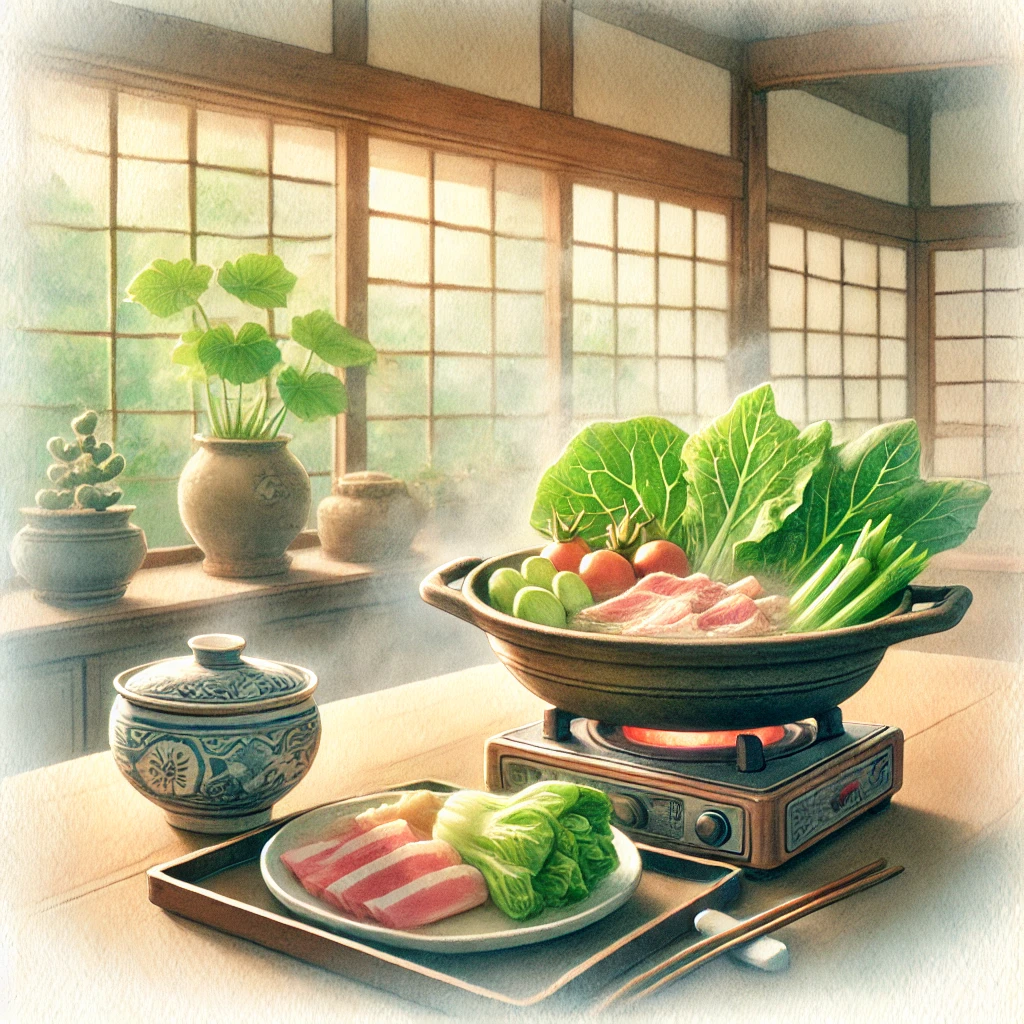
The blue sea, white sandy beaches, and unique culture of Okinawa. This island, which captivates many, holds treasures still waiting to be discovered. Among them is a dish that encapsulates Okinawa’s rich culinary heritage: Agu pork shabu-shabu.
When you think of Okinawan cuisine, what comes to mind? Goya Champuru, sea grapes, awamori… While all of these are undoubtedly enticing, Agu pork shabu-shabu is the dish that truly embodies the soul of Okinawa.
Agu pork, a breed that has been passed down since the Ryukyu Kingdom era, has a history that stretches back over 400 years. Despite facing the brink of extinction, the dedicated efforts of many have revived this pork, making it a living representation of Okinawa’s history.
Enjoying Agu pork as shabu-shabu is more than just a meal—it’s a cultural experience where tradition and innovation meet. Imagine the tender meat melting in your mouth, the sweetness of its fat harmonizing with the freshness of Okinawan island vegetables, and the tangy citrus of shikuwasa adding a final touch. It’s a true feast of Ryukyu flavors.
But the allure of Agu pork shabu-shabu doesn’t stop there. This dish also embodies the warmth of the Okinawan people, their harmony with nature, and a deep respect for the ingredients. Each bite allows you to savor not just the food, but also the culture, history, and spirit of Okinawa.
In this article, we’ll explore every aspect of Agu pork shabu-shabu, from its rich history to the best ways to enjoy it, including tips for savoring it at home. After reading this, your next trip to Okinawa will surely be a special one.
So why not open the door to Okinawa’s culinary world? Agu pork shabu-shabu is ready to lead you on an extraordinary flavor adventure. Are you ready to indulge in the tastes of Ryukyu? Let’s dive into the enchanting world of Agu pork shabu-shabu together.
- Introduction
- The History and Characteristics of Agu Pork
- Agu Pork Shabu-Shabu
- The Origins of Shabu-Shabu and Its Acceptance in Okinawa
- Why Agu Pork is Perfect for Shabu-Shabu
- Pairing Agu Pork Shabu-Shabu with Okinawan Ingredients
- How to Enjoy Agu Pork Shabu-Shabu to the Fullest
- Conclusion
- How to Fully Enjoy Agu Pork Shabu-Shabu
- Recipe for Enjoying Agu Pork Shabu-Shabu at Home
- Agu Pork Shabu-Shabu and the Food Culture of Okinawa
- Conclusion
- Q&A
- Summary of This Article
Introduction
Okinawan cuisine, shaped by its unique history and geographical characteristics, offers a fascinating world distinct from mainland Japan. Among the many culinary delights Okinawa has to offer, “Agu Pork Shabu-Shabu” has recently garnered significant attention. This dish is a delightful fusion of traditional Okinawan ingredients, like Agu pork, with the classic Japanese hotpot dish, shabu-shabu, creating a harmonious blend of “Wa-Ryukyu” flavors that are truly remarkable.
The Role of Hotpot Dishes in Okinawan Food Culture
When you think of Okinawa, images of blue seas, white sandy beaches, and a warm climate all year round likely come to mind. Hotpot dishes in Okinawa? It might seem unexpected. However, hotpot dishes actually hold a significant place in Okinawan food culture.
The Relationship Between Okinawa’s Climate and Hotpot Dishes
Okinawa is well-known for its mild climate, with an average annual temperature of about 23 degrees Celsius, making it one of the warmer regions in Japan. However, from December to February, temperatures can drop below 15 degrees Celsius, and the high humidity often makes it feel even colder. During this period, Okinawans enjoy warming their bodies with hotpot dishes.
Moreover, Okinawa’s summers are hot and humid, creating a stark contrast between the cool, air-conditioned indoors and the warm outdoor air. To protect their bodies from the shock of these sudden temperature changes, Okinawans maintain a tradition of eating warm meals, including hotpot dishes, even in summer.
Traditional Okinawan Hotpot Dishes
Okinawa has a variety of traditional hotpot dishes, including:
- Nakami-jiru: A nutritious hotpot made with pork offal.
- Inamuduchi: A hearty soup filled with pork, kelp, shiitake mushrooms, and other ingredients.
- Heeja-jiru: A hotpot featuring goat meat, which is believed to have invigorating properties.
These hotpot dishes have been passed down through generations as essential components of Okinawan food culture, supporting the health and longevity of the local people. Recently, the tradition has been revitalized with a fresh twist: Agu pork shabu-shabu.
What is Agu Pork?
Agu pork is a breed of black pig native to Okinawa, deeply rooted in the region’s culinary history since the Ryukyu Kingdom era. In recent years, Agu pork has gained recognition as a representative brand of Okinawan pork, prized for its rarity and superior meat quality.
Definition of Agu Pork
Agu pork, scientifically referred to as “Ryukyu native pig,” is defined as follows:
- Pigs born and raised within Okinawa Prefecture.
- Pigs whose mother is a purebred Agu pig registered in the “Agu Lineage Registry,” or crossbred Agu pigs mixed with other breeds.
- Pigs produced according to the “Agu Brand Pork Production Standards” set by Okinawa Prefecture.
Purebred Agu pigs are exceptionally rare, with most being protected and raised at the Okinawa Prefectural Livestock Research Center. The majority of Agu pork available in the market comes from crossbred pigs, primarily mixed with Berkshire pigs.
Physical Characteristics of Agu Pork
Agu pork is often referred to as “Okinawa’s black diamond” due to its distinctive appearance. Its key physical characteristics include:
- Color: The entire body is black, with a glossy coat.
- Body Shape: Small stature with a slightly arched back.
- Ears: Upright and forward-facing ears.
- Nose: Short and upturned, resembling a lion’s snout.
- Tail: Straight and short.
These features are considered adaptations to Okinawa’s subtropical climate. The small body size aids in heat dissipation, while the upright ears help regulate body temperature by moving them to catch breezes.
These physical characteristics greatly influence the meat quality of Agu pork. The combination of a small stature and a moderate amount of exercise results in finely textured, tender meat, making it an ideal choice for shabu-shabu.
In Okinawan food culture, hotpot dishes are cherished throughout the year, regardless of the season. Among these, Agu pork shabu-shabu, made with a native Okinawan breed, has gained attention as a new culinary treasure that blends tradition with innovation.
The rarity and exceptional quality of Agu pork elevate it beyond a mere ingredient; it becomes a symbol of Okinawan culture and history. In the following chapters, we will delve deeper into the history and characteristics of Agu pork.
When you visit Okinawa, be sure to try Agu pork shabu-shabu. This dish encapsulates the rich food culture of Okinawa and the traditional flavors that the islanders have carefully preserved. It offers a wonderful opportunity to deepen your understanding of Okinawa’s allure through its cuisine.
The History and Characteristics of Agu Pork
Agu pork is an indispensable element when discussing Okinawa’s culinary culture. Its unique flavor and texture have captivated gourmands for generations. In this section, we will delve into the history of Agu pork, its significance in modern times, and its distinctive meat qualities that continue to enchant food lovers worldwide.
Agu Pork as an Indigenous Okinawan Breed
Agu pork is a precious indigenous breed that has been nurtured by Okinawa’s unique environment and culture. Its history is deeply intertwined with that of the Ryukyu Kingdom, dating back centuries.
The Origins of Agu Pork
The origins of Agu pork are subject to several theories:
- Southern China Theory: It is believed that Agu pigs were brought to Ryukyu (present-day Okinawa) from southern China around the 14th century.
- Southeast Asia Theory: Another theory suggests that Agu pigs arrived in Okinawa via maritime routes from Southeast Asia.
- Mainland Japan Theory: This theory posits that pigs migrated southward from mainland Japan and gradually adapted to Okinawa’s environment, evolving into what we now know as Agu pigs.
Current research indicates that these theories are likely interconnected, suggesting that pigs brought from various regions interbred and adapted to Okinawa’s unique environment, eventually evolving into the Agu pigs of today.
The name “Agu” also carries a fascinating history. The term “Agu” is believed to have evolved from the Ryukyuan word for “pig,” which was originally “Wa.” Thus, “Agu Pork” essentially means “Pig Pig.” This naming convention reflects the deep-rooted connection between Agu pigs and the daily lives of Okinawan people.
Agu Pork During the Ryukyu Kingdom Era
During the Ryukyu Kingdom period (1429–1879), Agu pigs were highly prized. Despite Buddhist dietary restrictions that limited meat consumption, Agu pork was an exception, allowed for consumption due to its special status.
One of the most notable aspects of Agu pork during this time was its designation as “Goyo-niku,” or “Imperial Meat,” which was reserved exclusively for royalty and high-ranking officials. This status underscores the high value placed on Agu pork in Okinawan society at the time.
Several intriguing anecdotes highlight the significance of Agu pork during the Ryukyu Kingdom era:
- Tributes to Imperial Envoys: Agu pork was presented as a tribute to imperial envoys dispatched from China, indicating the international recognition of its superior quality.
- Medicinal Uses: The internal organs and blood of Agu pigs were highly valued as ingredients in traditional Chinese medicine. Particularly, the pig’s gallbladder, known as “Tonton,” was prized for its use in treating fever and detoxification.
- Role in Rituals: Agu pork also played a significant role in traditional Okinawan rituals. For example, during the harvest festival, Agu pork was offered to the gods in ceremonies celebrating a bountiful harvest.
In these ways, Agu pork was far more than just a food source—it was a symbol deeply embedded in the social and cultural fabric of the Ryukyu Kingdom.
The Revival and Modern Breeding of Agu Pork
The history of Agu pork is one of resilience and revival. Though it faced the brink of extinction, it was saved through the dedicated efforts of many and has now emerged as a highly sought-after brand of Okinawan pork.
The Threat of Extinction and Conservation Efforts
Agu pork faced the threat of extinction in the mid-20th century due to several factors:
- Impact of War: During World War II, many Agu pigs were consumed as food, drastically reducing their population.
- Introduction of Foreign Breeds: After the war, high-yield foreign breeds (such as Berkshire) were introduced, leading to a decline in Agu pork breeding.
- Changes in Lifestyle: As urbanization progressed, home-based pig farming decreased, further threatening the survival of Agu pigs.
By the early 1980s, the population of purebred Agu pigs had dwindled to just around 30 on Okinawa’s main island. This dire situation sparked serious conservation efforts.
The Okinawa Prefectural Livestock Research Center (formerly the Okinawa Livestock Experiment Station) spearheaded these efforts with initiatives such as:
- Genetic Preservation: Collecting the remaining purebred Agu pigs and preserving their genetic resources.
- Development of Breeding Techniques: Utilizing advanced breeding techniques like artificial insemination and embryo transfer to increase the population of Agu pigs.
- Research on Breeding Methods: Studying breeding methods and feed that suited Agu pigs’ characteristics.
- Public Awareness Campaigns: Educating the public and producers about the value and importance of Agu pork.
These concerted efforts eventually bore fruit, leading to the gradual recovery of the Agu pig population.
The Modern Branding of Agu Pork
With the population of Agu pigs beginning to recover in the late 1990s, efforts to brand Agu pork gained momentum. Several factors drove this branding movement:
- Need for Regional Revitalization: As part of Okinawa’s economic revitalization strategies, there was a growing need to develop industries utilizing unique local resources.
- Rising Interest in Food Safety and Quality: Consumers were increasingly concerned with safe, high-quality ingredients, driving demand for premium products like Agu pork.
- Emergence of the “Waton” (Japanese Pork) Boom: Across Japan, there was a growing trend of valuing and celebrating regional pig breeds, such as black pigs.
In 2000, the “Agu Brand Pork Promotion Council” was established, marking the official beginning of the Agu pork branding process. Key initiatives included:
- Establishing Quality Standards: Developing the “Agu Brand Pork Production Standards” to ensure consistent quality.
- Implementing Traceability Systems: Introducing a comprehensive traceability system from production to distribution.
- Conducting PR Campaigns: Engaging in extensive public relations efforts, including media coverage and tasting events both within and outside Okinawa.
- Collaborating with Chefs: Partnering with renowned chefs and culinary experts to create innovative dishes using Agu pork.
These efforts were successful in establishing Agu pork as a luxury brand, earning it the nickname “Okinawa’s Black Diamond.” Today, Agu pork enjoys high popularity not only in Okinawa but also in major cities like Tokyo and Osaka.
However, due to its rarity, production remains limited, with only around 5,000 pigs shipped annually (as of 2021). This scarcity further enhances the value of Agu pork, making it a coveted delicacy.
The Characteristics and Nutritional Value of Agu Pork
The reputation of Agu pork as a premium brand is well-deserved, thanks to its unique meat qualities and outstanding nutritional value. Let’s explore the specific characteristics and health benefits that make Agu pork so special.
Meat Quality and Flavor Profile
Agu pork is known for the following characteristics:
- Fine-Grained Texture: The muscle fibers are fine, resulting in an exceptionally tender texture.
- Moderate Fat Content: The meat has just the right amount of fat, contributing to a juicy and rich flavor.
- Sweet Flavor: High levels of oleic acid in the fat give Agu pork its distinctive sweet flavor.
- Clean Finish: The fat melts effortlessly in your mouth, leaving a light and refreshing aftertaste.
These qualities are deeply influenced by Agu pork’s genetic traits and its rearing environment. The small size of Agu pigs and their slow growth rate contribute to the fine texture of the meat. Additionally, Okinawa’s warm climate and unique feeding practices (such as incorporating sugarcane by-products into the diet) play a significant role in shaping its distinctive flavor.
The quality of Agu pork fat is particularly noteworthy. Compared to other pork, Agu pork fat boasts the following unique properties:
- Low Melting Point: The fat melts at a temperature lower than body temperature (36–37 degrees Celsius), giving it a melt-in-the-mouth quality.
- High Oleic Acid Content: This monounsaturated fat, also found in olive oil, is known for its health benefits.
- Distinctive Aroma: As the fat melts
, it releases a unique aroma that enhances the overall flavor of Agu pork.
These characteristics make Agu pork particularly well-suited for dishes like shabu-shabu and sukiyaki, where the quality of the meat is showcased.
Nutritional Composition and Health Benefits
Agu pork is not only celebrated for its delicious flavor but also for its impressive nutritional profile. Below is an overview of the key nutrients in Agu pork and their associated health benefits:
| Nutrient | Amount (per 100g) | Main Health Benefits |
|---|---|---|
| Protein | Approx. 20g | Supports muscle growth, cell repair, and immune function |
| Oleic Acid | Approx. 45% (of total fatty acids) | Reduces LDL cholesterol, increases HDL cholesterol, lowers heart disease risk |
| Vitamin B1 | Approx. 0.9mg | Promotes carbohydrate metabolism, boosts energy, supports nerve function |
| Vitamin E | Approx. 0.3mg | Antioxidant properties, slows cellular aging, enhances immune function |
| Zinc | Approx. 2.3mg | Maintains taste, promotes skin health, strengthens immune system |
These nutrients are a result of Agu pork’s distinctive rearing methods and genetic makeup. Let’s take a closer look at some of these key nutritional aspects:
Rich in Oleic Acid
The fat of Agu pork contains about 15-20% more oleic acid compared to typical pork. Oleic acid offers the following health benefits:
- Reduces LDL cholesterol (bad cholesterol)
- Increases HDL cholesterol (good cholesterol)
- Prevents atherosclerosis
- Has anti-inflammatory effects
These benefits may help reduce the risk of cardiovascular diseases such as heart attacks and strokes.
High Vitamin B1 Content
Agu pork contains approximately 1.5 times more vitamin B1 than regular pork. Vitamin B1 is crucial for:
- Enhancing carbohydrate metabolism, which aids in efficient energy production
- Supporting nerve function, improving concentration and memory
- Promoting recovery from fatigue and increasing stress resilience
Eating Agu pork in Okinawa’s hot climate provides an effective way to replenish energy, thanks to these nutritional properties.
Low-Calorie, High-Protein
Generally, Agu pork is lower in fat and higher in protein compared to other pork varieties. With approximately 230 kcal per 100g, it is lower in calories than standard pork (about 260 kcal).
This high-protein, low-calorie profile makes Agu pork particularly suitable for:
- People on a diet: It offers a satisfying meal with fewer calories
- Athletes and fitness enthusiasts: It aids in muscle repair and growth
- Elderly individuals: It helps maintain muscle mass
In summary, Agu pork is not only delicious but also nutritionally beneficial. However, as with all foods, it is important to consume it in moderation as part of a balanced diet to fully enjoy its health benefits.
Agu pork, deeply rooted in Okinawa’s long history and culture, has overcome near extinction thanks to the efforts of many and is now highly regarded as a premium brand. Its historical significance, excellent meat quality, and health benefits make it a treasured part of Okinawan cuisine.
The characteristics of Agu pork can be summarized as follows:
- Historical Value: It embodies Okinawa’s culinary culture, which has been preserved since the Ryukyu Kingdom era.
- Superior Meat Quality: It is known for its fine texture, tenderness, and sweet flavor.
- Healthy Nutritional Value: Rich in oleic acid and vitamin B1, offering significant health benefits.
- Rarity: Its limited production further enhances its value.
Agu pork shabu-shabu is the perfect dish to fully appreciate these characteristics. The softness of the meat and the sweetness of the fat are brought out in this preparation, allowing you to experience the true essence of Agu pork.
When visiting Okinawa, be sure to try Agu pork shabu-shabu. It encapsulates the history, culture, and dedicated efforts of the people of Okinawa. Through Agu pork, you can truly appreciate the depth and richness of Okinawa’s culinary heritage.
Agu Pork Shabu-Shabu
Among Okinawa’s rich culinary traditions, Agu pork shabu-shabu stands out as a dish that has garnered significant attention. Its unique flavor and texture continue to captivate food enthusiasts from all over. In this section, we will explore Agu pork shabu-shabu in detail, from its historical background to the best ways to enjoy this exquisite dish.
The Origins of Shabu-Shabu and Its Acceptance in Okinawa
Shabu-shabu is one of Japan’s most iconic hotpot dishes, but its origins and the way it was embraced in Okinawa offer a fascinating history.
The History of Shabu-Shabu
Interestingly, the history of shabu-shabu is relatively recent. The following points outline its development:
- Origins: Shabu-shabu was reportedly created in 1952 at the restaurant “Mimiu,” a traditional Japanese cuisine restaurant specializing in hotpot dishes in Osaka.
- Name Origin: The name “shabu-shabu” is onomatopoeic, derived from the sound of thinly sliced meat being swished through boiling water.
- Spread Across Japan: Around 1955, shabu-shabu began to be served in Tokyo and gradually spread throughout the country, becoming a popular dish nationwide.
Though shabu-shabu is a relatively new addition to Japan’s culinary landscape, its deliciousness and simplicity quickly won it widespread popularity.
Shabu-Shabu’s Reception in Okinawa
Shabu-shabu became popular in Okinawa after the reversion of Okinawa to Japan in 1972. Several factors contributed to its acceptance and spread:
- Growth of the Tourism Industry: The increase in tourists visiting Okinawa led to the introduction of mainland Japanese cuisine.
- Changes in Dietary Habits: Westernization and influences from mainland Japan sparked interest in new dishes.
- The Revival of Agu Pork: From the late 1980s, as Agu pork was being revived, shabu-shabu became a notable way to highlight this premium meat.
Agu pork shabu-shabu, in particular, began gaining popularity in Okinawa in the late 1990s. As Agu pork became recognized as a luxury brand, shabu-shabu emerged as the ideal cooking method to showcase its exceptional qualities.
Today, Agu pork shabu-shabu is firmly established as one of Okinawa’s representative local dishes, attracting both locals and tourists alike as a must-try culinary experience.
Why Agu Pork is Perfect for Shabu-Shabu
Agu pork’s unique characteristics make it exceptionally well-suited for shabu-shabu. Let’s delve into why this is the case.
The Tenderness and Umami of the Meat
The softness and umami of Agu pork complement the shabu-shabu cooking method perfectly.
- Fine-Grained Texture: The muscle fibers in Agu pork are incredibly fine, which means that with just a light dip in hot water, the meat becomes delightfully tender.
- High Moisture Retention: Agu pork has a strong ability to retain moisture, ensuring that the meat remains juicy even when exposed to heat.
- Rich Umami: Agu pork is rich in umami components such as glutamic acid, which are maximized when the meat is thinly sliced and quickly cooked in hot water.
These features make Agu pork shabu-shabu a distinctly superior experience compared to shabu-shabu made with regular pork.
The Quality and Melting Characteristics of the Fat
The fat in Agu pork is ideally suited for shabu-shabu due to its special properties.
- Low Melting Point: The fat in Agu pork begins to melt at temperatures lower than body temperature (36-37°C). This means that just a quick dip in the hot water gives the fat a luscious, melt-in-the-mouth texture.
- Sweet Flavor: High in oleic acid, the fat of Agu pork has a naturally sweet flavor that enhances the overall taste of the shabu-shabu.
- Clean Finish: The smooth melting of the fat in the mouth leaves a clean, refreshing aftertaste, making it possible to enjoy the dish over a longer meal without feeling overwhelmed.
These qualities make Agu pork shabu-shabu highly regarded for its rich, luxurious taste that leaves a lasting impression.
Pairing Agu Pork Shabu-Shabu with Okinawan Ingredients
The appeal of Agu pork shabu-shabu is further enhanced by pairing it with unique Okinawan ingredients. These combinations set Agu pork shabu-shabu apart from shabu-shabu in other regions, offering a distinct taste of Okinawa.
Perfect Pairings with Island Vegetables
Okinawa’s island vegetables, with their unique flavors and textures, perfectly complement Agu pork shabu-shabu. Here are some of the best pairings:
- Goya (Bitter Melon):
- Characteristics: Known for its distinctive bitterness and crunchy texture.
- Pairing: The sweetness of Agu pork balances the bitterness of goya, creating a harmonious flavor profile.
- Nutritional Value: Rich in vitamin C, making it effective for preventing summer fatigue.
- Shima Ninjin (Island Carrot):
- Characteristics: Smaller and sweeter than regular carrots.
- Pairing: The umami of Agu pork and the sweetness of Shima Ninjin blend to create a deep, satisfying flavor.
- Nutritional Value: High in beta-carotene, which is beneficial for skin health.
- Shima Togarashi (Island Chili Pepper):
- Characteristics: Small, vibrant red, and very spicy.
- Pairing: The sweetness of Agu pork fat is complemented by the sharp heat of Shima Togarashi, adding an exciting contrast to the dish.
- Nutritional Value: Contains vitamin C and capsaicin, which can boost metabolism.
Incorporating these island vegetables transforms Agu pork shabu-shabu from a simple meat dish into a rich embodiment of Okinawan culinary culture.
Combining Seaweed and Seafood
The bounty of Okinawa’s seas also plays a significant role in making Agu pork shabu-shabu a truly special dish. Here are some standout pairings:
- Umibudo (Sea Grapes):
- Characteristics: Known for their pop-in-your-mouth texture and subtle saltiness.
- Pairing: The refreshing taste of umibudo accentuates the rich flavor of Agu pork, creating a delightful contrast.
- Serving Suggestion: Add umibudo to rice at the end of the meal to create a refreshing seaweed porridge.
- Mozuku:
- Characteristics: Has a slippery texture and a light, refreshing taste.
- Pairing: Mozuku balances the richness of Agu pork, offering a clean and refreshing bite.
- Nutritional Value: High in dietary fiber, which supports digestive health.
- Shima Rakkyo (Island Shallots):
- Characteristics: Small, with a crunchy texture and a sharp, pungent flavor.
- Pairing: The sweetness of Agu pork is complemented by the spicy kick of Shima Rakkyo, creating a perfect balance.
- Serving Suggestion: Use as a garnish to enhance the flavor of the pork.
These combinations of seaweed and seafood with Agu pork shabu-shabu create a dish that harmonizes the best of Okinawa’s land and sea, resulting in a truly authentic Okinawan culinary experience.
How to Enjoy Agu Pork Shabu-Shabu to the Fullest
To fully appreciate Agu pork shabu-shabu, it’s important to know how to prepare and enjoy it properly. Here, we’ll guide you through some expert tips on how to savor this dish to the fullest.
The Ideal Thickness and Cutting Techniques for the Meat
To bring out the best in Agu pork, it’s essential to slice the meat to the right thickness and cut it properly.
The Ideal Thickness
The optimal thickness for Agu pork shabu-shabu slices is around 1.5mm to 2mm. Here’s why this thickness is considered ideal:
- Even Cooking: At this thickness, the meat cooks evenly in just about 10 seconds in the hot water.
- Balanced Texture: If the slices are too thin, they lose texture, while if they are too thick, they become difficult to chew.
- Retention of Umami: The appropriate thickness helps retain the meat’s juices and umami flavor.
Cutting Techniques by Meat Part
Each part of the Agu pork requires a specific cutting technique to maximize its flavor:
- Loin: Cut perpendicular to the muscle fibers to achieve a tender texture.
- Belly: Slice slightly diagonally to balance the fat and lean meat.
- Shoulder Loin: Cut along the muscle fibers to retain a pleasant chewiness.
- Tenderloin: As the fibers are fine, cut it uniformly thick and slightly larger.
Following these cutting techniques ensures that Agu pork’s unique qualities are fully brought out, allowing you to enjoy the best possible flavor and texture.
Recommended Vegetables and Condiments
Choosing the right vegetables and condiments is key to enhancing the taste and nutritional balance of Agu pork shabu-shabu.
Classic Vegetables and Condiments
Here are some essential vegetables and condiments that pair perfectly with Agu pork shabu-shabu:
- Napa Cabbage: Its crunchy texture and sweetness complement Agu pork beautifully.
- Chrysanthemum Greens: Their unique aroma and slight bitterness enhance the umami of the pork.
- Enoki Mushrooms: Their delicate, crunchy texture adds a refreshing contrast.
- Leeks: The balance of spiciness and sweetness in leeks helps elevate the flavor of Agu pork.
- Grated Daikon Radish: It adds a refreshing element, balancing out the richness of the pork.
- Ponzu Sauce: The citrusy acidity of ponzu highlights the umami of Agu pork.
Unique Okinawan Ingredients
Incorporating unique Okinawan ingredients can add a distinctive touch to your Agu pork shabu-shabu:
- Handama (Okinawan Spinach): Its slight bitterness and unique aroma are rich in vitamin C.
- Fuuchiba (Mugwort): Offers a distinct flavor and bitterness, and is high in calcium.
- Shikuwasa: Use this Okinawan citrus fruit in place of ponzu for a more authentic local flavor.
- Island Chili Pepper: Chop and add to ponzu for a spicy kick.
Combining these vegetables and condiments with Agu pork shabu-shabu not only enhances the flavor but also improves the nutritional balance of the meal.
Choosing the Right Broth and Making Ponzu
For a truly delicious shabu-shabu, the right broth and ponzu sauce are essential. Here, we share how to prepare a perfect Okinawan-style broth and ponzu sauce for your Agu pork shabu-shabu.
Recipe for Okinawan-Style Broth
Creating a special broth using Okinawan ingredients can elevate your Agu pork shabu-shabu to new heights. Here’s how to make an Okinawan-style broth:
- Soak a 10cm square piece of kombu (kelp) in 2 liters of water for about 30 minutes.
- Heat the water and remove the kombu just before it boils.
- Add 30g of bonito flakes and bring the water to a boil again.
- Turn off the heat, let it sit for 5 minutes, then strain out the bonito flakes.
- Add one chopped island chili pepper (with seeds removed) to the broth.
- Season with a teaspoon of salt to taste.
This broth combines the umami of kombu and bonito with the spicy kick of island chili pepper, perfectly complementing the flavor of Agu pork.
How to Make Shikuwasa Ponzu Sauce
Shikuwasa, a specialty citrus fruit from Okinawa, makes a ponzu sauce that pairs wonderfully with Agu pork shabu-shabu. Here’s how to make it:
- Prepare 100ml of shikuwasa juice.
- Add 50ml of light soy sauce.
- Stir in one tablespoon of mirin.
- Add a teaspoon of kombu tea powder.
- Mix all ingredients well.
- Let the sauce rest in the refrigerator for about an hour.
This ponzu sauce, with its refreshing citrusy tang and depth from kombu tea, is the perfect complement to the rich flavor of Agu pork.
Conclusion
Agu pork shabu-shabu is a culinary masterpiece that brings together Okinawa’s rich food culture and Japan’s traditional cooking techniques. To summarize its appeal:
- Maximizing Agu Pork’s Qualities: The tenderness and sweetness of Agu pork are fully brought out through the shabu-shabu cooking method.
- Pairing with Okinawan Ingredients: Combining island vegetables and seaweed creates a unique and rich flavor profile.
- Attention to Detail: From the thickness and cutting of the meat to the selection of vegetables, condiments, and preparation of broth and ponzu, every detail contributes to enhancing the dish’s flavor.
Agu pork shabu-shabu offers more than just a delicious meal; it is a culinary experience that reflects Okinawa’s history, culture, and the dedication of its people. When visiting Okinawa, be sure to savor Agu pork shabu-shabu. It embodies the richness of Okinawa’s culinary heritage.
Finally, when enjoying Agu pork shabu-shabu, take your time to savor each bite. By appreciating the flavors in each mouthful, you can truly experience the depth of Okinawan food culture. This experience will undoubtedly enrich your Okinawan journey, leaving you with lasting memories of its culinary treasures.
How to Fully Enjoy Agu Pork Shabu-Shabu
Agu pork is a premium delicacy from Okinawa, renowned for its rich flavor and tender texture. Among the various ways to prepare Agu pork, shabu-shabu stands out as a particularly popular method. However, simply dipping the meat in hot water and eating it won’t do justice to the full potential of Agu pork. In this guide, we’ll introduce you to professional-level tips and techniques to help you savor Agu pork shabu-shabu to the fullest.
The Ideal Thickness and Cutting Techniques for the Meat
One of the most critical factors in enjoying Agu pork shabu-shabu is the thickness and cutting method of the meat. By understanding the optimal thickness and how to properly slice the meat, you can maximize the umami and ensure a delightful dining experience.
Optimal Meat Thickness
The ideal thickness for Agu pork shabu-shabu is approximately 1.5mm to 2mm. Here’s why this thickness is considered the most delicious:
- Perfect Cooking: At this thickness, the meat cooks through in about 10 seconds when dipped in hot water. Since Agu pork has a higher fat content, slicing it too thin could cause the fat to melt excessively, resulting in a loss of flavor.
- Balanced Texture: A thickness of 1.5mm to 2mm offers the perfect balance between a satisfying chew and a melt-in-your-mouth texture, making each bite a delight.
- Flavor Retention: This thickness allows the meat to retain its rich umami within the center. While the outer layer cooks, the middle remains slightly rare, preserving the depth of flavor.
That said, the optimal thickness can vary depending on personal preference and the specific cut of meat. For those who prefer a chewier texture, slices up to 2.5mm thick may be ideal. Conversely, if you enjoy a lighter, more delicate experience, thinner slices around 1mm may suit you better.
Best Cutting Techniques for Different Cuts
Each cut of Agu pork has its own ideal cutting method. By tailoring your slicing technique to the specific characteristics of each cut, you can enhance both flavor and texture, making the most out of your shabu-shabu experience.
Loin
The loin is one of the most popular cuts of Agu pork, known for its balanced ratio of fat to lean meat, making it perfect for shabu-shabu.
- Cutting Method: It’s essential to slice perpendicular to the muscle fibers. This technique helps to tenderize the meat, making it easier to eat.
- Size: Slices should ideally be about 5cm square. This size ensures even cooking when dipped in the hot water.
- Tip: Keep the layer of fat on the edge of the loin intact. As it melts, the fat infuses the meat with additional umami, enhancing the overall flavor.
Belly
The belly is characterized by layers of fat and lean meat. It’s a favored cut for those who enjoy the rich sweetness of Agu pork fat.
- Cutting Method: To balance the fat and lean meat, slice the belly slightly diagonally. This method ensures that each slice contains an even distribution of fat and lean meat.
- Size: Slices should be slightly larger than the loin, around 6cm square. The higher fat content makes smaller slices more prone to falling apart when dipped in hot water.
- Tip: Due to the high-fat content, keep the dipping time short—around 5 seconds is sufficient.
Shoulder Loin
The shoulder loin is a slightly leaner cut than the regular loin, offering a nice balance of tenderness and flavor with a bit more bite.
- Cutting Method: Slice along the muscle fibers into long, thin strips to enjoy the optimal chewiness of this cut.
- Size: Aim for strips approximately 3cm wide and 7cm long.
- Tip: Since the shoulder loin is leaner, it’s best to cook it a little longer, around 15 seconds, to bring out its full flavor.
Tenderloin
The tenderloin is the leanest cut of Agu pork, offering a light, clean flavor with minimal fat.
- Cutting Method: Due to its fine grain, it’s best to cut the tenderloin evenly and slightly larger to retain its shape.
- Size: Aim for round slices approximately 4cm in diameter and 1cm thick.
- Tip: Because it’s so lean, the tenderloin requires only a brief dip in the hot water—about 7 to 8 seconds.
By following these cutting techniques, you can bring out the best qualities of each cut of Agu pork, ensuring a delicious and satisfying shabu-shabu experience. However, personal preferences and experimentation can lead you to discover your own favorite ways to prepare and enjoy Agu pork shabu-shabu.
Recommended Vegetables and Condiments
To make your Agu pork shabu-shabu even more enjoyable and nutritionally balanced, selecting the right vegetables and condiments is key. Here, we’ll introduce a range of options from classic pairings to unique Okinawan ingredients.
Classic Vegetables and Condiments
Here are some essential vegetables and condiments that perfectly complement Agu pork shabu-shabu:
- Napa Cabbage:
- Characteristics: The crisp texture and natural sweetness of Napa cabbage pair exceptionally well with Agu pork.
- Preparation: Cut the leafy parts into 5cm squares and the stems into 5mm slices.
- Serving Suggestion: Dip the leaves in the hot water alongside the meat, while the thicker stems should be softened in the water first before eating.
- Chrysanthemum Greens:
- Characteristics: The unique aroma and slight bitterness of chrysanthemum greens enhance the rich flavor of Agu pork.
- Preparation: Trim the tough roots and cut the greens into 5cm lengths.
- Serving Suggestion: Dip the greens in the hot water with the meat, allowing their fragrance to elevate the sweetness of the pork fat.
- Enoki Mushrooms:
- Characteristics: Enoki mushrooms offer a crunchy texture and a refreshing taste that complements the pork.
- Preparation: Trim the root ends and separate the clusters into smaller portions.
- Serving Suggestion: Soften the enoki in the hot water before enjoying them with the meat. The mushrooms’ texture contrasts nicely with the tender pork.
- Leeks:
- Characteristics: The balance of spiciness and sweetness in leeks enhances the flavor of Agu pork.
- Preparation: Slice the leeks diagonally into thin pieces.
- Serving Suggestion: Dip the leeks in the hot water with the meat. The spiciness of the leeks balances the sweetness of the pork fat.
- Grated Daikon Radish:
- Characteristics: The refreshing taste of grated daikon radish helps to cleanse the palate and balance the richness of the pork.
- Preparation: Grate fresh daikon and lightly squeeze out the excess water.
- Serving Suggestion: Enjoy the grated daikon as a palate cleanser after eating the meat, offering a refreshing contrast to the richness of the pork.
- Ponzu Sauce:
- Characteristics: The citrusy tang of ponzu sauce brings out the umami of Agu pork.
- Preparation: Use store-bought ponzu or make your own (see recipe below).
- Serving Suggestion: Dip the cooked meat in ponzu before eating. The acidity of the ponzu perfectly complements the sweetness of the pork fat.
Unique Okinawan Ingredients
Incorporating unique Okinawan ingredients can add a distinctive touch to your Agu pork shabu-shabu:
- Handama (Okinawan Spinach):
- Characteristics: Handama has a slight bitterness and unique aroma, rich in vitamin C.
- Preparation: Trim the roots and cut the leaves into 5cm pieces.
- Serving Suggestion: Dip the Handama leaves in the hot water with the meat. The bitterness of the Handama enhances the sweetness of Agu pork.
- Fuuchiba (Mugwort):
- Characteristics: Fuuchiba offers a distinct aroma and bitterness, and is rich in calcium.
- Preparation: Pick the leaves and finely chop them.
- Serving Suggestion: Mix the Fuuchiba with ponzu for an Okinawan twist, adding a unique flavor to your shabu-shabu.
- Shikuwasa (Okinawan Citrus):
- Characteristics: Shikuwasa is a citrus fruit native to Okinawa, known for its refreshing acidity.
- Preparation: Squeeze the juice from fresh Shikuwasa.
- Serving Suggestion: Use the juice as a substitute for ponzu or mix it into ponzu for a more authentic Okinawan flavor. The citrusy notes of Shikuwasa brighten the sweetness of the pork fat, creating a light and refreshing taste.
- Island Chili Pepper:
- Characteristics: This Okinawan chili pepper is known for its intense spiciness.
- Preparation: Finely chop or grind the pepper into a powder.
- Serving Suggestion: Add a small amount to ponzu for a spicy kick. The heat from the chili pepper adds a new dimension to the flavor of Agu pork, making each bite more complex and enjoyable.
Combining these vegetables and condiments with Agu pork shabu-shabu not only enhances the flavor but also improves the nutritional balance of the meal. Additionally, using Okinawan ingredients allows you to enjoy a more authentic taste of Okinawa.
Choosing the Right Broth and Making Ponzu Sauce
A delicious shabu-shabu experience relies heavily on the quality of the broth and ponzu sauce. Here, we’ll share the recipes for Okinawan-style broth and Shikuwasa ponzu sauce that are perfect for Agu pork shabu-shabu.
Okinawan-Style Broth Recipe
Making a special broth using Okinawan ingredients can enhance the flavor of your Agu pork shabu-shabu. Here’s how to make Okinawan-style broth:
- Ingredients (Serves 4):
- 2 liters of water
- 1 piece of kombu (10cm square)
- 30g of bonito flakes
- 1 island chili pepper (seeded and finely chopped)
- 1 teaspoon of salt
- Method:
- In a large pot, combine 2 liters of water and the kombu, letting it soak for about 30 minutes. This allows the umami from the kombu to infuse into the water.
- Heat the pot over low heat, removing the kombu just before the water reaches a boil (when small bubbles start to appear around the kombu). Be careful not to let the kombu boil, as this can introduce bitterness.
- Add the bonito flakes and bring the water to a boil again. Once boiling, immediately turn off the heat.
- Let the broth sit for about 5 minutes before straining out the bonito flakes. You can save the strained bonito flakes to use later in other dishes like rice or soup.
- Add the chopped island chili pepper. Adjust the amount based on your preferred level of spiciness.
- Finally, season the broth with salt to taste. Adjust the salt level according to your preference.
This broth combines the umami of kombu and bonito with the spicy kick of island chili pepper, perfectly complementing the flavor of Agu pork. The traditional flavors of the kombu and bonito represent Japanese culinary heritage, while the island chili pepper adds a distinctive Okinawan twist, creating a harmonious blend of “Wa-Ryukyu” flavors.
Shikuwasa Ponzu Sauce Recipe
Shikuwasa, a specialty citrus fruit from Okinawa, makes a ponzu sauce that pairs wonderfully with Agu pork shabu-shabu. Here’s how to make it:
- Ingredients (Serves 4):
- 100ml of Shikuwasa juice
- 50ml of light soy sauce
- 1 tablespoon of mirin
- 1 teaspoon of kombu tea powder
- Method:
- Squeeze the juice from fresh Shikuwasa to prepare 100ml. Using fresh Shikuwasa enhances the sauce with its vibrant aroma and flavor.
- Add the light soy sauce to a mixing bowl. Light soy sauce helps preserve the color and delicate flavor of the Shikuwasa juice.
- Add the mirin. Mirin not only adds sweetness but also balances the saltiness of the soy sauce.
- Add the kombu tea powder. The kombu tea deepens the umami flavor, giving the sauce a more complex taste.
- Mix all the ingredients thoroughly.
- Refrigerate the sauce for about an hour to let the flavors meld together, enhancing the overall taste.
This ponzu sauce, with its refreshing Shikuwasa acidity, perfectly complements the rich umami of Agu pork. Adding kombu tea intensifies the umami, creating a sauce with depth and complexity. If you find the Shikuwasa flavor too strong, you can substitute part of it with lemon juice for a milder taste.
Tips for the Best Agu Pork Shabu-Shabu Experience
Now that we’ve covered the ingredients and preparations for Agu pork shabu-shabu, let’s dive into some tips for enjoying the dish to its fullest.
The Perfect Dipping Time for the Meat
Given the tenderness of Agu pork, the dipping time is crucial. Here are some key points to consider:
- Water Temperature: The ideal water temperature for shabu-shabu is just below boiling, around 80-90°C. Boiling water can make the meat tough, so it’s important to keep the temperature just right.
- Dipping Time:
- Loin, Belly: 7-10 seconds
- Shoulder Loin: 10-15 seconds
- Tenderloin: 5-7 seconds
- Dipping Technique: Hold the meat with chopsticks and gently swish it through the water. This ensures even cooking and preserves the meat’s tender texture.
Variety in Flavor Experiences
Agu pork shabu-shabu offers a range of ways to enjoy its flavor. Here are some variations to try:
- Ponzu Flavor: Simply dip the cooked meat in ponzu sauce. The refreshing acidity of Shikuwasa ponzu enhances the umami of the Agu pork.
- Sesame Sauce Flavor: Dipping the meat in sesame sauce highlights the sweetness of Agu pork, creating a rich, indulgent taste.
- Salt Flavor: Sprinkling a bit of salt on the cooked meat allows you to appreciate the pure, unadulterated flavor of Agu pork.
- Vegetable Wrap: Wrap the cooked meat in Napa cabbage or lettuce for a lighter, refreshing bite.
- Condiment Topping: Top the cooked meat with chopped green onions or grated daikon radish for a more complex and layered flavor experience.
The Final Course: Savoring the Broth
The final course of your shabu-shabu meal is an opportunity to savor the full depth of flavor from the Agu pork:
- Zosui (Rice Porridge): Add cooked rice to the remaining broth in the pot and stir in a beaten egg to make zosui. The rice absorbs the rich flavors of the Agu pork, creating a comforting and delicious dish.
- Udon: Add udon noodles to the remaining broth for a satisfying, hearty finish. Okinawa soba noodles are also an excellent choice.
- Soup: Simply enjoy the remaining broth as a soup. The flavors of
Agu pork concentrated in the broth make for an exceptionally flavorful and warming dish.
Conclusion: Maximizing Your Agu Pork Shabu-Shabu Experience
Agu pork shabu-shabu is a culinary delight that marries the rich food culture of Okinawa with the traditional techniques of Japanese cuisine. To summarize its appeal:
- The Ideal Meat Thickness and Cutting Techniques: Choosing the right thickness and cutting method for each cut of meat maximizes the natural flavors and textures of Agu pork.
- Harmonizing with Okinawan Ingredients: The combination of island vegetables and seaweed creates a unique and flavorful dish. Using Okinawan ingredients like Handama, Fuuchiba, and Shikuwasa adds an authentic Okinawan touch to the meal.
- Attention to Detail in Broth and Ponzu: From the Okinawan-style broth to Shikuwasa ponzu, attention to detail in every element enhances the overall flavor.
- The Perfect Eating Techniques: By focusing on the dipping time, exploring different flavor combinations, and savoring the final course, you can fully enjoy the depth of flavor in Agu pork shabu-shabu.
Agu pork shabu-shabu offers more than just a delicious meal; it represents the rich history, culture, and dedication of the people of Okinawa. When you visit Okinawa, be sure to try Agu pork shabu-shabu, and remember the tips shared in this guide to fully immerse yourself in the experience of Okinawan cuisine.
Finally, we recommend taking your time when enjoying Agu pork shabu-shabu. By savoring each bite, you can truly appreciate the depth of Okinawa’s food culture. This experience will undoubtedly enrich your journey through Okinawa, leaving you with lasting memories of its culinary treasures.
Recipe for Enjoying Agu Pork Shabu-Shabu at Home
Agu pork, one of Okinawa’s most prized culinary treasures, is a treat to enjoy at restaurants. However, recreating this dish at home offers a unique and personalized experience that can be just as satisfying. In this guide, we will walk you through a detailed recipe and method to enjoy Agu pork shabu-shabu at home. Bring the taste of Okinawa to your kitchen and share it with your family and friends.
Essential Ingredients and Tools
Before diving into the cooking process, let’s first prepare the necessary ingredients and tools to ensure a successful and authentic Agu pork shabu-shabu experience at home.
Ingredients List and Quantities
Here’s what you’ll need to serve Agu pork shabu-shabu for four people:
- Agu Pork (for shabu-shabu): 600g–800g
- Loin: 300g
- Belly: 300g
- Shoulder Loin or Tenderloin (optional): 200g
- Vegetables:
- Napa Cabbage: 1/4 head
- Shungiku (Chrysanthemum greens): 1 bunch
- Leek: 2 stalks
- Enoki Mushrooms: 1 pack
- Shiitake Mushrooms: 8 pieces
- Carrot: 1
- Okinawan Specialty Vegetables (optional):
- Handama (Water Spinach): 1 bunch
- Bitter Melon (Goya): 1/2 piece
- For the Broth:
- Water: 2 liters
- Kombu: 1 piece (10cm square)
- Bonito Flakes: 30g
- Island Chili Pepper: 1 (seeded and finely chopped)
- Salt: 1 teaspoon
- For the Ponzu Sauce:
- Shikuwasa Juice: 100ml
- Light Soy Sauce: 50ml
- Mirin: 1 tablespoon
- Kombu Tea: 1 teaspoon
- Other Condiments:
- Grated Daikon Radish: 1/4 daikon
- Chopped Green Onions: as needed
- Momiji Oroshi (grated daikon mixed with chili): as needed
While these ingredients are relatively easy to find in Okinawa, they might be harder to source elsewhere. If that’s the case, consider these substitutions:
- Shikuwasa Juice → A mix of lemon and mandarin orange juice in a 1:1 ratio
- Island Chili Pepper → Regular chili peppers (adjust the quantity to taste)
- Handama → Substitute with watercress or shungiku
Recommended Cooking Utensils
To create an authentic Agu pork shabu-shabu experience at home, the right tools are essential. Here’s a list of recommended equipment:
- Shabu-Shabu Pot:
- Material: Stainless steel or copper is recommended
- Size: 26cm–30cm in diameter (for 4 people)
- Depth: Approximately 10cm
- Feature: A divided pot allows for two different broths simultaneously
- Tabletop IH Cooker:
- Recommended with adjustable temperature control
- Choose one with a power output of 1000W or more for faster boiling
- Shabu-Shabu Chopsticks:
- Length: Approximately 30cm
- Material: High heat-resistant material is preferred
- Feature: Thin tips make it easier to handle the meat
- Sieve:
- For draining vegetables and serving meat
- Stainless steel is recommended
- Cutting Board:
- Material: Plastic or wood
- Size: At least 30cm x 45cm
- Knives:
- For Vegetables: Nakiri knife
- For Meat: Yanagiba knife or usuba knife
- Small Bowls:
- For serving ponzu or sesame sauce
- Prepare one for each person plus a few extras
- Serving Plates:
- For arranging the meat and vegetables
- Diameter: About 30cm, prepare 2-3 plates
- Grater:
- For preparing grated daikon and momiji oroshi
- Mixing Bowls:
- For prepping vegetables and making ponzu
- Prepare one large, one medium, and one small
With these tools, you’ll be well-equipped to recreate a professional-quality Agu pork shabu-shabu experience at home. The shabu-shabu pot and IH cooker are particularly important, as they allow precise temperature control, which is crucial for bringing out the delicate flavors of Agu pork.
Preparation Steps
Proper preparation is key to a delicious Agu pork shabu-shabu. Here, we’ll guide you through the process of defrosting and preparing the meat, as well as washing and cutting the vegetables.
Defrosting and Preparing the Meat
Defrosting and preparing Agu pork properly is crucial for achieving the best flavor in shabu-shabu. Follow these steps for optimal results:
- Defrosting:
- Best Method: Defrost in the refrigerator overnight.
- Quick Method: Submerge the vacuum-sealed package in cold water for about an hour.
- Avoid using the microwave for defrosting as it may alter the meat’s texture.
- Bringing to Room Temperature:
- Take the defrosted meat out 30 minutes before cooking to bring it to room temperature.
- This helps ensure the meat cooks evenly.
- Removing Excess Moisture:
- Gently pat the meat dry with paper towels.
- Excess moisture can cause the temperature of the broth to drop suddenly.
- Cutting the Meat:
- Loin: Cut into bite-sized pieces (about 5cm square) perpendicular to the muscle fibers.
- Belly: Slice at a slight angle to balance the fat and lean meat.
- Shoulder Loin: Slice lengthwise along the muscle fibers.
- Tenderloin: Cut into evenly thick slices, slightly larger than the other cuts.
- Plating:
- Arrange the sliced meat on a large plate without overlapping the pieces.
- Separate the cuts by type to make it easy to compare their flavors.
Agu pork is exceptionally tender, so handle
it with care. Avoid pressing or handling the meat more than necessary to maintain its delicate texture.
Washing and Cutting Vegetables
Preparing the vegetables is just as important for a delicious shabu-shabu. Here are the recommended washing and cutting methods for the main vegetables:
- Napa Cabbage:
- Washing: Remove the outer leaves and wash each leaf thoroughly.
- Cutting: Cut the leafy parts into squares of about 5cm and the stem into 5mm slices.
- Shungiku (Chrysanthemum Greens):
- Washing: Trim the tough roots and gently wash the leaves in water.
- Cutting: Cut into 5cm lengths.
- Leek:
- Washing: Trim the roots and peel away the outer layers before washing under running water.
- Cutting: Slice diagonally into thin pieces about 5cm long and 2-3mm thick.
- Enoki Mushrooms:
- Washing: Rinse lightly under running water and drain.
- Preparation: Trim the root ends and separate into small clusters.
- Shiitake Mushrooms:
- Washing: Wipe the caps with a damp kitchen towel.
- Cutting: Remove the stems and quarter the caps.
- Carrot:
- Washing: Scrub under running water and peel.
- Cutting: Slice into thin half-moons about 2mm thick.
- Handama (Water Spinach):
- Washing: Trim the roots and gently wash the leaves in water.
- Cutting: Cut into 5cm lengths.
- Bitter Melon (Goya):
- Washing: Wash thoroughly under running water.
- Preparation: Halve lengthwise, remove the seeds and pith with a spoon.
- Cutting: Slice into thin half-moons about 2mm thick.
After preparing the vegetables, arrange them on separate plates. This makes it easier for everyone to pick their favorite vegetables during the meal. A colorful presentation also enhances the dining experience and stimulates the appetite.
Cooking Steps and Tips
Now, let’s move on to the cooking process, focusing on how to prepare the perfect broth and ensuring the meat is cooked to perfection.
Making the Broth and Controlling the Heat
The key to a delicious shabu-shabu is the broth. Here’s how to make an Okinawan-style broth:
- Place 2 liters of water and the kombu in a large pot and let it soak for 30 minutes.
- Heat on low until just before boiling (small bubbles will form around the kombu), then remove the kombu.
- Add the bonito flakes and bring to a boil again. Once it boils, immediately turn off the heat.
- Let it sit for 5 minutes, then strain out the bonito flakes.
- Add the chopped island chili pepper.
- Finally, season with salt to taste.
Heat Control Tips:
- When making the broth, maintain a low to medium heat to avoid clouding the broth.
- For cooking shabu-shabu, keep the broth at just below boiling, around 80–90 degrees Celsius.
- If using an IH cooker, set it to “keep warm” or the lowest heat setting to maintain the ideal temperature.
Cooking the Meat and Knowing When It’s Ready
To fully enjoy the flavor of Agu pork, proper cooking time is crucial. Here are the recommended cooking times and how to tell when each cut is perfectly cooked:
- Loin:
- Cooking Time: 7–10 seconds
- How to Tell It’s Done: When the meat turns a light pink, it’s ready to eat.
- Belly:
- Cooking Time: 5–7 seconds
- How to Tell It’s Done: The fat becomes translucent, and the lean meat starts to change color.
- Shoulder Loin:
- Cooking Time: 10–15 seconds
- How to Tell It’s Done: When the color changes throughout and the meat begins to firm up, it’s ready.
- Tenderloin:
- Cooking Time: 5–7 seconds
- How to Tell It’s Done: The surface color starts to change, leaving the center slightly pink for optimal taste.
Important Notes:
- Agu pork is very tender, so overcooking can make it tough.
- Gently move the meat around in the broth with chopsticks to ensure even cooking.
- Adjust cooking times based on personal preference and the thickness of the meat slices.
Recipe Variations: Healthy Versions with Island Vegetables
By incorporating Okinawa’s rich culinary heritage, you can enjoy a healthier and more unique Agu pork shabu-shabu. Here are some recipes featuring island vegetables.
Recipes with Bitter Melon and Sponge Gourd
1. Bitter Melon Shabu-Shabu
This recipe balances the bitterness of bitter melon with the sweetness of Agu pork.
- Ingredients (for 4 people):
- Agu pork (for shabu-shabu): 400g
- Bitter Melon: 2
- Island Shallots: 100g
- Island Carrot: 1
- Other ingredients as per the regular shabu-shabu recipe
- Preparation:
- Slice the bitter melon thinly after halving and removing the seeds.
- Trim and wash the island shallots.
- Peel and slice the island carrot into thin half-moons.
- Serving:
- Alternate between meat and vegetables when eating.
- Briefly dip the bitter melon with the pork to mellow its bitterness.
- Use the island shallots as a condiment for a refreshing kick.
2. Sponge Gourd Shabu-Shabu
This recipe highlights the unique texture of sponge gourd, also known as “Nabera” in Okinawa, with the rich flavor of Agu pork.
- Ingredients (for 4 people):
- Agu pork (for shabu-shabu): 400g
- Sponge Gourd: 1
- Malabar Spinach (Mowee): 1 bunch
- Island Chili Pepper: 2
- Other ingredients as per the regular shabu-shabu recipe
- Preparation:
- Peel and slice the sponge gourd diagonally.
- Cut the malabar spinach into 5cm lengths.
- Seed and finely chop the island chili peppers.
- Serving:
- Lightly blanch the sponge gourd before eating it with Agu pork.
- Blanch and eat the malabar spinach with the meat.
- Add the chopped chili pepper to the ponzu sauce for an extra kick.
Refreshing Variations with Sea Grapes and Mozuku Seaweed
Incorporate Okinawa’s marine bounty for a light and refreshing take on Agu pork shabu-shabu.
1. Sea Grape Shabu-Shabu
- Ingredients (for 4 people):
- Agu pork (for shabu-shabu): 400g
- Sea Grapes: 100g
- Romaine Lettuce: 1 head
- Cherry Tomatoes: 8
- Other ingredients as per the regular shabu-shabu recipe
- Preparation:
- Soak and drain the sea grapes to remove excess salt.
- Tear the lettuce into bite-sized pieces.
- Halve the cherry tomatoes.
- Serving:
- Wrap the Agu pork in lettuce, top with sea grapes, and enjoy.
- Blanch the cherry tomatoes lightly before eating with the pork.
2. Mozuku Seaweed Shabu-Shabu
- Ingredients (for 4 people):
- Agu pork (for shabu-shabu): 400g
- Mozuku Seaweed: 200g
- Okra: 8 pods
- Island Shallots: 100g
- Other ingredients as per the regular shabu-shabu recipe
- Preparation:
- Soak and drain the mozuku to remove excess salt.
- Trim the okra and slice diagonally.
- Trim and wash the island shallots.
- Serving:
- Warm the mozuku in the broth, then eat it with the Agu pork.
- Blanch the okra and shallots with the meat for a delightful combination.
Conclusion: The Joy of Making Agu Pork Shabu-Shabu at Home
Making Agu pork shabu-shabu at home offers numerous delights, summarized as follows:
- Freshness: Unlike in a restaurant, you can enjoy freshly sliced meat and vegetables at your own pace.
- Customization: Choose your favorite vegetables and seasonings to create a shabu-shabu experience tailored to your taste.
- Cost-Effectiveness: Enjoying high-quality Agu pork at home is more economical than dining out.
- Bonding Experience: The process of preparing and sharing the meal strengthens bonds with family and friends.
- Cultural Experience: By incorporating island vegetables and seafood, you can experience the richness of Okinawan food culture.
Agu pork shabu-shabu is more than just a dish; it’s a culinary experience that reflects Okinawa’s history, culture, and the dedication of its people. By recreating it at home, you can deepen your appreciation for these elements and enjoy them in a personal, meaningful way.
Additionally, making this dish at home offers the following benefits:
- Educational Opportunity: Teach children about Okinawan food culture and the importance of fresh ingredients.
- Health Management: Control the ingredients and seasonings to create a meal that aligns with your health goals.
- Seasonal Sensibility: Incorporate seasonal vegetables to enjoy the changing seasons through your meals.
- Hospitality: Serve as a main dish for guests, offering them a taste of Okinawan cuisine in a relaxed setting.
Here are a few final tips for making the most of your home-cooked Agu pork shabu-shabu experience:
- Choose Quality Ingredients: Whenever possible, select fresh, high-quality ingredients. For Agu pork, it’s best to buy from a trusted source.
- Enjoy the Preparation: Preparing the ingredients and setting the table can be just as enjoyable as cooking. Involve your family or friends for an even more fun experience.
- Savor the Meal: Take your time to appreciate the delicate flavors of Agu pork. Shabu-shabu is meant to be enjoyed slowly.
- Engage in Conversation: The social aspect is key to enjoying shabu-shabu. Discuss Okinawan food culture or share tips on the best ways to enjoy the dish.
- Don’t Be Afraid to Experiment: The recipes provided here are just starting points. Feel free to tweak and create your own unique Agu pork shabu-shabu.
Agu pork shabu-shabu is a dish that embodies the richness of Okinawan food culture. By making it at home, you can gain a deeper understanding and appreciation for its flavors. Whether you’re recreating memories from an Okinawan trip or preparing for one, there are countless ways to enjoy this dish. We encourage you to experience the wonders of Okinawan cuisine through Agu pork shabu-shabu.
Finally, after enjoying your Agu pork shabu-shabu, consider sharing your experience on social media. Use hashtags like “#AguPorkShabuShabu” and “#OkinawanHomeCooking” to connect with others who share your interests. By sharing your unique recipes and tips, you can help spread the love for Agu pork shabu-shabu to an even wider audience.
In conclusion, savor the richness of Okinawan food culture, strengthen bonds with your loved ones, and, most importantly, enjoy a delicious meal. This is the true charm of enjoying Agu pork shabu-shabu at home.
Agu Pork Shabu-Shabu and the Food Culture of Okinawa
The food culture of Okinawa has developed uniquely, shaped by its distinctive history and geographical features, setting it apart from mainland Japan. Among the culinary treasures of Okinawa, Agu pork shabu-shabu stands out as a dish that perfectly embodies the fusion of tradition and innovation in the island’s modern food culture. In this section, we will explore the depth of Okinawa’s food culture and the significance of Agu pork shabu-shabu in contemporary times.
Pork and the Okinawan Spirit
In Okinawa, pork is more than just an ingredient—it is deeply intertwined with the spiritual and cultural life of the people. To truly appreciate Agu pork shabu-shabu, it is essential to understand the symbolic importance of pork in Okinawan culture.
The Okinawan People’s Connection to Pork
Pork holds a special place in the hearts of the Okinawan people for several reasons:
- Historical Background:
- During the Ryukyu Kingdom era (15th to 19th century), pigs were highly valued and carefully raised as precious livestock.
- With the influence of Buddhism limiting the consumption of beef, pork became the primary source of protein in Okinawa.
- Cultural Symbolism:
- Pigs are revered as symbols of prosperity and are often seen as “gods of fortune.”
- An Okinawan proverb states, “Every part of the pig can be eaten from head to tail,” highlighting the importance of using resources wisely.
- Emotional and Spiritual Support:
- In the difficult post-war years, pork was a crucial source of nutrition, sustaining the health of the people.
- The Okinawan saying “Nuchi du takara” (Life is a treasure) reflects the deep connection between the local ethos and the culture of utilizing every part of the pig.
Given this background, pork in Okinawa is much more than just food; it is a cultural and spiritual symbol. When Okinawans enjoy Agu pork shabu-shabu, they are not only savoring its flavor but also reconnecting with a cultural heritage passed down from their ancestors.
The Role of Pork in Okinawan Festivals and Rituals
Pork plays a crucial role in traditional Okinawan festivals and ceremonies. Here are a few examples:
- Lunar New Year (Sōgwachi):
- A whole roasted pig (rafute) is served to pray for a year of good fortune.
- The head of the pig, known as “kāchi,” is displayed to symbolize household safety and prosperity.
- Obon:
- Pork dishes are prepared as offerings to welcome the spirits of ancestors.
- Pork belly rafute is a must-have dish during this time.
- Harvest Festivals (Pūri):
- Pork is an essential offering to the gods during these celebrations of a bountiful harvest.
- Participants also enjoy pork dishes as they share in the joy of the harvest.
- Rites of Passage:
- After childbirth, new mothers are traditionally served tebichi (pork trotters) for nourishment.
- Pork dishes are also central to celebrations marking a child’s growth.
These examples illustrate how deeply pork is woven into the fabric of Okinawan life, marking significant life events and rituals. Agu pork shabu-shabu can be seen as a modern adaptation of these traditional practices, preserving the essence of pork’s cultural significance.
The cultural importance of pork is also reflected in the following aspects of Agu pork shabu-shabu:
- The Spirit of “No Waste”: Shabu-shabu allows for the enjoyment of various cuts of pork, aligning with the Okinawan tradition of using every part of the pig.
- The Culture of Sharing: Shabu-shabu is a communal meal, reflecting Okinawa’s cultural emphasis on building bonds through shared experiences.
- Awareness of Health: Agu pork, known for its lower fat content and health benefits, resonates with the Okinawan value of treating pork as a vital source of life and health.
In this way, Agu pork shabu-shabu is more than just a delicious dish; it is a cultural artifact that embodies the spirit and values of the Okinawan people. It can be considered a “cultural heritage on a plate,” representing the essence of Okinawa’s food culture in a contemporary form.
The Role of Agu Pork in Modern Okinawan Food Culture
Agu pork holds a significant place in modern Okinawan food culture, rooted in both historical and contemporary values. Here, we will explore the role of Agu pork in the tourism industry and its place in the daily lives of Okinawan residents.
Agu Pork and the Tourism Industry
Agu pork plays an essential role in Okinawa’s tourism industry, one of the island’s major economic sectors:
- A Representative Ingredient of Okinawan Cuisine:
- Many tourists look forward to trying Agu pork dishes during their visit to Okinawa.
- Agu pork serves as a “culinary attraction,” enhancing the overall appeal of Okinawa as a travel destination.
- Brand Value as a Luxury Ingredient:
- Agu pork is recognized nationwide as a premium brand of pork from Okinawa, elevating the island’s culinary prestige.
- Its presence in high-end restaurants and hotels contributes to the enhancement of Okinawa’s tourism quality.
- A Resource for Experiential Tourism:
- Activities such as farm tours and cooking classes featuring Agu pork are popular among tourists.
- These experiences allow visitors to gain a deeper understanding of Okinawan food culture.
- A Medium for Conveying Okinawan History and Culture:
- By learning about the history and cultural significance of Agu pork, tourists can gain a deeper appreciation for the depth of Okinawa’s heritage.
- Agu pork also piques the interest of visitors, leading them to explore other aspects of Okinawan history and culture.
In particular, Agu pork shabu-shabu is an ideal dish that encapsulates these elements, offering tourists a comprehensive experience of Okinawa’s culinary and cultural richness:
- The rich flavor and tender texture of Agu pork
- The combination of fresh Okinawan vegetables and seafood
- A connection to the food traditions of the Ryukyu Kingdom
- The warmth and hospitality of the Okinawan people
Thus, Agu pork shabu-shabu is not merely a meal but a cultural experience that plays a vital role in Okinawa’s tourism industry, offering a concentrated taste of the island’s many attractions.
Agu Pork as a Staple in the Daily Lives of Okinawans
Agu pork is also becoming a familiar part of daily life for Okinawan residents. Let’s examine how Agu pork fits into the everyday food culture of Okinawa:
- A Special Occasion Dish:
- Agu pork dishes are often chosen for special meals, such as birthdays and anniversaries.
- Agu pork shabu-shabu is particularly popular as a “celebration dish” enjoyed with family and friends on these occasions.
- A Health-Conscious Ingredient:
- Agu pork, being lower in fat compared to regular pork, is favored by health-conscious Okinawans.
- Its association with “Longevity Island Okinawa” reinforces its reputation as a healthy daily food choice.
- A Symbol of Local Consumption:
- There is a growing awareness among residents of supporting the local economy by consuming Agu pork produced in Okinawa.
- Agu pork is also used in school lunches, playing a vital role in food education.
- Creating New Food Traditions
:
- New recipes and cooking methods using Agu pork are being developed daily in homes and community gatherings.
- Agu pork is incorporated into various dishes beyond shabu-shabu, such as hamburgers and sausages, becoming a versatile part of the Okinawan diet.
Agu pork shabu-shabu represents these various elements, making it a dish deeply embedded in the daily lives of Okinawans. For the people of Okinawa, Agu pork shabu-shabu holds the following meanings:
- A gathering space to enjoy with family and friends
- An opportunity to pass down Okinawan food culture to the next generation
- A healthy and delicious meal option
- A regional dish that evokes pride in their local heritage
In this way, Agu pork shabu-shabu has become more than just a meal; it is a culinary expression of Okinawa’s cultural values and traditions, deeply rooted in the everyday life of its people.
Sustainable Livestock Practices and Local Consumption Initiatives
The production and consumption of Agu pork are supported by various sustainability and local consumption initiatives. These efforts not only ensure the quality of Agu pork but also contribute to environmental conservation and the revitalization of the local economy in Okinawa.
Agu Pork Conservation and Breeding Programs
At one point, Agu pork faced the threat of extinction. However, thanks to numerous conservation and breeding programs, its population has been successfully restored. Here are some of the key initiatives:
- Genetic Conservation Programs:
- The Okinawa Prefectural Livestock Research Center leads efforts to preserve the pure genetics of Agu pork.
- Advanced DNA analysis techniques are used to strictly manage the lineage of Agu pork.
- Development of Reproductive Technologies:
- Cutting-edge techniques like artificial insemination and embryo transfer are utilized to enhance breeding efficiency.
- This approach has led to a steady increase in the purebred Agu pork population.
- Improvement of Rearing Environments:
- Research is conducted to create optimal rearing environments tailored to the characteristics of Agu pork.
- Raising pigs in low-stress environments has also contributed to the improvement of meat quality.
- Support Programs for Producers:
- Technical guidance and business support are provided to Agu pork producers.
- There is also a focus on nurturing young producers to establish a sustainable production system.
Through these initiatives, Agu pork is not just a commercial livestock product; it is treated as a cultural heritage that is carefully preserved and cultivated. Knowing this background enhances the appreciation of Agu pork shabu-shabu, making the dining experience even more meaningful.
Collaboration Between Local Restaurants and Agu Pork Producers
To promote local consumption of Agu pork, various collaborations have been established between local restaurants and Agu pork producers. Here are some of the main initiatives:
- Direct Trading Systems:
- A system of direct trading between producers and restaurants has been established.
- This ensures a stable supply of fresh Agu pork to local eateries.
- Collaboration in Menu Development:
- Producers and chefs work together to develop new dishes that highlight the unique qualities of Agu pork.
- Beyond shabu-shabu, various other cooking methods are being explored.
- Reduction of Food Miles:
- Local production and consumption reduce the environmental impact associated with transportation.
- This also contributes to achieving the SDGs (Sustainable Development Goals).
- Food Education Activities:
- Producers and restaurants collaborate to conduct food education activities in schools and community centers.
- These activities promote the importance of Okinawan food culture and agriculture through the story of Agu pork.
Through these efforts, Agu pork serves a role far beyond that of a simple food ingredient; it strengthens the bonds within the community and contributes to sustainability. When enjoying Agu pork shabu-shabu, being mindful of its role in community and sustainability can enhance your sense of satisfaction.
Conclusion: The Allure of Okinawa Through Agu Pork Shabu-Shabu
We have delved deeply into Okinawa’s food culture through the lens of Agu pork shabu-shabu. Let’s summarize the unique charms of Okinawa that can be felt through this dish:
- The Legacy of History and Tradition:
- Agu pork embodies the culinary heritage of Okinawa, tracing back to the Ryukyu Kingdom era.
- While adapting to modern tastes through the shabu-shabu method, it continues to preserve its intrinsic value.
- Harmony with Nature:
- The sustainable practices involved in raising Agu pork reflect Okinawa’s rich natural environment.
- Local consumption initiatives also contribute to reducing environmental impact.
- Strengthening Community Bonds:
- Gathering around a table to enjoy Agu pork shabu-shabu fosters a sense of warmth and closeness among family and friends.
- Efforts to connect producers and consumers through this dish contribute to the vitality of the local community.
- The Fusion of Innovation and Tradition:
- By combining cutting-edge livestock technologies with traditional rearing methods, both the quality and conservation of Agu pork are maintained.
- The shabu-shabu preparation itself is a modern interpretation of traditional ingredients and contemporary dining experiences.
- A Culture of Health and Longevity:
- The high nutritional value of Agu pork ties into Okinawa’s reputation for longevity.
- The shabu-shabu cooking method allows for a healthier intake by limiting fat consumption.
Agu pork shabu-shabu is more than just a dish; it is a culinary experience that encapsulates Okinawa’s history, culture, natural environment, and the spirit of its people. Through this dish, we can experience the diverse and profound allure of Okinawa with all our senses.
Next time you visit Okinawa, be sure to try Agu pork shabu-shabu. As you savor its flavors, take a moment to appreciate the rich food culture and the deep connections that the people of Okinawa have with their culinary traditions. You may find that this meal leaves a lasting impression beyond just taste.
If you find yourself intrigued by Okinawa’s food culture after enjoying Agu pork shabu-shabu, consider these additional experiences:
- Visit local markets or butcher shops to purchase Agu pork and prepare it at home.
- Take a tour of an Agu pork farm to see how these pigs are raised.
- Try traditional Okinawan pork dishes like rafute or tebichi.
- Engage with locals to hear their stories and learn more about Agu pork.
Through these experiences, you can deepen your understanding and appreciation of the food culture that underpins Agu pork shabu-shabu. Indeed, the more you “taste” Okinawa’s culinary traditions, the richer and more fascinating they become.
Conclusion
We have explored in detail one of Okinawa’s most cherished culinary treasures: Agu pork shabu-shabu. This dish is far more than just a meal—it is a “cultural experience on a plate,” encapsulating the rich history, culture, and spirit of the Okinawan people. In this final section, we will reflect on what makes Agu pork shabu-shabu so special, the unique allure of Okinawa that it conveys, and leave you with a message to take away from this journey through Okinawan cuisine.
The Allure of Okinawa through Agu Pork Shabu-Shabu
Agu pork shabu-shabu is a dish that encapsulates the diverse and unique charms of Okinawa in every bite. Let’s revisit what makes this dish a perfect representation of Okinawa’s appeal, based on everything we have discussed so far.
Diversity and Uniqueness in Food Culture
Agu pork shabu-shabu vividly represents the diversity and uniqueness of Okinawa’s food culture:
- Tradition from the Ryukyu Kingdom Era: Agu pork embodies a culinary tradition that dates back over 400 years to the Ryukyu Kingdom. It is deeply rooted in the lives and history of the Okinawan people.
- The Fusion of Japanese and Ryukyuan Cultures: While the shabu-shabu cooking method originated from mainland Japan, using Agu pork adds a distinctly Okinawan flavor. This fusion symbolizes Okinawa’s ability to integrate external influences and create something uniquely its own.
- Reflection of Locality: The vegetables and seasonings used in Agu pork shabu-shabu—such as goya, island shallots, and shikwasa—reflect the climate and geography of Okinawa. The combination of these local ingredients makes Agu pork shabu-shabu a dish like no other.
Even within this single dish, we can sense the depth and individuality of Okinawa’s food culture. It represents the wisdom and traditions cultivated over centuries by the people of Okinawa.
The Blend of Tradition and Innovation
Agu pork shabu-shabu beautifully blends the traditions of Okinawa with modern innovation:
- Preservation of Tradition: The techniques for raising Agu pork and the cultural practices surrounding the use of pork have been passed down through generations. This preservation reflects the Okinawan people’s dedication to maintaining their cultural heritage.
- Modern Adaptation: By incorporating the shabu-shabu cooking method, the appeal of Agu pork is presented in a modern form, demonstrating Okinawa’s cultural adaptability and evolution.
- Use of Science and Technology: The breeding and rearing of Agu pork have been enhanced by the latest scientific advancements. The combination of traditional knowledge and modern science underpins the quality of Agu pork today.
This fusion of tradition and innovation highlights the resilience and flexibility of Okinawan culture. Through Agu pork shabu-shabu, we can taste the essence of “learning from the past to innovate in the present,” a core philosophy of Okinawa.
A Call to Readers: Experience Okinawan Food Culture
We have delved deeply into the allure of Agu pork shabu-shabu, but there are limits to what words can convey. The true essence of this dish, and the culture it represents, can only be fully appreciated through direct experience. Therefore, we encourage you, the readers, to immerse yourselves in Okinawan food culture, especially by trying Agu pork shabu-shabu for yourselves.
Recommended Places to Enjoy Agu Pork Shabu-Shabu
Here are a few recommended restaurants where you can savor Agu pork shabu-shabu when you visit Okinawa:
- Ryukyu’s Kitchen Bunagaya (Naha City)
- A long-established local favorite with a deep-rooted reputation
- Known for a carefully crafted broth that maximizes the flavor of Agu pork
- Offers a dining experience steeped in traditional Okinawan ambiance
- Okinawa Nakijin Distillery (Nakijin Village)
- Enjoy Agu pork shabu-shabu perfectly paired with local awamori, directly at the distillery
- Features seasonal dishes made with locally sourced vegetables
- Dine while enjoying the beautiful scenery of Nakijin
- Ryukyu Cuisine Aki (Naha City)
- Offers both Agu pork shabu-shabu and traditional Okinawan dishes
- Specializes in a unique broth inspired by royal court cuisine of the Ryukyu Kingdom
- Dine in an artistic space adorned with works by local artists
At these establishments, you can do more than just enjoy a meal—you can engage with Okinawa’s food culture as a whole. Conversations with the restaurant owners and staff will deepen your understanding of Agu pork and the broader culinary traditions of Okinawa.
A Travel Plan to Experience Okinawan Food
To help you immerse yourself in Okinawan food culture, we’ve put together a travel plan centered around Agu pork shabu-shabu:
- Day 1: Agu Pork Shabu-Shabu Experience
- Morning: Visit Shurijo Castle to learn about the Ryukyu Kingdom’s cultural heritage
- Lunch: Enjoy a light meal of Okinawa soba
- Afternoon: Shop along Kokusai Street
- Dinner: Savor Agu pork shabu-shabu at “Ryukyu’s Kitchen Bunagaya”
- Day 2: Visit Agu Pork Production Sites
- Morning: Tour an Agu pork farm in Nakijin Village (advance reservation required)
- Lunch: Enjoy shabu-shabu paired with awamori at “Okinawa Nakijin Distillery”
- Afternoon: Take in the stunning ocean views at Kouri Island
- Dinner: Sample Okinawan home cooking at a local izakaya
- Day 3: A Comprehensive Exploration of Okinawan Food Culture
- Morning: Visit the Makishi Public Market to explore Okinawan ingredients
- Lunch: Prepare a simple bento with fresh market ingredients
- Afternoon: Attend a cooking class to learn how to cook with Agu pork
- Dinner: Enjoy traditional Okinawan dishes and Agu pork shabu-shabu at “Ryukyu Cuisine Aki”
This itinerary allows you not just to taste Agu pork shabu-shabu but to immerse yourself in the culture, history, and values behind it. Of course, this is just a suggestion—feel free to tailor it to your interests and schedule.
Final Thoughts: What Agu Pork Shabu-Shabu Teaches Us
Agu pork shabu-shabu is much more than just a delicious meal. It teaches us valuable lessons through its deep cultural significance.
- The Importance of Tradition: The history of Agu pork highlights the importance of preserving traditions. At the same time, it shows how these traditions can be adapted and evolved to meet modern needs.
- Living in Harmony with Nature: The rearing of Agu pork and the cultivation of the vegetables used in shabu-shabu tell a story of how the people of Okinawa have lived in harmony with their natural environment.
- The Power of Community: The time spent enjoying Agu pork shabu-shabu with family and friends emphasizes the importance of human connections and community.
- The Depth of Food: This dish reminds us that there is much more to food than meets the eye—within each meal lies history, culture, and the thoughts of those who brought it to the table.
Through Agu pork shabu-shabu, we are reminded of the true meaning of eating—it’s not just about satisfying hunger; it’s about experiencing culture, connecting with others, and expressing gratitude for the blessings of nature.
In closing, we encourage you, the reader, to share your experiences if you have the opportunity to try Agu pork shabu-shabu in Okinawa. By posting with hashtags like “#AguPorkShabuShabu” or “#OkinawaGourmet,” you can connect with others who share your interest. Also, take the time to engage in conversations with restaurant owners and producers; through their stories, you will gain an even deeper understanding of Agu pork and Okinawan food culture.
Agu pork shabu-shabu is truly a “cultural experience on a plate,” encapsulating the essence of Okin
awa. We sincerely hope that one day, you will visit Okinawa, savor Agu pork shabu-shabu, and experience the rich food culture of this beautiful region. May this experience enrich your life in ways you never imagined.
So, why not open the door to Okinawa’s food culture? Agu pork shabu-shabu is sure to lead you on an unforgettable culinary adventure.
Q&A
What is Agu pork, and why is it significant in Okinawan food culture?
Agu pork is a native breed of black pig from Okinawa, deeply rooted in the region’s culinary heritage dating back to the Ryukyu Kingdom era. Known for its tender texture and rich, flavorful taste, Agu pork holds cultural value far beyond being just a food ingredient. It embodies Okinawa’s history, traditions, and the values of its people, making it a cornerstone of the island’s food culture.
How can I best enjoy Agu pork shabu-shabu?
To fully savor Agu pork shabu-shabu, the key is to slice the meat to the right thickness, about 1.5 to 2 mm, and then briefly dip it in a broth heated to 80–90 degrees Celsius for around 7 to 10 seconds. Adjust the cooking time depending on the cut of meat: the loin is ready when it turns a light pink, and the belly is perfect when the fat becomes translucent. Pairing Agu pork with Okinawan island vegetables or sea grapes can enhance the experience, and dipping it in a ponzu sauce made with shikwasa offers an authentic Okinawan twist.
Can you tell me more about the Agu pork conservation and breeding program?
The Agu pork conservation and breeding program was initiated to save the breed from extinction and to restore its population. Key activities include genetic preservation programs, advancements in breeding techniques, improvements in farming environments, and support initiatives for producers. Led by the Okinawa Livestock Research Center, the program uses advanced technologies such as DNA analysis for pedigree management and artificial insemination to ensure efficient breeding. Through these efforts, Agu pork is now protected and nurtured as a cultural heritage of Okinawa.
What are some tips for enjoying Agu pork shabu-shabu at home?
To enjoy Agu pork shabu-shabu at home, start by preparing the right tools—a shabu-shabu pot and a tabletop induction heater. Bring the meat to room temperature and slice it to the appropriate thickness. Prepare a broth with kombu and bonito flakes, adding a touch of island chili pepper for an Okinawan flair. Incorporating Okinawan island vegetables into the meal will enhance the experience. For a truly authentic taste, try making your own ponzu sauce using shikwasa. When it’s time to eat, cook the meat just right and enjoy it with a variety of seasonings and vegetables. Sharing the meal with family or friends will make the experience even richer, deepening your connection to Okinawan food culture.
What aspects of Okinawan food culture can be experienced through Agu pork shabu-shabu?
Through Agu pork shabu-shabu, you can experience the diversity and uniqueness of Okinawan food culture, the fusion of tradition and innovation, a deep connection with nature, and the strong sense of community. The dish reflects Okinawa’s ability to preserve traditions from the Ryukyu Kingdom while embracing new culinary methods like shabu-shabu. Using local ingredients such as island vegetables and sea products brings out the rich natural bounty of Okinawa. The communal aspect of sharing a meal around a hot pot embodies the warmth and strong bonds of the Okinawan people. Agu pork shabu-shabu is truly a “cultural experience on a plate,” offering a condensed taste of Okinawa’s food culture.
Summary of This Article
This article has provided an in-depth look at Agu pork shabu-shabu, one of the iconic dishes representing Okinawan food culture. Agu pork is a native breed of black pig with a history that traces back to the Ryukyu Kingdom era. Although it once faced the threat of extinction, conservation and breeding programs have successfully revived this breed, making it a symbol of Okinawan culinary excellence today.
Agu pork is celebrated for its tender texture and rich flavor. Shabu-shabu is a particularly popular way to enjoy it, as this cooking method brings out the best in Agu pork. By slicing the meat to the ideal thickness of 1.5 to 2 mm and briefly dipping it in a broth heated to 80–90 degrees Celsius, you can enjoy the perfect balance of texture and flavor.
But the appeal of Agu pork shabu-shabu goes beyond its delicious taste. It serves as a “cultural experience on a plate,” encapsulating Okinawa’s rich culinary traditions. The use of local island vegetables, sea products, and shikwasa-based ponzu enhances the Okinawan essence of the dish. Moreover, sharing this meal around a communal pot reflects the warmth and strong community bonds of the Okinawan people.
Additionally, the production and consumption of Agu pork involve various initiatives focused on sustainability and local consumption. These efforts not only ensure the quality of Agu pork but also contribute to the protection of Okinawa’s environment and the revitalization of its local economy.
When enjoying Agu pork shabu-shabu at home, having the right tools and paying attention to the broth and ponzu sauce can help you recreate an authentic Okinawan dining experience. You can also experiment with Okinawan-inspired variations, such as adding goya, hechi-ma, sea grapes, or mozuku.
Agu pork shabu-shabu is a dish rich in Okinawan history, culture, nature, and the thoughts of its people. Through this dish, you can experience the diverse allure of Okinawa with all your senses. When you visit Okinawa, be sure to try Agu pork shabu-shabu and discover the deep cultural and emotional significance that this dish holds for the Okinawan people. It will surely be more than just a meal—it will be a memorable experience that stays with you long after the last bite.

コメント