
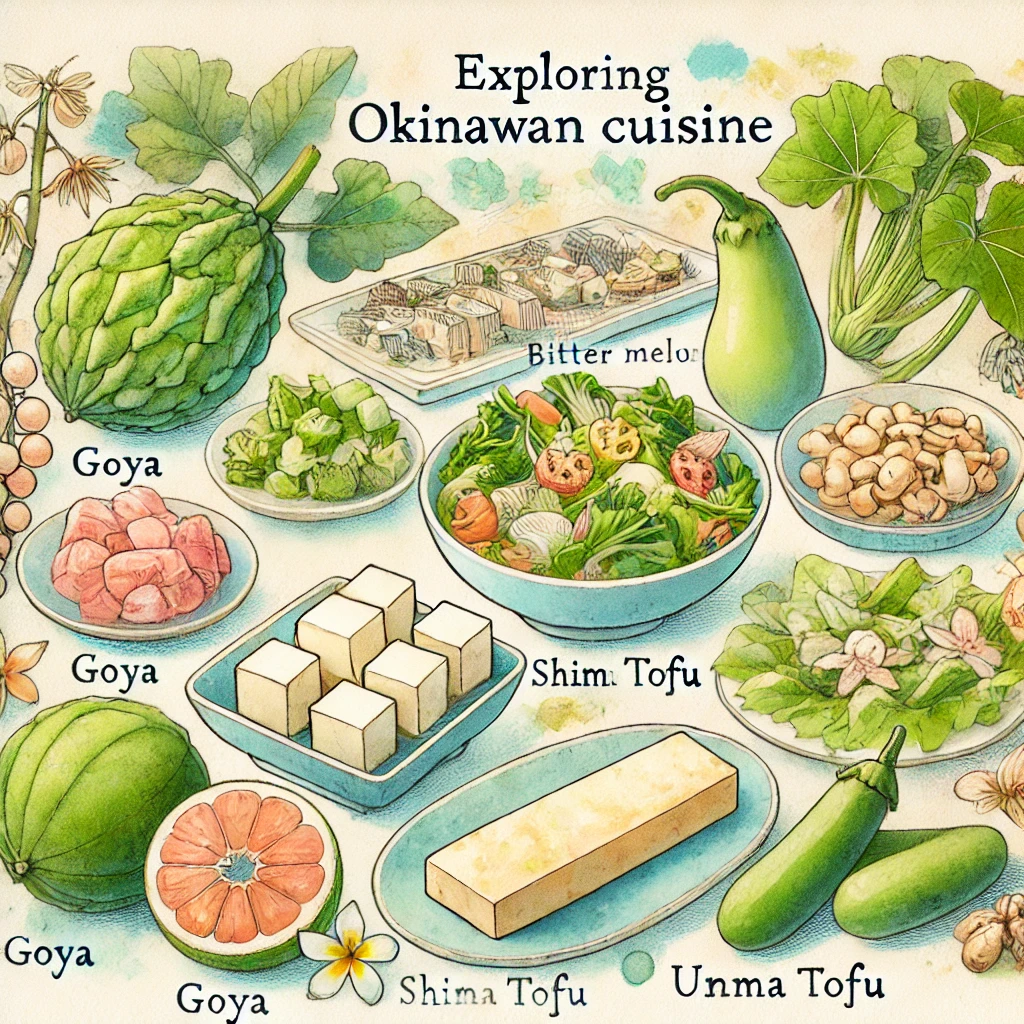
What comes to mind when you think of Okinawan cuisine? Goya Champuru? Okinawa soba? Or perhaps the image of a “longevity prefecture”?
In fact, Okinawan cuisine holds much more depth and allure than we might imagine. With unique ingredients and cooking methods distinct from mainland Japan, as well as a nutritional balance that supports health and longevity, these dishes go beyond being merely “delicious.” They reflect the history, culture, and very way of life of the Okinawan people.
Take the bitter goya, for example. It’s actually rich in vitamin C and highly effective in preventing summer fatigue. The rich flavor of island tofu is the result of the wisdom and ingenuity of Okinawans. And the seemingly simple Champuru dishes embody the spirit of “nankurunaisa,” making the most of limited ingredients.
What’s even more surprising is the rapid evolution of Okinawan cuisine. While preserving tradition, it has continually fused with mainland and even global cuisines, creating new and exciting dishes. Goya pasta and Rafute burgers might just surprise your taste buds with flavors beyond your imagination.
In this article, we invite you to explore the deep and ever-evolving world of Okinawan cuisine. By understanding the differences from mainland cooking, you’ll rediscover the richness of Japanese food culture. And as you learn the health secrets hidden within Okinawan dishes, you might find your daily meals transformed.
Let’s embark on a journey of deliciousness, health, and cultural exploration. By the end of this article, you’ll likely become captivated by Okinawan cuisine. And your table may be graced with new vibrancy and energy starting tomorrow.
Okinawa and the mainland, tradition and innovation, taste and health. These seemingly opposing elements are actually deeply intertwined. Let’s unravel this fascinating charm together.
A world of Okinawan cuisine you never knew awaits you, starting now.
- Introduction
- Differences in Ingredients
- Distinctive Cooking Techniques
- Distinctive Flavor Profiles
- The History and Cultural Background of Okinawan Cuisine
- The Influence of the Ryukyu Kingdom Era
- The Influence of the American Occupation
- Okinawa’s Traditional Diet
- The “Nankurunaisa” Spirit and Its Relationship with Food Culture
- The Modern Evolution of Okinawan Cuisine
- The Future of Okinawan Cuisine: Balancing Tradition and Innovation
- The Appeal of Okinawa’s Culinary History and Cultural Background
- The Secrets to Health and Longevity
- Traditional Okinawan Diet
- The Connection Between the “Nankurunaisa” Spirit and Okinawan Food Culture
- Lifestyle Habits That Support Longevity in Okinawa
- Learning from Okinawan Longevity for Modern Healthy Living
- Incorporating Okinawan Longevity Culture into Modern Life
- The Secrets to Okinawan Longevity and Their Modern Applications
- Recent Trends in Okinawan Cuisine
- Conclusion
- Q&A
- Summary of This Article
Introduction
Hello, Okinawan cuisine enthusiasts! Today, we are diving deep into the fascinating and unique world of “Okinawan cuisine,” a culinary tradition that stands out within Japan’s rich food culture. Together, let’s explore the ingredients nurtured under the warm southern sun, the distinctive cooking techniques, and the historical tapestry of the Ryukyu Kingdom that all come together to create Okinawan cuisine.
Overview of Okinawan Cuisine
When you think of Okinawan cuisine, dishes like Goya Champuru or Okinawa Soba may come to mind. However, the richness of this culinary tradition goes far beyond these well-known dishes. Okinawa’s food culture has evolved uniquely, distinct from that of mainland Japan. This uniqueness stems from various factors, including the region’s geographical features, historical background, and the wisdom and creativity of the Okinawan people.
What Defines Okinawan Cuisine?
So, what exactly is “Okinawan cuisine”? Broadly speaking, it refers to all the dishes that are commonly eaten in Okinawa Prefecture. However, more specifically, Okinawan cuisine is defined by the following characteristics:
- It utilizes ingredients that are unique to the Okinawa region.
- It employs cooking methods and seasonings that have been passed down since the days of the Ryukyu Kingdom.
- It incorporates preservation techniques and cooking methods suited to Okinawa’s climate and environment.
- It reflects the culture and history of Okinawa in its significance and presentation.
For example, the previously mentioned “Goya Champuru” is a prime example. It features goya (bitter melon), a vegetable well-suited to Okinawa’s climate, and is prepared using the distinctive Okinawan method of “champuru,” which means to mix or stir-fry. This dish perfectly embodies the definition of Okinawan cuisine.
Distinctive Elements of Okinawan Cuisine
Okinawan cuisine has several characteristics that set it apart from mainland Japanese cuisine. Here, we introduce the key elements:
- Frequent use of pork: The saying “use every part of the pig” reflects how thoroughly pork is utilized in Okinawan cooking. Dishes like Rafute (braised pork belly) and Mimiga (pickled pig’s ear) showcase the diversity of pork-based dishes.
- Use of unique vegetables: Vegetables such as goya, hechima (loofah), and shima rakkyo (island shallots), which are rarely seen on mainland tables, are staple items in Okinawan households.
- Abundance of seafood: Being an island region, Okinawa boasts a wealth of fresh seafood. Additionally, seaweeds like umibudo (sea grapes) and mozuku are frequently used in the cuisine.
- Unique seasonings: Seasonings such as Koregusu (chili-infused awamori) and awamori (Okinawa’s distilled spirit) are characteristic of Okinawan flavor profiles.
- Culture of preserved foods: Okinawa has developed its own methods of food preservation and fermentation, adapted to its subtropical climate.
The combination of these elements creates the distinctive flavors and nutritional balance that define Okinawan cuisine.
The Significance of Comparing Okinawan and Mainland Cuisine
Comparing “Okinawan cuisine” with “mainland cuisine” is not just about recognizing the differences in food. It also holds great significance in understanding the diversity and regional characteristics of Japanese food culture. Additionally, it offers insights into Okinawa’s history, culture, values, and lifestyle.
Differences Due to Geographic Factors
One of the most significant factors contributing to the differences between Okinawan and mainland Japanese cuisine is the geographical conditions.
- Climate differences: Okinawa belongs to the subtropical climate zone, enjoying warm temperatures year-round. In contrast, mainland Japan experiences four distinct seasons with significant temperature variations. These climatic differences greatly influence the types of crops grown, cooking methods, and preservation techniques used.
- Insular nature: Okinawa, being a prefecture comprised of islands, has a geographic uniqueness that results in a rich supply of fresh seafood. At the same time, the limited agricultural land has led to the creative use of available ingredients.
- Distance from the mainland: The separation from mainland Japan has fostered an environment where a unique food culture could develop. Additionally, the limitations on transportation nurtured the ingenuity of maximizing the use of local ingredients.
For instance, the iconic Okinawan vegetable “goya” is known for its strong bitterness, which is believed to help alleviate the effects of Okinawa’s intense summer heat. While goya cultivation is not common on the mainland, it has recently gained popularity as a health food.
Differences Due to Historical Background
Understanding the historical background is crucial for grasping the differences between Okinawan and mainland Japanese cuisine. Okinawa’s food culture has been shaped by its unique history.
- Influence of the Ryukyu Kingdom era:
- From the 15th to the 19th century, Okinawa was an independent nation known as the Ryukyu Kingdom.
- The kingdom had active trade relations with China and Southeast Asia, strongly influencing its food culture.
- Example: “Kubu Irichi” (stir-fried kelp) is a dish that adapts kelp, introduced from China, into the Okinawan culinary tradition.
- Rule under the Satsuma Domain:
- In the early 17th century, Okinawa came under the control of the Satsuma Domain.
- During this period, some aspects of mainland Japanese food culture began to influence Okinawa.
- Example: The origins of Okinawa soba are debated, but one theory suggests it was introduced during this period from the mainland.
- World War II and U.S. occupation era:
- From 1945 to 1972, Okinawa was under U.S. administration.
- This period saw the influx of American food culture, which significantly impacted Okinawan cuisine.
- Example: “Taco rice” is a uniquely Okinawan-American dish that emerged during this time.
These historical factors have contributed to the distinctive diversity and fusion inherent in Okinawan cuisine. While mainland Japanese cuisine primarily developed domestically, Okinawan cuisine evolved with significant foreign influences, creating a unique culinary identity.
For example, the Okinawan household staple “Champuru” gets its name from the Okinawan word meaning “to mix.” However, the cooking method itself is influenced by Chinese stir-fry techniques. Moreover, the introduction of Spam during the American occupation led to the creation of “Pork and Egg Champuru,” a dish that perfectly exemplifies Okinawa’s unique culinary history.
Purpose and Structure of This Article
So far, we’ve touched on the overview of Okinawan cuisine and the significance of comparing it with mainland cuisine. In this article, we will delve deeper into these differences through the following structure:
- Differences in ingredients: Okinawa-specific ingredients and their backgrounds
- Distinctive cooking techniques: Unique Okinawan methods and their contrasts with mainland practices
- Flavor profiles: The basic seasoning principles of Okinawan cuisine versus those of mainland Japan
- Historical and cultural background of Okinawan cuisine: The evolution from the Ryukyu Kingdom era to present
- Secrets of health and longevity: The beneficial effects of Okinawa’s traditional diet
- Recent trends in Okinawan cuisine: The fusion of tradition and innovation
Through these topics, we hope to help you gain a deeper understanding of the allure of Okinawan cuisine. Discovering the differences between Okinawan and mainland Japanese cuisines will not only expand your knowledge of food but also enhance your appreciation of Japan’s cultural diversity and regional uniqueness.
Now, let’s dive even deeper into the world of Okinawan cuisine. In the next section, we’ll take a closer look at the unique ingredients of Okinawa. Explore how ingredients like goya, hechima, and island tofu bring vibrant flavors to Okinawan tables, and learn why these ingredients are so highly valued in the region.
The more you learn about the charm of Okinawan cuisine, the more you’ll find yourself wanting to visit the island. Until you can experience the flavors firsthand, we hope this blog serves as a gateway to deepening your interest and understanding of Okinawan cuisine. So, let’s embark on this journey together and explore the rich world of Okinawan cuisine!
Differences in Ingredients
Hello, Okinawan cuisine fans! In our previous discussion, we explored the overall characteristics of Okinawan cuisine. This time, we’ll dive into one of the most fundamental differences between Okinawan and mainland Japanese cuisine: the ingredients. What unique ingredients adorn Okinawan tables, and why are they so beloved in this region? Let’s embark on this journey of discovery together!
Unique Okinawan Ingredients
When you take a look at the ingredients commonly found on Okinawan tables, you might be surprised by the unfamiliar sights compared to mainland Japan. Names like goya (bitter melon), hechima (loofah), and shima rakkyo (island shallots) may sound exotic. The bounty of the sea also reveals a distinct variety of seafood, different from what you typically see on the mainland. These ingredients have adapted to Okinawa’s climate and environment over centuries, becoming deeply rooted in the daily lives of Okinawan people.
Vegetables: Goya, Hechima, Shima Rakkyo
When it comes to Okinawan vegetables, the first thing that likely comes to mind is “goya.” Although its formal name is “nigauri” (bitter gourd), in Okinawa, it is affectionately called “goya.”
- Goya:
- Characteristics: Bright green with a bumpy surface and a distinctly bitter taste.
- Nutritional Value: Rich in vitamin C, making it effective in preventing summer fatigue.
- Signature Dishes: Goya Champuru, Goya Tsukudani (simmered goya).
- Difference from Mainland: While goya has only recently gained attention as a health food on the mainland, it has been a staple in Okinawan diets for generations.
The bitterness of goya is often considered a brilliant adaptation to Okinawa’s hot summers. The bitter components stimulate the appetite, which tends to diminish in the heat, helping people maintain their energy levels.
- Hechima:
- Characteristics: Long and slender, similar to a gourd, with a mild flavor.
- Nutritional Value: High in potassium, making it effective in reducing swelling.
- Signature Dishes: Hechima Miso Stew, Hechima Soup.
- Difference from Mainland: On the mainland, hechima is rarely consumed as food and is more commonly used in products like loofahs.
Hechima, often referred to as “the mineral water of the field” due to its high water content, is a superb ingredient for rehydration and nutrition, particularly in Okinawa’s hot climate.
- Shima Rakkyo:
- Characteristics: Smaller and more pungent than mainland rakkyo (scallions).
- Nutritional Value: Contains allicin, which is known for its fatigue-relieving and immune-boosting properties.
- Signature Dishes: Salt-pickled Shima Rakkyo, Shima Rakkyo Tempura.
- Difference from Mainland: While mainland rakkyo is typically consumed pickled in vinegar, in Okinawa, shima rakkyo is often enjoyed raw or salt-pickled.
Shima rakkyo is an indispensable ingredient in Okinawan home cooking, especially in dishes like “champuru.” Its distinctive aroma and crunchy texture add depth and flavor to the cuisine.
Tofu: Characteristics and Uses of Shima Tofu
When it comes to tofu in Okinawa, “shima tofu” is the star. Different in both production and taste from mainland tofu, shima tofu is an essential ingredient in many Okinawan dishes.
- Characteristics of Shima Tofu:
- Firmness: Even firmer than mainland momen (cotton) tofu, with a robust texture.
- Flavor: Rich in soy flavor, with a dense, satisfying taste.
- Production Method: Instead of nigari (coagulant), seawater is used, and the tofu is pressed with weights to remove excess moisture.
- Nutritional Value: High in protein and calcium.
Shima tofu’s firmness and rich flavor make it a versatile ingredient used in various dishes. It can be stir-fried, simmered, or even eaten raw like sashimi, highlighting its importance in Okinawan cuisine.
- Signature Dishes with Shima Tofu:
- Yushi Tofu: A dish where shima tofu is broken up and served warm in broth.
- Tofu Yo: Fermented shima tofu, aged in awamori (Okinawan distilled liquor).
- Fu Champuru: Stir-fried shima tofu mixed with vegetables.
Due to its high nutritional value, shima tofu is often called “meat of the field” and is recognized as one of the key components in the longevity diet of Okinawa. Compared to mainland tofu, it contains more calcium, making it effective in preventing osteoporosis.
Seafood: Umi Budo, Mozuku, and Okinawan Fish
Being an island region, Okinawa has access to an abundance of seafood. Particularly notable are the types of seaweed and fish, many of which are unique to Okinawa and not commonly seen on the mainland.
- Umi Budo (Sea Grapes):
- Characteristics: Small, bead-like clusters with a distinct pop when eaten.
- Nutritional Value: Rich in minerals and vitamins, especially calcium.
- Consumption: Typically eaten raw with soy sauce, like sashimi.
- Difference from Mainland: Umi budo is scarcely found on the mainland and is recognized as a specialty of Okinawa.
Umi budo, often referred to as “green caviar” for its appearance and texture, has become increasingly popular on the mainland in recent years. It is a prime example of the rich marine resources of Okinawa.
- Mozuku:
- Characteristics: A thin, thread-like seaweed with a unique, slimy texture.
- Nutritional Value: High in dietary fiber and fucoidan, a health-promoting compound.
- Signature Dishes: Mozuku Vinegar, Mozuku Tempura.
- Difference from Mainland: While mozuku is available on the mainland, Okinawan mozuku is thicker and has a more satisfying bite.
Mozuku’s unique texture and high nutritional value have earned it a place in Okinawa’s longevity diet. Fucoidan, found in mozuku, is being studied for its potential anti-tumor effects, adding to its health benefits.
- Okinawan Fish:
- Gurukun (Blue Fusilier): Okinawa’s prefectural fish, often served fried or as sashimi.
- Tuna: The high-quality tuna caught in Okinawan waters is famed as “Setouchi Maguro.”
- Irabu (Moray Eel): Rarely consumed on the mainland, but a prized delicacy in Okinawa.
- Yakogai (Turbo Shell): Also known as “night-light shell,” enjoyed raw or cooked.
These seafood varieties, nurtured in the warm waters of Okinawa, offer flavors distinct from those found on the mainland. The consumption of rare fish like irabu highlights the diverse and unique food culture of Okinawa.
The Background Behind the Differences in Ingredients
We’ve explored the unique ingredients of Okinawa, but why did these differences from the mainland arise? The answer lies in the geographical characteristics, climate, and history of Okinawa.
The Influence of a Subtropical Climate
Okinawa is the only region in Japan that belongs to the subtropical climate zone. This climate has played a crucial role in nurturing Okinawa’s unique ingredients.
- High Temperatures and Humidity:
- Average Annual Temperature: Approximately 23°C (compared to about 16°C in Tokyo).
- Annual Rainfall: Around 2,
000 mm (compared to about 1,500 mm in Tokyo).
- Impact of Climate on Ingredients:
- Fast-growing Vegetables: Goya and hechima, which grow quickly, are well-suited to this climate.
- Abundant Sunlight: Enhances the nutritional value of vegetables.
- Ingredients to Combat Heat: The bitterness of goya and the tartness of shikuwasa (a citrus fruit) are valued for their cooling effects.
This subtropical climate has provided the ideal environment for the development of Okinawa’s distinctive ingredients. For instance, the bitterness of goya is believed to have a cooling effect on the body, making it a perfect food for Okinawa’s hot climate.
Challenges and Ingenuity in an Island Environment
Okinawa, being composed of numerous islands, has faced unique challenges that have shaped its food culture.
- Limited Land Area:
- Okinawa Main Island’s Area: About 1,200 square kilometers (roughly twice the size of Tokyo’s 23 wards).
- Agricultural Land Restrictions: Necessitates efficient use of land.
- Surrounded by the Sea:
- Abundant Seafood: Development of seaweed varieties like umi budo and mozuku.
- Use of Salt: Techniques like using seawater in shima tofu production.
- Limited Transportation of Goods:
- Self-sufficiency Wisdom: Maximizing the use of local ingredients.
- Development of Preserved Foods: Techniques like salting pork and drying fish.
These constraints have fostered a unique food culture in Okinawa. For example, to obtain efficient nutrition from limited land resources, nutrient-dense vegetables like hechima and goya have become highly valued. Additionally, the abundance of seaweed, which is less common on the mainland, reflects Okinawa’s close relationship with the sea.
Historical Background: Influences from the Ryukyu Kingdom Era
To fully understand Okinawan ingredients, it’s essential to consider the historical background, particularly the impact of the Ryukyu Kingdom era.
- Trade with China:
- Period: 15th to 19th century.
- Impact: Introduction of Chinese food culture to Okinawa.
- Example: The introduction and spread of goya (known in China as “ku gua”).
- Interaction with Southeast Asia:
- Impact: Adoption of tropical and subtropical ingredients and cooking methods.
- Example: Use of turmeric, utilization of coconut.
- Unique Development:
- Creation of Shima Tofu: A unique method using soybeans and seawater.
- Local Specialties: Regional products like Kumejima’s umi budo and Ishigaki Island’s pineapples.
These historical influences have led to the development of ingredients that are distinctly different from those on the mainland. For instance, goya, introduced from China, adapted to the Okinawan climate and became an integral part of the local food culture.
The Health Benefits of Okinawan Ingredients
Okinawan ingredients are not only unique in flavor and texture but are also highly regarded for their health benefits. One of the reasons Okinawa is known as the “Island of Longevity” lies in these ingredients.
Ingredients Rich in Antioxidants
- Goya:
- Benefits: High in vitamin C, offering strong antioxidant properties.
- Health Effects: Boosts immunity, promotes healthy skin.
- Shikuwasa:
- Benefits: Rich in nobiletin, a powerful antioxidant.
- Health Effects: Helps prevent lifestyle diseases, may aid in dementia prevention.
Mineral-Rich Seaweeds
- Umi Budo:
- Benefits: High in calcium and iron.
- Health Effects: Helps prevent osteoporosis, combats anemia.
- Mozuku:
- Benefits: Rich in fucoidan, known for its health benefits.
- Health Effects: Potential anti-cancer properties, promotes healthy blood flow.
High-Quality Protein Sources
- Shima Tofu:
- Benefits: High in quality protein and calcium.
- Health Effects: Aids in muscle maintenance, helps prevent osteoporosis.
- Okinawan Seafood:
- Benefits: Rich in high-quality protein and omega-3 fatty acids.
- Health Effects: Supports heart health, may aid in dementia prevention.
The regular consumption of these ingredients is believed to contribute significantly to the health and longevity of the Okinawan people. The diet, rich in antioxidants and high-quality proteins, aligns well with modern health-conscious trends.
Simple Recipes Using Okinawan Ingredients
Now that we’ve delved into the unique ingredients of Okinawa, how can we incorporate them into our cooking? Here are a few simple recipes using Okinawa’s signature ingredients.
Goya Champuru
This is a classic Okinawan dish that showcases the unique flavors of goya.
- Ingredients (Serves 2):
- 1 Goya (bitter melon)
- 1/2 block of tofu
- 100g pork belly
- 2 eggs
- Salt and pepper to taste
- Instructions:
- Cut the goya in half lengthwise, remove the seeds and pith, and slice thinly.
- Fry the pork belly in a pan until cooked through, then crumble in the tofu.
- Add the goya and stir-fry until cooked.
- Season with salt and pepper, and finally, pour in the beaten eggs.
- Cook until the eggs are set, then serve.
If you find goya’s bitterness too strong, try salting it and letting it sit before cooking to mellow the flavor. Using shima tofu will give the dish an even more authentic taste.
Umi Budo Vinegared Salad
A refreshing dish that highlights the crisp texture of umi budo.
- Ingredients (Serves 2):
- 100g umi budo
- 1/2 cucumber
- 2 tablespoons vinegar
- 1 teaspoon sugar
- Pinch of salt
- Instructions:
- Rinse the umi budo to remove salt, then drain well.
- Thinly slice the cucumber.
- In a bowl, mix vinegar, sugar, and salt until dissolved.
- Add the umi budo and cucumber, and toss to combine.
- Chill in the refrigerator before serving.
This dish combines the refreshing crunch of umi budo with the crispness of cucumber, making it a perfect side dish for hot days.
Mozuku Tempura
Enjoy the unique texture of mozuku in this crispy tempura dish.
- Ingredients (Serves 2):
- 100g mozuku
- 1/2 cup
tempura batter mix
- 1/2 cup water
- Oil for frying
- Instructions:
- Lightly drain the mozuku.
- In a bowl, mix the tempura batter mix with water until smooth.
- Add the mozuku to the batter, ensuring it is well coated.
- Fry in oil heated to 180°C until crispy.
- Drain excess oil and serve.
Mozuku tempura offers a delightful contrast between the crispy coating and the juicy mozuku inside. Serve with a pinch of salt or dip in tempura sauce for an added flavor boost.
The Appeal of Okinawan Ingredients
We’ve explored the unique ingredients of Okinawa and their cultural and nutritional significance. In summary, the characteristics of Okinawan ingredients include:
- Unique vegetables and fruits adapted to the subtropical climate
- An abundance of seafood reflecting the island environment
- Ingredients that have evolved uniquely due to historical influences
- Highly nutritious foods with significant health benefits
These features highlight the depth and richness of Okinawa’s food culture. Okinawan ingredients are not just exotic; they encapsulate the region’s history, culture, and the wisdom of its people.
When you enjoy Okinawan cuisine, take a moment to appreciate these ingredients. By savoring their unique flavors and textures, and reflecting on the cultural background that has shaped them, you’ll gain a deeper understanding of the charm of Okinawan cuisine.
In our next session, we’ll focus on the cooking techniques that bring these ingredients to life in Okinawan dishes. We’ll explore Okinawa’s distinctive culinary methods and how they differ from those of the mainland. Stay tuned!
Distinctive Cooking Techniques
Hello, Okinawan cuisine enthusiasts! In our last discussion, we explored the unique ingredients that define Okinawan cuisine. Today, we’re shifting our focus to how these ingredients are prepared, highlighting the distinctive cooking methods that set Okinawan cuisine apart from mainland Japanese cooking. What makes these cooking techniques different, and why did these differences emerge? Let’s dive in and discover the fascinating world of Okinawan culinary traditions!
Representative Cooking Techniques of Okinawan Cuisine
Okinawan cuisine is known for several cooking methods that differ significantly from those used in mainland Japan. These techniques have evolved to suit the climate, history, and unique ingredients of Okinawa. Let’s take a closer look at some of the most representative cooking methods in Okinawan cuisine.
Rafute (Braised Pork Belly): Cooking Process and Cultural Significance
Rafute is a classic Okinawan dish made by simmering pork belly over a long period. Although it might resemble the braised pork dishes found on the mainland, the cooking process and seasoning of Rafute are quite different.
- Cooking Process:
- Cut the pork belly into large blocks (about 5 cm square).
- Place the meat in a pot, cover with water, and bring to a boil.
- Skim off any foam that rises to the surface.
- Drain the water, add fresh water along with seasonings like awamori (Okinawan distilled liquor), brown sugar, and soy sauce.
- Simmer over low heat for 3 to 4 hours, allowing the flavors to meld and the meat to become tender.
- Differences from Mainland Braised Pork:
- Seasonings: While mainland braised pork typically uses soy sauce and sugar as the primary seasonings, Rafute incorporates awamori and brown sugar for a deeper flavor.
- Cooking Time: Rafute generally has a longer cooking time, resulting in more tender meat.
- Texture: Rafute is known for its melt-in-the-mouth texture, achieved through slow cooking.
The cooking process of Rafute reflects Okinawan culture and history. The use of awamori highlights the wisdom of incorporating traditional local liquor, and the long simmering time was originally a way to preserve the meat in Okinawa’s hot climate, where food preservation was crucial.
Cultural Significance of Rafute
Rafute is more than just a dish; it carries deep cultural meaning:
- A Dish for Ceremonies and Celebrations:
It is an essential dish at important events such as weddings and funerals, symbolizing the cultural importance of pork in Okinawa. - “Nuchi Gusui” (Medicine of Life):
Rafute is considered a nutritious dish that aids in recovery and is often served to women after childbirth or to those recovering from illness. - Symbol of Okinawa’s Pork Culture:
In Okinawa, the saying “waste not, want not” applies particularly to pork, and Rafute embodies this cultural reverence for utilizing every part of the pig.
Champuru: Diversity and Improvisation
“Champuru” is an Okinawan term meaning “to mix.” As the name suggests, Champuru dishes involve stir-frying various ingredients together, creating a medley of flavors. Champuru is a beloved staple in Okinawan home cooking, reflecting the region’s culinary diversity.
- Basic Cooking Method:
- Heat oil in a pan and stir-fry the main ingredient, such as tofu or goya.
- Add vegetables, meat, or eggs and continue stir-frying.
- Season with salt, soy sauce, or miso to taste.
- Characteristics of Champuru:
- Diversity: There are no strict rules about what ingredients to use, allowing for endless variations depending on what’s available.
- Improvisation: Recipes can be easily adjusted based on personal preference or what ingredients are on hand.
- Nutritional Balance: By combining a variety of ingredients, Champuru dishes offer a well-rounded nutritional profile.
The quintessential Champuru dish is undoubtedly “Goya Champuru,” a stir-fry of bitter melon, tofu, pork, and eggs. This dish is widely recognized as a symbol of Okinawan home cooking, showcasing the region’s culinary identity.
The Diversity of Champuru
Champuru dishes come in many forms. Here are some popular varieties:
- Fu Champuru: A light and airy stir-fry featuring wheat gluten as the main ingredient.
- Tamana Champuru: A nutrient-rich stir-fry with cabbage (tamana) as the central ingredient.
- Somen Champuru: A unique stir-fry made with boiled somen noodles.
- Nabera Champuru: A refreshing summer stir-fry using loofah (nabera) as the star ingredient.
The diversity of Champuru dishes embodies the Okinawan spirit of “Nankurunaisa” (everything will work out). Even with limited ingredients, Okinawans have found creative ways to prepare delicious and nutritious meals, demonstrating their wisdom and adaptability.
“Iricha” (Stir-fry and Simmer): A Unique Okinawan Cooking Technique
“Iricha” is an Okinawan cooking method that involves stir-frying ingredients before simmering them. While similar to mainland Japan’s nimono (simmered dishes), the initial stir-frying step in Iricha adds depth and richness to the flavors.
- Basic Cooking Procedure:
- Cut the ingredients into appropriate sizes.
- Heat oil in a pan or pot and stir-fry the ingredients.
- Add seasonings (such as soy sauce, mirin, and sugar) and water, then simmer.
- Reduce the liquid until it is nearly evaporated.
- Characteristics of Iricha:
- Enhances Ingredient Flavor: Stir-frying brings out the aroma and umami of the ingredients.
- Diverse Textures: The combination of stir-frying and simmering allows for both tender and firm textures.
- Preservation: By reducing the liquid content, the dish can be stored for longer periods.
Representative Iricha Dishes
There are various types of Iricha dishes, each with its own unique flavor. Here are some examples:
- Kubuiricha:
- Ingredients: Dried kelp, pork (or pork belly), carrots.
- Features: A harmonious balance between the chewy texture of kelp and the rich flavor of pork.
- Njanairicha:
- Ingredients: Bitter greens (njana), pork, tofu.
- Features: A delightful contrast between the bitterness of njana and the richness of pork.
- Papaya Iricha:
- Ingredients: Green papaya, pork, carrots.
- Features: The crisp texture of green papaya combined with the savory flavor of pork.
Iricha exemplifies the ingenuity of Okinawan cooking, often incorporating dried goods and preserved foods. This technique reflects the resourcefulness of an island culture, where maximizing the use of available ingredients is essential.
Differences from Mainland Cooking Techniques
Now that we’ve examined the key cooking methods of Okinawan cuisine, how do they differ from those used in mainland Japan? Let’s explore these differences in greater detail.
Frequency of Oil Use in Cooking
One of the major differences between Okinawan and mainland Japanese cuisine is the frequency of oil use. Okinawan dishes tend to use oil more liberally than their mainland counterparts.
- Oil Use in Okinawan Cuisine:
- Champuru Dishes: Typically involve stir-frying in oil.
- Iricha
: Ingredients are first stir-fried in oil before being simmered.
- Tempura: Known as “tempura” in Okinawa, it is a common everyday dish.
- Oil Use in Mainland Cuisine:
- Nimono (Simmered Dishes): Rarely uses oil, relying instead on dashi (broth) for flavor.
- Yakimono (Grilled Dishes): Often prepared over direct heat or using a grill.
- Mushimono (Steamed Dishes): Cooked with steam, without oil.
Why Does Okinawan Cuisine Use More Oil?
Several factors contribute to the higher use of oil in Okinawan cuisine:
- Relation to Climate:
- The subtropical climate of Okinawa increases the risk of food spoilage.
- Cooking with oil helps to sterilize ingredients and extend their shelf life.
- Nutritional Considerations:
- In the hot climate, high-calorie oil is valued for replenishing the energy expended in the heat.
- Oil aids in the absorption of fat-soluble vitamins like A and E.
- Historical Background:
- During the post-war era, large quantities of oil were imported from the U.S.
- This led to the widespread adoption of oil-based cooking methods, influencing today’s culinary practices.
Thus, the frequent use of oil in Okinawan cuisine is a result of complex factors, including climate, history, and nutritional needs.
Differences in Preservation Methods: Salting and Drying
Preservation methods also differ significantly between Okinawan and mainland Japanese cuisine, influenced by climate and geographical conditions.
- Okinawan Preservation Culture:
- Focus on Salting: Well-suited to the hot and humid climate.
- Representative Examples:
- Salted Pork (Sata Andagi)
- Salted Fish (Kugani)
- Salted Island Shallots
- Mainland Preservation Culture:
- Focus on Drying: Takes advantage of the seasonal climate.
- Representative Examples:
- Dried Fish (Himono)
- Dried Vegetables (Kiriboshi Daikon, etc.)
- Dried Beans (Soybeans, Azuki Beans, etc.)
These preservation techniques have greatly influenced the cooking methods in each region. In Okinawan cuisine, for example, methods for desalting preserved foods and techniques that enhance the flavor of salted ingredients have developed. On the mainland, cooking methods for rehydrating dried foods and extracting flavors from them have evolved.
Differences in the Use of Seasonings
Okinawan and mainland Japanese cuisines also differ in the types of seasonings used and how they are applied.
- Seasonings in Okinawan Cuisine:
- Awamori: Used as a cooking wine and seasoning.
- Pork Fat: Used as cooking oil and for flavoring.
- Island Chili Pepper (Koregusu): Adds spiciness to dishes.
- Salt: Heavily used for preservation and seasoning.
- Seasonings in Mainland Cuisine:
- Soy Sauce: The most commonly used seasoning.
- Miso: Widely used in soups and stir-fries.
- Sake: Used as a cooking wine.
- Mirin: Adds sweetness to dishes.
The differences in these seasonings result in distinct flavors for each cuisine. Okinawan dishes, with the use of awamori and pork fat, have a unique aroma and rich taste. In contrast, mainland dishes, based on soy sauce and miso, are known for their subtle and layered flavors.
Cultural Background Reflected in Okinawan Cooking Techniques
The cooking methods in Okinawan cuisine represent more than just culinary techniques; they embody the history, culture, and way of life of the Okinawan people.
The Spirit of “Nankurunaisa” and Cooking Techniques
“Nankurunaisa” is an Okinawan phrase meaning “everything will work out.” This optimistic and flexible mindset is reflected in Okinawan cooking techniques.
- Flexibility in Champuru Cooking:
- No strict recipes; dishes are made with whatever ingredients are available that day.
- Combining various ingredients ensures a balanced nutritional intake.
- Ingenuity in Iricha Cooking:
- Uses dried and preserved foods to create delicious meals from limited ingredients.
- Stir-frying before simmering enhances the flavor of the ingredients.
This spirit of “Nankurunaisa” connects to the broader practice of minimizing food waste and creatively preparing balanced meals, even with limited resources.
The Concept of “Ichari-bachode” and Food Culture
“Ichari-bachode” means “once we meet, we are brothers.” This expression reflects the warm and social nature of Okinawan people, a quality that is also evident in their cooking and food culture.
- Culture of Shared Dishes:
- Dishes like Champuru and Iricha are often served on large platters for everyone to share.
- Meals are a time for deepening communication and building community bonds.
- Spirit of Yui-maru (Mutual Aid) in Cooking:
- Large dishes like roast pork (Tebichi) are prepared collectively and shared among the group.
- Cultural practices like dividing the responsibilities for preparing food at ceremonial events and the tradition of sharing leftovers reflect Okinawa’s strong communal ties.
These practices highlight the strong social bonds and communal spirit of Okinawan society, passed down through their culinary traditions.
Lessons from Okinawan Cooking Techniques
The cooking methods of Okinawan cuisine offer valuable lessons for our modern lives. Here, we’ll summarize some of the wisdom and insights that can be gleaned from these techniques.
Wisdom in Minimizing Food Waste
Okinawan cooking techniques include many practices designed to use every part of an ingredient, minimizing waste.
- Mimiga (Pickled Pig’s Ear):
A dish that creatively uses pig’s ears, a part that might otherwise be discarded. - Nabera-nbushi (Loofah Salad):
A dish that uses every part of the loofah, including the seeds and flesh. - Jushi (Okinawan Mixed Rice):
A type of rice dish made with leftover vegetables and meat, essentially a “remake” meal.
These methods reflect an eco-friendly, sustainable food culture, aligning with modern principles such as the Sustainable Development Goals (SDGs).
Cooking Techniques That Ensure Nutritional Balance
Okinawan cooking methods often involve strategies to ensure a balanced diet, even with limited ingredients.
- Champuru Dishes:
By stir-frying a variety of ingredients together, Champuru allows for the intake of a wide range of nutrients in a single dish. - Kubuiricha:
Combining kelp (rich in minerals), pork (protein), and carrots (vitamins) creates a nutritionally balanced dish. - Goya Champuru:
Goya (vitamins), tofu (protein), and eggs (vitamins and minerals) are combined for an exceptionally nutritious meal.
These techniques are practical examples of the Okinawan diet’s alignment with modern nutritional science, providing well-rounded meals using readily
available ingredients.
Cooking Methods Adapted to the Environment
Okinawan cooking methods have evolved to suit the unique subtropical climate of the region.
- Frequent Use of Oil:
Helps prevent foodborne illnesses and extends the shelf life of dishes in the hot and humid environment. - Salt Preservation Techniques:
Essential for preserving food in a climate where drying is challenging. - Use of Bitter Vegetables like Goya:
Helps stimulate appetite and combat the effects of heat-induced loss of appetite.
These methods provide a model for developing sustainable food practices that are tailored to the specific environmental conditions of a region.
The Appeal of Okinawan Cooking Techniques
We’ve delved deeply into the distinctive cooking techniques of Okinawan cuisine. To summarize, the characteristics of Okinawan cooking methods include:
- The development of unique techniques such as Champuru and Iricha.
- The use of oil to enhance the flavor of ingredients.
- A preservation culture centered on salting.
- The use of distinctive seasonings like awamori and island chili pepper.
- A flexible approach to cooking, rooted in the “Nankurunaisa” spirit.
- Eco-friendly, sustainable practices that minimize food waste.
These characteristics are not just culinary techniques but are deeply reflective of Okinawa’s history, culture, and environment. Learning about Okinawan cooking methods offers insight into the cultural and practical wisdom of the Okinawan people.
As you enjoy Okinawan cuisine, take a moment to appreciate the cooking techniques involved. Whether it’s the thoughtful combination of ingredients in a Champuru, the careful frying and simmering in an Iricha, or the slow, tender preparation of Rafute, each step in the process embodies the ingenuity and care of the Okinawan people. By paying attention to these details, you can deepen your appreciation of Okinawan cuisine.
In our next session, we’ll focus on the distinctive flavors created by these cooking techniques in Okinawan dishes. We’ll explore the unique taste profiles of Okinawan cuisine and how they differ from those of mainland Japan. Stay tuned!
Distinctive Flavor Profiles
Hello, fans of Okinawan cuisine! Last time, we explored the unique cooking methods that define Okinawan food. Today, we’ll delve into the flavors that these techniques produce. How do Okinawan flavors differ from those of mainland Japan? And what cultural and historical factors have shaped these differences? Let’s explore together!
The Fundamental Flavors of Okinawan Cuisine
Okinawan cuisine boasts a flavor profile that is distinct from mainland Japanese food, shaped by the island’s climate, history, and the characteristics of its ingredients. Let’s take a closer look at the foundational flavors that make Okinawan cuisine unique.
The Use of Awamori: Enhancing Aroma and Flavor
Awamori, a distilled spirit unique to Okinawa, plays a central role in the region’s culinary traditions. Just as sake or cooking wine is commonly used in mainland Japan, awamori is an essential seasoning in Okinawan cooking.
- Characteristics of Awamori:
- High alcohol content (typically over 30%).
- Distinctive aroma and flavor.
- Long-aged varieties, known as “kusu,” have even deeper flavors.
- Representative Dishes Using Awamori:
- Rafute (Braised Pork Belly): Uses awamori to eliminate any off-odors and enhance flavor.
- Awamori Marinated Dishes: Fish or meat marinated in awamori for deeper flavor.
- Sata Andagi (Okinawan Donuts): Awamori is added to the batter to enrich the flavor.
How Awamori Is Used in Cooking
Awamori can be used in cooking to achieve several effects:
- Odor Elimination: Particularly effective at neutralizing the strong smells of meat or fish.
- Flavor Enhancement: The unique aroma of awamori adds depth to dishes.
- Tenderizing: Marinating meat in awamori makes it tender.
- Preservation: The high alcohol content helps extend the shelf life of ingredients.
For example, in the iconic Okinawan dish “Rafute,” awamori is used not only to remove any gamey odors from the pork but also to impart a distinct flavor. Similarly, “awamori marination” serves the dual purpose of tenderizing meat or fish while also enhancing its preservation.
The Role of Koregusu: Balancing Spice and Flavor
Koregusu, made from island chili peppers soaked in awamori, is an indispensable seasoning in Okinawan cuisine. Its unique spiciness and aroma are key elements that define the flavor of Okinawan dishes.
- Characteristics of Koregusu:
- Made by soaking red chili peppers in awamori.
- Offers not just heat but also a distinctive aroma.
- Available in both liquid and powdered forms.
- How Koregusu Is Used:
- As a table seasoning, added individually to taste.
- A small amount can be added to stir-fries or stews for a final touch.
- Used to enhance soups or miso soup with a spicy kick.
Representative Dishes Featuring Koregusu
Koregusu is used in a variety of Okinawan dishes, particularly in:
- Okinawa Soba: Adjust the spiciness to taste by adding Koregusu.
- Goya Champuru: A small amount added at the end enhances the depth of flavor.
- Mimiga (Pickled Pig’s Ear): Adds a sharp contrast to the refreshing dish.
- Rafute: A touch of Koregusu brings a spicy edge to the rich, tender pork.
The amount of Koregusu used varies greatly depending on personal preference. In Okinawa, it’s common to allow each person to season their dish to their liking, reflecting a culture that values individual tastes—an extension of the Okinawan spirit of “Ichari-bachode” (once met, always brothers).
Andansu (Pork Miso): The Versatile Seasoning
Andansu is a rich, flavorful seasoning made from stir-fried pork fat and miso, and it holds a special place in Okinawan kitchens. Its robustness and versatility make it a staple in many households.
- Characteristics of Andansu:
- Made primarily from pork fat and miso.
- Rich, umami-packed flavor.
- Can be stored for a long time.
- How Andansu Is Used:
- As a seasoning for stir-fried vegetables.
- As a filling for onigiri (rice balls).
- As a topping for Okinawa soba.
- As a flavorful addition to ochazuke (tea-soaked rice).
Recipe for Homemade Andansu
If you want to try making Andansu at home, follow these steps:
- Finely chop pork belly and fry in a pan until crispy.
- Once the fat has rendered, add miso and fry on low heat.
- When a fragrant aroma develops, add sugar and awamori to adjust the flavor.
- Continue cooking until the mixture is dry and well caramelized.
Andansu embodies the Okinawan philosophy of “Nankurunaisa” (things will work out). Its versatility reflects the ingenuity of Okinawan people, who have long created delicious meals with limited resources. Andansu’s adaptability makes it an essential tool in the Okinawan kitchen.
Differences in Flavoring Between Okinawan and Mainland Cuisine
We’ve explored the fundamental flavors of Okinawan cuisine, but how do these compare to those in mainland Japanese cooking? Let’s examine some key differences in seasoning practices.
Differences in the Use of Soy Sauce and Miso
Soy sauce and miso are staples in Japanese cooking, but their use varies significantly between Okinawan and mainland Japanese cuisine.
- In Okinawan Cuisine:
- Soy Sauce: Primarily used as a finishing touch or as a table condiment.
- Miso: Often used in the preparation of Andansu, a key seasoning.
- In Mainland Cuisine:
- Soy Sauce: Widely used in simmered dishes and as a dipping sauce for fish.
- Miso: Used in miso soup, as well as in marinades for fish and vegetables.
Why These Differences Exist
The differences in how soy sauce and miso are used in Okinawa and mainland Japan can be attributed to several factors:
- Climate Differences:
- The hot and humid climate of Okinawa can cause soy sauce and miso to spoil more quickly.
- This has led to the development of methods that involve using these seasonings sparingly or just before serving.
- Historical Background:
- During the Ryukyu Kingdom period, Okinawa had strong trade ties with China.
- As a result, Chinese seasonings and techniques were often preferred over those of Japan.
- Differences in Ingredients:
- Pork and seafood are the primary protein sources in Okinawa.
- Seasonings like awamori and Koregusu were developed to complement these ingredients.
These differences in the use of soy sauce and miso are the result of a complex interplay of climate, history, and ingredients, illustrating the adaptability and diversity of Okinawan cuisine.
Salt Content: The Influence of a Marine Environment
The use of salt in Okinawan and
mainland Japanese cuisine also differs, influenced by Okinawa’s proximity to the sea.
- In Okinawan Cuisine:
- Generally higher salt content.
- Frequent use of salted ingredients like pork and seafood.
- Cooking methods that utilize seawater, such as in seawater tofu.
- In Mainland Cuisine:
- More restrained use of salt.
- Focus on umami flavors from dashi broth, leading to lighter seasoning.
- Use of a wider variety of seasonings (soy sauce, miso) to achieve balanced flavors.
Why Okinawan Cuisine Is Saltier
Several factors contribute to the saltier flavor profile of Okinawan cuisine:
- Preservation:
- The hot, humid climate necessitates the use of salt to preserve food.
- Salt has historically been crucial for preserving fish and meat.
- Heat Mitigation:
- Salt helps replenish electrolytes lost through sweat in the tropical climate.
- Salty foods can also stimulate appetite in hot weather.
- Use of Seawater:
- Okinawa’s islands have easy access to seawater, which is often used in cooking.
- Seawater-based cooking methods, like seawater tofu, have developed over time.
- Historical Context:
- Salt was a vital trade commodity during the Ryukyu Kingdom era.
- This led to a strong cultural emphasis on salt production and usage.
While Okinawan cuisine traditionally uses more salt, modern health trends have led to a growing popularity of reduced-sodium cooking methods.
The Role of Sweetness: The Use of Brown Sugar
The use of sweetness in Okinawan cuisine also differs from mainland Japanese cooking, with brown sugar playing a central role.
- Sweetness in Okinawan Cuisine:
- Frequent use of brown sugar.
- Combination of sweet and salty flavors in many dishes.
- Sweetness is not limited to desserts but is also present in main dishes.
- Sweetness in Mainland Cuisine:
- White sugar and honey are more commonly used.
- Sweetness is often reserved for desserts and confections.
- When sweetness is used in main dishes, it tends to be more subtle.
Examples of Okinawan Dishes Using Brown Sugar
Brown sugar is an integral part of many Okinawan dishes. Here are some examples:
- Rafute (Braised Pork Belly):
- Brown sugar helps eliminate any off-odors from the meat and adds a glossy finish.
- The combination of sweet and salty flavors creates a distinctive taste.
- Sata Andagi (Okinawan Donuts):
- The dough is sweetened with brown sugar, giving it a rich flavor and aroma.
- The result is a crisp exterior with a moist, tender interior.
- Brown Sugar Zenzai:
- An Okinawan-style dessert made with azuki beans sweetened with brown sugar.
- The deep, rich sweetness of the brown sugar is a defining feature.
- Kubu Iricha (Stir-fried Kelp):
- Brown sugar is added during the stir-frying process to balance the savory flavors of the kelp and pork.
- The combination of sweet and salty flavors makes this dish stand out.
Brown sugar lends a unique depth and richness to Okinawan cuisine. Additionally, its high mineral content makes it a nutritionally superior sweetener.
Cultural Influences Reflected in Okinawan Flavors
The flavor profile of Okinawan cuisine is more than just a matter of taste—it reflects the island’s history, culture, and way of life. Let’s explore the cultural background that shapes Okinawan flavors.
The “Champuru Culture” and Flavoring
“Champuru,” meaning “to mix” in Okinawan dialect, extends beyond food to describe Okinawa’s overall cultural ethos. This “Champuru culture” has a profound impact on the flavor profiles of Okinawan dishes.
- Cultural Fusion:
- Okinawan flavors blend influences from Japan, China, and the United States.
- Examples include soy sauce (Japan), the use of pork (China), and the inclusion of Spam (United States).
- Creative Flexibility:
- Okinawan cuisine is not bound by tradition, embracing new flavor combinations.
- For instance, adding Spam to Goya Champuru is a modern twist on a traditional dish.
Thanks to the “Champuru culture,” Okinawan cuisine constantly evolves, blending tradition with innovation to create flavors that resonate with the times.
The “Nankurunaisa” Spirit and Flavor Innovation
The Okinawan philosophy of “Nankurunaisa” (everything will work out) is reflected in the flexible and creative approach to flavoring in Okinawan cuisine.
- Adaptive Seasoning:
- Cooks make the most of whatever ingredients are available to create delicious meals.
- Example: “Kubu” (rice porridge) made from leftover vegetables.
- Use of Preserved Foods:
- Salted or pickled ingredients, which can be stored for long periods, are commonly used.
- Example: Salted pork used in “Rafute.”
This “Nankurunaisa” spirit drives the innovative flavoring techniques in Okinawan cuisine, demonstrating how resourcefulness and creativity can turn limited ingredients into deeply satisfying dishes.
Lessons from Okinawan Flavoring Techniques
Okinawan flavoring techniques offer valuable lessons for our modern lives. Let’s summarize some of the insights we can gain from the way Okinawan food is seasoned.
Flavors That Leverage Regional Characteristics
Okinawan flavoring techniques are skillfully adapted to the region’s unique characteristics, providing important lessons in sustainable food culture.
- Utilizing Local Ingredients:
- Maximizing the potential of vegetables like goya and loofah, which thrive in Okinawa’s climate.
- Showcasing the bounty of the sea in dishes featuring umi budo (sea grapes) and mozuku.
- Seasoning Suited to the Climate:
- Saltier dishes that align with Okinawa’s hot, humid climate.
- Using bitterness and spiciness to stimulate appetite in the heat.
This emphasis on “local production for local consumption” is key to reducing environmental impact and revitalizing regional economies. Okinawan flavoring practices provide a valuable model for sustainable food systems.
Flexibility in Embracing Diversity in Flavoring
Okinawan cuisine’s flavoring techniques demonstrate a remarkable openness to incorporating diverse cultural influences—a perspective that is particularly relevant in today’s globalized world.
- Cultural Fusion:
- Incorporating elements from Japanese, Chinese, and American cuisines.
- Example: Taco Rice, an Okinawan dish inspired by Mexican cuisine.
- Harmonizing Tradition with Innovation:
- Preserving traditional flavors
while embracing new ingredients.
- Example: Adding cheese to Goya Champuru for a modern twist.
- Preserving traditional flavors
This openness to diversity not only drives the evolution of food culture but also offers a broader lesson in how societies can thrive by respecting and integrating different cultures and perspectives.
The Appeal of Okinawan Flavoring Techniques
We’ve explored the distinctive flavoring methods of Okinawan cuisine. To summarize, here are some key characteristics:
- The use of unique seasonings like awamori and Koregusu.
- A generally higher salt content.
- The use of brown sugar to balance sweetness and saltiness.
- Flavor profiles influenced by a “Champuru” mix of cultures.
- Flavoring techniques adapted to local environmental conditions.
- Creative and flexible approaches to seasoning.
These characteristics are deeply rooted in Okinawa’s history, culture, and environment, making Okinawan flavoring techniques far more than just culinary methods—they’re a window into the island’s soul. Learning about Okinawan flavors also means gaining insight into the wisdom and traditions of its people.
As you enjoy Okinawan cuisine, take a moment to appreciate the intricacies of its flavoring. The aroma of awamori, the spiciness of Koregusu, the depth of brown sugar’s sweetness—all these elements combine to create a unique and balanced taste. By paying attention to these details, you can deepen your appreciation of Okinawan food.
Next time, we’ll focus on the historical and cultural background of Okinawan cuisine, examining how it has evolved from the days of the Ryukyu Kingdom to the present. We’ll explore Okinawa’s rich culinary heritage and the cultural stories told through its food. Stay tuned!
The History and Cultural Background of Okinawan Cuisine
Hello, Okinawan cuisine enthusiasts! So far, we’ve explored the ingredients, cooking methods, and flavors that make Okinawan cuisine unique. Today, we’ll dive into the history and cultural background that have shaped these characteristics. Why does Okinawan cuisine differ so significantly from mainland Japanese cuisine? Let’s explore the historical and cultural reasons behind this fascinating culinary tradition.
The Influence of the Ryukyu Kingdom Era
To understand the distinctiveness of Okinawan cuisine, we must first look back to the Ryukyu Kingdom period. The Ryukyu Kingdom was an independent nation from the 15th to the 19th century, and the trade and cultural exchanges of that time laid the foundation for what we now recognize as Okinawan cuisine.
Culinary Influences from Trade with China
During the Ryukyu Kingdom era, Okinawa (then known as Ryukyu) engaged in active trade with China. This exchange went beyond mere goods; it also brought significant cultural influences that profoundly shaped Okinawan cuisine.
- Ingredients Introduced from China:
- Bitter Melon (Goya): Now a staple of Okinawan cuisine, it originally came from China.
- Pork: Became an indispensable ingredient in Okinawan dishes.
- Kombu (Kelp): Known as “kubu” in Okinawa, it is widely used in various dishes.
- Influence of Chinese Cooking Techniques:
- Stir-frying: The basis for the “Champuru” style of cooking.
- Braised Pork: The roots of the Okinawan dish “Rafute” likely lie in Chinese cuisine.
- Herbal Medicine Concepts: Emphasis on the health benefits of food combinations.
The Origins of Goya Champuru
Goya Champuru, a quintessential Okinawan dish, is a perfect example of how trade with China influenced Okinawan food culture. Here’s an interesting story about its creation:
- Bitter melon, originally from southern China, was introduced to Ryukyu as a medicinal plant.
- Initially, its intense bitterness made it unpopular as a food ingredient.
- However, it was eventually recognized for its benefits in combating heat and stimulating appetite, leading to its use in cooking.
- By combining it with Chinese stir-frying techniques, people found a way to reduce the bitterness and create a palatable dish, giving rise to the “Champuru” style.
- The combination of tofu, eggs, and pork, all nutritionally balanced ingredients, resulted in the Goya Champuru we know today.
Thus, Goya Champuru emerged from the fusion of Chinese influence, Okinawa’s climate, and the ingenuity of its people.
“Ukanshinryori”: The Tradition of Court Cuisine
During the Ryukyu Kingdom era, the dishes prepared to welcome Chinese envoys were known as “Ukanshinryori” or Crown Ship Cuisine. This form of court cuisine laid the foundation for Okinawa’s royal culinary traditions and has significantly influenced modern Okinawan cuisine.
- Characteristics of Ukanshinryori:
- Lavish and meticulously prepared dishes.
- A fusion of Chinese and traditional Ryukyu culinary practices.
- Attention to the “five colors and five flavors” in presentation and seasoning.
- Incorporation of the concept of “food as medicine” for health benefits.
- Influence on Modern Okinawan Cuisine:
- Emphasis on nutritional balance through ingredient combinations.
- Commitment to visual appeal in food presentation.
- The concept of “Kusuimun” (food as medicine) remains prevalent.
Famous Examples of Ukanshinryori
Some of the most famous dishes from Ukanshinryori include:
- Kurijishi (Edible Treasure Box):
- A luxurious dish presented in a wooden box filled with various foods.
- The contents vary by season and occasion, typically featuring 5-7 different dishes.
- It’s known for its vibrant colors and beautiful presentation.
- Nakami Soup (Offal Soup):
- A nourishing soup made from pork offal.
- Believed to have detoxifying and strengthening properties.
- Still a popular dish in Okinawa today.
- Minudaru (Braised Pig’s Ear):
- A dish of pig’s ear braised in a sweet-savory sauce.
- Rich in collagen, it’s considered beneficial for skin health.
- Now commonly found on izakaya (pub) menus.
These dishes, with their grandeur and aesthetic appeal, are still prepared for special occasions in Okinawa, showcasing the depth and beauty of Okinawan cuisine.
The Influence of the American Occupation
No discussion of Okinawan cuisine’s history is complete without addressing the impact of the American occupation (1945-1972). This period brought significant changes to Okinawa’s food culture, shaping one of the defining aspects of modern Okinawan cuisine.
The Introduction of American Ingredients and Their Integration into Okinawan Cuisine
During the American occupation, many American ingredients were introduced to Okinawa. The creativity of Okinawan people allowed these new ingredients to be integrated into traditional dishes, resulting in the evolution of new forms of Okinawan cuisine.
- Key American Ingredients and Their Impact:
- Spam: Became a common topping for Okinawa soba and a key ingredient in Goya Champuru.
- Corned Beef: Used in stir-fries and soups.
- Hot Dogs: Transformed into “Pork Tamago” (Pork and Egg) sandwiches.
- Ketchup: Essential in the creation of “Taco Rice” and other modern Okinawan dishes.
The Story of Taco Rice
Taco Rice is one of the most iconic dishes symbolizing the American influence on Okinawan cuisine. Here’s how it came to be:
- It is believed to have originated in the 1960s in Kin Town, Okinawa, at a bar catering to U.S. military personnel.
- Originally, it was created as a meal for American soldiers.
- The dish consists of taco ingredients (ground meat, lettuce, cheese, etc.) served over rice instead of in a taco shell.
- The name comes from “taco” + “rice.”
- It quickly gained popularity among Okinawans and spread throughout the island.
- Today, Taco Rice is one of Okinawa’s signature dishes, even popular on the mainland.
Taco Rice exemplifies the fusion of American and Okinawan cultures, showcasing the flexibility and creativity of Okinawan cuisine.
The Birth of “A-Grade Gourmet” Culture
During the American occupation, a unique food culture known as “A-Grade Gourmet” emerged in Okinawa. This culture blended American influences with Okinawan creativity, resulting in a new culinary phenomenon.
- Characteristics of “A-Grade Gourmet”:
- A fusion of American and traditional Okinawan elements.
- Affordable and accessible.
- Hearty portions with a focus on satisfaction.
- Visually striking presentation.
- Representative “A-Grade Gourmet” Dishes:
- Taco Rice: As previously mentioned.
- Pork Tamago Onigiri: Rice balls stuffed with Spam and egg.
- Seafood Curry: A rich curry dish featuring Okinawa’s seafood bounty.
- Omu-Taco Rice: A version of Taco Rice wrapped in an omelet.
These “A-Grade Gourmet” dishes remain popular among Okinawans, especially the younger generation, and are a hit with tourists as well. They demonstrate the diversity and creativity of Okinawa’s food culture.
Okinawa’s Traditional Diet
From the Ryukyu Kingdom era to the American occupation, Okinawa has developed a unique traditional diet, which is a key factor behind its reputation as the “longevity capital” of Japan.
“Ryukyu Longevity Diet”: A Balanced Meal Structure
The “Ryukyu Longevity Diet” refers to the traditional dietary patterns of Okinawa, known for their excellent nutritional balance and association with longevity.
- Characteristics of the “Ryukyu Longevity Diet”:
- Plant-based foods dominate: Approximately 90% of the diet consists of plant-based foods.
- Variety: Over 30 different foods are consumed daily.
- Moderate salt intake: The use of seaweed contributes to a balanced mineral intake.
- High-quality protein: Tofu and seafood are staple protein sources.
- Rich in antioxidants: Ingredients like purple sweet potatoes and bitter melon are high in antioxidants.
An Example of the Ryukyu Longevity Diet
Let’s look at an example of a “Ryukyu Longevity Diet” meal:
- Main Dish: Mixed rice with 70% white rice and 30% barley.
- Main Protein: Fish stew or tofu dish.
- Side Dishes:
- Goya Champuru
- Seaweed Salad (using mozuku or aasa)
- Stir-fried Vegetables (primarily local island vegetables)
- Soup: Abasa Soup (fish head soup).
- Dessert: Seasonal fruits (like shikuwasa or papaya).
This meal structure is not only nutritionally balanced but also makes extensive use of local ingredients, providing valuable insights for rethinking modern dietary habits.
Elements of Medicinal Food: Health Benefits Through Ingredient Combinations
Okinawa’s traditional diet is heavily influenced by Chinese medicinal food philosophy. The concept of enhancing health through the careful combination of ingredients is a defining characteristic of Okinawan cuisine.
- Examples of Medicinal Food Concepts:
- The concept of “Kusuimun” (medicinal food).
- Consideration of food properties (warming or cooling) in ingredient combinations.
- Selection of ingredients based on the season and individual health needs.
Notable Medicinal Okinawan Dishes
Here are some Okinawan dishes that strongly reflect medicinal food principles:
- Jushi:
- Ingredients: Rice, vegetables, kombu, pork, etc.
- Benefits: Aids digestion and provides balanced nutrition.
- Turmeric Tea:
- Ingredients: Turmeric (Ukong).
- Benefits: Improves liver function and prevents hangovers.
- Sukumogaru (Mozuku Vinegar):
- Ingredients: Mozuku, vinegar.
- Benefits: Promotes digestive health and improves blood circulation.
- Hijiru Soup (Goat Soup):
- Ingredients: Goat meat, island vegetables.
- Benefits: Strengthens the body and improves circulation.
These dishes are not only delicious but also offer significant health benefits, reflecting the deep wisdom embedded in Okinawan food traditions.
The “Nankurunaisa” Spirit and Its Relationship with Food Culture
The phrase “Nankurunaisa” (roughly translating to “it’ll work out somehow”) embodies the optimistic and flexible spirit of the Okinawan people. This spirit is also deeply intertwined with Okinawa’s food culture.
The Wisdom of Minimizing Food Waste
The “Nankurunaisa” spirit manifests as wisdom in making the most of limited ingredients. Okinawan cuisine is full of creative techniques to minimize food waste.
- Whole Ingredient Usage:
- Naberaanbushi: Uses every part of the sponge gourd (hechima).
- Mimiga: Dishes made from pig’s ear.
- Garlic Chips: Made from the stems of garlic.
- Leftover Utilization:
- Jushi: A rice dish made with leftover vegetables and rice.
- Kubuirichi: Stir-fried dish made with rehydrated dried kelp.
- Nakami Soup: Soup made from pork offal.
Cooking and Uses of Mimiga (Pig’s Ear)
Mimiga is a signature Okinawan dish made from pig’s ear. Here’s how it’s prepared and used:
- Basic Preparation:
- Clean and remove the hair from the pig’s ear.
- Boil in water until tender.
- Slice thinly.
- Season with vinegar, soy sauce, and chili peppers.
- Uses:
- Vinegared Dishes: The most common preparation.
- Stir-fries: Stir-fried with vegetables.
- Salad Toppings: Adds a crunchy texture.
- Snacks: Often enjoyed with beer or awamori.
Even parts of the animal that might seem unsuitable for food can be transformed into delicious dishes with a bit of ingenuity—this is the “Nankurunaisa” spirit in action.
The Concept of “Kusuimun” (Medicinal Food)
“Kusuimun,” meaning “food that becomes medicine,” is an Okinawan concept that emphasizes the role of food in maintaining and enhancing health. This reflects the Okinawan approach to food as not just a source of nutrition, but as a tool for well-being.
- Notable Kusuimun Examples:
- Bitter Melon (Goya): Rich in vitamin C, it helps prevent summer fatigue.
- Sea Grapes (Umibudo): High in minerals, it is believed to promote beauty and health.
- Shikuwasa: Contains nobiletin, which helps prevent lifestyle-related diseases.
- Turmeric (Ukong): Known for improving liver function and preventing hangovers.
The Health Benefits and Uses of Goya
Bitter melon (Goya) is one of the most prominent examples of Kusuimun in Okinawa. Here are its health benefits and various uses:
- Health Benefits:
- High in Vitamin C: Boosts immunity and promotes skin health.
- Bitter Compounds (Momordicin): Helps regulate blood sugar levels.
- Rich in Dietary Fiber: Aids digestion and helps lower cholesterol.
- Uses:
- Goya Champuru: The classic stir-fry dish.
- Goya Juice: A healthy drink that leverages its bitterness.
- Goya Tsukudani: A sweet and savory preservation method that reduces bitterness.
- Goya Chips: A snack that highlights its unique bitter flavor.
- Goya Tempura: A crunchy and flavorful dish.
The concept of Kusuimun reflects the deep wisdom of Okinawan people, who seek to maintain health through everyday meals.
The Modern Evolution of Okinawan Cuisine
While rooted in a rich history and cultural background, Okinawan cuisine continues to evolve. Let’s explore how Okinawan cuisine is adapting to the modern world.
Reevaluation as a Health Food
In recent years, Okinawan
cuisine has gained attention for its health benefits, leading to a global reappraisal. The “Okinawan Diet” has been linked to longevity, increasing its appeal worldwide.
- Health Benefits of the Okinawan Diet:
- Low-calorie, nutrient-rich: Extensive use of island vegetables and seaweed.
- High-quality protein: Frequent use of tofu and seafood.
- Rich in antioxidants: Use of purple sweet potatoes and Shikuwasa citrus.
- Balanced salt intake: Seaweed use provides a good mineral balance.
- Health-Conscious Okinawan Dishes:
- Goya Smoothies: A nutrient-dense drink using bitter melon.
- Island Vegetable Salad Bowl: A colorful, nutrient-packed dish.
- Mozuku Pasta: A fusion of Okinawan seaweed and Western cuisine.
- Tofu Yō in Quiche: Incorporating fermented tofu into a Western dish.
A Healthy Recipe with Okinawan Ingredients: Island Vegetable Salad Bowl
Here’s a recipe for a health-conscious dish using Okinawan ingredients—an Island Vegetable Salad Bowl:
- Ingredients (for 2 servings):
- 1/2 Goya (bitter melon).
- 50g Island Shallots (Shimarakkyou).
- 1 bunch Handama (Okinawan spinach).
- 50g Sea Grapes (Umibudo).
- 1/4 block Island Tofu (Shimadōfu).
- 1 can Tuna.
- Dressing (Shikuwasa juice, olive oil, salt, and pepper).
- Instructions:
- Slice the Goya thinly, rub with salt, and squeeze out the excess water.
- Thinly slice the Island Shallots and cut the Handama into bite-sized pieces.
- Cut the Island Tofu into bite-sized pieces.
- Arrange all the ingredients in a bowl.
- Prepare the dressing and add it just before serving.
This salad bowl offers a vibrant and nutritious way to enjoy Okinawan ingredients. It combines modern presentation with traditional flavors, highlighting the evolving appeal of Okinawan cuisine.
Collaboration with the Tourism Industry
Okinawan cuisine plays a vital role in Okinawa’s tourism industry. Many visitors come to Okinawa specifically to experience its unique culinary offerings, relishing the flavors and cultural stories behind the dishes.
- Tourism-Linked Okinawan Cuisine Initiatives:
- Okinawan Cooking Experience Tours: Try your hand at making Goya Champuru.
- Farm-to-Table Restaurants: Serving fresh, local ingredients in traditional dishes.
- Awamori Brewery Tours: Explore the traditional Okinawan spirit-making process.
- Market Tours: Discover local ingredients at places like Makishi Public Market.
- Okinawan Dishes for Tourists:
- Mini Goya Champuru Set: A convenient way to enjoy Okinawan flavors.
- Okinawa Soba Walking Map: Guide to savoring soba at renowned spots across the island.
- Agū Pork Shabu-Shabu: A luxurious dish featuring Okinawa’s prized pork.
- Sea Grape Bowl: A photogenic dish that’s a hit on social media.
Example of an Okinawan Cooking Experience Tour: Making Goya Champuru
Here’s what a popular Okinawan cooking experience tour might look like—learning to make Goya Champuru:
- Ingredient Shopping:
- Select fresh Goya and Island Tofu at a local market.
- Learn about Okinawan ingredients from local experts.
- Preparation:
- Learn how to remove the bitterness from Goya.
- Get a lesson on handling Island Tofu.
- Cooking:
- Prepare the dish under the guidance of a local oba (grandmother).
- Discover the nuances of traditional Okinawan seasoning, such as using “Fuuchibaa” (mugwort).
- Tasting and Cultural Exchange:
- Enjoy the completed Goya Champuru with fellow participants.
- Engage in discussions about Okinawan food culture with locals.
Such tours offer not just a taste of Okinawan cuisine but also a deeper understanding of the culture, history, and way of life in Okinawa.
The Future of Okinawan Cuisine: Balancing Tradition and Innovation
As Okinawan cuisine continues to evolve, maintaining a balance between preserving tradition and embracing innovation is crucial for its future development.
Modern Interpretations of Traditional Cooking Techniques
Building on traditional cooking methods while incorporating modern needs and techniques allows Okinawan cuisine to evolve while staying true to its roots. This approach makes Okinawan cuisine more accessible and appealing to a broader audience.
- Fusion Examples of Tradition and Modernity:
- Rafute Burger: A traditional dish reimagined as a hamburger.
- Goya Pizza: Italian cuisine meets Okinawan ingredients.
- Island Tofu Caprese: A Western appetizer with an Okinawan twist.
- Mozuku Pasta: Seaweed meets Western pasta.
- Utilization of Modern Cooking Techniques:
- Low-Temperature Cooking for Rafute: Achieves a tender texture.
- Molecular Gastronomy Applied to Sea Grapes: Creates new textures and experiences.
- Vacuum Cooking for Agū Pork Stew: Locks in flavors and moisture.
Recipe Example: Rafute Burger
An example of balancing tradition and innovation is the Rafute Burger. Here’s how to make it:
- Ingredients (for 2 servings):
- 200g Rafute (braised pork belly).
- 2 burger buns.
- Pickled Island Shallots (Shimarakkyou) as needed.
- 2 Green Leaf Lettuce leaves.
- Koregusu Mayonnaise (Koregusu mixed with mayonnaise) as needed.
- Instructions:
- Thinly slice the Rafute.
- Lightly toast the burger buns.
- Spread the Koregusu Mayonnaise on the buns.
- Layer the lettuce, Rafute, and pickled Island Shallots.
- Assemble the burger and serve.
The Rafute Burger offers a contemporary way to enjoy the deep flavors of Okinawan cuisine. The combination of tender pork, tangy pickles, and spicy mayonnaise creates a harmonious and modern twist on a traditional dish.
Reinterpretation of Okinawan Cuisine by the Younger Generation
Young chefs, the future of Okinawan cuisine, are reinterpreting traditional dishes in their own unique ways, creating new culinary experiences that push the boundaries of Okinawan food culture.
- New Okinawan Cuisine by Young Chefs:
- Goya Mousse: A modern dessert highlighting the bitterness of Goya.
- Island Tofu French Toast: A Western breakfast dish with an Okinawan twist.
- Awamori Gelato: Okinawa’s traditional liquor turned into an innovative dessert.
- Low-Temperature Roasted Agū Pork with Black Sugar Sauce: Combining traditional flavors with modern cooking techniques.
- New Culinary Events:
- Okinawa Fusion Food Festival
: A competition that celebrates the fusion of tradition and innovation.
- Okinawan Young Chefs Competition: A platform to discover new culinary ideas.
- World Cuisine Fair Using Okinawan Ingredients: Exploring new possibilities for Okinawan food.
- Okinawa Fusion Food Festival
The Appeal of Okinawa’s Culinary History and Cultural Background
Throughout this exploration of Okinawan cuisine, several key features stand out:
- A rich historical background rooted in the Ryukyu Kingdom era.
- Influence from various cultures, including China and America.
- A flexible food culture based on the “Nankurunaisa” spirit.
- The concept of “Kusuimun,” where food is seen as medicine.
- A continuous evolution that balances tradition and creativity.
- Integration with the tourism industry for broader reach.
- Bold reinterpretations by the younger generation.
Okinawan cuisine, with its deep history and cultural significance, is more than just “food.” It embodies the life, values, and identity of the Okinawan people and the region itself.
As you enjoy Okinawan cuisine, take a moment to reflect on the history and culture behind each dish. Think about the history of Chinese trade reflected in Goya Champuru, the fusion of American culture in Taco Rice, or the ceremonial significance embedded in Rafute. Savoring these dishes with an awareness of their background will deepen your appreciation of Okinawan cuisine.
Okinawan cuisine continues to evolve, preserving its traditions while embracing new elements and adapting to the times. This balance of tradition and innovation is perhaps the true essence of Okinawan cuisine. We look forward to seeing how Okinawan cuisine will continue to develop in the future.
The Secrets to Health and Longevity
Hello, Okinawan cuisine enthusiasts! We’ve explored the unique characteristics and rich history of Okinawan cuisine, but today, we’re diving into the most compelling reason why Okinawan food has gained global attention: its connection to health and longevity. Why do the people of Okinawa live such long and healthy lives? Could the secret lie in their diet? Let’s explore together!
Traditional Okinawan Diet
Okinawa was once globally recognized as the “Land of Longevity.” The secret behind this reputation is said to be deeply rooted in the traditional dietary practices of the Okinawan people, cultivated over centuries.
The “Longevity Diet of Ryukyu”: A Well-Balanced Meal Plan
The traditional Okinawan diet, often referred to as the “Longevity Diet of Ryukyu,” is known for its exceptional nutritional balance and is believed to contribute significantly to the health and longevity of its people.
- Key Characteristics of the Longevity Diet:
- Plant-based foods dominate: About 90% of the diet consists of plant-based ingredients.
- Diversity of ingredients: The diet includes over 30 different types of food daily.
- Moderate salt intake: The use of seaweed helps maintain a good mineral balance.
- High-quality protein: Tofu and seafood are major sources of protein.
- Rich in antioxidants: Ingredients like purple sweet potatoes and bitter melon (goya) are high in antioxidants.
Example of a Longevity Diet Menu
Let’s take a look at a typical day on the “Longevity Diet of Ryukyu” to see what it entails:
- Breakfast:
- Mixed grain rice (70% white rice, 30% barley).
- Seaweed vinegar (mozuku).
- Island tofu (shimadofu).
- Bitter melon pickles (goya tsukudani).
- Sautéed water spinach (unchi) with sesame.
- Lunch:
- Mixed grain rice.
- Tuna sashimi.
- Bitter melon stir-fry (goya champuru).
- Simmered hijiki seaweed.
- Seaweed soup (aosa-jiru).
- Dinner:
- Mixed grain rice.
- Stewed fish (gurukun or others).
- Stir-fried papaya (papaya irichi).
- Sea grapes (umibudo).
- Winter melon soup.
- Snacks:
- Shikuwasa citrus juice.
- Brown sugar.
As you can see, this diet emphasizes plant-based foods and includes a variety of ingredients, ensuring a balanced intake of nutrients. It also heavily features Okinawa-specific ingredients like goya, sea grapes, and shikuwasa, which are known for their health benefits.
Caloric Restriction and Nutritional Balance
Another key feature of the traditional Okinawan diet is moderate caloric intake, which was more a natural outcome of traditional eating habits than a deliberate effort. This calorie restriction plays a significant role in promoting longevity.
- Benefits of Caloric Restriction:
- Improved metabolism: Activates metabolic processes, promoting efficient energy use.
- Reduced oxidative stress: Lowers oxidative damage, slowing cellular aging.
- Enhanced insulin sensitivity: Helps stabilize blood sugar levels, reducing the risk of lifestyle-related diseases like diabetes.
- Nutritional Balance:
- Carbohydrates: Comprise 50-60% of total intake (primarily from mixed grains and sweet potatoes).
- Proteins: Make up 15-20% of the diet (with an emphasis on plant-based proteins).
- Fats: Less than 25%, with a focus on healthy fats from plant sources.
Caloric Calculation Example of a Traditional Okinawan Diet
Let’s calculate the approximate daily calorie intake using the earlier “Longevity Diet” menu as an example:
| Meal | Main Ingredients | Approximate Calories |
|---|---|---|
| Breakfast | Mixed grain rice, seaweed vinegar, island tofu, bitter melon pickles, sautéed water spinach | About 400 kcal |
| Lunch | Mixed grain rice, tuna sashimi, bitter melon stir-fry, simmered hijiki, seaweed soup | About 550 kcal |
| Dinner | Mixed grain rice, stewed fish, stir-fried papaya, sea grapes, winter melon soup | About 500 kcal |
| Snacks | Shikuwasa juice, brown sugar | About 100 kcal |
| Total | Approximately 1550 kcal | |
This example shows that the traditional Okinawan diet is relatively low in calories while being rich in nutrients. Considering that the average daily calorie intake in Japan is around 2000 kcal, the Okinawan diet is quite restrained yet nutritionally balanced.
A Diet Rich in Dietary Fiber
Another important aspect of the traditional Okinawan diet is its high dietary fiber content, thanks to the consumption of various plant-based foods, particularly island vegetables.
- Fiber-Rich Okinawan Ingredients:
- Bitter melon (goya): Known for its distinctive bitterness and texture.
- Loofah (hechima): Offers a juicy texture.
- Indian spinach (mouï): A type of malabar spinach with a mucilaginous texture.
- Island shallots (shimarakkyou): Smaller and more aromatic than mainland shallots.
- Purple sweet potatoes: Rich in anthocyanins, giving them their vibrant color.
- Health Benefits of Dietary Fiber:
- Promotes digestive health: Improves gut flora, preventing constipation and diarrhea.
- Lowers cholesterol: Helps reduce blood cholesterol levels.
- Stabilizes blood sugar: Prevents rapid spikes in blood glucose levels after meals.
- Helps prevent obesity: Increases satiety, reducing the risk of overeating.
Fiber-Rich Okinawan Recipe: Goya Champuru
Goya Champuru, a classic Okinawan dish, is rich in dietary fiber and balanced in nutrients. Here’s how to make it:
- Ingredients (for 2 servings):
- 1 bitter melon (goya).
- Half a block of island tofu.
- 100g thinly sliced pork.
- 2 eggs.
- Salt to taste.
- Pepper to taste.
- 1 tablespoon salad oil.
- Instructions:
- Cut the bitter melon in half lengthwise, remove the seeds and pith, and slice thinly. Rub with salt to reduce bitterness.
- Cut the tofu into 1cm cubes.
- Heat the oil in a pan and sauté the pork.
- When the pork is cooked through, add the bitter melon and tofu, and stir-fry.
- Once everything is cooked, pour in the beaten eggs.
- When the eggs are halfway cooked, season with salt and pepper, and serve
.
This Goya Champuru provides a balanced mix of dietary fiber from the bitter melon, protein from the tofu, vitamin B1 from the pork, and vitamin E from the eggs, making it a nutritious and easy-to-prepare dish.
The Connection Between the “Nankurunaisa” Spirit and Okinawan Food Culture
The secret to Okinawan longevity isn’t just in their diet but also in the “Nankurunaisa” spirit, an optimistic and flexible mindset unique to Okinawa. This attitude significantly influences their food culture as well.
Resourcefulness in Using All Parts of Ingredients
The “Nankurunaisa” spirit is reflected in the wisdom of using every part of food ingredients, maximizing their nutritional benefits while also promoting mental well-being.
- Examples of Resourceful Cooking:
- Hechima stir-fry (nabeeran-bushi): Uses the whole loofah, including the flesh and seeds.
- Mimiga: A dish made from pork ears.
- Garlic stem chips: Snacks made from garlic stems.
- Health Benefits of Resourcefulness in Cooking:
- Maximizes nutrition: Utilizing different parts of ingredients ensures a diverse intake of nutrients.
- Increases fiber intake: Often discarded parts are rich in dietary fiber.
- Reduces stress: The satisfaction of wasting nothing can contribute to mental well-being.
- Boosts creativity: Regularly thinking of ways to use limited ingredients can stimulate the brain.
Recipe for Using Every Part of Ingredients: Nabeeran-bushi
Nabeeran-bushi is a traditional Okinawan dish that uses the whole loofah, making the most of its nutritional content. Here’s how to prepare it:
- Ingredients (for 4 servings):
- 1 loofah (nabeera).
- 100g pork belly.
- 2 tablespoons miso.
- 1 teaspoon sugar.
- 1 tablespoon sake.
- 1 tablespoon salad oil.
- Instructions:
- Peel the loofah, slice it into half-moons, and keep the seeds and pith intact.
- Cut the pork belly into 1cm-wide pieces.
- Heat the oil in a frying pan and sauté the pork.
- When the pork is cooked through, add the loofah and continue to stir-fry.
- Once the loofah softens, add the miso, sugar, and sake, and mix well.
- Cook until the flavors are well blended, then serve.
Nabeeran-bushi makes the most of the loofah by using its peel, seeds, and pith, ensuring that no nutrients are wasted. Moreover, by retaining the liquid released during cooking, you can also capture the water-soluble vitamins, making this dish a superb example of resourceful cooking.
The Concept of “Kusuimun” (Food as Medicine)
“Kusuimun” is an Okinawan term meaning “food that serves as medicine.” This concept reflects the wisdom of the Okinawan people, who view food not just as a source of nutrition but as a means of maintaining and enhancing health.
- Representative Kusuimun and Their Effects:
- Bitter melon (goya): Rich in vitamin C, helps prevent summer fatigue and boosts immunity.
- Shikuwasa citrus: Contains nobiletin, which helps prevent lifestyle-related diseases.
- Turmeric: Contains curcumin, which improves liver function and prevents hangovers.
- Mozuku seaweed: Contains fucoidan, which has anti-tumor and blood-thinning effects.
- Guava: High in polyphenols, known for its potent antioxidant properties.
Health Recipe Using Kusuimun: Turmeric Tea
In Okinawa, turmeric, known as “nuchigusui” (life medicine), is highly valued for its health benefits. Here’s a simple recipe for making turmeric tea:
- Ingredients (for 4 servings):
- 2 teaspoons turmeric powder.
- 2 tablespoons honey.
- 4 cups hot water.
- Half a lemon (optional).
- Instructions:
- Add the turmeric powder to a mug.
- Pour hot water and stir well.
- Add honey to taste.
- Optionally, squeeze in some lemon juice for extra flavor.
This turmeric tea is believed to improve liver function and prevent hangovers. It also has anti-inflammatory and antioxidant properties, making it a great addition to your daily routine for overall health maintenance. Okinawans incorporate such “kusuimun” into their daily diet to naturally manage their health.
Lifestyle Habits That Support Longevity in Okinawa
The longevity of the Okinawan people is not solely due to their diet but also their overall lifestyle. Let’s explore some factors beyond food that contribute to their long, healthy lives.
Regular Physical Activity and an Active Lifestyle
Okinawan elders maintain regular physical activity and lead active lifestyles, which significantly contributes to their health and longevity.
- Exercise Habits Among Okinawan Elders:
- Radio calisthenics: A morning ritual in many communities.
- Ground golf: A popular sport among seniors.
- Gateball: A team sport that offers fun and moderate exercise.
- Kachashi dance: Traditional Okinawan dance that provides full-body movement.
- Examples of an Active Lifestyle:
- Home gardening: Many elders cultivate vegetables in their own gardens.
- Participation in community activities: Involvement in neighborhood associations and volunteer work is common.
- Preservation of traditional crafts: Many elders continue to practice weaving, pottery, and other crafts.
Example of a Healthy Okinawan Daily Schedule
Here’s a typical daily schedule for an Okinawan elder:
- Morning (6:00-9:00):
- 6:00 AM: Wake up.
- 6:30 AM: Radio calisthenics.
- 7:00 AM: Breakfast (mixed grain rice, island tofu, seaweed vinegar, etc.).
- 8:00 AM: Tending to the home garden.
- Morning (9:00-12:00):
- 9:30 AM: Walking with neighbors.
- 11:00 AM: Participation in a community craft circle (e.g., weaving).
- Afternoon (12:00-6:00 PM):
- 12:00 PM: Lunch (mixed grain rice, goya champuru, etc.).
- 1:00 PM: A 30-minute nap.
- 2:00 PM: Ground golf.
- 4:00 PM: Babysitting grandchildren.
- Evening (6:00 PM-):
- 6:00 PM: Dinner (mixed grain rice, stewed fish, sea grapes, etc.).
- 7:00 PM: Social time with family or neighbors.
- 9:00 PM: Bedtime.
This schedule shows how Okinawan elders maintain physical activity and social interactions throughout the day, contributing to both their physical and mental well-being.
Strong Community Bonds
Another crucial factor in Okinawan longevity is the strong sense of community. The Okinawan saying “Ichariba
Chode” (once we meet, we are family) reflects their emphasis on mutual support and community solidarity.
- Key Features of Okinawan Community Culture:
- Moai: Regular social gatherings where members look out for each other’s health.
- Yuimaru: A spirit of mutual aid and shared labor.
- Sanshin gatherings: Music-based social interactions.
- Traditional festivals: Whole-community events like Obon and Harvest Festivals.
- Health Benefits of Strong Community Bonds:
- Stress reduction: Social support fosters mental stability.
- Cognitive maintenance: Active social engagement stimulates the brain.
- Creation of life purpose: Having a role in the community fosters a sense of purpose.
- Maintenance of healthy habits: Mutual care ensures that good practices are sustained.
Example of Okinawan Community Activities: Moai
A Moai is a traditional Okinawan social group that gathers regularly to strengthen bonds. Here’s what a typical Moai activity might look like:
- Basic Structure of a Moai:
- Consists of a group of 5-10 people.
- Meets once or twice a month.
- Members take turns hosting and leading activities.
- Typical Moai Gathering Schedule:
- 1:00 PM: Gathering at a community center or a member’s home.
- 1:30 PM: Health check-up (blood pressure, weight, etc.).
- 2:00 PM: Tea time (with health teas and sharing of recent updates).
- 3:00 PM: Light exercise (e.g., radio calisthenics or a walk).
- 4:00 PM: Craft or gardening activities.
- 5:00 PM: Dinner together (preparing and sharing healthy Okinawan dishes).
- 7:00 PM: Karaoke or sanshin playing.
- 8:00 PM: Conclusion and departure.
Through such Moai activities, Okinawans regularly monitor their health, support each other, and maintain healthy lifestyle habits while enjoying their time together.
Learning from Okinawan Longevity for Modern Healthy Living
The traditional Okinawan diet offers many lessons for contemporary healthy living. Let’s explore how we can incorporate these lessons into our modern lifestyles.
Transition to a Plant-Based Diet
The traditional Okinawan diet consists of about 90% plant-based foods. By increasing the proportion of plant-based foods in our modern diets, we can promote better health.
- Practical Ways to Increase Plant-Based Foods:
- Include at least two vegetable dishes in every meal.
- Use tofu and whole grains as alternatives to meat.
- Incorporate fruits as a regular dessert.
- Add seaweed as a side dish.
- Benefits of a Plant-Based Diet:
- Increased fiber intake: Improves gut health and prevents lifestyle-related diseases.
- Antioxidant intake: Helps prevent aging and cancer.
- Caloric restriction: Helps prevent obesity and improves metabolism.
- Environmental sustainability: Promotes a more sustainable way of living.
Example of a Plant-Based Daily Meal Plan
Inspired by the Okinawan longevity diet, here’s a plant-based daily meal plan:
- Breakfast:
- Mixed grain rice (70% white rice, 30% whole grains).
- Fermented soybeans (natto).
- Sautéed spinach with sesame.
- Miso soup with wakame seaweed and tofu.
- Lunch:
- Mixed grain rice ball (onigiri).
- Bitter melon stir-fry (goya champuru).
- Simmered hijiki seaweed.
- Cold tofu (shimadofu).
- Dinner:
- Brown rice.
- Hamburger made from soy protein.
- Salad (arugula, tomato, avocado).
- Seaweed vinegar (mozuku).
- Papaya slices.
- Snacks:
- Brown rice tea with black sugar.
- Sweet potato chips.
By following this meal plan, you can incorporate the plant-based focus of the Okinawan longevity diet into your modern lifestyle.
Moderate Salt and Healthy Fats Intake
The traditional Okinawan diet is also characterized by moderate salt intake and a balance of healthy fats. Incorporating these practices into our modern diet can lead to a healthier lifestyle.
- Tips for Reducing Salt Intake:
- Use dashi broth to enhance flavor without adding much salt.
- Incorporate spices and citrus for added flavor without sodium.
- Measure soy sauce and miso to avoid overuse.
- Eat more seaweed to balance minerals.
- How to Incorporate Healthy Fats:
- Include fish (especially oily fish) 2-3 times a week.
- Use plant oils like olive oil and flaxseed oil.
- Eat avocados and nuts regularly.
- Limit intake of fatty meats.
Recipe for Moderate Salt and Healthy Fats: Aosa Miso Soup
Here’s a recipe for a nutrient-balanced miso soup featuring Okinawan seaweed (aosa) that’s low in salt yet rich in nutrients:
- Ingredients (for 4 servings):
- 10g dried aosa seaweed.
- Half a block of island tofu.
- 10cm kombu seaweed for dashi.
- 10g katsuobushi (bonito flakes).
- 2 tablespoons miso (about 36g).
- 800ml water.
- Instructions:
- Soak the kombu in water for about 30 minutes.
- Bring to a simmer, then remove the kombu.
- Add the katsuobushi and simmer for another minute before straining.
- Rehydrate the aosa and cut the tofu into bite-sized pieces.
- Add the aosa and tofu to the dashi, then dissolve the miso.
- Bring to a gentle boil and serve.
This recipe uses dashi broth to enhance flavor while reducing salt, and the aosa seaweed and island tofu add essential minerals and proteins. Aosa also contains DHA and EPA, contributing to your intake of healthy fats.
Incorporating Okinawan Longevity Culture into Modern Life
Okinawan longevity isn’t just about diet; it’s about a holistic lifestyle. Let’s explore how we can incorporate Okinawan longevity practices into modern living.
Building Community and Social Participation
Strong community bonds, as seen in Okinawan “Moai” groups, are vital for longevity. Here are some ways to create a modern version of “Moai” in today’s society:
- How to Create a Modern “Moai”:
- Join a hobby group (cooking class, gardening club, etc.).
- Form a neighborhood walking group.
- Start a health-focused social media group.
- Host regular meals or tea gatherings.
- Ways to Engage in Social Activities:
- Participate in community volunteer work.
- Teach classes at community centers.
- Help organize local festivals and events.
- Join or start a neighborhood watch or child-watching program.
Example of a Modern “Moai” Activity Plan
Here’s a plan for a modern “Moai” activity that can be implemented even in urban areas:
- Group Structure:
- Form a group of 5-8 people from the neighborhood, ideally of similar ages.
- Meet monthly for regular activities.
- Activity Schedule:
- 10:00 AM: Meet at a park and start with radio calisthenics.
- 10:30 AM: Walk or jog for about 30 minutes.
- 11:00 AM: Engage in community clean-up (about 30 minutes).
- 11:30 AM: Conduct a health check (e.g., weight, blood pressure).
- 12:00 PM: Prepare and share a healthy lunch together.
- 2:00 PM: Participate in hobby activities (gardening, crafting, book club, etc.).
- 3:30 PM: Tea time and exchange of health information.
- 4:00 PM: Conclusion and departure.
By engaging in such activities, participants can support each other’s health while maintaining fun and healthy habits.
Practicing the “Nankurunaisa” Spirit
The “Nankurunaisa” (everything will be okay) spirit of Okinawa is particularly valuable in today’s stress-filled world. Adopting this mindset in daily life can help maintain mental health and contribute to longevity.
- Ways to Practice the “Nankurunaisa” Spirit:
- Don’t dwell on small failures; try to see the positive side.
- Maintain a smile, even in difficult situations.
- Aim for “good enough” rather than perfection.
- When facing problems, discuss them with others and seek help.
- Health Benefits of the “Nankurunaisa” Spirit:
- Reduces stress: A positive outlook can help ease stress.
- Boosts immunity: Positive thinking can activate the immune system.
- Improves relationships: A forgiving attitude fosters good relationships.
- Enhances creativity: Flexible thinking can lead to new ideas.
Practical Ways to Incorporate the “Nankurunaisa” Spirit into Daily Life
Here are some practical ways to integrate the “Nankurunaisa” spirit into your everyday routine:
- Morning Positive Affirmations:
- Start your day by saying “Nankurunaisa” aloud in front of the mirror.
- Review your daily schedule and find something to look forward to.
- Handling Stressful Situations:
- Take a deep breath and quietly repeat “Nankurunaisa.”
- Break down problems into smaller, manageable parts, and tackle them one at a time.
- Keeping a Journal:
- Write down three things you are grateful for every day.
- Record challenges you’ve overcome and revisit them for inspiration.
- Practicing in Relationships:
- Encourage others instead of criticizing their mistakes.
- Try to understand the other person’s perspective during disagreements.
By following these practices, you can embed the “Nankurunaisa” spirit into your daily life. This mindset can be a powerful tool for maintaining both physical and mental health in today’s fast-paced world, contributing to longevity.
The Secrets to Okinawan Longevity and Their Modern Applications
We’ve explored the secrets of Okinawan longevity in depth. The key characteristics of Okinawan longevity culture can be summarized as follows:
- A traditional diet centered on plant-based foods.
- Moderate caloric intake and nutritional balance.
- Utilization of “Kusuimun” (medicinal foods) rich in dietary fiber.
- Regular physical activity and an active lifestyle.
- Strong community bonds (Moai culture).
- An optimistic mindset, exemplified by the “Nankurunaisa” spirit.
These elements are all applicable to modern society. By adopting a plant-based diet, engaging in regular exercise, participating in social activities, and maintaining a positive mindset, we can all benefit from the Okinawan secrets to longevity.
Here’s a summary of how to incorporate Okinawan longevity secrets into modern life:
- Revise Your Diet:
- Increase your intake of vegetables, legumes, and seaweed.
- Make use of locally sourced seasonal ingredients.
- Consider moderate caloric restriction.
- Incorporate the concept of “Kusuimun” to manage your health through diet.
- Establish an Exercise Routine:
- Incorporate moderate physical activity into your daily life (e.g., taking the stairs, walking to work).
- Join a local sports club or fitness class.
- Adopt traditional dance or martial arts as a hobby.
- Strengthen Social Connections:
- Actively participate in community activities.
- Increase opportunities for social interaction through hobbies.
- Set aside regular time for family and friends.
- Adopt a Positive Mindset:
- Incorporate the “Nankurunaisa” spirit into your daily life.
- Learn and practice stress management techniques.
- Cultivate and express gratitude regularly.
By gradually incorporating these elements into your life, you can enjoy the benefits of Okinawan longevity culture in modern society. Remember, the key is not to change everything overnight but to slowly adapt these practices to your lifestyle.
Finally, the most important lesson we can learn from Okinawan longevity culture is the importance of “balance” and “sustainability.” Achieving a balance in diet, exercise, relationships, and mental health, and maintaining these practices long-term, is the true path to health and longevity.
The wisdom accumulated by the people of Okinawa over generations offers valuable insights into addressing many of the health challenges we face today. By applying this wisdom in modern life, we can create a healthier, happier society for all.
So why not start today by incorporating the secrets of Okinawan longevity into your life? A healthier and more fulfilling life awaits you. Embrace the “Nankurunaisa” spirit, and take the first step forward!
Recent Trends in Okinawan Cuisine
Hello, fans of Okinawan cuisine! We’ve explored the rich traditions and health benefits of Okinawan food, but today, let’s focus on the “now” of Okinawan cuisine. While honoring its roots, Okinawan cuisine is evolving with the times. Join us as we delve into the latest trends and exciting developments in this dynamic culinary scene!
The Rise of Fusion Cuisine
In recent years, the word “fusion” has become increasingly common in the world of Okinawan cuisine. The trend of blending traditional Okinawan dishes with elements from other culinary traditions, or adding modern twists, is gaining momentum. This movement is opening new doors for Okinawan cuisine, highlighting its adaptability and broadening its appeal.
Examples of Creative Dishes Using Okinawan Ingredients
Local restaurants and cafes are garnering attention with innovative dishes that combine Okinawan ingredients with various culinary techniques. Here are some popular examples:
- Goya Pasta:
- Features: The bitterness of goya (bitter melon) pairs surprisingly well with pasta.
- Cooking Method: Slice the goya, sauté it with garlic and olive oil, and mix it with pasta.
- Variations: Add bacon or shimadofu (Okinawan tofu) for extra flavor and substance.
- Shimadofu Caprese:
- Features: The rich texture of shimadofu complements the tanginess of tomatoes beautifully.
- Cooking Method: Layer slices of shimadofu and tomato, drizzled with olive oil and topped with basil.
- Variations: Add sea grapes (umibudo) for a touch of Okinawan flair.
- Rafute Burger:
- Features: A modern take on the traditional Okinawan braised pork dish, rafute, served as a burger.
- Cooking Method: Slice the rafute thinly, place it between burger buns, and add local vegetables.
- Variations: Enhance the flavor with koregusu mayo (spicy Okinawan chili vinegar).
- Goya Chips:
- Features: A healthy snack that highlights the natural bitterness of goya.
- Cooking Method: Thinly slice goya and fry it at a low temperature until crispy.
- Variations: Sprinkle with shikwasa powder for a refreshing twist.
Recipe Spotlight: Goya Pasta
Let’s take a closer look at how to prepare the popular fusion dish, Goya Pasta:
- Ingredients (serves 2):
- Spaghetti: 200g
- Goya: 1/2
- Bacon: 50g
- Garlic: 2 cloves
- Olive oil: 2 tablespoons
- Salt: 1/2 teaspoon
- Black pepper: a pinch
- Grated cheese: to taste
- Instructions:
- Cut the goya in half lengthwise, remove the seeds and pith, then slice thinly. Rub with salt to reduce bitterness.
- Cut the bacon into 1cm strips and finely chop the garlic.
- Boil the spaghetti in salted water.
- In a pan, heat olive oil and garlic over low heat until fragrant.
- Add the bacon, then stir in the goya and sauté briefly.
- Toss in the cooked spaghetti, seasoning with salt and pepper.
- Plate the pasta and sprinkle with grated cheese to finish.
This Goya Pasta is a delightful blend of the bitterness of goya, the savory flavor of bacon, and the rich aroma of garlic. By presenting Okinawan ingredients in a familiar form like pasta, it becomes a creative dish that even those new to Okinawan cuisine can enjoy.
The Influence of Tourism on Culinary Trends
As Okinawa’s tourism industry continues to grow, so does its culinary scene. In response to the diverse preferences of tourists, new styles of Okinawan cuisine are emerging that maintain the essence of Okinawa while catering to a broader audience.
- Instagram-Worthy Okinawan Dishes:
- Purple Yam Tart: Eye-catching with its vibrant purple hue.
- Sea Grape Rice Bowl: The emerald green sea grapes create a visually stunning dish.
- Colorful Goya Champuru: Featuring goya in various colors like yellow and white.
- Interactive Okinawan Food Experiences:
- Restaurants offering vegetable harvesting experiences.
- Sugarcane cutting and juice-making tours.
- Sea grape farm tours with a DIY sea grape rice bowl session.
- Health-Conscious Dishes for Tourists:
- Vegetable smoothie bowls featuring island vegetables.
- Vegetarian Goya Burgers.
- Okinawa Soba with whole grains.
Sample Okinawan Culinary Experience for Tourists
Here’s an example of a culinary experience plan tailored for tourists:
- Morning: Island Vegetable Harvesting Experience
- 9:00 AM: Meet at the farm.
- 9:15 AM: Introduction to island vegetables and harvesting techniques.
- 9:30 AM: Harvest goya, shimarakyo (Okinawan shallots), and hechima (sponge gourd).
- 10:30 AM: Taste freshly harvested vegetables (e.g., salt-pickled shimarakyo).
- Afternoon: Cooking Class and Meal
- 1:00 PM: Meet at the cooking class venue.
- 1:15 PM: Mini-lecture on the history and features of Okinawan cuisine.
- 1:45 PM: Cooking experience – prepare goya champuru and island vegetable nbushi.
- 3:00 PM: Tasting session (includes your creations and dishes like rafute and sea grapes).
- 4:00 PM: Conclusion, with recipe booklets as souvenirs.
This type of experience is popular with tourists because it offers more than just a meal—it provides a deeper understanding of the culture, history, and ingredients of Okinawan cuisine. By involving participants in harvesting and cooking, these experiences foster a stronger connection to Okinawan food culture and contribute to the growing number of Okinawa enthusiasts.
Balancing Tradition with Innovation
The latest trends in Okinawan cuisine are all about finding the perfect balance between preserving tradition and embracing innovation. This balance is what enhances the appeal of Okinawan cuisine, making it beloved by an ever-growing audience.
Modern Adaptations of Traditional Cooking Techniques
While rooted in traditional Okinawan cooking methods, these dishes incorporate modern techniques and respond to contemporary tastes. This approach preserves the essence of Okinawan cuisine while making it more accessible and appealing to a broader audience.
- Healthier Versions of Traditional Dishes:
- Low-Calorie Rafute: Uses lean pork instead of fatty cuts.
- Vegetarian Goya Champuru: Replaces pork with soy meat.
- Whole Grain Jushi: Substitutes some of the white rice with whole grains.
- Use of Modern Cooking Techniques:
- Rafute cooked with a sous-vide machine for extra tenderness.
- Squid ink soup prepared using vacuum cooking to retain its rich flavor.
- Sea grape caviar using molecular gastronomy for a new texture experience.
- Reduced-Salt Andansu (oil miso) for health-conscious consumers.
- Spicy Koregusu: A hotter version tailored for younger generations.
- Fruit-Infused Sata Andagi: Lightly sweetened and full of rich flavors.
< li>Adjustments to Traditional Seasonings:
Recipe Spotlight: Sous-Vide Rafute
Here’s a recipe for “Sous-Vide Rafute,” a modern take on traditional Okinawan braised pork:
- Ingredients (serves 4):
- Pork belly: 600g
- Awamori: 100ml
- Sugar: 50g
- Soy sauce: 50ml
- Water: 200ml
- Ginger: 1 piece
- Long green onion: 1 stalk
- Instructions:
- Cut the pork belly into 5cm cubes.
- Mix the awamori, sugar, soy sauce, and water.
- Place the pork, seasonings, ginger, and green onion in a vacuum-sealed bag.
- Cook using a sous-vide machine at 75°C for 12 hours.
- After cooking, remove the pork, transfer the cooking liquid to a pan, and reduce.
- Drizzle the reduced sauce over the pork before serving.
This sous-vide rafute retains the traditional flavors of rafute while achieving a softer, juicier texture. The slow, low-temperature cooking method locks in the meat’s natural umami and ensures even cooking for a professional-quality dish.
Younger Generations’ Reinterpretation of Okinawan Cuisine
Young chefs are paving the way for the future of Okinawan cuisine by reinterpreting traditional dishes in new and exciting ways. Their efforts are expanding the possibilities of Okinawan cuisine, gaining attention both locally and internationally.
- Innovative Dishes by Young Chefs:
- Goya Mousse: A modern dessert that embraces the bitterness of goya.
- Shimadofu French Toast: Okinawan ingredients in a Western-style breakfast.
- Awamori Gelato: A fresh take on Okinawan liquor in a dessert.
- Slow-Roasted Agu Pork with Black Sugar Sauce: Combines cutting-edge techniques with traditional flavors.
- New Food Events:
- Okinawa Fusion Food Festival: A competition blending tradition and innovation.
- Okinawan Cuisine Competition for Young Chefs: A platform for discovering new ideas.
- World Cuisine Fair Featuring Okinawan Ingredients: Exploring new possibilities with Okinawan produce.
- Leveraging Social Media for Outreach:
- Instagram posts of visually appealing Okinawan dishes.
- YouTube tutorials on Okinawan recipes.
- TikTok trends showcasing short Okinawan cooking videos.
Interview with a Young Chef: Challenges in Creating New Okinawan Cuisine
We interviewed Taro Yamashiro (a pseudonym), a young chef in Okinawa, about his innovative approach to Okinawan cuisine:
“Preserving the tradition of Okinawan cuisine is essential, but so is embracing new interpretations and techniques. For example, my creation, ‘Goya Mousse,’ utilizes the bitterness of goya in a modern dessert that also focuses on texture and presentation.
Initially, some customers were hesitant, but once they tried it, they appreciated how it felt both ‘Okinawan’ and refreshingly different. Moving forward, I want to continue exploring new ways to express Okinawan ingredients and cooking techniques while staying true to their essence.”
Young chefs like Yamashiro are respecting the traditions of Okinawan cuisine while boldly incorporating modern techniques and ideas. Their creativity is driving the evolution and growth of Okinawan cuisine.
The Fusion of Health Consciousness and Okinawan Cuisine
As the trend toward health-conscious eating continues to rise, it has intersected with Okinawan cuisine’s image as a healthy choice, giving rise to new culinary trends.
Okinawan Ingredients as Superfoods
Many traditional Okinawan ingredients are rich in nutrients and have health benefits, leading them to be recognized as “superfoods.” These ingredients are gaining popularity and inspiring the development of new dishes and products.
- Trending Okinawan Superfoods:
- Turmeric: Anti-inflammatory properties and liver function support.
- Mozuku Seaweed: Boosts immunity with fucoidan.
- Goya: Rich in vitamin C and helps regulate blood sugar levels.
- Shikwasa: Antioxidant effects from nobiletin.
- Okinawan Brown Sugar: Rich in minerals and a good source of energy.
- New Products Featuring Superfoods:
- Turmeric Supplements: Convenient capsule form.
- Mozuku Smoothies: Easy nutrient boost on the go.
- Goya Tea: A healthy drink that embraces goya’s bitterness.
- Shikwasa Juice: Popular as a beauty-enhancing drink.
- Brown Sugar Gelato: A guilt-free dessert option.
Recipe Spotlight: Okinawan Superfood Bowl
Here’s how to make an “Okinawan Superfood Bowl,” combining several of these nutrient-packed ingredients:
- Ingredients (serves 2):
- Mixed grain rice: 300g
- Goya: 1/4
- Mozuku seaweed: 50g
- Shimadofu: 1/4 block
- Sea grapes: 30g
- Shikwasa: 1
- Brown sugar: 1 teaspoon
- Turmeric powder: 1/4 teaspoon
- Olive oil: 1 tablespoon
- Salt: a pinch
- Instructions:
- Thinly slice the goya, rub with salt, and squeeze out the moisture.
- Cut the shimadofu into 1cm cubes.
- Arrange the rice in a bowl and artistically place the various ingredients around it.
- Mix the shikwasa juice, olive oil, brown sugar, turmeric powder, and salt to make a dressing.
- Drizzle the dressing over the bowl and serve.
This Superfood Bowl not only packs a nutritional punch with Okinawan ingredients but also looks vibrant and appetizing. It’s particularly popular among health-conscious diners and is a hit on social media as a photogenic meal.
Vegetarian and Vegan Okinawan Cuisine
Okinawan cuisine, often associated with meat-based dishes, is evolving to include vegetarian and vegan options. Dishes centered around island vegetables are gaining acceptance among those seeking plant-based diets.
- Vegetarian and Vegan Okinawan Dishes:
- Island Vegetable Champuru: Prepared with tofu and island vegetables only.
- Vegan Goya Curry: A coconut milk-based vegetable curry.
- Shimadofu Karaage: Uses shimadofu as a meat substitute.
- Whole Grain Veggie Taco Rice: Made with soy meat.
- Plant-Based Sweets:
- Vegan Purple Yam Ice Cream: Made with soy milk.
- Black Sugar Warabi Mochi: A gelatinous dessert free of animal products.
- Fruit-Loaded Shikwasa Jelly: Set with agar for a refreshing treat.
Recipe Spotlight: Vegan Goya Curry
Here’s a recipe for
“Vegan Goya Curry,” a dish that offers the full flavor of Okinawan ingredients without any animal products:
- Ingredients (serves 4):
- Goya: 2
- Shimarakyo (Okinawan shallots): 100g
- Green papaya: 1/2
- Coconut milk: 400ml
- Canned tomatoes: 1 can
- Curry powder: 2 tablespoons
- Turmeric: 1 teaspoon
- Garlic: 2 cloves
- Ginger: 1 piece
- Salt: to taste
- Coconut oil: 2 tablespoons
- Instructions:
- Cut the goya lengthwise, remove the seeds and pith, and slice diagonally.
- Peel the shimarakyo and slice the green papaya into bite-sized pieces.
- Mince the garlic and ginger.
- Heat coconut oil in a pot, sauté the garlic and ginger.
- Add curry powder and turmeric, stirring until fragrant.
- Add the vegetables and sauté briefly, then pour in the coconut milk and tomatoes.
- Bring to a boil, then simmer until the vegetables are tender.
- Season with salt, finish with a squeeze of shikwasa juice, and serve.
This Vegan Goya Curry showcases the full potential of Okinawan ingredients in a plant-based dish. The bitterness of goya harmonizes with the creaminess of coconut milk, while the aroma of shimarakyo adds a distinctive Okinawan touch. This dish is not only ideal for vegans but also appeals to health-conscious diners and those curious about Okinawan cuisine.
The Globalization of Okinawan Cuisine
Okinawan cuisine is gaining international recognition for its unique flavors and health benefits. As Okinawan restaurants open around the world, the influence of Okinawan ingredients and cooking methods is spreading among chefs and food enthusiasts globally.
The Popularity of Okinawan Cuisine Abroad
Interest in Okinawan cuisine is growing internationally, particularly in health-conscious Western countries, where it is celebrated as a “longevity diet.”
- Okinawan Restaurants Abroad:
- New York: “Okinawa Kitchen” – Traditional Okinawan dishes.
- London: “Goya Fusion” – Okinawan-Western fusion cuisine.
- Paris: “Le Petit Okinawa” – Okinawan cuisine with a French twist.
- Sydney: “Longevity Bowl” – A cafe inspired by Okinawan longevity cuisine.
- Popular Okinawan Dishes Overseas:
- Goya Champuru: Celebrated as a healthy vegetable dish.
- Okinawa Soba: A healthier alternative to ramen, popular among health-conscious eaters.
- Sea Grapes: A gourmet ingredient in French cuisine and beyond.
- Awamori: An exotic spirit gaining attention among bartenders.
Interview with a Foreign Chef: The Appeal of Okinawan Cuisine
We spoke with John Smith (a pseudonym), owner of “Okinawa Kitchen” in New York, about the growing popularity of Okinawan cuisine:
“The appeal of Okinawan cuisine lies in its unique flavors and its reputation as a healthy choice. The bitterness of goya and the texture of sea grapes are intriguing to Americans, offering a fresh, new taste experience. Additionally, Okinawa’s reputation as a longevity hotspot resonates with health-conscious New Yorkers.
The most popular dishes are Goya Champuru and Rafute. The Goya Champuru is a hit with vegetarians, while the Rafute is praised for its ‘melt-in-your-mouth’ tenderness. Looking forward, I plan to develop new menu items that stay true to the essence of Okinawan cuisine while incorporating locally sourced ingredients.”
Okinawan Ingredients Going Global
Okinawa’s unique ingredients are making their way into global markets, where their distinctive flavors and nutritional benefits are being embraced by international chefs and food manufacturers.
- Okinawan Ingredients Gaining Attention Abroad:
- Shikwasa: Popular for its refreshing citrus aroma.
- Mozuku: Recognized as a health food in Europe and the Americas.
- Okinawan Salt: Valued as a high-end mineral-rich salt.
- Purple Yam: Celebrated as a superfood for its high anthocyanin content.
- International Products Using Okinawan Ingredients:
- Shikwasa Dressing (USA)
- Mozuku Supplements (Europe)
- Okinawan Salt Chocolate (Switzerland)
- Purple Yam Smoothie Powder (Australia)
Success Story: Exporting Shikwasa
We interviewed Hanako Tanaka (a pseudonym) from the Okinawa Department of Agriculture, Forestry, and Fisheries about the successful export of Shikwasa:
“Shikwasa has received high praise abroad for its distinctive aroma and nutritional benefits. In particular, it’s increasingly being used in cooking and beverages as a substitute for lemon or lime in the U.S. and Europe.
Our export volume has tripled over the past five years, with the main destinations being the U.S., France, and Australia. Recently, shikwasa has also been used in alcoholic beverages like beer and gin, opening up new market opportunities.
Moving forward, we aim to solidify Shikwasa’s position in the health food market by advancing scientific research on its functional properties and nutritional value.”
The Future of Okinawan Cuisine
Okinawan cuisine is constantly evolving, even as it stays rooted in tradition. As we look to the future, let’s consider where Okinawan cuisine might go from here.
Commitment to Sustainability
With growing awareness of environmental issues, the field of Okinawan cuisine is also seeing a push toward sustainability.
- Environmentally Conscious Ingredient Sourcing:
- Promotion of local production for local consumption to reduce CO2 emissions from transportation.
- Reevaluation of traditional farming methods: Organic and pesticide-free island vegetables.
- Improved aquaculture techniques for sustainable seafood supply.
- Efforts to Reduce Food Waste:
- Making broth from vegetable skins and fish bones.
- Developing processed foods from non-standard vegetables.
- Creating new menus based on the “mottainai” (waste-not) spirit.
- Eco-Friendly Packaging and Containers:
- Introducing biodegradable plastics.
- Promoting reusable bento boxes.
- Reviving traditional packaging using banana leaves and other natural materials.
Embracing Technology
Incorporating the latest technology is opening new possibilities for Okinawan cuisine.
- Utilizing AI (Artificial Intelligence):
- Personalized recipe suggestions based on individual health conditions.
- Developing seasonings that replicate traditional Okinawan flavors.
- Agricultural support systems that predict optimal harvest times.
- 3D Food Printing:
- Accurately recreating traditional Okinawan sweets.
- Manufacturing texture-adjusted foods for the elderly.
- Producing plant-based meat alternatives for vegans.
- VR (Virtual Reality) / AR (Augmented Reality):
- Virtual cooking classes to learn Okinawan recipes.
- AR-enhanced nutritional information for Okinawan dishes.
- VR experiences that immerse users in Okinawan food culture as part of tourism offerings.
Bal ancing Globalization with Regional Identity
As Okinawan cuisine gains global attention, there’s a growing need to protect its regional uniqueness while sharing it with the world.
- Promoting Okinawan Cuisine Globally:
- Participation in international culinary contests.
- Establishing Okinawan cuisine courses in cooking schools abroad.
- Global PR campaigns leveraging social media.
- Protecting Regional Food Culture:
- Documenting and preserving traditional cooking methods.
- Protecting and cultivating regional ingredients.
- Reevaluating and sharing the cultural value of Okinawan cuisine.
- Respecting Diversity:
- Discovering and promoting unique Okinawan dishes from different regions.
- Developing halal-compliant Okinawan cuisine for foreign tourists.
- Expanding menus to accommodate food allergies.
The Ongoing Evolution of Okinawan Cuisine
We’ve explored the latest trends in Okinawan cuisine. Here’s a summary of the key points:
- The rise of fusion cuisine balancing tradition and innovation.
- The creation of new culinary experiences linked to the tourism industry.
- Adapting Okinawan cuisine to align with health-conscious trends.
- The development of vegetarian and vegan options.
- The globalization of Okinawan cuisine and the international expansion of Okinawan ingredients.
- Commitment to sustainability and the use of technology.
- Balancing globalization with the preservation of regional identity.
Okinawan cuisine, rooted in a rich history and culture, continues to evolve to meet the demands of the times. By preserving traditional flavors while incorporating new techniques and ideas, Okinawan cuisine is becoming more beloved and widespread.
As Okinawan cuisine continues to develop in response to health trends, sustainability, and technological advancements, it also faces the challenge of preserving its unique regional food culture.
The charm of Okinawan cuisine lies not only in its distinct flavors but also in the culture, history, and creativity behind it. There is much to explore and appreciate as Okinawan cuisine continues to unfold in new and exciting ways.
So, why not embark on your own journey into the world of Okinawan cuisine? Whether savoring traditional flavors or trying the latest fusion dishes, Okinawan cuisine has many hidden possibilities waiting to be discovered.
Conclusion
We have journeyed through a comprehensive exploration of the differences between Okinawan and mainland Japanese cuisine, delving into various perspectives—from the unique characteristics of Okinawan food to its historical background, its connection to health, and the latest culinary trends. In this concluding chapter, let’s reflect on the key takeaways and consider the enduring appeal and future potential of Okinawan cuisine.
The Appeal and Uniqueness of Okinawan Cuisine
Okinawan cuisine holds a special place within Japanese food culture, distinguished by its unique flavors, cooking methods, and the rich cultural heritage that underpins it. Let’s summarize the distinctive elements that make Okinawan cuisine so appealing.
Unique Ingredients and Cooking Techniques
One of the most striking features of Okinawan cuisine is its use of ingredients and cooking techniques that are rarely found in mainland Japan.
- Distinctive Ingredients:
- Goya: A bitter melon known for its unique taste and high vitamin C content.
- Shima Tofu: Firmer and richer in protein than mainland tofu.
- Umibudo (Sea Grapes): A seaweed with a characteristic crunchy texture.
- Shikwasa: A citrus fruit rich in vitamin C with a refreshing flavor.
- Unique Cooking Techniques:
- Champuru: A stir-fry dish combining vegetables, tofu, and meat or seafood.
- Rafute: Pork belly simmered for hours until tender and flavorful.
- Irichi: A method of cooking where ingredients are first sautéed and then simmered.
The combination of these ingredients and techniques creates the distinctive flavors of Okinawan cuisine. For example, Goya Champuru balances the bitterness of goya with the richness of shima tofu and the smoothness of eggs, resulting in a harmonious and satisfying dish.
A Culinary Tradition Rooted in History and Culture
The uniqueness of Okinawan cuisine is deeply rooted in its long history and rich cultural heritage.
- Influence of the Ryukyu Kingdom:
- Ingredients and cooking methods introduced through trade with China.
- The tradition of court cuisine, exemplified by “Ukanshinryo” (Imperial Banquet dishes).
- Influence of American Occupation:
- The introduction and popularization of American ingredients like luncheon meat.
- The creation of new Okinawan dishes like Taco Rice.
- The Spirit of “Nankurunaisa”:
- The wisdom of using limited ingredients creatively and fully.
- The reflection of Okinawa’s optimistic and adaptable spirit in its cuisine.
This historical context enriches and diversifies Okinawan cuisine. For example, Rafute is influenced by Chinese braised pork but evolved uniquely in Okinawa with the use of awamori (local distilled spirit). Similarly, Taco Rice represents a fusion of American and Okinawan culinary traditions, symbolizing the adaptability and creativity of Okinawan cuisine.
A Cuisine That Promotes Health and Longevity
Okinawan cuisine is also renowned for its nutritional balance and health benefits, often referred to as a “longevity diet.”
- Nutritional Balance:
- A diet predominantly based on plant-based foods.
- Diverse ingredients, with over 30 different items consumed daily.
- Moderate intake of salt and healthy fats.
- Health-Enhancing Ingredients:
- Goya: Helps regulate blood sugar levels.
- Mozuku: Contains fucoidan, which boosts the immune system.
- Shikwasa: Rich in nobiletin, offering antioxidant properties.
- The Concept of “Kusuimun” (Medicinal Food):
- A unique Okinawan perspective of food as medicine.
- The practice of maintaining health through daily meals.
This healthy food culture is one reason why Okinawa has long been known as a “land of longevity.” For example, Goya Champuru is a nutritionally balanced dish combining the blood sugar-regulating properties of goya, the protein in shima tofu, and the vitamins in eggs, making it a staple of the Okinawan diet.
Coexistence and Influence Between Okinawan and Mainland Cuisine
Okinawan cuisine maintains its uniqueness while also engaging in a dynamic exchange with mainland Japanese cuisine. Let’s explore the relationship between Okinawan and mainland cuisine.
Mutual Influence: The Spread of Okinawan Cuisine to the Mainland
In recent years, Okinawan cuisine has gained popularity on the mainland, influencing the broader Japanese food culture in various ways.
- Popular Okinawan Dishes on the Mainland:
- Goya Champuru: Recognized as a healthy dish across Japan.
- Okinawa Soba: Popular as a regional specialty noodle dish.
- Umibudo (Sea Grapes): Increasingly in demand as a luxury ingredient.
- Nationwide Expansion of Okinawan Ingredients:
- Shikwasa Juice: Sold nationwide as a health beverage.
- Shima Tofu: Available in supermarkets as a high-protein food.
- Mozuku: Widely recognized and consumed as a health food.
- National Spread of Okinawan Restaurants:
- An increase in Okinawan restaurant chains across Japan.
- Incorporation of Okinawan dishes into izakaya (Japanese pub) menus.
For example, Goya Champuru, once a dish only available in Okinawa, is now made easily at home with goya readily available in supermarkets nationwide. Okinawa Soba has also become a popular addition to the diverse world of regional ramen across Japan.
The Influence of Mainland Cuisine on Okinawa
Conversely, mainland cuisine has also influenced Okinawa’s food culture.
- Incorporation of Mainland Cooking Techniques:
- Tempura: Known in Okinawa as “Tenpura,” with its unique local evolution.
- Sashimi: Fresh Okinawan seafood has become a staple in this dish.
- Utilization of Mainland Ingredients:
- Wagyu Beef: Used in creating new Okinawan dishes.
- Matcha: Incorporated into Okinawan sweets.
- Creation of New Fusion Dishes:
- Goya Tempura: A fusion of Okinawan ingredients with mainland cooking techniques.
- Umibudo Donburi (Rice Bowl): A blend of mainland donburi culture with Okinawan ingredients.
These examples show how Okinawan cuisine has developed uniquely even while being influenced by mainland Japanese cuisine. For instance, Okinawan “Tenpura” has evolved differently from the mainland version, often incorporating fish paste or other local ingredients.
The Creation of New Culinary Cultures Through Exchange
The interaction between Okinawan and mainland cuisine has led to the birth of new culinary traditions.
- The Emergence of Fusion Cuisine:
- Goya Pasta: A fusion of Okinawan ingredients with Italian cuisine.
- Rafute Burger: A combination of Okinawan traditional cooking with American-style food.
- Exchange of Cooking Techniques:
- Low-Temperature Rafute: Applying modern cooking techniques to traditional dishes.
- Molecular Gastronomy Umibudo: Blending cutting-edge technology with Okinawan ingredients.
- Food Culture Events:
- Okinawan and Mainland Cuisine Collaboration Fairs.
- Participation in national “Donburi” (Rice Bowl) Championships with Okinawan
dishes.
These cultural exchanges enrich both Okinawan and mainland cuisine, enhancing the diversity of Japanese food culture as a whole. For instance, Goya Pasta showcases the new possibilities of Okinawan ingredients while introducing new flavors to Italian cuisine.
Looking Forward: The Diversity of Japanese Food Culture
Having explored the relationship between Okinawan and mainland cuisine, we must consider the future of Japan’s diverse food culture.
Respecting Regional Characteristics and Promoting Exchange
The richness of Japanese food culture is born from the unique characteristics of each region and the exchange between them.
- Protecting and Passing Down Regional Traditions:
- Documenting and preserving traditional cooking methods and ingredients.
- Efforts to protect regional food cultures.
- Implementing educational programs on local cuisines.
- Promoting Inter-Regional Exchange:
- Hosting nationwide food culture festivals.
- Inter-regional chef exchange programs.
- Collaborative projects utilizing regional ingredients.
For example, recording and preserving the traditional preparation of “Yushi Tofu” in Okinawa could help protect its uniqueness while exploring new opportunities through exchange with mainland tofu culture.
Fusing Health Trends with Traditional Diets
By combining modern health trends with traditional food cultures, new value can be created.
- Reevaluating the Nutritional Benefits of Traditional Foods:
- Scientific examination of Okinawa’s longevity diet.
- Researching the health benefits of mainland fermented foods.
- Understanding the functional properties of regional ingredients.
- Adapting to Modern Needs:
- Developing low-calorie versions of Rafute.
- Modern interpretations of vegetarian “Shojin” cuisine.
- Creating traditional recipes that cater to food allergies.
For example, scientifically validating the concept of “Kusuimun” (medicinal food) from Okinawa and applying that knowledge to mainland food culture could enable Japan to present a more health-conscious and appealing cuisine to the world.
Globalization and the Identity of Japanese Food Culture
As globalization progresses, it is crucial to protect and develop the identity of Japanese food culture.
- Promoting Japanese Food Culture Globally:
- Leveraging UNESCO’s recognition of “Washoku” as an Intangible Cultural Heritage for PR purposes.
- Expanding diverse Japanese cuisines, including Okinawan cuisine, overseas.
- Developing food culture experiences in conjunction with inbound tourism.
- Fusing with Global Food Cultures:
- Fusion of Japanese cuisine with French cuisine.
- Collaborations between Okinawan cuisine and Southeast Asian cuisine.
- Blending Japanese fermentation techniques with global fermented foods.
For example, creating a new dish that combines Okinawan Goya Champuru with Thai Pad Thai could blend the strengths of both cuisines, resulting in a unique and flavorful culinary experience.
A Message to Our Readers
As we conclude this journey of exploring the differences between Okinawan and mainland Japanese cuisine, I would like to share a heartfelt message with you, our readers.
The Joy of Exploring Food Culture
Our journey into the world of Okinawan and mainland cuisine was not just about comparing dishes; it was an opportunity to rediscover the rich diversity of Japanese food culture.
- The Joy of New Discoveries:
- Encountering ingredients and cooking methods you may not have known before.
- Deepening your understanding of cuisine through history and culture.
- Recognizing the close relationship between health and food.
- Cultural Understanding Through Food:
- Appreciating the wisdom and creativity embedded in regional dishes.
- Gaining insights into people’s lives and values through their cuisine.
- Observing how changes in food culture reflect broader social shifts.
Perhaps you, too, have experienced new insights and discoveries through this article. Exploring food culture can enrich our lives, making them more flavorful and meaningful.
An Invitation to Practice
Gaining knowledge is just the beginning—by experiencing it firsthand, your understanding of food culture will deepen even further.
- Try Cooking Yourself:
- Prepare some of the recipes introduced in this article.
- Use local ingredients to recreate Okinawan or mainland dishes.
- Come up with your own fusion recipes.
- Experience Food Culture:
- Visit Okinawan restaurants or local specialty cuisine spots.
- Participate in food culture exhibitions or events.
- If possible, visit Okinawa or other regions to experience the food firsthand.
For instance, why not spend a weekend making Goya Champuru at home? Or, visit a local Okinawan restaurant to experience the authentic flavors firsthand.
Promoting Cultural Exchange Through Food
Food culture serves as a powerful bridge that connects people. I encourage you to deepen your connections with others through the shared experience of food.
- Host Meals with Family and Friends:
- Organize a home party centered around Okinawan cuisine.
- Plan a potluck gathering where everyone brings a regional specialty.
- Join cooking classes or culinary events.
- Share Your Experiences on Social Media:
- Post photos and reviews of dishes you’ve made.
- Share recommendations for your favorite restaurants.
- Start a blog about your food culture experiences and knowledge.
Exchanging experiences through food can lead to new discoveries and joy, enriching our lives in unexpected ways.
Final Thoughts
Our exploration of the differences between Okinawan and mainland Japanese cuisine may conclude here, but this is not the end—rather, it marks the beginning of a new journey into the world of food culture.
Throughout this journey, we’ve encountered the unique ingredients and cooking methods of Okinawan cuisine, its deep-rooted history and culture, and its strong ties to health and well-being. All these aspects highlight the richness and diversity of Japanese food culture.
At the same time, the potential born from the interaction between Okinawan and mainland cuisines is vast and exciting. The balance between preserving tradition and embracing innovation offers valuable lessons for navigating the rapidly changing modern world.
Food is not just a means of nutrition; it is culture, communication, and, at times, an art form. Through the lens of Okinawan and mainland Japanese cuisine, we have reaffirmed the multifaceted value of food.
To our readers, I encourage you to embark on your own “culinary adventure.” Whether it’s trying new recipes, rediscovering local ingredients, or exploring the history and culture surrounding food, there is a wealth of discovery and joy awaiting you.
Finally, food culture is ever-evolving. Okinawan cuisine, mainland Japanese cuisine, and all regional cuisines will continue to change and create new allure. By embracing this change and sometimes becoming part of it, our lives will become richer and more fulfilling.
So, let’s set out on a new culinary adventure. There are still many flavors and experiences waiting to be discovered.
Q&A
What is the biggest difference between Okinawan cuisine and mainland Japanese cuisine?
The most significant difference between Okinawan cuisine and mainland Japanese cuisine lies in the ingredients used and the cooking methods employed. Okinawan cuisine features unique ingredients like goya (bitter melon), shima tofu (Okinawan tofu), and umibudo (sea grapes), paired with distinctive cooking techniques such as champuru stir-fries and rafute (simmered pork belly). Additionally, Okinawan cuisine is heavily influenced by Chinese and Southeast Asian culinary traditions, resulting in flavors and cultural contexts that are distinct from those found in mainland Japanese cuisine.
Why is Okinawan cuisine referred to as a “longevity diet”?
Okinawan cuisine is often called a “longevity diet” due to its balanced nutritional profile and its associated health benefits. Traditional Okinawan meals are predominantly plant-based, incorporating a wide variety of ingredients—often more than 30 different types per day. The diet also includes moderate salt intake and healthy fats. Furthermore, Okinawan dishes feature ingredients like goya, mozuku seaweed, and shikwasa, all of which are rich in antioxidants and known to boost the immune system. The concept of “Kusuimun” (food as medicine) is central to Okinawan food culture, emphasizing the importance of daily meals for maintaining health.
What are the recent trends in Okinawan cuisine?
Recent trends in Okinawan cuisine include the following developments: 1. **The Rise of Fusion Cuisine**: There’s growing popularity for creative dishes that blend traditional Okinawan flavors with other culinary techniques. 2. **Increased Health Consciousness**: Okinawan ingredients are being highlighted as superfoods, and there’s a noticeable rise in vegetarian and vegan menu options. 3. **Collaboration with the Tourism Industry**: There’s a focus on developing experience-based cooking classes and Instagram-worthy dishes to attract tourists. 4. **Globalization**: Okinawan cuisine is expanding internationally, and Okinawan ingredients are gaining recognition worldwide. 5. **Sustainability Efforts**: More attention is being given to sustainable sourcing of ingredients and reducing food waste within Okinawan cuisine.
What are some tips for enjoying Okinawan cuisine at home?
To enjoy Okinawan cuisine at home, consider the following tips: 1. **Stock Up on Key Ingredients**: Keep basic Okinawan ingredients like goya, shima tofu, and umibudo on hand. 2. **Use Unique Okinawan Condiments**: Have Okinawan seasonings like awamori (local spirit) and koregusu (spicy sauce) ready. 3. **Start with Simple Dishes**: Begin with easy-to-make Okinawan dishes such as champuru stir-fries. 4. **Substitute with Local Ingredients**: When necessary, feel free to use mainland ingredients as substitutes. 5. **Explore Recipes and Online Tutorials**: Make use of Okinawan recipe books or online videos to guide your cooking. 6. **Learn About the Culture**: Understanding the cultural and historical background of Okinawan cuisine can deepen your appreciation and enjoyment of the food. By following these tips, you can gradually introduce more Okinawan flavors into your home cooking.
How do you think the fusion of Okinawan and mainland Japanese cuisine will develop in the future?
The fusion of Okinawan and mainland Japanese cuisine is likely to develop further in the following ways: 1. **Creation of New Fusion Dishes**: Expect innovative dishes that combine Okinawan ingredients with mainland cooking techniques, or vice versa. 2. **Health-Oriented Fusion**: There will likely be new health-conscious dishes that blend Okinawan longevity diet principles with modern nutritional science from the mainland. 3. **Balancing Tradition with Innovation**: Both culinary traditions will continue to evolve by integrating new techniques while respecting traditional methods. 4. **Deepening Mutual Understanding**: Learning from each other’s food cultures will lead to richer and more sophisticated fusion cuisine. 5. **Responding to Global Trends**: The fusion of Okinawan and mainland cuisines will incorporate global food trends while preserving the identity of Japanese food culture. These developments will likely enrich Japan’s culinary landscape, making it even more diverse and vibrant.
Summary of This Article
This article has provided a comprehensive exploration of the differences between Okinawan cuisine and mainland Japanese cuisine from multiple perspectives.
We first discussed the unique characteristics of Okinawan cuisine, highlighting ingredients like goya, shima tofu, and umibudo, and distinctive cooking methods such as champuru and rafute. These elements, shaped by Okinawa’s climate, geography, and history, create a culinary culture that is both unique and compelling.
Next, we explored why Okinawan cuisine is known as a “longevity diet.” The emphasis on plant-based foods, the use of a wide variety of ingredients, and the moderate consumption of salt and healthy fats contribute to its reputation as a diet that promotes long life.
We also delved into the historical background of Okinawan cuisine, examining influences from the Ryukyu Kingdom’s trade with China and the American occupation period, both of which have played a significant role in shaping the unique cultural elements of Okinawan food.
Furthermore, we discussed recent trends in Okinawan cuisine, including the rise of fusion dishes, the growing emphasis on health, the integration of culinary experiences with tourism, globalization, and efforts toward sustainability. These trends illustrate how Okinawan cuisine continues to evolve while preserving its rich traditions.
Finally, we considered the relationship between Okinawan and mainland Japanese cuisine, noting the mutual influences and the potential for creating new culinary cultures through their exchange.
Through this article, readers have not only gained an understanding of the differences between Okinawan and mainland Japanese cuisine but have also been reminded of the richness and diversity of Japanese food culture as a whole. We hope this inspires you to try Okinawan cuisine or rediscover your local food culture, embarking on a new “culinary adventure.” Exploring food culture has the power to make our lives richer and more flavorful.


コメント