

Are you satisfied with your daily meals? Are you getting the right nutritional balance? And most importantly, do you truly enjoy your mealtime?
In our lives, food is more than just a source of nutrition. It is the foundation of health, a means of connecting with family and friends, and a reflection of cultural heritage.
When exploring the depth of “food,” the culinary traditions of the Ryukyu Islands (modern-day Okinawa) offer us a wealth of insights.
The food culture of the Ryukyus is a treasure trove of wisdom accumulated over centuries. It embodies a harmonious relationship with nature, a flexible acceptance of foreign influences, and strong community bonds. These elements intertwine to create a unique and rich culinary tradition.
Have you heard of the word “Champuru”? It’s more than just the name of a dish; it encapsulates the entire Ryukyu culture. The term symbolizes the Ryukyu’s cultural trait of mixing various elements to create new value.
Moreover, the traditional Ryukyu diet is recognized globally as one of the “longevity diets.” Its emphasis on plant-based foods, a wide variety of ingredients, and moderate salt intake aligns perfectly with modern nutritional science.
The spirit of “Yuimaru,” or mutual assistance, further strengthens community ties through food. Sharing meals after collaborative work and regular communal dining fosters deeper connections among people.
The wisdom of Ryukyu’s food culture might hold solutions to many of today’s challenges, such as health issues, environmental concerns, and the breakdown of communities. It may offer a path to addressing these problems.
In this article, we will delve into the characteristics and background of Ryukyu’s food culture. We will cover traditional cooking methods, preservation techniques, representative recipes, and tips for applying this wisdom in modern life.
Why not bring the essence of Ryukyu’s food culture into your daily meals? You’ll likely find a new perspective on how to enjoy your food. Let’s explore the rich and meaningful world of Ryukyu’s culinary traditions together, aiming for a healthy, environmentally friendly, and socially connected way of eating.
So, let’s embark on a flavorful journey into the world woven by Ryukyu’s food culture!
- Introduction
- Characteristics of Ryukyu Era Food Culture
- Main Ingredients and Dishes of the Ryukyu Era: The Allure of Pork, Seafood, and Champuru
- The Allure of Ryukyu Royal Court Cuisine: The Charm of Ukanshin Ryori and Chinese Influences
- Traditional Ryukyuan Cooking Techniques and Preservation Methods: The Charm of Namasu, Hirayachi, and Ukon
- Rituals and Cuisine in Ryukyu: The Allure of Orion Matsuri, Ushideeku, and Unke
- The Influence of Ryukyu’s Culinary Heritage on Modern Times: Re-evaluating Traditional Ingredients and Their Link to Longevity
- The Impact of Ryukyu’s Culinary Heritage on Modern Times
- Re-evaluating Traditional Ingredients
- The Connection to Health and Longevity
- Ryukyu’s Culinary Heritage: A Summary of Its Features and Background
- Q&A
- Summary of This Article
Introduction
Hello! In this blog, we’ll be taking an in-depth look at the unique food culture of the Ryukyu era, exploring its characteristics and historical background.
When you think of Okinawan cuisine, dishes like Goya Champuru, Umibudo (sea grapes), and Soki Soba likely come to mind—dishes that have now gained nationwide fame. But have you ever wondered about the history behind these dishes? Or why Okinawan food culture is so distinctive?
By the end of this article, you’ll become well-versed in Okinawan cuisine, no doubt! So, let’s take a journey back in time and peek into the dining tables of the Ryukyu Kingdom.
Overview of the Ryukyu Kingdom’s History
Before diving into the food culture, let’s briefly revisit the history of the Ryukyu Kingdom. This kingdom, which lasted from the 15th to the 19th century, occupied the region that is now Okinawa Prefecture. Over its long history, the Ryukyu Kingdom developed a unique culture, heavily influenced by trade with China, Japan, and Southeast Asia.
The Formation and Development of the Ryukyu Kingdom
The history of the Ryukyu Kingdom officially begins in 1429 when Shō Hashi unified the three kingdoms that existed on Okinawa Island—Hokuzan, Chūzan, and Nanzan—into a single, unified state.
This unification marked the beginning of a period of rapid development for the Ryukyu Kingdom, particularly as a maritime trading nation. The kingdom took full advantage of its strategic location in the East China Sea, engaging in active trade with China, Japan, the Korean Peninsula, and Southeast Asia.
During this period, the Ryukyu Kingdom served as a “bridge between nations” (referred to as “Bankoku Shinryo”), absorbing various cultures, technologies, and foodstuffs. This international exchange would later play a significant role in shaping the distinct culinary culture of the Ryukyus.
Tributary Relations with China
One of the most important aspects of the Ryukyu Kingdom’s history is its relationship with China. In 1372, Ryukyu began its tributary relationship with the Ming dynasty, a relationship that was far more than just a formality—it had profound effects on Ryukyu’s culture and society.
Tribute missions involved offering gifts to the Chinese emperor as a sign of respect, and in return, Ryukyu received numerous benefits from China, including:
- The introduction of advanced Chinese technologies and culture
- Exclusive trading rights with China
- Security guarantees under China’s protection
China’s influence on Ryukyuan cuisine was particularly significant. For example, the courtly cuisine known as “Ukanshin Ryori” in Ryukyu drew heavily from Chinese culinary traditions. The prevalence of pork in Ryukyuan dishes can also be traced back to Chinese influences.
Additionally, Ryukyu sent students (known as “Shusai”) to China, who brought back knowledge and techniques that further contributed to the cultural development of Ryukyu.
The Satsuma Domain’s Rule and Its Influence
A major turning point in Ryukyuan history came in 1609 when the Satsuma Domain (now Kagoshima Prefecture) invaded Ryukyu, bringing the kingdom under its effective control. This placed Ryukyu in a delicate position, where it was politically aligned with both China and Japan.
Satsuma’s rule also left a significant mark on Ryukyuan food culture:
- The introduction of ingredients and cooking methods from mainland Japan
- Increased trade with Japan through Satsuma
- A movement to protect Ryukyuan culture, which contributed to the preservation of its distinct food traditions
For instance, the famous Ryukyuan dish “Champuru” is said to have originated during this period. It combines the stir-frying techniques introduced from Satsuma with local Ryukyuan ingredients.
Despite being under Satsuma’s control, Ryukyu maintained an appearance of independence, which actually strengthened efforts to preserve its unique culture. This is one of the reasons why Ryukyuan food culture developed differently from that of mainland Japan.
The Role of Food Culture
Now, let’s delve deeper into the role that food culture played in the Ryukyu Kingdom. In Ryukyu, as in many societies, food was not just about satiating hunger—it held various social and cultural meanings and played an essential role in the kingdom’s life.
Food as a Diplomatic Tool
In the Ryukyu Kingdom, food was a crucial diplomatic tool, particularly in its relations with China.
For example, when receiving envoys from China, Ryukyu would serve them the finest cuisine. This practice eventually evolved into what became known as “Ukanshin Ryori,” or Ryukyuan court cuisine. This cuisine is characterized by:
- The fusion of Chinese cooking techniques with Ryukyuan ingredients
- An emphasis on visual appeal and luxury
- The use of ingredients and cooking methods believed to bring good fortune
In addition, foodstuffs and processed products from Ryukyu were also significant as tribute offerings to China, such as:
- Awamori: a distilled spirit that represents Ryukyu
- Pork products: such as Rafute (braised pork belly)
- Seafood: including dried scallops and shark fins
These offerings were more than mere gifts—they were a way to showcase Ryukyu’s technical prowess and cultural sophistication, while also strengthening friendly relations with China.
Food as a Reflection of Social Hierarchy
During the Ryukyu Kingdom era, food culture also reflected the social hierarchy. The type of food one ate and the manner of eating were strictly determined by one’s social status.
Broadly speaking, the social hierarchy was divided as follows:
- Royalty and high-ranking samurai: enjoyed the most luxurious and refined meals
- Lower-ranking samurai: had relatively affluent diets
- Commoners: ate simple yet resourceful meals
For instance, the meals of royalty and high-ranking samurai had the following characteristics:
- The use of premium ingredients (such as expensive seafood and rare vegetables)
- Complex cooking methods
- Influence from Chinese court cuisine
- Preparation by specialized chefs
In contrast, commoners’ meals typically consisted of:
- Ingredients readily available locally (such as vegetables and millet)
- Simple cooking methods
- A focus on preserved foods (such as pickled and dried items)
- Shared meals based on the “Yuimaru” (mutual assistance) spirit
Interestingly, these social distinctions in food contributed to the diversity of modern Okinawan cuisine. From the opulent courtly dishes to the wisdom-packed home-cooked meals of commoners, the breadth of Okinawan food today has its roots in this historical social structure.
The Connection Between Spirituality and Food
In Ryukyu, food culture was deeply intertwined with spirituality. Eating was not just about nourishment—it also held profound spiritual significance, especially during rituals and life milestones.
For instance, a ritual known as “Otoushi” is still practiced in Okinawa today, where a meal is shared in honor of a deceased person’s spirit. The dishes served during this ritual often include:
- Shōjin ryōri (vegetarian cuisine)
- The deceased’s favorite foods
- Ingredients associated with good fortune
Additionally, Ryukyu had a unique belief system known as “Nigami Shinko,” which involved the worship of deities associated with crops and natural phenomena. Based on this belief, various food-related rituals were performed, such as:
- Rituals for a bountiful harvest
- Festivals to give thanks for the harvest
- Ceremonies to pray for safety at sea
During these rituals, special dishes made from seasonal ingredients were prepared. For example, the “Shichibee” festival held in the lunar month of July features dishes made from freshly harvested rice.
Moreover, the Ryukyu food culture embraced the concept of “Eating for Good Luck.” This belief held that eating certain foods could bring good fortune, such as:
- Pork: symbolizing prosperity and wealth
- Kombu (kelp): associated with joy (“Kobu” sounds like “yorokobu,” meaning joy)
- Sea bream: eaten during celebrations due to its name
(“Tai”) sounding like “medetai” (auspicious)
Thus, Ryukyuan food culture went beyond the act of eating, deeply connecting with the spiritual lives and beliefs of the people. This tradition, albeit in different forms, continues to influence modern Okinawan food culture.
Conclusion
We’ve explored the interplay between the history of the Ryukyu Kingdom and its food culture. Hopefully, you now understand how the unique historical background of the Ryukyus gave birth to a food culture unlike any other.
Let’s summarize the key characteristics of Ryukyu’s food culture:
- It evolved independently while being influenced by both China and Japan.
- It incorporated diverse ingredients and cooking methods due to its role as a maritime trading nation.
- Food culture varied based on social hierarchy.
- Food played a significant role in diplomacy and rituals.
- It was closely connected to spirituality and beliefs.
These characteristics are still vividly reflected in modern Okinawan cuisine. For example, the “Champuru culture,” represented by dishes like Goya Champuru, mirrors the Ryukyu’s history of flexibly integrating various cultural influences.
Furthermore, Okinawa’s traditional festive foods and its reputation as a “longevity island” with a healthy diet are also legacies of the food culture passed down from the Ryukyu era.
The Future of Ryukyu and Okinawan Food Culture
The food culture of Ryukyu and Okinawa continues to evolve today. The flexibility to preserve tradition while incorporating new elements is a testament to the “Champuru spirit” inherited from the Ryukyu era.
Some recent developments include:
- The creation of new dishes using traditional ingredients
- Efforts to promote Okinawan food culture globally
- A renewed appreciation of traditional Okinawan foods due to rising health consciousness
- Younger generations inheriting and innovating traditional cuisine
These trends suggest that the food culture of Ryukyu and Okinawa will remain vibrant and full of life.
Next time you enjoy Okinawan cuisine, remember the history and cultural background we’ve discussed here. You’ll likely discover the stories and wisdom embedded in each dish, enhancing your appreciation of Okinawan flavors!
Stay tuned as we explore specific Ryukyu and Okinawan dishes, their history, preparation methods, and modern adaptations in the upcoming sections. Enjoy!
Characteristics of Ryukyu Era Food Culture
When we think of Okinawan cuisine, dishes like Goya Champuru, Okinawa Soba, and Rafute come to mind, each with its own unique flavor and appeal. But why are these dishes so distinctive? The secret lies in the culinary traditions of the Ryukyu Kingdom era.
Let’s delve into the mysteries of the Ryukyu Kingdom’s dining table!
Unique Development Influenced by China and Japan
The most striking feature of the Ryukyu Kingdom’s food culture is how it evolved independently while being heavily influenced by both China and Japan. This development is deeply connected to Ryukyu’s geographical location and historical background.
The Introduction of Chinese Cooking Techniques
The Ryukyu Kingdom established tributary relations with China in 1372. This relationship allowed advanced Chinese culture and technology to flow into Ryukyu, significantly impacting its food culture.
The primary Chinese cooking techniques introduced to Ryukyu include:
- Stir-frying techniques: These became the foundation of Champuru dishes.
- Steaming techniques: Used in dishes like steamed pork.
- Braising techniques: Applied to long-simmered dishes like Rafute.
- Noodle-making techniques: Contributing to the development of Okinawa Soba.
The introduction of stir-frying, in particular, revolutionized Ryukyuan cuisine. Prior to this, the main cooking methods in Ryukyu were boiling, grilling, and consuming raw ingredients. The addition of stir-frying greatly expanded the culinary repertoire.
For example, Goya Champuru, one of Okinawa’s most iconic dishes, is a product of this fusion. The word “Champuru” itself is believed to have originated from the Chinese word “Chanpon,” which means a mix of stir-fried ingredients. This dish, combining bitter melon, tofu, eggs, and pork, epitomizes the blend of Chinese influence with Ryukyuan ingredients.
The Influence and Integration of Japanese Cuisine
After the Satsuma Domain’s invasion of Ryukyu in 1609, Japanese (particularly Satsuma) influences became more pronounced in Ryukyuan food culture. The incorporation of Japanese cuisine into Ryukyu’s food traditions manifested in several ways:
- The use of soy sauce: Known as “Shuyu” in Ryukyu, it became a staple seasoning.
- Miso production: Ryukyu developed its own red miso with a higher salt content.
- The development of pickling techniques: Resulting in unique pickled vegetables using local produce.
- The influence of tea ceremony culture: Giving rise to the unique “Bukubuku tea” tradition.
Soy sauce and miso had particularly notable impacts. In Ryukyu, these seasonings were adapted to suit local needs. For instance, Ryukyu’s red miso, known for its high salt content, was developed to preserve food in Okinawa’s subtropical climate.
Bukubuku tea is another excellent example of how Japanese cultural practices evolved uniquely in Ryukyu. This tea, made by adding salt to green tea, infusing it with the fragrance of Jasmine tea (Sanpin), and whisking it into a frothy concoction, originated in the Ryukyuan royal court and later spread to the general populace.
The Birth of Unique Ingredients and Cooking Methods
Despite the strong influences from China and Japan, Ryukyu developed its own unique ingredients and cooking methods, shaped by the island’s climate and cultural background.
Some of Ryukyu’s distinctive ingredients and methods include:
- Goya (bitter melon): Known for its intense bitterness and high vitamin C content.
- Shima-dofu (Okinawan tofu): A firmer tofu with less water content, resulting in a denser texture.
- Umibudo (sea grapes): A seaweed prized for its crunchy texture.
- Awamori: A distilled spirit that is a hallmark of Ryukyu.
- Hirayachi: A Ryukyuan-style savory pancake.
For instance, Goya is a staple of Okinawan cuisine, and the methods developed to incorporate its bitterness into dishes are unique to Ryukyu. The bitter flavor helps stimulate appetite during the hot summer months, and its high vitamin C content aids in recovery from heat-induced fatigue.
Shima-dofu is another example of a local adaptation. This tofu is made with less water, resulting in a higher protein content. This was an adaptation to Okinawa’s hot climate, where foods could spoil quickly. Shima-dofu is commonly used in Champuru dishes or as an ingredient in “Yushidofu,” a traditional soup.
In these ways, the food culture of Ryukyu evolved by adapting Chinese and Japanese influences to the local environment, resulting in a culinary tradition uniquely suited to the island.
Social Hierarchy Reflected in Food Culture
During the Ryukyu Kingdom era, society was governed by a strict class system, which was clearly reflected in food culture. The types of food eaten and the manner of eating varied significantly between classes.
The Diet of Royalty and Samurai
The meals of the royalty and upper-class samurai were the most luxurious and refined, characterized by the following:
- Use of premium ingredients: Rare seafood and imported goods from China.
- Complex cooking techniques: Heavily influenced by Chinese court cuisine.
- Variety: Many dishes were served in a single meal.
- Beautiful presentation: Great care was taken in the choice of tableware and the arrangement of food.
For example, “Ukanshin Ryori” was the Ryukyuan royal court cuisine developed to entertain Chinese envoys. This cuisine featured dishes like “Goshoku-meshi” (five-colored rice, symbolizing a bountiful harvest) and “Crane Cuisine” (symbolizing longevity), each dish carefully crafted for its visual appeal and cultural significance.
Another example is “Kubu-irichi,” originally a special dish for the royal and samurai classes. This dish, made by stir-frying kelp and braised pork, uses luxurious ingredients like kelp (which was imported to Ryukyu) and pork, reflecting the opulence of the higher classes.
The Everyday Meals of Commoners
In contrast, the meals of the common people were simpler but still creatively prepared to provide a balanced diet. The characteristics of commoners’ meals include:
- Use of local ingredients: Such as tubers, grains, and local vegetables.
- Simple cooking methods: Including boiling, grilling, and stir-frying.
- Emphasis on preserved foods: Such as pickles and dried goods.
- Shared meals based on the “Yuimaru” (mutual assistance) spirit.
A popular example is “Mochi,” a rice cake made from steamed glutinous rice and wrapped in leaves. This easy-to-make, long-lasting food was a staple among the common people.
Another dish, “Inamuruchi,” a soup made from pork offal, showcases the ingenuity of the common people. By using all parts of the pig, they created a highly nutritious dish with what might otherwise be considered waste.
Food in Rituals and Ceremonies Reflecting Social Differences
In the Ryukyu Kingdom, rituals and ceremonies also highlighted the differences in food based on social class.
In royal and samurai ceremonies:
- “Nabera-nbushi”: A winter melon stew symbolizing prosperity and fertility.
- “Maasu”: A dish of salted offerings used to ward off evil spirits.
- “San’nin”: A dish made from three-year-aged konjac, symbolizing longevity.
In contrast, commoner ceremonies featured:
- “Jushi”: A seasoned rice dish with grains and vegetables.
- “Uchikabi”: A dish of roasted rice cakes coated in sugar and soy sauce.
- “Nbusui”: A dish made by simmering vegetables and tofu.
These dishes not only reflect the daily lives and values of each class but also express the Ryukyuan belief in connecting with the gods and ancestors through food.
The Traditional “Funya” Kitchen
No discussion of Ryukyu-era food culture would be complete without mentioning the traditional “Funya” kitchen. The Funya was more than just a place to prepare meals; it was also a central space for family bonding in Ryukyuan homes.
The Structure and Features of the Funya
The main features of a Funya include:
- Located at the center of the house with ample space.
- High ceilings with windows for ventilation.
- A dirt floor for good drainage.
- A hearth and water jars strategically placed.
- Shelves for storing cooking utensils and tableware.
There are various theories about the origin of the name “Funya,” but one suggests it comes from the resemblance of the roof’s structure to an overturned boat. The high ceiling and spacious design were adaptations to Okinawa’s humid climate.
Moreover, the Funya was a communal space where families gathered, not just to cook but also to socialize. It was a place where conversations flowed as meals were prepared, and neighbors often dropped by, making it a hub of community interaction.
Traditional Cooking Utensils and Tableware
The Funya was equipped with distinctive Ryukyuan cooking utensils and tableware, including:
- “Jushi-nabe”: A large earthenware pot for cooking seasoned rice dishes.
- “Sabani”: Unglazed clay plates used for grilling fish.
- “Kaara”: Unglazed sake bottles used to store Awamori.
- “Makai”: Bowls used for serving soups.
- “Uchigamii”: Large jars for storing water.
These utensils and tableware were designed to suit the Ryukyuan climate and food culture. For example, the “Jushi-nabe” is perfectly shaped for cooking the mixed rice dishes typical of Ryukyuan cuisine.
Similarly, the “Kaara” is a clay container that helps keep Awamori cool in Okinawa’s hot and humid climate, demonstrating the practical wisdom embedded in Ryukyuan tools.
The Funya as the Heart of Family Bonds
The Funya held deeper significance than just being a place to prepare food. For the people of Ryukyu, it was the heart of the family’s bonds.
Examples of the Funya fostering family connections include:
- “Yuimaru”: The tradition of sharing meals in the Funya after communal work.
- “Mee’amutu”: A celebration of the new rice harvest where meals are prepared and shared in the Funya.
- “Umacchi”: A festival held in the lunar month of July for ancestor worship, where special dishes are prepared in the Funya.
These traditions and practices helped strengthen family and community ties, with the Funya serving as the central place for these interactions.
Even in modern Okinawa, the influence of Funya culture is still apparent. For example, the practice of “Moai,” where families and friends gather to cook and share meals, can be seen as a modern continuation of Funya culture.
Impact of Ryukyu Era Food Culture on Modern Times
We have explored the characteristics of Ryukyu-era food culture in detail. The food culture of Ryukyu, which evolved independently while being influenced by both China and Japan, continues to have a significant impact on modern Okinawan cuisine.
For example:
- Champuru culture: Reflecting the spirit of integrating various influences flexibly.
- Health consciousness: The trend of incorporating nutritious ingredients like Goya.
- Community focus: A culture where people interact through food.
- Eco-consciousness: The wisdom of using every part of ingredients without waste.
These elements are now spreading through modern Okinawan cuisine across Japan and even globally. The wisdom of Ryukyu-era food culture may also offer solutions to contemporary social challenges.
Tips for Enjoying Okinawan Cuisine
Finally, based on the Ryukyu-era food culture, here are some tips to deepen your enjoyment of Okinawan cuisine:
- Pay attention to ingredient combinations: Try to appreciate the unexpected pairings in dishes like Champuru.
- Enjoy the creativity in cooking methods: Notice the various techniques used in a single dish, such as stir-frying, simmering, and steaming.
- Appreciate the tableware and presentation: Take in the beauty of traditional Ryukyuan lacquerware and pottery used in serving dishes.
- Value the dining experience: Embrace the “Moai” spirit by cooking and eating together with family and friends.
- Be mindful of the connection to seasons and festivals: Enjoy special dishes that align with Okinawa’s traditional events.
By understanding Ryukyu-era food culture, you will likely find Okinawan cuisine even more captivating. Enjoy your meals with a sense of history and culture!
Okinawan cuisine is rich in history and culture. The next time you visit Okinawa or dine at an Okinawan restaurant, remember what you’ve learned here. It will surely give you a new appreciation for each dish.
In the next chapter, we will introduce traditional Okinawan recipes passed down from the Ryukyu era, based on your requests.
Main Ingredients and Dishes of the Ryukyu Era: The Allure of Pork, Seafood, and Champuru
Key Ingredients and Dishes
In this continuation, we will delve deeper into the key ingredients and dishes that have been passed down from the Ryukyu era. Okinawan cuisine immediately brings to mind pork dishes, fresh seafood, and, of course, the iconic Champuru dishes. These culinary delights are, in fact, the crystallization of food culture from the Ryukyu Kingdom.
Let’s explore the fascinating ingredients and dishes of Ryukyu!
The Importance of Pork and the Origins of “Inoshishi Cuisine”
It wouldn’t be an exaggeration to say that when you think of Okinawan cuisine, you think of pork. But why does pork hold such a central place in Okinawan cooking? The answer lies in the history of the Ryukyu Kingdom.
The Beginning of Pork Culture
The origins of pork culture in Ryukyu can be traced back to the late 14th to early 15th centuries. Pigs were introduced from China and began to be raised in Ryukyu, marking the start of this culinary tradition.
Several factors contributed to the importance of pork:
- High nutritional value, providing an excellent source of protein and fat.
- Relatively easy to raise in Okinawa’s subtropical climate.
- Versatile uses beyond food, such as using fat as fuel.
- An important trade commodity with China.
One of the most notable aspects of pork in Ryukyuan cuisine is the idea that “no part of the pig is wasted.” The people of Ryukyu developed the wisdom to utilize every part of the pig, from head to tail. This practice is closely tied to the Ryukyuan spiritual belief in the sanctity of life, encapsulated in the phrase “Nuchi du takara” (life is a treasure).
The Transition from “Inoshishi Cuisine” to Pork Dishes
Before pork became prevalent, wild boar (Inoshishi) was a common ingredient in Ryukyu. Wild boar roamed the forests of Okinawa and were an important source of food through hunting.
The transition from wild boar to pork was influenced by several factors:
- The spread of pig farming, leading to a more stable supply of meat.
- Pork was softer and easier to cook than wild boar meat.
- Chinese influences introduced new ways of cooking with pork.
However, the legacy of wild boar cuisine persists in modern Okinawan food. For instance, the dish “Chiragaa,” made from the pig’s face, is said to have originally been made using the face of a wild boar.
Representative Pork Dishes: Rafute and Soki
Two iconic pork dishes in Ryukyu and Okinawa are “Rafute” and “Soki.” These traditional dishes have been passed down from the Ryukyu era.
Let’s start with “Rafute”:
- Uses pork belly (three-layer meat).
- Simmered for a long time in soy sauce, Awamori, and sugar.
- Characterized by its melt-in-your-mouth fatty texture.
- In the Ryukyu Kingdom, it was a high-class dish known as “Konro.”
The name Rafute is believed to have originated from the Chinese dish “Lu Rou.” This connection underscores the deep relationship between Ryukyu and China.
Next, we have “Soki”:
- Made from the meat around the pork ribs.
- Cooked with the bones intact, adding depth to the flavor.
- Popularly known as the main ingredient in “Soki Soba.”
- The marrow from the bones infuses the dish with rich umami.
The name “Soki” comes from the Ryukyuan word meaning “thin,” referring to the thin bones used in the dish.
These dishes embody the culinary wisdom and techniques of the Ryukyu era. Slow-cooking not only enhances the flavor and tenderness of the meat but also increases its shelf life. The practice of using every part of the animal, including bones and fat, reflects a resourcefulness born out of necessity.
Seafood-Based Dishes
The Ryukyu Kingdom, surrounded by the beautiful emerald-green sea, was blessed with abundant marine resources. The diverse and fresh seafood from these waters played a significant role in daily Ryukyuan meals.
Types of Seafood and Cooking Methods
The main types of seafood caught near Ryukyu include:
- Tuna species: such as yellowfin and bigeye tuna.
- Parrotfish: commonly known as “Gurukun” in Okinawa.
- Squid and octopus species.
- Shrimp and crab species.
- Shellfish: such as turban shells and clams.
These seafood varieties were prepared in various ways. The main cooking methods included:
- Sashimi: Fresh fish served raw.
- Nitsuke: Simmered in soy sauce or miso.
- Soup: Using fish bones to create a rich broth.
- Grilling: Simply seasoned with salt and grilled.
- Dried: Preserved as dried fish, crucial for long-term storage.
One noteworthy dish is “Irabu,” made from a type of eel. Irabu was considered a delicacy and was even used as a tribute to China during the Ryukyu Kingdom era.
The Use of Seaweed: Mozuku and Asa
In addition to seafood, seaweed was another vital food source in Ryukyu. Particularly, “Mozuku” and “Asa” are well-known examples of Ryukyuan seaweed dishes.
First, let’s talk about “Mozuku”:
- Characterized by its slippery texture.
- Often eaten as a vinegared dish.
- Contains fucoidan, a nutrient known for its health benefits.
- Now widely cultivated, it has become a major industry in Okinawa.
Next, “Asa”:
- Known in Japanese as “Hitoegusa.”
- A seaweed with a strong, briny flavor and rich aroma.
- Commonly used in soups and tempura.
- Also called “sea lettuce,” it is rich in vitamins and minerals.
These seaweeds played an essential role in supporting the health and longevity of the people of Ryukyu. Today, their nutritional value is scientifically recognized, and they are celebrated as health foods.
Salt Production and Fish Preservation Techniques
Salt production was another crucial industry in the sea-bound Ryukyu. “Nuchimaasu” (salt of life), made by sun-drying seawater, is known for its high mineral content and superior quality.
This salt was also vital for preserving fish. The main preservation methods included:
- Salt-curing: Rubbing fish with salt to preserve it.
- Dried fish: Salted fish dried for long-term storage.
- Fermented with rice bran: Using salt and rice bran for fermentation.
A famous example is “Kugani,” a traditional preserved crab dish in Ryukyu. The crabs are salt-cured, allowing them to be stored for long periods and rehydrated when needed. This dish reflects the ingenuity of Ryukyuan preservation methods.
The Mixed Culture of “Champuru”
“Champuru” is one of the representative dishes of Okinawan cuisine, but it is more than just a dish—it’s a term that symbolizes Ryukyu and Okinawa’s culture. The concept of Champuru, which means “to mix,” represents the Ryukyuan tradition of blending various elements to create something new and valuable.
The Origins and History of Champuru
The word “Champuru” is believed to have originated from the Chinese word for stir-frying, “Chao Pan.” This etymology reflects the deep ties between Ryukyu and China.
The history of Champuru evolved as follows:
- The introduction of stir-frying techniques from China.
- The combination of Ryukyuan ingredients with these techniques, creating unique dishes.
- Widespread adoption among commoners as a quick, nutritious meal.
- Today, Champuru is one of Okinawa’s most iconic dishes.
Champuru has transcended its role as a dish name, coming to represent the broader concept of “mixing” or “blending.” This reflects how Ryukyu absorbed various cultures and developed its own unique traditions.
Representative Champuru Dishes
There are many types of Champuru, but here are a few of the most popular:
1. Goya Champuru
- A dish featuring bitter melon, tofu, eggs, and pork, representing Okinawan cuisine.
- Balances the bitterness of Goya with the richness of pork.
- Rich in vitamin C, it helps prevent summer fatigue in Okinawa’s hot climate.
- A common dish enjoyed in homes and diners alike.
2. Fu Champuru
- “Fu” refers to wheat gluten, the main ingredient in this dish.
- A stir-fry of fu, vegetables, and eggs, known for its light texture.
- Popular among vegetarians for its meatless composition.
- The absorbent fu soaks up the rich flavors of the broth.
3. Somin Champuru
- Made by stir-frying somen noodles with other ingredients.
- A light dish perfect for preventing summer fatigue.
- Commonly includes vegetables, eggs, and canned pork for added substance.
- Known for being an easy-to-make dish using leftover ingredients.
4. Tofu Champuru
- A nutritious dish with Okinawan tofu as the star ingredient.
- Combines tofu with vegetables, eggs, and pork in a flavorful stir-fry.
- Features the unique texture and flavor of Okinawan tofu.
- Rich in protein, making it a healthy choice.
All Champuru dishes share the common trait of being made with “whatever ingredients are available.” This reflects the resourcefulness developed during the Ryukyu era, a time when resources were scarce.
The Champuru Spirit: A Symbol of Multiculturalism
Champuru has become a term that goes beyond just food, symbolizing the broader culture of Ryukyu and Okinawa. The “Champuru Spirit” encompasses:
- A willingness to flexibly incorporate different cultures and elements.
- Creativity in blending new and traditional elements.
- A respect for diversity and a focus on coexistence.
- Wisdom in maximizing limited resources.
This “Champuru Spirit” has been passed down since the Ryukyu Kingdom era. Examples include:
- Creating a unique Ryukyuan culture while being influenced by China and Japan.
- Fusing traditional Ryukyuan dance with contemporary music to create “Ryukyu Fusion.”
- Combining Okinawan textiles with modern fashion in innovative designs.
- Developing “New Okinawan Cuisine” by integrating Okinawan ingredients with global cooking techniques.
In this way, the Champuru Spirit permeates not just the culinary world but the entire culture of Ryukyu and Okinawa. It embodies the wisdom of the Ryukyu and Okinawan people, who have created new value by flexibly accepting and blending different cultures.
We have explored the key ingredients and dishes passed down from the Ryukyu era: pork dishes, seafood dishes, and the Champuru culture. These are more than just “delicious dishes”—they carry deep cultural significance.
The Ryukyuan food culture offers us several lessons:
- The wisdom of valuing nature’s gifts and using ingredients without waste.
- The creativity to flexibly embrace foreign cultures and blend them with one’s own.
- The ingenuity to maintain a balanced diet with limited resources.
- A culture of deepening community bonds through food.
- The flexibility to preserve tradition while creating new things.
These elements may offer insights into modern societal challenges—such as food waste, multicultural coexistence, health issues, and the breakdown of communities.
Tips for Enjoying Okinawan Cuisine
Finally, here are some tips for deepening your appreciation of Ryukyuan and Okinawan food culture:
- Focus on local ingredients: Explore fresh ingredients at local Okinawan markets and shops.
- Appreciate the cooking methods: Savor the various techniques, from long-simmered dishes to quick stir-fries.
- Experience festive foods: Participate in Okinawan traditional events and enjoy the special dishes served during these times.
- Embrace the Champuru spirit: Experiment with combining different ingredients and discover new flavors.
- Connect through food: Engage in the “Yuimaru” spirit by cooking and sharing meals with others.
By understanding the food culture passed down from the Ryukyu era, you will find Okinawan cuisine even more captivating. Enjoy Okinawan cuisine to the fullest while appreciating its rich history and culture.
Okinawan cuisine is rich with history and culture. On your next trip to Okinawa or your next meal at an Okinawan restaurant, remember the insights shared in this article. It will undoubtedly give you a new appreciation for each dish.
The Allure of Ryukyu Royal Court Cuisine: The Charm of Ukanshin Ryori and Chinese Influences
Ryukyu Royal Court Cuisine
In the previous article, we explored the key ingredients and dishes of the Ryukyu era in detail. As a continuation, this time, we will focus on the royal court cuisine of the Ryukyu Kingdom, particularly the “Ukanshin Ryori,” and delve deeper into its history and significance.
When people think of Okinawan cuisine, they often imagine humble, everyday dishes. However, during the Ryukyu Kingdom era, the royal court served sophisticated and luxurious cuisine. The epitome of such cuisine is “Ukanshin Ryori,” which even today is reserved for special occasions in Okinawa—a true feast for celebratory days.
Let’s travel back in time and immerse ourselves in the opulent world of the Ryukyu royal court’s dining tables!
The Characteristics and History of “Ukanshin Ryori”
“Ukanshin Ryori” is a special type of cuisine that was developed during the Ryukyu Kingdom era to entertain envoys from China. Let’s explore the origins, history, and features of this extraordinary culinary tradition.
The Origins of Ukanshin Ryori
The name “Ukanshin Ryori” is derived from the following:
- “U” (御): A prefix denoting respect.
- “Kan” (冠): Refers to the envoys of the Chinese emperor.
- “Shin” (船): Signifies the ship on which the envoys arrived.
Thus, “Ukanshin Ryori” essentially means “the cuisine to entertain the envoys of the Chinese emperor.”
The origins of Ukanshin Ryori can be traced back to the late 15th century. At that time, the Ryukyu Kingdom was in a tributary relationship with China’s Ming dynasty. Whenever Chinese envoys visited Ryukyu, the kingdom spared no effort in hospitality, with the meal being the most important aspect of their reception.
The development of Ukanshin Ryori was influenced by several factors:
- The need to maintain favorable diplomatic relations with China.
- A desire to showcase the wealth and cultural sophistication of the Ryukyu Kingdom.
- The adoption of new cooking techniques and ingredients introduced from China.
- The fusion of these Chinese elements with Ryukyu’s own ingredients and cooking methods.
Ukanshin Ryori was not just about delicious food; it was a culinary art form that encapsulated the Ryukyu Kingdom’s diplomatic strategy and cultural identity.
Representative Ukanshin Ryori Dishes
Ukanshin Ryori includes a variety of dishes. Here, we’ll introduce some of the most representative ones.
1. Kubu Irichi
- A stir-fried dish made with kelp and braised pork.
- Kelp symbolizes longevity, and pork symbolizes prosperity.
- The dish is sweet and savory, making it a must-have for celebrations.
- Today, it is also enjoyed during New Year’s and other festive occasions in Okinawa.
2. Rafute
- A dish made by slow-cooking pork belly.
- Characterized by its tender, melt-in-your-mouth texture.
- Known as “Konro” during the Ryukyu Kingdom era.
- Now one of Okinawa’s most iconic dishes.
3. Muuchi
- A type of mochi made by steaming glutinous rice.
- Wrapped in the leaves of the shell ginger plant (San’nin), giving it a unique aroma.
- Symbolizes longevity and prosperity.
- Originally prepared in the royal court, it is now commonly made in Okinawan households.
4. Chinese-style Somen Champuru
- A stir-fried somen noodle dish.
- A prime example of how Chinese stir-frying techniques were adopted in Ryukyu.
- The predecessor of today’s Okinawan dish, “Somen Champuru.”
5. Maasu-ni
- A dish where pork or fish is simmered with salt.
- “Maasu” means salt in the Ryukyuan language.
- Although simple in seasoning, the dish is known for its deep, savory flavor.
These dishes share several key characteristics:
- Visual appeal and opulence.
- The use of auspicious ingredients.
- A blend of Chinese influences and unique Ryukyuan elements.
- High preservability (considering the lack of refrigeration technology at the time).
Ukanshin Ryori significantly influenced the development of later Ryukyuan and Okinawan cuisine. Many of today’s Okinawan dishes have their roots in this royal cuisine.
Ukanshin Ryori in Modern Times
Even after the fall of the Ryukyu Kingdom, Ukanshin Ryori has been cherished and passed down by the people of Okinawa. Today, you can experience Ukanshin Ryori in various settings:
- At weddings and other special ceremonies.
- In high-end Okinawan restaurants offering traditional multi-course meals.
- Through cultural programs at hotels, where guests can experience Okinawan traditions.
- In simplified forms at New Year’s celebrations in Okinawan households.
In recent years, there has been a resurgence of interest in Ukanshin Ryori, spurred by a renewed appreciation for Okinawan cultural identity. For example:
- Cooking classes focusing on Ukanshin Ryori have become increasingly popular.
- New Okinawan dishes inspired by Ukanshin Ryori have emerged.
- There has been a rise in tourism programs that allow visitors to experience Ukanshin Ryori.
Thus, Ukanshin Ryori is not just a relic of the past but a living aspect of Okinawan food culture that continues to evolve.
Chinese Influence: The Concept of “Eating for Good Fortune”
Ryukyu royal court cuisine, particularly Ukanshin Ryori, bears strong Chinese influences. Among the most intriguing is the concept of “eating for good fortune.” This idea suggests that consuming specific foods or dishes can invite good fortune.
The Philosophy of “Five Blessings” and Food Ingredients
Chinese philosophy of the “Five Blessings” had a profound impact on Ryukyuan court cuisine. The “Five Blessings” refer to:
- Longevity.
- Wealth.
- Health and peace.
- Virtue.
- Living a full life to a ripe old age.
Ingredients symbolizing these blessings were often incorporated into Ukanshin Ryori. For example:
- Kelp: Symbolizes “longevity.” The Japanese word for kelp, “konbu,” is phonetically similar to “yorokobu,” meaning joy, making it an auspicious food.
- Pork: Symbolizes “wealth.” Pork belly, with its layers resembling stacked treasures, is particularly prized.
- Winter melon: Symbolizes “health and peace.” The Chinese pronunciation of winter melon, “donggua,” is similar to “dongkua,” which means “to dispel illness.”
- Lotus root: Symbolizes “virtue.” Its many holes are thought to represent the ability to see through challenges.
- Shrimp: Symbolizes “living a full life.” The curved shape of shrimp is reminiscent of an elderly person, thus representing longevity.
It was believed that consuming dishes made with these ingredients would bring the corresponding blessings into one’s life.
Auspicious Foods
The concept of “eating for good fortune” gave rise to various auspicious foods, which have deeply influenced Ryukyu and Okinawan food culture beyond Ukanshin Ryori. Here are some examples:
1. Salt (Maasu)
- Believed to have the power to ward off evil spirits.
- Sometimes placed at the entrance of homes when welcoming guests.
- The phrase “Maasu nu Shuugachi” (purifying with salt) reflects this belief.
2. Sea Bream (Tai)
- Associated with celebration because “tai” sounds like “medetai,” which means auspicious.
- In Ukanshin Ryori, it was often served whole, either grilled or simmered.
3. Tofu
- Symbolizes longevity.
- In Ryukyu, “shima tofu” (Okinawan tofu) was especially valued.
- The phrase “Tofu yo,” meaning “celebrate with tofu,” is a wish for long life.
4. Kelp
- As previously mentioned, it is considered auspicious because it symbolizes joy.
- Featured in celebratory dishes like “Kubu Irichi.”
5. Purple Sweet Potato (Beni Imo)
- The purple color was considered a symbol of nobility.
- In Ukanshin Ryori, it was sometimes used in desserts.
These auspicious foods were more than just delicious—they offered hope and blessings to those who consumed them. This concept continues to be an integral part of modern Okinawan cuisine.
Chinese Influence on Court Cuisine
The Chinese influence on Ukanshin Ryori extends beyond the concept of auspicious foods. It can also be seen in cooking techniques, table manners, and the use of tableware.
1. Cooking Techniques
- Introduction of stir-frying: The roots of Champuru dishes.
- Refinement of steaming techniques: Development of steamed delicacies like Muuchi.
- Advanced braising techniques: Creation of slow-cooked dishes like Rafute.
- Use of seasonings: Incorporation of soy sauce and miso, which were then adapted in Ryukyu.
2. Use of Ingredients
- Emphasis on luxury ingredients: Use of delicacies like shark fin and dried scallops.
- Herbal medicine principles: Consideration of the medicinal properties of ingredients in dish composition.
- Colorful presentation: Paying attention to the “Five Colors” (red, yellow, green, white, black) in dish presentation.
3. Table Manners
- Use of round tables: Adoption of the Chinese banquet style.
- Development of chopstick culture: Ryukyu’s unique adaptation of chopstick use.
- Structured courses: Establishment of the flow from appetizers to main courses and desserts.
4. Use of Tableware
- Development of lacquerware: Chinese lacquer techniques that were uniquely developed in Ryukyu.
- Use of ceramics: The birth of Ryukyu ceramics influenced by Chinese porcelain.
- Adoption of Chinese-style shapes: Use of bowls and plates inspired by Chinese designs.
These Chinese influences, introduced through the royal court cuisine, gradually permeated the daily lives of the general population, leaving a lasting impact on modern Okinawan cuisine.
What Ryukyu Royal Court Cuisine Teaches Us Today
We’ve explored the rich world of Ryukyu royal court cuisine, particularly Ukanshin Ryori. Let’s now reflect on the lessons this luxurious culinary tradition can impart to us today.
The Importance of Cultural Exchange
Ukanshin Ryori is a testament to the deep cultural exchange between Ryukyu and China. It wasn’t merely an imitation of Chinese cuisine but a creative blend of Chinese elements with Ryukyuan ingredients and techniques, resulting in something distinctly Ryukyuan. From this, we can learn:
- The value of actively incorporating foreign cultures.
- The importance of creating something new while preserving cultural identity.
- The potential of food as a tool for diplomacy and communication.
The Symbolism of Food
The concept of “eating for good fortune” in Ukanshin Ryori shows us that food carries meaning beyond mere nutrition:
- The hope for happiness and health expressed through meals.
- The various thoughts and wishes embedded in ingredients and dishes.
- The role of food in strengthening community bonds.
The Continuation and Innovation of Tradition
Ukanshin Ryori has been passed down and adapted over time. From this, we can learn:
- The importance of preserving traditions while evolving with the times.
- How to apply ancient wisdom and techniques to the modern world.
- The role of food culture in maintaining and developing regional identity.
Tips for Enjoying Okinawan Cuisine
Lastly, here are some tips for enjoying modern Okinawan cuisine, enriched by the knowledge of Ryukyu royal court cuisine:
- Understand the significance of the ingredients: Consider the meanings and wishes associated with the ingredients used.
- Appreciate the presentation: The vibrant colors and arrangement reflect both Chinese influence and Ryukyuan aesthetics.
- Admire the tableware: The history of Ryukyu is engraved in the lacquerware and ceramics that hold the food. Pay attention to their beauty.
- Value special occasions: The dishes descended from Ukanshin Ryori are often enjoyed on special days. Cherish the sense of celebration they bring.
- Experiment with your own twists: Try adding your own creative touches to traditional dishes. This spirit of innovation is at the heart of Ryukyuan culinary history.
By understanding Ryukyu royal court cuisine, you will find Okinawan cuisine even more captivating. Enjoy Okinawan cuisine to the fullest while appreciating its rich history and culture.
Okinawan cuisine is filled with long-standing traditions and vibrant culture. On your next trip to Okinawa or your next meal at an Okinawan restaurant, remember the insights shared in this article. It will surely give you a new appreciation for each dish.
Traditional Ryukyuan Cooking Techniques and Preservation Methods: The Charm of Namasu, Hirayachi, and Ukon
Traditional Cooking Techniques and Preservation Methods
In this article, we will delve into the traditional cooking techniques and preservation methods that have been passed down from the Ryukyu era.
When people think of Okinawan cuisine, dishes like Goya Champuru and Okinawa Soba might come to mind—dishes that are typically cooked with heat. However, the Ryukyu culinary tradition includes a variety of techniques such as “Namasu,” a method of preparing raw fish, the unique thin pancake known as “Hirayachi,” and remarkable preservation techniques, all of which contribute to a rich culinary heritage.
Let’s embark on a journey into the world of Ryukyuan culinary wisdom!
“Namasu”: The Art of Preparing Raw Fish
“Namasu” is a traditional Ryukyuan dish that involves the preparation of raw fish. Unlike the sashimi known in mainland Japan, Namasu has its own unique preparation methods and flavors that reflect Ryukyuan culture.
The History and Varieties of Namasu
The history of Namasu dates back to the Ryukyu Kingdom era, where it was developed as a method for quickly preparing fresh fish for a delicious meal.
Key characteristics of Namasu include:
- Thinly slicing raw fish.
- Seasoning with vinegar, salt, and chili peppers.
- Quick preparation time.
- Refreshing flavors suitable for hot climates.
There are various types of Namasu, with some of the most popular being:
- Mahi-mahi Namasu: Made with mahi-mahi (also known as siira).
- Gurukun Namasu: Made with the Ryukyu fish gurukun (known as bananafish).
- Squid Namasu: Prepared with fresh squid.
- Tuna Namasu: Using raw tuna as the main ingredient.
Each type of Namasu offers a distinct flavor, depending on the fish and seasonings used. For instance, mahi-mahi Namasu tends to have a slightly sweet flavor, while gurukun Namasu features a tangy, refreshing taste thanks to the vinegar.
A Popular Namasu Recipe: Mahi-mahi Namasu
Here’s a detailed recipe for one of the most beloved Namasu dishes: Mahi-mahi Namasu.
Recipe for Mahi-mahi Namasu
Ingredients (serves 4):
- 300g mahi-mahi sashimi
- 1/4 onion
- 1/2 cucumber
- 1 red chili pepper
- 3 tablespoons vinegar
- 1 tablespoon sugar
- 1/2 teaspoon salt
- 1 teaspoon sesame oil
Instructions:
- Thinly slice the mahi-mahi and lightly marinate in vinegar and salt.
- Thinly slice the onion and cucumber.
- Remove the seeds from the chili pepper and slice it finely.
- In a bowl, mix vinegar, sugar, and salt to create the marinade.
- Add the marinated fish and vegetables to the marinade and gently mix.
- Finally, add sesame oil, mix well, and chill in the refrigerator for about 30 minutes before serving.
This Mahi-mahi Namasu balances sweet and sour flavors, enhancing the natural taste of the fish. The crisp texture of the vegetables adds to the dish’s appeal, making it a refreshing and delightful meal.
Techniques and Safety in Namasu Preparation
Since Namasu involves raw fish, food safety is particularly important. The people of Ryukyu developed several methods to ensure the safety of this dish:
- Using fresh fish: Quickly preparing fish right after it’s caught.
- Marinating in vinegar: Utilizing the antiseptic properties of vinegar.
- Thin slicing: Cutting the fish thinly to allow the seasonings to penetrate more effectively.
- Serving chilled: Keeping the dish cold to inhibit bacterial growth.
In modern times, additional precautions are taken to ensure safety, including:
- Maintaining a hygienic cooking environment.
- Proper temperature control.
- Measures against parasites (such as freezing).
Thanks to these safety measures, Namasu continues to be a beloved dish in Okinawa, popular among locals and visitors alike.
“Hirayachi”: Ryukyuan Crepes
“Hirayachi” is a traditional Ryukyuan thin pancake, often referred to as a “Ryukyuan crepe” because of its appearance and texture. It remains a cherished part of Okinawan home cooking.
The Origin and Characteristics of Hirayachi
The origin of Hirayachi is subject to various theories, but the most commonly accepted explanation is as follows:
- “Hira” means flat, and “yachi” means to grill or cook.
- Thus, Hirayachi translates to “something cooked flat.”
Key characteristics of Hirayachi include:
- Made with a batter primarily composed of wheat flour, cooked thinly.
- Often wrapped or folded with various fillings.
- Available in both savory and sweet variations.
- Simple to prepare, making it a popular dish for daily meals and special occasions alike.
During the Ryukyu era, Hirayachi was especially popular among the common people. Its ease of preparation and nutritional value made it a staple food, as well as a treat during celebrations.
Basic Recipe and Ingredients
Here’s a basic recipe for making Hirayachi.
Basic Hirayachi Recipe
Ingredients (serves 4):
- 200g wheat flour
- 2 eggs
- 300ml water
- 1/2 teaspoon salt
- Vegetable oil, as needed
Instructions:
- In a bowl, mix the wheat flour, eggs, water, and salt to form a smooth batter.
- Heat a frying pan over medium heat and lightly coat with oil.
- Pour a ladleful of batter into the pan, tilting it to spread the batter thinly.
- When small bubbles form on the surface, flip the pancake and cook briefly on the other side.
- Once cooked, remove from the pan, add your choice of fillings, and fold or roll the pancake to serve.
Common fillings include:
- Savory: Tuna mayonnaise, Spam, vegetables, etc.
- Sweet: Brown sugar, jam, bananas, etc.
Regional Variations and Modern Twists
Hirayachi is enjoyed widely across Okinawa, with slight variations depending on the region.
1. Central and Southern Okinawa Island
- The batter is thinner, resulting in a texture similar to crepes.
- Fillings are often rolled up in the pancake.
2. Northern Okinawa Island
- The batter is slightly thicker, giving it a texture closer to pancakes.
- Fillings are often sandwiched between two layers of pancake.
3. Miyako Island
- Known as “Masamunu.”
- Sometimes sweet potatoes are added to the batter.
In modern times, a variety of creative versions of Hirayachi have emerged:
- Healthy Hirayachi with Goya Champuru filling.
- Sweet Hirayachi with purple sweet potato paste as a dessert.
- Western-style Hirayachi with Okinawan cheese and jam.
- Okinawan-style galette made from Hirayachi batter.
These new variations have gained popularity, especially among the younger generation and tourists, showcasing the “Champuru spirit” of blending tradition with innovation.
The Use of Ukon (Turmeric) and the Culture of Preserved Foods
Ukon (turmeric) has played a vital role in Ryukyuan food culture. Its vibrant yellow color and distinct flavor make it an essential ingredient in Okinawan cuisine.
The History of Ukon Cultivation and Use
The use of Ukon in Ryukyu is believed to date back to the 15th century. The history of its cultivation and use is as follows:
- Ukon was introduced to Ryukyu through trade with China.
- The Ryukyuan climate proved ideal for cultivating Ukon, leading to widespread cultivation.
- Recognized for its medicinal properties, Ukon became a promoted crop by the royal government.
- Its use expanded into culinary applications, becoming a staple in Ryukyuan cuisine.
- Today, Ukon is also valued as a health food.
Ukon cultivation has been centered in the following areas:
- Central Okinawa Island: Yomitan Village, Kadena Town, etc.
- Southern Okinawa Island: Itoman City, Yaese Town, etc.
- Islands: Miyako Island, Ishigaki Island, etc.
These regions continue to be major producers of Ukon, making it one of Okinawa’s key specialty products.
Ukon as a Medicinal Plant
Ukon has long been recognized for its medicinal properties. During the Ryukyu Kingdom era, it was used in the following ways:
- Liver function improvement: Consumed as “Ukon tea” during drinking.
- Digestive aid: Used as a remedy for overeating.
- Fever reduction: Applied as a cooling medicine.
- Wound treatment: Applied to wounds for its antiseptic properties.
The practice of drinking Ukon tea before and after consuming awamori (Okinawan liquor) continues in modern Okinawa. This practice is based on the scientific understanding that curcumin, a compound in Ukon, helps accelerate the breakdown of alcohol.
Here’s a simple recipe for making Ukon tea:
Recipe for Ukon Tea
Ingredients (serves 1):
- 1/2 teaspoon Ukon powder
- 200ml hot water
- Honey to taste (optional)
Instructions:
- Add the Ukon powder to a cup.
- Pour hot water over the powder and stir well.
- Add honey to taste if desired.
Drinking this Ukon tea about 30 minutes before consuming alcohol may help prevent hangovers.
Traditional Preserved Foods Using Ukon
Ukon’s antibacterial properties have also been utilized in the production of preserved foods. Here are some traditional preserved foods made with Ukon:
1. Ukon Pickles
- Fish or pork preserved with Ukon and salt.
- Characterized by its unique flavor and vibrant yellow color.
- A brilliant method for long-term preservation of protein in the absence of refrigeration.
2. Ukon Miso
- Miso made with the addition of Ukon.
- Its antibacterial properties allow for longer storage than regular miso.
- Its unique flavor and color add a special touch to Okinawan cuisine.
3. Ukon Tofu
- Tofu made with the addition of Ukon during the production process.
- Known for its vibrant yellow color and distinct flavor.
- More shelf-stable than regular tofu.
These preserved foods represent the ingenuity and creativity of the Ryukyuan people. In Okinawa’s subtropical climate, where food preservation was challenging, Ukon played a crucial role.
We’ve explored the traditional cooking techniques and preservation methods passed down from the Ryukyu era. Whether it’s the art of Namasu, the simple pleasure of Hirayachi, or the versatile use of Ukon, these practices go beyond just “delicious dishes” or “convenient techniques.”
From Ryukyuan food culture, we can learn the following:
- Adaptation to the environment: Cooking techniques and preservation methods suited to the subtropical climate.
- Maximizing the potential of ingredients: Utilizing fresh fish in Namasu and creating simple yet satisfying dishes like Hirayachi.
- The fusion of food and medicine: The integration of health benefits into cuisine, as seen with Ukon.
- Creativity and resourcefulness: The flexibility to create a variety of dishes with limited resources.
- Preservation and innovation: Maintaining traditional techniques while embracing new adaptations.
These elements might offer insights into contemporary challenges, such as food waste, health issues, and resource conservation.
Tips for Enjoying Okinawan Cuisine
Lastly, here are some tips for enhancing your enjoyment of Okinawan cuisine by incorporating traditional Ryukyuan cooking techniques and preservation methods:
- Try making Namasu with fresh fish: Visit a local market to source fresh fish and create your own Namasu at home.
- Experiment with Hirayachi variations: Use the basic batter recipe and add Okinawan ingredients to create your own unique Hirayachi.
- Incorporate Ukon into your daily routine: Start drinking Ukon tea regularly or add Ukon to your cooking.
- Explore making preserved foods: Try your hand at making traditional preserved foods like Ukon pickles or Ukon miso.
- Understand the meaning of ingredients: Be mindful of the cultural and medicinal significance of the ingredients in your dishes.
By understanding the food culture passed down from the Ryukyu era, you’ll find Okinawan cuisine even more fascinating. Enjoy Okinawan dishes to the fullest while appreciating their rich history and cultural significance.
Okinawan cuisine is steeped in history and culture. On your next trip to Okinawa or visit to an Okinawan restaurant, remember the insights shared in this article. It will surely deepen your appreciation of each dish.
Rituals and Cuisine in Ryukyu: The Allure of Orion Matsuri, Ushideeku, and Unke
Rituals and Food in Ryukyu
When people think of Okinawa, images of traditional dances like Eisa or the protective Shisa statues might come to mind. However, the Ryukyu Islands are also home to a rich array of festivals deeply intertwined with food. These rituals play a crucial role in understanding the spiritual world of the Ryukyuan people and their connection to nature.
The Connection Between “Orion Matsuri” and “Ushideeku”
“Orion Matsuri” is one of the key agricultural rituals that have been passed down from the time of the Ryukyu Kingdom. This festival is held to pray for a bountiful harvest and to give thanks for the crops that have been gathered. Within this festival, the special ritual known as “Ushideeku” holds a significant place.
The Origin and Significance of Orion Matsuri
The origins of Orion Matsuri are deeply rooted in Ryukyu’s agricultural culture. Its main characteristics include:
- Held between July and September according to the lunar calendar.
- Linked to the appearance of the Orion constellation.
- Aims to ensure a bountiful harvest.
- Expresses gratitude for the harvested crops.
The festival’s name is derived from the Orion constellation. The Ryukyuan people used the appearance of Orion in the sky as a guide for their agricultural activities. The rising of Orion in the eastern sky coincides with the rice planting season, leading to the constellation becoming a symbol of prosperity and abundance.
The main events of Orion Matsuri include:
- Prayers conducted by a priest.
- Offerings presented to the deities.
- The Ushideeku ritual.
- Entertainment such as dances and songs.
- A communal feast, known as “Naorai,” shared by all participants.
Through this festival, the people of Ryukyu deepened their connection with nature and strengthened the bonds within their communities. Today, many regions in Okinawa continue to preserve the traditions of Orion Matsuri.
The Ushideeku Ritual and Its Culinary Traditions
Ushideeku is one of the most important rituals within Orion Matsuri. The term “Ushi” refers to the tides, and “Deeku” means a ladle or scoop, translating directly to “Ladling of the Tides.” This ritual symbolizes gratitude for the blessings of the sea and prayers for a fruitful harvest.
The main steps in the Ushideeku ritual include:
- The priest collects seawater.
- The seawater is offered at the altar.
- All participants drink the seawater together.
- A special meal is shared by all.
The special dishes served during Ushideeku are designed to highlight the blessings of the sea. These include:
- Ushideeku Jushi: A mixed rice dish cooked with seawater.
- Ushiagee: Tofu simmered in seawater.
- Ushigaasa: Tempura made with seawater.
- Ushizakana: Sashimi cured with seawater.
These dishes allow participants to directly experience the gifts of the sea, with Ushideeku Jushi being the centerpiece of the ritual meal.
Recipe for Ushideeku Jushi
Ingredients (serves 4):
- 2 cups of rice
- 400ml of seawater (or 320ml of water mixed with 1 teaspoon of salt)
- 1 piece of kombu (5 cm square)
- 2 tablespoons dried hijiki
- 1/4 carrot
- 50g pork belly
- 1 tablespoon soy sauce
- 1 tablespoon mirin
Instructions:
- Rinse the rice and soak it in water for 30 minutes.
- Rehydrate the kombu and hijiki in water.
- Julienne the carrot and cut the pork belly into 1cm wide strips.
- In a rice cooker, combine the rice, seawater (or saltwater), kombu, hijiki, carrot, pork belly, soy sauce, and mirin.
- Cook the rice as usual.
- Once cooked, lightly mix the rice and serve.
This Ushideeku Jushi, with its concentrated sea flavors, offers a special culinary experience. Even if you cannot directly participate in the Orion Matsuri or Ushideeku ritual, this recipe allows you to connect with the Ryukyuan spirit of gratitude towards nature.
Preserving Tradition in Modern Times
The traditions of Orion Matsuri and Ushideeku continue to be honored in various forms in modern Okinawa:
- As regional summer festivals.
- In school events where cultural education is emphasized.
- As part of tourism events that highlight local culture.
- In homes where simplified versions of Ushideeku are practiced.
In recent years, these traditional events have gained renewed attention as part of “food education” and “local studies.” They provide valuable opportunities for children to learn about their region’s history, culture, and relationship with nature.
Moreover, some Okinawan restaurants have started offering special menus inspired by Orion Matsuri and Ushideeku, such as an “Ushideeku Course” featuring dishes like Ushideeku Jushi and Ushiagee, allowing diners to experience Ryukyuan traditions through food.
“Unke”: A Festival of Gratitude for the Sea
“Unke” is one of the most significant rituals in Ryukyu, symbolizing the region’s deep connection to its maritime culture. The word “Unke” literally means “Festival of Gratitude for the Sea,” and it has been particularly important for those involved in fishing.
The Origins and Purpose of Unke
The origins of Unke date back to the Ryukyu Kingdom era. The festival’s main characteristics include:
- Held between May and June according to the lunar calendar.
- Prayers for safety at sea and abundant catches.
- An expression of gratitude to the sea deities.
- Strengthening the bonds within the community.
The primary purposes of Unke are threefold:
- Praying for safety at sea: Ensuring the safety of those who venture out to fish.
- Praying for abundant catches: Wishing for plentiful harvests from the sea.
- Expressing gratitude: Offering thanks for the sea’s blessings thus far.
The main flow of the Unke festival includes:
- Prayers conducted at the seaside.
- Offerings presented to the sea.
- Cleansing of the body with seawater.
- Communal sharing of special dishes.
- Entertainment such as dances and songs.
Through this festival, the people of Ryukyu reaffirmed their deep connection to the sea and renewed their respect for nature.
Special Dishes Served During Unke
Unke is celebrated with a variety of special dishes that highlight the bounty of the sea. These dishes are prepared with gratitude and prayers for abundance. Some of the representative dishes include:
1. Unkee Jushi
- A mixed rice dish rich with seafood.
- Includes squid, shrimp, clams, and other marine delicacies.
- Flavored with broth made from kombu and bonito flakes to concentrate the umami.
2. Unkee Suimono
- A soup made with seaweed.
- Uses ingredients like asa (Hitoegusa) and mozuku seaweed.
- Often includes pork and tofu for added richness.
3. Unkee Namasu
- A dish of raw fish lightly cured with vinegar and salt.
- Made from the day’s catch, showcasing the freshness of the sea.
4. Unkee Muchi
- A special mochi made with glutinous rice.
- Mixed with seaweed, giving it a distinctive blue or green color.
- Symbolizes abundance and safety at sea.
These dishes are not just delicious; each one carries deep meaning. For example, the abundance of ingredients in Unkee Jushi symbolizes a wish for plentiful catches, while the colors in Unkee Muchi reflect the richness of the sea.
Recipe for Unkee Jushi
Ingredients (serves 4):
- 2 cups of rice
- 1 squid
- 100g shrimp
- 100g clams
- 1/4 carrot
- 10cm kombu
- 10g bonito flakes
- 2 tablespoons soy sauce
- 2 tablespoons sake
- 1/2 teaspoon salt
Instructions:
- Rinse the rice and soak it in water for 30 minutes.
- Cut the squid into 1cm cubes, peel and devein the shrimp, and purge the clams of sand.
- Dice the carrot into small cubes.
- In a pot, add water and kombu, and heat on low for 10 minutes to make the broth.
- Remove the kombu, add bonito flakes, simmer for 2 more minutes, and strain the broth.
- Place the rice, prepared broth, squid, shrimp, clams, carrot, soy sauce, sake, and salt into a rice cooker.
- Cook the rice as usual.
- Once cooked, let it steam for 10 minutes, then lightly mix before serving.
This Unkee Jushi is a luxurious dish packed with the umami of the sea. Even if you cannot participate in the Unke ritual directly, this recipe allows you to connect with the Ryukyuan spirit of gratitude towards the sea.
The Relationship Between Fishing Culture and Unke
Unke is deeply connected to Ryukyu’s fishing culture, expressing various aspects of this livelihood:
- Prayers for safety at sea: Ensuring the safety of those who go fishing.
- Wishes for abundant catches: Hoping for a rich harvest from the sea.
- Gratitude for the sea: Expressing thanks for daily blessings.
- Strengthening community bonds: Deepening the ties among those involved in fishing.
- Passing down traditional techniques: A venue for sharing fishing knowledge and skills with the next generation.
Notably, Unke served as more than just a ritual; it was also a practical setting for passing down essential knowledge and skills related to fishing. For instance:
- Sharing knowledge about different fish species and their behaviors.
- Teaching how to use fishing gear and tie nets.
- Guiding how to read weather patterns and sea conditions.
- Passing on methods for cooking and preserving fish.
These skills and knowledge were passed from elders to younger generations during Unke, making it a critical part of preserving Ryukyu’s fishing culture. Although modern fishing practices and technologies have changed significantly, the spirit of Unke continues to live on today. For example:
- Safety prayers conducted by local fishing cooperatives.
- Unke experiences integrated into school marine education.
- Reenactments of Unke as part of tourism events.
- New forms of Unke tied to environmental conservation efforts.
Through these activities, the people of Ryukyu maintain their deep connection to the sea and continue to renew their respect for nature.
Conclusion: The Lessons of Ryukyu’s Festivals for Modern Times
We have explored the significance of Orion Matsuri, Ushideeku, and Unke, three of Ryukyu’s most important festivals. These festivals go beyond mere traditional events; they carry important lessons for us today.
Coexistence with Nature
One common thread in Ryukyu’s festivals is their deep connection with nature. Orion Matsuri is tied to agriculture, while Unke is connected to fishing. These festivals teach us:
- The importance of gratitude for nature’s gifts.
- The value of living in harmony with the rhythms of nature.
- The critical need for environmental conservation.
In a world facing severe environmental challenges, the wisdom of Ryukyu’s practices of living in harmony with nature offers valuable insights.
The Strength of Community Bonds
Ryukyu’s festivals were always communal events, reflecting:
- Opportunities for intergenerational exchange.
- Strengthening of regional solidarity.
- Chances for passing down traditional culture.
In today’s world, where community bonds are weakening, the example of Ryukyu’s festivals and their focus on community through shared meals offers a potential solution to this issue.
The Richness of Food Culture
Ryukyu’s festivals are always closely linked to special foods, characterized by:
- Maximizing the use of local ingredients.
- Expressing the season through food.
- Reflecting advanced cooking techniques.
- Symbolizing spirituality and wishes.
These characteristics encourage us to rethink the essential meaning of food—not just as sustenance but as a medium for expressing culture and spirituality.
Tips for Enjoying Ryukyu’s Festivals
To fully appreciate Ryukyu’s festivals and food culture, here are some tips:
- Participate in local festivals: Take part in traditional festivals held across Okinawa.
- Taste festival foods: Seek out restaurants offering special menus inspired by Orion Matsuri and Unke.
- Recreate festival dishes at home: Use the recipes in this article to prepare traditional festival foods in your own kitchen.
- Learn about the history: Dive deeper into the history and culture behind these festivals.
- Connect with nature: Visit the sea or fields to experience the natural blessings that the Ryukyuan people cherished.
By understanding the festivals and food culture of Ryukyu, you will deepen your appreciation of Okinawa’s rich heritage. Enjoy Okinawan cuisine with a sense of history and culture.
Okinawan food culture is steeped in a long history and profound spirituality. On your next visit to Okinawa or when dining at an Okinawan restaurant, remember the insights shared in this article. You will surely find a new level of appreciation for each dish.
The Influence of Ryukyu’s Culinary Heritage on Modern Times: Re-evaluating Traditional Ingredients and Their Link to Longevity
The Impact of Ryukyu’s Culinary Heritage on Modern Times
When people think of Okinawan cuisine, they often picture popular dishes like goya champuru or Okinawa soba, which have gained national recognition. However, the foundation of these dishes is deeply rooted in the culinary wisdom passed down from the days of the Ryukyu Kingdom, far back in history.
Let’s explore how the culinary culture of Ryukyu continues to influence the present day!
Re-evaluating Traditional Ingredients
In recent years, traditional ingredients from the Ryukyu era have been rediscovered and appreciated anew. This trend is closely related to the rising interest in health-conscious eating and the importance of local production for local consumption.
The Revival and Spread of Traditional Vegetables
Okinawa’s traditional vegetables are precious culinary heritage that has been passed down since the Ryukyu Kingdom era. These vegetables are characterized by:
- Adaptation to the local climate and environment
- High nutritional value
- Unique flavors and textures
- Deep connections with the region’s food culture
Recently, these traditional vegetables have been gaining attention once again, with efforts to revive and promote them. Here are some representative examples of Okinawan traditional vegetables:
- Shima Ninjin: A long, slender carrot with a distinctive aroma and bitterness
- Nabera (Sponge Gourd): A gourd vegetable with a unique texture and refreshing taste
- Fuchiba (Mugwort): Known for its distinct aroma and bitterness, and high nutritional value
- Karashina: A spicy leafy vegetable rich in vitamin C
- Unchee (Water Spinach): Crisp in texture and high in vitamin A
Several initiatives have been undertaken to revive and promote these traditional vegetables:
- Local farmers restarting cultivation
- Incorporating them into school meals
- Hosting cooking classes and workshops
- Developing new recipes featuring traditional vegetables
- Research on the nutritional value and functionality of these vegetables
For instance, here’s a new recipe using Shima Ninjin.
Shima Ninjin Pickles Recipe
Ingredients (Serves 4):
- 200g Shima Ninjin
- 100ml Vinegar
- 50ml Water
- 2 tablespoons Sugar
- 1 teaspoon Salt
- 1 Red Chili Pepper
Instructions:
- Wash and peel the Shima Ninjin, then slice it thinly on the diagonal.
- In a pot, combine vinegar, water, sugar, and salt, and bring to a boil to dissolve the sugar and salt.
- Once boiling, remove from heat and add the sliced Shima Ninjin and red chili pepper.
- Once it cools, transfer the mixture to a clean jar and refrigerate for about a day.
These pickles offer a delightful way to enjoy the unique flavor and texture of Shima Ninjin, perfect as a salad topping or a snack.
Modern Interpretations of Ancient Cooking Methods
Cooking methods from the Ryukyu era are also being re-evaluated with modern twists. These methods are characterized by:
- Maximizing the natural flavors of the ingredients
- Efficiently retaining nutritional value
- Enhancing food preservation
- Creatively making the most of limited ingredients
Here are some traditional Ryukyu cooking methods and their modern interpretations:
- Namasu:
- Traditional: A method of curing raw fish in vinegar
- Modern interpretation: A carpaccio-style salad using various vegetables and fruits
- Irichi:
- Traditional: Stir-frying and simmering finely chopped ingredients
- Modern interpretation: Fusion Irichi using Japanese, Western, and Chinese ingredients
- Jushi:
- Traditional: Cooking rice with various ingredients
- Modern interpretation: Healthy Jushi using quinoa or pearl barley
- Ushiagee:
- Traditional: Stir-frying tofu in saltwater
- Modern interpretation: Healthy Ushiagee with added vegetables and seaweed
By reinterpreting these traditional cooking methods in a modern context, new Okinawan dishes are being created. For example, here is a recipe for a vegetable carpaccio inspired by the Namasu technique.
Island Vegetable Carpaccio Recipe
Ingredients (Serves 4):
- 1 Shima Ninjin
- 1/2 Goya (Bitter Melon)
- 50g Island Shallots
- 2 tablespoons Lemon Juice
- 2 tablespoons Olive Oil
- 1/2 teaspoon Salt
- A pinch of Black Pepper
Instructions:
- Thinly slice the Shima Ninjin and Goya, and halve the Island Shallots lengthwise.
- In a bowl, mix lemon juice, olive oil, salt, and pepper to make the dressing.
- Marinate the vegetables in the dressing and refrigerate for about 30 minutes.
- Serve on a plate, sprinkle additional black pepper, and enjoy.
This carpaccio allows you to enjoy the fresh flavors of Ryukyu’s traditional vegetables in a modern, light dish. By applying the Namasu technique and modern seasoning, you can enjoy a new take on Okinawan cuisine.
Creating New Dishes with Traditional Ingredients
The unique flavors and nutritional value of Ryukyu’s traditional ingredients are also being utilized to create new dishes, contributing to the evolution and diversification of Okinawan cuisine.
Here are some examples of new dishes using traditional ingredients:
- Goya Green Smoothie:
- A health drink mixing the bitterness of goya with the sweetness of bananas
- Shima Tofu Caprese:
- An Okinawan-Italian fusion using island tofu, tomatoes, and basil
- Beniimo Tiramisu:
- An Okinawan twist on the Italian dessert, using beniimo paste
- Mozuku Pasta:
- A pasta dish incorporating the unique texture of mozuku seaweed
- Shikuwasa Vinaigrette:
- A refreshing dressing made with Shikuwasa juice
These new dishes highlight the appeal of Ryukyu’s traditional ingredients in a contemporary context. For example, here’s a recipe for Beniimo Tiramisu.
Beniimo Tiramisu Recipe
Ingredients (Serves 4):
- 200g Beniimo Paste
- 200g Mascarpone Cheese
- 100ml Whipping Cream
- 50g Sugar
- 1 tablespoon Rum
- 100g Biscuits
- Cocoa Powder for dusting
Instructions:
- In a bowl, mix the mascarpone cheese and sugar until smooth.
- In a separate bowl, whip the cream and gently fold it into the mascarpone mixture.
- Divide the mixture into two parts, and mix one part with the beniimo paste.
- In a glass, layer crumbled biscuits soaked in rum, followed by the beniimo cream and plain cream.
- Chill in the refrigerator for about 2 hours, then dust with cocoa powder before serving.
This Beniimo Tiramisu is a delightful fusion of Okinawan beniimo and the classic Italian dessert, offering a harmonious blend of the natural sweetness of beniimo and the richness of mascarpone cheese, beautifully merging Okinawan and Italian culinary traditions.
Creating new dishes with Ryukyu’s traditional ingredients has several important implications:
- Expanding the possibilities of Okinawan cuisine
- Introducing the appeal of traditional ingredients to younger generations
- Promoting Okinawa’s food culture to the world
- Contributing to the revitalization of local agriculture
- Developing healthy and delicious new menu items
The Connection to Health and Longevity
The culinary traditions inherited from the Ryukyu era are believed to be deeply connected to the health and longevity of Okinawan people. In recent years, this connection has garnered scientific attention, making “Okinawan cuisine” a topic of global interest.
Okinawan Longevity and Traditional Diet
Okinawa was once famously known as the “Island of Longevity,” and one of the secrets behind this was believed to be the traditional diet passed down from the Ryukyu era. The key characteristics of Okinawa’s traditional diet include:
- Plant-based diet:
- Heavy consumption of vegetables, legumes, and tubers
- Relatively low intake of animal protein
- Diverse food choices:
- 18-item theory: Consuming 18 or more different foods daily
- A balanced intake of various nutrients
- Moderate salt intake:
- Use of pickled and fermented foods
- Reduction of salt by using herbs and spices
- Moderate portions:
- The concept of “Hara Hachi Bu” (eating until 80% full)
- Health benefits from calorie restriction
- Utilization of functional foods:
- Regular consumption of health-promoting ingredients like turmeric, mozuku, and goya
From a modern nutritional standpoint, these dietary practices are considered ideal. For example, a plant-based diet is known to reduce the risk of heart disease and cancer. Additionally, a diverse diet ensures a wide range of nutrients, contributing to overall health.
One way to incorporate Okinawa’s traditional diet into modern life is by creating an “Okinawan-style Plate.”
How to Create an Okinawan-style Plate for Health and Longevity
Basic Structure:
- Main Dish (Tuber or Whole Grains): 1/3 of the plate
- Vegetables: 1/3 of the plate
- Protein Sources (Tofu, Fish, Small Amounts of Meat): 1/6 of the plate
- Fermented Foods and Seaweed: 1/6 of the plate
Specific Example:
- Main Dish: Beniimo Mousse
- Vegetables: Goya Champuru, Shima Ninjin Kinpira
- Protein Source: Shima Tofu with Sesame Sauce
- Fermented Foods and Seaweed: Mozuku with Vinegar
Incorporating this kind of “Okinawan-style Plate” into your daily meals allows you to replicate the healthy eating habits that have been passed down from the Ryukyu era.
The Concept and Practice of Ryukyu Yakuzen
The concept of “Ishoku Dogen” (food as medicine) is deeply embedded in Ryukyu’s food culture. This philosophy, which posits that food and medicine are one and the same, is a cornerstone of traditional Eastern medicine. Based on this concept, the practice of “Ryukyu Yakuzen” (Ryukyu medicinal cuisine) has developed.
Key features of Ryukyu Yakuzen include:
- Utilization of local ingredients
- Choosing ingredients according to the season
- Combining ingredients to suit one’s constitution and symptoms
- Active use of medicinal foods (such as herbs)
- Thoughtful preparation methods (brewing, steaming, consuming raw, etc.)
Here are some commonly used ingredients in Ryukyu Yakuzen and their benefits:
- Turmeric:
- Benefits: Liver function improvement, anti-inflammatory effects
- Usage: As a tea or added as a powder to dishes
- Getto (Shell Ginger):
- Benefits: Antibacterial properties, aids digestion
- Usage: Wrapping food in leaves, consuming as tea
- Guava:
- Benefits: Stabilizes blood sugar, aids digestion
- Usage: Leaves used for tea, fruit eaten raw
- Mugwort:
- Benefits: Improves circulation, alleviates cold sensitivity
- Usage: Incorporated into mochi, consumed as tea
Regular consumption of these ingredients is believed to help maintain health and prevent illness. For example, here is a simple recipe for a health tea that incorporates the principles of Ryukyu Yakuzen.
Ryukyu Yakuzen Health Tea Recipe
Ingredients (Serves 4):
- 4 Guava Leaves
- 2 Shell Ginger Leaves
- 1/2 teaspoon Turmeric
- 1 tablespoon Shikuwasa Juice
- 1 liter Water
Instructions:
- Wash the guava and shell ginger leaves and cut them into appropriate sizes.
- Place the water, guava leaves, shell ginger leaves, and turmeric in a pot, and bring to a boil.
- Once boiling, reduce heat and simmer for about 15 minutes.
- Turn off the heat, strain through a tea strainer.
- Once cooled to a drinkable temperature, add the shikuwasa juice, and serve.
This health tea embodies the wisdom of Ryukyu Yakuzen. Guava leaves are known for stabilizing blood sugar, shell ginger aids digestion, turmeric improves liver function, and shikuwasa provides a refreshing source of vitamin C. This tea is not only healthy but also delicious and refreshing.
Fusing Modern Health Trends with Ryukyu Food Culture
As health consciousness grows, Ryukyu’s food culture is being re-evaluated and adapted to meet contemporary needs, giving rise to new food trends.
Examples of the fusion between modern health trends and Ryukyu food culture include:
- Okinawan Superfoods:
- Foods like mozuku, goya, and shikuwasa are gaining attention
- Commercialization as supplements and health foods
- Vegetarian and Vegan Okinawan Cuisine:
- Development of dishes centered around island tofu and vegetables
- Reinterpretation of Okinawan cuisine to focus on plant-based foods
- Okinawan Smoothies and Juices:
- Green smoothies made with goya and island vegetables
- Drinks featuring shikuwasa and passion fruit
- Ryukyu Herbal Teas:
- Blended teas such as guava leaf tea and shell ginger tea
- Product lines promoting beauty and health benefits
- Okinawan-style Protein Bowls:
- Healthy bowls featuring island tofu and whole grains
- Ideal for post-workout nutrition
These new food trends show how the wisdom of Ryukyu’s traditional food culture is being adapted to fit modern lifestyles. For example, here is a recipe for an Okinawan-style Protein Bowl.
Okinawan-style Protein Bowl Recipe
Ingredients (Serves 2):
- 1 Block of Island Tofu
- 1 Cup of Mixed Grain Rice
- 1/2 Goya (Bitter Melon)
- 50g Mozuku Seaweed
- 6 Cherry Tomatoes
- 1/2 Avocado
- 1 Shima Ninjin
- 1 tablespoon Shikuwasa Juice
- 1 tablespoon Olive Oil
- A pinch of Salt
- A pinch of Black Pepper
Instructions:
- Cook the mixed grain rice.
- Cut the island tofu into 1cm cubes and lightly season with salt.
- Thinly slice the goya and lightly salt it to reduce bitterness.
- Julienne the Shima Ninjin.
- Halve the cherry tomatoes and dice the avocado.
- Arrange the cooked rice in a bowl and top with the island tofu, goya, mozuku, cherry tomatoes, avocado, and Shima Ninjin.
- Mix the shikuwasa juice and olive oil to make a dressing, and drizzle it over the bowl.
- Season with salt and black pepper to taste, and enjoy.
This protein bowl, featuring traditional Ryukyu ingredients, aligns with modern health trends. The island tofu provides a high-quality protein source, the mixed grain rice is rich in dietary fiber, goya is packed with vitamin C and antioxidants, mozuku offers dietary fiber and minerals, and avocado adds healthy fats. The shikuwasa dressing not only enhances the flavor but also provides a boost of vitamin C.
In this way, fusing Ryukyu’s traditional ingredients with modern health trends leads to nutritionally balanced and appealing dishes.
We’ve explored various aspects of how Ryukyu’s culinary heritage influences the present day. Let’s summarize the key messages that Ryukyu’s food culture offers to us today:
- Coexistence with Nature:
- The wisdom of utilizing ingredients suited to the local climate
- The importance of seasonal eating
- Food Diversity:
- The importance of consuming a balanced variety of foods
- The 18-item theory reflects a careful consideration of nutritional balance
- The Fusion of Food and Medicine:
- The potential of maintaining health through diet
- Attention to the medicinal properties of ingredients, as seen in Ryukyu Yakuzen
- Harmony between Tradition and Innovation:
- The flexibility to preserve traditional food culture while incorporating new elements
- Reinterpreting traditional ingredients to meet modern needs
- Community Bonds:
- The importance of connection through food
- The role of food in traditional festivals and ceremonies
These elements can provide valuable insights into the challenges faced by modern society, such as the rise in lifestyle diseases, food safety concerns, environmental issues, and the breakdown of communities.
Tips for Incorporating Ryukyu’s Food Culture into Daily Life
Finally, here are some tips for integrating the wisdom of Ryukyu’s food culture into your daily life:
- Value Local Ingredients: Actively incorporate seasonal, locally-sourced ingredients.
- Use a Variety of Ingredients: Aim to consume a balanced variety of foods, following the 18-item theory.
- Embrace Yakuzen Principles: Be mindful of the medicinal properties of ingredients and tailor your diet to your body’s needs.
- Learn Traditional Cooking Methods: Experiment with modern adaptations of traditional techniques like Namasu and Irichi.
- Foster Communication through Food: Create opportunities to cook and enjoy meals together with family and friends.
By embracing the wisdom of Ryukyu’s food culture, you can enjoy a healthier and richer diet. Try incorporating elements of Ryukyu cuisine into your daily meals and experience the benefits firsthand.
Ryukyu’s Culinary Heritage: A Summary of Its Features and Background
The culinary culture of the Ryukyu Kingdom is much more than just delicious food. It serves as a mirror reflecting the spiritual world and values of the Okinawan people. Let’s take a moment to revisit the profound depth and charm of this culture.
Harmony with Nature
At the core of Ryukyu’s food culture lies a deep connection with nature. The people of these subtropical islands have nurtured wisdom that allows them to express gratitude for nature’s gifts and to make the most of what the environment offers.
The Tradition of Locally Sourced Ingredients
The people of Ryukyu have long based their diet on locally sourced ingredients, a tradition that reflects their commitment to self-sufficiency and sustainability. This practice manifests in several ways:
- The active use of island vegetables such as goya (bitter melon), shima ninjin (local carrots), and handama (Okinawan spinach)
- The consumption of seafood from nearby waters, including tuna, gurukun (a type of fish), and mozuku (a type of seaweed)
- The development of unique regional seasonings like island miso and shikuwasa (a type of citrus fruit)
For instance, goya champuru is a dish that embodies this spirit of local sourcing. The bitterness of goya, a vegetable adapted to Okinawa’s hot climate, is skillfully balanced with other ingredients, showcasing the culinary wisdom developed over centuries.
Minimizing Waste in Food Usage
Another characteristic of Ryukyu’s food culture is the efficient use of every part of an ingredient, a practice born out of necessity in the limited environment of an island.
- The complete utilization of pigs, with every part used in cooking—from the belly meat to the innards and feet
- The use of vegetable leaves and stems, such as in daikon leaf irichi (stir-fried radish leaves)
- The development of preservation techniques like sun-dried foods (sudeegaa)
An example is “soki,” a popular topping for Okinawa soba, made by slow-cooking pork ribs. This dish exemplifies the resourcefulness in making delicious meals from parts of the animal that might otherwise be discarded.
Gratitude for Nature’s Bounty
The people of Ryukyu hold a deep sense of gratitude toward nature’s gifts, a sentiment that is evident in their dining practices and various rituals.
- The practice of saying “Kueedeemunu” (thank you for the meal) before eating
- Festivals that celebrate a bountiful harvest, such as Shimamiko Orion
- Rituals that give thanks for the sea’s bounty, like Unkee
These practices and rituals symbolize the harmonious relationship between humans and nature. In today’s world, where environmental issues are increasingly pressing, the spirit of living in harmony with nature offers us valuable insights.
Acceptance and Integration of Foreign Cultures
Due to its geographical location, the Ryukyu Kingdom was influenced by many foreign cultures. However, rather than simply adopting these influences, the Ryukyu people integrated them with their own traditions, creating a unique and vibrant culinary culture.
The Formation of “Champuru Culture”
The word “champuru,” which means “to mix,” is used not only to describe a type of dish but also to represent the broader cultural characteristics of Ryukyu. This term reflects the Ryukyu people’s ability to combine various elements into something new and valuable.
Examples of “champuru” in food culture include:
- Influences from China: The introduction of noodle dishes (such as Okinawa soba)
- Influences from Japan: Adoption of Japanese cooking techniques (such as tempura)
- Influences from America: The post-war introduction of ingredients like Spam
For example, goya champuru is a dish that combines the Chinese cooking method of stir-frying with Okinawan ingredients, epitomizing the essence of “champuru” cuisine.
The History of Cultural Exchange through Food
During the Ryukyu Kingdom era, Okinawa thrived as a hub of trade in East Asia, through which many culinary traditions were introduced to the islands.
- Relations with China: The development of “Ukwanshinryori” (a type of banquet cuisine)
- Relations with Japan: The influence of Japanese cuisine (e.g., the technique of tempura)
- Relations with Southeast Asia: The introduction of spices and cooking methods
For example, the Ryukyu Kingdom’s court cuisine, known as Ukwanshinryori, was heavily influenced by China but evolved uniquely by incorporating local ingredients and techniques.
Globalization and the Evolution of Ryukyu Food Culture
In today’s globalized world, Ryukyu’s food culture continues to evolve, blending with culinary traditions from around the world and giving rise to new “champuru” dishes.
- Using Okinawan ingredients in global dishes (e.g., goya pizza)
- Combining traditional cooking methods with modern kitchen tools
- Gaining global recognition for Okinawan ingredients as health foods
For instance, “taco rice,” which has become one of Okinawa’s signature dishes, is a prime example of a new “champuru” dish that blends American influences with Okinawan adaptations.
Strengthening Community Bonds through Food
One of the most significant features of Ryukyu’s food culture is its role in strengthening community bonds. Meals are not just about nourishment; they are an important opportunity for people to gather and deepen their connections.
The “Yuimaru” Spirit and Food Culture
“Yuimaru” refers to the spirit of mutual aid that is deeply ingrained in Okinawan culture. This spirit is also reflected in the local food culture.
- Sharing meals after communal work (e.g., meals after planting or harvesting)
- Sharing ingredients (e.g., distributing the catch of the day among neighbors)
- Exchanging culinary knowledge (e.g., sharing family recipes)
For example, the traditional Okinawan social groups known as “moai” regularly gather for meals, during which members share news and support each other. This tradition exemplifies the “yuimaru” spirit in action.
The Role of Food in Festivals and Events
Food plays a crucial role in Ryukyu festivals and events. Special dishes are shared during these occasions, helping to strengthen the bonds within the community.
- New Year’s: Families gather to eat zoni (soup with rice cakes) and osechi (festive food)
- Obon: Preparing special dishes as offerings to the spirits of ancestors
- Local festivals: Serving dishes made from local specialties
For example, during the “Shimamiko Orion” harvest festival held in the seventh month of the lunar calendar, the community gathers to eat sekihan (red rice) made from the new harvest and other special dishes, deepening communal ties through food.
Preserving Ryukyu Food Culture in Modern Society
In modern society, changes in lifestyle and the rise of nuclear families have weakened the community bonds traditionally reinforced through food. However, the wisdom of Ryukyu’s food culture offers solutions to these challenges.
- Emphasizing family mealtimes
- Hosting regional food culture events
- Using social media to share culinary knowledge
For instance, “Nnajimaai” (gathering to eat together) events are increasingly being held across Okinawa. These events represent a modern take on the “yuimaru” spirit, demonstrating how the essence of Ryukyu’s food culture can be adapted for contemporary life.
Conclusion: Lessons from Ryukyu’s Culinary Heritage
We have explored Ryukyu’s food culture through three key themes: harmony with nature, acceptance and integration of foreign cultures, and strengthening community bonds through food. These aspects offer valuable insights into the challenges facing modern society.
- Environmental Sustainability: Wisdom in using ingredients fully and minimizing waste
- Multicultural Coexistence: The ability to flexibly embrace and integrate different cultures
- Community Revitalization: The importance of connection through food
Ryukyu’s culinary culture is not just a collection of delicious dishes; it embodies the wisdom and spirit of people shaped over centuries. By incorporating this wisdom and spirit into our lives, we can create a richer and more sustainable society.
Tips for Enjoying Ry
ukyu’s Food Culture
Finally, here are some tips for deepening your experience and enjoyment of Ryukyu’s food culture:
- Value Local Ingredients: Try cooking with seasonal Okinawan ingredients.
- Practice the “Champuru Spirit”: Experiment by combining different ingredients and cooking methods to create your own original dishes.
- Prioritize Communication through Food: Increase opportunities to cook and enjoy meals with family and friends.
- Learn the History of Food: Research the origins and history of Okinawan dishes for a deeper understanding.
- Maintain a Grateful Heart: Before meals, say “Kueedeemunu” to express gratitude for the food and the people who made it.
By following these tips, you can experience Ryukyu’s food culture more deeply and richly. Through food, you can connect with Okinawa’s history, culture, and the spirit of its people.
Applying Ryukyu’s Food Wisdom in Modern Life
The wisdom embedded in Ryukyu’s culinary culture can also help address some of the challenges faced by modern society. Here are some ideas for applying this wisdom in today’s world.
For a Healthy Diet
Ryukyu’s traditional diet, known globally as a “longevity diet,” offers valuable insights for maintaining a healthy lifestyle in modern times.
- Emphasize Vegetables: Incorporate island vegetables into your diet
- Moderate Meat Consumption: Use pork in moderation
- Utilize a Variety of Ingredients: Follow the “18-item theory” to achieve a balanced intake of various foods
- Incorporate Fermented Foods: Regularly consume fermented foods like island miso and awamori
For example, adding a dish like “champuru” to your daily meals can help increase vegetable intake and contribute to a more balanced diet.
For an Environmentally Friendly Diet
The “mottainai” (no waste) spirit of Ryukyu offers a potential solution to modern environmental challenges.
- Use Every Part of the Ingredient: Cook with vegetable stems and peels
- Prioritize Local Sourcing: Choose local ingredients whenever possible
- Utilize Preserved Foods: Make preserved foods from seasonal ingredients to enjoy them longer
- Long-term Use of Utensils: Treat items like Ryukyu lacquerware with care and use them for many years
For instance, making “irichi” (stir-fried dishes) using vegetable stems and peels reduces food waste while creating a nutritious dish.
To Strengthen Community Bonds
The “Yuimaru” spirit of Ryukyu offers inspiration for revitalizing communities in modern society.
- Host Regular Gatherings: Plan regular meals, similar to the traditional “moai” groups
- Organize Cooking Classes: Learn and share local dishes with the community
- Share Ingredients: Distribute produce from home gardens among neighbors
- Revive Festival Foods: Prepare and share traditional dishes at community festivals
For example, hosting a monthly “Nnajimaai” (gathering to eat together) can help strengthen community bonds.
Ryukyu’s culinary culture is much more than just a collection of delicious dishes. It is imbued with the wisdom and spirit of the people, shaped over a long history. The elements of harmony with nature, cultural fusion, and community bonding intertwine to create the rich food culture unique to Ryukyu.
This cultural wisdom can teach us a great deal as we navigate the challenges of modern life. Environmental issues, health concerns, community disintegration—Ryukyu’s food culture may offer solutions to these problems.
I encourage you to incorporate the insights shared in this article into your daily life. Whether it’s trying your hand at Okinawan cooking, revisiting local ingredients, or cherishing meals with loved ones, small steps like these can make a big difference.
If you ever have the chance, I highly recommend visiting Okinawa. Breathing in the air, walking on the land, and engaging with the people will deepen your understanding and appreciation of Ryukyu’s food culture.
Q&A
What does “Champuru” signify in Ryukyu’s culinary culture?
“Champuru” refers not only to a specific dish but also symbolizes the broader cultural identity of the Ryukyu Islands. It represents the cultural trait of blending various elements to create something new and valuable. In the context of food, a prime example is goya champuru, which combines Chinese stir-frying techniques with Okinawan ingredients. This “Champuru spirit” reflects Ryukyu’s characteristic ability to embrace foreign influences and seamlessly integrate them with its own culture.
Why is the traditional Ryukyu diet associated with longevity?
The traditional Ryukyu diet is believed to contribute to longevity due to several key characteristics: 1) A diet centered around plant-based foods (with a high intake of vegetables, legumes, and tubers), 2) The use of diverse ingredients (guided by the “18-item theory” of consuming at least 18 different foods daily), 3) Moderate salt intake, 4) Portion control (guided by the “hara hachibu” philosophy of eating until 80% full), and 5) The incorporation of functional foods (such as turmeric, mozuku, and goya). These dietary practices align with modern nutritional science, suggesting that they help reduce the risk of heart disease, cancer, and other chronic illnesses.
What is the “Yuimaru” spirit in Ryukyu, and how is it reflected in the food culture?
“Yuimaru” embodies the Okinawan concept of mutual support and cooperation. This spirit is deeply woven into the food culture, manifesting in practices like communal meals after shared work, the distribution of food among neighbors, and the sharing of culinary knowledge. For instance, “Moai,” traditional Okinawan social groups, regularly gather to share meals and exchange updates on each other’s lives. Through such practices, the bonds within the community are strengthened, with food serving as the central element.
Are there traditional Ryukyu cooking and preservation methods that are still applicable today?
Many traditional Ryukyu cooking and preservation techniques are still highly relevant today. For example, “Namasu,” a method of preserving raw fish by marinating it in vinegar, remains popular as a way to enjoy fresh seafood. “Irichi,” a cooking technique that involves finely chopping and simmering ingredients, is an environmentally friendly method that makes full use of vegetable stems and peels. Preservation techniques like salting and pickling in rice bran continue to be effective for long-term food storage. These methods not only help reduce food waste but also preserve the nutritional value of ingredients, offering practical solutions to modern challenges.
How can one incorporate Ryukyu’s food culture into modern life?
Incorporating Ryukyu’s food culture into modern life can begin with a few simple practices: 1) Valuing local and seasonal Okinawan ingredients in your cooking, 2) Embracing the “Champuru spirit” by combining different ingredients and cooking methods to create your own unique dishes, 3) Prioritizing food-based communication by increasing opportunities to cook and enjoy meals with family and friends, 4) Learning about the history and origins of Okinawan dishes to gain a deeper appreciation, and 5) Cultivating gratitude by saying “Kueedeemunu” before meals, recognizing the effort behind the food you eat. Starting with these small steps can help you integrate the wisdom of Ryukyu’s culinary traditions into your everyday life.
Summary of This Article
The culinary culture of the Ryukyu Kingdom offers profound insights and teachings that remain relevant today. In this article, we explored the unique features and background of Ryukyu’s food culture in detail.
Firstly, the underlying principle of “harmony with nature” in Ryukyu’s food culture is evident in practices like the tradition of local sourcing and the efficient use of ingredients. This approach offers a potential solution to modern environmental issues.
Secondly, the “acceptance and integration of foreign cultures” has culminated in the distinctive “Champuru culture” of Ryukyu. The flexibility with which the Ryukyu people absorbed influences from China, Japan, and post-war America, while creating something uniquely their own, offers valuable lessons for those of us navigating today’s global society.
Furthermore, the importance of “community bonds through food” is still alive in Okinawa as the “Yuimaru” spirit. Practices like communal meals after shared work and the social gatherings of “Moai” groups, where meals are shared, demonstrate how food can strengthen community ties—offering a counterbalance to the growing sense of disconnection in modern society.
The traditional Ryukyu diet has also gained global recognition as a “longevity diet.” Its characteristics, such as a plant-based focus, the use of a wide variety of ingredients, and moderate salt intake, align well with modern health trends.
Moreover, traditional cooking methods like “Namasu” and “Irichi,” along with preservation techniques like salting and pickling, are treasure troves of wisdom that remain applicable today. These practices can contribute to reducing food waste and maintaining nutritional value.
By incorporating the wisdom of Ryukyu’s food culture into modern life, we can potentially achieve a more health-conscious, sustainable lifestyle that also fosters stronger social connections. Starting with simple actions—like using local ingredients, embracing the “Champuru spirit” to create original dishes, and cherishing meals with loved ones—can lead to meaningful changes.
Ryukyu’s culinary culture is much more than a collection of delicious dishes. It is infused with the wisdom and spirit of people shaped by a long history. By applying this wisdom and spirit to the present, we may be able to create a richer, more sustainable society.
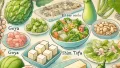

コメント