
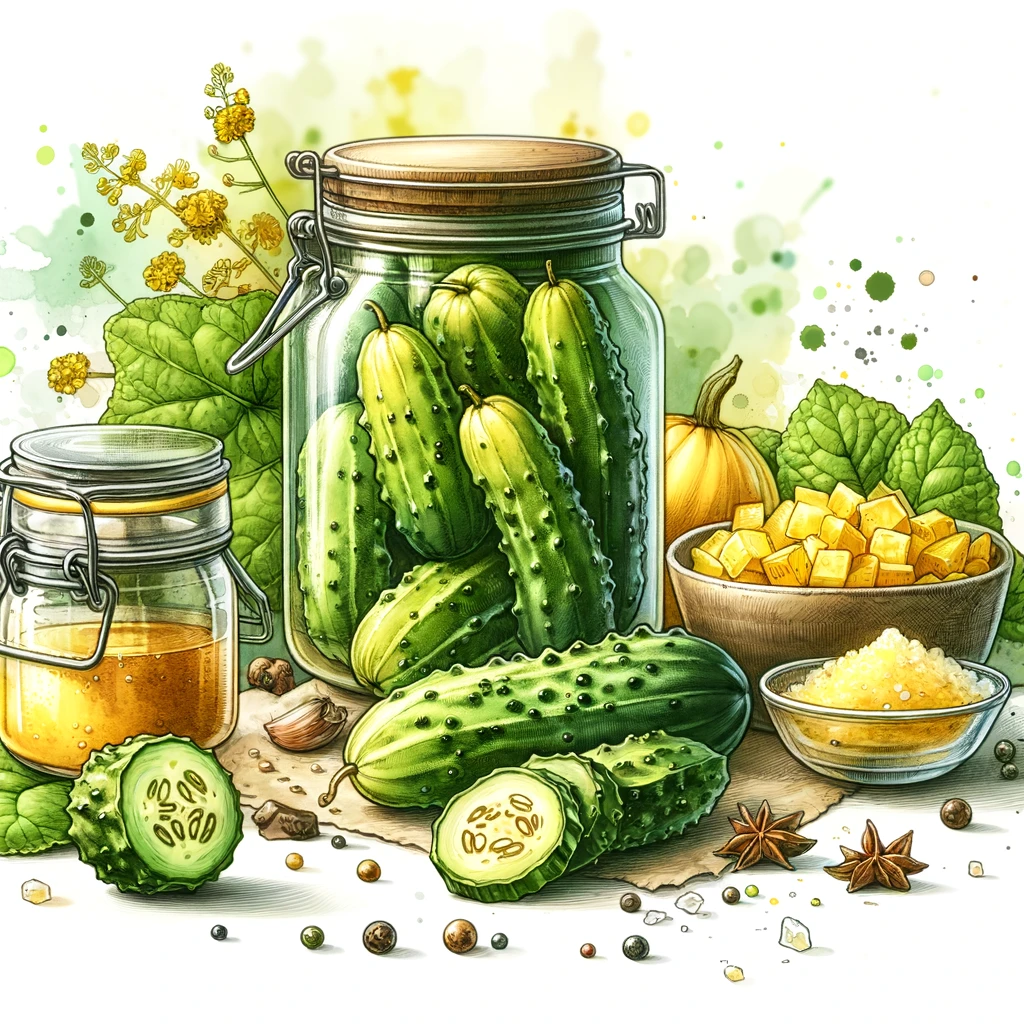
Feeling a bit under the weather due to the summer heat and losing your appetite? In such times, Okinawa’s traditional preserved food, “Goya Pickles,” is highly recommended. The distinctive bitterness and sourness of goya, combined with its crunchy texture, are sure to stimulate your appetite. In fact, goya pickles are said to be effective in preventing summer fatigue and aiding in recovery from exhaustion.
Goya is a healthy vegetable rich in vitamin C and dietary fiber. You can easily make goya pickles at home with just fresh goya, vinegar, sugar, and salt. Simply slice the goya thinly, rub it with salt, and soak it in a seasoning liquid to create delicious pickles.
One of the appealing aspects of goya pickles is that you can adjust the pickling time according to your preference and intended use. A shorter pickling time gives a refreshing taste, while a longer one provides a richer flavor. If you’re concerned about the bitterness, there are also ways to reduce it, so don’t worry.
Goya pickles can be enjoyed not only on their own but also as a delightful addition to salads, pasta dishes, and snacks. They also keep well, lasting about 2 weeks to a month in the refrigerator and about a week at room temperature, making them perfect for meal prep.
Why not create your own original goya pickles using your favorite vinegar, such as rice vinegar, apple cider vinegar, black vinegar, or white wine vinegar? Experience the joy of making homemade pickles and the deliciousness of the finished product. Add color, nutrition, and energy to your summer table with goya pickles!
- What Are Goya Pickles?
- How to Make Goya Pickles
- How to Use Goya Pickles in Cooking
- Creative Recipes Using Goya Pickles
- Frequently Asked Questions About Goya Pickles
- Q&A
- Conclusion
What Are Goya Pickles?
Goya pickles are a traditional preserved food from Okinawa, known for their effectiveness in preventing summer fatigue and aiding in recovery from exhaustion. Characterized by the distinctive bitterness and sourness of goya, and their crunchy texture, these pickles are enjoyed as a side dish with rice or as a snack. Goya, also known as bitter melon, is a rough-textured vegetable from the gourd family. By rubbing it with salt and soaking it in a mixture of vinegar and sugar, it transforms into a unique and flavorful pickle.
Characteristics of Goya Pickles
Traditional Okinawan Preserved Food
Goya pickles are one of Okinawa’s traditional preserved foods. In the subtropical climate of Okinawa, foods that can be preserved in high heat and humidity have always been valued. Goya, rich in nutrients and capable of being preserved for a long time through pickling, has been a beloved vegetable for centuries. Goya pickles are an essential staple in Okinawan households and are also recognized as a local delicacy.
Distinctive Bitterness and Sourness
The unique flavor of goya pickles comes from the combination of goya’s inherent bitterness and the sourness of the vinegar used for pickling. The bitterness of goya is due to a healthful compound called momordicin. During the pickling process, this bitter compound harmonizes with the vinegar’s sourness, creating a deep, complex flavor. The unique taste of goya pickles stimulates the appetite, making them perfect for hot summer days.
Crunchy Texture
Even after pickling, goya pickles retain their crunchy texture. Goya is a vegetable high in water content and fiber, which helps maintain a crunchy bite even after soaking. This satisfying texture provides a pleasant eating experience. The firmness of the texture can also be adjusted by varying the pickling time to suit personal preferences.
Nutritional Value of Goya Pickles
Rich in Vitamin C
Goya is well-known for its high vitamin C content. The vitamin C content in goya is about twice that of lemons and about four times that of cabbage per 100 grams. Vitamin C is an antioxidant essential for beauty and health. Goya pickles, made using vitamin C-rich goya, offer these benefits. Furthermore, since vitamin C is sensitive to heat, consuming it in pickles allows for more effective intake than eating it raw.
High in Dietary Fiber
Goya is also rich in dietary fiber, containing about twice as much fiber as cabbage and three times as much as lettuce per 100 grams. Dietary fiber helps alleviate constipation and improve gut health. Additionally, dietary fiber can moderate blood sugar spikes, making it beneficial for diet and lifestyle disease prevention. Goya pickles provide an easy way to consume dietary fiber.
Other Nutrients
Besides vitamin C and dietary fiber, goya is packed with various nutrients, including B vitamins, potassium, calcium, and magnesium. These minerals help with fatigue recovery and bone health. Goya also contains antioxidants like beta-carotene and lutein, which are beneficial for eye health and skin beauty. Goya pickles are an efficient way to intake these nutrients.
Health Benefits of Goya Pickles
Fatigue Recovery
Goya pickles are effective in relieving fatigue. The vitamin C in goya promotes the breakdown of lactic acid, a fatigue-causing substance, reducing feelings of tiredness. Additionally, the citric acid in goya helps in fatigue recovery. Consuming goya pickles on hot summer days or after exercise provides a refreshing sourness along with fatigue-relieving benefits.
Boosting Immunity
Goya pickles also help boost immunity. The high vitamin C content in goya activates white blood cells, enhancing the body’s resistance to infections. Moreover, beta-carotene in goya, which converts to vitamin A as needed, helps maintain healthy mucous membranes. These effects combined mean that eating goya pickles can enhance your resistance to colds and infections.
Skin Health
Goya pickles offer skin health benefits as well. The vitamin C in goya promotes collagen production, helping prevent wrinkles and spots. Beta-carotene in goya protects the skin from UV damage. Additionally, the dietary fiber in goya improves gut health, which is beneficial for skin health. Consuming goya pickles can help you achieve beautiful skin from within.
How to Make Goya Pickles
Making goya pickles at home is simple. Here, we will explain in detail the necessary ingredients, preparation, pickling method, and storage method to make delicious goya pickles. Try making goya pickles and enjoy the taste of Okinawan home cooking!
Ingredients and Quantities
Choosing Goya
When making goya pickles, selecting fresh, high-quality goya is crucial. Choose goya with a glossy surface, a deep green color overall, and uniform bumpy protrusions. Medium-sized goya is easier to handle and pickle than excessively large ones.
Required Seasonings
The seasonings needed for goya pickles are vinegar, sugar, and salt. Use mild vinegars such as grain vinegar or rice vinegar. For sugar, use granulated sugar or white sugar. Okinawan salts like sun-dried salt or Shimamasu can add an authentic Okinawan flavor.
Quantity Guidelines
The quantity of ingredients can be adjusted based on the size of the goya and personal preference. Generally, for one goya (about 300g), use 100ml vinegar, 2 tablespoons of sugar, and 1 teaspoon of salt. Adjust the sourness, sweetness, and saltiness to find your preferred taste.
Preparation
How to Cut Goya
First, cut the goya lengthwise and remove the seeds and pith. Then, slice it thinly into half-moons or diagonally. Aim for uniform thickness to ensure even pickling. Thicker slices will retain more crunch, while thinner slices will absorb flavors more readily.
How to Rub with Salt
Sprinkle salt on the sliced goya and rub it lightly. This process reduces the bitterness and draws out water. Rub the goya with salt for about 5 minutes. After rubbing, gently squeeze out the water from the goya.
How to Remove Water
After rubbing with salt, it’s essential to remove the water thoroughly. Residual water can dilute the pickling liquid and weaken the flavor. After lightly squeezing the goya, spread it out on a sieve to naturally drain the water, or use a clean kitchen paper to wipe it dry.
Pickling Method
Making the Seasoning Liquid
Combine vinegar, sugar, and salt to make the seasoning liquid. Add sugar and salt to the vinegar and mix well until the sugar completely dissolves. Adjust the quantity of the seasoning liquid according to the amount of goya. Ensure there’s enough liquid to cover the goya.
Pickling Procedure
Place the drained goya in a storage container and pour the seasoning liquid over it. Mix lightly to ensure the goya is evenly coated with the liquid. For quicker flavor absorption, place a light weight on top of the goya to keep it submerged in the liquid. Choose a light weight to prevent the goya from floating.
Pickling Time Guidelines
Goya pickles can be ready in as little as 30 minutes or can be left to pickle for over a day. The longer they pickle, the more flavor they absorb and the softer they become. Once they reach your desired texture and taste, you can stop the pickling process.
Storage Method and Shelf Life
Choosing a Storage Container
Select a clean, airtight container for storing goya
pickles. Glass jars, ceramic containers, or plastic containers specifically designed for pickling are ideal. Choose the size of the container according to the amount of goya being pickled.
Refrigerated Storage
Store goya pickles in the refrigerator. The vinegar’s antibacterial properties allow for long-term storage. Keep the pickles in the vegetable compartment or a cool area of the refrigerator to maintain their flavor and texture over time.
Shelf Life Guidelines
Goya pickles stored in the refrigerator have a shelf life of about one month. However, this can vary depending on the quantity of seasoning liquid and storage conditions. If you notice any discoloration, mold, or unusual odors, it’s best to dispose of them. Enjoy the pickles while they are fresh and delicious.
How to Use Goya Pickles in Cooking
Goya pickles are delicious on their own but can be used in various dishes to enhance their flavor. Here, we’ll introduce salad, pasta, snack, and other cooking ideas using goya pickles. Add color, nutrition, and flavor to your summer meals with goya pickles.
Salad Recipes with Goya Pickles
Goya Pickles and Tuna Salad
This simple and healthy salad combines goya pickles with canned tuna. Finely chop the goya pickles and mix with canned tuna, sliced onions, and cherry tomatoes. Use a dressing made from olive oil, lemon juice, salt, and pepper. The sourness of the goya pickles and the umami of the tuna blend perfectly for a refreshing taste.
Goya Pickles and Tomato Salad
A colorful and visually appealing salad using goya pickles and tomatoes. Thinly slice the goya pickles and alternate them with slices of tomato on a plate. Drizzle with olive oil, salt, and pepper, and garnish with basil leaves. The bitterness of the goya pickles and the sweetness of the tomatoes harmonize for a refreshing flavor.
Goya Pickles and Avocado Salad
A nutrient-rich and creamy salad combining goya pickles and avocado. Thinly slice the goya pickles and mix with avocado slices. Use a dressing made from mayonnaise, lemon juice, salt, and pepper. Enjoy the crunchy texture of the goya pickles and the smoothness of the avocado for a satisfying taste.
Pasta Recipes with Goya Pickles
Goya Pickles and Bacon Pasta
This flavorful pasta dish combines goya pickles with bacon. Thinly slice the goya pickles and sauté with bacon in olive oil. Toss with cooked pasta and season with salt and pepper. The sourness of the goya pickles and the saltiness of the bacon create a rich and savory taste.
Goya Pickles and Seafood Pasta
A refreshing summer pasta dish with goya pickles and seafood. Thinly slice the goya pickles and sauté with shrimp, squid, and clams in olive oil. Toss with cooked pasta and season with salt and pepper. The bitterness of the goya pickles and the umami of the seafood blend harmoniously for a light and tasty dish.
Goya Pickles and Tomato Sauce Pasta
A colorful and healthy pasta dish with goya pickles and tomato sauce. Thinly slice the goya pickles and simmer with tomato sauce. Toss with cooked pasta and season with salt and pepper. The sourness of the goya pickles and the sweetness of the tomato sauce create a delightful and refreshing flavor.
Snack Recipes with Goya Pickles
Goya Pickles Wrapped in Meat
Thinly sliced goya pickles wrapped in pork belly and grilled. The bitterness of the goya pickles and the umami of the pork belly blend perfectly, making it an ideal snack with drinks. Enjoy with soy sauce or miso as desired.
Goya Pickles Tempura
Goya pickles dipped in tempura batter and fried to perfection. The crispy batter and the sourness and bitterness of the goya pickles pair excellently with beer or highball. Enjoy with tempura dipping sauce or your favorite sauce.
Goya Pickles and Cheese Bake
Goya pickles topped with cheese and baked in the oven. The bitterness of the goya pickles and the rich taste of the cheese blend perfectly, making it a great snack with wine. Sprinkle with herbs or spices as desired.
Other Cooking Ideas with Goya Pickles
Goya Pickles Sandwich
Finely chop goya pickles and mix with tuna, ham, or cheese, and sandwich between slices of bread. The sourness of the goya pickles sharpens the overall flavor, providing a refreshing taste. Ideal for lunch boxes or picnics.
Goya Pickles Stir-Fry
Finely chop goya pickles and stir-fry with pork or eggs. The bitterness of the goya pickles and the umami of the pork or eggs blend perfectly, making it a great side dish with rice. Season with soy sauce or miso as desired.
Goya Pickles Pizza Topping
Thinly sliced goya pickles used as a pizza topping. The sourness of the goya pickles and the rich taste of the cheese blend perfectly, offering a unique flavor. Add ham, bacon, or vegetables as desired.
Creative Recipes Using Goya Pickles
Introducing some creative recipes that incorporate goya pickles. By adding goya pickles to classic dishes like salads, pasta, and bruschetta, you can enjoy a new and delightful flavor. Enrich your summer dining experience with these inventive goya pickle recipes.
Goya Pickles and Tuna Salad
Ingredients
- Goya pickles: 1/2 goya (finely chopped)
- Canned tuna: 1 can (drained)
- Onion: 1/4 (thinly sliced)
- Cherry tomatoes: 8 (halved)
- Lettuce: 2 leaves (torn into pieces)
- Olive oil: 2 tablespoons
- Lemon juice: 1 tablespoon
- Salt and pepper: to taste
Instructions
- In a bowl, combine goya pickles, tuna, onion, cherry tomatoes, and lettuce, and gently mix.
- In a separate bowl, mix olive oil, lemon juice, salt, and pepper to make the dressing.
- Add the dressing to the salad bowl and gently mix everything together.
- Serve on a plate and garnish with parsley or basil if desired.
Tips for Variations
- You can use other pickles or preserved vegetables instead of goya pickles.
- Substitute tuna with chicken or shrimp for a different twist.
- Adding mustard or honey to the dressing can enhance the depth of flavor.
Goya Pickles and Cheese Bruschetta
Ingredients
- Baguette: 1 (sliced diagonally into 1cm pieces)
- Goya pickles: 1/2 goya (thinly sliced)
- Cream cheese: 100g
- Parmesan cheese: 30g (grated)
- Olive oil: 2 tablespoons
- Garlic powder: 1/2 teaspoon
- Salt and pepper: to taste
Instructions
- Preheat the oven to 200°C.
- Brush olive oil on the baguette slices and toast them in the oven for about 5 minutes.
- In a bowl, mix cream cheese, Parmesan cheese, garlic powder, salt, and pepper.
- Spread the cheese mixture on the toasted baguette slices and top with goya pickles.
- Bake in the oven for about 5 minutes until the cheese melts.
Tips for Variations
- You can use other vegetable pickles or fresh vegetables instead of goya pickles.
- Feel free to use your favorite cheese, such as blue cheese or Gouda.
- Drizzle honey or balsamic vinegar on top for added depth of flavor.
Goya Pickles and Bacon Pasta
Ingredients
- Spaghetti: 200g
- Goya pickles: 1/2 goya (thinly sliced)
- Bacon: 4 slices (cut into 1cm pieces)
- Garlic: 2 cloves (minced)
- Red chili pepper: 1 (seeds removed, sliced)
- Olive oil: 2 tablespoons
- Salt and pepper: to taste
- Parmesan cheese: as desired
Instructions
- Cook the spaghetti in salted water according to package instructions.
- Heat olive oil in a frying pan and sauté garlic and chili pepper until fragrant.
- Add bacon and cook until the fat renders, then add goya pickles and lightly sauté.
- Add the cooked spaghetti to the pan and season with salt and pepper.
- Serve on a plate and sprinkle with Parmesan cheese as desired.
Tips for Variations
- You can use other vegetable pickles or fresh vegetables instead of goya pickles.
- Substitute bacon with ham or sausage for a different flavor.
- Adding olive oil or butter at the end gives the dish a richer taste.
Frequently Asked Questions About Goya Pickles
Here are some common questions about making goya pickles. We’ll explain how to reduce the bitterness of goya, the optimal pickling times, shelf life, and types of vinegar to use. Learn the tips for making delicious goya pickles and enjoy making homemade pickles.
How to Reduce the Bitterness of Goya Pickles
Extended Salt Rubbing Time
To reduce the bitterness of goya, extend the salt rubbing time. While the usual salt rubbing time is about 5 minutes, extending it to 10 to 15 minutes will extract more of the bitter compounds. Be sure to squeeze out the water well after rubbing.
Adjusting the Amount of Sugar
Another effective way to reduce bitterness is to adjust the amount of sugar when pickling. Adding more sugar than the basic amount can mellow out the bitterness, giving a smoother taste. Be careful not to add too much sugar, as it can make the pickles overly sweet. Adjust gradually to find your preferred flavor.
Pickling with Other Vegetables
Pickling goya with other vegetables can also help balance its bitterness. Carrots, celery, and bell peppers, which are naturally sweet, complement the bitterness of goya and create a balanced flavor. Experiment with different vegetable combinations for a variety of tastes.
Optimal Pickling Times for Goya Pickles
Shortest Pickling Time
The shortest pickling time for goya pickles is about 30 minutes to 1 hour. This allows the goya to absorb the vinegar flavor and provides a refreshing taste. Shorter pickling times retain the crunchy texture of the goya, offering a delightful bite.
For Stronger Flavors
For a more intense flavor, extend the pickling time to 2 to 4 hours. This allows the goya to absorb more of the seasoning, resulting in a richer taste. Longer pickling times also soften the texture of the goya, making the vinegar flavor more pronounced.
For Long-Term Storage
For long-term storage, a pickling time of 12 to 24 hours is recommended. This ensures the goya fully absorbs the vinegar, enhancing its shelf life. However, be mindful that pickling for too long can make the goya overly soft. Stop pickling when it reaches your desired texture.
Shelf Life of Goya Pickles
Refrigerated Storage
When stored in the refrigerator, goya pickles can last about 2 weeks to 1 month. The longer the pickling time, the better the shelf life. Use clean containers and ensure the vinegar has thoroughly permeated the goya before storing.
Room Temperature Storage
At room temperature, goya pickles last about 1 week. Store them in a cool, dark place away from direct sunlight. Since room temperature storage has a shorter shelf life compared to refrigeration, it is recommended to consume the pickles sooner.
Extending Shelf Life
To extend the shelf life of goya pickles, increase the amount of vinegar, as its antibacterial properties help preserve the pickles. Use sterilized containers and ensure the vinegar covers all the goya when storing.
Types of Vinegar for Goya Pickles
Using Rice Vinegar
Rice vinegar gives goya pickles a light, refreshing taste. Its mild acidity balances the bitterness of goya, resulting in a smooth flavor. Rice vinegar pairs well with Japanese dishes, making it a great accompaniment to rice.
Using Apple Cider Vinegar
Apple cider vinegar gives goya pickles a fruity acidity. Its refreshing sourness enhances the bitterness of goya, creating a crisp flavor. Apple cider vinegar pairs well with Western dishes, making it suitable for salads and sandwiches.
Using Other Vinegars
You can also use other types of vinegar, such as black vinegar or white wine vinegar. Black vinegar adds a rich, deep flavor, while white wine vinegar offers a refined acidity. Experiment with different vinegars to create your own unique goya pickles.
Q&A
Is it better to pickle goya for a longer time?
The pickling time for goya pickles should be adjusted based on your preference and intended use. Even a short pickling time of 30 minutes to 1 hour provides a refreshing taste. For a more intense flavor, pickle for 2 to 4 hours. For long-term storage, pickle for 12 to 24 hours. Be cautious not to pickle for too long, as the goya can become too soft. Adjust the pickling time to achieve your desired texture and taste.
What type of vinegar should be used for goya pickles?
You can use various types of vinegar for goya pickles, including rice vinegar, apple cider vinegar, black vinegar, and white wine vinegar. Rice vinegar offers a light, refreshing taste, while apple cider vinegar adds a fruity acidity. Black vinegar provides a rich, deep flavor, and white wine vinegar gives a refined acidity. Choose the vinegar based on your preferred taste and the dish you are pairing it with.
How can the bitterness of goya pickles be reduced?
To reduce the bitterness of goya pickles, you can extend the salt rubbing time, adjust the amount of sugar, or pickle with other vegetables. Rubbing with salt for 10 to 15 minutes will extract more bitter compounds. Adding more sugar than the basic amount can mellow the bitterness. Pickling with sweet vegetables like carrots, celery, or bell peppers can balance the bitterness and create a more harmonious flavor.
How can the shelf life of goya pickles be extended?
To extend the shelf life of goya pickles, increase the pickling time, use more vinegar, and ensure the storage containers are clean. Pickling for 12 to 24 hours allows the goya to fully absorb the vinegar, enhancing preservation. Using more vinegar increases its antibacterial effect, improving shelf life. Sterilize the containers with boiling water and ensure the vinegar covers the goya completely when storing.
What are some recommended dishes using goya pickles?
Goya pickles can be used in various dishes beyond being eaten on their own. Adding them to salads provides a refreshing taste, perfect for combating summer fatigue. In pasta, the texture and acidity of goya pickles add depth to the dish. Finely chop goya pickles and use them to wrap meat or fish, creating a great snack. Enjoy experimenting with goya pickle recipes to expand your culinary repertoire.
Conclusion
Goya pickles are a traditional Okinawan preserved food known for their effectiveness in preventing summer fatigue and aiding recovery. Characterized by their distinctive bitterness and sourness, and crunchy texture, they are rich in vitamin C and dietary fiber, making them a healthy food option.
To make goya pickles, choose fresh, high-quality goya and prepare the appropriate amount of vinegar, sugar, and salt. Thinly slice the goya, rub it with salt, and soak it in the seasoning liquid. The pickling time can range from 30 minutes to 1 hour for a light flavor, 2 to 4 hours for a stronger taste, and 12 to 24 hours for long-term storage. To reduce bitterness, extend the salt rubbing time, adjust the sugar amount, or pickle with other vegetables.
Goya pickles can be enjoyed on their own or used in salads, pasta, and snacks. They can be stored in the refrigerator for about 2 weeks to 1 month or at room temperature for about 1 week. To extend the shelf life, increase the pickling time, use more vinegar, and ensure the storage containers are clean.
Experiment with different types of vinegar, such as rice vinegar, apple cider vinegar, black vinegar, or white wine vinegar, to create your unique goya pickles. Utilize goya pickles to add color, nutrition, and flavor to your summer dining table.


コメント