
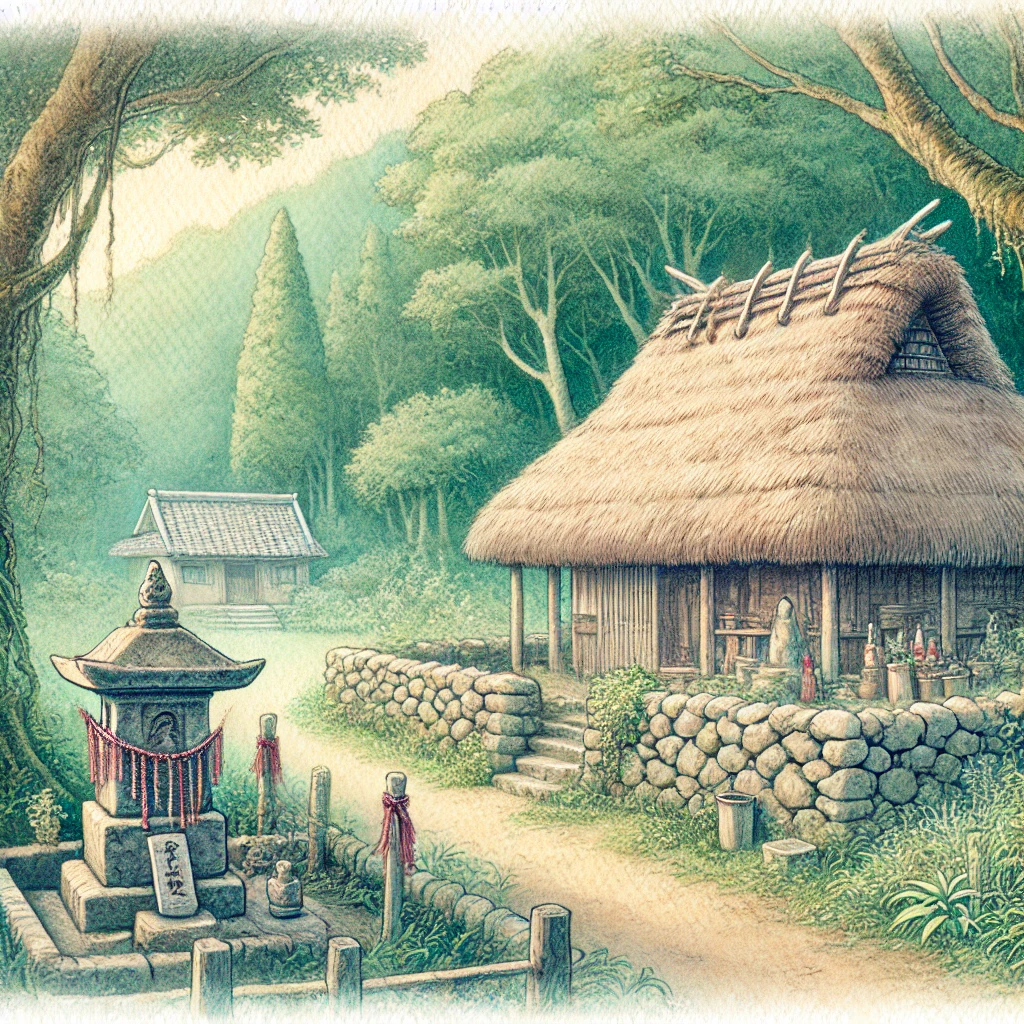
Okinawa’s mystical place, Yunushikiji, is a sacred site believed to be where the souls of the deceased return to the living world. It lies at the boundary between the worlds of the living and the dead, encapsulating the traditional values and beliefs cherished by the people of Okinawa.
Many folktales tell of the dangers of desecrating Yunushikiji, including stories of young men who brought calamity to their village or misfortunes that arose from failing to honor the spirits. These tales emphasize the importance of respecting and cherishing Yunushikiji.
The reasons Okinawans feel fear towards Yunushikiji include reverence and fear of the spirits, anxiety over the influence of the dead on the living world, and the belief in cause and effect. Desecrating Yunushikiji is thought to anger the spirits and bring calamity, demanding a cautious attitude.
However, Yunushikiji is not just an object of fear. Even in modern society, Yunushikiji holds significant meaning as a place that embodies Okinawa’s traditional values and worldview. Amid rapid societal changes, Yunushikiji continues to serve as a spiritual anchor for the people of Okinawa.
In this blog, we explore the sanctity and importance of Yunushikiji, delving into Okinawa’s rich spiritual world. Through stories and incidents related to Yunushikiji, we can learn about the vital values inherited from our ancestors, such as Okinawa’s views on life and death and the concept of cause and effect.
For us living in the modern world, Yunushikiji is not merely a relic of the past. It is an indispensable presence for preserving and developing Okinawa’s traditional culture. Through this blog, we invite you to discover the allure of Yunushikiji and experience the spiritual world of Okinawa.
- What is Yunushikiji?
- Legends and Incidents Related to Yunushikiji
- Why Okinawans Feel Fear Towards Yunushikiji
- Yunushikiji and Similar Concepts in Other Cultures
- Conclusion: Why Yunushikiji is Important for Understanding Okinawa’s Spiritual World
- Q&A
- Conclusion: “Yunushikiji: The Essence of Okinawa’s Traditional Worldview and Spirituality”
What is Yunushikiji?
Overview of Yunushikiji
The Origin and Meaning of Yunushikiji
The term “Yunushikiji” means “place of the world” in Okinawan dialect. It refers to a place where the souls of the deceased return to the living world, serving as a boundary between the realms of the living and the dead. Yunushikiji has played a crucial role in Okinawa’s traditional beliefs. This sacred site is a special space for honoring and appeasing ancestral spirits, where the living are forbidden to enter without reason. Deeply intertwined with the spirituality of Okinawans, its origins can be traced back to ancient myths and legends.
Physical Characteristics of Yunushikiji
Yunushikiji is typically located in remote areas such as the outskirts of villages or within forests. Often marked by stone walls or monuments, these signs indicate its sanctity. Surrounding Yunushikiji, there is usually a sacred forest called “Utaki,” believed to house the village’s guardian deity. Utaki, like Yunushikiji, has been carefully protected as a sacred site. The physical characteristics of Yunushikiji are deeply connected to the spirituality of the Okinawan people, passed down as a cherished heritage from their ancestors.
Connection to Okinawa’s Traditional Worldview
Okinawa’s View on Life and Death and Yunushikiji
In Okinawa’s traditional view on life and death, death is not the end but a new beginning. It is believed that the souls of the deceased return to the living world through Yunushikiji, watching over and guiding their descendants. This belief is closely tied to the faith centered around Yunushikiji. It is a crucial place that connects the living and the dead, playing a central role in ancestor worship. For Okinawans, Yunushikiji is not merely a physical place but a spiritual haven where they can feel a bond with their ancestors.
Yunushikiji and Ancestor Worship
Ancestor worship holds a very significant place in Okinawa’s traditional beliefs. Yunushikiji serves as a special site for honoring and appeasing ancestral spirits, central to ancestor worship. Okinawans visit Yunushikiji to pray, offer gratitude, and communicate with their ancestors’ spirits. At Yunushikiji, a ritual called “Shiimi” often takes place, where ancestral spirits are welcomed home, offered sacrifices, and time is spent together. These practices, centered around Yunushikiji, are an integral part of Okinawa’s traditional culture, preserved and valued even today.
The Historical Evolution of Yunushikiji
Yunushikiji from Ancient to Early Modern Times
The origins of Yunushikiji date back to ancient Okinawa. For centuries, Okinawans have cultivated unique beliefs centered around nature worship and ancestor worship. Yunushikiji held special meaning as a place where the souls of the deceased returned to the living world. During the Ryukyu Kingdom era, Yunushikiji was officially recognized as a sacred site, carefully protected by the kingdom. The management of Yunushikiji was entrusted to villages, where people cherished and safeguarded it. Thus, from ancient times to the early modern period, Yunushikiji played a crucial role as a spiritual refuge for the people of Okinawa.
Changes in Yunushikiji Since Modern Times
In modern times, Okinawa experienced significant social changes. Particularly under American rule after World War II, traditional values and practices were in danger of being lost. However, Okinawans continued to protect their traditional beliefs centered around Yunushikiji. After reversion to mainland Japan in 1972, efforts to revive traditional culture intensified, and many villages began to preserve and restore Yunushikiji. Today, Yunushikiji remains a vital site symbolizing Okinawa’s traditional culture, passed down to future generations.
Legends and Incidents Related to Yunushikiji
Representative Legends of Yunushikiji
The Story of a Youth Who Brought Calamity to the Village
There was a young man in a village who disregarded the sanctity of Yunushikiji. He and his friends entered Yunushikiji, defiling the sacred site. Despite the village elders’ admonitions, they did not listen. Soon after, the village suffered from poor harvests and illness, causing great suffering. The villagers believed these misfortunes were caused by the youths’ desecration of Yunushikiji, harboring anger towards them. However, the young men did not repent and left the village. This legend highlights the importance of respecting and valuing Yunushikiji.
The Story of Misfortune from Not Comforting the Souls
A family neglected to comfort the souls of their ancestors at Yunushikiji. They neither visited Yunushikiji nor offered sacrifices. Consequently, a series of misfortunes befell the family. Some fell ill with unknown diseases, while others faced business failures. Remembering the importance of honoring their ancestors’ souls, the family visited Yunushikiji and made offerings. Gradually, the misfortunes dissipated, and the family regained peace. This legend underscores the significance of respecting and honoring ancestral spirits.
Actual Incidents Related to Yunushikiji
The 1950s Road Construction Plan and Mysterious Fatal Accidents
In the 1950s, a plan emerged to build a road through Yunushikiji in a village. Despite the villagers’ opposition, authorities pushed forward with the project. Once construction began, a series of mysterious fatal accidents occurred. Workers died or were seriously injured in inexplicable accidents. The villagers believed these incidents were caused by desecrating Yunushikiji and demanded the project’s cessation. Eventually, the authorities heeded the villagers’ pleas, and the road construction plan was abandoned. This incident is widely known as an example of Yunushikiji’s sanctity and the dangers of desecrating it.
Other Incidents Related to Yunushikiji
Even in recent years, incidents related to Yunushikiji have been reported. For instance, in one village, construction work near Yunushikiji damaged part of the site. Subsequently, unexplained illnesses spread among the workers. Additionally, tourists who entered Yunushikiji without permission suddenly fell ill. These incidents highlight the dangers of disregarding Yunushikiji and demonstrate its ongoing impact on Okinawan spirituality.
Contemporary Issues Concerning Yunushikiji
Debates on Development and Protection of Yunushikiji
In Okinawa, rapid tourism development and urbanization have sparked lively debates over the protection of Yunushikiji. Proponents of development argue that some parts of Yunushikiji must be sacrificed for economic progress. Conversely, advocates for protection insist that Yunushikiji is the foundation of Okinawa’s traditional culture and must never be destroyed. This debate raises critical issues about balancing cultural heritage preservation and economic development in modern society. Protecting Yunushikiji is also about preserving the identity and pride of the Okinawan people.
Literary Works and Films Featuring Yunushikiji
Yunushikiji is also a prominent motif in Okinawan literature and art. Many writers and artists have created works featuring Yunushikiji, expressing Okinawa’s traditional culture and spirituality. For example, Shun Medoruma’s novel “Soul Place” prominently features Yunushikiji. Additionally, Isao Takahata’s animated film “The Poe Clan” depicts Yunushikiji and Okinawa’s view on life and death. These works show that Yunushikiji is deeply rooted in Okinawan culture and history and continues to resonate with people in modern society
.
Why Okinawans Feel Fear Towards Yunushikiji
Connection with the World of the Dead
Reverence and Fear Towards the Spirits of the Dead
The primary reason Okinawans feel fear towards Yunushikiji is their reverence and fear of the spirits of the dead. In Okinawan traditional beliefs, the spirits of the dead are sacred, and the living must respect and handle them carefully. Yunushikiji is considered particularly sacred because it is where the spirits return to the living world. Okinawans believe that desecrating Yunushikiji angers the spirits and brings calamity. This reverence and fear define the Okinawans’ attitude towards Yunushikiji.
Anxiety About the Influence on the Living World
Another reason Okinawans feel fear towards Yunushikiji is anxiety about the influence of the spirits on the living world. In Okinawa’s traditional worldview, the spirits of the dead can affect events in the living world. For example, honoring and appeasing ancestral spirits is believed to protect and bring fortune to descendants. Conversely, angering or ignoring ancestral spirits is thought to invite misfortune. Since Yunushikiji connects the spirits and the living world, actions there are believed to significantly impact the living world.
Concept of Cause and Effect
The Concept of Cause and Effect in Okinawa’s Traditional Worldview
In Okinawa’s traditional worldview, the concept of cause and effect is significant. This belief, influenced by Buddhism, holds that every action has a corresponding result. Good deeds bring good outcomes, and bad deeds bring bad outcomes. Okinawans believe that following ancestral teachings and performing good deeds result in favorable outcomes. Conversely, actions like desecrating Yunushikiji are considered bad deeds, believed to bring adverse outcomes. This concept of cause and effect generates fear of desecrating Yunushikiji.
Fear of Desecrating Yunushikiji
Desecrating Yunushikiji is one of the most feared actions in Okinawa’s traditional worldview. As a sacred place where the spirits of the dead return to the living world, defiling or destroying Yunushikiji is seen as a severe act of desecration against the spirits. Okinawans believe such actions inevitably bring adverse outcomes, such as illness, accidents, or misfortune, upon the desecrator and their family. This belief in cause and effect fosters a deep fear of desecrating Yunushikiji.
Significance of Yunushikiji in Modern Society
Inheritance of Traditional Values and Yunushikiji
Even in modern society, Yunushikiji continues to impact Okinawans’ spirituality significantly. Yunushikiji embodies Okinawa’s traditional values and worldview, and preserving it is linked to preserving Okinawan culture. Ancestral worship and the concept of cause and effect remain deeply rooted, and Yunushikiji symbolizes these beliefs. For Okinawans, protecting Yunushikiji means preserving essential values inherited from their ancestors.
Role of Yunushikiji in Modern Society
In modern society, Yunushikiji serves as more than a symbol of traditional culture; it is also a vital spiritual refuge for Okinawans. Amid rapid societal changes, many people are losing traditional values and spirituality. In this context, Yunushikiji provides a place for Okinawans to feel connected to their ancestors and find peace of mind. Additionally, Yunushikiji plays a crucial role in preserving Okinawa’s natural environment. Protecting Yunushikiji is also about protecting Okinawa’s rich natural heritage.
Yunushikiji and Similar Concepts in Other Cultures
Comparison with Mainland Japan’s Culture
Comparison of Mainland Views on Life and Death with Yunushikiji
In mainland Japan, the spirits of the dead and ancestor worship are also significant. The Buddhist-influenced view on life and death shares many similarities with Okinawa’s perspective. For instance, it is believed that the spirits of the deceased can influence the living world, and honoring and appeasing ancestors is essential. During the Obon festival, ancestral spirits are welcomed home and honored, similar to Okinawa’s Shiimi. However, the concept of a specific place like Yunushikiji where spirits return is not common in mainland Japan.
Commonalities Between Mainland Ancestor Worship and Yunushikiji
Ancestor worship is crucial in mainland Japanese culture, with practices such as altar worship and grave visits. Altars are special places for honoring ancestral spirits, where daily offerings and memorial services are conducted. Grave visits are essential practices to honor ancestors and affirm connections with them. These practices share many commonalities with Okinawa’s ancestor worship centered around Yunushikiji. Both emphasize respecting and honoring ancestral spirits to ensure peace and happiness in the living world.
Similar Concepts in Other Cultures Worldwide
The Boundary Between the Worlds of the Dead and the Living in Other Cultures
Many cultures worldwide have unique beliefs about the boundary between the worlds of the dead and the living. For example, in traditional Chinese beliefs, there is the “Yin” world of the dead and the “Yang” world of the living. In Mexico, the Dia de los Muertos (Day of the Dead) is believed to be when the spirits return to the living world, with altars set up to welcome and honor them. These beliefs share commonalities with the concept of Yunushikiji in their emphasis on the boundary and interaction between the living and the dead.
Similar Practices and Beliefs to Yunushikiji in Other Cultures
Various cultures around the world have practices and beliefs similar to Yunushikiji. In Bali, Indonesia, there is a sacred place called “Pura Dalem,” believed to house ancestral spirits. The Balinese visit Pura Dalem to pray and honor the spirits. In the Yoruba culture of Africa, there is a ceremony called “Egungun,” where ancestral spirits are invoked, and dancers wear masks to represent the spirits, affirming the connection between the living and the dead. These practices highlight the shared emphasis on respecting and honoring ancestral spirits and maintaining a connection between the living and the dead, similar to Yunushikiji.
Conclusion: Why Yunushikiji is Important for Understanding Okinawa’s Spiritual World
Reflection of Okinawa’s Traditional Worldview in Yunushikiji
Yunushikiji is a place that reflects Okinawa’s traditional worldview and is essential for understanding Okinawa’s spiritual world. Yunushikiji encapsulates Okinawa’s views on life and death, ancestor worship, and the concept of cause and effect. Through Yunushikiji, one can learn how Okinawans perceive the spirits of the dead and their connection to the living world. Additionally, the stories and incidents related to Yunushikiji provide crucial insights into Okinawa’s spirituality and worldview. Understanding Yunushikiji leads to a deeper understanding of Okinawa’s traditional worldview.
Understanding Okinawa’s Views on Life and Death Through Yunushikiji
Yunushikiji is particularly significant for understanding Okinawa’s views on life and death. In Okinawa’s traditional view, death is not the end but a new beginning, with the spirits of the deceased returning to the living world through Yunushikiji. Ancestors’ spirits are believed to watch over and guide their descendants. This view is closely tied to the faith centered around Yunushikiji. Through Yunushikiji, one can understand how Okinawans perceive death and their relationship with ancestral spirits. Yunushikiji embodies Okinawa’s views on life and death, and understanding it is essential for grasping Okinawa’s spiritual world.
The Significance and Importance of Preserving Yunushikiji in Modern Society
In modern society, Yunushikiji remains an essential presence, supporting Okinawans’ spirituality. It embodies Okinawa’s traditional values and worldview, and preserving it contributes to preserving Okinawan culture. Yunushikiji also serves as a vital spiritual refuge, providing a place for Okinawans to feel connected to their ancestors and find peace amid rapid societal changes. Protecting Yunushikiji is crucial for preserving and developing Okinawa’s spiritual world for future generations. Through this blog, we invite you to discover the allure of Yunushikiji and feel the spiritual world of Okinawa.
Q&A
What is Yunushikiji?
Yunushikiji is a sacred space in Okinawa’s traditional beliefs, where it is believed that the souls of the deceased return to the living world. It lies at the boundary between the worlds of the living and the dead and has been cherished as a place to honor and appease ancestral spirits.
What are some representative legends related to Yunushikiji?
There are many legends that illustrate the dangers of desecrating Yunushikiji, such as stories of young men who brought calamity to their village or misfortunes that arose from failing to comfort the spirits. These legends emphasize the importance of respecting and valuing Yunushikiji.
Why do Okinawans feel fear towards Yunushikiji?
The main reasons include reverence and fear of the spirits of the dead, anxiety about their influence on the living world, and the belief in cause and effect. It is believed that desecrating Yunushikiji angers the spirits and brings calamity, leading Okinawans to adopt a cautious attitude towards it.
What is the significance of Yunushikiji in modern society?
Yunushikiji continues to hold significant meaning as a place that embodies Okinawa’s traditional values and worldview. Amid rapid societal changes, it also serves as a spiritual anchor for the people of Okinawa.
Why is Yunushikiji important for understanding Okinawa’s spiritual world?
Yunushikiji reflects Okinawa’s traditional worldview and beliefs about life and death, making it indispensable for understanding the spirituality of the Okinawan people. Through Yunushikiji, one can learn about the rich spiritual world of Okinawa and the important values inherited from their ancestors.
Conclusion: “Yunushikiji: The Essence of Okinawa’s Traditional Worldview and Spirituality”
Yunushikiji is a sacred place in Okinawa’s traditional beliefs, where the souls of the deceased return to the living world. Positioned at the boundary between the worlds of the living and the dead, it has been cherished for honoring and appeasing ancestral spirits. Yunushikiji encapsulates Okinawa’s views on life and death, ancestor worship, and the concept of cause and effect, embodying the traditional values and beliefs of Okinawa.
The legends and incidents related to Yunushikiji highlight the dangers of desecrating it and provide important insights into the spirituality and worldview of the Okinawan people. Stories such as the young man who brought calamity to his village and the misfortunes from failing to comfort the spirits emphasize the importance of respecting and valuing Yunushikiji.
The reasons Okinawans feel fear towards Yunushikiji include reverence and fear of the spirits of the dead, anxiety about their influence on the living world, and the belief in cause and effect. Desecrating Yunushikiji is believed to anger the spirits and bring calamity, demanding a cautious attitude.
In modern society, Yunushikiji continues to hold significant meaning as a place that embodies Okinawa’s traditional values and worldview. Amid rapid societal changes, Yunushikiji also serves as a spiritual anchor for the people of Okinawa.
Yunushikiji is indispensable for understanding Okinawa’s spiritual world. Through Yunushikiji, one can learn about the rich spirituality of Okinawa and the important values inherited from their ancestors. Preserving Yunushikiji for future generations is essential for protecting and developing Okinawa’s traditional culture.
We hope this blog helps you understand the sanctity and importance of Yunushikiji and provides a glimpse into Okinawa’s traditional worldview and spirituality. Yunushikiji is an irreplaceable presence that teaches us the important values inherited from our ancestors, even in modern times.


コメント