
When you hear “Okinawa,” what comes to mind?
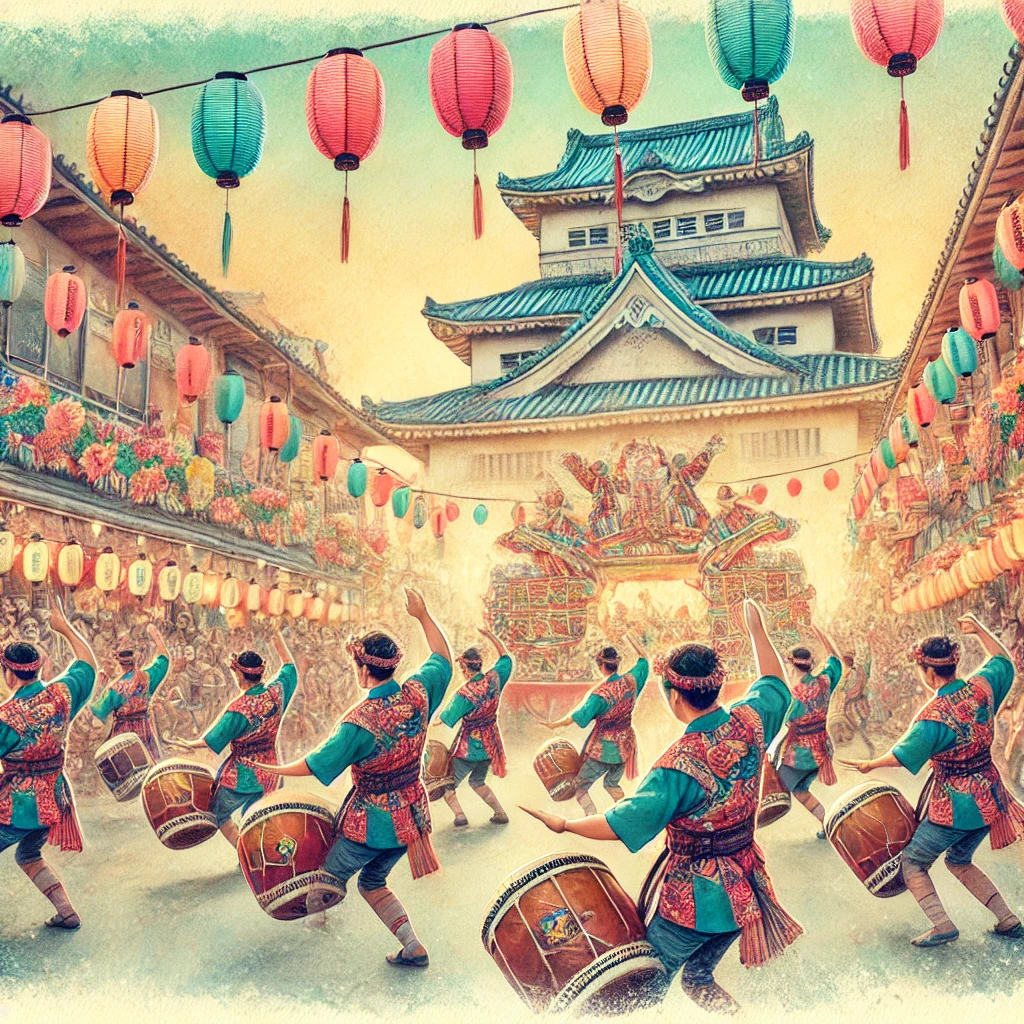
Blue seas, white sandy beaches, delicious food… These are all captivating, but the true charm of Okinawa lies much deeper. It is in the spirituality and culture of the Okinawan people, nurtured over a long history. Among these, festivals and Eisa can be considered the core of Okinawan culture. Festivals reflect the Okinawan people’s views on nature, their faith, and their history. Each festival, whether it is to welcome the village guardian gods or to pray for a good harvest, is imbued with the prayers and wishes of the Okinawan people.
On the other hand, Eisa represents the essence of Okinawan performing arts. The sounds of drums and dynamic dances express the soul of the Okinawan people. These festivals and Eisa have been cherished and passed down through generations, maintaining their intrinsic value while evolving with the times.
Today, their charm extends beyond Okinawa. Festivals and Eisa, with their world-class artistry and spirituality, have the power to captivate people around the globe. However, the environment surrounding these traditions is undergoing significant changes. Balancing the preservation of tradition with innovation, passing them on to the next generation, and sharing them internationally are current challenges that need to be addressed.
It is essential not to lose sight of the fundamental value of festivals and Eisa. We must continue efforts to connect these irreplaceable treasures, inherited from our predecessors, to the future. This effort should be supported not only by the people of Okinawa but also by everyone who loves Okinawa. This is because Okinawan festivals and Eisa offer a unique opportunity to experience the heart of Okinawa.
In this blog, we will delve deeply into the history and charm of Okinawan festivals and Eisa, their contemporary significance, and their future possibilities. Let’s explore the profound aspects of Okinawan culture and consider the universal value that festivals and Eisa hold together.
- Overview of Okinawan Festivals and Eisa
- The History and Development of Okinawan Festivals
- The History and Transmission of Eisa
- The Spirituality Embedded in Festivals and Eisa
- The Appeal of Festivals and Eisa in Modern Times
- The Future of Okinawan Festivals and Eisa
- Conclusion
- Q&A
- Summary
Overview of Okinawan Festivals and Eisa
Okinawa Prefecture, a beautiful archipelago located in southwestern Japan, has fostered a unique culture and tradition. Among these, Okinawan festivals and Eisa are indispensable attractions for Visit Okinawa (※1). These festivals and Eisa are deeply rooted in the lives of the Okinawan people, strengthening the bonds within local communities and embodying the spirituality of Okinawa through rituals of gratitude for bountiful harvests and catches, ancestor worship, and spirit faith.
Characteristics of Okinawan Festivals
Okinawan festivals play a crucial role in strengthening the bonds within local communities. These festivals, held in each village, involve many residents, young and old, who cooperate in their preparation and operation. This process fosters intergenerational interaction and cultivates a sense of unity within the community.
Moreover, Okinawan festivals serve as occasions to express gratitude for bountiful harvests and catches. Rituals are performed to pray for the safety of fishing and to thank nature for its blessings. Through these festivals, the Okinawan people have learned and passed down the importance of coexisting with nature.
Additionally, Okinawan festivals are deeply influenced by ancestor worship and spirit faith. By venerating and offering memorial services to ancestral spirits, a sense of connection with ancestors is nurtured. Furthermore, by revering and worshiping spirits believed to dwell in nature, the Okinawan people have sought to harmonize with the natural world.
The Definition and Origins of Eisa
Eisa, one of Okinawa’s representative traditional performing arts, is characterized by its vigorous dance centered around drums. There are various theories about the etymology of the word “Eisa,” including one that suggests it originates from the Chinese military commander Eisa (英佐) and another that links it to the chant “Eiyāsāsā.”
The origins of Eisa are also subject to various theories. One theory suggests that it was introduced from China, as active exchanges between Okinawa and China have been known since ancient times. The influence of China can be seen in the drums and costumes used in Eisa, supporting this theory.
Conversely, another theory posits that Eisa evolved from Okinawa’s indigenous performing arts. During the Ryukyu Kingdom era, the aristocracy practiced martial arts such as stick fighting, which is believed to be the origin of Eisa.
Regardless of its origins, Eisa can be said to be a traditional performing art that developed amidst the intersections of Okinawan history and culture. Today, various styles of Eisa are inherited in different regions of Okinawa, each reflecting its local color while conveying the charm of Okinawan culture.
Eisa represents the mental landscape of Okinawa. Its heroic yet beautiful movements express the strength and gentleness of the Okinawan people, and the unity among dancers signifies the strong sense of community in Okinawa. The attitude of valuing and passing down Eisa, inherited from ancestors to future generations, also reflects the Okinawan people’s views on life and family.
Thus, Okinawan festivals and Eisa are not just entertainment or performance; they are precious traditions condensed with Okinawa’s history, culture, and spirituality. Experiencing these will offer a deep understanding of Okinawa’s charm. In recent years, many tourists from inside and outside Japan visit Okinawa for its festivals and Eisa, making them an important resource for Okinawan tourism.
While preserving traditions, adapting flexibly to modern times is also a challenge for Okinawan festivals and Eisa. Efforts are needed to pass these charms to the next generation and share them widely, both domestically and internationally.
When visiting Okinawa, be sure to experience its festivals and Eisa. You will surely be touched by the warmth of the Okinawan people and their rich culture. Okinawan festivals and Eisa are indispensable, irreplaceable traditions of Okinawa (※3).
※1 Visit Okinawa: An English term referring to tourists visiting Okinawa.
※2 Precious tradition: An English term meaning valuable tradition.
※3 Tradition of Okinawa: An English term representing the traditions of Okinawa.
The History and Development of Okinawan Festivals
Okinawan festivals have been deeply intertwined with the lives of the Okinawan people since ancient times. Their history has developed through various changes from ancient to modern times. Let’s take a closer look at the history of Okinawan festivals from ancient times to the present.
The Transition of Festivals from Ancient Times to the Early Modern Period
Rituals and Ceremonies in the Gusuku Era
The origins of Okinawan festivals date back to the Gusuku era (approximately 12th to 15th centuries). During this time, rituals such as praying for abundant harvests and warding off evil spirits were performed, centered around the gusuku (castles) scattered across Okinawa. These rituals were led by noro (priestesses) who offered sacrifices and prayers to the gods.
Festivals and Annual Events in the Ryukyu Kingdom Period
In the early 15th century, the Ryukyu Kingdom was established, and state ceremonies were organized. Grand festivals such as the Sappōsai, held in conjunction with the Chinese emperor’s investiture, and the Shureimon festival, dedicated to the guardian gods of the royal palace, were held to strengthen the royal authority.
Additionally, festivals aligned with the lunar calendar, such as the Gujūchi (the precursor to modern Eisa), the Harvest Festival, and the Tanedori Festival, developed during this period. These festivals were closely related to agriculture and fishing, following the rhythm of people’s lives.
Changes in Festivals under Satsuma Domain Rule
In 1609, the Ryukyu Kingdom was invaded by the Satsuma Domain and placed under its control. The Satsuma Domain, wary of the spread of Christianity, suppressed traditional Ryukyuan festivals and beliefs. Despite this, the people secretly preserved these festivals, ensuring the survival of Okinawan traditions.
Changes and Current State of Festivals from the Modern Era Onwards
Prohibition and Revival of Festivals in the Meiji Period
In 1879, the Ryukyu Kingdom was annexed by Japan, and Okinawa Prefecture was established. The Meiji government, as part of its modernization efforts, banned Okinawan traditional festivals as “superstitions.” However, the people of Okinawa launched a movement to preserve their customs, leading to the revival of many festivals by the early 1900s.
Post-War Revival of Festivals and the Birth of New Festivals
During World War II, Okinawa became the site of ground battles, resulting in the loss of many cultural assets. After the war, the people of Okinawa focused on reviving their festivals. By the 1950s, Eisa was being actively performed throughout the region, culminating in the Okinawa Zento Eisa Festival in 1956.
During this period, new festivals also emerged. The Okinawa Ocean Expo in 1974 inspired the creation of “Yui-maru,” an Eisa-based festival. Today, it is a popular festival with parades on Kokusai Street.
Diversity and Challenges of Modern Festivals
Today, Okinawa hosts a wide variety of festivals, from traditional village rituals to large-scale tourist events. Traditional festivals, preserved as vital cultural heritage, coexist with new festivals continuously emerging.
However, modern festivals face challenges. Depopulation and aging communities lead to a shortage of festival participants. Additionally, the commercialization of festivals risks losing their original meanings. Balancing tradition and modernity is a significant challenge for the future of Okinawan festivals.
Okinawan festivals have evolved alongside the region’s history. They continue to be passed down as important cultural practices that embody the prayers and wishes of the Okinawan people. When visiting Okinawa, participating in various festivals will allow you
to experience the depth of Okinawa’s history and the heartfelt prayers of its people.
The History and Transmission of Eisa
Eisa, a traditional performing art representing Okinawa, reflects the region’s history and culture in its origins and development. Let’s take a closer look at the history and transmission of Eisa.
The Origins and Legends of Eisa
The Theory of Introduction from China and Related Legends
The most prevalent theory regarding the origin of Eisa is that it was introduced from China. It is believed that the Yuan family, one of the 36 families that came to Okinawa from Fujian Province in the 15th century, brought their traditional performing arts with them, which became the origin of Eisa.
Indeed, the drums, costumes, and dance movements used in Eisa bear significant Chinese influence. For example, the “paranku” drum used in Eisa resembles Chinese drums, and the color schemes and patterns on the costumes also exhibit Chinese elements.
Various legends related to the origins of Eisa are preserved. One legend suggests that the Yuan family, upon arriving in Okinawa, performed drum dances to pray for safe travel, marking the beginning of Eisa. Another legend holds that the Chinese military commander “Eisa” performed drum dances as part of victory prayers, forming the basis of Eisa.
The Relationship with the Aristocracy in the Ryukyu Kingdom Period
Another theory seeks the origin of Eisa in the culture of the aristocracy during the Ryukyu Kingdom period. Aristocrats practiced martial arts, such as stick fighting, and the vigorous drumming and powerful dance movements of Eisa are believed to have originated from these martial arts exercises.
Eisa also reflects the spirituality of the aristocracy. The heroic dances express the courage and bravery of the aristocrats, while the disciplined and unified movements of the dancers demonstrate their strict adherence to rules and cohesion.
Legends of Eisa’s Origins in Various Regions
Various regions in Okinawa have their legends regarding the origins of Eisa. In Itoman City, it is said that the Yuan family performed drum dances to pray for protection from epidemics, which became the origin of Eisa.
In Naha City, a legend holds that when an envoy from the Chinese emperor visited the Ryukyu Kingdom, the locals performed drum dances as a welcoming gesture, which became the origin of Eisa.
These various legends reflect the deep affection and care with which the Okinawan people have preserved and passed down Eisa.
The Development and Regional Variations of Eisa
Characteristics of Eisa in Different Areas of Okinawa Island
Eisa is actively performed throughout Okinawa Island, with variations in drum styles, dance movements, and costumes in different regions.
In the central region, Eisa is characterized by heavy drum sounds and powerful dance movements. In contrast, in the southern region, Eisa has a lighter drum sound and more graceful dance movements. In the northern region, Eisa features simpler dance movements and a more rustic drum sound.
These regional differences reflect the unique history, culture, and natural environment of each area.
Eisa in Miyako and Yaeyama Islands
Eisa is also popular in Miyako and Yaeyama Islands, although it differs slightly from that on Okinawa Island.
In Miyako Island, “Bōzunupunaka” Eisa is more relaxed in dance movements and simpler in drum rhythms compared to Okinawa Island. In the Yaeyama Islands, “Mārinma” Eisa features more intense dance movements and complex drum rhythms.
These differences are believed to reflect the unique cultures and histories of Miyako and Yaeyama Islands.
The History of Eisa Competitions and Exchanges
Eisa has long played a crucial role in village exchanges. The “Eisa Competition,” where various Eisa groups gather to showcase their skills, has significantly contributed to Eisa’s development.
During these competitions, each group displays creative costumes and choreography, captivating the audience. The mutual improvement among groups through competition has enhanced Eisa’s techniques and expressiveness, fostering new ideas.
The competitions also serve as platforms for Eisa groups to interact, deepening mutual understanding and learning from each other’s cultures and histories, enriching Eisa further.
Today, Eisa competitions are major cultural events in Okinawa, attracting many tourists. These events provide an excellent opportunity to experience the fusion of tradition and innovation in Eisa, highlighting the charm of Okinawan culture.
Eisa is a treasure born from the intersection of Okinawa’s history and culture. Its charm arises from the intricate interplay of origins, legends, and regional variations. Experiencing Eisa offers an unforgettable encounter with the profound culture of Okinawa. When visiting Okinawa, be sure to immerse yourself in the charm of Eisa.
The Spirituality Embedded in Festivals and Eisa
Okinawan festivals and Eisa are not just entertainment or performances; they are vital expressions of the spirituality and worldview of the Okinawan people. Let’s delve into the spirituality embedded in festivals and Eisa.
Okinawa’s Faith and Worldview Reflected in Festivals
Nature Worship and Agricultural Rituals
Okinawan festivals strongly reflect the philosophy of nature worship. The Okinawan people have long revered nature as sacred and have valued coexistence with nature.
For example, the “Hāri” festival, held in the fourth month of the lunar calendar, is a festival praying for the safety and abundance of fishing. Gratitude is offered to the sea gods, reflecting reverence for the blessings of nature. Similarly, the “Tsunahiki” festival in the eighth month of the lunar calendar is an agricultural ritual praying for a good harvest. Villagers divide into east and west teams to pull a rope, believed to awaken the earth’s power and bring abundance.
These festivals showcase the Okinawan people’s worldview of respecting and coexisting with nature.
Noro Faith and the Role of Women
Noro faith has also significantly influenced Okinawan festivals. Noro, priestesses connecting gods and people, have played crucial roles in Okinawan villages since ancient times.
During festivals, Noro offer prayers to gods and convey divine will. They also conduct rituals praying for peace, safety, and bountiful harvests. The presence of Noro highlights the importance of women in Okinawan festivals.
Indeed, many Okinawan festivals center around women. In “Hāri,” women row boats and offer prayers to sea gods. In “Tsunahiki,” women weave ropes and prepare for the festival.
Thus, Okinawan festivals embody a spirit of respecting women’s power and wisdom.
Utaki Faith and Sacred Spaces
Utaki faith is deeply intertwined with Okinawan festivals. Utaki are sacred places such as forests, rocks, and springs where gods are believed to dwell.
Many Okinawan villages have Utaki, where special rituals are performed during festivals. For instance, during the “Seinen no Shuchō” festival, young people gather at Utaki to deepen their bonds. In the “Tōkensai” festival, rituals are performed at Utaki to offer gratitude for the harvest.
Utaki are sacred spaces for the Okinawan people, serving as places for communion with gods. Visiting Utaki during festivals nurtures faith and elevates spirituality among the Okinawan people.
Okinawan Values Expressed in Eisa
The Coexistence of Bravery and Beauty
Eisa is characterized by heroic drum sounds and intense dances, but it also includes elegant movements and beautiful costumes.
Male dancers express dance with powerful drum sounds and vigorous movements. Despite their intense movements, a sense of flexibility and grace is felt, representing the coexistence of bravery and beauty. Female dancers, on the other hand, perform with graceful movements. Their fan dances and flowing hand movements add splendor and dignity to Eisa.
Thus, Eisa maintains a balance between bravery and beauty, reflecting the Okinawan people’s sense of aesthetics.
Cooperation and Community Spirit
In Eisa, the unity and cooperation among dancers are considered more important than individual skills.
Eisa dancers practice extensively to synchronize with each other’s movements. During performances, the entire group must dance as one. Each dancer fulfills their role while maintaining overall harmony, which is the essence of Eisa.
This cooperation reflects the community spirit of Okinawa. The Okinawan people have long valued mutual aid. Through Eisa, this spirit is inherited and strengthened.
Connection with Ancestors and Views on Life and Death
Eisa also reflects the Okinawan people’s views on life and death and their connection with ancestors.
During the Bon season, the “Eisa Festival” is held to welcome and honor the spirits of ancestors. Eisa is performed to comfort ancestral spirits and pray for the well-being of the living.
Eisa also has a funerary aspect. One origin theory suggests that Eisa evolved from “stick dancing,” a funeral dance from China to comfort the spirits of the deceased and send them off to the afterlife.
Thus, Eisa embodies the Okinawan people’s respect for ancestors and their views on life and death. Through Eisa, the Okinawan people confirm their connection with ancestors and feel the continuity of life.
In summary, Okinawan festivals and Eisa encapsulate the spirituality and worldview of the Okinawan people. Their traditional belief systems, expressed through nature worship, Utaki faith, and Noro faith, their aesthetics of bravery and beauty, their community spirit, and their views on life and death are vividly reflected in festivals and Eisa.
These spiritual values offer many insights for contemporary society. The wisdom of the Okinawan people, who coexist with nature, value community, and respect ancestors, is something modern society is losing.
When visiting Okinawa,
participate in festivals and Eisa to experience the spirituality of the Okinawan people. You will find it a refreshing and empowering experience. Okinawan festivals and Eisa are irreplaceable cultural heritage that invite visitors to a spiritual homeland.
The Appeal of Festivals and Eisa in Modern Times
Okinawan traditional festivals and Eisa are not only cultural heritage passed down through the ages but also important tourist attractions that color modern Okinawa. Let’s explore the appeal of festivals and Eisa in modern times.
Festivals and Eisa as Tourist Attractions
Okinawan Festivals Captivating Domestic and International Tourists
Okinawan festivals attract many tourists from both inside and outside Japan. Among these, the “Hāri” festival held in Naha City on the fourth day of the fifth lunar month is designated as an Important Intangible Folk Cultural Property of Japan and is one of Okinawa’s representative festivals.
During Hāri, brave men row hand-rowed sabani boats and compete fiercely on the sea. The colorful flags and decorations adorning the sabani boats are a sight to behold. The audience is captivated by the heroic men on the boats, raising loud cheers.
Festivals such as Miyako Island’s “Paantu” and the Yaeyama Islands’ “Angama” also attract tourists. These festivals vividly reflect the unique traditions of their respective regions, transporting visitors to different worlds.
Okinawan festivals provide visitors with excitement and wonder, showcasing the depth and diversity of Okinawan culture. They hold immense value as tourist attractions.
Tourists Visiting for Eisa
Eisa is also a significant tourist attraction in Okinawa. Particularly, the “Eisa Festival” held during the Bon season is a major event that draws many tourists to Okinawa.
In Naha City’s Kokusai Street, various Eisa groups parade daily, mesmerizing the audience. The powerful drum sounds echo throughout the city, and the dynamic dances of the costumed performers captivate spectators.
Additionally, performances by local youth associations and children’s groups are popular among tourists. The heartfelt dances of the locals are moving, and through Eisa, visitors can feel the passion of the Okinawan people.
Recently, foreign tourists have also taken an interest in Eisa. The powerful performances of Eisa transcend language barriers and resonate with people worldwide.
The Economic Impact of Festivals and Eisa
Festivals and Eisa significantly contribute to Okinawa’s economy. During festival periods, many tourists visit Okinawa, boosting the local economy by spending on accommodations, restaurants, and souvenirs.
Eisa-related merchandise also sells well during the Eisa Festival. Costumes, props, and CDs/DVDs of Eisa are popular among tourists, making Eisa an important tourism product for Okinawa.
Furthermore, festivals and Eisa contribute to regional revitalization. The preparation and operation of festivals strengthen local communities and foster intergenerational interactions. Eisa practice also plays a role in the healthy development of youth.
Thus, festivals and Eisa are treasures that bring significant benefits to Okinawa’s economy and regional society.
The Role of Festivals and Eisa in Cultural Transmission and Promotion
Young People Continuing Festivals and Eisa
In modern Okinawa, young people play a crucial role in the continuation of festivals and Eisa. Local youth associations and student groups actively participate in the organization and performance of festivals and Eisa.
For instance, Okinawa International University has an “Eisa Club” where students practice Eisa daily. They perform Eisa at university events and local festivals, spreading the charm of Eisa.
Additionally, many youth associations teach Eisa to children. By passing down the skills and spirit of Eisa to the next generation, they contribute to the preservation of Okinawan culture.
The passion and efforts of young people ensure that Okinawan festivals and Eisa continue to thrive in modern times.
Cultural Exchange through Festivals and Eisa
Festivals and Eisa serve as bridges for cultural exchange between Okinawa and other regions.
For example, at the “Tokyo Koenji Awa Odori,” held annually in August, Okinawan Eisa groups participate and perform. The dynamic Eisa performances, distinct from Awa Odori, captivate the audience.
Conversely, other regional performing groups participate in Okinawan festivals. Respecting each other’s cultures and deepening exchanges create new cultural possibilities.
Thus, festivals and Eisa play an important role in promoting Okinawan culture externally and facilitating cultural exchange with other regions.
Media and SNS Promotion of Festivals and Eisa
In recent years, media and social media have widely promoted the charm of Okinawan festivals and Eisa.
Television and magazines feature special programs on festivals and Eisa, introducing their history, significance, and highlights. Numerous videos of festivals and Eisa are available on YouTube and other video sites, attracting many viewers.
On social media, photos and videos of festivals and Eisa are actively shared. Instagram posts with hashtags like “#Eisa” showcase the power and beauty of Eisa to a broad audience.
These media and social media promotions are essential for spreading the charm of Okinawan festivals and Eisa to a wider audience, enhancing understanding and interest in Okinawan culture.
In summary, modern Okinawan festivals and Eisa are valuable not only as tourist attractions but also for their role in cultural transmission and promotion.
The efforts of young people, cultural exchanges with other regions, and widespread promotion through media and social media highlight the dynamic presence of festivals and Eisa in contemporary Okinawa. They are symbols of living Okinawan culture, conveying the island’s charm to the world.
When visiting Okinawa, be sure to experience its festivals and Eisa. In these age-old traditions, you will feel the vibrant spirit of modern Okinawa. They embody the soul of the Okinawan people, transcending time.
The Future of Okinawan Festivals and Eisa
Okinawan traditional festivals and Eisa have been nurtured over a long history and have been cherished to this day. However, they face various challenges as times change. Let’s explore the future of Okinawan festivals and Eisa, their challenges, and possibilities.
The Need for Preserving Tradition and Innovation
Changes in the Form and Content of Festivals and Eisa
Okinawan festivals and Eisa have gradually changed in form and content over the long history. For example, Eisa, once strongly ceremonial in nature, has become more entertainment-focused.
The methods of organizing festivals have also evolved. Traditionally, youth associations in villages managed festivals, but now more festivals are run by executive committees. This change reflects shifts in social structure.
However, it is crucial not to lose sight of the essential meaning and value of festivals and Eisa amid these changes. Balancing the preservation of traditions with modern adaptation is necessary.
Flexible Interpretation of Tradition for Modern Society
To preserve traditions, flexible interpretation aligned with modern society is essential. For instance, as women play more active roles in society, their roles in festivals and Eisa are also changing.
Traditionally, women were responsible for preparing festivals and cooking. Today, women actively participate in organizing festivals. Similarly, the number of female Eisa dancers is increasing, and their performances are gaining attention.
Thus, interpreting traditions flexibly in line with modern societal values will be key to the future of festivals and Eisa.
Efforts to Balance Tradition and Innovation
Various efforts are needed to balance tradition and innovation. For instance, incorporating young people’s opinions in festival management is important.
Creating opportunities for youth associations and student groups to take an active part in festivals will harness their ideas and energy. Utilizing social media to disseminate festival information appealing to young people is also effective.
At the same time, efforts to preserve traditions are crucial. Understanding the history and significance of festivals and Eisa correctly and educating the next generation is vital. Integrating Okinawan traditional culture into school education is one approach.
Thus, balancing tradition and innovation requires collaboration and wisdom from people in various positions.
Transmission to the Next Generation and International Promotion
Education on Festivals and Eisa for Children
Educating children is essential for connecting Okinawan festivals and Eisa to the future.
Local youth associations and children’s groups teach Eisa to children, allowing them to experience Okinawan history and spirituality through dance.
Schools also increasingly incorporate Okinawan festivals and Eisa into their curricula. Participating in local festivals and experiencing Eisa helps children deepen their understanding of Okinawan culture.
These educational activities form a crucial foundation for passing Okinawan festivals and Eisa to the next generation.
Overseas Performances and Cultural Exchange Events
Overseas performances and cultural exchange events are effective in promoting Okinawan festivals and Eisa globally.
Eisa performances have been held in various countries, including the U.S., Europe, and Asia. The powerful performances of Eisa captivate audiences worldwide, transcending language barriers.
Okinawan festivals are also introduced at cultural exchange events globally. For example, the annual “Okinawa Festival” in Hawaii showcases Okinawan music, dance, and karate.
These overseas activities not only promote the charm of Okinawan culture but also facilitate cultural exchanges, opening new cultural possibilities.
Multilingual Information Dissemination and Promotion
Enhancing multilingual information dissemination is also crucial for the future of Okinawan festivals and Eisa.
Currently, most information about Okinawan festivals and Eisa is available in Japanese. However, to reach a broader audience, multilingual dissemination is essential.
Translating official websites and creating foreign-language pamphlets are effective strategies. Social media can also be leveraged to provide information to foreign audiences.
Efforts to explain the significance and history of festivals and Eisa in an easy-to-understand manner for foreigners are necessary. For example, providing
foreign language guides at festival venues or offering English explanations before Eisa performances can enhance understanding.
Thus, multilingual information dissemination and promoting understanding are vital for sharing Okinawan festivals and Eisa with the world.
In summary, the future of Okinawan festivals and Eisa involves addressing various challenges, including balancing tradition and innovation, transmission to the next generation, and international promotion.
While this is not an easy path, the wisdom and passion of the Okinawan people will undoubtedly overcome these challenges.
The key is not to lose sight of the intrinsic value of festivals and Eisa. Continuous efforts to connect these irreplaceable cultural heritage pieces to the future are essential.
These efforts should be supported by not only the people of Okinawa but also everyone who loves Okinawa. Okinawan festivals and Eisa offer irreplaceable opportunities to experience the heart of Okinawa.
By sharing this experience with as many people as possible, we can ensure a bright future for Okinawan festivals and Eisa.
Conclusion
Okinawan traditional festivals and Eisa are not just entertainment or events; they are irreplaceable cultural heritage embodying Okinawa’s history, culture, and spirituality. Let’s summarize the appeal and possibilities of Okinawan festivals and Eisa.
The Uniqueness and Universality of Okinawan Festivals and Eisa
Festivals and Eisa Representing Okinawan Culture
Okinawan festivals and Eisa are symbols of Okinawan culture. Festivals reflect the Okinawan people’s views on nature, their faith, and their history. Each festival, whether to welcome guardian gods or pray for a good harvest, is imbued with the prayers and wishes of the Okinawan people.
Eisa, on the other hand, represents the essence of Okinawan performing arts. The sounds of drums and dynamic dances express the soul of the Okinawan people. Through Eisa, one can sense Okinawa’s history, spirituality, and aesthetics.
Thus, festivals and Eisa are essential elements for understanding Okinawan culture.
Artistry and Spirituality Appreciated Globally
Okinawan festivals and Eisa possess artistry and spirituality that are appreciated globally.
The beautiful costumes, gestures, and solemn atmosphere of festivals captivate people worldwide. The spirituality of coexisting with nature and respecting ancestors reminds modern society of lost values.
Eisa’s dynamic and beautiful performances resonate with audiences worldwide, transcending language barriers.
Thus, Okinawan festivals and Eisa are cultural heritage of global significance.
Festivals and Eisa as Keys to Understanding Okinawan Culture
Understanding Okinawan History and Evolution through Festivals and Eisa
Okinawan festivals and Eisa provide important insights into understanding Okinawan history and evolution.
The changes in festival forms and contents reflect the transformations of Okinawan society. The shift from village youth associations to executive committees in organizing festivals mirrors social structural changes.
The origins and development of Eisa also reveal Okinawa’s complex history and relationships with China and mainland Japan. Eisa reflects the cultural exchanges and influences between Okinawa, China, and Japan.
Thus, festivals and Eisa offer a three-dimensional understanding of Okinawan history and evolution.
Experiencing Okinawa’s Heart through Festivals and Eisa
The true charm of Okinawan festivals and Eisa can only be felt through direct experience. The authentic drum sounds, the dancers’ passion, and the festival’s excitement—these must be experienced to feel the heart of Okinawa.
When visiting Okinawa, experiencing festivals and Eisa is highly recommended. Traditional festivals and local youth association Eisa performances offer valuable opportunities to feel the spirit of Okinawa.
Recently, tourist Eisa experience programs have also become popular. These programs provide short-term training in Eisa basics and hands-on dance experiences, deepening the understanding of Okinawan culture.
Okinawan festivals and Eisa offer irreplaceable experiences to feel the heart of Okinawa.
In conclusion, this blog has explored the history and charm of Okinawan traditional festivals and Eisa, their contemporary significance, and future possibilities.
Okinawan festivals and Eisa, nurtured over a long history, are irreplaceable cultural heritage. They are core elements of Okinawan culture, embodying the region’s views on nature, faith, history, and aesthetics.
Their charm extends beyond Okinawa, possessing artistry and spirituality of global significance, capable of captivating people worldwide.
However, they face various challenges in adapting to changing times. Addressing these challenges requires balancing tradition and innovation, passing them on to the next generation, and promoting them internationally.
The key is not to lose sight of the intrinsic value of festivals and Eisa. Continuous efforts to connect these irreplaceable treasures to the future are essential.
These efforts should be supported by everyone who loves Okinawa, as Okinawan festivals and Eisa offer unique opportunities to experience the heart of Okinawa.
By sharing this experience with as many people as possible, we can ensure a bright future for Okinawan festivals and Eisa.
Dive into the world of Okinawan festivals and Eisa. You will surely find new discoveries and inspiration in these time-honored traditions.
Q&A
What is the most prevalent theory about the origin of Eisa?
The most prevalent theory is that Eisa was introduced from China. The influence of Chinese drums and costumes used in Eisa supports this theory.
What roles do women play in Okinawan festivals?
In Okinawan festivals, Noro (priestesses) play crucial roles by offering prayers to gods. Women also actively participate in rowing boats during the “Hāri” festival and preparing ropes for the “Tsunahiki” festival.
Which Okinawan festival is particularly popular among tourists?
The “Hāri” festival held in Naha City is designated as an Important Intangible Folk Cultural Property of Japan and is very popular among tourists. The fierce boat races are a major attraction.
What efforts are necessary to pass down Okinawan traditional festivals and Eisa to the future?
Educating children about festivals and Eisa is crucial. Youth associations and schools should teach the significance and skills of these traditions, ensuring their continuation.
What methods are effective in promoting the charm of Okinawan festivals and Eisa globally?
Holding overseas performances and cultural exchange events, as well as enhancing multilingual information dissemination, are effective in promoting Okinawan festivals and Eisa to a global audience.
Summary
In this blog titled “The History and Charm of Okinawan Traditional Festivals and Eisa,” we explored the core elements of Okinawan culture through their historical backgrounds, contemporary significance, and future possibilities.
Okinawan festivals and Eisa are core cultural elements, embodying Okinawa’s views on nature, faith, history, and aesthetics. Their origins are ancient, influenced by cultural exchanges with China and mainland Japan. Today, they are major tourist attractions, drawing many visitors to Okinawa.
However, they face challenges in adapting to changing times. Addressing these challenges requires balancing tradition and innovation, ensuring their transmission to the next generation, and promoting them internationally.
Education is crucial for connecting these traditions to the future. Youth associations and schools play vital roles in teaching children about the significance and skills of festivals and Eisa. Overseas performances and cultural exchange events effectively promote their charm globally. Enhancing multilingual information dissemination is also necessary for broader reach.
Okinawan festivals and Eisa offer irreplaceable opportunities to experience the heart of Okinawa. Continuous efforts to connect these treasures to the future are essential, supported by everyone who loves Okinawa.
Sharing this experience with as many people as possible ensures a bright future for Okinawan festivals and Eisa.
By diving into the world of Okinawan festivals and Eisa, you will surely find new discoveries and inspiration.


コメント