
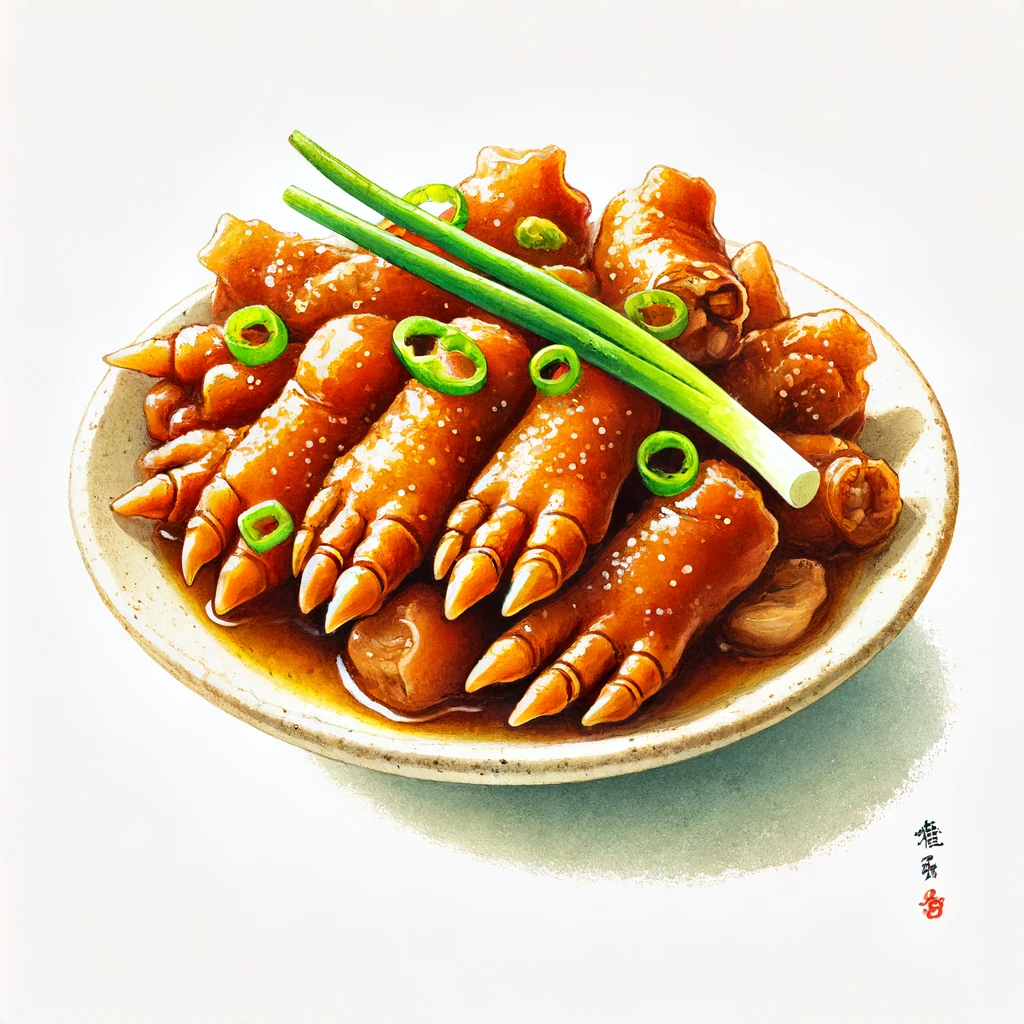
Okinawa’s rich food culture is brimming with countless delights, and among these, “Tebichi” stands out prominently. This traditional dish, made from pig’s feet, is not only a staple in Okinawan households but also an essential feature at local festivals and events. The charm of Tebichi lies in its unique texture and deep flavor, yet there are many hidden secrets from selecting the right Tebichi to cooking methods and ways to enjoy it. This article aims to provide comprehensive information that will help everyone, from beginners to enthusiasts, discover new facets of Tebichi.
Introduction
In the context of Okinawa’s culinary culture, Tebichi is an indispensable dish that captivates many with its distinctive texture and rich flavor. This article will delve into the role of Tebichi within Okinawan cuisine, exploring its cultural significance and regional variations.
What is Tebichi?
Definition and Characteristics of Tebichi
Tebichi, in the Okinawan dialect, means pig’s feet. It is rich in collagen, featuring a gelatinous texture that becomes tender and flavorful after long simmering. This dish is cherished in both Okinawan households and restaurants for its health benefits as well. The broth from simmering Tebichi turns into a jelly-like substance when cooled, with its collagen being renowned for its benefits to skin and hair, often referred to as a collagen treasure trove.
The Role of Tebichi in Okinawan Cuisine
Tebichi holds a significant place in Okinawan cuisine, boasting a long history as a traditional ingredient. Pork in general is crucial in Okinawan food culture, and Tebichi is especially treasured during celebrations and special occasions, symbolizing prosperity and health. Even during the post-war food shortages in Okinawa, Tebichi served as a valuable protein source, supporting the dietary needs of many.
The Position of Tebichi in Okinawan Cuisine
Cultural Significance in Okinawa
For the people of Okinawa, Tebichi is more than just an ingredient. Through Tebichi-based dishes, Okinawan families strengthen their bonds, passing down traditions and culture to the next generation. Particularly during celebrations and annual events, Tebichi dishes are a staple, loved by a wide range of generations.
Regional Variations of Tebichi
Even within Okinawa, the cooking methods and flavors of Tebichi vary by region. For example, around Naha City, simple soy sauce-based simmering is common, whereas in Miyakojima and Ishigaki Island, unique spices and herbs are added for distinctive flavors. These regional variations showcase the breadth of Okinawa’s rich food culture, offering new discoveries with every visit.
History and Culture of Tebichi
Tebichi holds a crucial place in Okinawan culinary culture, deeply rooted in the region’s history, culture, and people’s lives. This section unravels the stories behind Tebichi, from its origins to its cultural significance and the origin of its name.
The Origin of Tebichi and its Relationship with Okinawan Culture
Historical Background
The history of Tebichi dates back to the era of the Ryukyu Kingdom. During those times, pork was a precious commodity reserved for royalty and the nobility, largely inaccessible to the general populace. However, Tebichi, being pig’s feet, was more readily available and cherished as a valuable source of nutrition among the common people. Thus, Tebichi became an integral part of the Okinawan diet, cherished to this day.
Tebichi in Okinawan Festivals and Events
In Okinawa, Tebichi is an indispensable part of celebrations and annual events. Especially during the Obon Festival, weddings, and first-birthday celebrations, Tebichi dishes are served as symbols of abundance and happiness. Eating Tebichi during these events deepens family and community bonds, shows respect to ancestors, and expresses wishes for prosperity and good fortune.
The Meaning and Origin of the Name “Tebichi”
The Etymology of “Tebichi”
The term “Tebichi” comes from the Okinawan dialect, where “tebi (tebi)” means “hands and feet.” It literally refers to the pig’s feet. This straightforward name clearly indicates the part of the pig being used, emphasizing its role in the culinary culture.
Reasons for the Name’s Evolution
The name “Tebichi” became widely recognized as Okinawan cuisine gained recognition beyond the region. After the war, as Okinawan food culture became more accessible, Tebichi emerged as a notable ingredient in Okinawan cuisine. Additionally, to make it more approachable for tourists and visitors, variations in the name and cooking methods have been introduced, showcasing the diverse and rich food culture of Okinawa.
Choosing and Preparing Tebichi
One of the charms of Okinawan cuisine is Tebichi, and its flavor greatly depends on how it is selected and prepared. Here, we will explain how to identify high-quality Tebichi and the importance of proper preparation.
How to Choose Quality Tebichi
Characteristics of Fresh Tebichi
To identify fresh Tebichi, pay attention to its color and smell. Fresh Tebichi has a bright pink color and little to no unpleasant odor. Additionally, its surface should be firm and elastic, a sign of freshness. Press lightly with your finger; if it quickly returns to its original shape, it’s a good choice.
Points to Consider When Purchasing
When purchasing Tebichi, besides checking its freshness, also examine how well the hairs on the skin have been removed. Poorly processed hairs can make preparation cumbersome. It’s also recommended to buy various parts to enjoy the different flavors and textures each part offers.
The Importance and Methods of Pre-treatment
Steps for Pre-treatment
Proper pre-treatment of Tebichi is crucial to the final flavor of the dish. Start by thoroughly washing the Tebichi under running water to remove impurities. Then, briefly boil it to remove excess fat and odor. Skipping this step can negatively affect the overall taste of the dish.
Tips and Points for Pre-treatment
When pre-treating, be mindful of the boiling time. Boiling too long can make the meat tough, while too short leaves odors. Generally, boiling for 5 to 10 minutes is appropriate. After boiling, plunge the Tebichi into cold water to cool it rapidly, preserving its texture. This careful pre-treatment process maximizes the natural flavor of Tebichi.
Choosing quality ingredients and performing proper pre-treatment are vital steps in preparing delicious Tebichi dishes. By following these tips, you can enjoy the traditional flavors of Okinawa in your own home.
Basic Cooking Methods for Tebichi
As a representative dish of Okinawan cuisine, Tebichi can be enjoyed in various ways through different cooking methods. This section introduces the basic methods of cooking Tebichi, from traditional simmering to modern adaptations.
Tebichi as a Simmered Dish
Traditional Simmering Methods
The most popular way to prepare Tebichi is by slow-simmering it until the meat becomes tender and the flavors deepen. In traditional simmering, after pre-treating the Tebichi, it is placed in a pot and seasoned with soy sauce, sugar, mirin, and Awamori (Okinawan liquor). Add Okinawan spices and ingredients, and simmer slowly for several hours. This method concentrates the umami of Tebichi, creating a unique taste.
Variations in Simmering
There are many variations in Tebichi simmering recipes. For instance, adding curry powder for a spicy kick or simmering it in a tomato-based sauce for a Western twist. Adding vegetables or tofu can create a nutritious, balanced dish.
Grilling or Roasting Tebichi
Grilling Method
Grilling Tebichi results in a crispy exterior and juicy interior. After lightly boiling and drying the Tebichi, season it with olive oil, salt, and pepper, then grill at high temperature. The grilled Tebichi’s charred exterior enhances its flavor, making it a delightful dish.
Depth of Flavor in Grilled Tebichi
Grilled Tebichi offers various flavors depending on the cooking method. The texture and aroma change with the degree of grilling, and using different sauces and condiments can create endless flavor variations. This versatility makes it an appealing dish to try at home with various adaptations.
Tebichi can be prepared in many ways, each providing different flavors and textures. From traditional simmering to modern grilling, the range of Tebichi dishes highlights the depth of Okinawan cuisine.
Popular Recipes Using Tebichi
Dishes using Okinawa’s traditional ingredient, Tebichi, are beloved for their rich flavors and high nutritional value. This section introduces popular recipes, from traditional to modern adaptations.
Traditional Tebichi Dishes
Classic Tebichi Recipes
The quintessential Tebichi dish is “simmered Tebichi.” This involves simmering Tebichi with Awamori, soy sauce, and sugar until the meat’s umami and collagen dissolve, creating a rich flavor. Simmering for over two hours is key to achieving tender meat. This dish embodies the traditional taste passed down in Okinawan households.
Regional Specialty Recipes
Even within Okinawa, Tebichi cooking methods have regional specialties. For example, in Miyakojima, Tebichi is simmered with brown sugar and Awamori for a sweet, rich flavor. In Ishigaki Island, Tebichi is simmer
ed with island pepper for a spicy touch. These regional specialties highlight the diversity of Okinawan food culture.
Modern Tebichi Recipes
Modern Ways to Enjoy Tebichi
Today, many new ways to enjoy Tebichi have been proposed. For example, “Tebichi Curry” adds curry powder to the traditional simmering, creating a spicy and deep flavor. Another example is “cold Tebichi salad,” a perfect summer dish combining simmered and cooled Tebichi with vegetables and dressing.
Easy Home Recipes
Tebichi recipes can be easily enjoyed at home. “Spicy Tebichi with Homemade Sauce” is made by pouring homemade spicy sauce over simmered Tebichi, creating a simple yet delicious dish. Another easy recipe is “Tebichi Tomato Stew,” using canned tomatoes for a straightforward and family-friendly meal.
Dishes using Tebichi, ranging from traditional to modern adaptations, illustrate the richness of Okinawan cuisine. Experimenting with different Tebichi recipes at home can be an enjoyable way to discover new flavors.
How to Enjoy Tebichi Dishes
Tebichi dishes are loved for their unique flavor and texture. However, knowing the proper way to enjoy them enhances the experience. Here, we introduce how to enjoy Tebichi dishes, including pairing suggestions and presentation tips.
The Right Way to Eat Tebichi
Basic Tips for Enjoying Tebichi
The key to enjoying Tebichi is to take your time savoring it. For simmered dishes, start with the tender Tebichi, appreciating the gradual flavor changes. The gelatinous part of Tebichi is particularly rich in flavor, making it a delightful finish.
Best Beverages to Pair with Tebichi
Tebichi pairs well with Okinawan drinks such as Awamori and jasmine tea (Sanpin-cha). Awamori enhances the rich flavors of Tebichi, while Sanpin-cha’s fragrant aroma refreshes the palate. Red wine also complements Tebichi’s flavors, making it a suitable choice for pairing.
Tips for Enhancing Tebichi Dishes
Presentation and Plating
Paying attention to presentation enhances the enjoyment of Tebichi dishes. Adding colorful vegetables or herbs makes the dish visually appealing. Using traditional Okinawan pottery can also enhance the presentation, highlighting the rich flavors of Tebichi.
Pairing Ideas for Tebichi Dishes
Combining different ingredients and seasonings with Tebichi can create new flavor experiences. For example, pairing sweet and spicy simmered Tebichi with a tangy salad balances the flavors and adds texture variety. Spicy Tebichi dishes paired with creamy potato salad provide a mild contrast, enriching the dining experience.
Enjoying Tebichi dishes not only offers a delicious meal but also provides an opportunity to connect with Okinawan culture and tradition. By exploring different ways to enjoy Tebichi, you can discover its many charms.
Conclusion and the Future of Tebichi
Tebichi symbolizes the tradition and culture of Okinawan cuisine, beloved for its delicious taste and nutritional value. This section reflects on the significance of Tebichi and its future as part of Okinawan cuisine.
The Significance and Future Prospects of Tebichi
The Value of Tebichi in Okinawan Cuisine
Tebichi occupies a crucial place in Okinawan food culture, showcasing the diversity and richness of Okinawan cuisine with its unique texture and flavor. Tebichi dishes play important roles at family meals and community events, fostering bonds and passing down Okinawan traditions.
The Future of Tebichi Dishes
The future of Tebichi dishes looks promising. By preserving traditional cooking methods while incorporating new adaptations and seasonings, Tebichi is gaining renewed attention, especially among younger generations. As health consciousness rises, interest in Tebichi’s nutritional value is also increasing, suggesting further growth in its popularity.
The Future of Tebichi as an Okinawan Dish
Sustainability and Regional Development
The production and consumption of Tebichi significantly impact Okinawa’s regional economy. Promoting sustainable agriculture and livestock practices enhances the development of dishes using local ingredients, contributing to regional prosperity. Serving Okinawan cuisine to tourists also spreads the appeal of local culture.
Passing on to Younger Generations
Passing on the charm of Tebichi dishes to the next generation is vital for preserving and developing Okinawan food culture. Cooking classes, workshops, and social media are used to share how to enjoy Tebichi and the culture behind it with younger generations. Through these efforts, the tradition and innovation of Okinawan cuisine will continue to be handed down.
Tebichi connects the past, present, and future of Okinawan cuisine. Through its delicious taste, Tebichi offers a chance to touch Okinawa’s culture and history, and we hope it continues to be loved by many.
Tebichi Q&A
What part of the pig does Tebichi refer to?
Tebichi refers to the pig’s feet. In Okinawan cuisine, this part, rich in gelatin and collagen, is often simmered for a unique texture and flavor.
What are the tips for deliciously simmering Tebichi?
The key to deliciously simmering Tebichi is thorough pre-treatment and sufficient simmering time. Removing impurities and briefly boiling to eliminate odors is essential. After that, season with soy sauce, sugar, mirin, and Awamori, and simmer slowly for several hours.
What drinks pair well with Tebichi dishes?
Awamori, Okinawa’s traditional liquor, pairs excellently with Tebichi dishes. Jasmine tea (Sanpin-cha) and red wine also complement the rich flavors of Tebichi, enhancing the dining experience.
How can Tebichi dishes be easily adapted at home?
One simple home adaptation is “Tebichi Curry,” where curry powder is added to the traditional simmering process for a spicy twist. Another is “cold Tebichi salad,” where cooled, simmered Tebichi is combined with vegetables and dressing for a refreshing summer dish.
What is the cultural significance and value of Tebichi?
Tebichi holds a significant place in Okinawan food culture, essential at family meals and community events, fostering bonds, and passing down traditions. With growing health awareness, its nutritional value is increasingly recognized, promising a bright future.
Summary
Tebichi, the traditional ingredient of Okinawan cuisine, is renowned for its unique texture and deep flavor, holding a special place in Okinawan dishes. Rich in gelatin and collagen, Tebichi’s flavor is enhanced through long simmering. This blog has covered the selection, pre-treatment, basic cooking methods, and popular recipes to fully enjoy Tebichi.
When choosing Tebichi, it’s important to assess freshness and meat quality. Proper pre-treatment involves removing impurities and odor, and thorough simmering maximizes the umami and collagen of Tebichi. Grilling or roasting also offers new delicious ways to enjoy Tebichi.
As a part of Okinawan cuisine, Tebichi is indispensable at family tables and community events, strengthening bonds and preserving traditions. Proper ways to enjoy Tebichi include pairing it with suitable beverages and paying attention to presentation.
The future of Tebichi dishes is bright, with renewed interest from younger generations due to new adaptations and rising health consciousness. Promoting sustainable practices and sharing the joys of Tebichi with younger generations will continue to enhance its value as a bridge between Okinawa’s past, present, and future. Discover the cultural and historical richness of Okinawa through Tebichi, and enjoy the new flavors it offers.


コメント