
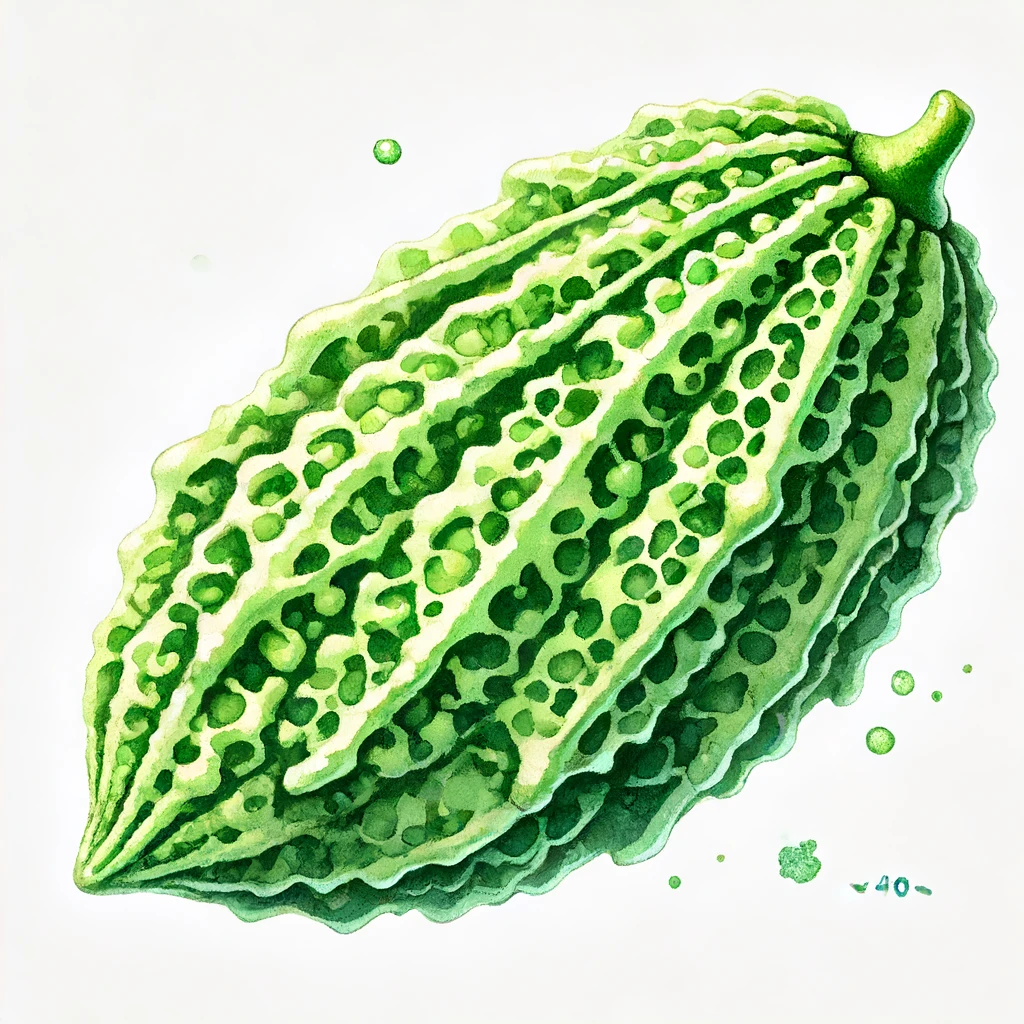
Okinawa’s lush natural environment fosters the growth of nabeera (luffa), a vegetable known for its refreshing flavor and unique texture, making it a staple on summer tables. However, nabeera’s appeal extends beyond just being a summer vegetable. Rich in vitamins C and B, as well as potassium, calcium, and other minerals, it offers remarkable health and beauty benefits, including digestive aid, detoxification, and skin enhancement. From traditional dishes to modern recipes, its uses are endless. Additionally, nabeera’s benefits for beauty and skincare have made it a favorite among those who prefer natural care products.
In this blog, we will cover everything you need to know about nabeera, including its nutritional content and health benefits, various cooking methods, and beauty applications. We’ll also provide tips on how to grow nabeera at home. Through nabeera, we aim to connect you with Okinawa’s rich food culture, emphasizing its importance as a local ingredient and its contribution to sustainable food practices. By integrating nabeera into your lifestyle, you can enjoy a richer, healthier, and more beautiful life. Let’s explore the wonders of nabeera and incorporate the blessings of Okinawa’s nature into our daily lives.
Introduction
In the diverse food culture nurtured by Okinawa’s beautiful nature, nabeera (luffa) stands out with its unique charm, enriching our dining tables. This blog will unravel the full story of nabeera, an ingredient unique to Okinawa, exploring its uses, history, and cultural significance. We aim to present the newfound allure of nabeera to everyone who loves Okinawan food culture.
What is Okinawan Nabeera (Luffa)?
Overview and Characteristics of Nabeera
Nabeera, a type of luffa, has been a traditional summer vegetable in Okinawa for centuries. It is characterized by its high water content and unique texture, offering a refreshing taste that is beneficial for heatstroke prevention and beauty care. Its quick growth and ease of cultivation in home gardens are also part of its appeal. Dishes using this verdant vegetable are indispensable in Okinawan cuisine.
History of Nabeera in Okinawa
The cultivation of nabeera in Okinawa dates back many years. It has been particularly valued as a food source to withstand the harsh summer heat and for its medicinal benefits. During post-war food shortages, its high productivity helped many people stave off hunger. Due to these historical contexts, nabeera holds a significance beyond just being a food item for the Okinawan people.
Cultural Significance of Nabeera
Impact on Traditional Cuisine
In Okinawan traditional cuisine, nabeera plays an essential role. For instance, it is used in dishes like “nabeera juushi,” meant to prevent summer fatigue and restore strength, and “nabeera tempura,” focusing on beauty and health. These dishes, which symbolize Okinawan food culture, continue to be valued today.
Role in Regional Culture
Nabeera is deeply embedded in Okinawan regional culture. It is used in local festivals and ceremonial foods, with traditions being passed down through generations. Through nabeera, locals feel connected to nature and the changing seasons, fostering a culture that values these connections. Thus, nabeera is esteemed as a presence that enriches the lives of Okinawan people and their communities.
Origin and Meaning of the Name Nabeera
Historical Background of the Name
The name nabeera originates from the Okinawan language, passed down orally through generations. This unique name, nurtured alongside Okinawan history, reflects how nabeera has been used and respected within the community. The diverse applications of nabeera are deeply linked to the meaning embedded in its name, passed down through generations in Okinawa.
Origin of the Name
The name nabeera is believed to be derived from the Okinawan term “nabeerabui.” This term is thought to originate from the distinctive shape and use of the luffa plant. In Okinawa, this plant has long been utilized in various aspects of daily life. The name nabeera symbolizes its characteristic shape and usage, conveying its identity within the local language.
Regional Variations of the Name
Even within Okinawa, the name for nabeera varies slightly by region. These regional variations reflect the different ways nabeera has been perceived and used locally. For example, in some areas, it is also called “heeja,” reflecting regional dialects and cultural backgrounds. This diversity illustrates how deeply nabeera is rooted in each part of Okinawa.
Meaning of the Name Nabeera
Analysis of Its Etymology
Analyzing the etymology of nabeera reveals traditional Okinawan wisdom related to its functionality and use. The term nabeera may include meanings associated with “rope” or “binding,” reflecting how luffa has been used historically as a material for making ropes or tying things. This reflects its traditional utility.
Cultural Value of the Name
The name nabeera encompasses more than just the meaning of a type of luffa; it embodies a deep respect for Okinawan people’s lives and culture. It symbolizes harmony with nature, traditional lifestyles, and community bonds in Okinawa. Through nabeera, Okinawan people have valued natural blessings and cultivated the wisdom and techniques to utilize them. This name reflects gratitude for Okinawa’s rich natural environment and respect for tradition.
Nutritional Value and Health Benefits of Nabeera
Okinawan nabeera is known for its diverse nutritional value and health benefits that go beyond being a simple summer vegetable. This section delves into its nutritional components and their benefits to health, highlighting why nabeera is a valuable ingredient for health-conscious modern people.
Nutritional Components of Nabeera
Nabeera is renowned for its rich nutritional content. Let’s take a closer look at its specific components.
Key Vitamins and Minerals
Nabeera contains an abundance of vitamins, including vitamins C and B. These vitamins not only boost the immune system but also play a crucial role in energy production. Additionally, it is rich in minerals like potassium, calcium, and iron, which help regulate blood pressure and maintain bone health. These nutrients are essential for daily health maintenance.
Dietary Fiber in Nabeera
Nabeera is high in dietary fiber, particularly insoluble fiber, which improves gut health and helps relieve constipation. It also provides a feeling of fullness, making it an excellent food for those on a diet. By maintaining a healthy gut flora, it supports overall health.
Health Benefits
The nutritional components of nabeera bring various health benefits.
Digestive Aid and Detoxification
The dietary fiber in nabeera promotes digestion and helps eliminate toxins from the body, offering detoxification benefits. Especially in Okinawa’s hot summers, it helps maintain body fluid balance and can aid in preventing heatstroke. By incorporating nabeera into your daily diet, you can naturally support your health from within.
Improved Skin and Enhanced Immunity
The vitamin C in nabeera is known for its skin-beautifying effects. Its antioxidant properties help prevent skin aging, keeping your skin bright and healthy. Additionally, the vitamins and minerals in nabeera boost immunity, helping protect the body from illnesses. Nabeera is an indispensable ingredient for modern people, benefiting both health and beauty.
By actively incorporating nabeera into your diet, you not only support daily health and beauty but also enjoy Okinawa’s traditional food culture.
Cooking Methods Using Nabeera
Nabeera plays a significant role in Okinawan food culture, and maximizing its appeal requires proper preparation. From traditional recipes to modern twists, nabeera-based dishes are diverse. Here, we’ll introduce basic preparation methods and various cooking techniques.
Basic Preparation Methods
Proper preparation of nabeera is crucial for enhancing the flavor of your dishes.
Handling the Skin
Nabeera’s skin is tough and affects its texture, so it is usually removed in most recipes. When peeling the skin, hold the nabeera vertically and use a knife or peeler to thinly strip away the skin. After peeling, check for any remaining fibers inside the nabeera and remove them if necessary.
Tips and Techniques for Preparation
Before using nabeera, it is recommended to soak it in water to remove any bitterness, especially when eating it raw or in salads. This step helps to soften nabeera’s characteristic bitterness. Additionally, the way you cut nabeera can affect its texture and taste, so it’s essential to choose the appropriate cutting method based on the dish.
Traditional Nabeera Recipes
Nabeera is an indispensable ingredient in traditional Okinawan cuisine.
Nabeera Tempura
Slice the nabeera thinly, season with salt, coat with tempura batter, and fry. This simple yet popular dish offers a crunchy texture and nabeera’s unique flavor. It’s perfect as a summer beer snack.
Nabeera Miso Soup
Cut nabeera into small pieces and simmer it in dashi and miso to create a miso soup with a unique texture and sweetness. This soup warms the body and boosts the immune system. In Okinawan households, it’s a must-have for summer nutrition.
Modern Recipe Innovations
Due to its health benefits, nabeera is actively incorporated into modern recipes.
Nabeera Smoothie
Blend raw nabeera with fruits and yogurt to make a nutritious smoothie. This drink is perfect for cooling down in the hot summer while supporting beauty and health.
Nabeera Salad
Combine thinly sliced nabeera with tomatoes and cucumbers for a refreshing salad. Using a shikwasa-based dressing is recommended. This light and refreshing dish is excellent for preventing summer fatigue.
These nabeera-based recipes provide color and nutrition to the daily diets of health-conscious individuals. By incorporating traditional Okinawan ingredients with new ideas, people of all generations can enjoy them.
Other Uses of Nabeera
Beyond cooking, nabeera can be utilized in beauty and various household applications, showcasing its versatility. Exploring its natural properties can further expand its potential.
Beauty and Skincare Applications
Due to its moisturizing and high nutritional value, nabeera is highly effective for beauty and skincare.
Nabeera Face Pack
Crush nabeera finely and apply it directly to the skin as a natural face pack. Nabeera’s natural moisturizing ingredients hydrate the skin, while vitamin C’s antioxidant properties help prevent skin aging. After application, rinse your face with clean water to enjoy a smooth skin texture.
Making and Benefits of Nabeera Water
Slice nabeera thinly and soak it in water overnight to make nabeera water. This water can tighten the skin and reduce UV damage. Incorporating nabeera water into your morning and evening skincare routine helps maintain healthy skin.
Simple Home Uses
Nabeera’s natural properties lend themselves to various household uses.
Cleaning Products Using Nabeera
Nabeera’s fibers can be used as a natural sponge. After drying and hardening the fibers, use them to clean kitchens and bathrooms. Being natural, they are environmentally friendly and can be reused, reducing waste.
Nabeera as a Natural Air Purifier
Nabeera plants can absorb harmful substances in the air through their leaves. Placing nabeera plants indoors can serve as a natural air purifier, improving indoor air quality. Additionally, the lush green nabeera plants make for beautiful interior decor.
These uses of nabeera reflect Okinawan wisdom in harmonizing with nature. By fully utilizing nabeera, from beauty to daily life, one can achieve a richer lifestyle.
Tips for Growing Nabeera
Growing nabeera at home not only allows you to enjoy its fresh flavor but also contributes to physical and mental health. Here, we explain the basics of nabeera cultivation and tips for a bountiful harvest.
Basics of Cultivation
Successful nabeera cultivation starts with following the basics.
Timing and Method of Sowing
Spring, when it starts to warm up, is the best time to sow nabeera seeds. Generally, April to May is ideal, depending on the region. Sow the seeds at a depth of about 1 cm and water them evenly. Ensure the soil doesn’t dry out until germination.
Soil and Watering Conditions
Nabeera prefers well-drained, fertile soil. A pH level of neutral to slightly alkaline is ideal. Regular watering is necessary, especially during the growth period, to prevent the soil from drying out. However, avoid overwatering, which can cause root rot; water generously only when the soil surface is dry.
Key Points for Success
Several crucial points ensure good growth and a rich harvest.
Sunlight and Fertilizer Management
Nabeera thrives in sunlight. Ensure at least 4-6 hours of direct sunlight daily. For fertilizer, use nitrogen-rich fertilizer during the early growth stage, and switch to phosphorus and potassium-rich fertilizer when flowers start to bloom. This promotes healthy growth and abundant harvests.
Pest and Disease Control
Nabeera is relatively resistant to pests and diseases, but proper management is essential. Pay special attention to aphids and spider mites. Early intervention is crucial if pests are spotted. Natural solutions like soapy water or appropriate pesticides can be used. Also, be cautious of overwatering as it can promote diseases; manage watering carefully.
Growing nabeera at home not only provides fresh vegetables for your table but also offers the joy of gardening. By adhering to these basics and key points, successful and healthy nabeera cultivation is achievable.
Conclusion
Okinawa’s nabeera (luffa) is an incredibly appealing ingredient with diverse uses and deep cultural roots. Through this article, let’s explore the richness of using nabeera and show our respect for Okinawa’s food culture.
The Richness of Using Nabeera in Daily Life
Nabeera enriches our lives with its high nutritional value, beauty benefits, and various household uses.
Multi-faceted Utilization in Everyday Life
Nabeera’s value extends beyond cooking, contributing to beauty and household uses. You can create natural skincare products and eco-friendly household items, supporting a healthy lifestyle free from chemicals.
Nabeera as a Bridge Between Tradition and Modernity
Nabeera serves as a bridge between Okinawa’s traditional food culture and modern life. From traditional recipes to contemporary innovations, nabeera continues to be cherished across generations, preserving cultural heritage.
Respect for Okinawa’s Food Culture
Through nabeera, we can deeply respect Okinawa’s rich food culture and its background.
Importance as a Local Ingredient
Nabeera is indispensable in Okinawa’s food culture. Using freshly harvested local nabeera supports local agriculture and contributes to efforts towards food self-sufficiency.
Contribution to Sustainable Food Culture
Growing and using nabeera contributes to sustainable food culture. Environmentally-friendly cultivation methods and waste-reducing usage help lower environmental impact.
Nabeera is more than just a vegetable; it is deeply rooted in our lives. Understanding and utilizing its multi-faceted value and cultural significance allows for a richer and more sustainable lifestyle. Through nabeera, we hope you find new discoveries and inspiration, incorporating Okinawa’s rich nature and culture into your daily life.
Nabeera Q&A
What kind of plant is nabeera?
Nabeera is a type of luffa with high water content, unique texture, and refreshing flavor, commonly grown in Okinawa. It is used in cooking, beauty care, and even as a household item.
What nutritional value and health benefits does nabeera offer?
Nabeera is rich in vitamins C and B, potassium, calcium, and iron, providing benefits like enhanced immunity, digestive aid, detoxification, and skin beautification.
What are some recommended dishes using nabeera?
Traditional dishes like nabeera tempura and nabeera miso soup offer a unique texture, while modern recipes like nabeera smoothies and salads are also recommended for their health benefits.
What tips can you provide for growing nabeera at home?
To grow nabeera, sow seeds in spring, use well-drained fertile soil, ensure sufficient sunlight, and water regularly. Proper pest and disease management is also essential.
What other uses does nabeera have besides cooking?
Nabeera can be used in beauty and skincare, such as natural face packs and lotions. It can also serve as a natural sponge or air purifier, reflecting its versatility and value.
In Conclusion
Nabeera (luffa), a summer vegetable known for its refreshing taste and unique texture, enriches Okinawa’s summer tables. Its high nutritional value, including vitamins C and B, potassium, and other minerals, provides digestive aid, detoxification, and skin enhancement, offering numerous health and beauty benefits.
In cooking, nabeera tempura and miso soup provide traditional flavors, while modern recipes like nabeera smoothies and salads highlight its versatility. These uses underscore nabeera’s deep roots in Okinawan food culture.
For beauty and skincare, nabeera-based face packs and lotions are popular natural products. At home, nabeera serves as a cleaning product and natural air purifier, showcasing its multifaceted uses.
Growing nabeera brings joy and health benefits, with tips for successful cultivation including spring sowing, well-drained soil, adequate sunlight, and proper watering. Managing pests and diseases is also crucial.
Incorporating nabeera into daily life addresses the values of health, beauty, and environmental sustainability, serving as a bridge between traditional food culture and modern living. Understanding and utilizing nabeera’s diverse applications and cultural significance can enrich our lives.
Through nabeera, we hope to bring new discoveries and inspiration, integrating the blessings of Okinawa’s rich nature and culture into your daily life.


コメント